
    Winery in Cormons, Italy

    Livio Felluga

    500pts

    Ponca-Driven White Wine Precision

    Livio Felluga, Winery in Cormons

    About Livio Felluga

    Livio Felluga sits at Piazza Abbazia in Rosazzo, within the Friuli Colli Orientali zone that has shaped the Felluga family's approach to white wine for generations. The estate holds a Pearl 2 Star Prestige rating for 2025, placing it among the most formally recognised producers in northeastern Italy. For visitors to the Collio and Colli Orientali belt, this is a reference address for understanding how the region's soils translate into bottle.

    Where the Marl Meets the Bottle: Friuli's Terroir Case Study

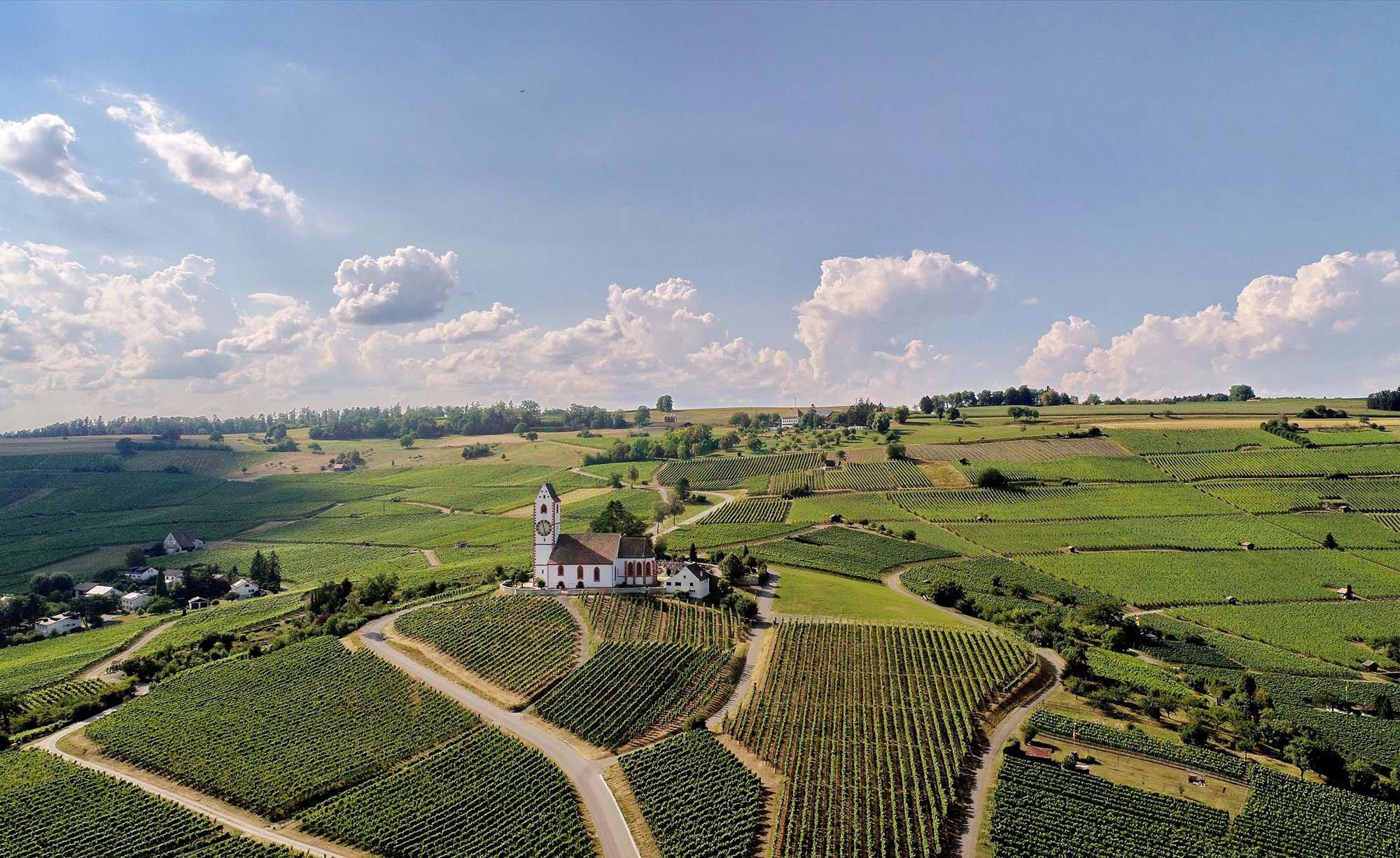
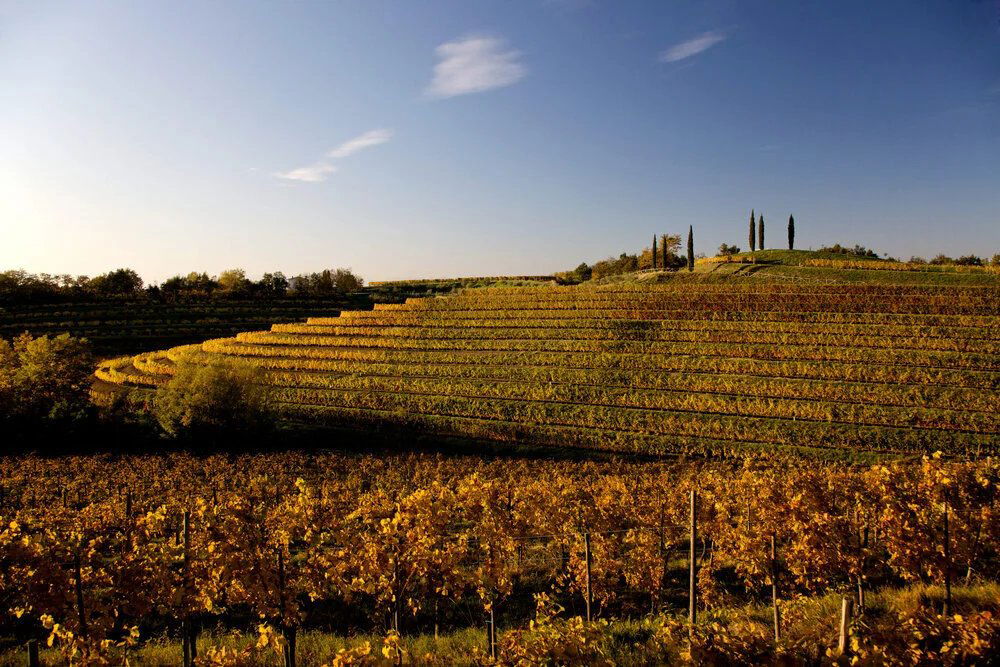
    The hills east of Udine do not announce themselves with drama. The roads narrow, the gradients become deliberate, and the vineyards arrive in orderly rows across slopes of Eocene marl and sandstone locally called ponca. This is the geological backbone of Friuli Colli Orientali and, a few kilometres to the northwest, the Collio DOC, and it is the condition that defines what serious white wine from this corner of Italy tastes like: mineral, taut, capable of ageing in ways that northern Italian whites from volcanic or alluvial ground rarely achieve.

    Livio Felluga, operating from its address at Piazza Abbazia, 5 in Rosazzo, is one of the estates most closely associated with the serious articulation of that terroir argument. The 2025 Pearl 2 Star Prestige award positions it inside a compact tier of formally recognised Italian producers, and that recognition carries a specific meaning in this region: it signals a producer whose wines are consistently read as expressions of place rather than of cellar technique alone.

    The broader Friuli picture rewards context. Northeastern Italy's wine identity has long been overshadowed commercially by Barolo and Brunello to the south and west, and by Prosecco and Soave in volume terms. The Colli Orientali and Collio sub-zones, straddling the Slovenian border, occupy a different register entirely, one where indigenous varieties, Ribolla Gialla and Friulano in particular, and international whites planted in unusually complex soils, produce wines that attract serious collectors without generating the same secondary-market noise as Piedmont or Tuscany. That relative quiet is part of the appeal for producers like Livio Felluga, whose reputation is built on consistent critical recognition rather than on auction-room visibility.

    The Ponca Argument: Soil, Slope, and What They Produce

    To understand what visiting or tasting Livio Felluga means, it helps to understand what ponca does to a vine. The alternating layers of marl and sandstone fracture into vertical fissures as they weather, forcing root systems to push deep in search of water and nutrients. The result is slow vine growth, naturally low yields, and a mineral tension in the finished wine that soil scientists attribute to the calcium-rich, slightly alkaline character of the rock. Wines from ponca slopes tend to carry a saline or chalky finish that distinguishes them from the rounder profiles produced in the alluvial plains below.

    Rosazzo, specifically, sits within the Colli Orientali del Friuli DOC and holds its own DOCG designation for Rosazzo Bianco, a blend-based white that the zone's most serious producers use as a flagship format. The elevation here, combined with the Adriatic influence moderating temperatures from the south and the Alpine cold pressing down from the north, creates a growing season with significant diurnal variation. That temperature swing is the mechanism behind the aromatic complexity that makes Friulian whites from this zone legible as serious age-worthy wines rather than early-drinking regional curiosities.

    Estates working this ground across the broader northeast, from [Aldo Conterno in Monforte d'Alba](https://www.enprimeurclub.com/wineries/aldo-conterno-monforte-dalba-winery) to [Ca' del Bosco in Erbusco](https://www.enprimeurclub.com/wineries/ca-del-bosco-erbusco-winery), each demonstrate how specific geology and microclimate shape a producer's identity as distinctly as any stylistic decision made in the cellar. In Friuli, that argument is made through white varieties where the margin for error is smaller and the soil signature is harder to obscure.

    The Rosazzo Setting and What to Expect on Arrival

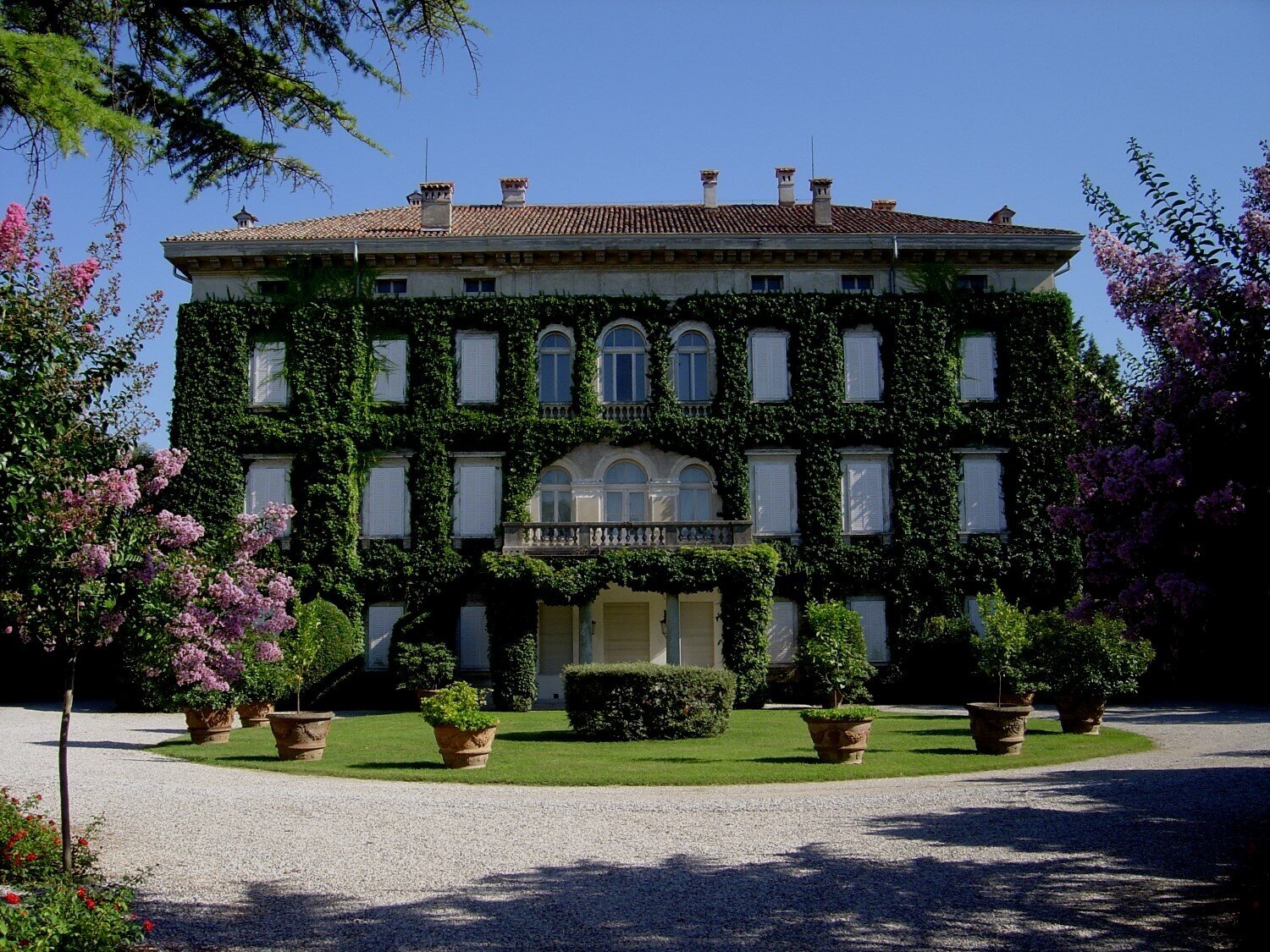
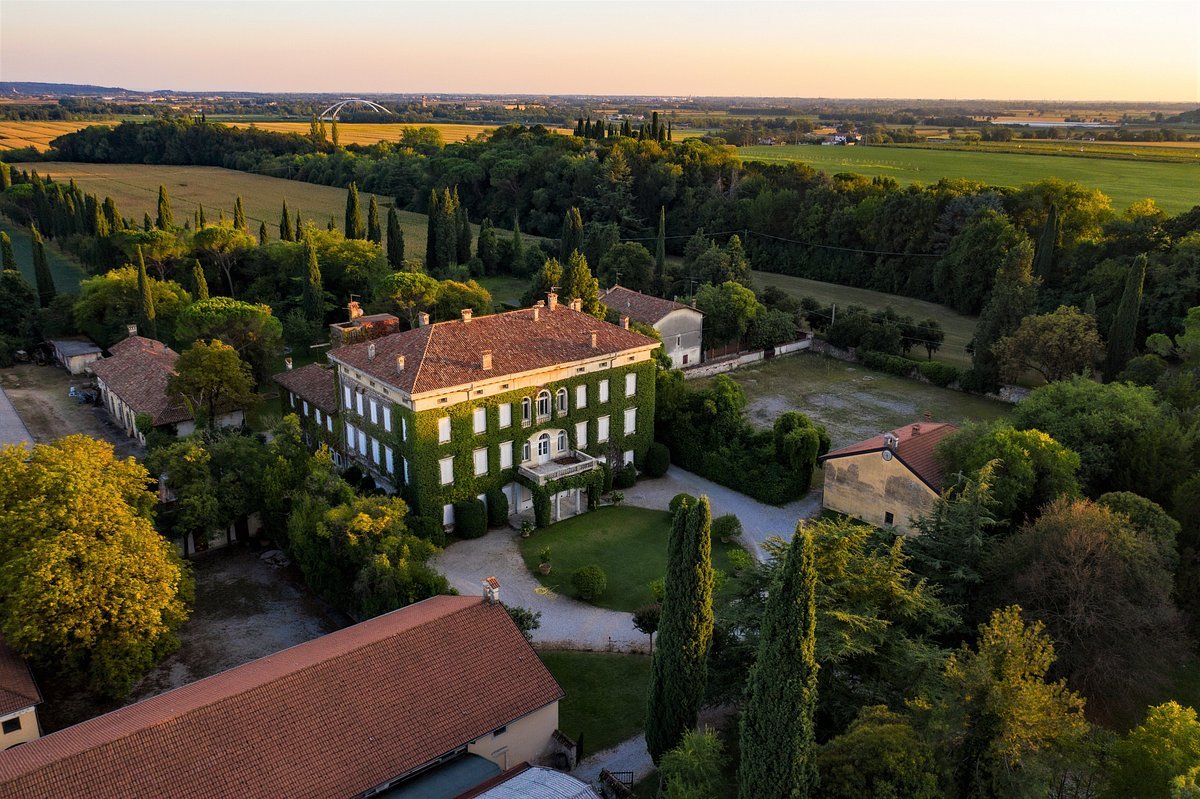
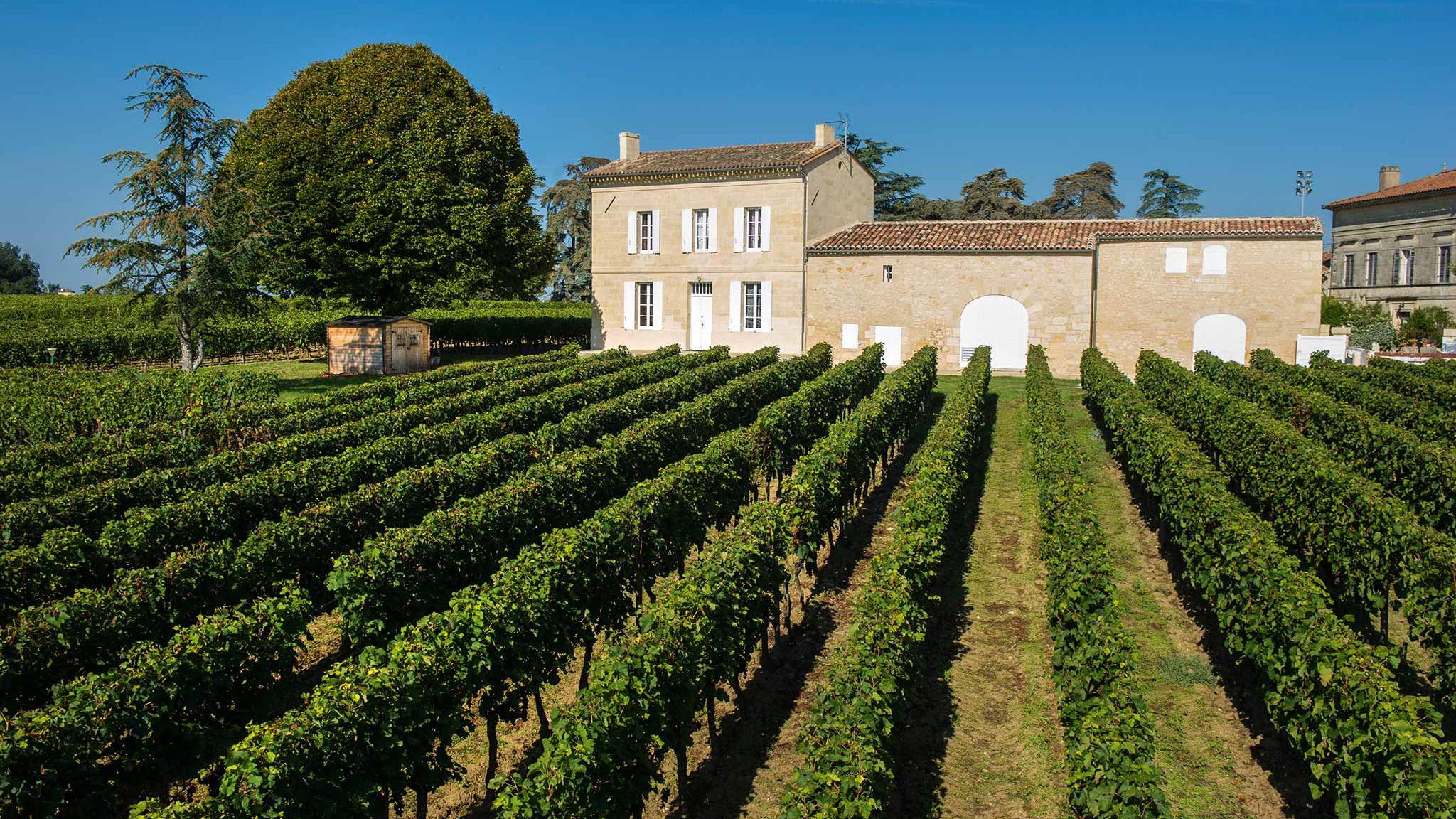
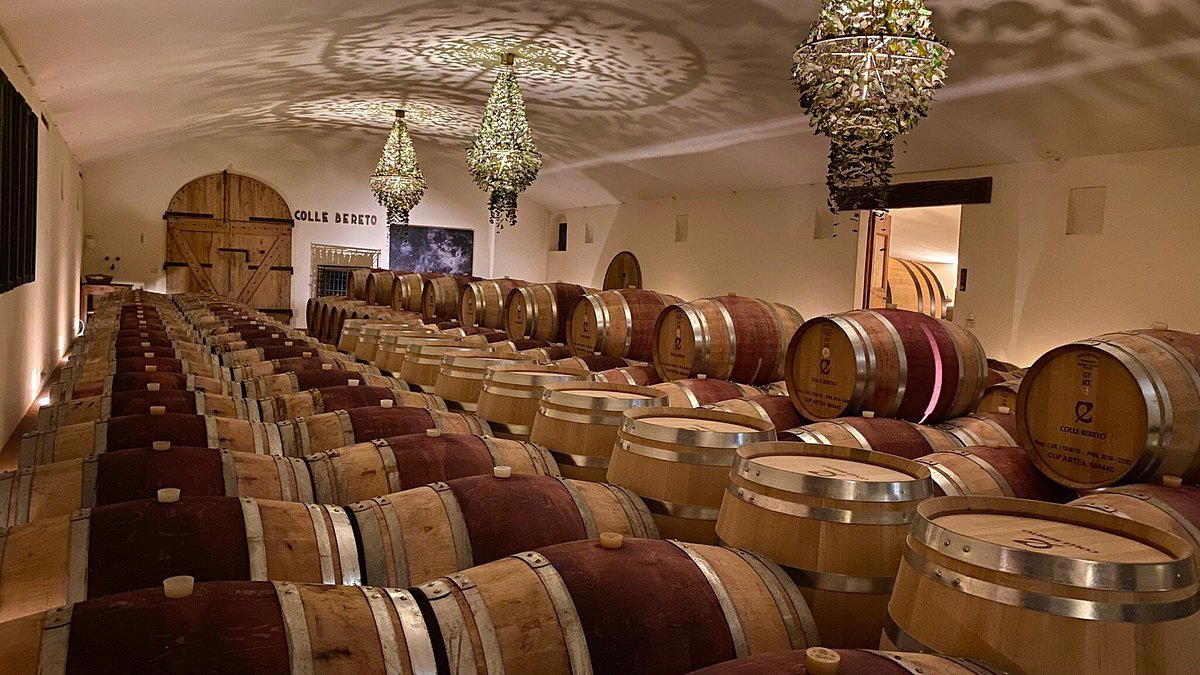
    The address, Piazza Abbazia, references the medieval abbey that anchors the Rosazzo locality, a detail that does more than provide a postal landmark. The abbey and its surrounding agricultural estate have shaped land use in this part of Friuli for centuries, and the connection between monastic viticulture and the precision-driven wine culture that characterises the zone today is neither accidental nor merely atmospheric. The Felluga estate operates within that historical frame, and the physical environment on arrival, stone buildings, ordered vineyard rows, the faint elevation above the surrounding valley floor, communicates that weight before a glass is poured.

    For visitors making the trip from Cormons, the nearest town of reference, the drive into the Colli Orientali hills is itself a useful orientation to the region's character. Cormons functions as a practical base for the Collio DOC directly, and the short distance into the adjacent Colli Orientali zone allows serious visitors to cover both appellations in a single itinerary. Our [full Cormons restaurants guide](https://www.enprimeurclub.com/cities/cormons) covers the practical logistics of basing yourself there while exploring this corridor of northeastern Italian wine.

    As with most serious Italian estates in this tier, the experience at Livio Felluga is unlikely to resemble a drop-in tasting room visit. Producers holding Pearl 2 Star Prestige recognition in 2025 typically receive visitors by appointment and structure tastings around the estate's specific range and vintage programme rather than around walk-in convenience. Booking ahead is the operative assumption. Contact through the estate directly is the advisable path, as specific hours and formats are not published centrally and may vary seasonally, particularly around harvest in September and October.

    What to Taste and How to Read the Range

    The wines most directly associated with Livio Felluga's reputation sit in the white category, where the estate has historically worked with Friulano, Pinot Grigio, and Ribolla Gialla alongside the blended Rosazzo format. The logic of tasting here is cumulative: single-variety wines establish a baseline for how each grape reads in ponca conditions, and blended formats then demonstrate the estate's argument about how those varieties complement one another across a single vineyard slope or DOC.

    Visitors approaching Friulian whites for the first time benefit from understanding that Friulano (formerly marketed as Tocai Friulano before a European naming dispute removed that designation in 2007) carries an almond and white flower character that reads quite differently from the same grape in Veneto or in Austrian Burgenland. In ponca-grown expressions at the serious end of the market, the texture is broader and the finish more saline than varietal averages suggest. Ribolla Gialla, Friuli's most assertive native white, polarises opinion but rewards patience: its high acidity and angular structure make young examples demanding, while aged bottles from well-regarded estates resolve into something more complex than the variety's reputation typically implies.

    For context on how Italian estates of this recognition tier approach their ranges, producers like [Lungarotti in Torgiano](https://www.enprimeurclub.com/wineries/lungarotti-torgiano-winery), [Castello di Volpaia in Radda in Chianti](https://www.enprimeurclub.com/wineries/castello-di-volpaia-radda-in-chianti-winery), and [Planeta in Menfi](https://www.enprimeurclub.com/wineries/planeta-menfi-winery) each demonstrate how regionally anchored Italian estates build ranges that use the full complexity of their growing zones rather than converging on a single flagship style. Livio Felluga's approach fits that pattern.

    Friuli in Context: Where This Estate Sits Regionally

    The northeast Italian fine wine conversation has shifted meaningfully over the past decade. Friuli's most serious estates have moved from being considered regional specialists, competent but peripheral, to being cited in international wine criticism alongside Piedmont and Tuscany producers of comparable scale. That shift correlates with two things: broader critical attention to Italian whites as an age-worthy category, and a growing appreciation for indigenous varieties that carry genuine terroir legibility. The Colli Orientali and Collio zones sit at the centre of that reappraisal.

    Livio Felluga's 2025 Pearl 2 Star Prestige recognition places it within the leading formally rated tier of producers in the country at that award level. Italian spirits and wine producers from across the country holding similar recognition include [Nonino Distillery in Pavia di Udine](https://www.enprimeurclub.com/wineries/nonino-distillery-pavia-di-udine-winery), another northeastern Italian producer whose reputation is built on regional identity rather than on category-generic positioning. The regional specificity of that northeastern cluster is itself a useful observation: Friuli and its immediate neighbours have consistently produced producers whose identity is inseparable from geography.

    Visitors interested in the broader Italian producer landscape across award tiers will find useful comparisons in estates like [Poggio Antico](https://www.enprimeurclub.com/wineries/poggio-antico), [L'Enoteca Banfi in Montalcino](https://www.enprimeurclub.com/wineries/lenoteca-banfi), and [Distilleria Marzadro in Nogaredo](https://www.enprimeurclub.com/wineries/distilleria-marzadro-nogaredo-winery). The contrast between Tuscan red wine estates and Friulian white wine producers is instructive: both operate at recognised quality levels, but the visitor experience, the marketing logic, and the critical vocabulary used to evaluate them are substantially different.

    Planning the Visit

    Rosazzo sits within driving distance of Udine (approximately 20 kilometres to the northwest) and is most practically reached by car. Public transport connections into the Colli Orientali hills are limited, and the dispersed nature of the wine estates across the zone makes a vehicle the assumed condition of any serious visit. Cormons, to the north, provides the most convenient accommodation base for visitors covering both the Collio and Colli Orientali sub-zones in a single trip, with the main Collio producers accessible from there before dropping south into Colli Orientali territory on a second day.

    Harvest season, running from late August through October depending on variety, is when the estates are most active and when ambient access to the winemaking process is most possible for interested visitors. Spring tastings, typically April through June, represent a calmer window when new vintages are being assessed and when the estate teams are more available for extended conversations about the range. Midsummer in Friuli can be warm, though the Colli Orientali hills moderate temperatures noticeably compared to the plains.

    For visitors planning a wider northeastern Italian wine itinerary, the Poli Distillerie approach in the Veneto region (see [Poli Distillerie in Schiavon (Vicenza)](https://www.enprimeurclub.com/wineries/poli-distillerie-schiavon-vicenza-winery)) and the grappa tradition documented at [Distilleria Romano Levi in Neive](https://www.enprimeurclub.com/wineries/distilleria-romano-levi-neive-winery) provide useful complementary perspectives on how Italian craft producers in adjacent categories have built their reputations on regional specificity rather than on category-generic ambition. The northeastern Italian producer identity, whether wine or spirits, consistently rewards visitors who arrive with that regional frame already in place.

    For those sourcing bottles rather than visiting in person, Livio Felluga wines appear in specialist Italian wine merchants across major European markets and in dedicated Friulian sections of retailers who have invested in northeastern Italian coverage. Allocation patterns for top-tier Colli Orientali estates are tighter than for major Tuscan or Piedmontese producers, reflecting the smaller production volumes that ponca-farmed hillside vineyards generate. Comparable allocation dynamics appear at producers like [Accendo Cellars in St. Helena](https://www.enprimeurclub.com/wineries/accendo-cellars), where site-specific production limits shape commercial availability just as directly as critical reputation.

    Frequently Asked Questions

    What should I expect atmosphere-wise at Livio Felluga?
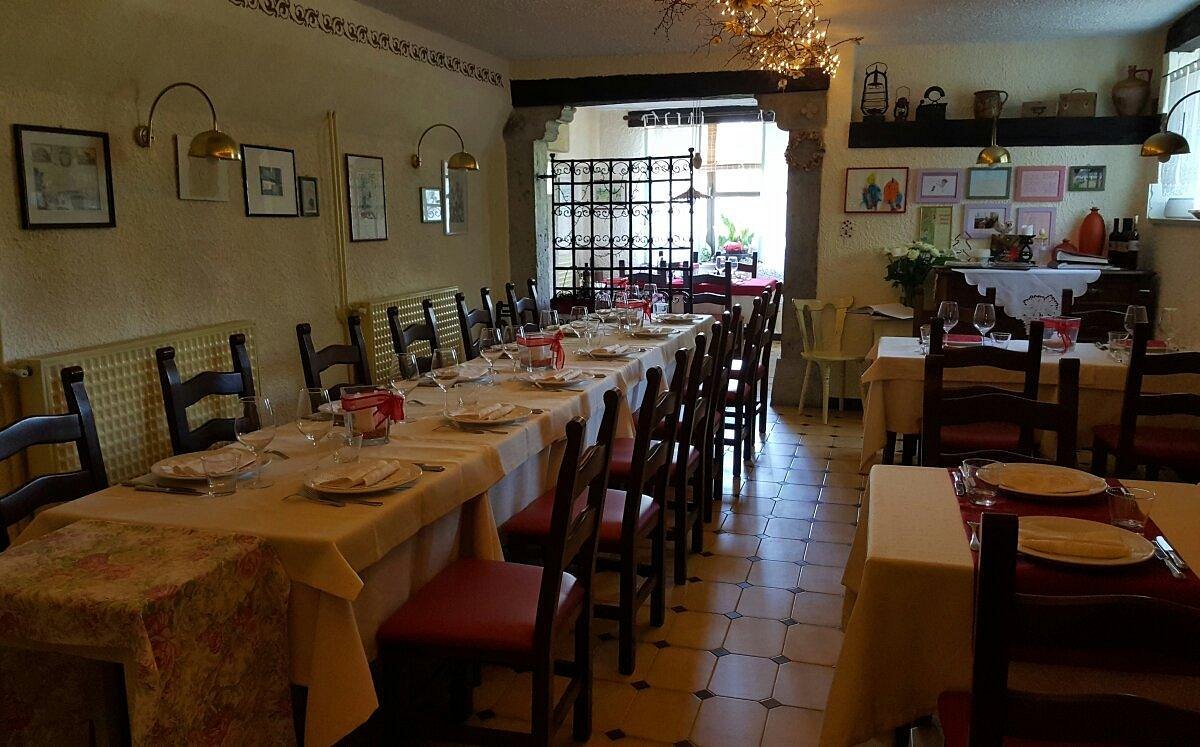
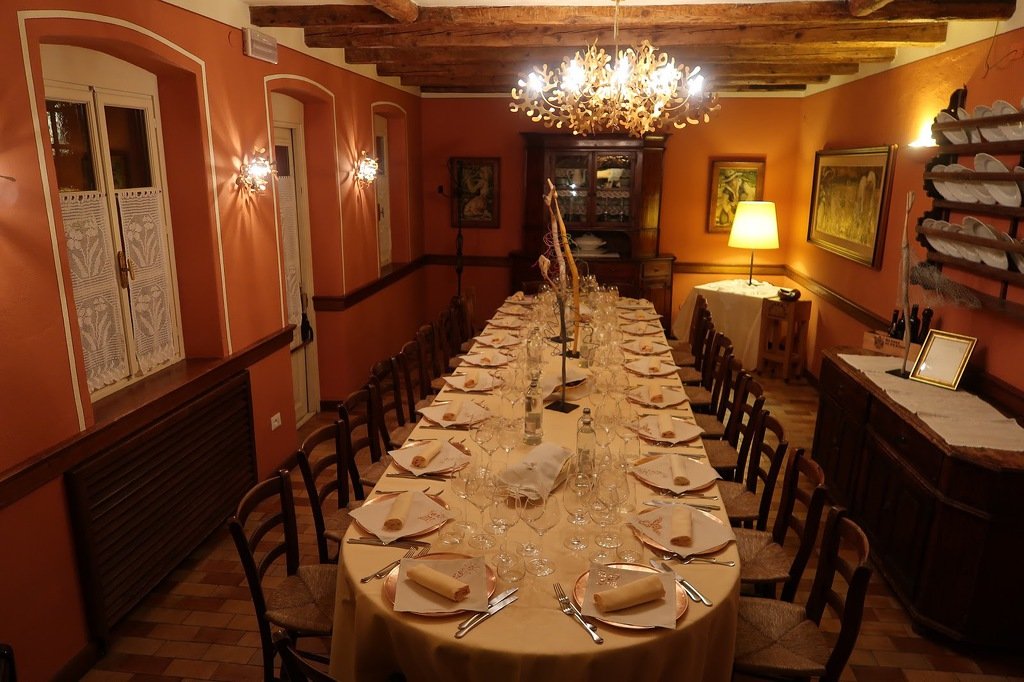
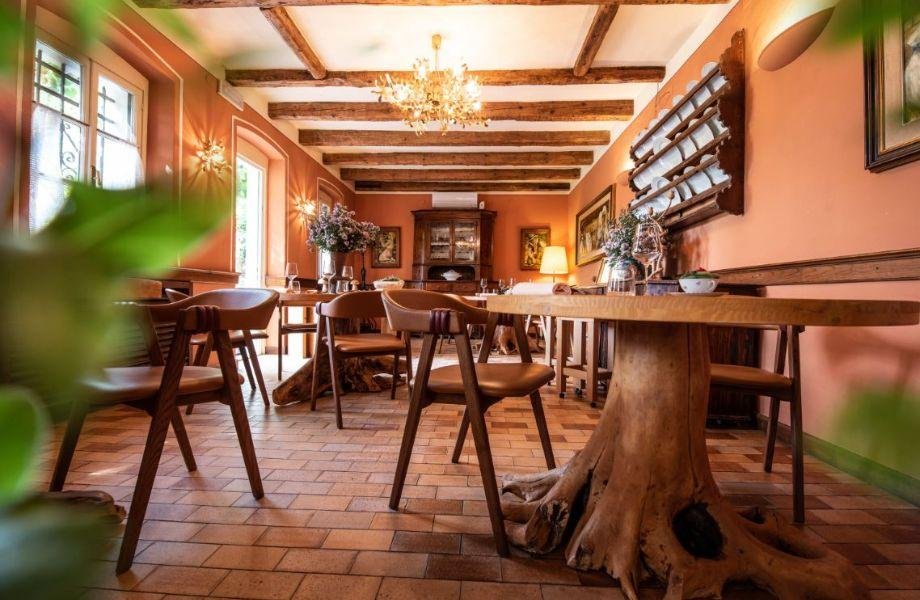
    The estate is located at Piazza Abbazia in Rosazzo, a locality anchored by a medieval abbey in the Colli Orientali del Friuli hills. The physical setting is agricultural and historically weighted rather than tourist-facing: stone buildings, ordered vineyards on ponca slopes, and the general quiet of a working estate. Livio Felluga holds a Pearl 2 Star Prestige rating for 2025, which places it in the formal prestige tier of Italian producers, and the atmosphere reflects that positioning. This is not a high-volume tasting room format.
    What should I taste at Livio Felluga?
    The Colli Orientali del Friuli zone, where the estate operates, is the reference address in Italy for serious ponca-grown white wines, particularly Friulano, Ribolla Gialla, and Pinot Grigio. The Rosazzo DOCG Bianco, available from estates operating within that sub-denomination, is the most formally ambitious white format in the zone. Given the estate's 2025 Pearl 2 Star Prestige recognition, any tasting visit should prioritise the estate's range across those indigenous and established varieties to understand how geology translates into the glass at this level.
    What is Livio Felluga known for?
    Livio Felluga is associated with the serious expression of Friuli Colli Orientali white wines, particularly those grown on the marl and sandstone ponca soils that define the zone's leading hillside sites. The estate operates from Rosazzo, within the sub-zone holding its own DOCG designation, and holds a Pearl 2 Star Prestige rating for 2025. In the context of northeastern Italian wine, it is one of the reference producers for the argument that Friulian whites are age-worthy and terroir-specific rather than simply varietally correct.
    How hard is it to get in to Livio Felluga?
    Specific booking details and current access formats are not published centrally for this estate. As a general pattern among Italian producers at the Pearl 2 Star Prestige level, visits are typically by appointment rather than walk-in. If you are planning a visit, contacting the estate directly well in advance of your trip is the prudent approach, particularly during peak periods in harvest season (September to October) or the spring tasting window (April to June). Cormons, the nearest practical base, is covered in our [full Cormons restaurants guide](https://www.enprimeurclub.com/cities/cormons).
    Keep this place

    Save or rate Livio Felluga on Pearl

    Keep this venue in your Pearl passport, rate it after you visit, and track it alongside every other place you collect.