Bodega Los Cerros de San Juan
Colonia del Sacramento
Winery in Colonia del Sacramento, Uruguay
 Book with Pearl
The Read
Tannat Terroir Precision
Price
$30–50tasting
Why go
Bodega Los Cerros de San Juan is a better fit for wine travelers building a Colonia countryside itinerary than for visitors needing a clearly published dining or tasting package. Go for the rural winery context and the on-site tasting-and-lunch program; compare it with Carmelo and Colonia peers before locking the day.
About Bodega Los Cerros de San Juan
Use this as a carefully planned Colonia del Sacramento stop, not a page with enough detail to promise a specific tasting, meal, or package. The reliable facts are narrow: Bodega Los Cerros de San Juan is in Colonia del Sacramento, has a smart casual dress code, and holds Pearl 2 Star Prestige recognition for 2025. For broader trip planning, keep a backup from our Colonia del Sacramento guide.
Bodega Los Cerros de San Juan is most useful for travelers already building time in Colonia del Sacramento and deciding whether this named stop belongs on the itinerary. Do not assume a published price, menu, membership option, shipping option, lunch service, or visit format from the current record. For food-first planning, pair the venue shortlist with other dining in Colonia del Sacramento rather than assuming a meal is part of the experience.
Book around the basics, not a guaranteed dining program
The clearest planning facts are the Colonia del Sacramento location, the smart casual dress code, and the 2025 Pearl 2 Star Prestige recognition. Those are enough to treat the venue as a serious candidate, but not enough to confirm how a visit is structured. If the trip needs tightly managed timing, published menus, or large-group certainty, confirm details directly before committing.
Food pairing is not a detail because no cuisine type or restaurant format is specified in the available record. Treat any food element as unconfirmed and plan meals separately. Useful planning links include our full Colonia del Sacramento hotels guide, other Colonia del Sacramento bars guidance, and other Colonia del Sacramento experiences guidance.
Where it fits in a wider itinerary
For a broader plan, keep Bodega Los Cerros de San Juan in the Colonia del Sacramento portion of the itinerary and compare it with other named options only where the facts are clear. Campotinto, El Legado, Familia Irurtia, Narbona Wine Lodge, and Bodega Los Cerros de San Juan can be considered as part of a wider shortlist, while other Colonia del Sacramento dining and lodging choices can fill in the practical gaps around meals and overnight stays.
Travelers considering Príncipe de los Apóstoles Gin should treat it as a separate option rather than assuming the same visit type. Bodega Los Cerros de San Juan should be evaluated on its own basics: Colonia del Sacramento, smart casual dress, and Pearl 2 Star Prestige recognition in 2025.
Planning details
- Location
- Ruta 21 Km 204, 70000 Cerros de San Juan, Departamento de Colonia
- Website
- bodegaloscerrosdesanjuan.com
- Phone
- +598 91 949 494
The take
The Take
The Vibe
Bodega Los Cerros de San Juan sits where Colonia’s gentle countryside meets the steady influence of the Río de la Plata, producing a serene, quietly sophisticated atmosphere. The narrative emphasizes measured, terroir-led farming across clay and alluvial soils, and the landscape’s maritime reach softens seasonal swings and slows ripening in ways that carry through to the wines. This is not a flashy destination; it reads as an understated estate that privileges site expression over showmanship, where attention to soil, climate and vine discipline informs a composed visitor experience set against pastoral and riverside panoramas.
Best For
This winery is best for visitors who are drawn to terroir-first tasting experiences and anyone interested in learning how maritime exposure and soil composition shape Uruguayan wines. The text positions the bodega as a place for wine-focused visits, educational conversations about regional differences and comparative tasting, and short countryside escapes from Colonia del Sacramento. The recent Pearl 2 Star Prestige recognition also makes it a good stop for travellers who want to sample producers that critics are noticing, and for small groups seeking a thoughtful, vineyard-based outing.
Tasting Tips
When you visit, orient conversations and tasting selections around the site’s river influence and soil-driven profiles: ask staff how the nearby estuary and clay/alluvial soils affect phenolic ripeness and acidity. Reference the winery’s awarded status if you want to focus on standout bottlings that reflect that regional discipline. Because the copy highlights the slow ripening curve and restrained extraction, prioritize flights or pours that showcase balance and terroir expression rather than heavily oaked or extraction-forward wines.
Venue details
Ambiance
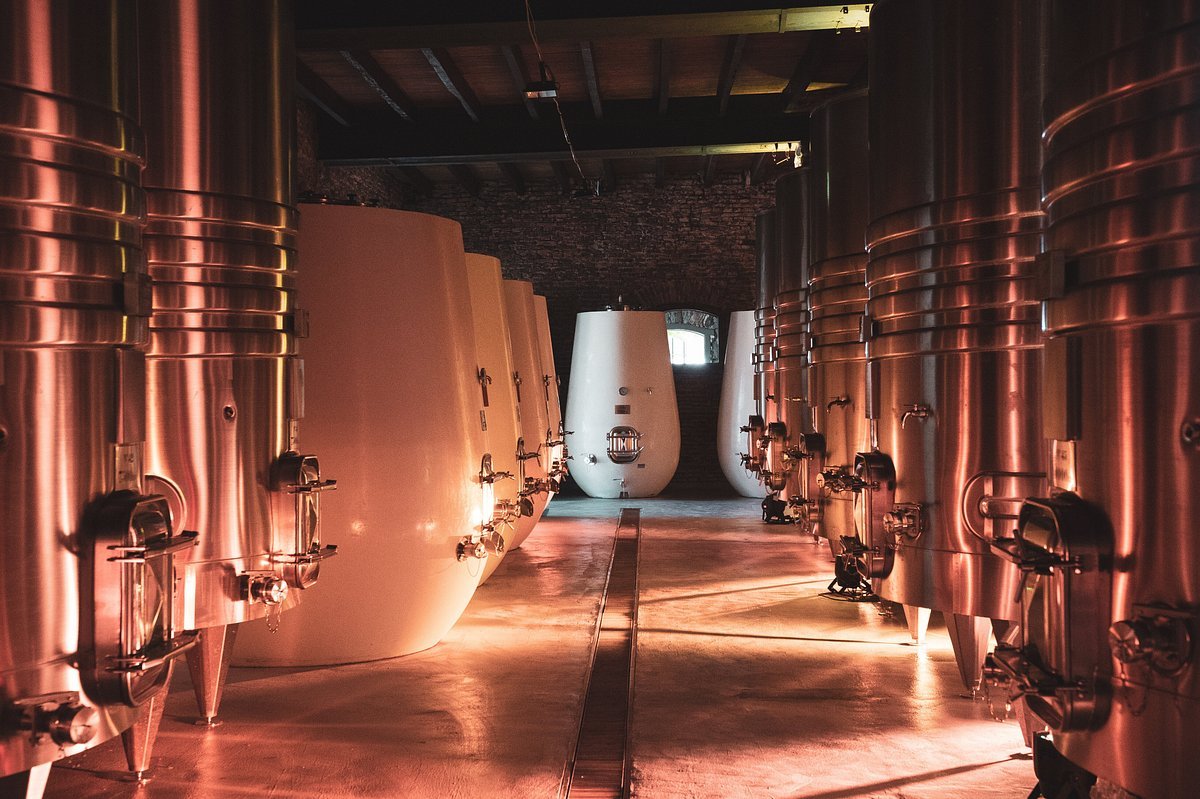
Historic stone cellars with natural temperature control, warm candlelit aging caves, rustic colonial architecture, and peaceful vineyard surroundings with natural lighting from hillside positioning.
Tags
Vibe
Best For
Experience
Sourcing
View
At the Vineyard
- Appellation
- Colonia
- Varietals
- Tannat, Cabernet Sauvignon, Merlot, Pinot Noir, Tempranillo
- Tour Duration
- 120-180 minutes
- Tour Languages
- Spanish, English
- Visits
- By reservation
- Farming
- Sustainable
- Wine Styles
- Still Red, Still White, Sparkling
- Food Pairing
- Offered
- Wine Club
- Not available
Know before you go
Know Before You Go
- Getting there
- Ruta 21 Km 204, 70000 Cerros de San Juan, Departamento de Colonia
Planning details
Location
Ruta 21 Km 204, 70000 Cerros de San Juan, Departamento de Colonia · Directions
Also consider
Also Consider
- Familia Irurtia, Notable alternative
- El Legado, Notable alternative
- Campotinto, Notable alternative
- Narbona Wine Lodge, Notable alternative
- Príncipe de los Apóstoles Gin, Notable alternative
Winery context
How it compares in Colonia wine country
Familia Irurtia, El Legado, Campotinto, and Narbona Wine Lodge are the more practical cross-shops if the priority is a winery day with clearer visitor expectations. Bodega Los Cerros de San Juan is the pick for travelers who value a rural Colonia setting and do not need every detail published before they plan.
For value, compare total day cost rather than bottle price: transport, meal planning, and timing will shape the experience more than a listed tasting fee here. Campotinto and Narbona Wine Lodge are better alternatives for travelers who want a fuller hospitality setup, while El Legado and Familia Irurtia make more sense for a classic winery-focused comparison.
Príncipe de los Apóstoles Gin belongs on the shortlist only if the group is split between wine and spirits. It is not a like-for-like winery substitute, but it can be the easier choice for travelers more interested in distillation than vineyard context.
Explore Colonia del Sacramento
Around this place
Discover more on Pearl
Unlock the full Bodega Los Cerros de San Juan guide in Pearl, including awards, comparisons, FAQs, planning details, and nearby places.
Compare Bodega Los Cerros de San Juan
| Venue | Location | Awards |
|---|---|---|
| Bodega Los Cerros de San Juan | Colonia del Sacramento | No published awards |
| Familia Irurtia | Carmelo | 2026 Falstaff Winery Guide |
| El Legado | Carmelo | No published awards |
| Campotinto | Carmelo | No published awards |
| Narbona Wine Lodge | Carmelo | No published awards |
| Príncipe de los Apóstoles Gin | Buenos Aires | No published awards |

How Bodega Los Cerros de San Juan compares with similar nearby venues.
FAQ
Frequently Asked Questions
Is there a membership option at Bodega Los Cerros de San Juan?
Do not assume there is a membership option from the available information. The reliable details are that Bodega Los Cerros de San Juan is in Colonia del Sacramento, has a smart casual dress code, and holds Pearl 2 Star Prestige recognition for 2025. Confirm any membership option directly before making plans around it.
Does Bodega Los Cerros de San Juan offer shipping?
Do not assume shipping is available. Shipping is not a detail in the current venue record, so treat it as a separate question to confirm directly before planning a purchase around it.
Are specific featured items at Bodega Los Cerros de San Juan?
Do not go in expecting a named featured item from the current venue record. The reliable facts are the Colonia del Sacramento location, smart casual dress code, and Pearl 2 Star Prestige recognition for 2025; ask the venue directly about any current offerings.
How long should I plan for a visit to Bodega Los Cerros de San Juan?
Build in enough flexibility to confirm the format directly, especially if Bodega Los Cerros de San Juan is one stop in a broader Colonia del Sacramento itinerary.
Can Bodega Los Cerros de San Juan handle large groups?
Does Bodega Los Cerros de San Juan serve food?
Do not count on a food program unless the venue confirms it directly.