Rémy Martin
Cognac
Winery in Cognac, France
 Book with Pearl
The Read
Grande Champagne Terroir Authority
Why go
Book Rémy Martin for a polished Cognac-house visit tied to a celebration, gift purchase, or serious bottle comparison, not for a food-led outing. The practical value is strongest if brand recognition and prestige matter; cross-shop Hennessy, Martell, and Camus Cognac if you want a broader read on Cognac before buying.
About Rémy Martin
Rémy Martin is a premium venue to consider when planning time in Cognac. The dress code is smart casual, and the venue is recognized with Pearl 4 Star Prestige for 2025.
Because specific public details such as hours, booking method, prices, menus, tastings, bottle lists, or food service are not available, avoid building a tight itinerary around assumptions. Confirm practical arrangements directly with the venue before making plans around the visit.
Book this for Cognac prestige
The clearest reason to keep Rémy Martin on a Cognac shortlist is its Pearl 4 Star Prestige recognition for 2025. For guests comparing premium names, that makes it a relevant reference point, especially when the occasion calls for a polished stop.
Do not assume a specific dining format, tasting structure, bottle price, or menu. The safest planning approach is to treat Rémy Martin as a Cognac venue with a smart casual dress code and to confirm the current visitor experience directly before arrival.
Use peers to decide whether the polish is worth it
If only one Cognac venue makes the schedule, choose Rémy Martin when recognition and occasion value matter most. If the reader wants to compare other notable names, consider Camus Cognac, Hennessy, Martell, Courvoisier, or Augier as relevant points of comparison.
The main caution is practical uncertainty. With no public hours, prices, booking method, or service format available, confirm details before fixing the rest of the day. Use the broader Cognac guide to build the visit sequence, then fill the rest of the trip with Our full Cognac restaurants guide, Our full Cognac hotels guide, Our full Cognac bars guide, and Our full Cognac experiences guide.
Planning details
- Location
- 20 Rue de la Société Vinicole, 16100 Cognac
- Website
- visitesremymartin.com
- Phone
- +33 5 45 35 76 66
The take
The Take
The Vibe
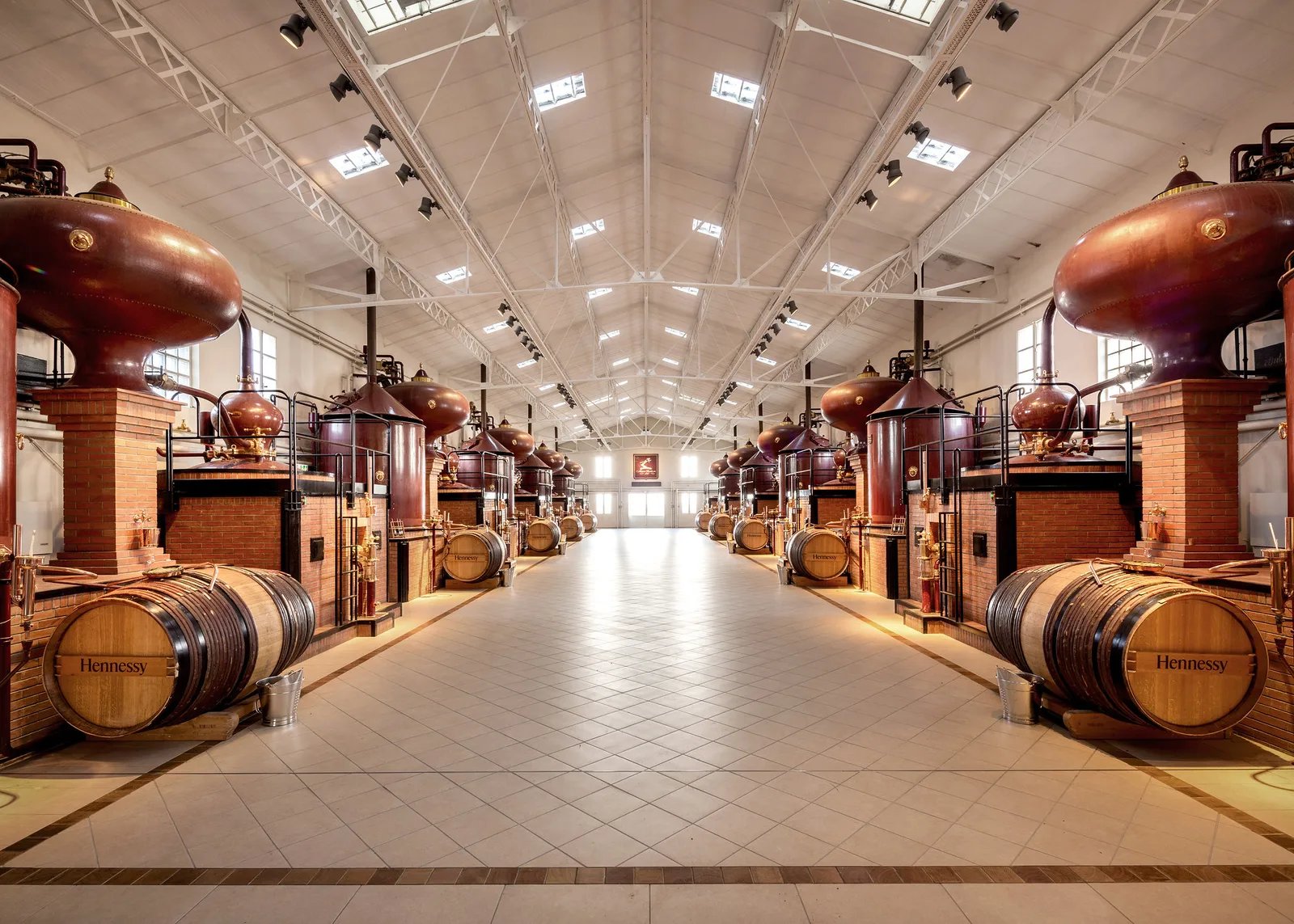
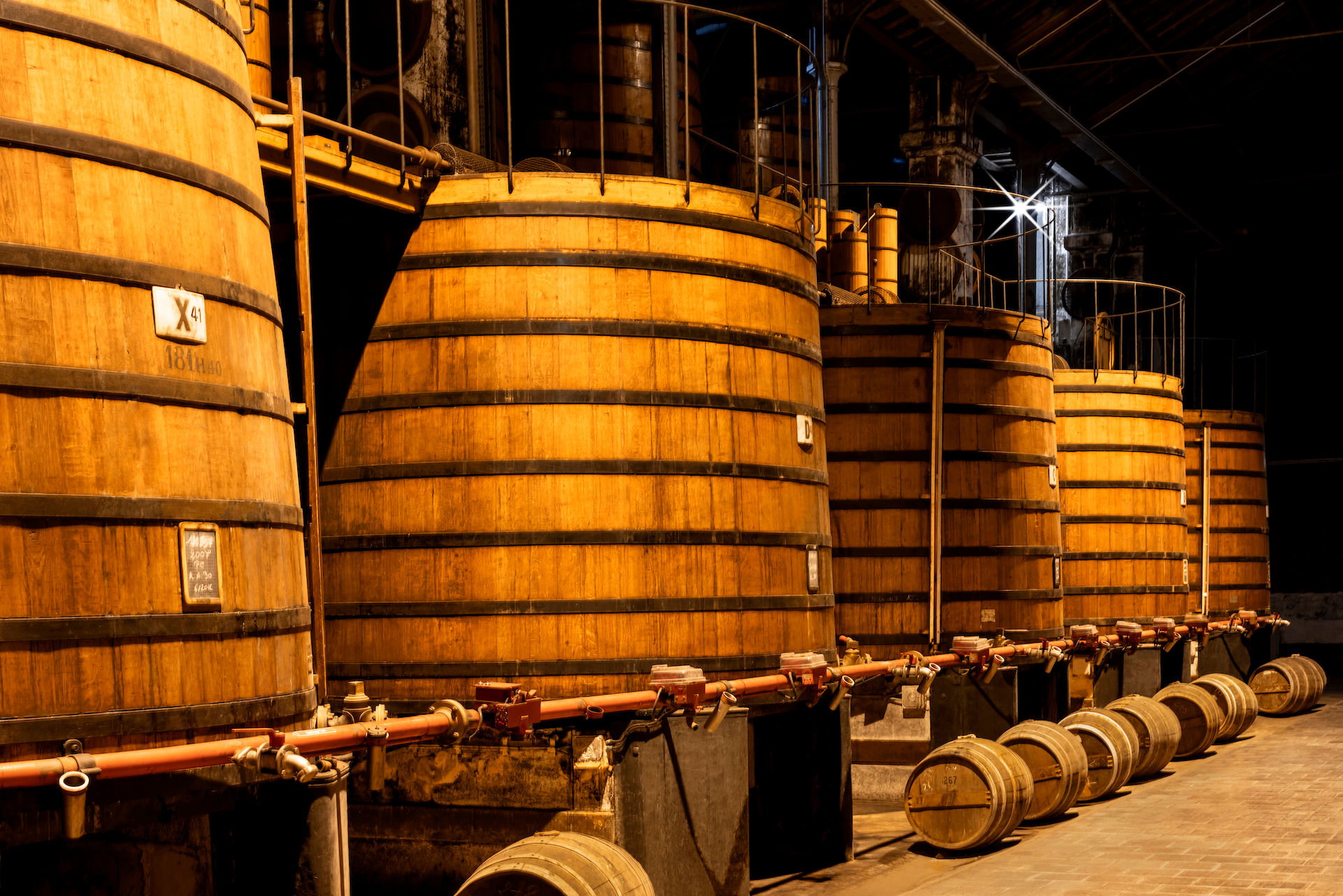
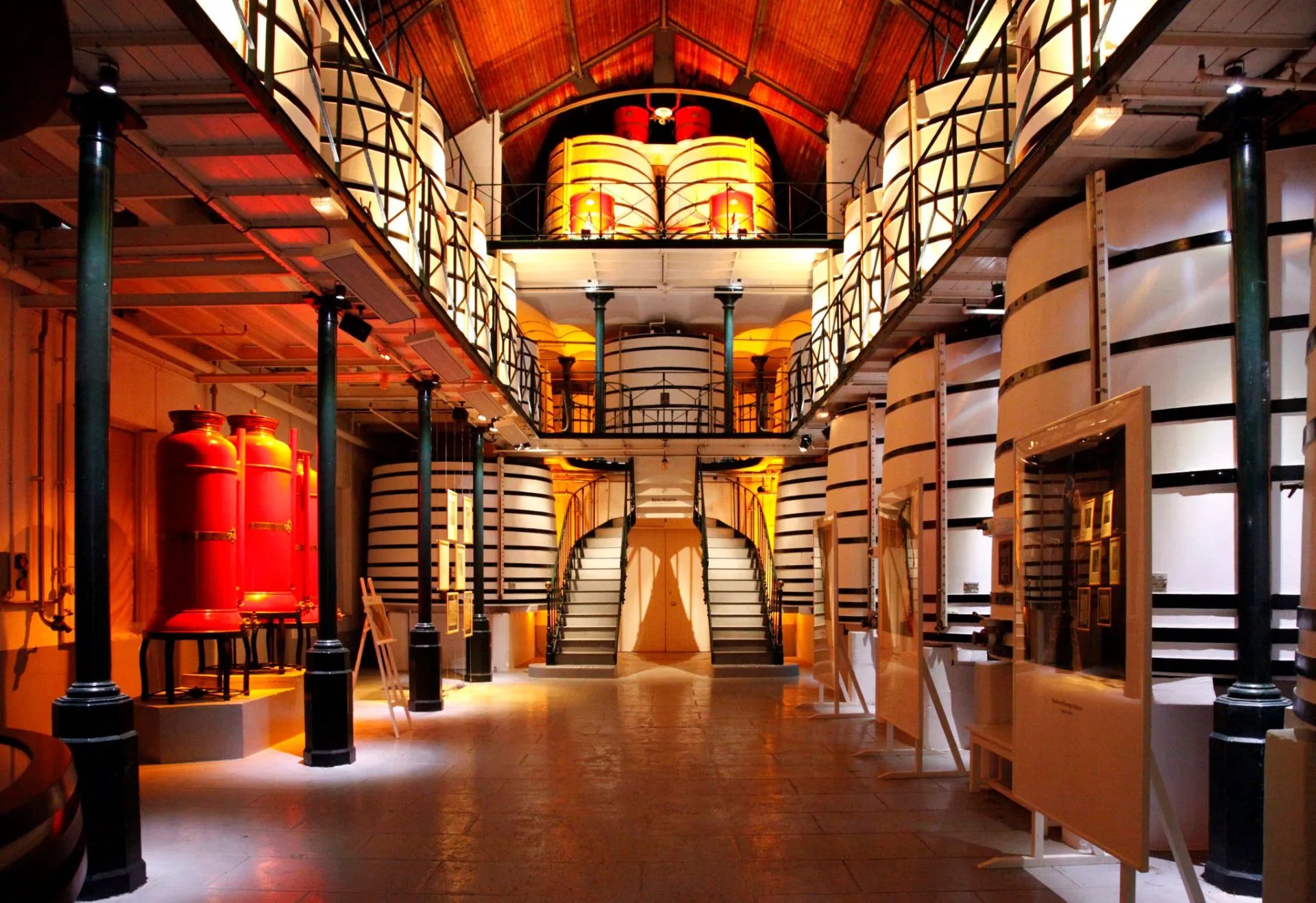
Rémy Martin reads as a place where large-scale production and artisanal terroir coexist. The writing emphasizes the chalky Grande and Petite Champagne soils and the maison's operational centre in Cognac, so the impression is both industrial — vast warehouses and tens of thousands of barrels — and intimately tied to vineyard provenance. Visitors encounter a working estate ethos rather than a boutique tasting room: the scale of the operation sits alongside a deep, terroir-driven focus that underpins the house’s identity. The tone is refined and terroir-forward without feeling museum-like or overly theatrical.
Best For
This setting is best for anyone who comes with a curiosity about terroir and production. The copy frames visits to Cognac as interpretive experiences — understanding the chalk soils and the Fine Champagne blend is central — so Rémy Martin suits wine-education minded travelers and those marking special occasions who want to connect place and product. The estate’s scale and the presence of aging warehouses make it especially appropriate for guided visits that explain distillation, aging and sourcing rather than casual drop-in tastings.
Tasting Tips
When engaging with Rémy Martin, center questions on terroir and the house’s Fine Champagne focus: ask about the role of Grande versus Petite Champagne fruit and how chalk-and-clay parcels influence eaux-de-vie and aging. The text highlights the maison’s scale and its Pearl 4 Star Prestige rating (2025), so requesting context on their large warehouses and barrel aging practices will deepen the experience. If available, prioritize programming or guides that link vineyard sourcing to flavor and maturation rather than simply sampling a catalog of bottlings.
Venue details
Ambiance
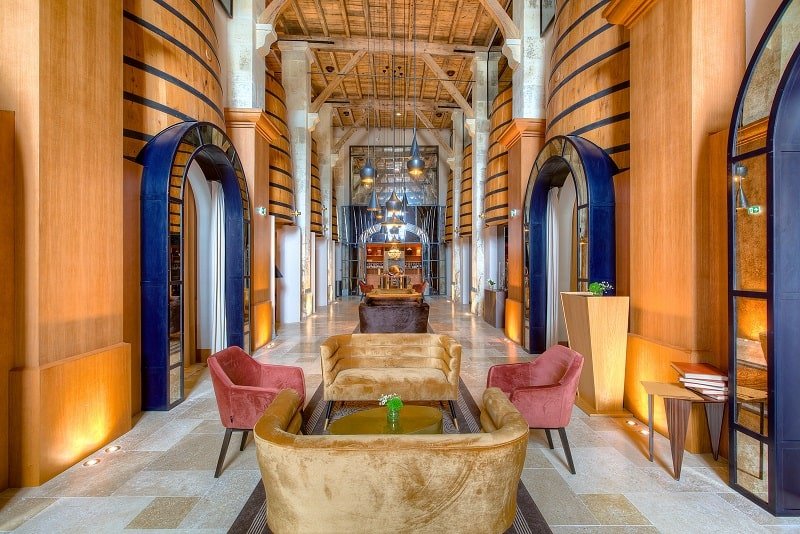
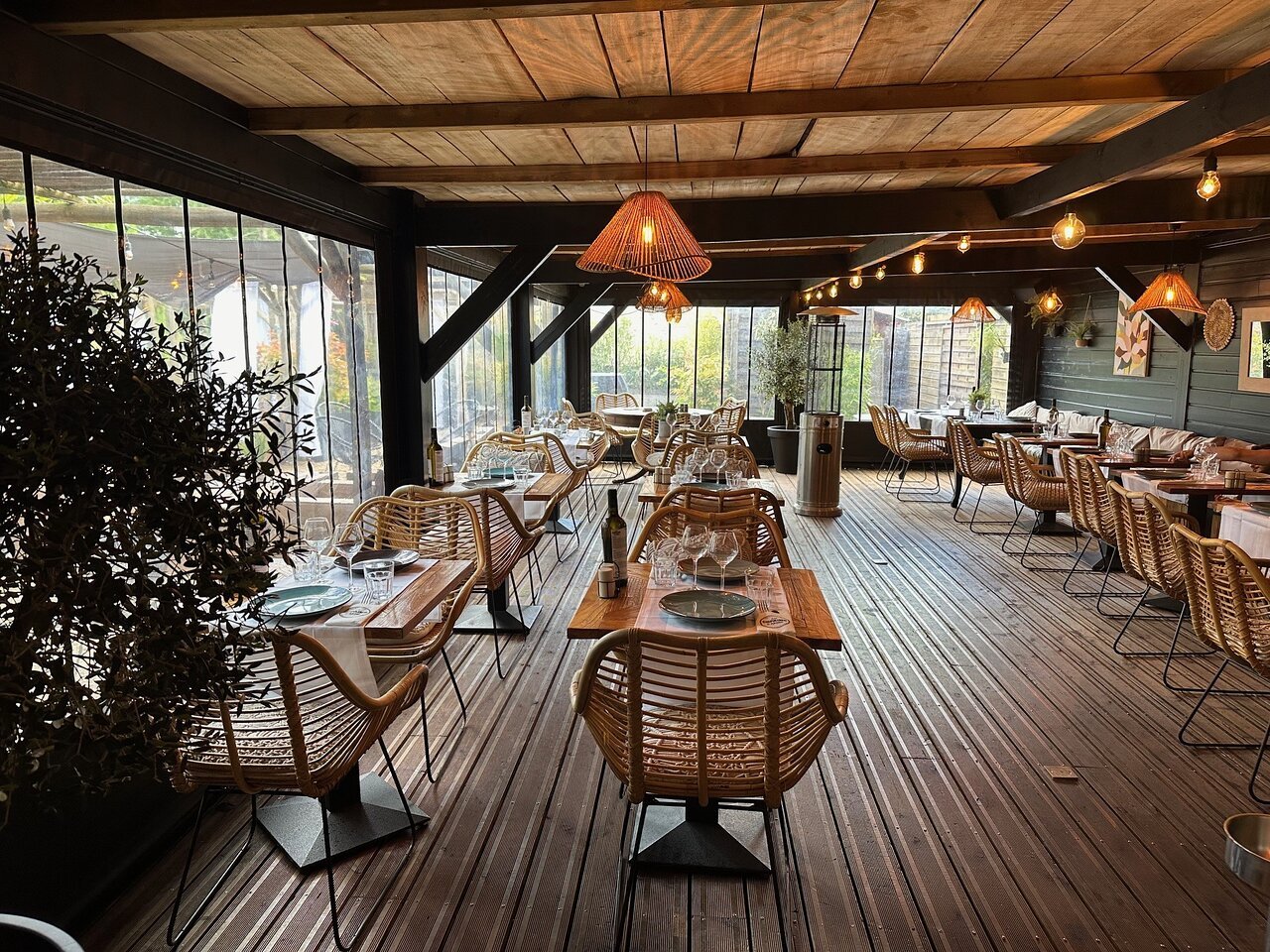
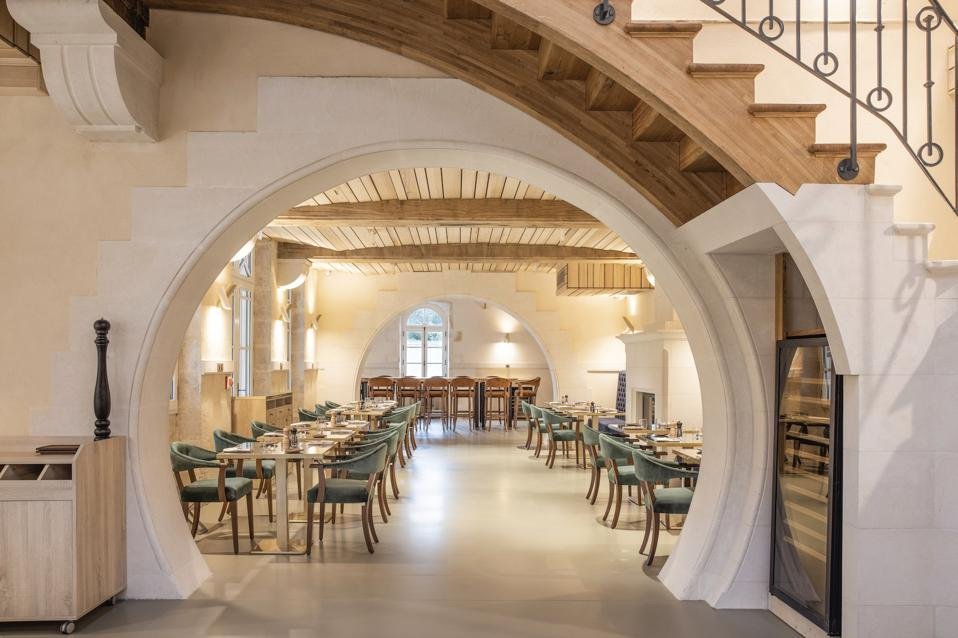
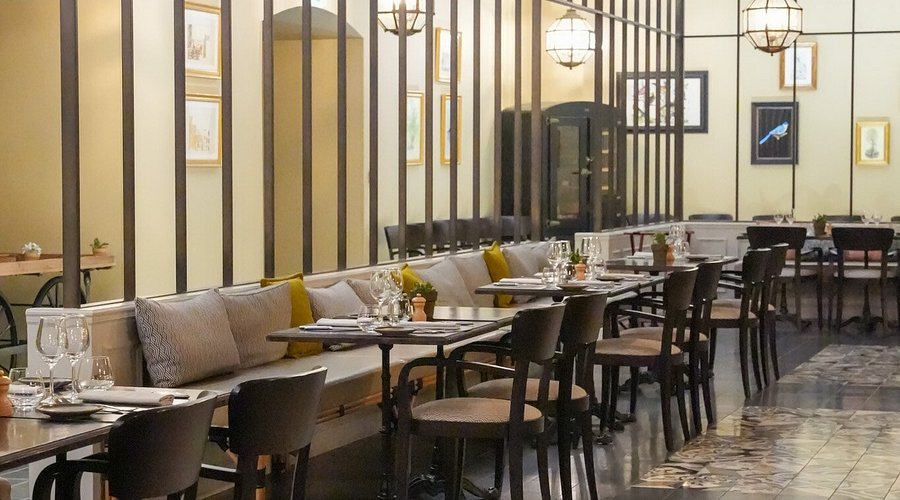
Elegant French hospitality with refined staging, charming professional guides, and a sophisticated atmosphere blending historic cellars with modern media.
Tags
Vibe
Best For
Experience
View
At the Vineyard
- Appellation
- Cognac Fine Champagne
- Varietals
- ugni blanc
- Tour Duration
- 90-150 minutes
- Tour Languages
- English, French
- Visits
- By reservation
- Production
- Large producer
- Wine Styles
- Fortified
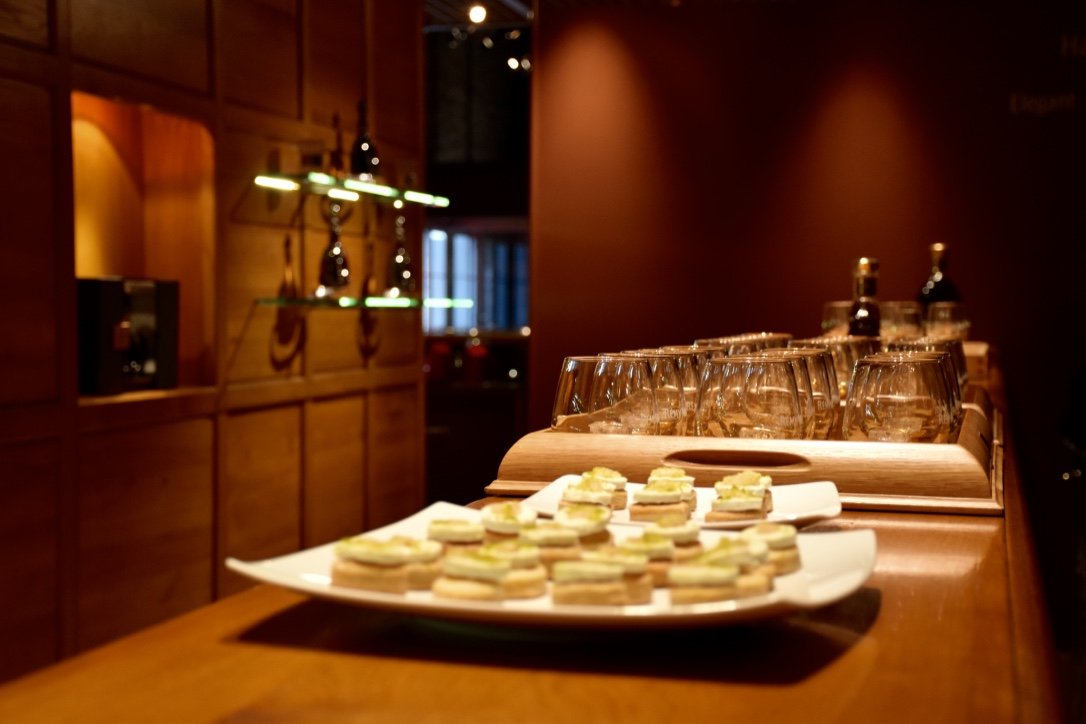
- Food Pairing
- Offered
- Wine Club
- Not available
Know before you go
Know Before You Go
- Getting there
- 20 Rue de la Société Vinicole, 16100 Cognac
Planning details
Location
Also consider
Where to look if this is full
If the goal is another major Cognac name without changing the trip structure, try Hennessy or Martell. Both keep the decision in Cognac and work better than adding out-of-town travel to an already tight day.
If the reader wants contrast rather than another prestige benchmark, Camus Cognac is the cleaner cross-shop in town. Save Augier or Courvoisier for itineraries with more time outside Cognac.
Winery context
How it compares in Cognac
Choose Rémy Martin when the occasion calls for the safest prestige signal: client hosting, anniversary travel, or a gift-oriented Cognac purchase. Martell and Hennessy are the closest major-house comparisons in Cognac, so they are the right cross-shops if the decision is about which famous-name visit feels worth the planning effort.
Camus Cognac is the more useful comparison for readers who want a family-house angle inside the city rather than another large prestige benchmark. For an out-of-town detour, Courvoisier and Augier make sense only if the itinerary already allows extra travel time; they are less convenient than staying within Cognac proper.
On booking difficulty, assume Rémy Martin requires the most advance planning in this set. For value, the better move is not to chase one house blindly: use Rémy Martin for the benchmark, then compare with Camus Cognac, Martell, or Hennessy before committing to bottles or shipping.
Explore Cognac
Around this place
Discover more on Pearl
Unlock the full Rémy Martin guide in Pearl, including awards, comparisons, FAQs, planning details, and nearby places.
Compare Rémy Martin
| Venue | Location | Awards |
|---|---|---|
| Rémy Martin | Cognac | No published awards |
| Martell | Cognac | No published awards |
| Hennessy | Cognac | No published awards |
| Camus Cognac | Cognac | No published awards |
| Courvoisier | Jarnac | No published awards |
| Augier | Aigre | No published awards |
How Rémy Martin Cognac compares with similar nearby venues.
FAQ
Frequently Asked Questions
How long should I plan for a visit to Rémy Martin?
Is there a membership program at Rémy Martin?
Membership details are not available. The planning signals are the Cognac location, smart casual dress code, and Pearl 4 Star Prestige recognition for 2025.
What other venues should I compare with Rémy Martin?
The most useful comparisons are other notable names such as Martell, Hennessy, Camus Cognac, Courvoisier, and Augier. Choose Rémy Martin if Pearl 4 Star Prestige recognition and a premium Cognac stop are the priority.
Do I need a reservation at Rémy Martin?
What is the signature offering at Rémy Martin?
A signature offering is not available. If you are comparing Rémy Martin with Martell or Hennessy, confirm current offerings directly with each venue before making plans.