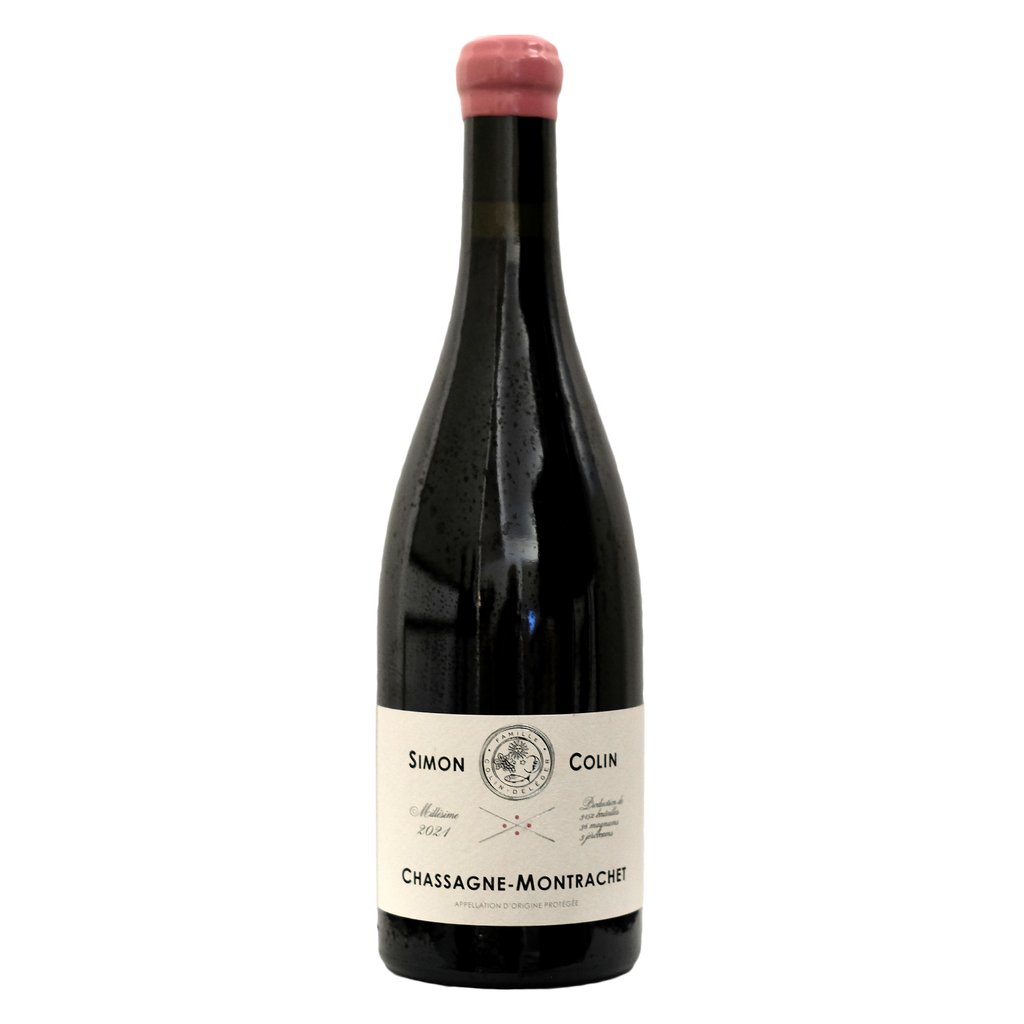
Domaine Simon Colin
Chassagne-Montrachet
Winery in Chassagne-Montrachet, France
 Book with Pearl
The Read
Côte de Beaune Terroir Precision
Why go
Domaine Simon Colin is worth prioritizing for a Chassagne-Montrachet itinerary if the goal is producer context over visitor-facing extras. Plan it as a serious wine stop with constrained access, then compare availability against nearby Chassagne names before building the rest of the day.
About Domaine Simon Colin
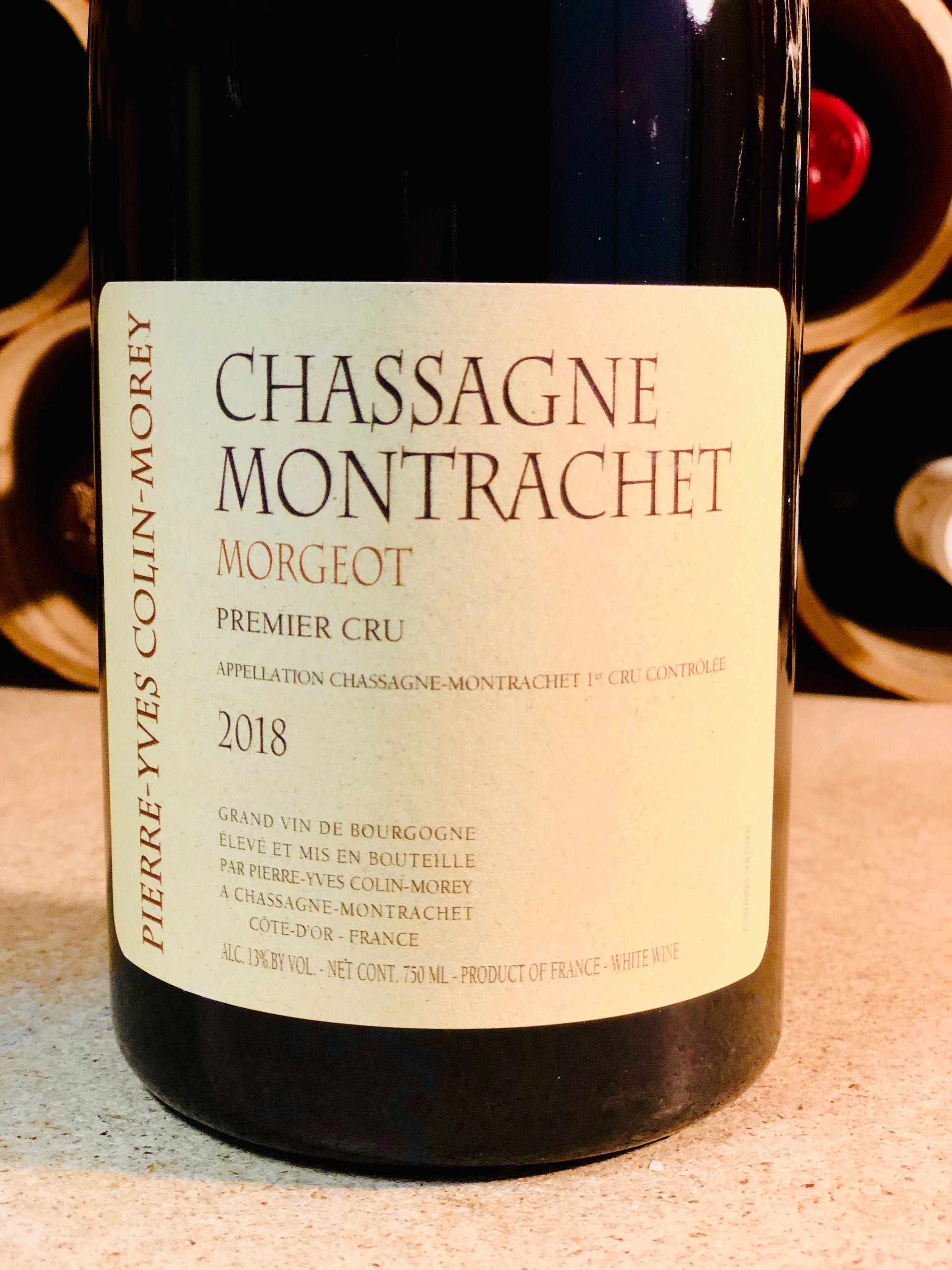
Domaine Simon Colin is a Chassagne-Montrachet venue with a smart casual dress code and Pearl 2 Star Prestige recognition for 2025. For context, travelers can compare it with names such as Domaine Pierre-Yves Colin-Morey, Domaine Alex Moreau, and Domaine Fontaine-Gagnard.
Plan around Chassagne-Montrachet context
Domaine Simon Colin is in Chassagne-Montrachet. Before making a visit plan, check the venue's official channels for address, hours, service details, reservations, pricing, and visit format.
For an explorer building a Chassagne-Montrachet itinerary, use this as one reference point rather than the whole day. Pair the venue search with broader local planning, then round out logistics through Our full Chassagne-Montrachet restaurants guide and other Chassagne-Montrachet resources.
Where it fits in a serious shortlist
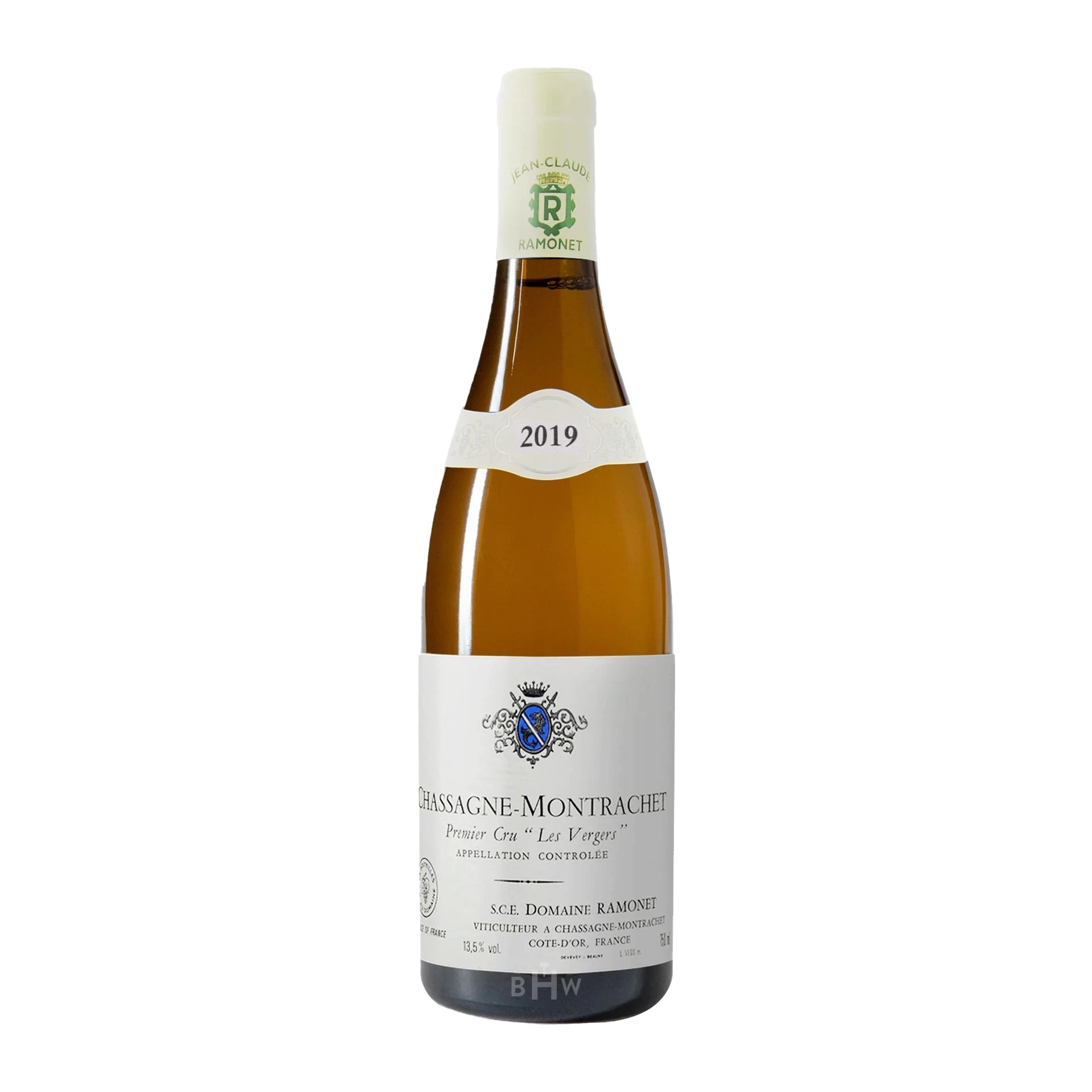
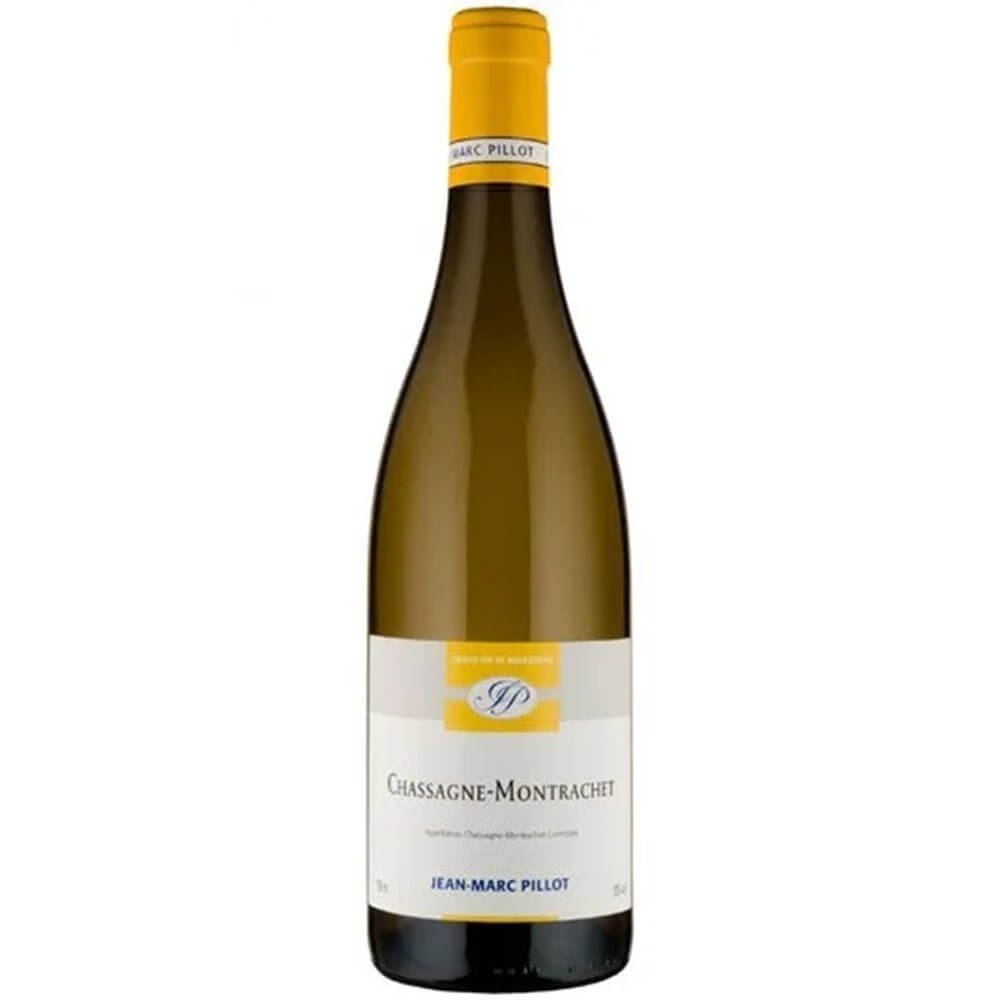
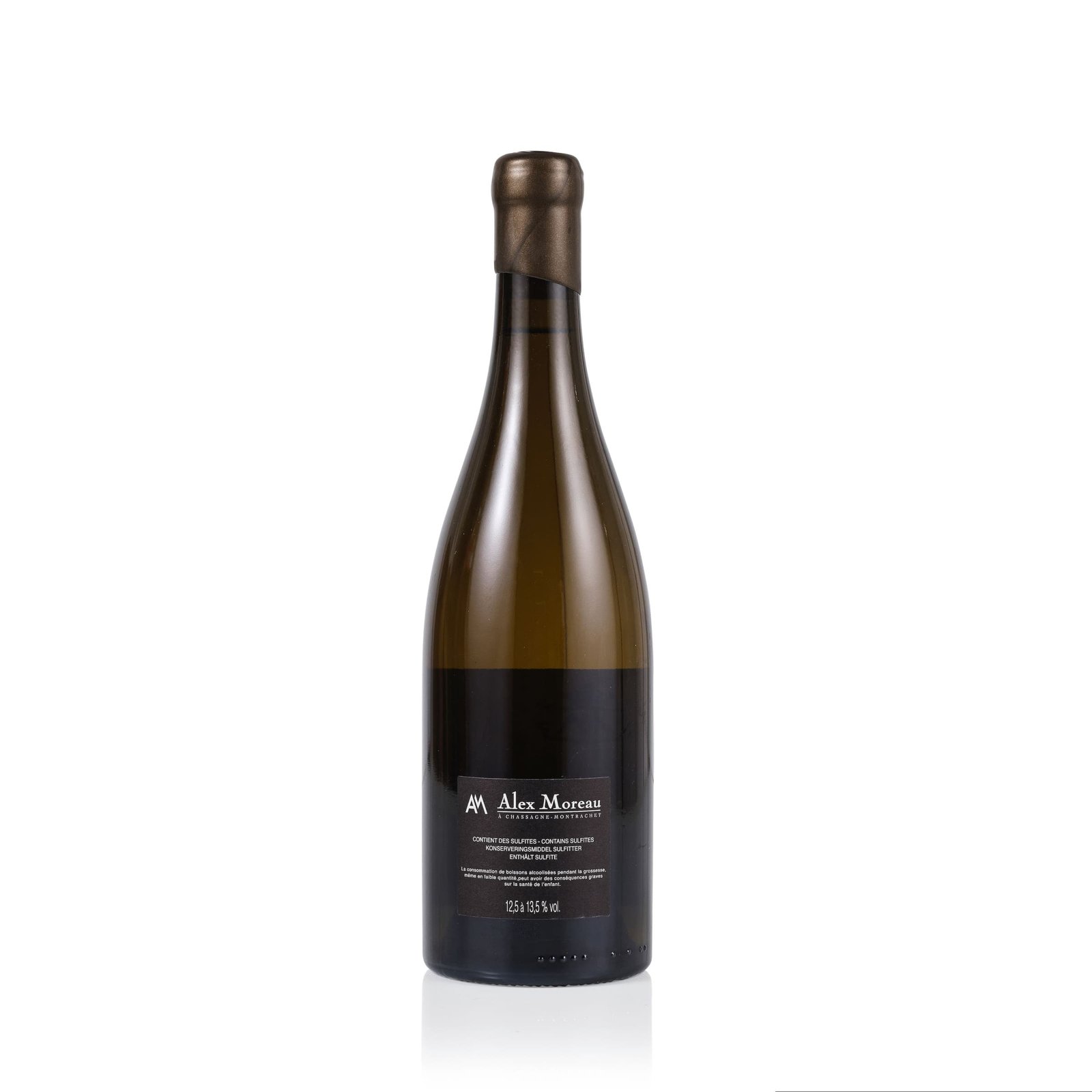
If the goal is a concentrated day, compare Domaine Simon Colin with Domaine Jean-Marc Pillot, Domaine Pierre-Yves Colin-Morey, Domaine Alex Moreau, Domaine Fontaine-Gagnard, and Domaine Jean-Noël Gagnard. Those names give useful context for understanding Domaine Simon Colin's place in a focused Chassagne-Montrachet itinerary.
Check hours, pricing, reservations, food service, membership options, and the length of a visit before you go. Build the day around confirmed appointments and official information, and keep plans flexible if availability changes.
Planning details
- Location
- Le Haut des Champs, 21190 Chassagne-Montrachet
- Website
- domainesimoncolin.com
- Phone
- +33 3 80 21 92 73
The take
The Take
The Vibe
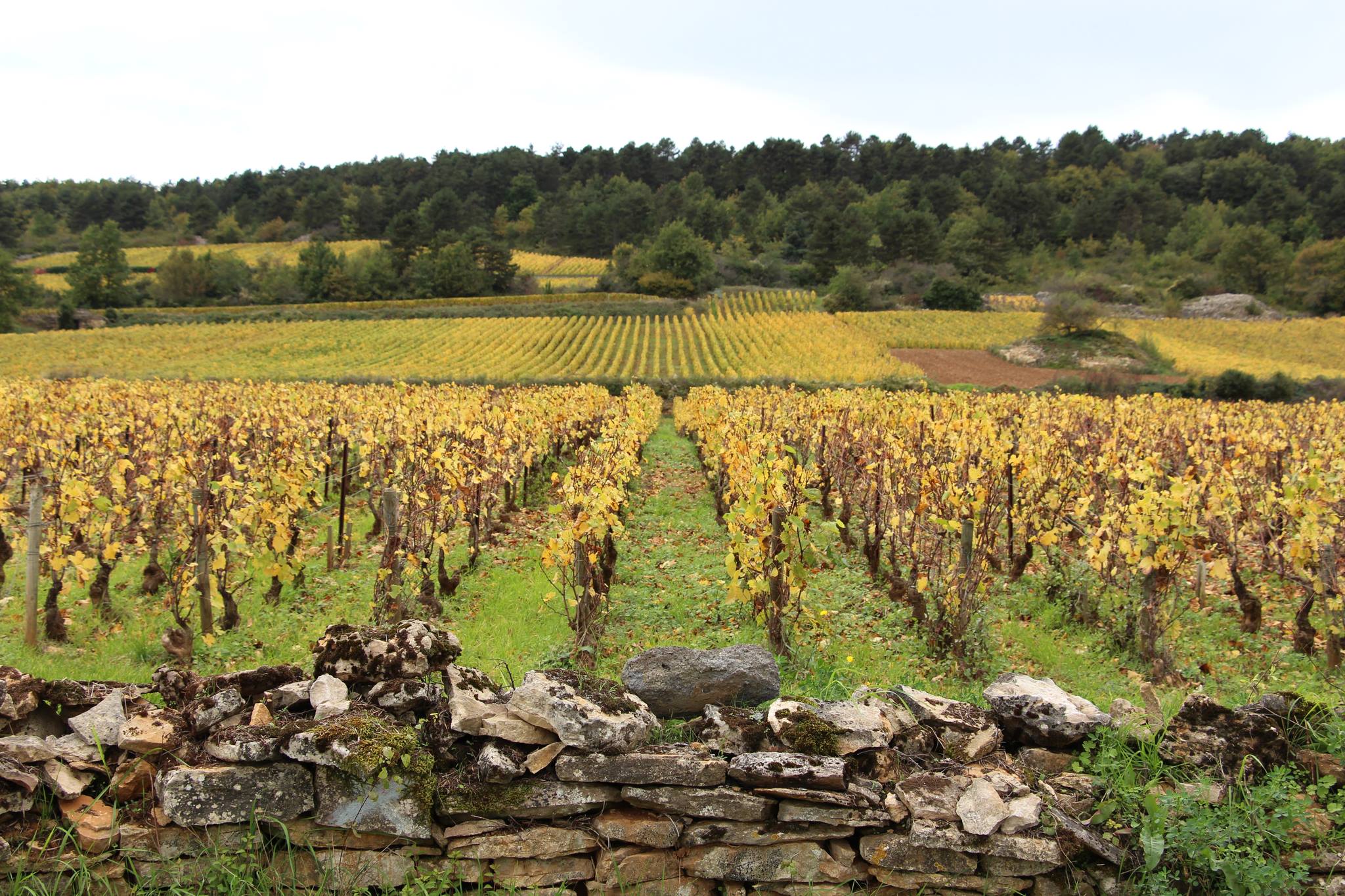
Domaine Simon Colin presents a quietly refined Burgundian presence rooted in place and lineage. The writing situates the estate at the upper edge of Chassagne-Montrachet, where limestone begins to shape both slope and vine behavior; stone buildings and multi-generational family holdings reinforce a sense of continuity and history. The vineyard rows read as a single green surface from distance, and that visual sweep recurs in the domaine’s wines, which the text describes through terroir-first language. Overall, the tone is intimate and considered—an elegant village domaine that feels scenic and storied rather than flashy.
Best For
This domaine suits visitors who care about terroir, history and focused tasting. The write-up highlights the limestone-driven character of Chassagne-Montrachet and situates the property within the appellation’s competitive hierarchy, so it rewards guests seeking wine education and deeper context. Small parties or solo explorers will appreciate the intimate, estate-level setting; collectors and celebratory visits are also appropriate given the domaine’s placement in the appellation’s upper tier and its 2025 Pearl 2 Star Prestige recognition. The estate reads as a stop for thoughtful tasting rather than a rowdy, tourist-focused attraction.
Tasting Tips
When you visit or inquire, center conversations on terroir and Chardonnay expression—text emphasizes the limestone-chalk mix that underpins Chassagne’s weighty, mineral whites. Ask about the plots farmed at Le Haut des Champs and how the slope and soil influence recent vintages; the narrative specifically ties the site’s address and geology to the wines. Given the domaine’s noted prestige recognition, request any available estate bottlings or village-level Chardonnay to understand the appellation profile, and prioritize tasting notes that reference mineral weight and concentration rather than broad stylistic claims.
Venue details
Ambiance
Refined and pure with bright minerality, subtle oak influence, and fresh stone fruit aromas in a traditional cellar setting.
Tags
Vibe
Best For
Experience
Sourcing
View
At the Vineyard
- Appellation
- Chassagne-Montrachet AOC
- Varietals
- Chardonnay, Pinot Noir, Aligote
- Tour Duration
- 60-90 minutes
- Visits
- By appointment only
- Farming
- Organic
- Wine Styles
- Still White, Still Red
- Wine Club
- Not available
Know before you go
Know Before You Go
- Getting there
- Le Haut des Champs, 21190 Chassagne-Montrachet
Planning details
Location
Also consider
If this does not line up
Try Domaine Alex Moreau first if the goal is a comparable Chassagne-focused wine stop. For a broader collector benchmark, put Domaine Pierre-Yves Colin-Morey on the request list as well, but expect access to be demanding.
Winery context
How it compares in Chassagne-Montrachet
Against Domaine Jean-Marc Pillot, Domaine Simon Colin is the pick for travelers trying to sharpen a focused Chassagne producer shortlist rather than chase a broader hospitality experience. With no public price signal to compare, the safer value test is access: if one can be arranged, the visit is worth prioritizing for wine depth; if not, Jean-Marc Pillot is a sensible parallel request in the same village.
Domaine Pierre-Yves Colin-Morey is the tougher benchmark for Burgundy collectors and may be the more obvious first ask for name recognition. Domaine Simon Colin works better as a focused second target for travelers who want to understand Chassagne beyond the highest-demand address. Domaine Alex Moreau sits in a similar serious-wine lane, so choose based on confirmed access rather than trying to force a fixed hierarchy.
For ambiance, expect the decision to come down to cellar access and village pacing rather than amenities. Domaine Fontaine-Gagnard and Domaine Jean-Noël Gagnard are useful cross-shops if the day needs to stay in or around Chassagne, especially when the priority is building a compact itinerary with multiple credible requests.
Explore Chassagne-Montrachet
Around this place
Discover more on Pearl
Unlock the full Domaine Simon Colin guide in Pearl, including awards, comparisons, FAQs, planning details, and nearby places.
Compare Domaine Simon Colin
| Venue | Location | Awards |
|---|---|---|
| Domaine Simon Colin | Chassagne-Montrachet | No published awards |
| Domaine Jean-Marc Pillot | Chassagne-Montrachet | 2026 Falstaff Winery Guide |
| Domaine Pierre-Yves Colin-Morey | Chassagne-Montrachet | 2026 Falstaff Winery Guide2026 Michelin 1 Grape - Burgundy |
| Domaine Alex Moreau | Chassagne-Montrachet | 2026 Michelin Grape Main Selection - Burgundy |
| Domaine Fontaine-Gagnard | Chassagne-Montrachet | No published awards |
| Domaine Jean-Noël Gagnard | Puligny-Montrachet | 2025 Pearl 3 Star Prestige |



How Domaine Simon Colin Chassagne-Montrachet Guide compares with similar nearby venues.
FAQ
Frequently Asked Questions
What other venues can I compare with Domaine Simon Colin?
Useful comparisons include Domaine Jean-Marc Pillot, Domaine Pierre-Yves Colin-Morey, Domaine Alex Moreau, Domaine Fontaine-Gagnard, and Domaine Jean-Noël Gagnard. Compare them as part of a focused itinerary.