

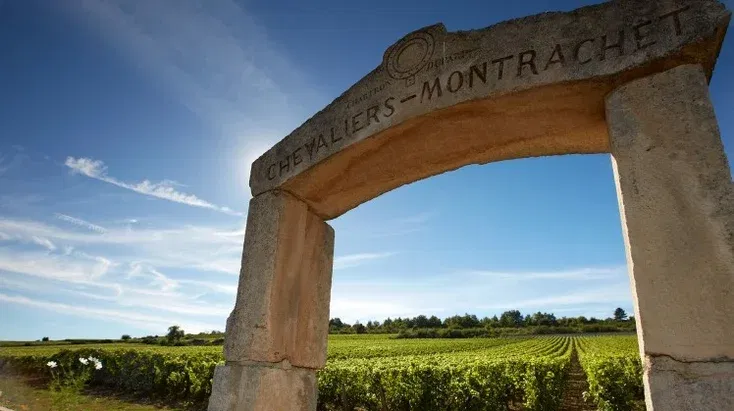
Winery in Chassagne-Montrachet, France
Domaine Leflaive
1,250Pearl PointsWhite Burgundy First

About Domaine Leflaive
Prioritize Domaine Leflaive if the trip is built around serious white Burgundy, not casual wine tourism. The private or upgraded format is the version worth pursuing, especially for collectors who care about site context and producer depth; access is the main obstacle, so build the day around the appointment rather than squeezing it into a packed itinerary.
Domaine Leflaive in Chassagne-Montrachet is a 4 Star Prestige venue for 2025. Verified planning details are limited, so the safest approach is to treat it as a venue that requires direct confirmation rather than relying on assumptions about tastings, menus, services, purchases, or visit format.
Brice de La Morandière is listed as chef/owner, the dress code is smart casual. Beyond those confirmed details, specific claims about offerings, access, hours, pricing, shipping, or a particular experience should be checked with Domaine Leflaive before making plans.
Worth pursuing if Domaine Leflaive is a priority for the trip
For travelers building time in Chassagne-Montrachet around a short list of notable names, Domaine Leflaive can be treated as a priority because of its 4 Star Prestige recognition. Keep plans flexible until the venue confirms what is currently possible.
Readers considering other options may also compare Domaine Leflaive with Domaine Etienne Sauzet, Domaine Fontaine-Gagnard, Domaine François Carillon, Domaine Jacques Carillon, Domaine Paul Pernot et ses Fils. For broader planning, use only confirmed details from each venue before setting an itinerary.
Plan the surrounding day, not just the venue
The practical move is to anchor the day around Chassagne-Montrachet and leave room around any confirmed timing rather than stacking fixed commitments. For meals, stays, other plans, use Our full Chassagne-Montrachet restaurants guide and verify current details directly with each venue.
Quick reference: Domaine Leflaive is in Chassagne-Montrachet, Brice de La Morandière is listed as chef/owner, the dress code is smart casual, the venue holds 4 Star Prestige recognition for 2025.
Frequently Asked Questions
What is the flagship wine at Domaine Leflaive?
The verified venue data provided here does not confirm a flagship wine. For any specific bottle, producer, or purchase question, contact Domaine Leflaive in Chassagne-Montrachet directly.
How long should I plan for a visit to Domaine Leflaive?
The verified venue data does not confirm a visit length or format. Plan with flexibility and confirm timing directly with Domaine Leflaive before arranging the rest of your Chassagne-Montrachet itinerary.
Does Domaine Leflaive ship wine?
Shipping availability is not confirmed in the verified venue data. If shipping matters, ask Domaine Leflaive directly before your visit.
What is Domaine Leflaive known for?
Domaine Leflaive is a 4 Star Prestige venue in Chassagne-Montrachet for 2025. Brice de La Morandière is listed as chef/owner, the dress code is smart casual.
Location
Place du Pasquier de la Fontaine, 21190 Puligny-Montrachet
Chassagne-Montrachet, France
Compare Domaine Leflaive
| Venue | Location | Awards |
|---|---|---|
| Domaine Leflaive | Chassagne-Montrachet | Pearl 4 Star Prestige (2025) |
| Domaine Paul Pernot et ses Fils | Puligny-Montrachet | , |
| Domaine François Carillon | Puligny-Montrachet | , |
| Domaine Jacques Carillon | Puligny-Montrachet | , |
| Domaine Etienne Sauzet | Puligny-Montrachet | , |
| Domaine Fontaine-Gagnard | Chassagne-Montrachet | , |
How Domaine Leflaive Chassagne-Montrachet Guide compares with similar nearby venues.
Where to Look if This Is Not Available
If access does not come through, try Domaine Etienne Sauzet for the closest serious Puligny-Montrachet comparison. For a Chassagne-Montrachet-focused day, Domaine Fontaine-Gagnard is the cleaner substitute because it keeps the itinerary geographically tighter.
How It Compares
Domaine Leflaive is the splurge-pursuit choice in this set: harder to access, more collector-driven, more compelling for travelers who want a focused white Burgundy appointment rather than a relaxed cellar-door stop. Domaine Paul Pernot et ses Fils, Domaine François Carillon, Domaine Jacques Carillon are better cross-shops if the goal is to understand Puligny-Montrachet through related producer styles without putting the whole day on one difficult appointment.
Domaine Etienne Sauzet is the closest peer for readers who want another high-seriousness Puligny reference, while Domaine Fontaine-Gagnard makes more sense for a Chassagne-Montrachet-leaning day. For value, do not judge only by bottle reputation; the stronger value is the appointment that actually gives time, context, access to the wines the traveler came to understand.
If one slot is available and the trip is centered on grand white Burgundy, choose Domaine Leflaive first. If the itinerary needs a higher chance of confirmation or a more geographically efficient Chassagne day, start with Domaine Fontaine-Gagnard and add one Carillon or Pernot address as the comparison point.
Recognized By

Explore Chassagne-Montrachet
Save or rate Domaine Leflaive on Pearl
Keep this venue in your Pearl passport, rate it after you visit, and track it alongside every other place you collect.