

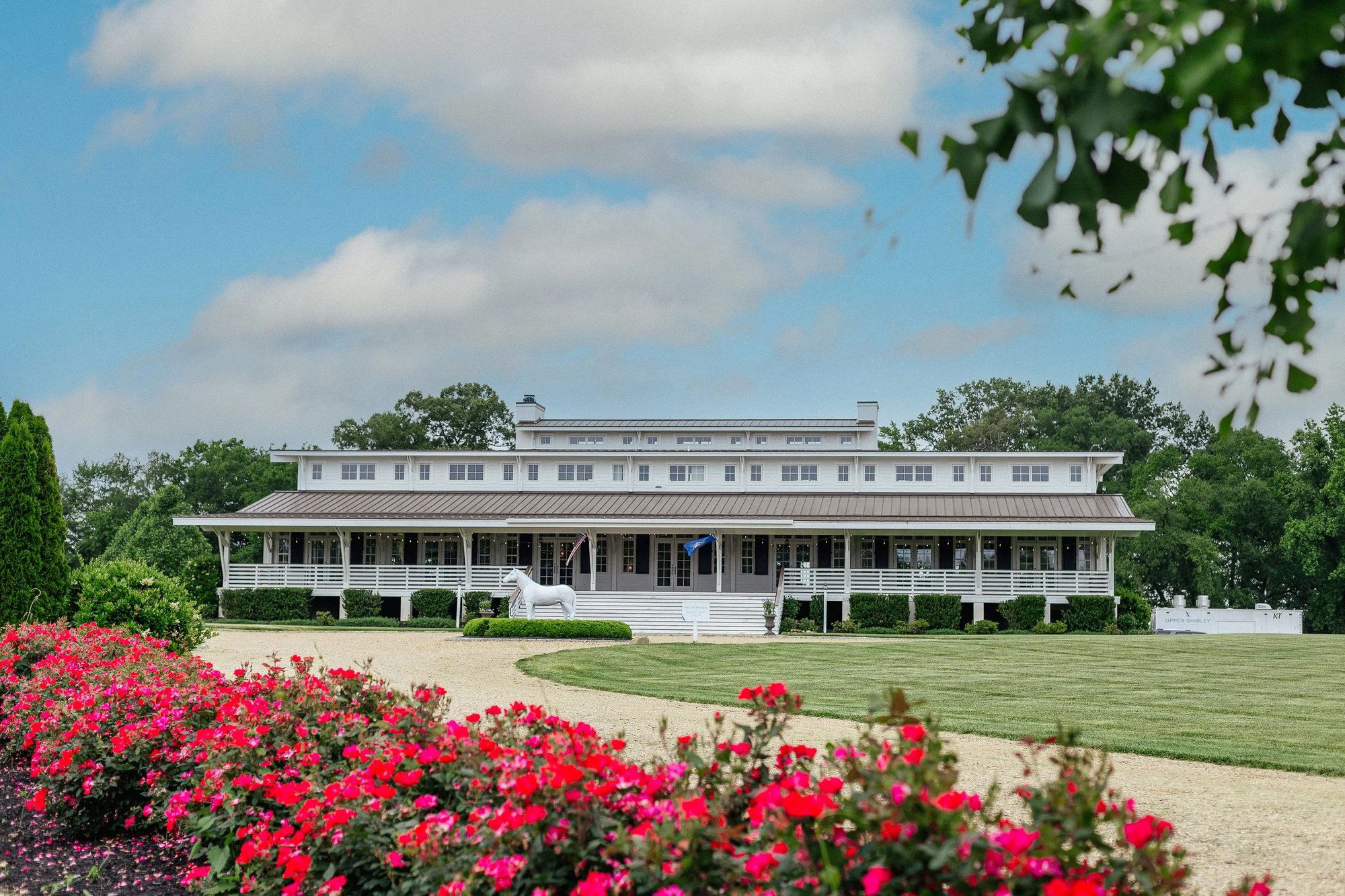
Upper Shirley Vineyards
Charles City
Winery in Charles City, United States
 Book with Pearl
The Read
James River Terroir Viticulture
Price
$20–30tasting
Why go
Upper Shirley Vineyards is the Charles City pick for a more occasion-driven winery visit, especially when the setting matters as much as the tasting. It is better suited to dates, anniversaries, and small celebrations than loose drop-in crawling, so plan early and compare nearby wineries if flexibility is the priority.
About Upper Shirley Vineyards
Upper Shirley Vineyards is a Charles City venue with a smart casual dress code and Pearl 2 Star Prestige recognition for 2025. For the latest visit formats, reservation policies, group capacity, menus, pricing, hours, and services, confirm details directly with the venue before planning a visit.
If you are comparing options, you can also browse the Charles City restaurants guide and consider names such as New Kent Winery, Saudé Creek Vineyards, Gauthier Vineyard, The Williamsburg Winery, and Good Luck Cellars as separate planning references.
Make it the main stop if the occasion matters
Because Upper Shirley Vineyards is recognized with Pearl 2 Star Prestige (2025), it may be worth treating as a planned Charles City stop rather than an afterthought. Confirm the current experience, availability, and any visit requirements directly before building the rest of the day around it.
If you are comparing venues, look at Upper Shirley Vineyards alongside New Kent Winery, Saudé Creek Vineyards, and Gauthier Vineyard. The Williamsburg Winery and Good Luck Cellars can also be useful reference points for a broader itinerary.
Who should choose a different venue
Choose another option if you need specific details such as a visit format, group policy, food program, price point, or service schedule. For Upper Shirley Vineyards, the planning facts are simple: it is in Charles City, the dress code is smart casual, and it has Pearl 2 Star Prestige recognition for 2025.
Planning details
- Location
- 600 Shirley Plantation Rd, Charles City, VA 23030
- Reservations
- Book on OpenTable
- Website
- uppershirley.com
- Phone
- +1 804-829-9463
The take
The Take
The Vibe
Upper Shirley Vineyards feels rooted in place, its character shaped as much by the James River corridor as by any winemaking decision. The property leans on a deep local history — tobacco farms and plantation landscapes — and presents a refined, terroir-forward identity reinforced by a 2025 Pearl 2 Star Prestige rating. The result is sophisticated rather than flashy: wines and the tasting experience emphasize complexity and site specificity. Visitors encounter an estate that reads as both historic and thoughtfully modern, where river-moderated climates and clay-rich soils are central to the story the wines tell.
Best For
This is a destination for visitors who want to read a place through its wines. Upper Shirley suits couples seeking a quiet, romantic getaway and groups interested in exploring regional Virginia terroir; the vineyard’s prestige rating and the editorial focus on river-influenced viticulture make it especially rewarding for anyone pursuing wine education. It also works well for special-occasion visits that prize sense of place over flash — guests come to understand how the James River shapes growing conditions and to taste wines that are intentionally reflective of that landscape.
Tasting Tips
Focus your tasting on expressions that highlight the James River influence and the site’s clay-heavy soils: the narrative of the property is its terroir, so ask staff which bottlings best showcase slow phenolic development and river moderation. Reference the vineyard’s 2025 Pearl 2 Star Prestige rating when inquiring about standout releases or library bottles. If you want context while you taste, ask about the estate’s climate and soil choices; this is a visit where curator-led explanation enhances appreciation more than generic flight pairings.
Venue details
Ambiance
Relaxing atmosphere with charming river views, large porches, lawns, and nice indoor/outdoor seating amid beautiful vineyards.
Tags
Vibe
Best For
Experience
View
Accessibility
At the Vineyard
- Appellation
- Virginia
- Varietals
- Viognier, Petit Verdot, Tannat, Mourvèdre, Chardonnay
- Tour Duration
- 60-90 minutes
- Visits
- Walk-ins welcome
- Production
- Small producer
- Wine Styles
- Still White, Still Red, Still Rose, Sparkling
- Food Pairing
- Offered
- Wine Club
- Not available
Know before you go
Know Before You Go
- Getting there
- 600 Shirley Plantation Rd, Charles City, VA 23030
Planning details
Location
600 Shirley Plantation Rd, Charles City, VA 23030 · Directions
Also consider
Where to look if this does not fit
If the date or group format does not work, start with New Kent Winery for an easier regional pivot or Saudé Creek Vineyards for a more casual group plan. If the trip is already leaning toward Williamsburg, The Williamsburg Winery is the cleaner substitute.
Winery context
How it compares for a Charles City wine-country plan
Choose Upper Shirley Vineyards when the visit needs to feel more composed and occasion-ready. Against New Kent Winery, Saudé Creek Vineyards, and Gauthier Vineyard, it is the stronger pick when ambiance is the deciding factor and the day can be planned around one main stop.
For value, the smarter choice depends on what the group wants from the day. If the priority is a relaxed route with easier fallback options, New Kent Winery or Saudé Creek Vineyards may be simpler to work into a multi-stop itinerary. If the goal is a celebration with fewer moving parts, Upper Shirley Vineyards is easier to justify because the setting carries more of the experience.
The Williamsburg Winery and Good Luck Cellars are better treated as alternate trip anchors rather than quick substitutes. Pick Williamsburg when the itinerary points that direction; pick Good Luck Cellars when the group is building a wider Virginia wine route. For Charles City itself, Upper Shirley Vineyards is the more occasion-forward choice.
Explore Charles City
Around this place
Discover more on Pearl
Unlock the full Upper Shirley Vineyards guide in Pearl, including awards, comparisons, FAQs, planning details, and nearby places.
Compare Upper Shirley Vineyards
| Venue | Location | Awards |
|---|---|---|
| Upper Shirley Vineyards | Charles City | No published awards |
| New Kent Winery | New Kent | No published awards |
| Saudé Creek Vineyards | Lanexa | No published awards |
| Gauthier Vineyard | New Kent | No published awards |
| The Williamsburg Winery | Williamsburg | No published awards |
| Good Luck Cellars | Kilmarnock | No published awards |
How Upper Shirley Vineyards Charles City compares with similar nearby venues.
FAQ
Frequently Asked Questions
Can Upper Shirley Vineyards handle large groups?
Group capacity and group policies should be confirmed directly with Upper Shirley Vineyards. Upper Shirley Vineyards is in Charles City and has Pearl 2 Star Prestige recognition for 2025.
Does Upper Shirley Vineyards offer shipping?
When is the best time to visit Upper Shirley Vineyards?
Specific hours and ideal visit times should be confirmed directly before making plans. Upper Shirley Vineyards is in Charles City and has Pearl 2 Star Prestige recognition for 2025.
Are membership details for Upper Shirley Vineyards ?
If membership matters to your decision, ask Upper Shirley Vineyards directly before comparing it with options such as Gauthier Vineyard.
What other venues might I compare with Upper Shirley Vineyards?
For comparison planning, consider New Kent Winery, Saudé Creek Vineyards, Gauthier Vineyard, The Williamsburg Winery, and Good Luck Cellars. Confirm each venue's location, hours, services, and visit requirements separately before building an itinerary.