
Domaine Comte Georges de Vogüé
Chambolle-Musigny
Winery in Chambolle-Musigny, France
 Book with Pearl
The Read
Grand Cru Limestone Precision
Why go
Domaine Comte Georges de Vogüé is a wine estate in Chambolle-Musigny, Burgundy.
About Domaine Comte Georges de Vogüé
Domaine Comte de Vogue is a Chambolle-Musigny venue with a clear public profile for planning purposes. Jean Lupatelli is listed as chef/owner, the dress code is smart casual, the venue holds Pearl 5 Star Prestige (2025). That gives the name a clear recognition signal while leaving some practical questions open. Plan with care and confirm directly before building an itinerary around it.
The practical verdict is simple: treat Domaine Comte de Vogue as a recognised Chambolle-Musigny name, but do not assume specifics that are not confirmed. This is especially important when travellers are weighing multiple venues and experiences side by side, where a single assumption can affect the shape of a day. For broader planning in the village, use Our full Chambolle-Musigny restaurants guide, Our full Chambolle-Musigny hotels guide, Our full Chambolle-Musigny bars guide, Our full Chambolle-Musigny wineries guide, Our full Chambolle-Musigny experiences guide with the same care: confirm current details directly before committing.
Book with confirmed details, not assumptions
Domaine Comte de Vogue works best as a Chambolle-Musigny venue where the key facts are limited but notable. Jean Lupatelli is the named chef/owner, smart casual is the listed dress code, Pearl 5 Star Prestige (2025) is the recognition. These points are useful because they frame the venue's public profile without stretching beyond what is known. At the same time, the profile does not spell out menus, tastings, pours, pricing, hours, group formats, or a specific hospitality style, so any visit should be confirmed directly with the venue. That direct check is not a formality; it is the difference between planning from a known detail and planning from an assumption.
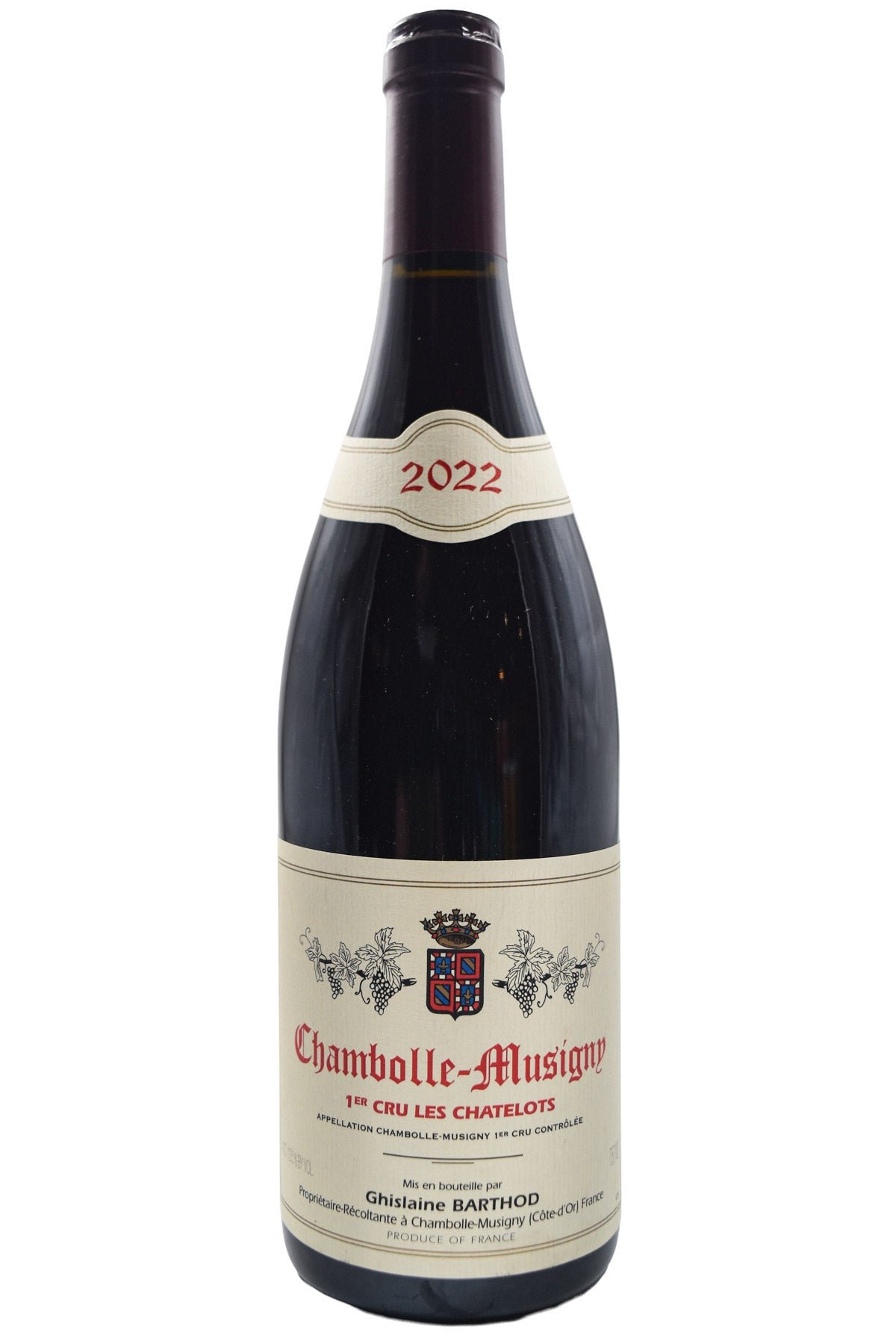
That matters for special-occasion planning. If the occasion depends on a meal, a particular format, or a timed itinerary, avoid assuming those details from the name alone. A smart casual dress code and a prestige marker can help set expectations, but they do not answer operational questions such as what is offered, when it is available, how long it might take, or whether it suits a group. Build the day around what is known, then use direct confirmation for anything operational. For other names to consider in the same broader planning context, compare Domaine Comte de Vogue with Domaine Hudelot-Baillet, Domaine Georges Roumier, Domaine Ghislaine Barthod, Domaine Amiot-Servelle, Domaine Hudelot-Noëllat.
Who should prioritise it over other Chambolle-Musigny names
Prioritise Domaine Comte de Vogue if a Pearl 5 Star Prestige (2025) Chambolle-Musigny venue with smart casual dress and Jean Lupatelli listed as chef/owner fits the brief. It suits planners who are comfortable beginning with a concise, recognition-led profile and then verifying the practical details before locking in the day. If the decision depends on menus, visit length, availability, prices, or group capacity, confirm those points before committing. That is the cleanest way to avoid over-reading a concise listing and to make sure the venue matches the purpose of the visit. Domaine Hudelot-Baillet, Domaine Amiot-Servelle, Domaine Georges Roumier, Domaine Ghislaine Barthod, Domaine Hudelot-Noëllat can be considered naturally as part of a broader shortlist.
Planning details
- Location
- 7 Rue Sainte-Barbe, 21220 Chambolle-Musigny
- Phone
- +33 3 80 62 86 25
The take
The Take
The Vibe
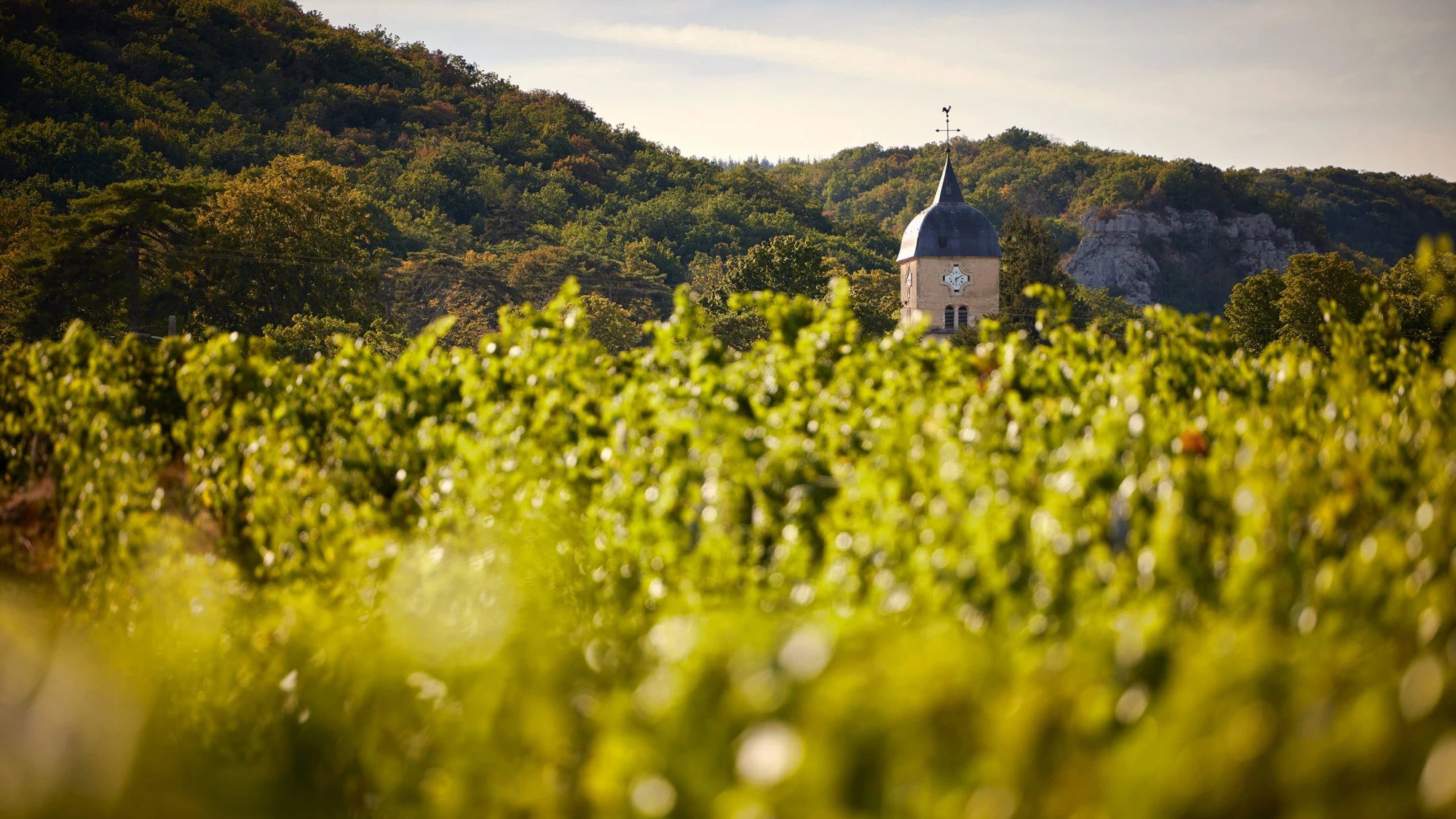
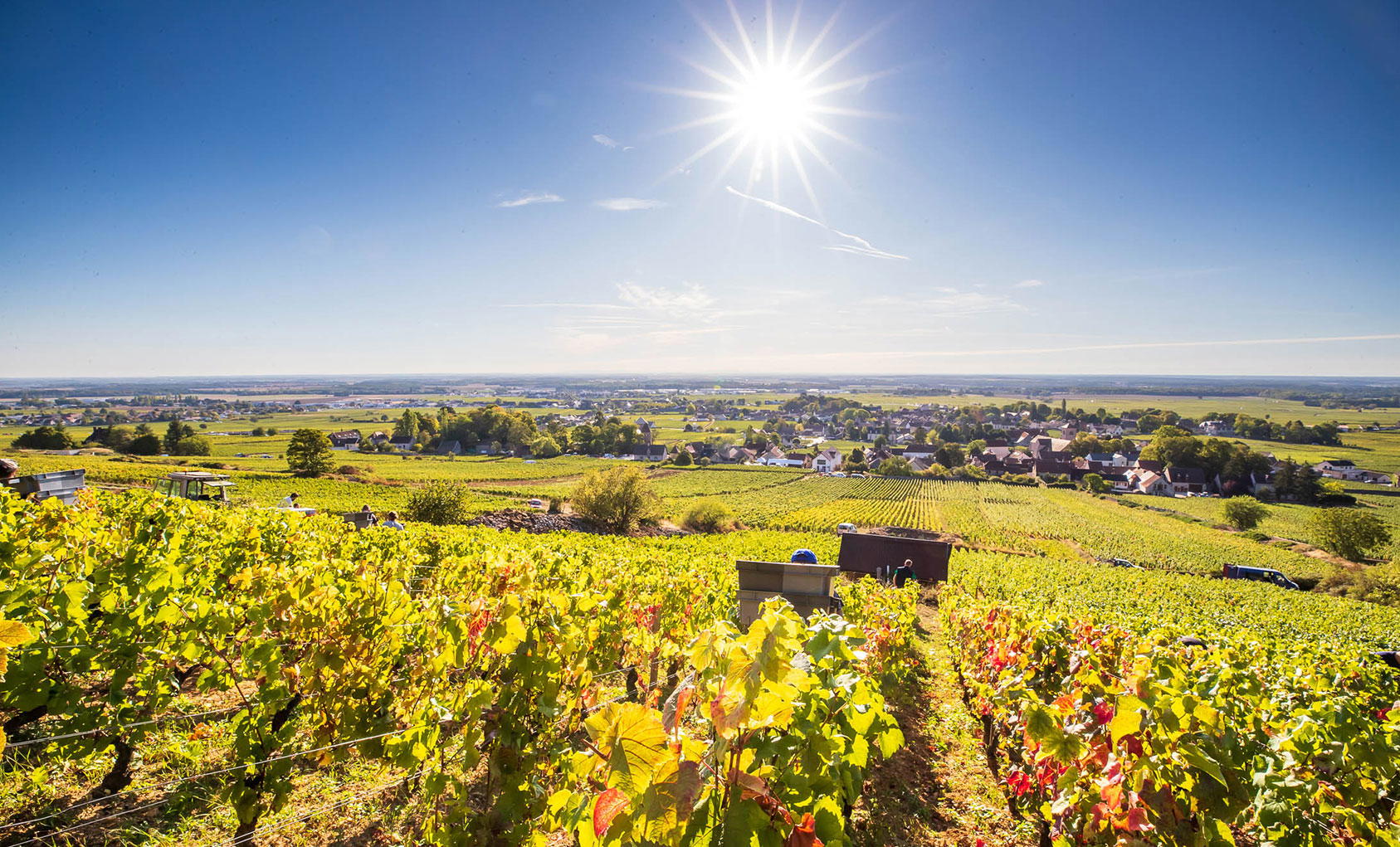
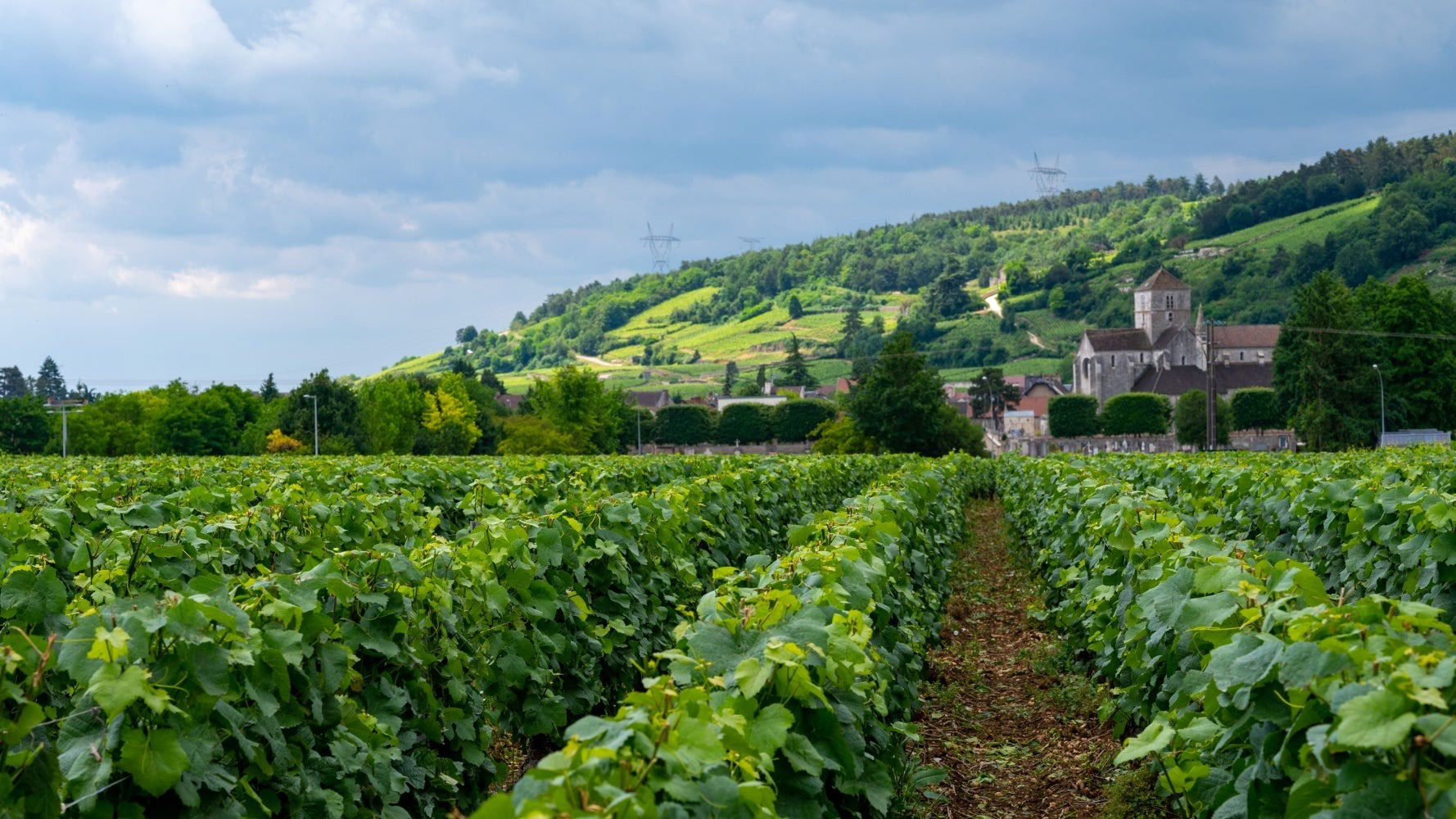
Domaine Comte de Vogue reads like a touchstone of Chambolle-Musigny: a domaine rooted in long tradition and deep site knowledge. The prose emphasizes limestone-rich soils, a cool mesoclimate and a village identity defined by structural delicacy and aromatic lift. The domaine’s control of significant Musigny holdings gives it an outsized influence on how the appellation is perceived, so visits or tastings here feel anchored in history and terroir. It’s a place for people who appreciate classic Burgundian precision and quiet gravity rather than flash.
Best For
This domaine is best for collectors, students of terroir and anyone seeking a reference point for Chambolle-Musigny style. Because the estate controls a large share of Musigny and is grouped with the village’s most studied names, its bottles carry comparative importance for tasting and cellaring. The wines—described as possessing aromatic lift, fine structure and long tannin—reward close attention and age, making the domaine a natural stop for wine-education visits, special-occasion purchases and serious cellar-building.
Tasting Tips
When tracking bottles from Domaine Comte de Vogue, prioritize vineyard-designated Musigny bottlings where possible: the estate’s holdings in that grand cru shape much of its reputation. Pay attention to vintage and parcel notes—vine age and site are highlighted as contributors to concentration and complexity. For collectors, provenance and producer history matter here; look for releases that reflect the domaine’s traditional approach and consider older or well-stored vintages if seeking greater complexity and nuance.
Venue details
Ambiance
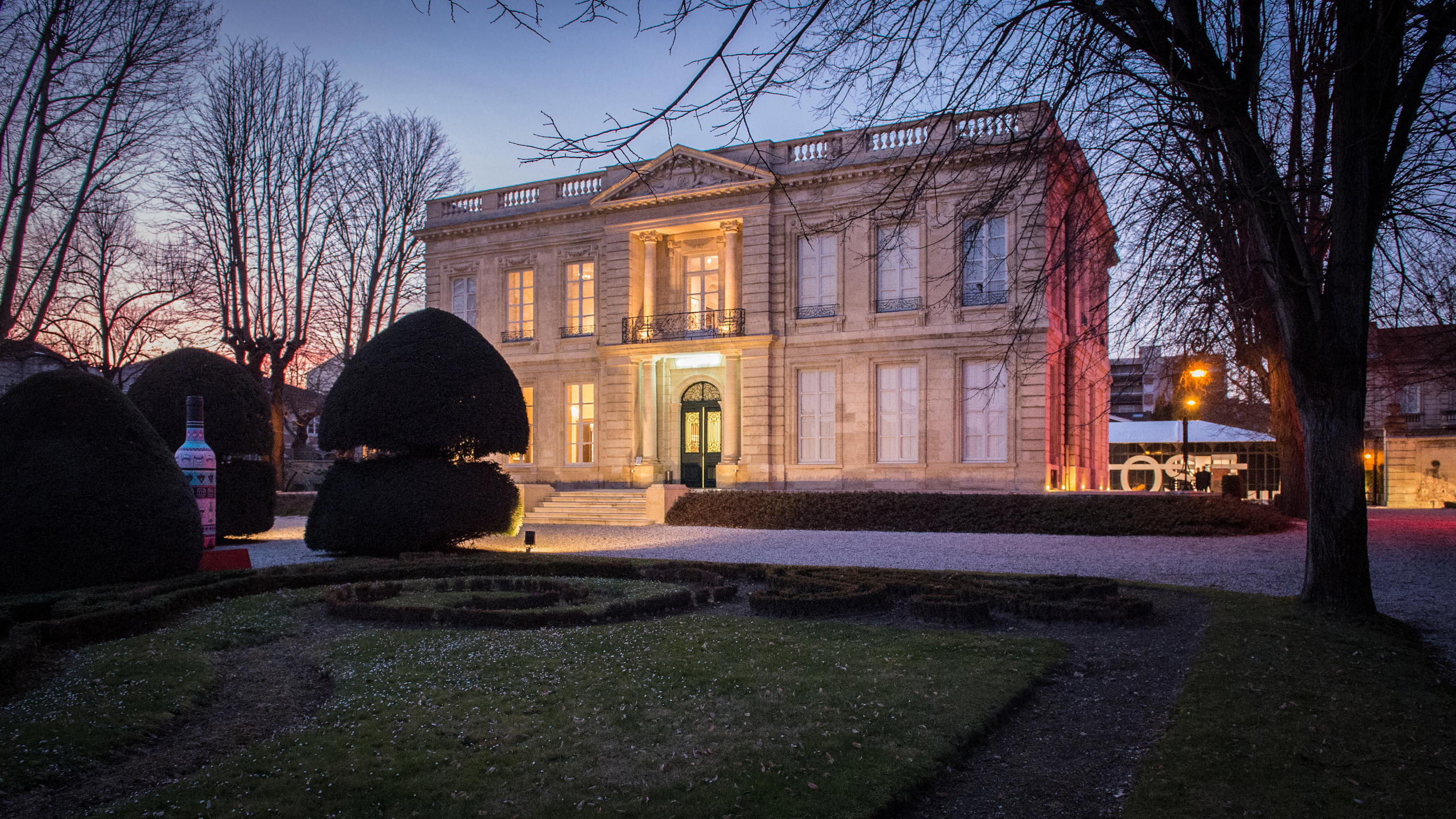
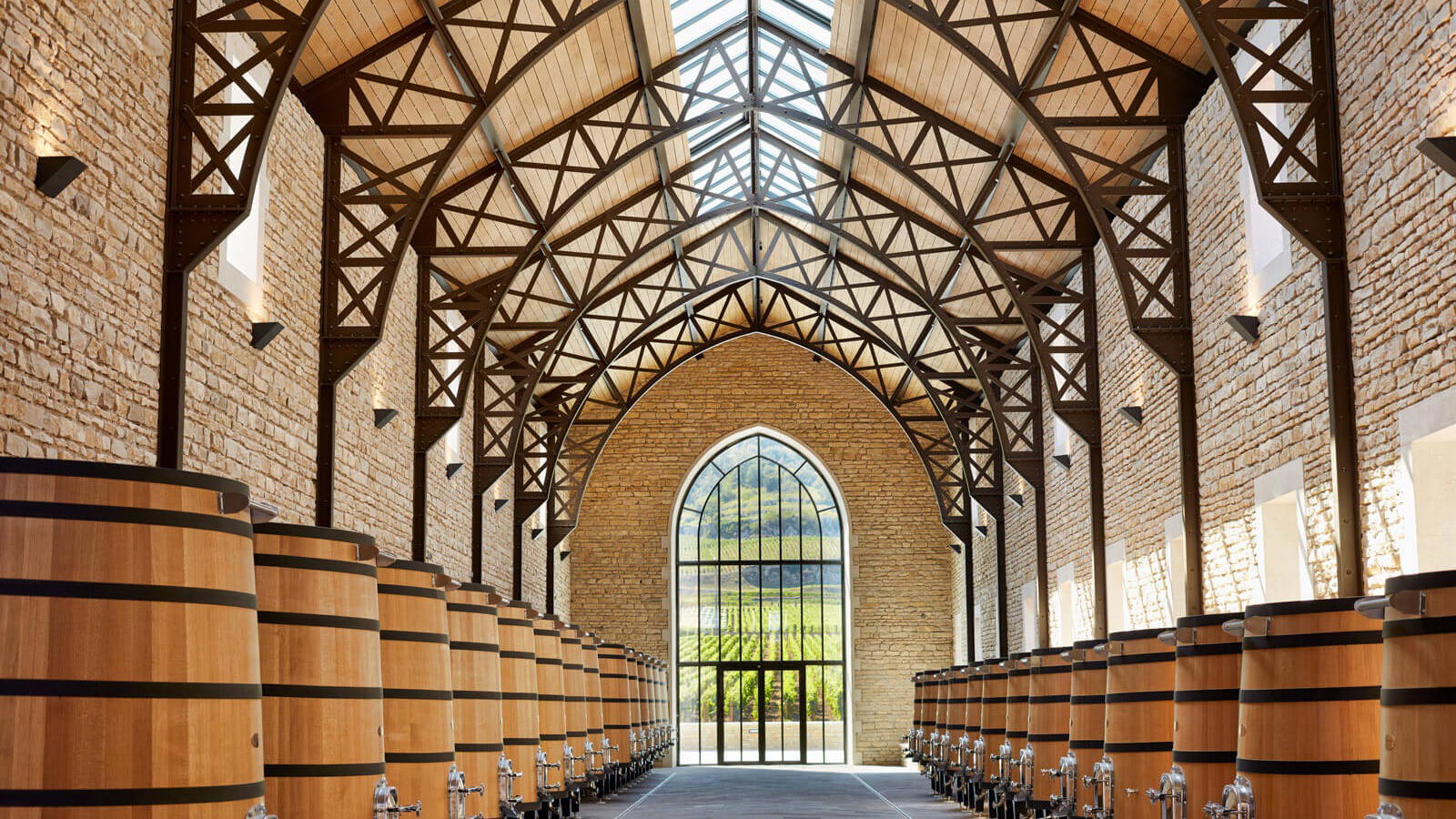
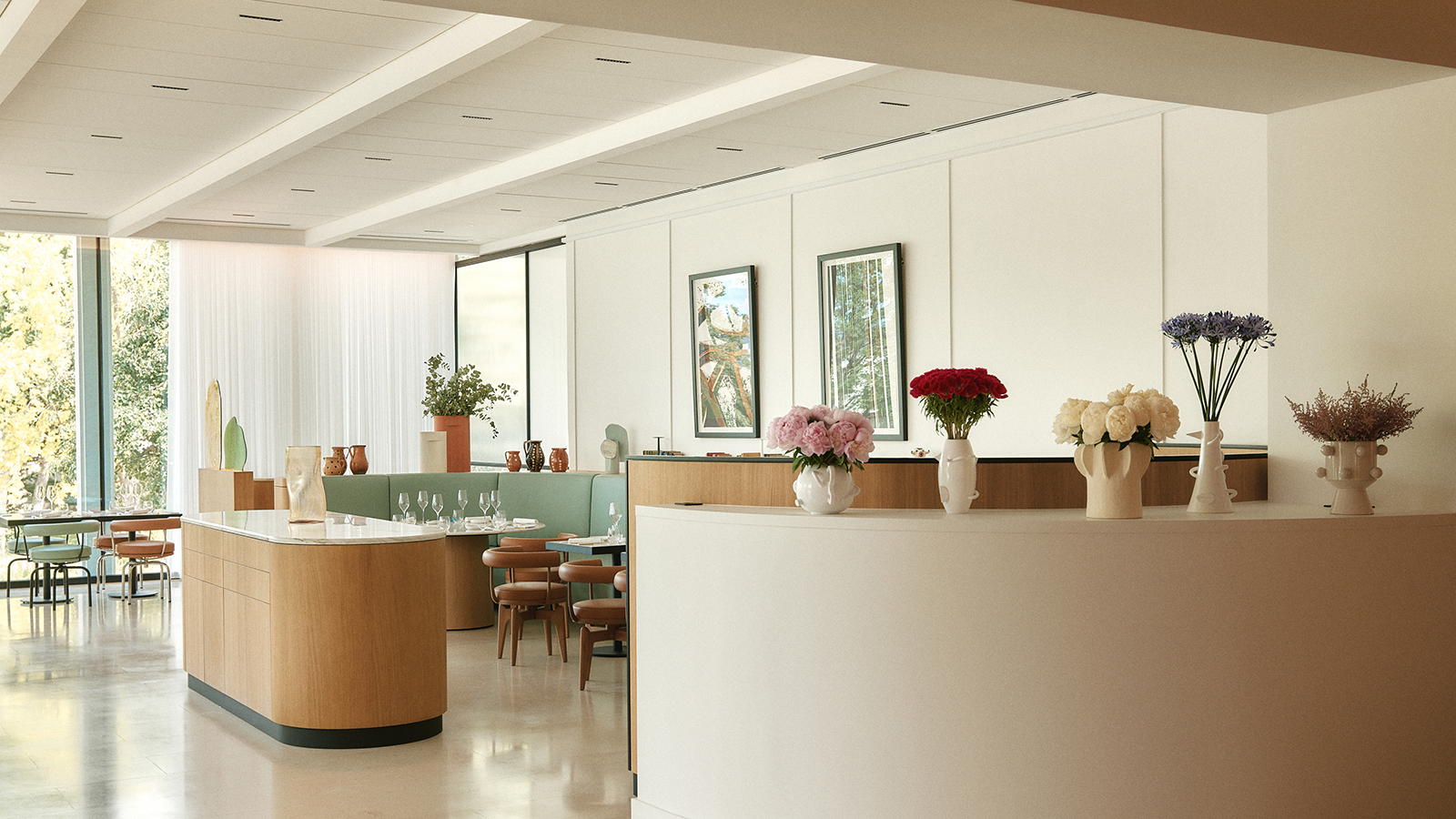
Refined and majestic atmosphere reflecting the historic estate's aristocratic legacy and terroir-driven elegance.
Tags
Vibe
Best For
Experience
Sourcing
View
At the Vineyard
- Appellation
- Chambolle-Musigny
- Varietals
- Pinot Noir, Chardonnay
- Tour Duration
- 60-90 minutes
- Wine Club
- Available
Planning details
Location
7 Rue Sainte-Barbe, 21220 Chambolle-Musigny · Directions
Recognition and awards
Also consider
Where to look if this is not workable
If the visit cannot be arranged, start with Domaine Hudelot-Baillet for a same-village alternative, then try Domaine Amiot-Servelle if the schedule needs more flexibility. For a more ambitious backup shortlist, add Domaine Georges Roumier and Domaine Ghislaine Barthod.
Winery context
How it compares in Chambolle-Musigny
Domaine Comte de Vogue is the splurge-minded, prestige-led choice in this Chambolle-Musigny set: better for collectors and special occasions than for casual wine tourism. Domaine Georges Roumier belongs in the same serious-planning bracket, while Domaine Ghislaine Barthod is the smarter cross-shop when the priority is a focused village comparison rather than putting one name above the rest.
For value and practicality, start with Domaine Hudelot-Baillet or Domaine Amiot-Servelle. They make more sense as backup targets if the day needs flexibility. Domaine Hudelot-Noëllat is the broader Côte de Nuits comparison for visitors who want to keep the itinerary serious without making the whole trip hinge on one Chambolle-Musigny door.
The decision comes down to tolerance for booking friction. If this is an anniversary, collector trip, or client-focused Burgundy day, prioritise Domaine Comte de Vogue and build the schedule around it. If the group wants easier pacing, meal pairings, lower pressure, use the other Chambolle-Musigny domaines as the practical route.
Explore Chambolle-Musigny
Around this place
Discover more on Pearl
Unlock the full Domaine Comte Georges de Vogüé guide in Pearl, including awards, comparisons, FAQs, planning details, and nearby places.
Compare Domaine Comte Georges de Vogüé
| Venue | Location | Awards |
|---|---|---|
| Domaine Comte de Vogue | Chambolle-Musigny | No published awards |
| Domaine Hudelot-Baillet | Chambolle-Musigny | 2025 Pearl 4 Star Prestige |
| Domaine Georges Roumier | Chambolle-Musigny | 2026 Michelin 3 Grapes - Burgundy2025 Pearl 4 Star Prestige |
| Domaine Ghislaine Barthod | Chambolle-Musigny | 2026 Michelin 1 Grape - Burgundy |
| Domaine Amiot-Servelle | Chambolle-Musigny | No published awards |
| Domaine Hudelot-Noëllat | Chambolle-Musigny | 2026 Michelin 1 Grape - Burgundy2025 Pearl 4 Star Prestige |

How Domaine Comte de Vogue Chambolle-Musigny compares with similar nearby venues.
FAQ
Frequently Asked Questions
How long should I plan for a visit to Domaine Comte de Vogue?
The profile does not specify visit length, service pacing, or appointment format. Confirm timing directly with Domaine Comte de Vogue before planning around another name such as Domaine Georges Roumier or Domaine Ghislaine Barthod.
When is the best time to visit Domaine Comte de Vogue?
No hours or seasonal guidance are available here. Choose a time only after confirming directly with Domaine Comte de Vogue, especially if you are also considering Domaine Hudelot-Baillet or Domaine Amiot-Servelle the same day.
What other venues can I compare with Domaine Comte de Vogue?
Relevant comparison names include Domaine Georges Roumier, Domaine Ghislaine Barthod, Domaine Amiot-Servelle, Domaine Hudelot-Baillet, Domaine Hudelot-Noëllat. If you are building a Chambolle-Musigny plan, confirm current availability and format directly with each venue.
Can Domaine Comte de Vogue handle large groups?
The profile does not specify group capacity or private-visit arrangements. Contact Domaine Comte de Vogue directly before planning for a group or coordinating it with other venues.