Villa Zarri
Castel Maggiore
Winery in Castel Maggiore, Italy
 Book with Pearl
The Read
Po Valley Prestige Production
Why go
Villa Zarri is worth prioritizing for a quiet, focused Castel Maggiore tasting stop, especially for return visitors to the Bologna area who want depth rather than a broad crawl. Booking should be treated as difficult, so plan around it first and keep nearby spirits producers as backups if flexibility matters.
About Villa Zarri
Villa Zarri is a Castel Maggiore venue with a concise profile. It carries Pearl 2 Star Prestige recognition for 2025, and the dress code is smart casual. Beyond those points, specific claims about format, pricing, hours, booking difficulty, beverages, menus, or services should be checked directly before planning around them.
Use Villa Zarri as a focused Castel Maggiore reference point rather than relying on assumptions about what a visit includes. If you are building a wider local itinerary, pair it with our full Castel Maggiore restaurants guide, or consider other dining in Castel Maggiore generically as part of the surrounding plan.
Book with known details, then confirm the rest
The grounded case for Villa Zarri is its Pearl 2 Star Prestige recognition in 2025 and its smart casual dress code. Public-facing planning details such as regular hours, prices, group policies, visit structure, and service format are not specified, so the safest approach is to confirm practical arrangements directly with the venue before setting an itinerary.
For travelers comparing related names, consider Casoni Fabbricazione Liquori, Distilleria Caselli, Distilleria Moccia, Distillerie Buton (Vecchia Romagna), Vecchia Romagna, and Villa Zarri. Other dining in Castel Maggiore can be considered generically as part of the surrounding plan.
Who should choose Castel Maggiore over a bigger-name detour
Choose Villa Zarri if you specifically want a Castel Maggiore stop with Pearl 2 Star Prestige recognition and a smart casual standard. If your decision depends on precise hours, pricing, menu details, beverage selections, seating, accessibility, or group arrangements, those details are not available and should not be assumed.
Cross-shopping should stay practical. Vecchia Romagna, Distillerie Buton (Vecchia Romagna), Casoni Fabbricazione Liquori, Distilleria Moccia, and Distilleria Caselli are useful comparison names, while other Castel Maggiore dining can fill out the day without implying any connection to Villa Zarri.
The bottom line: Villa Zarri is worth considering for travelers who value a Castel Maggiore venue with Pearl 2 Star Prestige recognition in 2025 and are comfortable confirming all operational details directly before they go.
Planning details
- Location
- Via Ronco, 1, 40013 Castel Maggiore BO
- Website
- villazarri.com
- Phone
- +39 051 700604
The take
The Take
The Vibe
Villa Zarri reads as an understated, region-rooted producer that thrives on the plain rather than on postcard slopes. The writing emphasizes the particular rhythms of the Po Plain—deep alluvial soils, a long but swingy growing season—and positions the estate as a thoughtful interpreter of that specific ground. Recognition through a 2025 Pearl 2 Star Prestige award reinforces a quietly proud identity: this is a place where craft and consistency matter more than tourist spectacle. Visitors should expect an earnest, terroir-minded winery experience that rewards attention rather than flash.
Best For
This winery suits visitors who come to learn about place and production: wine-education-minded travelers, groups exploring regional viticulture, and gatherings seeking a more considered special occasion. The description highlights Villa Zarri’s achievement in a peer-reviewed awards framework, signaling wines of consistent quality that make for instructive tastings and meaningful purchases. Because the property operates within the less-traveled Po Plain, it also works well for groups or events that value a quieter, less tourist-driven setting where the conversation focuses on terroir and technique.
Tasting Tips
Look for the estate’s award recognition and prioritize wines that speak to the flatland terroir: the copy stresses alluvial soils, a long growing season and diurnal swings, so opt for bottles or tastings that foreground regional expression. If you’re arranging a group visit or an educational tasting, frame the experience around soil and climate—those details are central to the property’s narrative. Given the emphasis on production quality rather than tourism, plan ahead and expect a focused, wine-centric encounter rather than a commercialized tasting-room spectacle.
Venue details
Ambiance
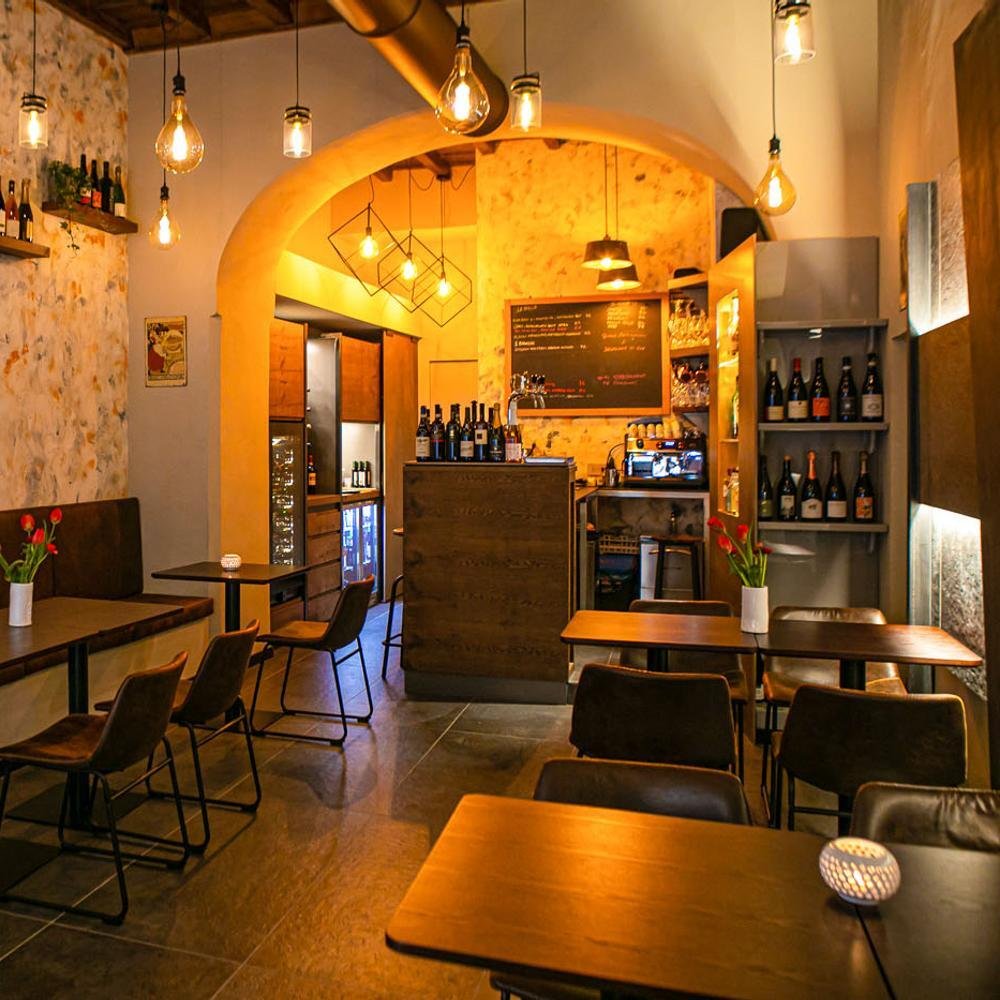
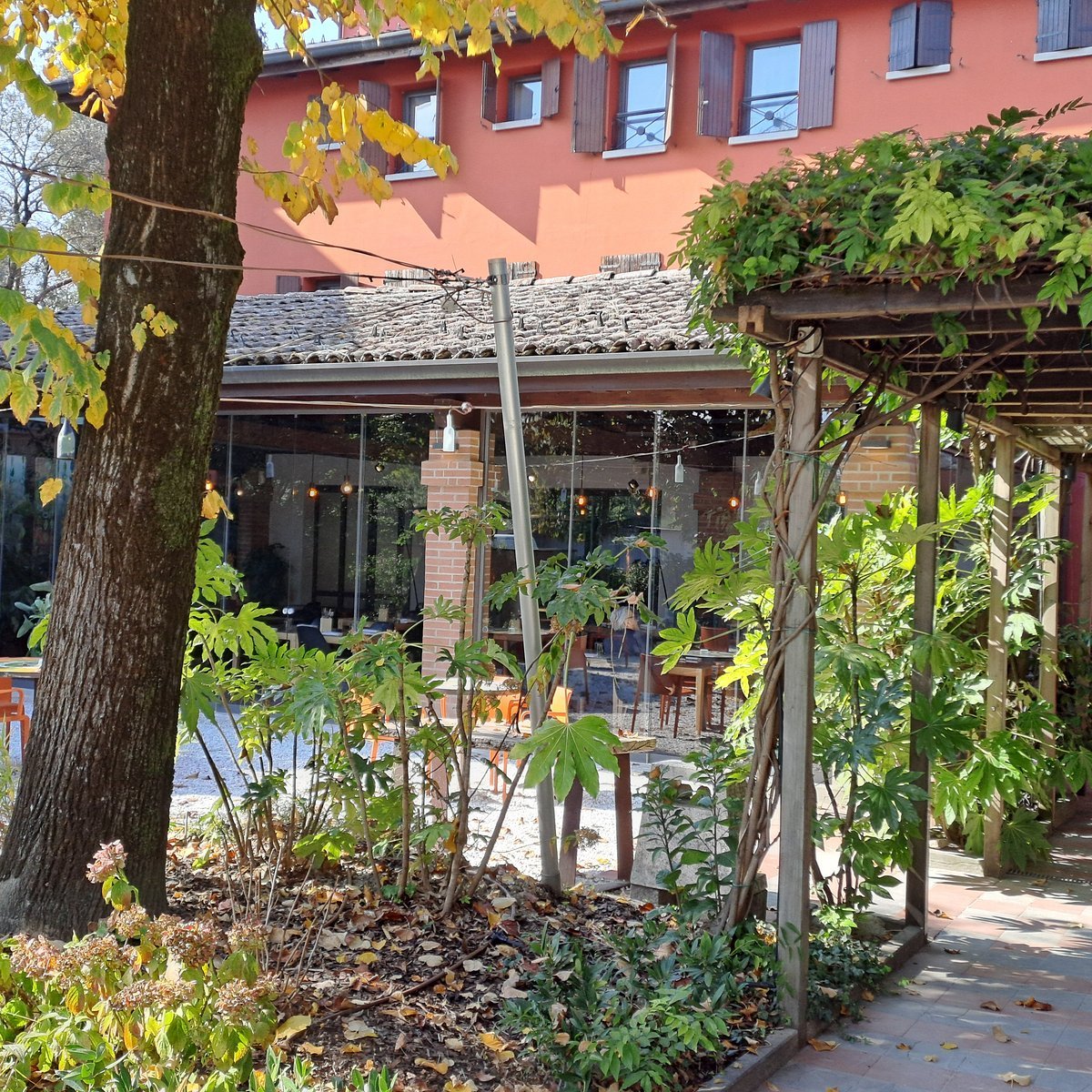
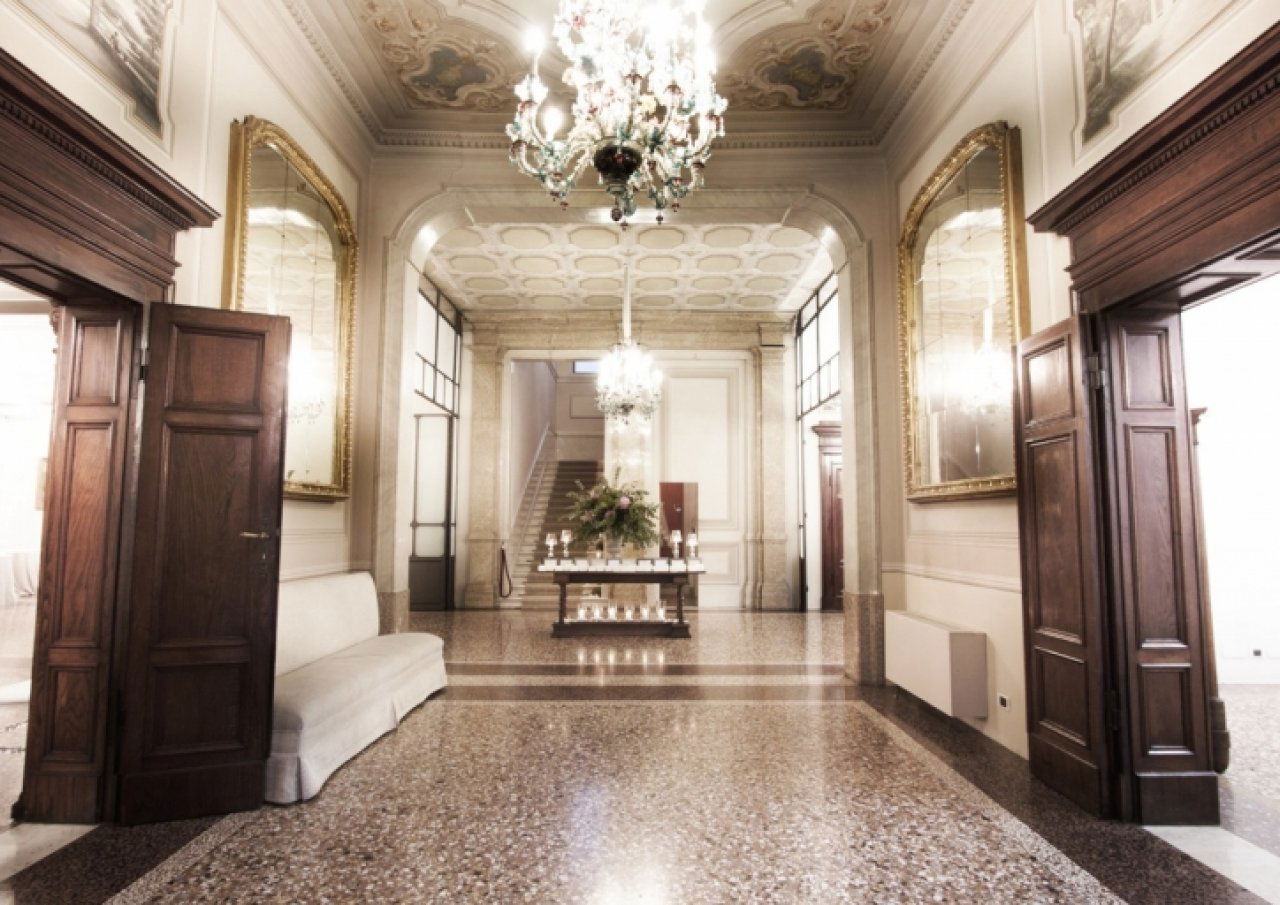
Refined and sophisticated atmosphere within a restructured historic villa dating to 1578, with a dedicated tasting room adjacent to the copper distillery.
Tags
Vibe
Best For
Experience
Sourcing
At the Vineyard
- Appellation
- Emilia-Romagna
- Varietals
- Trebbiano Toscano, Trebbiano Romagnolo
- Tour Languages
- Italian, English
- Visits
- By appointment only
- Farming
- Sustainable
- Shipping
- Available
- Wine Club
- Not available
Know before you go
Know Before You Go
- Getting there
- Via Ronco, 1, 40013 Castel Maggiore BO
Planning details
Location
Also consider
Where to look if you cannot secure it
If Villa Zarri is not workable, start with Vecchia Romagna for a more recognizable regional spirits comparison, then check Casoni Fabbricazione Liquori if the goal is to stay within the Italian liqueur and distillery lane.
Winery context
How it compares with nearby spirits and winery options
Villa Zarri is the stronger choice if the priority is a focused Castel Maggiore stop with a calmer feel, but it is also the one to plan around earliest. Vecchia Romagna and Distillerie Buton (Vecchia Romagna) are better cross-shops for travelers who want a more recognizable spirits reference point rather than a quieter local appointment.
For value, the decision depends less on headline pricing and more on wasted time. If a booking here is not locked, Casoni Fabbricazione Liquori is the safer backup to research because it keeps the trip in the Italian liqueur and spirits lane without making Castel Maggiore the only reason for the day. For travelers who care most about ambiance, Villa Zarri is the better fit when a low-key visit matters more than brand scale.
Distilleria Moccia and Distilleria Caselli make more sense as alternatives when the schedule needs flexibility. Choose Villa Zarri when the visit can be planned in advance; choose one of the broader distillery options when the day needs backup routes and less booking pressure.
Explore Castel Maggiore
Around this place
Discover more on Pearl
Unlock the full Villa Zarri guide in Pearl, including awards, comparisons, FAQs, planning details, and nearby places.
Compare Villa Zarri
| Venue | Location | Awards |
|---|---|---|
| Villa Zarri | Castel Maggiore | No published awards |
| Vecchia Romagna | Bologna | No published awards |
| Distillerie Buton (Vecchia Romagna) | Bologna | No published awards |
| Casoni Fabbricazione Liquori | Finale Emilia | No published awards |
| Distilleria Moccia | Ferrara | No published awards |
| Distilleria Caselli | Modena | No published awards |
How Villa Zarri Castel Maggiore: Pearl Prestige Venue compares with similar nearby venues.
FAQ
Frequently Asked Questions
What other venues can I compare with Villa Zarri?
For comparison research, consider Vecchia Romagna, Distillerie Buton (Vecchia Romagna), Casoni Fabbricazione Liquori, Distilleria Moccia, and Distilleria Caselli. Villa Zarri is a Castel Maggiore venue, but a specific street address or detailed visit format is not available.
Can Villa Zarri handle large groups?
Group capacity is not specified. Key details include Pearl 2 Star Prestige recognition for 2025 and a smart casual dress code, so group arrangements should be confirmed directly with Villa Zarri before planning around them.
Does Villa Zarri offer memberships or repeat-visit benefits?
A membership program or repeat-visit benefit is not specified. If those details matter to your decision, confirm them directly with Villa Zarri rather than assuming they are available.
What is Villa Zarri known for?
Villa Zarri is known for its Castel Maggiore location, Pearl 2 Star Prestige recognition for 2025, and smart casual dress code. A specific menu, bottle, product, or service format is not available.
What services are available for Villa Zarri?
Specific services and logistics are not specified. If any operational detail is important to your plans, confirm it directly with Villa Zarri before making arrangements.
Do I need a reservation at Villa Zarri?
Reservation requirements are not specified. Because hours, access policies, and visit format are not specified, contact Villa Zarri directly before going.
When is the best time to visit Villa Zarri?
Specific opening hours and best-visit timing are not specified. Plan around available details only: Villa Zarri is in Castel Maggiore, has a smart casual dress code, and holds Pearl 2 Star Prestige recognition for 2025.