Distilleria Magnoberta
Casale Monferrato
Winery in Casale Monferrato, Italy
 Book with Pearl
The Read
Piedmont Terroir Distilling
Why go
Distilleria Magnoberta is worth prioritising if a Casale Monferrato itinerary needs a spirits-focused stop rather than another vineyard visit. Pearl 2 Star Prestige recognition gives it a useful quality signal, but plan it deliberately: this is better for a celebration, client outing, or category-curious group than a casual drop-in.
About Distilleria Magnoberta
Distilleria Magnoberta is a venue in Casale Monferrato with Pearl 2 Star Prestige recognition for 2025. It is best approached as a considered stop, with operational details confirmed directly before you go.
The dress code is smart casual. That makes it a reasonable fit for a polished itinerary in Casale Monferrato, especially when the day calls for a venue with a more put-together feel. For reservations, visit format, purchases, or timing, confirm directly with the venue before making plans.
A Casale Monferrato stop with a confirmed signal
The grounded reason to keep Distilleria Magnoberta on a shortlist is simple: it is in Casale Monferrato and carries Pearl 2 Star Prestige recognition for 2025. Beyond that, specific claims about the experience should be kept cautious unless confirmed directly by the venue.
Do not build the plan around assumptions about food service, a published visit format, a particular drinks program, or a named house specialty. The more reliable expectation is a smart-casual venue in Casale Monferrato with confirmed recognition, best approached with advance confirmation of practical details.
How to place it within a Casale Monferrato day
Use Distilleria Magnoberta as one possible anchor in a Casale Monferrato plan, then build the rest of the day around other confirmed stops. A useful planning page is Our full Casale Monferrato restaurants guide.
If you are comparing related venues, keep the references focused and verify the practical details for each one. Natural comparison names include Antica Distilleria Quaglia, Cocchi, Distilleria Dellavalle, Distilleria Magnoberta, Distillerie Berta, and Mazzetti d'Altavilla. For a lower-risk day, keep the plan centred on Casale Monferrato and confirm each stop before travelling.
Planning details
- Location
- Str. Asti, 6, 15033 Casale Monferrato AL
- Website
- magnoberta.com
- Phone
- +39 0142 452022
The take
The Take
The Vibe
Distilleria Magnoberta sits quietly in the gentle folds of the Monferrato hills, where the landscape of low ridges and vine rows frames a tradition-driven production. The tone is understated and serious rather than flashy: the write-up emphasizes terroir, long-established practice and a focused craft approach to distilling marc. Visitors encounter a place that prizes subtlety — aromatic differentiation born of calcareous, sandy soils — and that feels more like an artisan facility embedded in agricultural terrain than a tourist spectacle. The overall mood is contemplative and rooted in place, suited to thoughtful exploration of regional spirits.
Best For
This is a destination for people who want to understand grappa as an expression of place. It suits visitors seeking deep, terroir-focused context — students of spirits, small groups of enthusiasts, and those marking a special occasion with a serious tasting. The description’s emphasis on distinct marc profiles and the facility’s Pearl 2 Star Prestige recognition suggests curated samples and an interpretive visit rather than a casual stop. Expect an experience oriented toward education and appreciation, where questions about raw material sourcing and distillation technique drive the visit.
Tasting Tips
When you visit, prioritize tasting expressions that highlight the region’s unique pomace: ask to compare grappas made from Grignolino, Barbera and the local pockets of Malvasia di Casorzo if available. Inquire about how the calcareous, sandy soils influence the marc’s aromatics and ask for the bottlings tied to the 2025 Pearl 2 Star Prestige mention. Frame questions around sourcing and the distillation approach — producers here treat marc selection with as much care as winemakers treat grapes — to get the most informative tasting from the visit.
Venue details
Ambiance
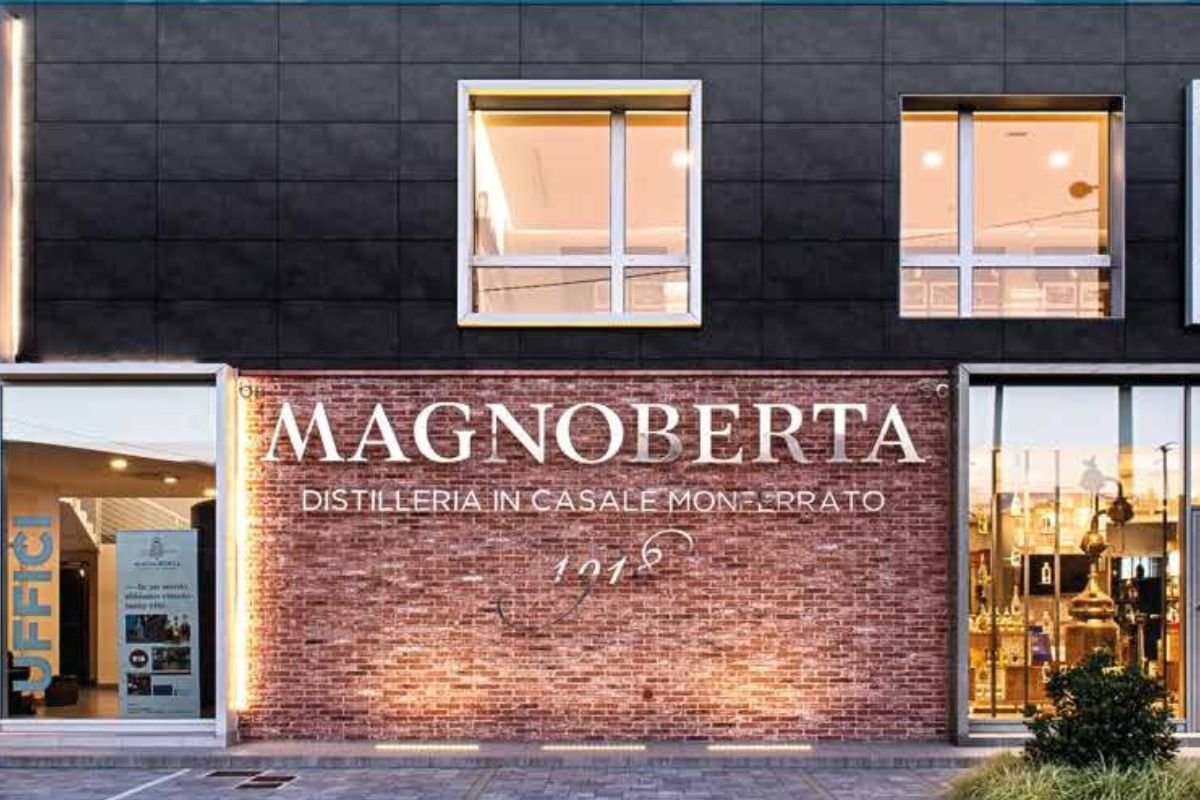
Heritage-focused production facility with antique distillation equipment and modern 16,000m² complex showcasing traditional Italian craftsmanship.
Tags
Vibe
Best For
Experience
Sourcing
At the Vineyard
- Appellation
- Monferrato
- Varietals
- Barbera, Grignolino, Freisa, Moscato, Malvasia
- Visits
- By appointment only
- Farming
- Sustainable
- Wine Styles
- Fortified
- Shipping
- Available
- Wine Club
- Not available
Know before you go
Know Before You Go
- Getting there
- Str. Asti, 6, 15033 Casale Monferrato AL
Planning details
Location
Also consider
Also Consider
- Mazzetti d'Altavilla, Notable alternative
- Cocchi, Notable alternative
- Distilleria Dellavalle, Notable alternative
- Antica Distilleria Quaglia, Notable alternative
- Distillerie Berta, Notable alternative
Winery context
How It Compares
Choose Distilleria Magnoberta when the brief is a spirits-led visit close to Casale Monferrato rather than a broader wine-country tasting. Mazzetti d'Altavilla and Distillerie Berta are the more obvious cross-shops for travellers who want a polished grappa-house experience, while this address makes more sense when the day is anchored around Casale itself.
Cocchi is the better comparison for aperitivo and aromatised-wine interest, so pick it if the group cares more about vermouth-style drinking than distillation. Distilleria Dellavalle and Antica Distilleria Quaglia are sensible backups if availability is tight or if the route points farther from Casale Monferrato.
For ambiance, Distilleria Magnoberta is the practical choice when setting and production context need to do real work for a date, client outing, or small celebration. For a collector-style spirits day, compare it first with Mazzetti d'Altavilla and Distillerie Berta; for a lighter drinking-focused stop, start with Cocchi.
Explore Casale Monferrato
Around this place
Discover more on Pearl
Unlock the full Distilleria Magnoberta guide in Pearl, including awards, comparisons, FAQs, planning details, and nearby places.
Compare Distilleria Magnoberta
| Venue | Location | Awards |
|---|---|---|
| Distilleria Magnoberta | Casale Monferrato | No published awards |
| Mazzetti d'Altavilla | Altavilla Monferrato | No published awards |
| Cocchi | Asti | 2026 Falstaff Winery Guide |
| Distilleria Dellavalle | Asti | No published awards |
| Antica Distilleria Quaglia | Castelnuovo Don Bosco | No published awards |
| Distillerie Berta | Mombaruzzo | No published awards |

How Distilleria Magnoberta Casale Monferrato compares with similar nearby venues.
FAQ
Frequently Asked Questions
Do I need a reservation at Distilleria Magnoberta?
It is sensible to plan ahead and confirm directly before visiting Casale Monferrato, especially given Distilleria Magnoberta's Pearl 2 Star Prestige recognition for 2025.
What other venues can I compare with Distilleria Magnoberta?
For comparison, consider Mazzetti d'Altavilla, Cocchi, Distilleria Dellavalle, Antica Distilleria Quaglia, and Distillerie Berta. Confirm each venue's location, opening details, and visit format directly before building an itinerary around them.
What is the flagship product at Distilleria Magnoberta?
The reliable facts are that it is in Casale Monferrato, has a smart-casual dress code, and carries Pearl 2 Star Prestige recognition for 2025.
When is the best time to visit Distilleria Magnoberta?
The safest approach is to choose a time only after confirming directly with the venue, then build the rest of the day around Casale Monferrato.