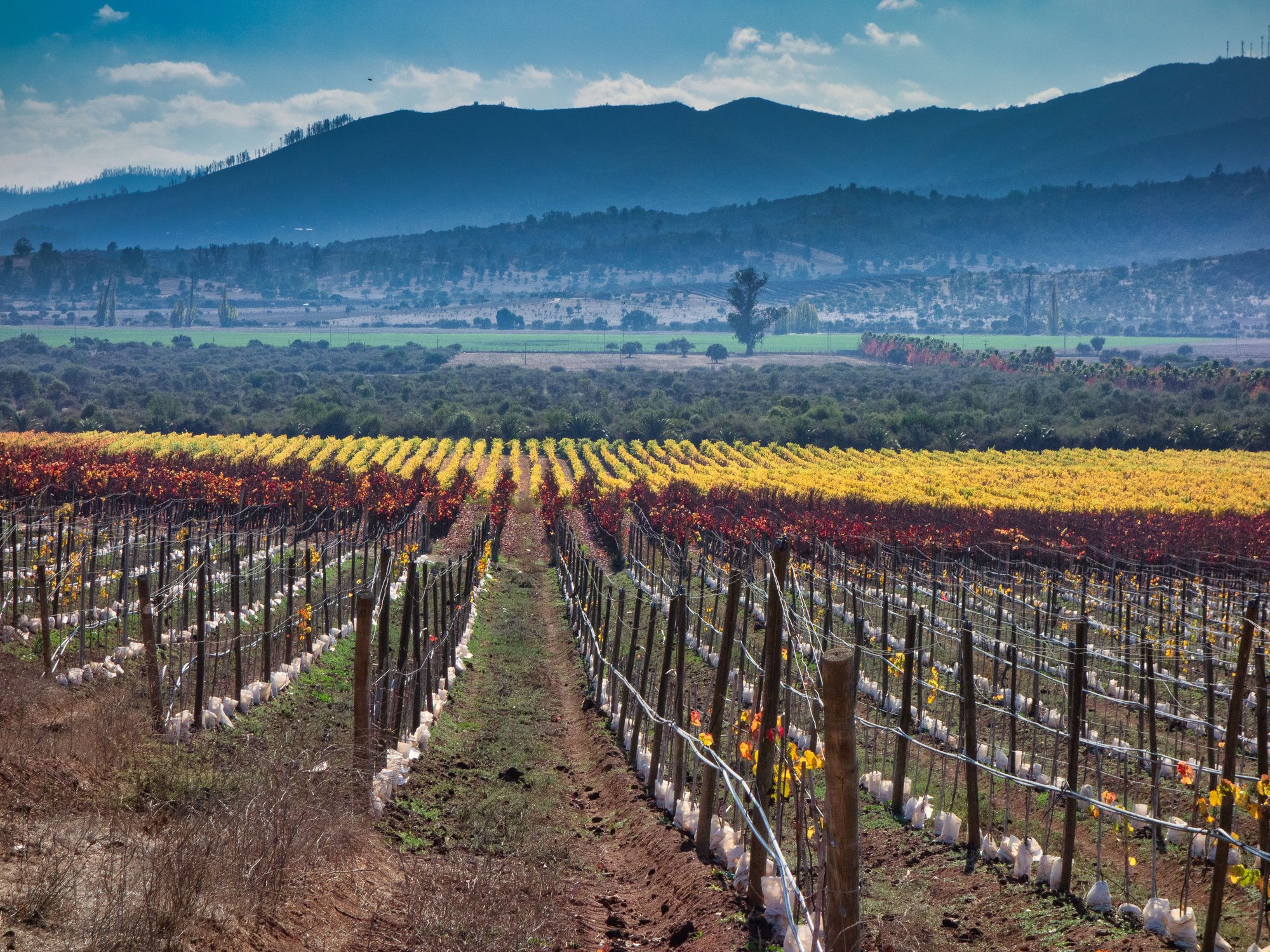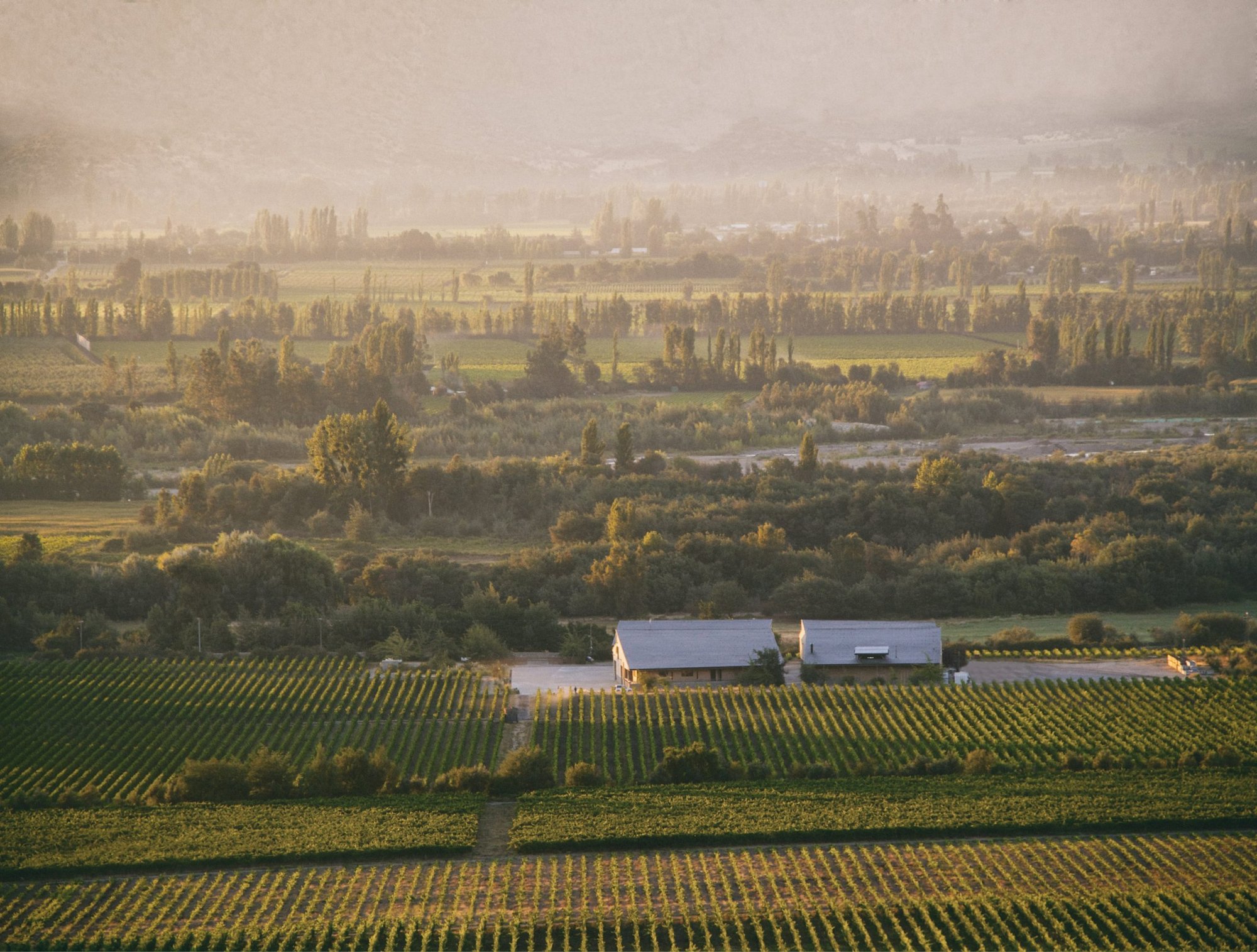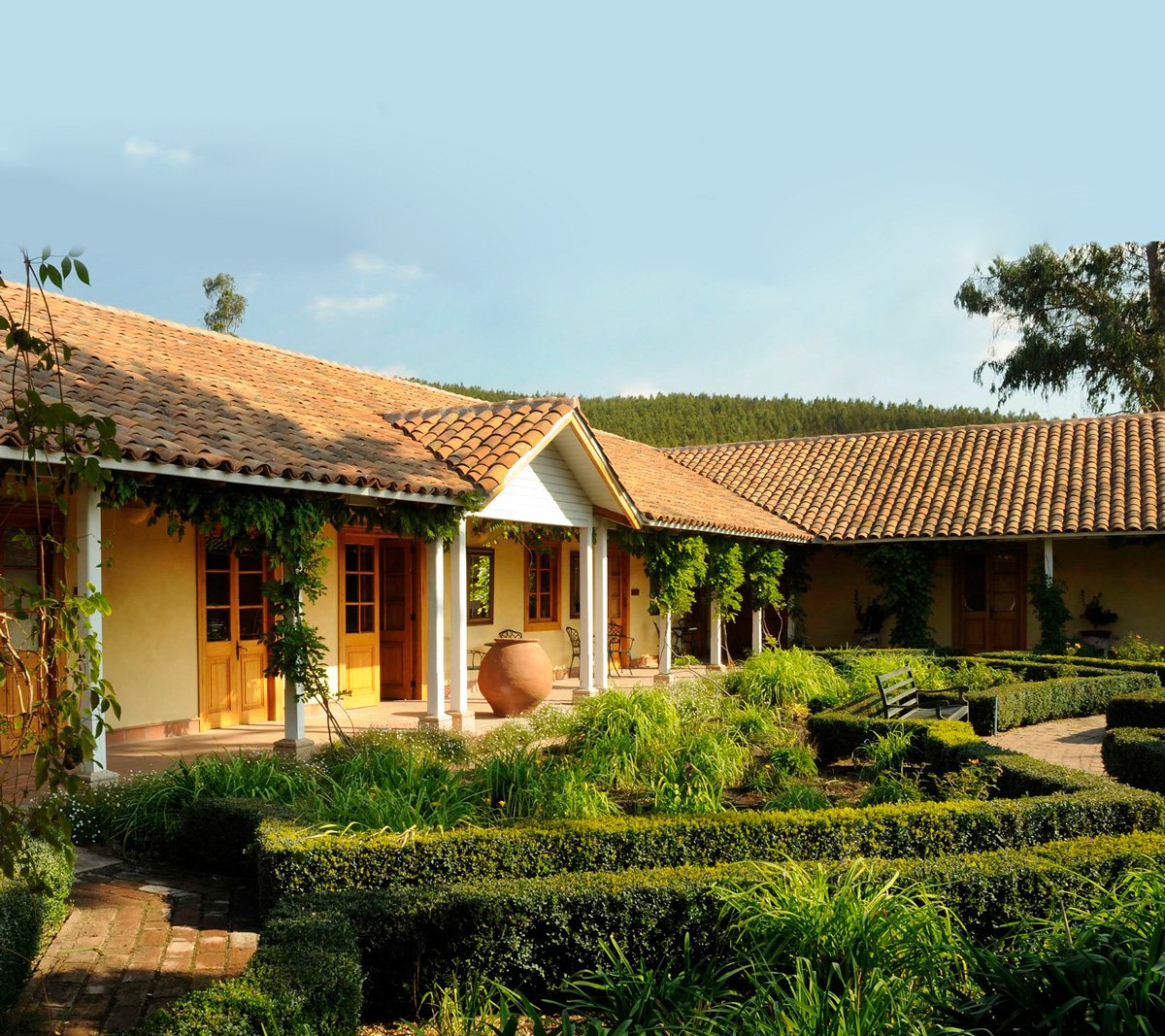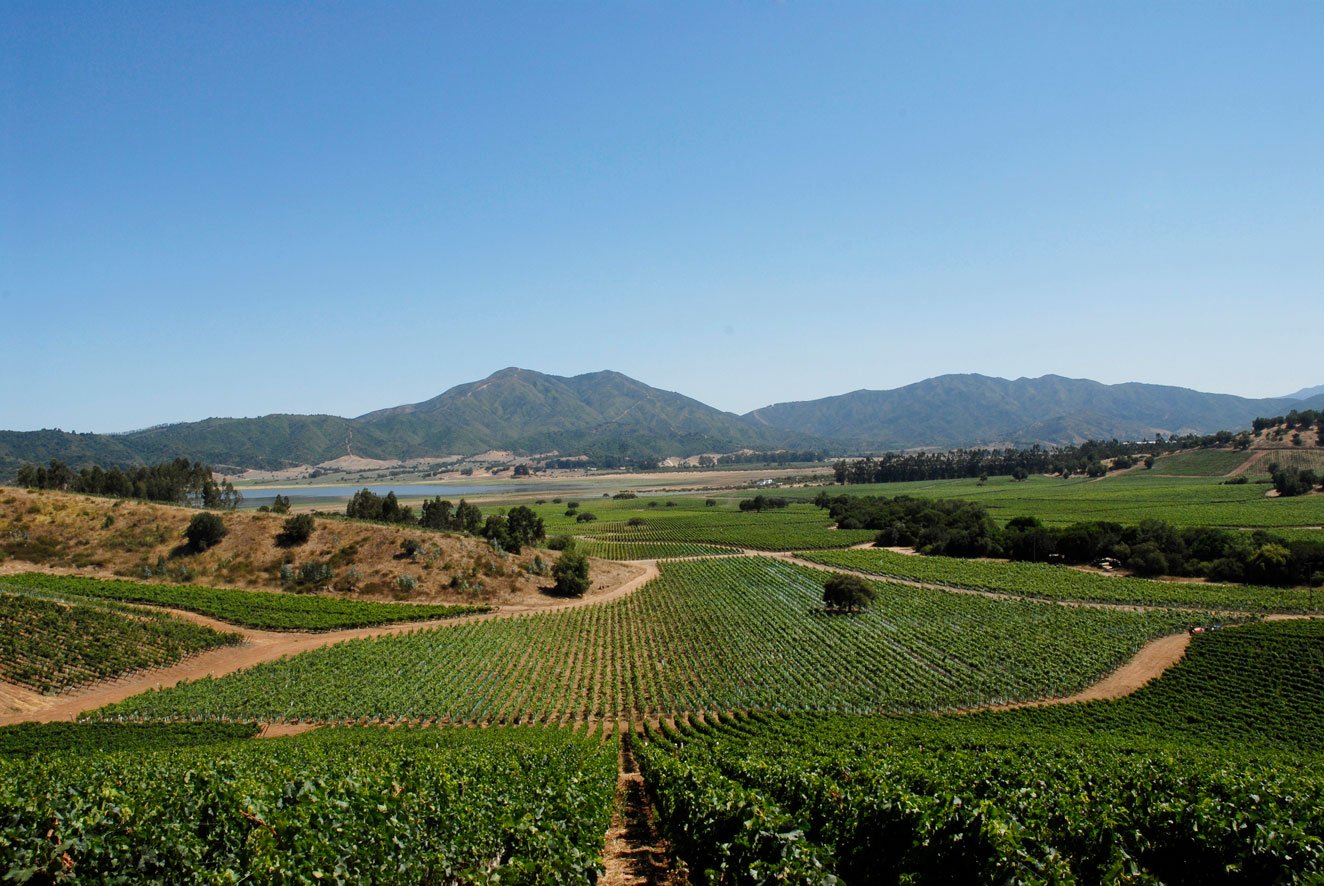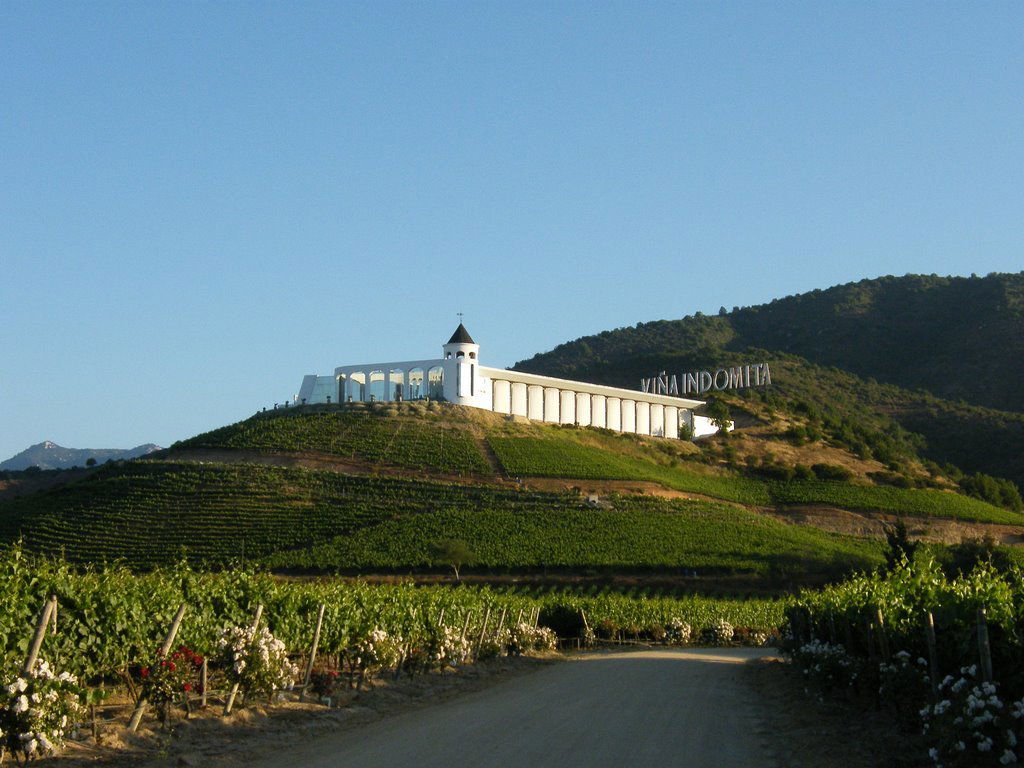
    Winery in Casablanca, Morocco

    Indómita

    250pts

    Coastal-Cool Terroir Precision

    Indómita, Winery in Casablanca

    About Indómita

    Indómita holds a Pearl 1 Star Prestige (2025) in Chile's Casablanca Valley, one of the country's most climate-driven wine regions. The valley's Pacific influence shapes a distinctive cool-climate style — tight, mineral whites and restrained Pinot Noir — that separates Casablanca from warmer inland appellations. Indómita sits within that tradition and is recognised among the valley's prestige-tier producers.

    Where Pacific Air Meets the Vine

    The Casablanca Valley reaches the visitor before any winery does. Driving west from Santiago, the air changes perceptibly as the coastal range opens up — cooler, salt-edged, carrying the low-cloud character that defines this appellation's growing conditions. Chile's wine geography is often described in terms of latitude, but Casablanca's identity is more precisely a function of distance from the Pacific: roughly 30 kilometres, close enough that morning fog rolls in routinely and afternoon winds keep temperatures from climbing. The result is a growing season long enough to build complexity but cool enough to preserve the acidity and aromatic precision that warm-climate vineyards sacrifice. It is in this context that producers like Viña Emiliana, Kingston Family Vineyards, and Indómita have staked their reputations.

    Indómita earned a Pearl 1 Star Prestige in 2025, a recognition that places it within Casablanca's tier of producers making a considered argument for the valley's place in Chilean fine wine. That argument rests almost entirely on terroir expression: the ability to translate a specific plot of land and climate into a glass with enough fidelity that the wine reads as Casablanca rather than generic Chilean white or red.

    Casablanca's Terroir: What the Land Is Actually Saying

    Understanding what Indómita produces requires understanding what Casablanca's soils and climate impose on a winemaker. The valley's soils trend toward clay-loam with granite and alluvial deposits in key sectors — structures that drain well enough to avoid waterlogging but retain enough moisture to sustain vines through dry summer periods. The diurnal temperature swings, sometimes exceeding 20°C between night and midday, slow sugar accumulation while preserving natural acidity. For white varieties, particularly Sauvignon Blanc and Chardonnay, this translates into wines with genuine tension , the kind of structural acidity that keeps them alive on the palate well past the initial impression.

    Pinot Noir presents a different but related argument. Casablanca sits at the cooler end of what Pinot can reliably ripen in Chile, which means vintages vary meaningfully and the wines, when they work, carry a restraint that warmer-valley versions from further north do not. The comparison is instructive: where Maipo Cabernet is a function of heat and depth, Casablanca Pinot is a function of marginal conditions and timing. Producers like Matetic Vineyards and Casas del Bosque have built their Pinot programs on exactly this premise. Indómita operates within the same climatic logic.

    Indómita Within the Valley's Prestige Tier

    Casablanca's winery scene has stratified over the past decade. At the entry level, large-volume producers supply export markets with technically competent, price-accessible Sauvignon Blanc. At the other end, a smaller group of estates has shifted focus toward lower yields, site-specific sourcing, and a seriousness of intent that invites comparison with benchmark cool-climate regions in Burgundy, the Loire, and coastal California. Indómita's 2025 Pearl 1 Star Prestige places it in this latter group, alongside peers such as Bodegas RE, which has built a reputation for minimal-intervention winemaking in the valley.

    What distinguishes the prestige tier from the volume tier in Casablanca is less about variety selection , most serious producers here work with the same core palette of Sauvignon Blanc, Chardonnay, and Pinot Noir , and more about how the vineyard is managed and how much of the terroir's character the winemaker allows to come through. The wines that earn recognition in Casablanca tend to have a specificity of origin: you can place them, at least roughly, in the cool end of the valley rather than a composite sourcing model. Indómita's prestige recognition reflects this orientation.

    How to Read Casablanca Wine Against Global Benchmarks

    Placing Casablanca wine in a global context requires some precision. The valley's Sauvignon Blanc is frequently compared to the Loire's Sancerre and Pouilly-Fumé, and while the climatic logic is similar , cool, acidity-preserving, mineraldriven , the soil profiles differ enough that the comparison is directional rather than exact. Casablanca Sauvignon tends toward tropical precision with a citrus-pith structure rather than the flinty, smoky register of Marlborough or the pure stone-fruit cut of the Loire at its most classic. It is its own thing, regional enough that serious producers resist the benchmark framing entirely.

    Chardonnay in Casablanca similarly resists easy mapping. The Burgundy-trained reflex is to look for terroir-driven structure and restrained oak, and the leading Casablanca Chardonnays deliver something in that neighbourhood, without imitating it. Producers with Burgundy credentials elsewhere in Chile, such as those behind Albert Boxler in Niedermorschwihr or the stylistic traditions represented by Aldo Conterno in Monforte d'Alba, demonstrate the reach of European winemaking philosophy into new-world contexts. Casablanca fits within this broader pattern of cool-climate ambition.

    Planning a Visit to Casablanca's Wine Country

    Casablanca sits roughly 90 kilometres west of Santiago via the Route 68 highway, a drive of under two hours depending on traffic. The valley is concentrated enough that visiting several wineries in a day is logistically manageable; most of the prestige-tier producers are within a short distance of each other in the valley's western and central sectors. The most useful visiting window runs from late spring through early autumn in the Southern Hemisphere, with harvest activity typically concentrated in February and March , a period when vineyards are at their most kinetic and many producers open their doors to visitors wanting to understand the vintage in real time.

    Accommodation options range from Santiago-based stays with day-trip logistics to smaller guesthouses in the valley itself. For those planning a broader Chilean wine itinerary, Casablanca pairs naturally with the Maipo and Colchagua valleys, which offer the structural contrast of warmer-climate Cabernet and Carménère against Casablanca's cool-climate program. See our full Casablanca restaurants guide for additional context on the region's hospitality offerings.

    For reference points beyond Chile, the prestige-tier producers in Casablanca price broadly in line with estate wines from regions like Adelaida Vineyards in Paso Robles or Adelsheim Vineyard in Newberg , appellations where cool-climate character commands a premium over volume production. Indómita's Pearl 1 Star Prestige signals a comparable commitment to appellation-driven quality rather than accessible pricing alone.

    Frequently Asked Questions

    What's the must-try wine at Indómita?
    The venue data for Indómita does not specify individual wines or tasting notes. What the Pearl 1 Star Prestige (2025) signals, however, is that the producer is working at a level where terroir expression rather than commercial formula drives selection. In Casablanca, that almost always points toward Sauvignon Blanc or Chardonnay as the primary argument , the varieties that most faithfully translate the valley's cool, Pacific-influenced conditions into the glass. Visitors with a specific interest in Pinot Noir should note that Casablanca is one of the few Chilean appellations where the variety has a serious, site-driven track record.
    Why do people go to Indómita?
    Indómita draws visitors who are engaging with Casablanca Valley wine at a prestige level. The 2025 Pearl 1 Star Prestige recognition places it within a small peer group of producers making a considered case for Chilean cool-climate wine. For those already familiar with Casablanca's output, a visit to Indómita fits into a broader itinerary that includes producers like Kingston Family Vineyards and Bodegas RE and offers a point of comparison across the valley's top tier. Price and booking specifics are not available in current records.
    Can I walk in to Indómita?
    Website, phone, and booking method details are not available in current records for Indómita. As a general practice for prestige-tier Casablanca producers with award recognition , including the Pearl 1 Star Prestige , advance contact before visiting is advisable. Producers at this level typically prefer scheduled visits to accommodate tasting room capacity and cellar access properly. Checking directly through regional wine tourism networks or at the time of visit planning is the most reliable approach.
    What does the Pearl 1 Star Prestige mean for Indómita's position in Casablanca's wine scene?
    The Pearl 1 Star Prestige (2025) is an EP Club recognition that places Indómita within the prestige tier of Casablanca Valley producers. In a valley where the volume of output ranges from large-scale export production to focused estate wine, this designation signals that Indómita is operating with the intent and execution associated with appellation-driven quality. It positions the winery alongside other recognised Casablanca producers such as Viña Emiliana and Casas del Bosque rather than the commodity sector of the Chilean wine industry.
    Keep this place

    Save or rate Indómita on Pearl

    Keep this venue in your Pearl passport, rate it after you visit, and track it alongside every other place you collect.