
Winery in Carneros/Napa (Southern Napa), United States
Hudson Napa Valley
1,250ptsCarneros Terroir Precision

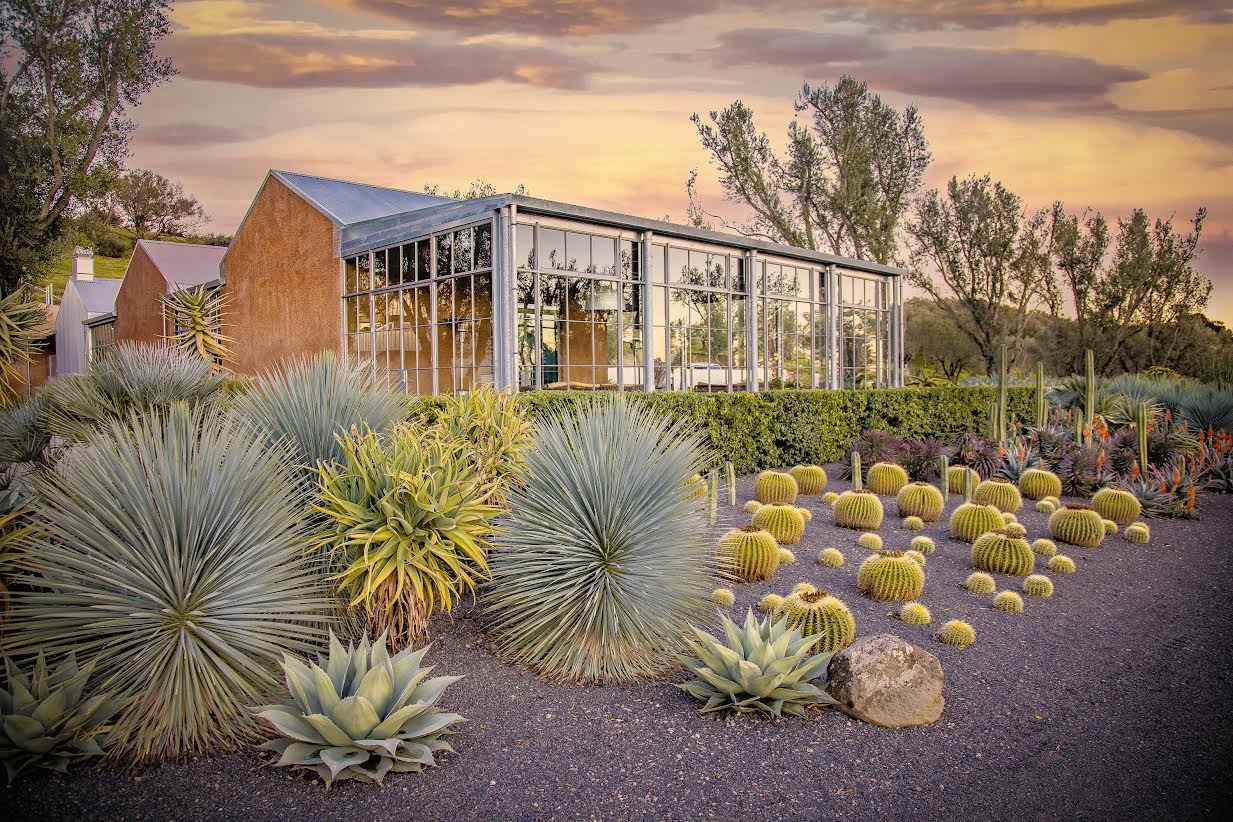
About Hudson Napa Valley
Hudson Napa Valley operates from the southern edge of Napa, where the Carneros appellation's cooling bay influence shapes a distinctly different growing environment than the valley floor north of the city. Under winemaker Clayton Kirchhoff, the estate has produced since 2004 and earned a Pearl 4 Star Prestige rating in 2025, placing it among the more credentialed addresses in the region's southern tier.
Where the Bay Meets the Vine: Hudson in Southern Napa
The drive south on Sonoma Highway toward the Carneros district is its own kind of orientation. The hills flatten, the air cools, and the vineyards shift in character — tighter canopies, wind-whipped rows, and a palette that runs toward muted gold and grey-green rather than the saturated green of the valley's wetter pockets. By the time you reach 5398 Sonoma Hwy, the estate sits in a belt of land that has more in common climatically with coastal Sonoma than with Oakville or Rutherford further north. That physical context is the first thing Hudson Napa Valley communicates before a single bottle is opened.
Carneros is one of California's most geographically coherent appellations: defined by cold mornings, afternoon winds off San Pablo Bay, and shallow, clay-heavy soils that stress vines in ways that concentrate flavour without excessive ripeness. Producers here, including Domaine Carneros and Bouchaine Vineyards, have spent decades arguing that the appellation deserves its own serious attention rather than being treated as an afterthought to the warmer valley floor benchmarks. Hudson sits squarely inside that argument.
The Landscape as a Production Decision
The estate's position on Sonoma Highway places it at one of southern Napa's transitional edges — where the Napa and Sonoma designations blur at their boundary, and where the terrain itself demands a different approach to grape growing than the valley's more celebrated mid-section. In Carneros, the relatively cool growing season extends the ripening window, which matters enormously for wines intended to carry acidity and freshness alongside fruit weight. The vineyards visible from the property are not decorative backdrop; they are the argument the estate is making about what Carneros terroir can deliver.
This is a region where the physical environment shapes programme decisions in ways that warmer, more sheltered appellations do not. Cooling fog from the bay burns off through the morning and returns in the evening, moderating sugar accumulation and preserving the tension that distinguishes well-made Carneros wines from their richer valley-floor counterparts. Producers who understand this rhythm , including Truchard Vineyards and Hyde Vineyard Estate , build their programmes around it rather than fighting it with technical correction.
Clayton Kirchhoff and the Estate's Trajectory
Winemaking in Carneros demands patience with a vintage calendar that routinely runs three to four weeks behind the warmer districts of the valley. Clayton Kirchhoff has been the winemaker at Hudson through the estate's modern period, working with fruit that the southern appellation's climate tempers over a long growing arc. Hudson made its first vintage in 2004, which means the estate now has two decades of records to draw on , a span that covers cool vintages, warm anomalies, and the kind of variation that separates producers who truly understand their land from those working from a fixed recipe.
The Pearl 4 Star Prestige rating awarded in 2025 places Hudson in a tier that requires consistent quality across multiple vintages and categories. Within the Carneros peer set, this puts Hudson alongside properties that have moved beyond regional novelty into demonstrably serious production. Arietta, another southern Napa producer, occupies a comparable space in that conversation about what the region's leading fruit can produce when handled with precision.
Carneros in the Broader California Picture
California's premium wine identity has historically been dominated by Napa Cabernet, and the valley's middle and northern sections , Oakville, Rutherford, Calistoga , carry most of that commercial gravity. Carneros operates differently. Its cooler profile makes it more naturally suited to Chardonnay and Pinot Noir than to the Cabernet-forward identity that drives Napa's international reputation. Estates in this southern tier therefore compete on different terms: the relevant benchmarks are structural precision and site expression rather than weight and concentration.
This means the peer conversation for Hudson runs both within Carneros and outward to other cool-climate California addresses. Producers like Adelaida Vineyards in Paso Robles and Adelsheim Vineyard in Newberg operate in similarly temperature-moderated environments where the winemaker's task is to preserve what the climate provides rather than to compensate for heat or over-ripeness. The strategic positioning here is about restraint and site fidelity, not extraction.
Further north in Napa, estates like Accendo Cellars in St. Helena and Alpha Omega Winery in Rutherford are working with warmer, richer raw material and building programmes suited to that register. Carneros, by contrast, asks its producers to do more with less obvious fruit power , which is precisely why the region's better estates carry the kind of credentials that the 2025 Pearl 4 Star Prestige rating signals.
The Southern Napa Scene
The stretch of Sonoma Highway through the Carneros district has developed into one of the more compact and navigable premium wine corridors in the valley. Several serious estates sit within a short distance of each other, making this area useful for visitors who want density of quality without the traffic and tourism pressure of Highway 29 through central Napa. The tradeoff is that the area is less developed for hospitality infrastructure than Yountville or St. Helena , which, depending on your preferences, is either a limitation or an advantage.
For those building a southern Napa itinerary, Hudson's address on Sonoma Highway places it conveniently alongside the other Carneros producers worth attention. Our full Carneros/Napa (Southern Napa) restaurants guide maps out the broader scene, including where to eat and what else the district rewards in a full-day visit. Producers across the region have different visitor formats , some tasting-room focused, others appointment-only , so planning the sequence matters more here than in the more tourist-facing parts of the valley.
It is also worth cross-referencing Hudson against estates in related cool-climate regions when building a broader California or Pacific Northwest trip. Alexander Valley Vineyards in Geyserville, Alban Vineyards in Arroyo Grande, and Andrew Murray Vineyards in Los Olivos each represent a different regional answer to similar questions about site-driven production in California. The contrast sharpens what Carneros offers.
Planning a Visit
Hudson Napa Valley is located at 5398 Sonoma Hwy, Napa, CA 94559 , a direct address on the main corridor through Carneros. Given the Pearl 4 Star Prestige recognition earned in 2025, demand for visits is likely to require advance contact; arriving without prior arrangement at credentialed Carneros estates almost always results in a shorter or less considered experience than a pre-arranged appointment affords. Booking details and current tasting formats are leading confirmed directly through the estate, as contact information was not available at time of writing.
Frequently Asked Questions
- Is Hudson Napa Valley more formal or casual?
- The estate sits at the serious end of the Carneros producer spectrum , the 2025 Pearl 4 Star Prestige rating and two decades of production signal a programme built around quality rather than approachability as a primary value. That said, Carneros as a district runs considerably less formal than the tasting-room circuits of central Napa. Visitors who come with some knowledge of the appellation and an interest in the wines will get more from the experience than those seeking a casual drop-in format.
- What wines should I try at Hudson Napa Valley?
- Carneros is structurally suited to Chardonnay and Pinot Noir, and Hudson's southern Napa position within the appellation places it in the cool-climate register where both varieties develop tension and length rather than weight. Winemaker Clayton Kirchhoff has worked across the estate's vintage run since the 2004 first release, so asking about the range and current portfolio focus when booking is the most reliable way to orient a tasting. The Pearl 4 Star Prestige recognition suggests the programme covers multiple formats worth attention.
- What's the defining thing about Hudson Napa Valley?
- The combination of a 2004 founding vintage, a 2025 Pearl 4 Star Prestige rating, and a Carneros address on the cooling bay-influenced southern edge of Napa places Hudson in a specific competitive tier: an estate with two decades of site knowledge, credentialed quality recognition, and a terroir argument that differs fundamentally from the Cabernet-centric identity of the warmer valley floor. The defining quality is exactly that specificity of place and the winemaking record built around it.
- Should I book Hudson Napa Valley in advance?
- Yes. For any estate carrying Pearl 4 Star Prestige recognition, advance booking is the standard expectation rather than the exception. The Carneros corridor is less visitor-infrastructure-heavy than central Napa, which means estates here tend to operate on appointment schedules rather than walk-in tasting-room formats. Contact the estate directly to confirm current availability and tasting options before planning a visit around it.
Recognized By

Related editorial
- Best Fine Dining Restaurants in ParisFrom three-Michelin-star icons to the next generation of Parisian chefs pushing boundaries, these are the restaurants that define fine dining in the world's culinary capital.
- Best Luxury Hotels in RomeFrom rooftop terraces overlooking ancient ruins to Michelin-starred hotel dining, these are the luxury hotels that make Rome unforgettable.
- Best Cocktail Bars in KyotoFrom sleek lounges to hidden speakeasies, Kyoto's cocktail scene blends Japanese precision with global influence in ways you won't find anywhere else.
Save or rate Hudson Napa Valley on Pearl
Keep this venue in your Pearl passport, rate it after you visit, and track it alongside every other place you collect.