Limoncello di Capri
Capri
Winery in Capri, Italy
 Book with Pearl
The Read
Campanian Limoncello Identity
Why go
Limoncello di Capri is a sensible shortlist pick if the trip is already centered on Capri and you want a local drinks stop that fits around meals, hotels, and ferry timing. Do not treat it like a full vineyard day; wine-first travelers should compare mainland producers before building an itinerary around it.
About Limoncello di Capri
Capri planning is easier when each stop is checked in advance. Limoncello di Capri is a Capri venue with smart casual dress guidance and Pearl 2 Star Prestige recognition for 2025. Travelers should avoid assuming a specific format, menu, schedule, price, or service offering without checking directly with the venue.
The clearest use case is an itinerary that already centers on Capri. In that context, Limoncello di Capri can be considered as a recognized Capri venue, provided the practical details are checked before the visit. It is better planned with flexibility rather than treated as the anchor for a tightly scheduled day. For broader planning, pair it with Our full Capri restaurants guide, Our full Capri hotels guide, and Our full Capri bars guide rather than trying to build the whole day around one venue.
Plan it as a Capri stop with limited confirmed details
The decision is simple: consider Limoncello di Capri if Capri is already part of the trip and a recognized venue fits the itinerary. The smart casual dress code makes it easier to plan attire, but travelers should check directly for any particular visit format, menu, hours, price, or hospitality setup. If those details matter, check them directly before planning around the stop.
For travelers comparing Italian venues more broadly, keep the categories separate. Amarischia, Antica Distilleria Petrone, Strega Alberti, Tenuta Cavalier Pepe, and Villa Massa Limoncello can help frame different trip types, but they should not be treated as proof of what Limoncello di Capri offers. The grounded point is narrower: Limoncello di Capri is a recognized Capri venue, and any detailed visit format should be checked before planning around it.
Who should put it on the itinerary
Travelers who want a recognized Capri venue with a smart casual dress code have the clearest planning basis here. Treat Limoncello di Capri as a premium-planning consideration, but not as evidence of a specific service style, food offering, tasting structure, or retail experience. If the trip needs a broader experiences day, use Our full Capri experiences guide before committing the schedule, so this stop sits in the right proportion to everything else.
The Pearl 2 Star Prestige recognition for 2025 makes Limoncello di Capri notable within a premium-planning context, but it does not, by itself, indicate hours, prices, seating, food, shipping, club membership, or a particular service format. Plan around it only if Capri itself is already the point, and check any operational details directly before relying on them.
Planning details
- Location
- Via Roma, 85, 80073 Capri NA
- Website
- limoncello.com
- Phone
- +39 081 837 3059
The take
The Take
The Vibe
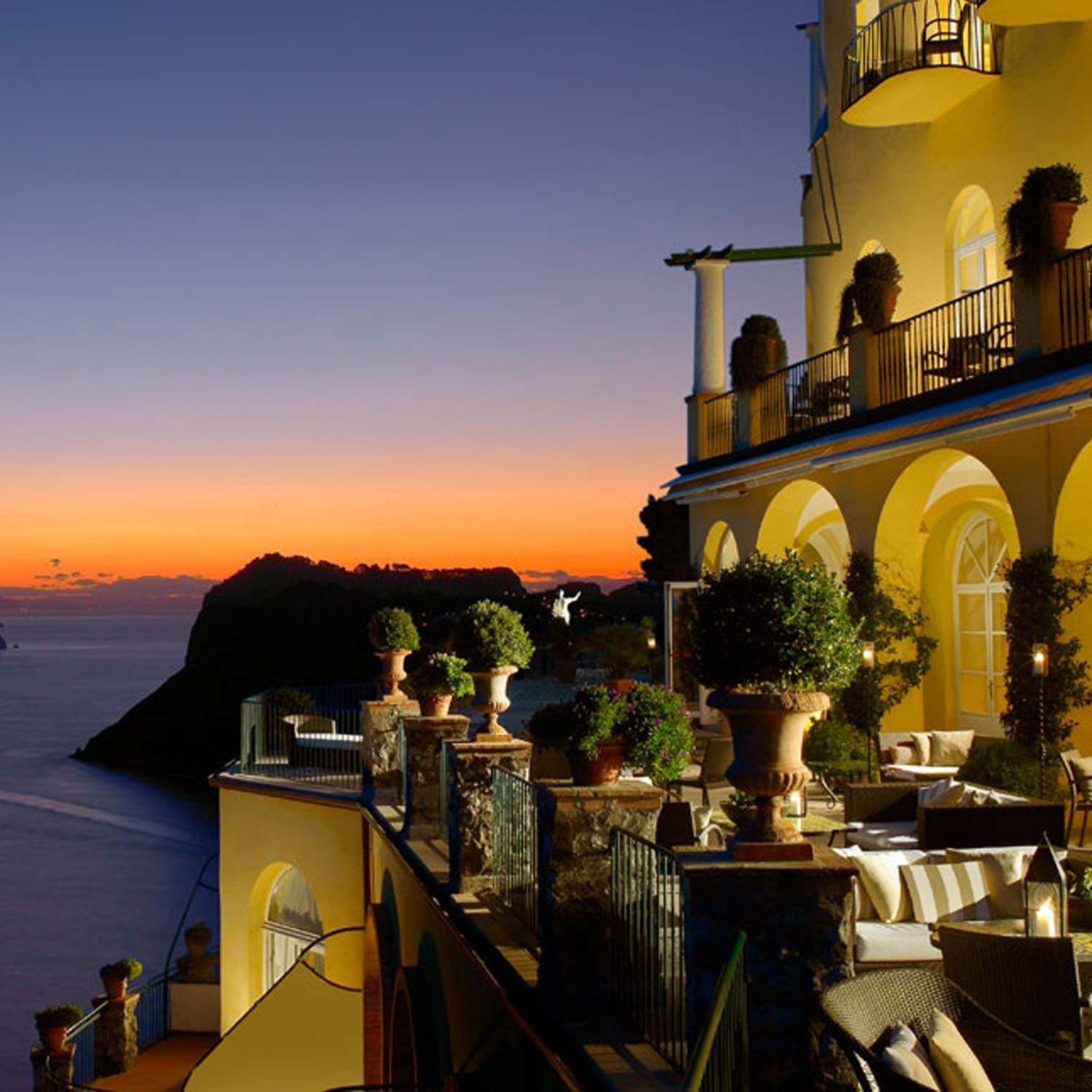
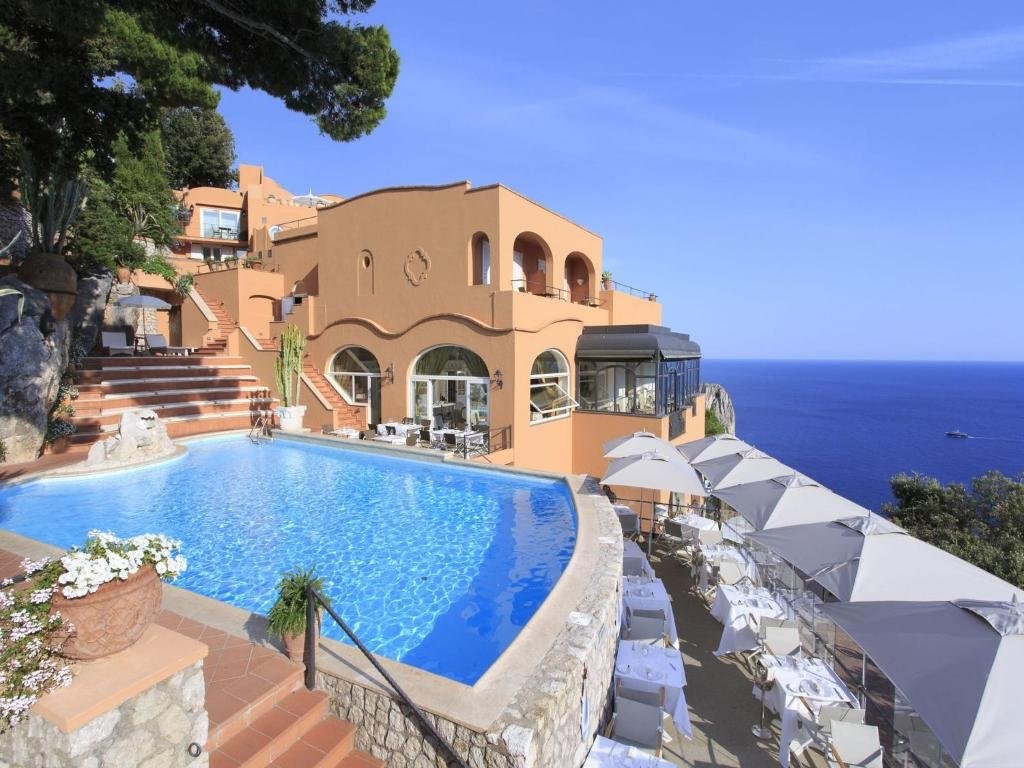
Limoncello di Capri reads like a distilled portrait of the island: compact streets, limestone cliffs and terraces of citrus that shape what appears on the table. The writing frames the producer as quietly refined rather than flashy — an operation grounded in place and provenance. References to sfusato amalfitano lemons and sea-sprayed soils give the brand a tactile, sensory specificity that feels both charming and sophisticated. Visitors can expect a focused, terroir-minded outlook rooted in Capri’s compressed geography rather than broad commercial gestures.
Best For
This is a spot for people who care about origin and specificity. The copy stresses terroir — the sfusato amalfitano lemon, volcanic-influenced soils and coastal conditions — and highlights a 2025 Pearl 2 Star Prestige recognition, so the venue suits anyone interested in the story behind what they drink. It reads especially well for travellers and curious drinkers seeking a deeper understanding of southern-Italian spirits and the ways place shapes flavor, and for those making a small, considered special-occasion stop on Capri’s Via Roma.
Tasting Tips
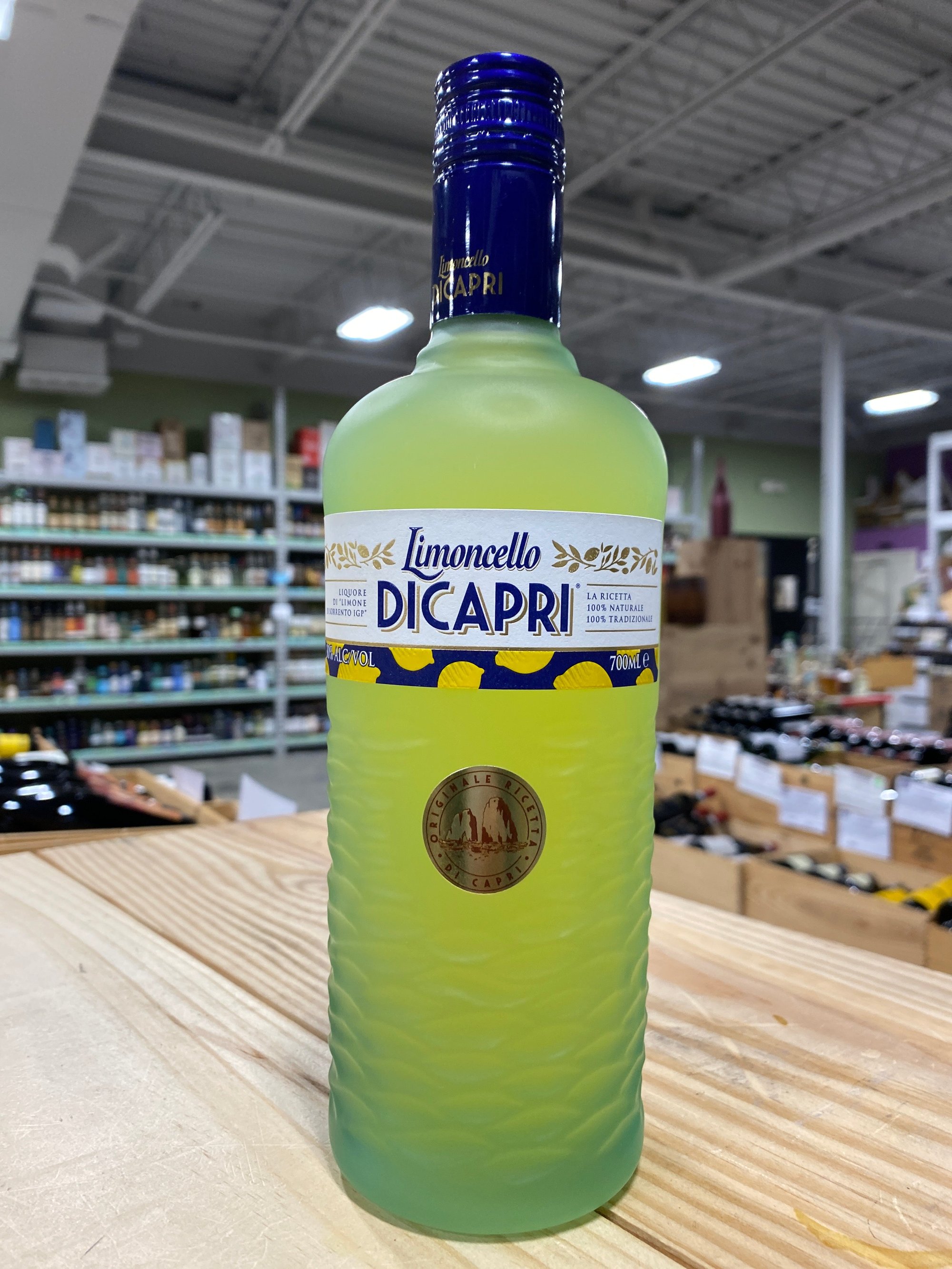
Prioritize the house limoncello and anything labeled for provenance: the description singles out the sfusato amalfitano lemon and the producer’s 2025 Pearl 2 Star Prestige recognition, so look for bottles that reference origin and that award. Because the piece frames taste as terroir-driven, ask about production details and any single-source or estate expressions that speak to soil and sea spray. Avoid assuming broad stylistic categories — the point here is specificity, so choose items that advertise where and how the fruit was grown and processed.
Venue details
Ambiance
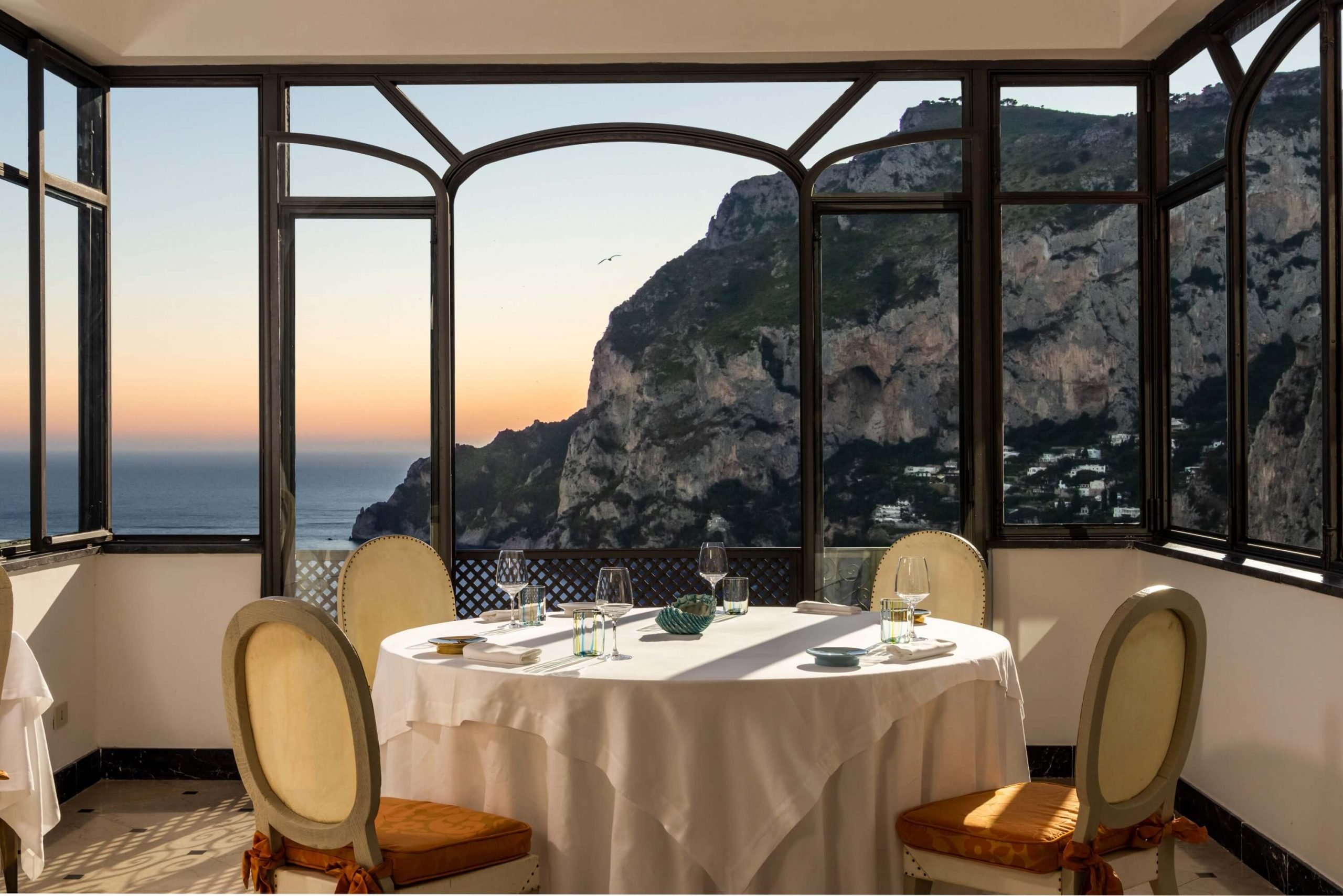
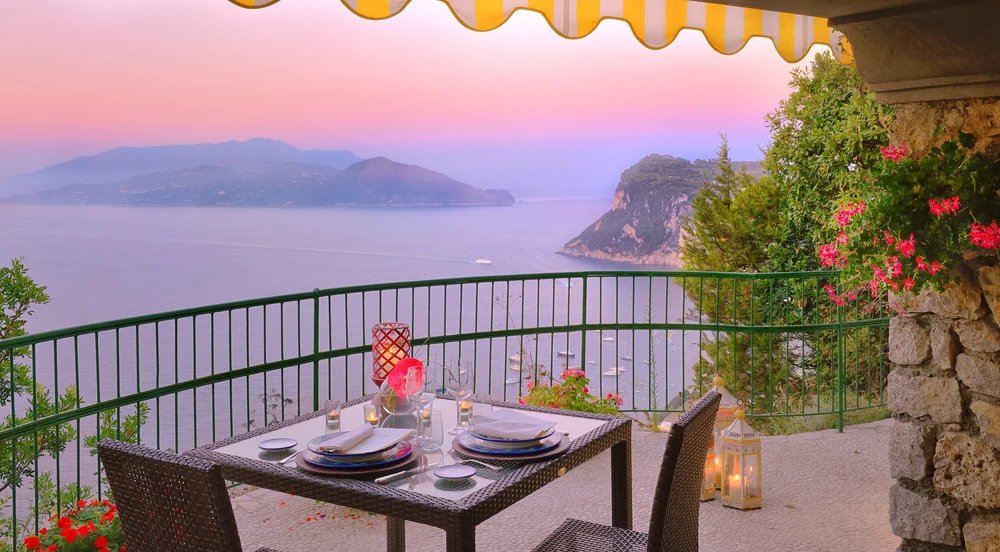
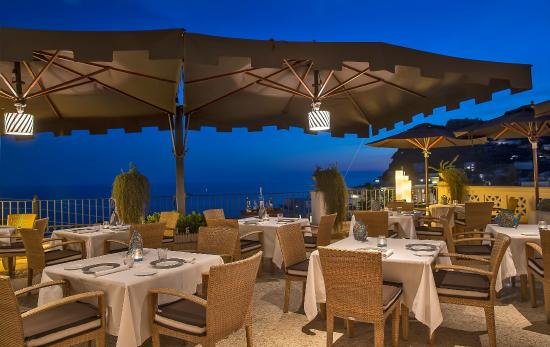
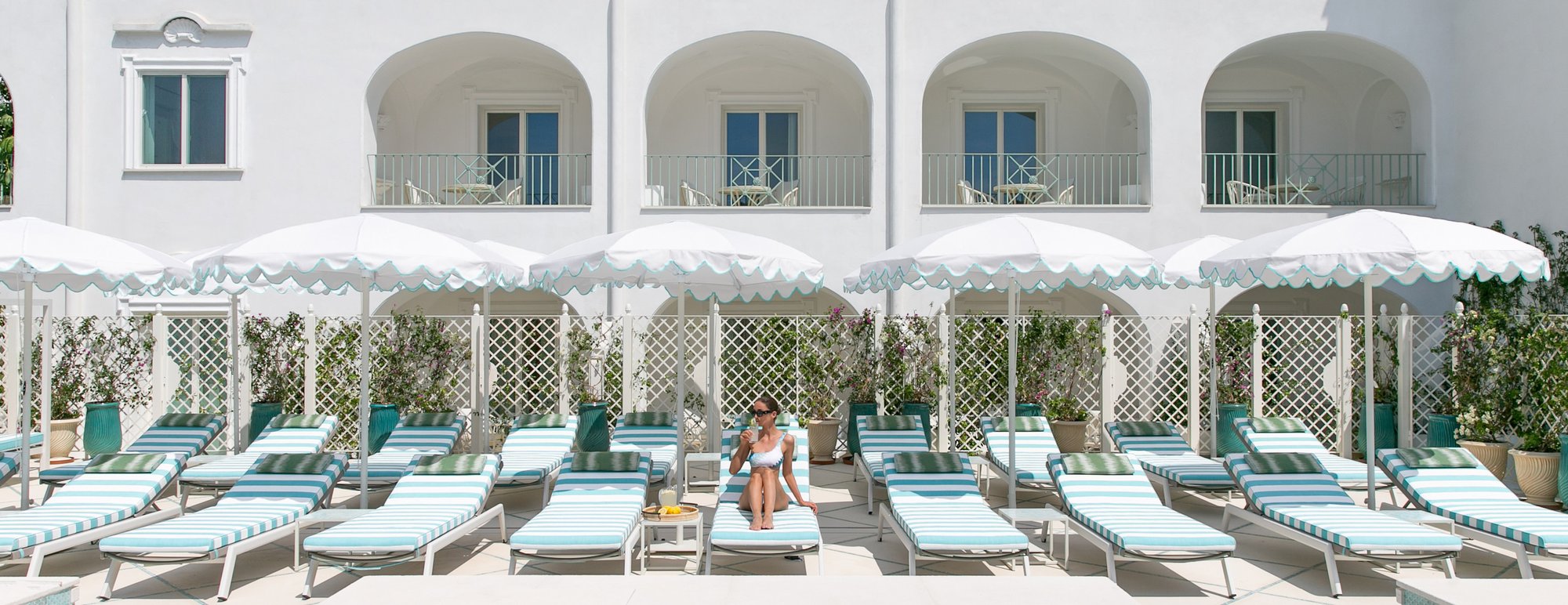
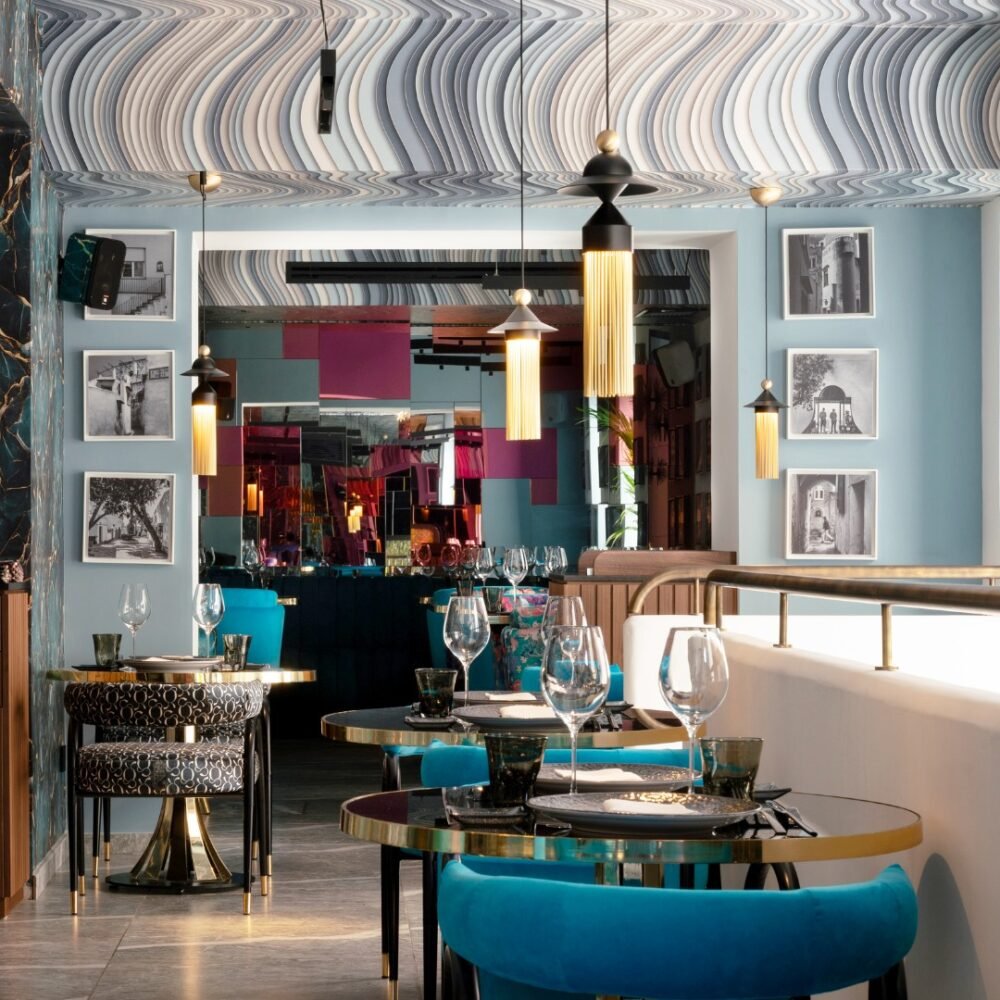
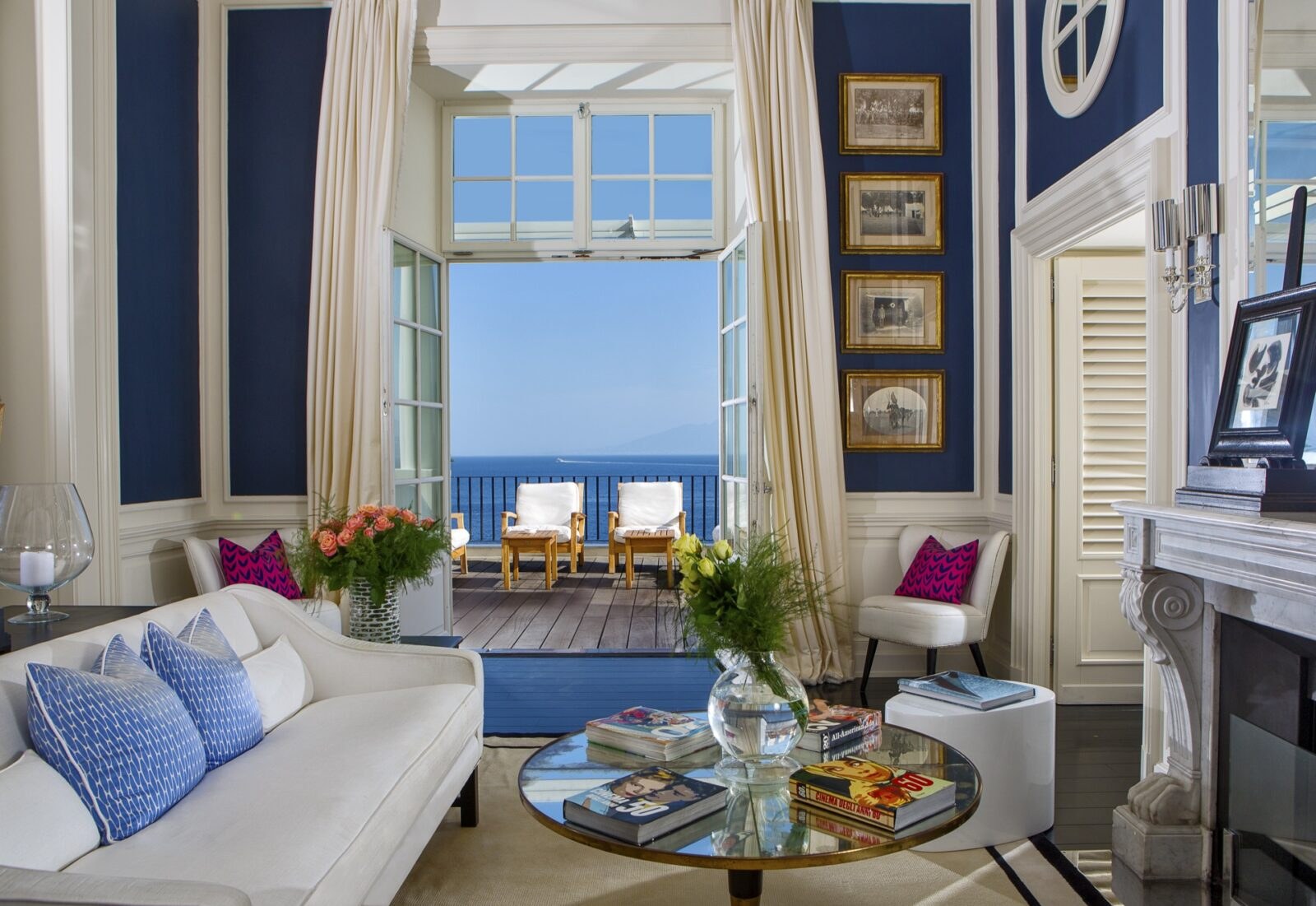
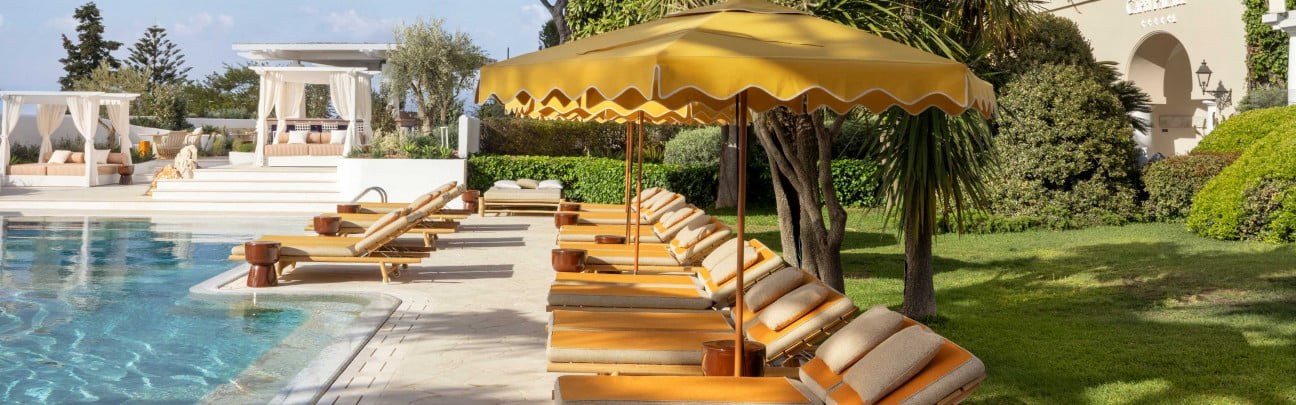
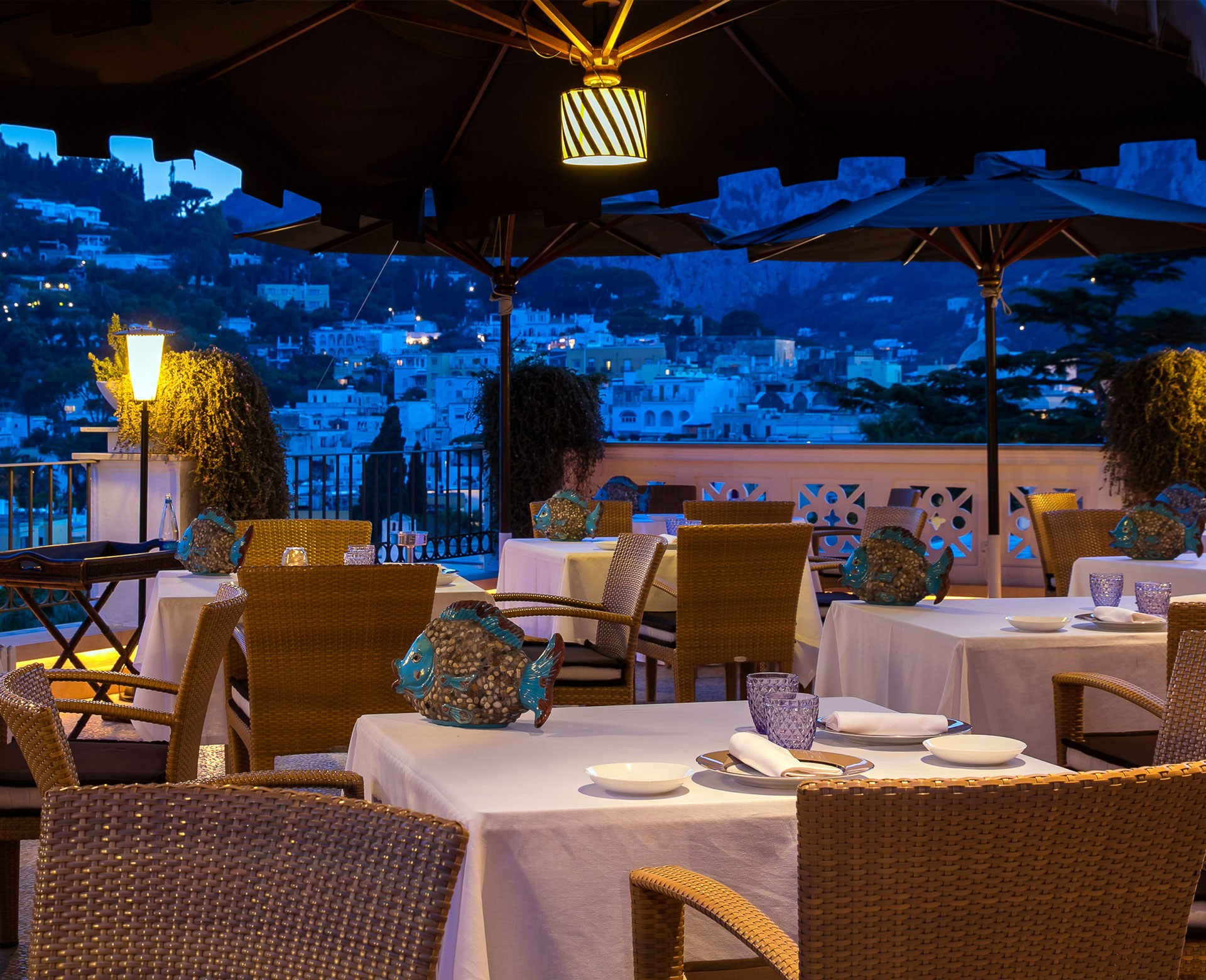
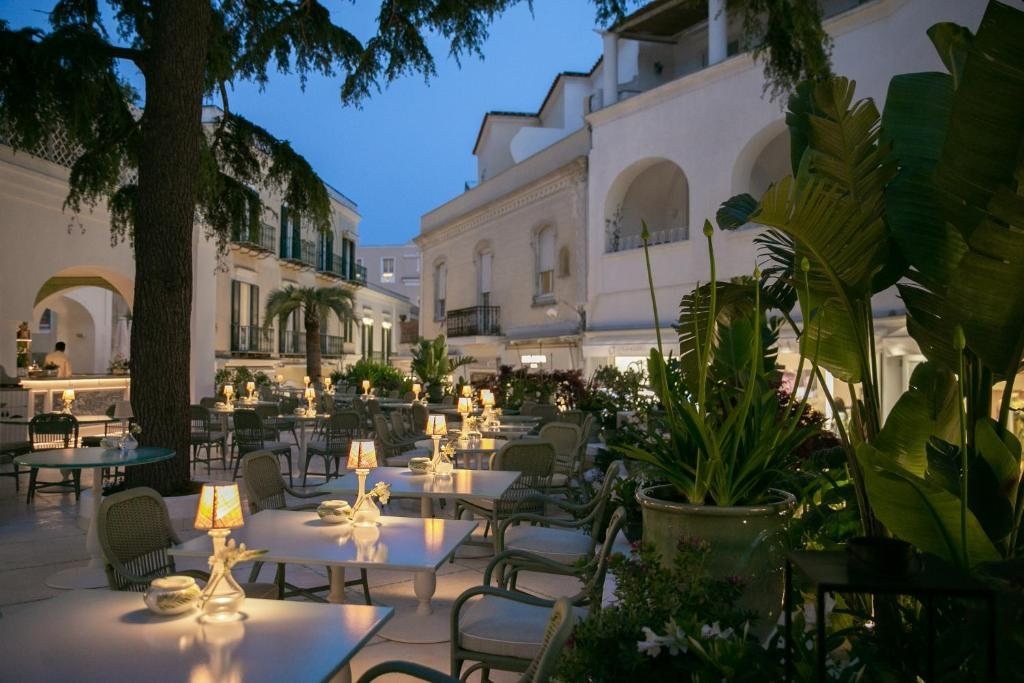
Bright and inviting Mediterranean atmosphere with vibrant citrus aromas evoking sunny island freshness.
Tags
Vibe
Best For
Experience
Sourcing
View
At the Vineyard
- Appellation
- Sorrento IGP
- Visits
- By appointment only
- Farming
- Organic
- Production
- Small producer
- Wine Club
- Not available
Know before you go
Know Before You Go
- Getting there
- Via Roma, 85, 80073 Capri NA
Planning details
Location
Also consider
Also Consider
- Villa Massa Limoncello, Notable alternative
- Amarischia, Notable alternative
- Antica Distilleria Petrone, Notable alternative
- Strega Alberti, Notable alternative
- Tenuta Cavalier Pepe, Notable alternative
Winery context
How it compares on Capri and beyond
Choose Limoncello di Capri if the priority is staying on the island and keeping logistics tight. Villa Massa Limoncello is the cleaner cross-shop for travelers comparing limoncello producers, while Amarischia is a better fit for anyone building a broader Campania spirits route rather than a Capri-only day.
For a more distillery-led itinerary, Antica Distilleria Petrone and Strega Alberti make more sense than forcing an island stop into a mainland schedule. If the reader wants a wine-country feel with more room to structure the day, Tenuta Cavalier Pepe is the stronger comparison.
The practical verdict: Limoncello di Capri is the right pick for convenience and Capri atmosphere, not for a long tasting itinerary. Cross-shop Villa Massa Limoncello for category focus, Amarischia for Campania context, and Tenuta Cavalier Pepe if the trip needs a fuller wine visit.
Around this place
Discover more on Pearl
Unlock the full Limoncello di Capri guide in Pearl, including awards, comparisons, FAQs, planning details, and nearby places.
Compare Limoncello di Capri
| Venue | Location | Awards |
|---|---|---|
| Limoncello di Capri | Capri | No published awards |
| Villa Massa Limoncello | Sorrento | No published awards |
| Amarischia | Caivano | No published awards |
| Antica Distilleria Petrone | Mondragone | No published awards |
| Strega Alberti | Benevento | No published awards |
| Tenuta Cavalier Pepe | Sant'Angelo All'Esca | 2026 Falstaff Winery Guide2025 World's 50 Best Vineyards · #812024 World's 50 Best Vineyards · #14 |


How Limoncello di Capri compares with similar nearby venues.
FAQ
Frequently Asked Questions
What other venues can I compare with Limoncello di Capri?
For comparison planning, Villa Massa Limoncello, Amarischia, Antica Distilleria Petrone, Strega Alberti, and Tenuta Cavalier Pepe can help frame different Italian venue types. Limoncello di Capri itself should be planned simply as a Capri venue unless more specific visit details are listed by the venue.
Does Limoncello di Capri serve food?
Do not plan on Limoncello di Capri as a meal stop unless the venue lists current food service directly.
Is there a club or membership program at Limoncello di Capri?
Treat Limoncello di Capri as a Capri venue with Pearl 2 Star Prestige recognition for 2025, not as a membership stop unless the venue lists a current program.