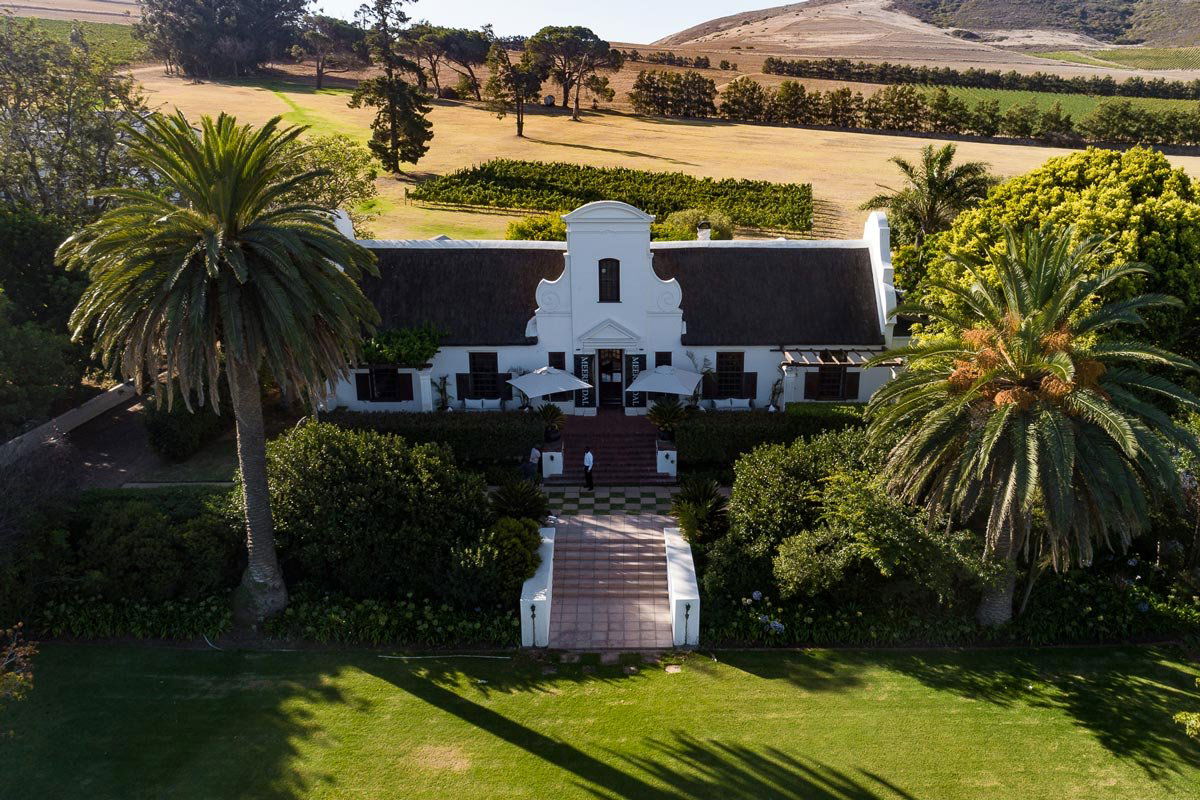
Meerendal Wine Estate
Durbanville, Cape Town
Winery in Cape Town, South Africa
 Book with Pearl
The Read
Durbanville Hills Terroir
Price
$20–30tasting
Why go
Meerendal Wine Estate is worth prioritising when you want a Durbanville wine-country outing where the estate setting matters, not just a quick tasting stop. It suits explorers building a Cape Town winery day north of the city centre, while Constantia or regional estates may fit better if the route is already heading south, east, or farther into the Cape Winelands.
About Meerendal Wine Estate
For travellers comparing premium Cape Town options, the safest way to frame the visit is around the venue, the city, the smart-casual dress code, and the recognition, while confirming menus, service formats, hours, prices, and facilities directly before visiting.
The case for considering Meerendal Wine Estate is direct: it belongs on a Cape Town shortlist when you want to include a recognised venue in the plan. Confirm detailed arrangements directly before visiting, including food service, visit formats, group capacity, pricing, and opening times.
Choose it when confirmed recognition matters
Meerendal Wine Estate makes sense for visitors building a Cape Town itinerary around a recognised venue. It can be considered alongside Our full Cape Town wineries guide, then paired with Our full Cape Town restaurants guide, Our full Cape Town bars guide, Our full Cape Town hotels guide, or Our full Cape Town experiences guide.
If you are comparing other options, keep the shortlist to named venues such as Diemersdal Wine Estate, Durbanville Hills, Nitida Wine Farm, Durbanville Distillery, and New Harbour Distillery. Meerendal Wine Estate remains the focus when the plan calls specifically for this Cape Town venue.
Who should skip it, and where to look instead
Skip making firm plans around assumptions. If a menu, visit format, beverage programme, opening hours, prices, group capacity, or reservation policy is essential to your visit, confirm it directly before committing.
Dress smart casual, and keep the rest of the plan flexible until the current visit details are confirmed.
Travellers building a wider itinerary can benchmark Meerendal Wine Estate against other named options such as Diemersdal Wine Estate, Durbanville Hills, Nitida Wine Farm, Durbanville Distillery, and New Harbour Distillery, or compare it more generally with other Cape Town dining and drinks venues.
Planning details
- Location
- Vissershok Rd, Durbanville, Cape Town, 7550
- Website
- meerendal.co.za
- Phone
- +27 21 975 1655
The take
The Take
The Vibe
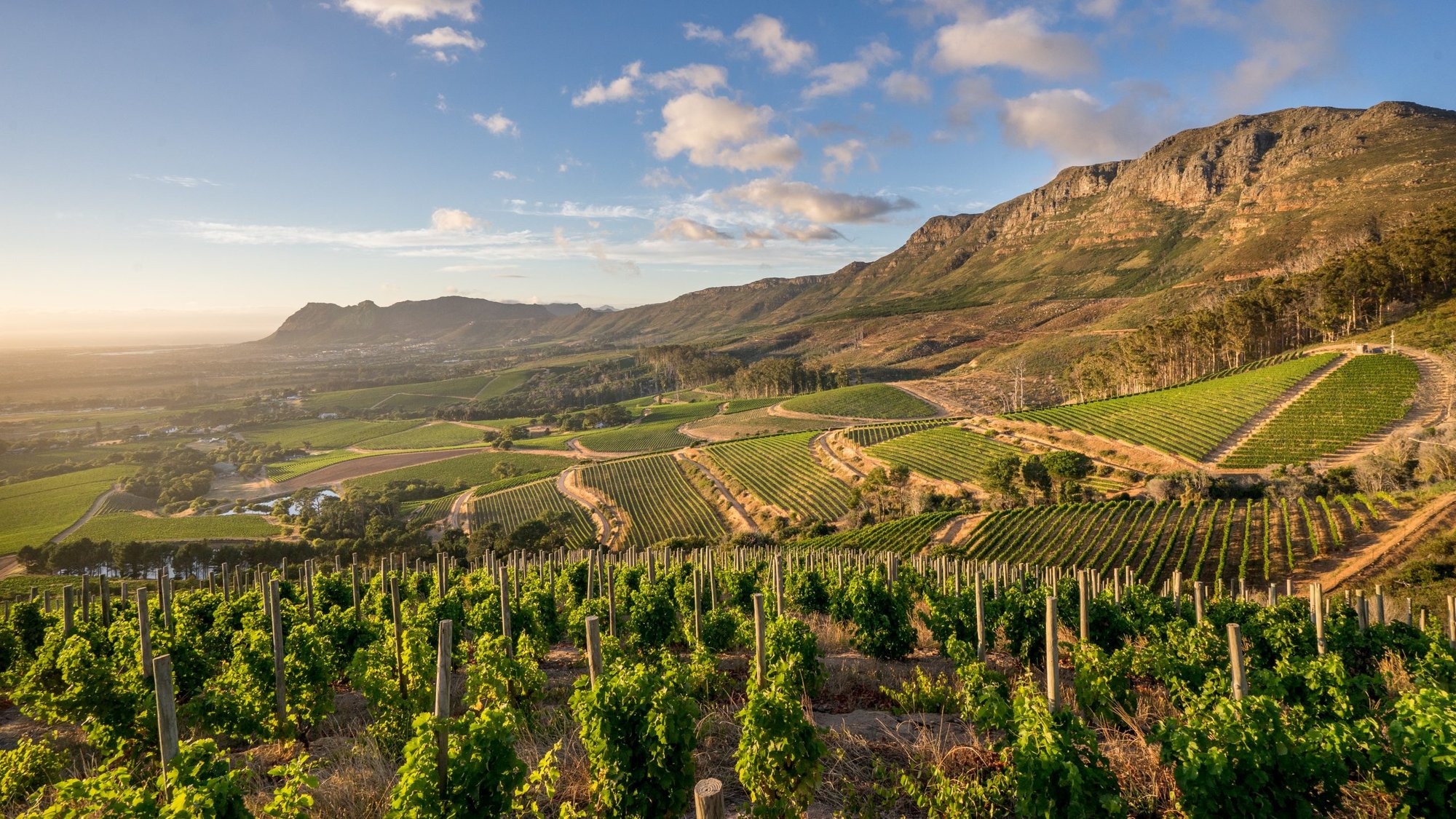
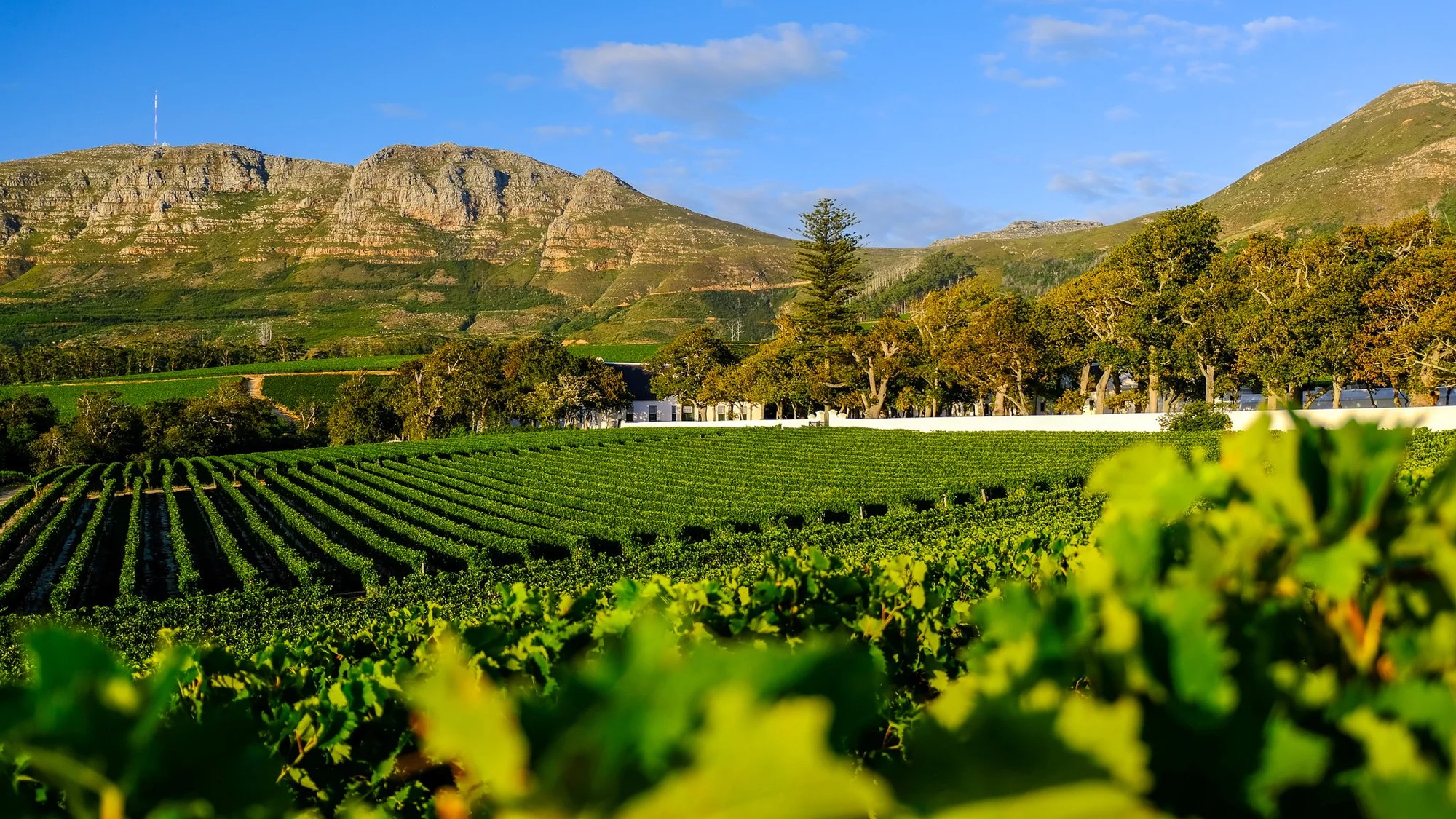
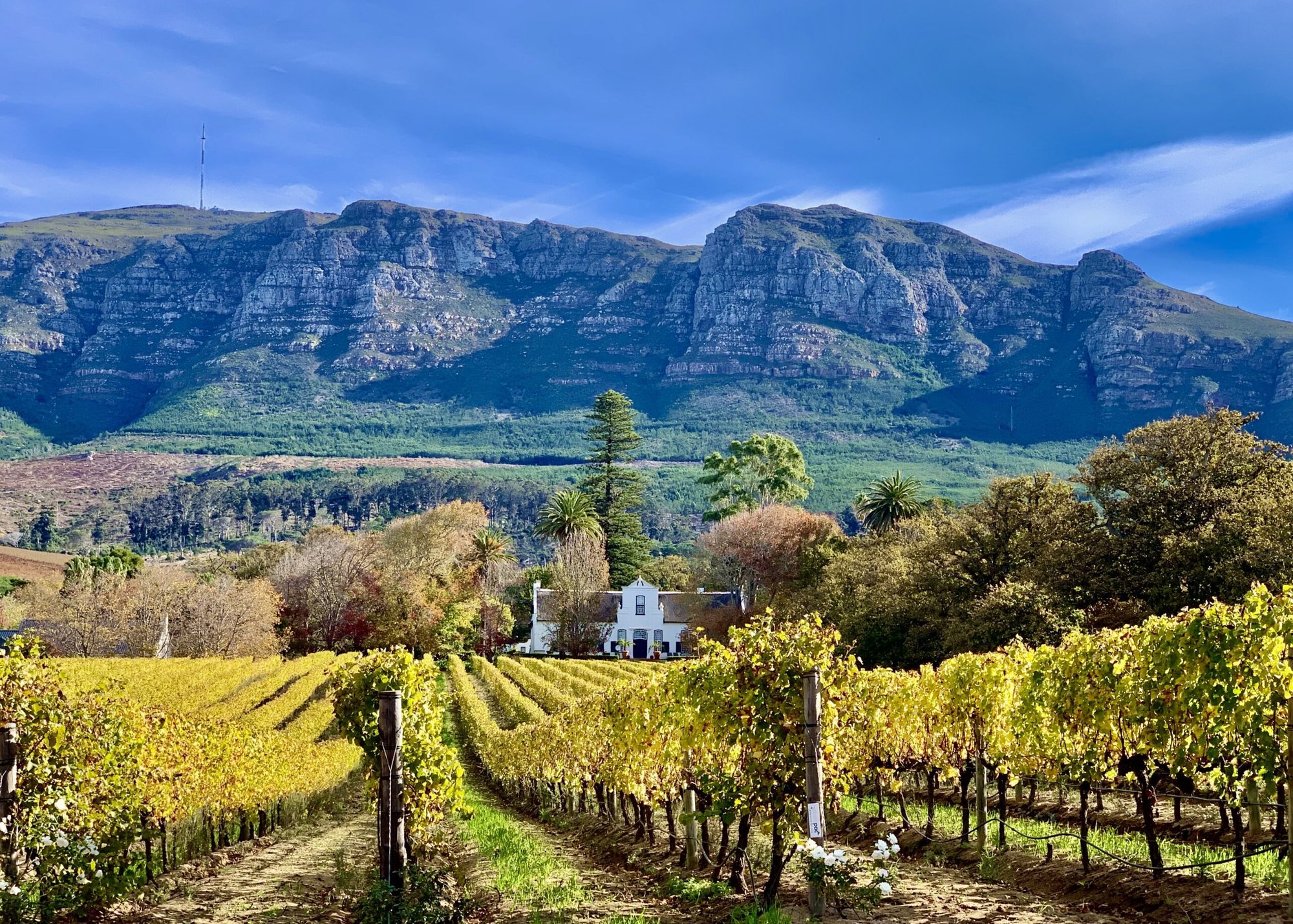
Meerendal presents a quietly confident estate experience framed by rolling hills and the cooling influence of the nearby Atlantic. The drive out of the city signals a step away from busier Cape wine corridors; fewer day-trippers and a steadier pace give the place a tucked-away, gently refined character. Visitors encounter a calm, scenic setting that leans more toward contemplative tastings and relaxed exploration than loud cellar-door theatrics.
Best For
Meerendal is well suited to visitors who want a focused, wine-centric outing: small groups, families looking for a quieter estate visit, and anyone interested in the nuances of cooler-climate Cape wines. The estate’s place in the Durbanville context—less crowded than Stellenbosch and defined by Atlantic cooling breezes—makes it a natural stop for people seeking wine education and a more local, measured tasting experience. Its regional recognition also makes it a reasonable choice for low-key celebrations that prioritize the quality of the wines.
Tasting Tips
When tasting at Meerendal, prioritize the estate’s expression of Durbanville’s cooler-climate reds and whites; the property’s proximity to the Atlantic is a defining factor in the wines’ character. Pace your tasting to appreciate the influence of afternoon winds on acidity and aromatic lift rather than chasing bold, high-alcohol profiles; focus questions on how the coastal conditions shape vintage variation and stylistic choices in the cellar.
Venue details
Ambiance
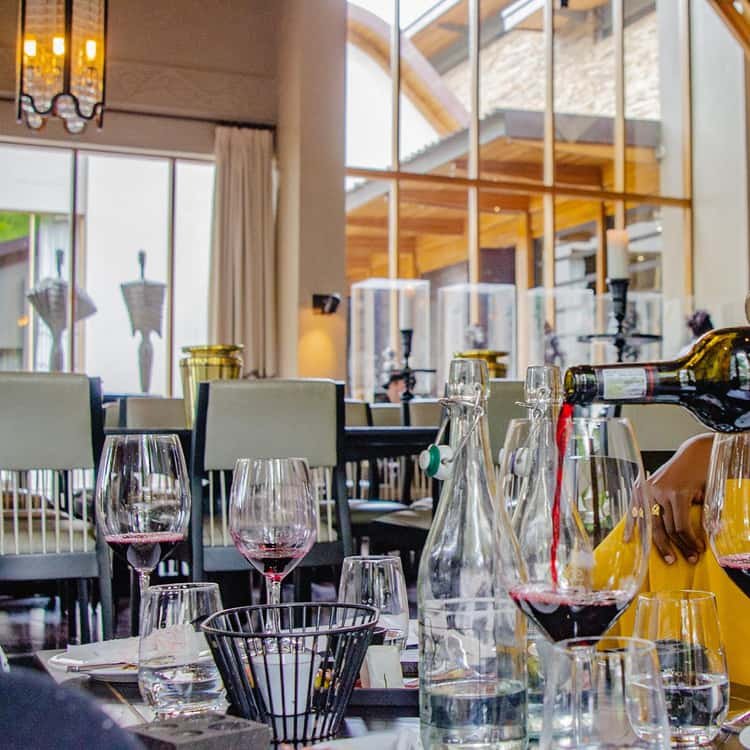
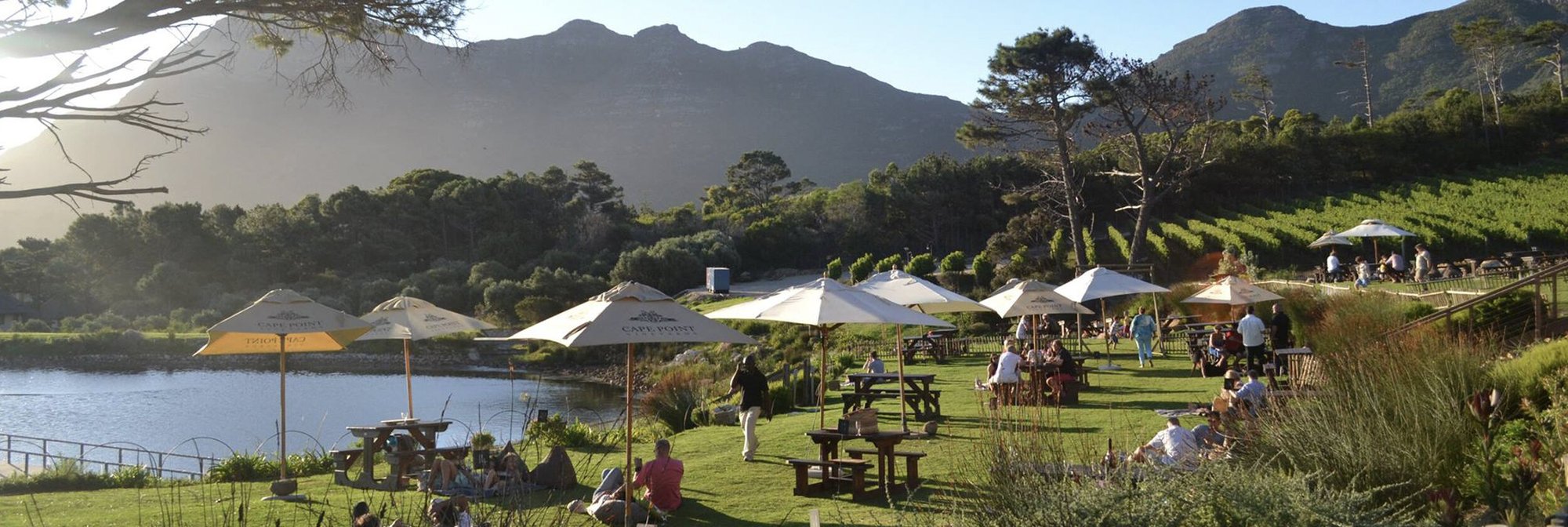
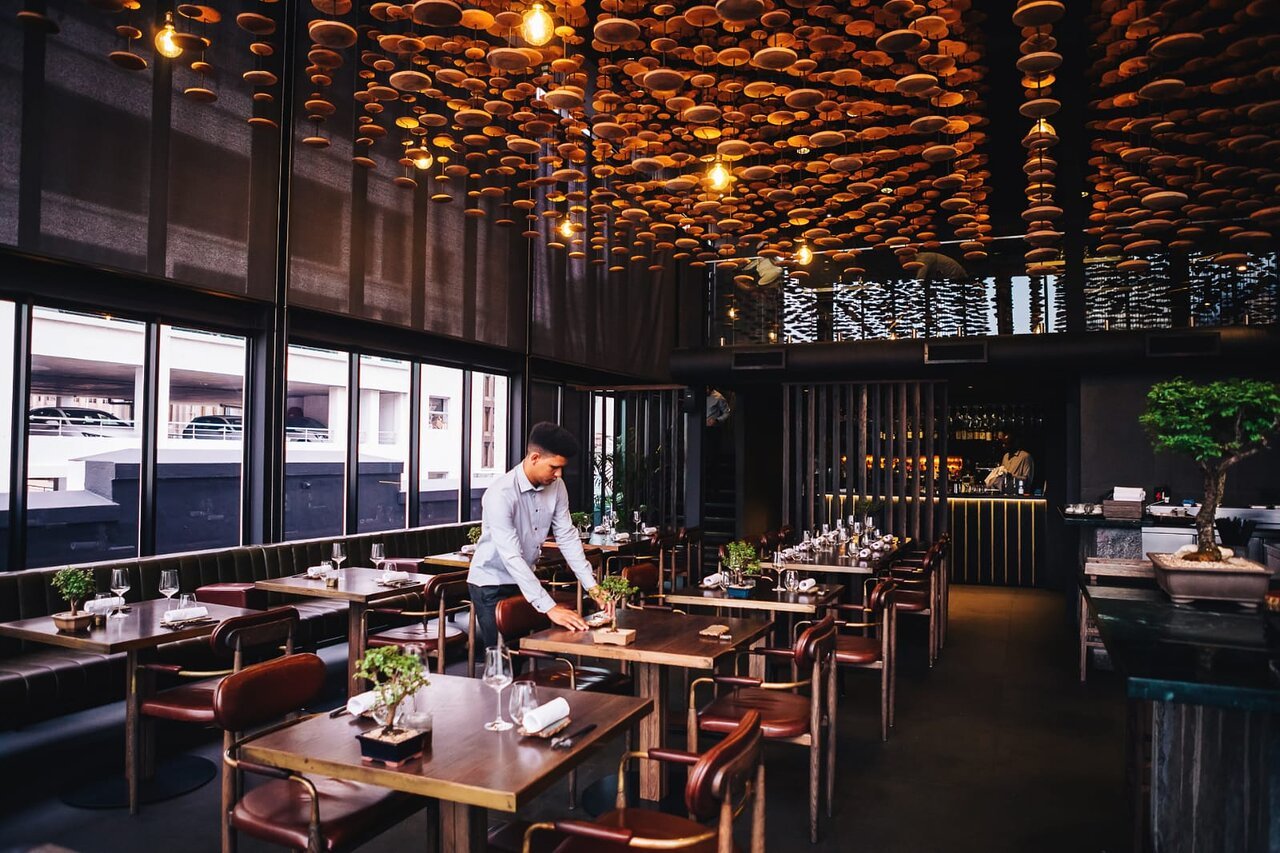
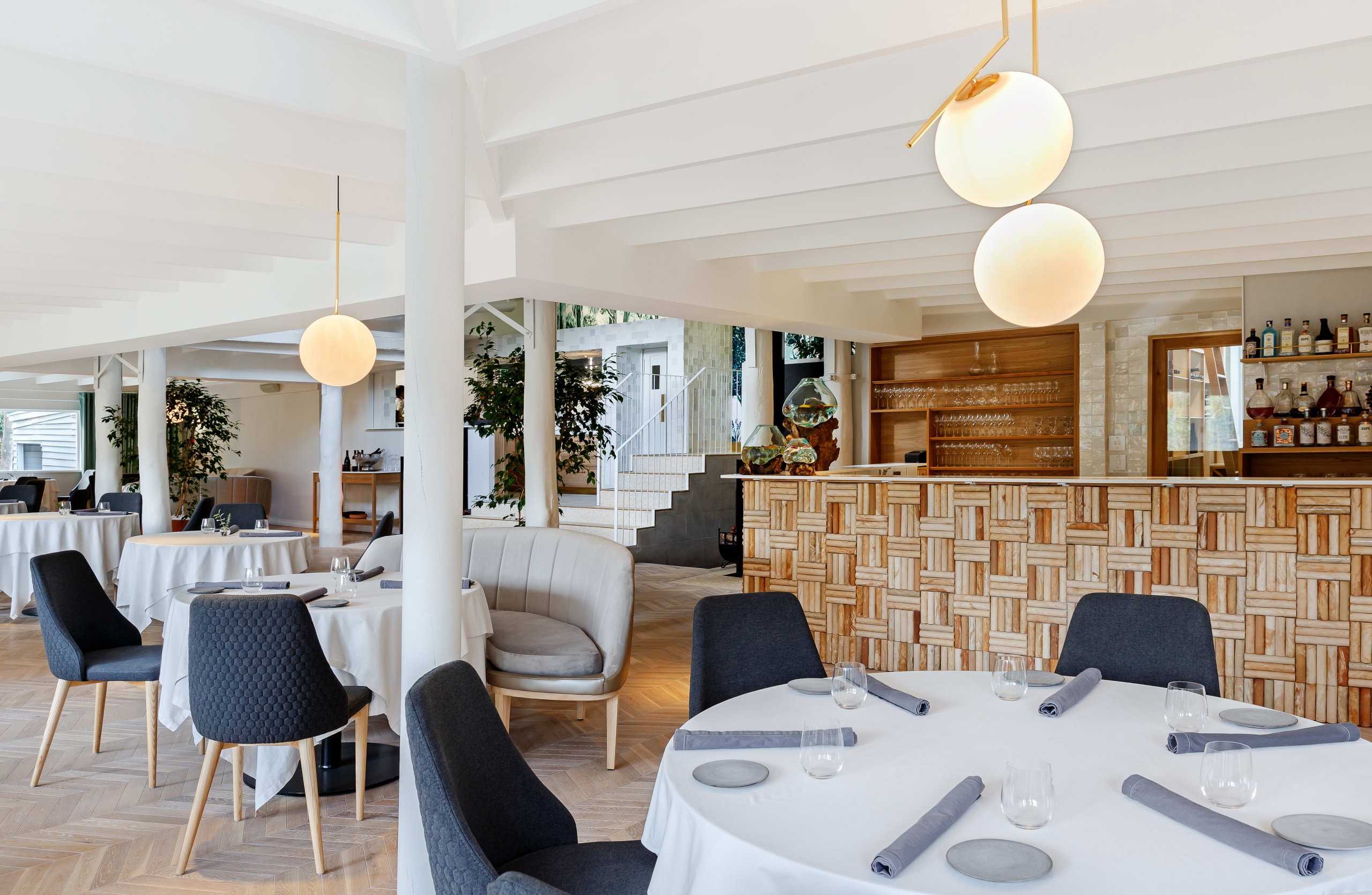
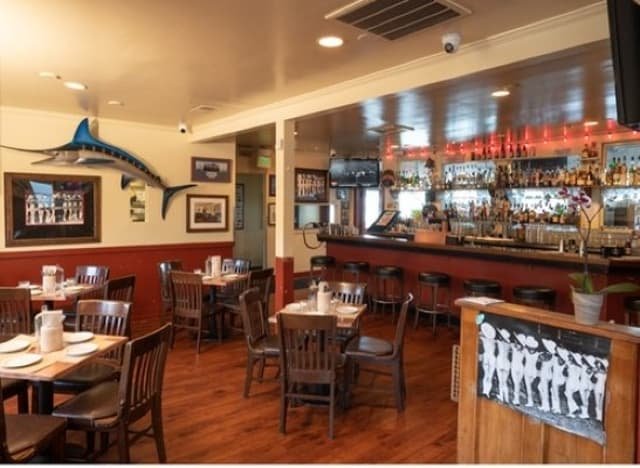
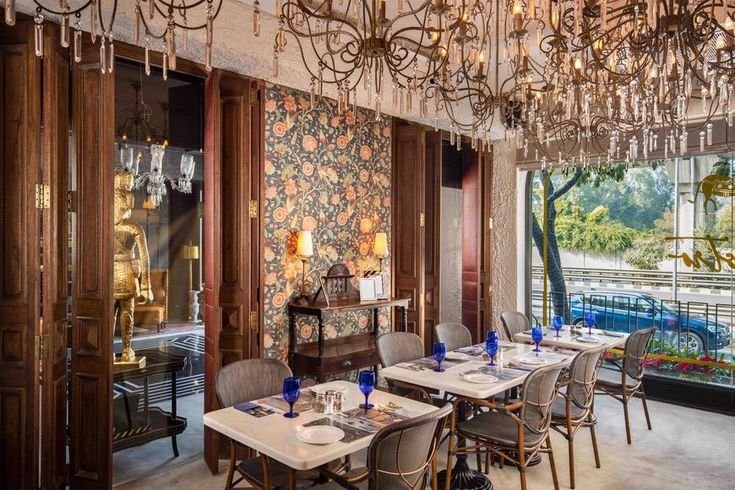
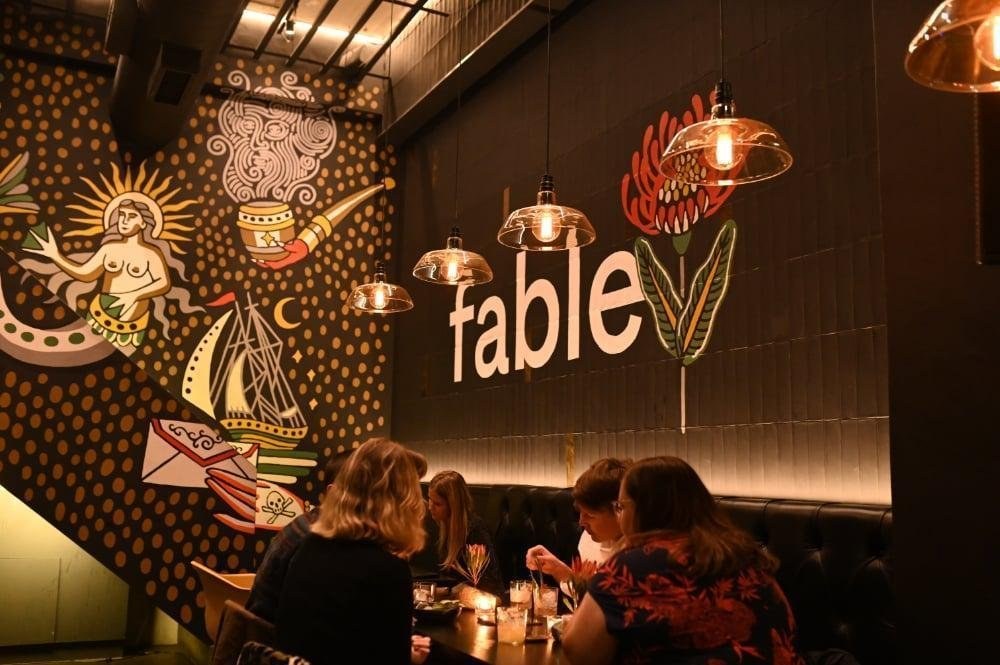
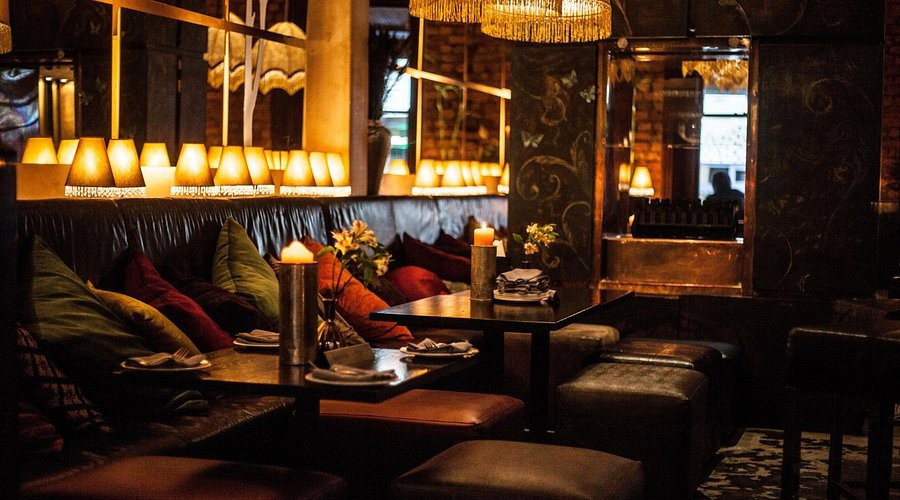
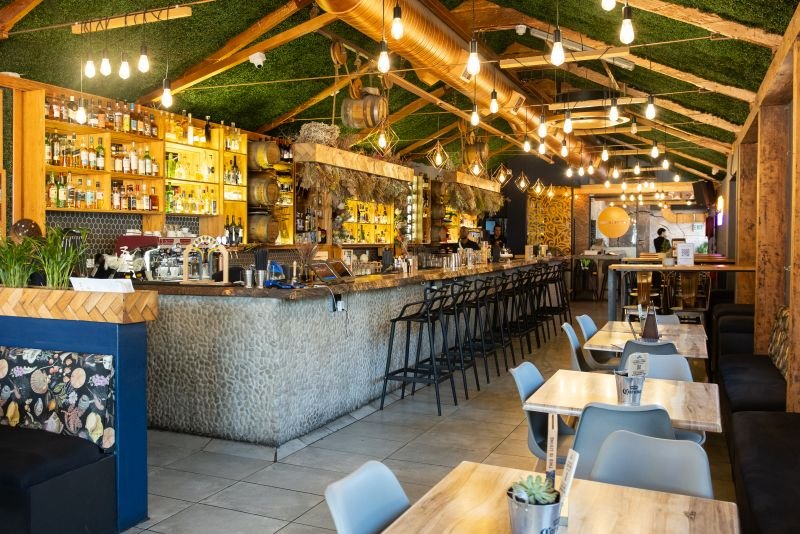
Cozy indoor tasting room with wooden furniture, colorful kelims, and lively family-friendly restaurants offering scenic outdoor seating, fireplaces, and beautiful hill surroundings.
Tags
Vibe
Best For
Experience
Sourcing
View
Accessibility
At the Vineyard
- Appellation
- Durbanville
- Varietals
- Pinotage, Sauvignon Blanc, Chardonnay, Pinot Noir, Cabernet Sauvignon
- Tour Duration
- 60-90 minutes
- Tour Languages
- English
- Visits
- Walk-ins welcome
- Farming
- Organic
- Wine Styles
- Still Red, Still White, Sparkling
- Food Pairing
- Offered
- Shipping
- Available
- Wine Club
- Not available
Know before you go
Know Before You Go
- Getting there
- Vissershok Rd, Durbanville, Cape Town, 7550
Planning details
Location
Also consider
Also Consider
- Diemersdal Wine Estate, Notable alternative
- Nitida Wine Farm, Notable alternative
- Durbanville Distillery, Notable alternative
- Durbanville Hills, Notable alternative
- New Harbour Distillery, Notable alternative
Winery context
How It Compares
Against Diemersdal Wine Estate and Nitida Wine Farm, Meerendal Wine Estate is the pick when the brief is a fuller estate visit rather than a tighter tasting-room decision. Diemersdal and Nitida are the more obvious cross-shops for Durbanville wine focus; choose Meerendal when ambiance and grounds carry more weight in the group's decision.
If availability is the pain point, do not treat Meerendal as the easy fallback: the booking signal is difficult enough that backup plans matter. Durbanville Hills is the practical alternative to check when the group wants a recognisable Durbanville wine stop, while Durbanville Distillery changes the format entirely and works better for spirits-focused travellers.
For value, the choice is less about a published price tier and more about how much the setting matters to the day. Meerendal is easier to justify when the visit is allowed time; for a shorter, drinks-led itinerary, New Harbour Distillery or Durbanville Distillery may be the cleaner call because the experience is less dependent on estate atmosphere.
Around this place
Discover more on Pearl
Unlock the full Meerendal Wine Estate guide in Pearl, including awards, comparisons, FAQs, planning details, and nearby places.
Compare Meerendal Wine Estate
| Venue | Location | Awards |
|---|---|---|
| Meerendal Wine Estate | Cape Town | No published awards |
| Diemersdal Wine Estate | Cape Town | 2026 Falstaff Winery Guide |
| Nitida Wine Farm | Cape Town | No published awards |
| Durbanville Distillery | Cape Town | No published awards |
| Durbanville Hills | Cape Town | 2026 Falstaff Winery Guide |
| New Harbour Distillery | Cape Town | No published awards |

How Meerendal Wine Estate Cape Town compares with similar nearby venues.
FAQ
Frequently Asked Questions
How long should I plan for a visit to Meerendal Wine Estate?
Plan according to your booking or itinerary, and allow enough time if Meerendal Wine Estate is a main Cape Town stop rather than a quick add-on.
Do I need a reservation at Meerendal Wine Estate?
If timing matters, contact Meerendal Wine Estate directly before visiting.
Can Meerendal Wine Estate handle large groups?
What details should I confirm before visiting Meerendal Wine Estate?
Does Meerendal Wine Estate serve food?
When is the best time to visit Meerendal Wine Estate?
Choose a time that fits your Cape Town itinerary, and confirm current operating details before setting out.