Bodega Juanicó (Familia Deicas)
Juanicó, Canelones
Winery in Canelones, Uruguay
The Read
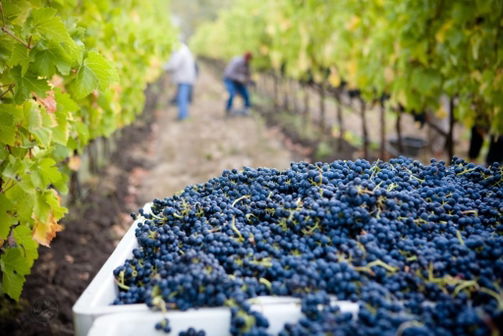
Historic-Scale Canelones Viticulture
Why go
Bodega Juanicó (Familia Deicas) is the Canelones pick for travelers who want one serious estate-led winery stop rather than a loose tasting crawl. It suits first-timers who care about setting and recognition, but smaller nearby wineries may be easier fits for flexible group plans.
About Bodega Juanicó (Familia Deicas)
Bodega Juanicó (Familia Deicas) is a Canelones venue with confirmed Pearl 2 Star Prestige recognition for 2025. With only limited verified public details available here, the safest way to plan is to treat it as a notable Canelones stop and confirm visit logistics directly before making it the center of a day.
The confirmed dress code is casual, so visitors do not need to plan around formal attire. Other practical details should be checked through the venue's official channels, especially if timing, group size, or a specific visit format matters.
Use it as a notable Canelones stop
For travelers comparing options in Canelones, Bodega Juanicó (Familia Deicas) stands out because its Pearl 2 Star Prestige recognition is confirmed for 2025. That makes it a strong candidate to prioritize, while still leaving room to verify the exact experience before committing to a plan.
Pair it with broader Canelones planning rather than treating it as an isolated stop. If the day needs other stops before or after, use current local resources and official venue channels to keep the route practical.
Where it sits among Canelones venue options
Compared with Bodega Marichal, Bodega De Lucca, Bodega Pisano, Bodega Juanicó (Familia Deicas) is the option with confirmed Pearl 2 Star Prestige recognition in the details available here. Those other venues may still be worth considering depending on the route and availability.
Verdict: consider Bodega Juanicó (Familia Deicas) a notable Canelones choice, especially if confirmed recognition matters in the shortlist. Check current details directly before relying on any specific schedule, format, or services.
Planning details
- Location
- Brigadier Gral. Fructuoso Rivera km 38.200, 90000 Juanicó, Departamento de Canelones
- Website
- juanico.com
- Phone
- +59843359725
The take
The Take
The Vibe
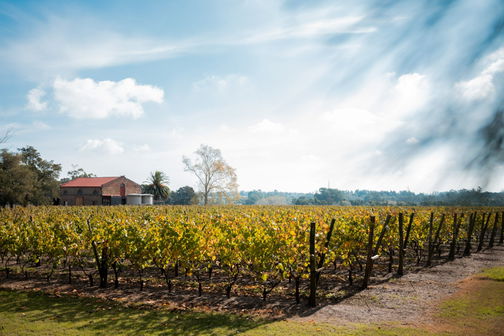
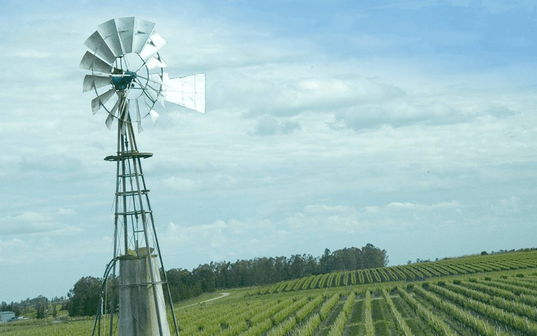
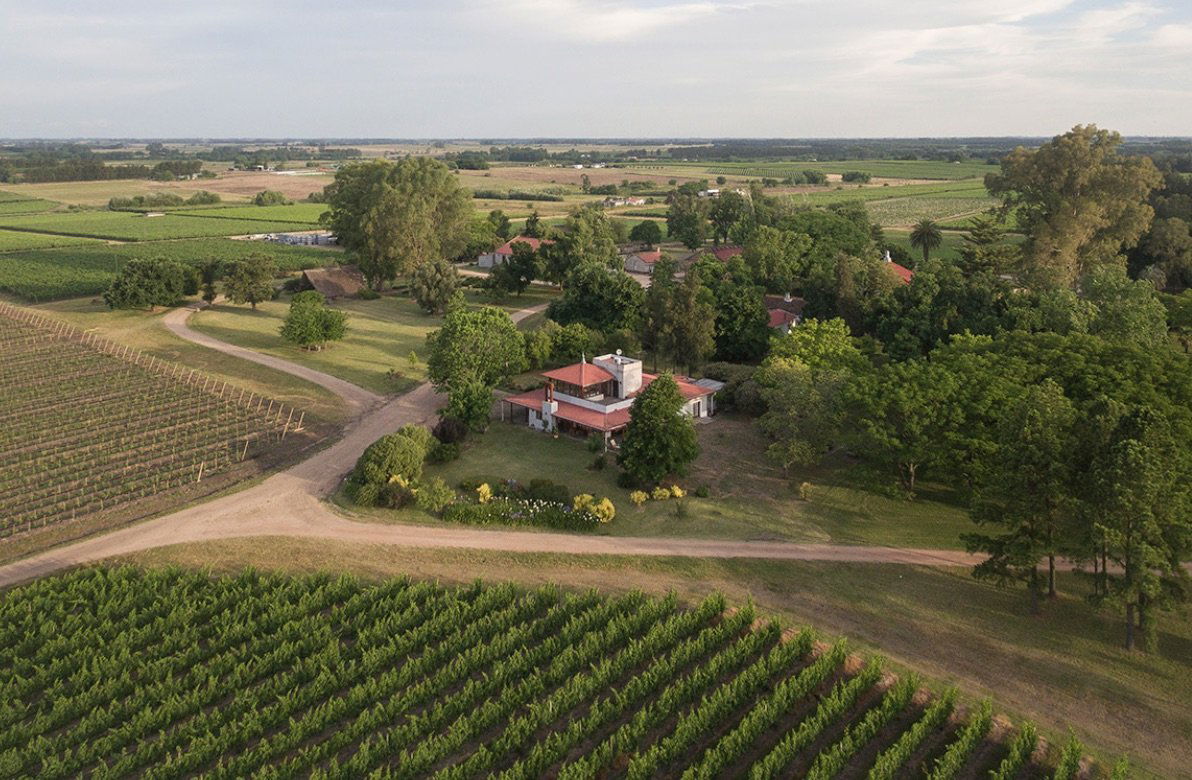
Bodega Juanicó presents the feel of a substantial, generational estate rather than a boutique tasting room. Approaching along wide gateways and avenues of mature trees, visitors encounter stone-and-stucco buildings that testify to long production roots. The property reads as serious and credentialed — a mid-scale operation with regional standing rather than a lifestyle project. Landscaped grounds and rolling vineyard vistas emphasize a measured, historical elegance; the recent Pearl 2 Star Prestige rating underlines the estate’s professional profile. Overall, the atmosphere is measured, authoritative and quietly impressive rather than flashy.
Best For
Juanicó suits visitors who want context as well as wine: students of Uruguayan viticulture, mid-sized groups and celebratory parties all find something here. The estate’s scale and readable grounds make it easy to orient a group and discuss regional geography, soils and the Tannat tradition that anchors Canelones. Its Pearl 2 Star Prestige recognition also makes Juanicó a logical stop for travelers prioritizing reputable producers rather than tiny boutique operations. In short, it’s a fit for educational visits, organized group outings and milestone tastings.
Tasting Tips
When engaging with Juanicó, orient tasting conversation around the region’s signature variety — Tannat — and look for estate bottlings that reflect the producer’s longer history and higher-profile rating. Ask staff about the property’s soils and positioning along Ruta 5 to better understand how Canelones shapes the wines. Given the estate’s scale and pedigree, prioritize flagship wines or reserve bottlings that are likely to embody the house style and the characteristics highlighted in the estate narrative.
Planning details
Location
Brigadier Gral. Fructuoso Rivera km 38.200, 90000 Juanicó, Departamento de Canelones · Directions
Also consider
Also Consider
- Bodega Marichal, Notable alternative
- Viña Progreso, Notable alternative
- Bodega De Lucca, Notable alternative
- Bodega Toscanini, Notable alternative
- Bodega Pisano, Notable alternative
Winery context
How it compares in Canelones
Bodega Juanicó (Familia Deicas) is the stronger choice if the visit needs to feel like the main event. Against Bodega Marichal and Viña Progreso, it reads as the more estate-driven option, better for first-timers who want a clear anchor stop rather than a lighter, more flexible tasting day.
Bodega De Lucca and Bodega Toscanini are better cross-shops if the group values easier pacing and a smaller-feeling visit. Choose them when value for time matters more than prestige signaling. For a classic Canelones winery circuit, Bodega Pisano is the peer to keep in the mix, especially if the goal is to compare family-run properties in one trip.
Recommendation: make Bodega Juanicó (Familia Deicas) the priority if there is room for one major stop. If the schedule is tight or the group is larger and needs flexibility, start the shortlist with Bodega De Lucca or Bodega Pisano instead.
Explore Canelones
Around this place
Discover more on Pearl
Unlock the full Bodega Juanicó (Familia Deicas) guide in Pearl, including awards, comparisons, FAQs, planning details, and nearby places.
Compare Bodega Juanicó (Familia Deicas)
| Venue | Location | Awards |
|---|---|---|
| Bodega Juanicó (Familia Deicas) | Canelones | No published awards |
| Bodega Marichal | Canelones | No published awards |
| Viña Progreso | Canelones | No published awards |
| Bodega De Lucca | Canelones | No published awards |
| Bodega Toscanini | Canelones | No published awards |
| Bodega Pisano | Canelones | No published awards |
How Bodega Juanicó (Familia Deicas) compares with similar nearby venues.
FAQ
Frequently Asked Questions
What is Bodega Juanicó (Familia Deicas) known for?
Bodega Juanicó (Familia Deicas) is a Canelones venue with confirmed Pearl 2 Star Prestige recognition for 2025. The verified dress code is casual.