Bodega De Lucca
El Colorado, Canelones
Winery in Canelones, Uruguay
 Book with Pearl
The Read
Canelones Tannat Precision
Why go
Prioritize Bodega De Lucca if the goal is a serious Las Piedras winery appointment and access matters more than convenience. First-timers should confirm every practical detail before building the day around it; travelers who need visible tasting formats, food options, or group logistics should cross-shop other Canelones wineries first.
About Bodega De Lucca
Bodega De Lucca is a Canelones venue with a casual dress code and 2 Star Prestige recognition for 2025. Beyond that, public details are limited, so it's best to confirm directly before building a detailed itinerary around it. The venue gives enough to place it on a shortlist, but not enough to define exactly how a visit should unfold.
Avoid building a plan on specifics such as a published menu, tasting format, price, hours, group capacity, or delivery options. Those are the details that usually turn a general interest into a dependable plan, and they should be treated as open questions rather than assumptions. Treat the recognition as the clearest signal, then check current practical details with the venue before committing plans.
Worth prioritizing if the visit is about a Canelones venue
Bodega De Lucca is best approached as a recognized Canelones venue. The distinction matters: recognition can indicate that the venue deserves attention, while the absence of full visit information means it should not yet be treated as a complete, ready-to-book experience. Cuisine type, menu structure, seat count, visit length, or price are not available, so keep the plan flexible until the venue confirms what is available.
The dress code is casual, which makes the planning baseline simple. It suggests that visitors do not need to plan around formal attire, but it does not answer the larger logistical questions that determine whether the venue fits a particular day. For anything more specific, including visit format, food availability, purchasing options, or private arrangements, confirm directly before arrival.
First-timers should plan around confirmation, not spontaneity
For a first visit, make Bodega De Lucca part of the itinerary only after the key details are confirmed. It is a Canelones venue to consider, but hours, reservation requirements, pricing, or service format are not available. That gap is especially important because first-time visitors often need clarity on what to expect before deciding how much time to set aside.
That matters most for travelers with tight schedules or larger parties. Without capacity or format details, avoid assuming that the venue can accommodate a specific group size, timing, or experience. A casual dress code and recognition are useful starting points, but they are not substitutes for direct confirmation. Confirm those points before arranging transport or setting the rest of the day.
Use Canelones as the comparison set before committing
Before finalizing plans, compare Bodega De Lucca with other options such as Viña Progreso, Bodega Pisano, Artesana, H. Stagnari, and Antigua Bodega Stagnari. This comparison should focus less on general appeal and more on which venue can answer the practical questions that matter for your visit. The right choice depends on which venue can confirm the practical details you need.
The recommendation is direct: consider Bodega De Lucca for its 2 Star Prestige recognition in Canelones, but do not build plans around assumptions. Its strongest point is the recognition itself, paired with the straightforward casual dress code. Choose the venue that can clearly confirm the experience, timing, and logistics you need.
Planning details
- Location
- 8PG7+WV9, Cam. Reinaldo de Lucca, 15900 Las Piedras, Departamento de Canelones
- Website
- deluccawines.com
- Phone
- +598 2367 8076
The take
The Take
The Vibe
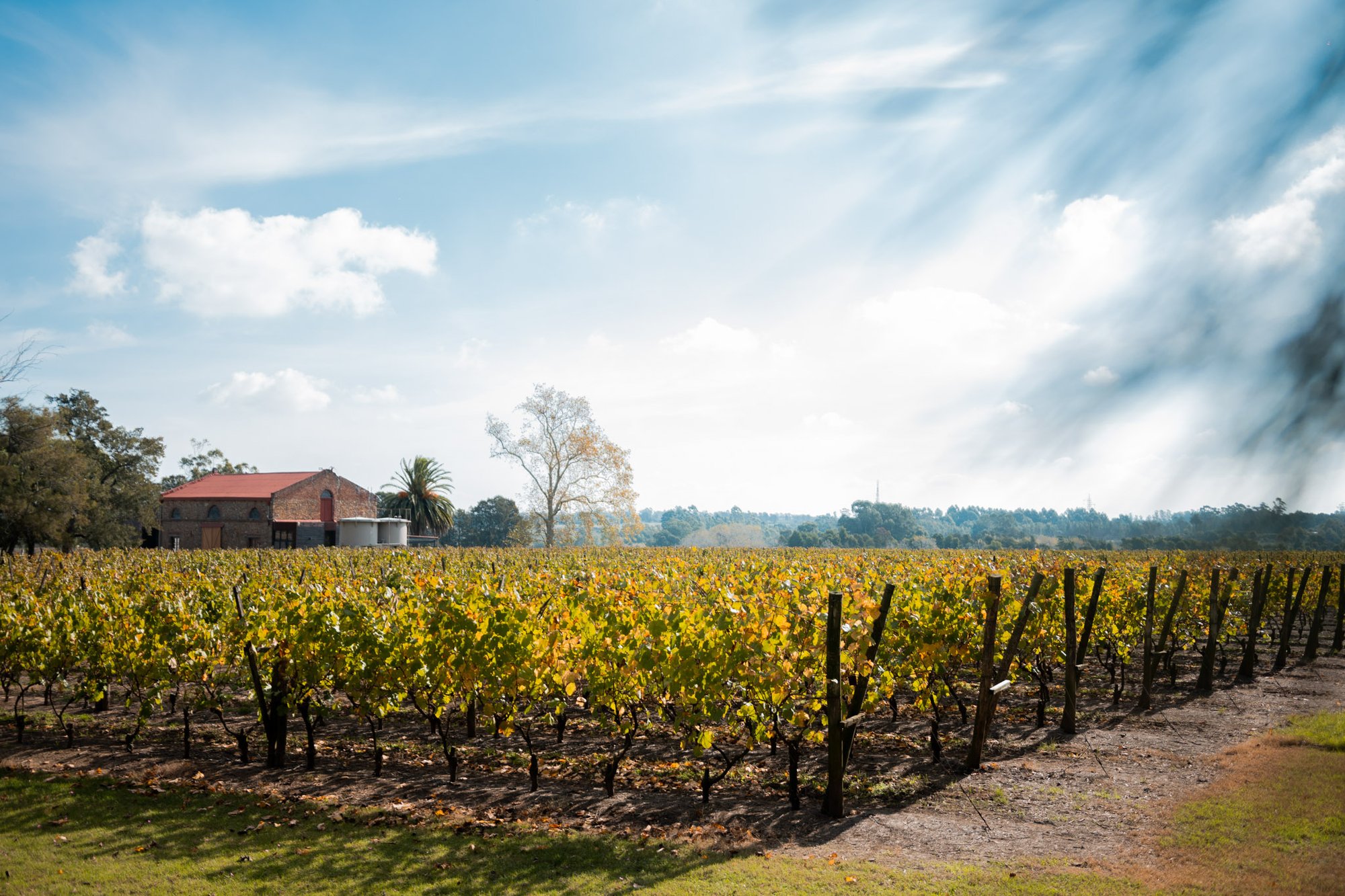
Bodega De Lucca sits within a landscape that reads like a map of Uruguayan wine history: vine-lined roads, family names embedded in place, and soils that have long shaped a regional identity. The property reads as quietly historic and scenic, anchored by generations of production rather than flash. Visitors encounter an authentic, small‑scale winery rooted in lineage and terroir; the writing emphasizes continuity and the rural setting more than contemporary design flourishes. The overall impression is one of enduring place—an estate where history, soil, and family inform the character of the wines.
Best For
This estate appeals to travelers who come for wine history and terroir-driven discovery. It suits wine enthusiasts wanting to understand why Canelones and Las Piedras are central to Uruguay’s Tannat story, as well as solo explorers and small groups seeking a more intimate, family‑run bodega experience. The property is a fit for visitors curious about how soil, climate, and multi‑generation producers shape a regional style rather than for those chasing trendy tasting rooms or elaborate hospitality theatrics.
Tasting Tips
When visiting, focus on the varietal highlighted in the text—Tannat—and ask about how local soils and Atlantic‑influenced humidity influence the winery’s expression. Because the description emphasizes family lineage and place, seek conversations with staff about the estate’s history and production approach; those context notes will illuminate the wines more than menu-driven tasting notes. Consider purchasing estate bottles direct if available, as small family operations often offer cuvées tied to specific parcels or traditions.
Venue details
Ambiance
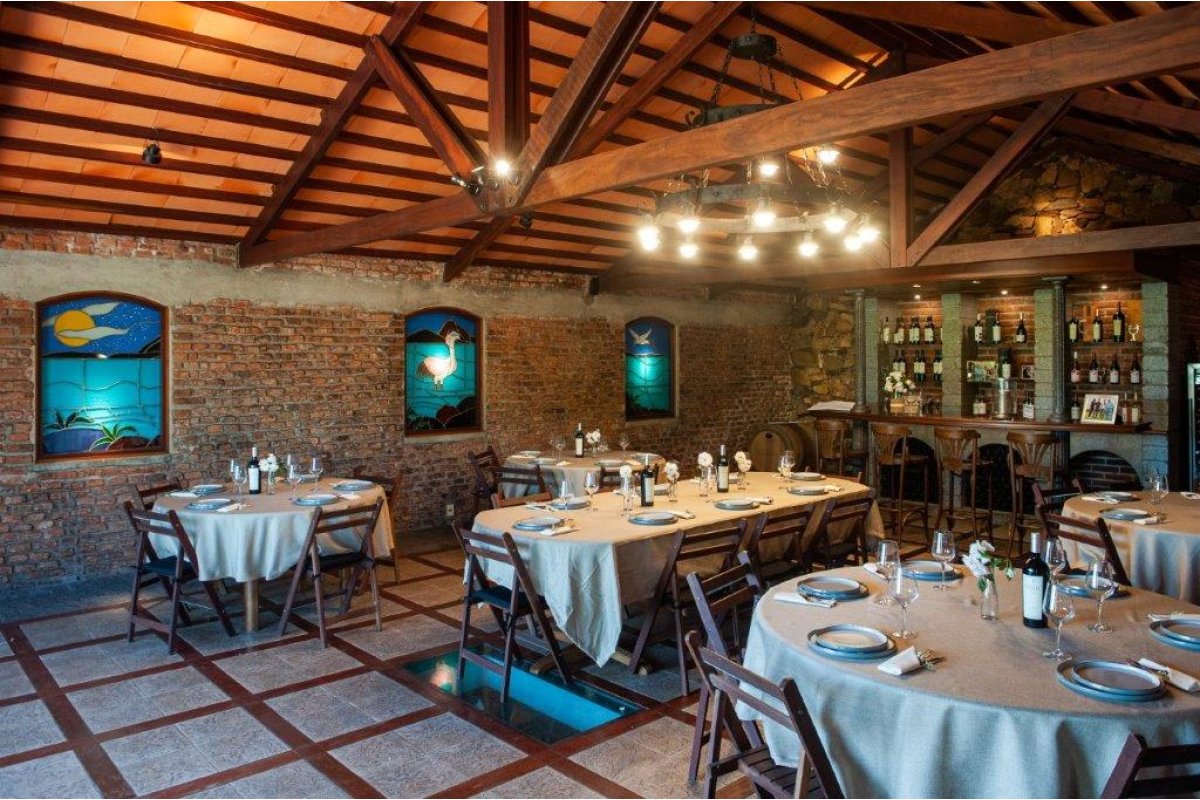
Cozy family-run boutique setting with artisanal production focus.
Tags
Vibe
Best For
Experience
View
At the Vineyard
- Appellation
- Canelones
- Varietals
- Tannat, Marsanne, Aglianico, Nero d’Avola, Syrah
- Tour Duration
- 60-90 minutes
- Wine Club
- Not available
Know before you go
Know Before You Go
- Getting there
- 8PG7+WV9, Cam. Reinaldo de Lucca, 15900 Las Piedras, Departamento de Canelones
Planning details
Location
8PG7+WV9, Cam. Reinaldo de Lucca, 15900 Las Piedras, Departamento de Canelones · Directions
Also consider
Where to look if this does not work
If Bodega De Lucca cannot be confirmed, start with Bodega Pisano for a Canelones alternative with broader name recognition. For a different style of winery day, compare Artesana before locking transport.
Winery context
How it compares in Canelones
Bodega De Lucca is the higher-friction pick in this set: worth pursuing if the draw is producer access and a more selective winery stop, but not the easiest choice for travelers who need visible logistics before committing. Viña Progreso and Artesana are better cross-shops if the day needs to feel simpler and more visitor-oriented.
For value, the key question is not which winery is cheaper, because comparable published pricing is not supplied here. It is which one gives the right amount of certainty for the trip. Bodega Pisano and H. Stagnari are sensible alternatives if the priority is a more familiar Canelones name and a lower-risk planning path.
If ambiance is the deciding factor, do not book Bodega De Lucca on assumptions alone. Confirm the visit format first, then compare it with Antigua Bodega Stagnari if the group wants a more heritage-coded winery stop in the same broader region.
Explore Canelones
Around this place
Discover more on Pearl
Unlock the full Bodega De Lucca guide in Pearl, including awards, comparisons, FAQs, planning details, and nearby places.
Compare Bodega De Lucca
| Venue | Location | Awards |
|---|---|---|
| Bodega De Lucca | Canelones | No published awards |
| Viña Progreso | Canelones | No published awards |
| Bodega Pisano | Canelones | No published awards |
| Artesana | Canelones | No published awards |
| H. Stagnari | Canelones | No published awards |
| Antigua Bodega Stagnari | Canelones | 2026 Falstaff Winery Guide |

How Bodega De Lucca Canelones compares with similar nearby venues.
FAQ
Frequently Asked Questions
Is Bodega De Lucca worth considering?
Yes, it is worth considering as a Canelones venue with 2 Star Prestige recognition for 2025. Practical details should still be confirmed directly before planning around a visit.