Diamond Creek Vineyards
Diamond Mountain, Calistoga
Winery in Calistoga, United States
 Book with Pearl
The Read
Single-Block Mountain Terroir
Why go
Diamond Creek Vineyards is worth prioritizing if the goal is serious Calistoga wine context, especially for visitors focused on mountain Cabernet history rather than a casual tasting-room circuit. It is not the pick for a food-led pairing experience, large groups, or a flexible drop-in day; build meals and easier stops around it.
About Diamond Creek Vineyards
Diamond Creek Vineyards is a Calistoga venue best handled as a planned stop rather than a page with many confirmed public details to build around. Those are useful details, but they are also the boundary of what should be treated as firm here. Beyond those points, practical specifics should be confirmed directly with the venue before you shape a day around it.
That makes the honest planning approach simple: use Diamond Creek Vineyards as a focused Calistoga anchor, then fill in meals, lodging, bars, and other visits using current official sources. This is especially important for travelers trying to coordinate multiple stops, because a small assumption can affect the whole day. Do not assume a particular menu, cuisine, pairing format, price point, tasting structure, group capacity, or schedule unless the venue has confirmed it for your date.
Choose this for a focused Calistoga stop, not extras
Use our full Calistoga restaurants guide before or after the visit, and keep expectations centered on the confirmed venue details rather than invented hospitality extras.
If the day needs a broader itinerary, compare Diamond Creek Vineyards with our full Calistoga wineries guide and, where relevant, with named options such as Clos Pegase Winery, La Sirena, Sterling Vineyards, Tank Garage Winery, and Twomey Cellars. Those comparisons can help shape the day by giving you a wider set of possibilities to check, while Diamond Creek Vineyards remains the Calistoga venue to verify directly for current availability, format, and visit details. Treat that verification step as part of the planning, not as an afterthought.
Plan the rest of Calistoga around confirmed details
The practical call is to avoid overbuilding the plan from assumptions. If the visit matters, confirm the essentials directly, then use our full Calistoga hotels guide, our full Calistoga bars guide, and our full Calistoga experiences guide for the rest of the plan. That approach keeps the core stop intact while leaving room to arrange the surrounding pieces with better, fresher information.
For readers comparing Diamond Creek Vineyards with other premium stops, keep the comparison narrow and factual. Clos Pegase Winery, La Sirena, Sterling Vineyards, Tank Garage Winery, and Twomey Cellars are useful names to consider alongside Diamond Creek Vineyards, but any choice should be checked against current official details rather than inferred from category or reputation alone.
Planning details
- Location
- 1500 Diamond Mountain Rd, Calistoga, CA 94515
- Website
- diamondcreekvineyards.com
- Phone
- +1 707-942-6926
The take
The Take
The Vibe
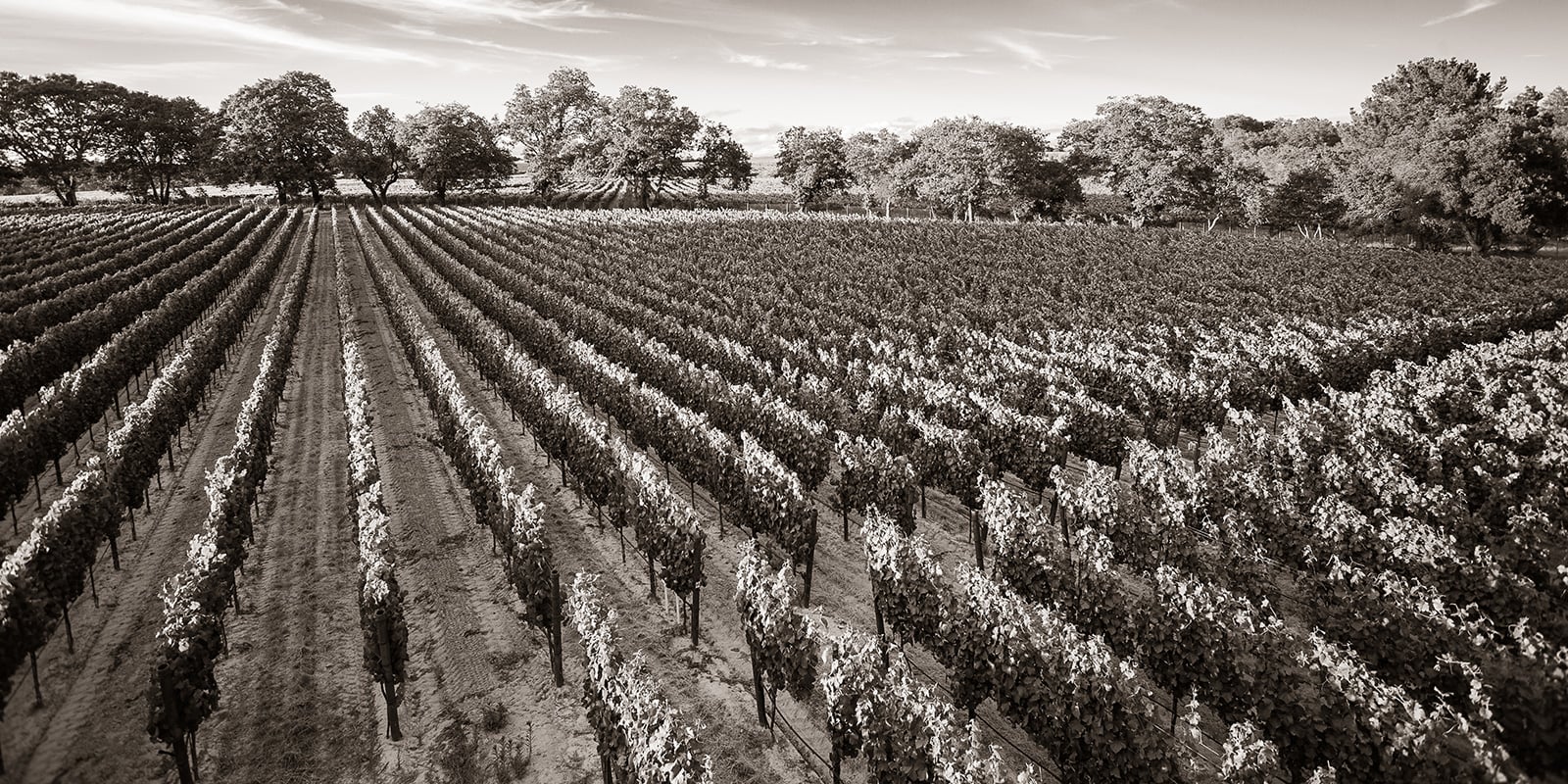
Diamond Creek Vineyards reads like a study in Napa continuity and terroir seriousness. The narrative foregrounds geology (weathered tuff, fractured rhyolite and volcanic ash) and ties those soils directly to a coherent stylistic argument for soil-specific Cabernet. Founded in the early 1970s and among the first to bottle distinct vineyard designates, the estate projects a measured, classic authority rather than trend-driven flash. Separate plots are farmed and bottled as discrete voices, and that long-term focus underpins the estate’s high critical standing in recent vintages.
Best For
This property is best for focused wine study and landmark tastings where terroir is the point of discussion. Collectors, students of viticulture, and anyone interested in how volcanic and clay soils shape Cabernet will get the most from a visit. The estate’s history of bottling distinct vineyard sites makes it particularly well suited to comparative tasting: sampling the three named plots side by side clarifies stylistic differences. Given the estate’s pedigree and critical recognition, visits also suit milestone moments for wine-focused special occasions where provenance and age-worthiness matter.
Tasting Tips
When evaluating Diamond Creek, seek out the individual vineyard-designate bottlings rather than a blended house expression: Volcanic Hill, Gravelly Meadow and Red Rock Terrace are farmed and bottled as separate units in qualifying years. Expect Volcanic Hill to show a more angular, mineral-driven profile; Gravelly Meadow to present a rounder, gravelly frame; and Red Rock Terrace to reflect iron-rich clay in tannin and color. Focus on vertical or comparative tastings to appreciate the estate’s thesis.
Venue details
Ambiance
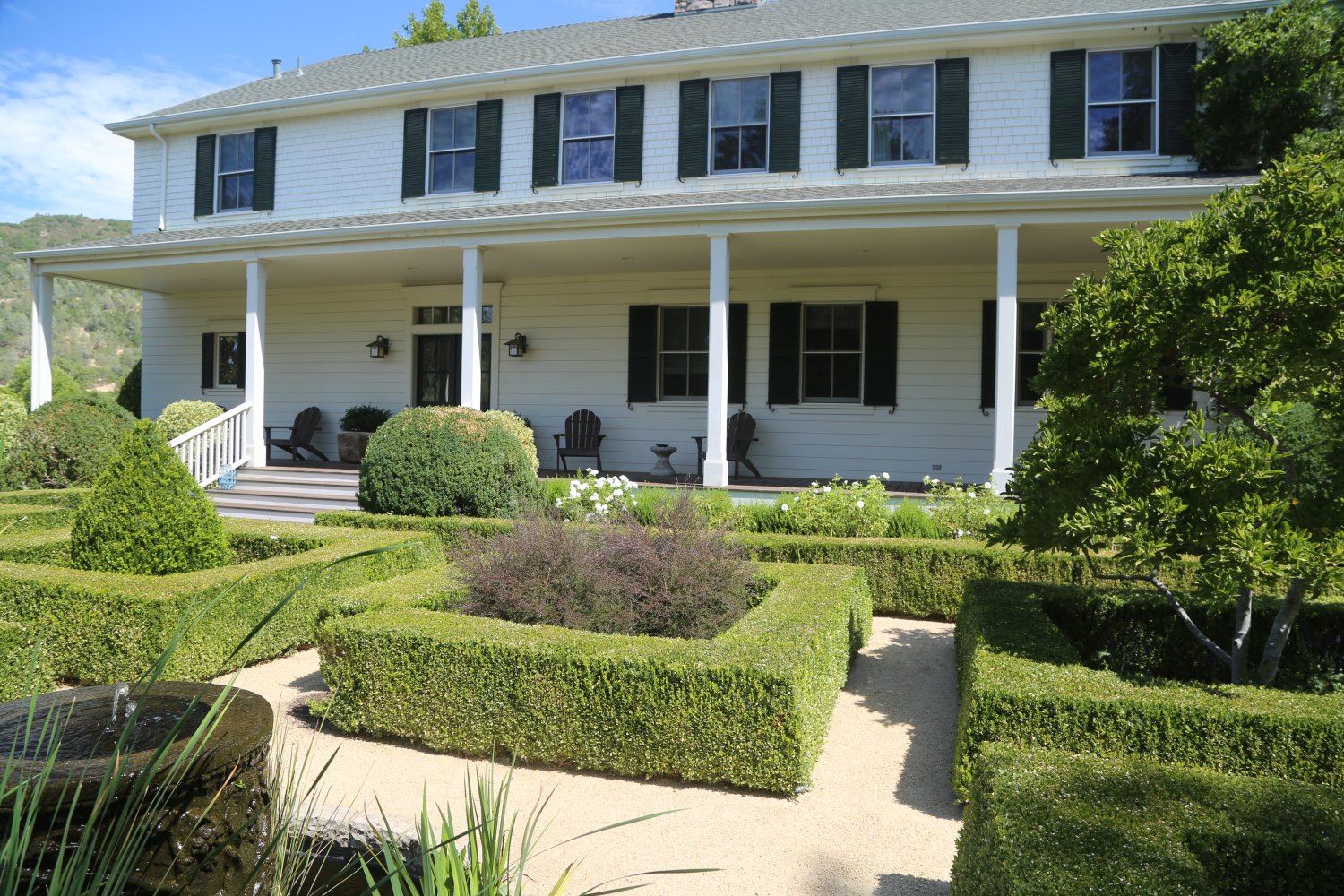
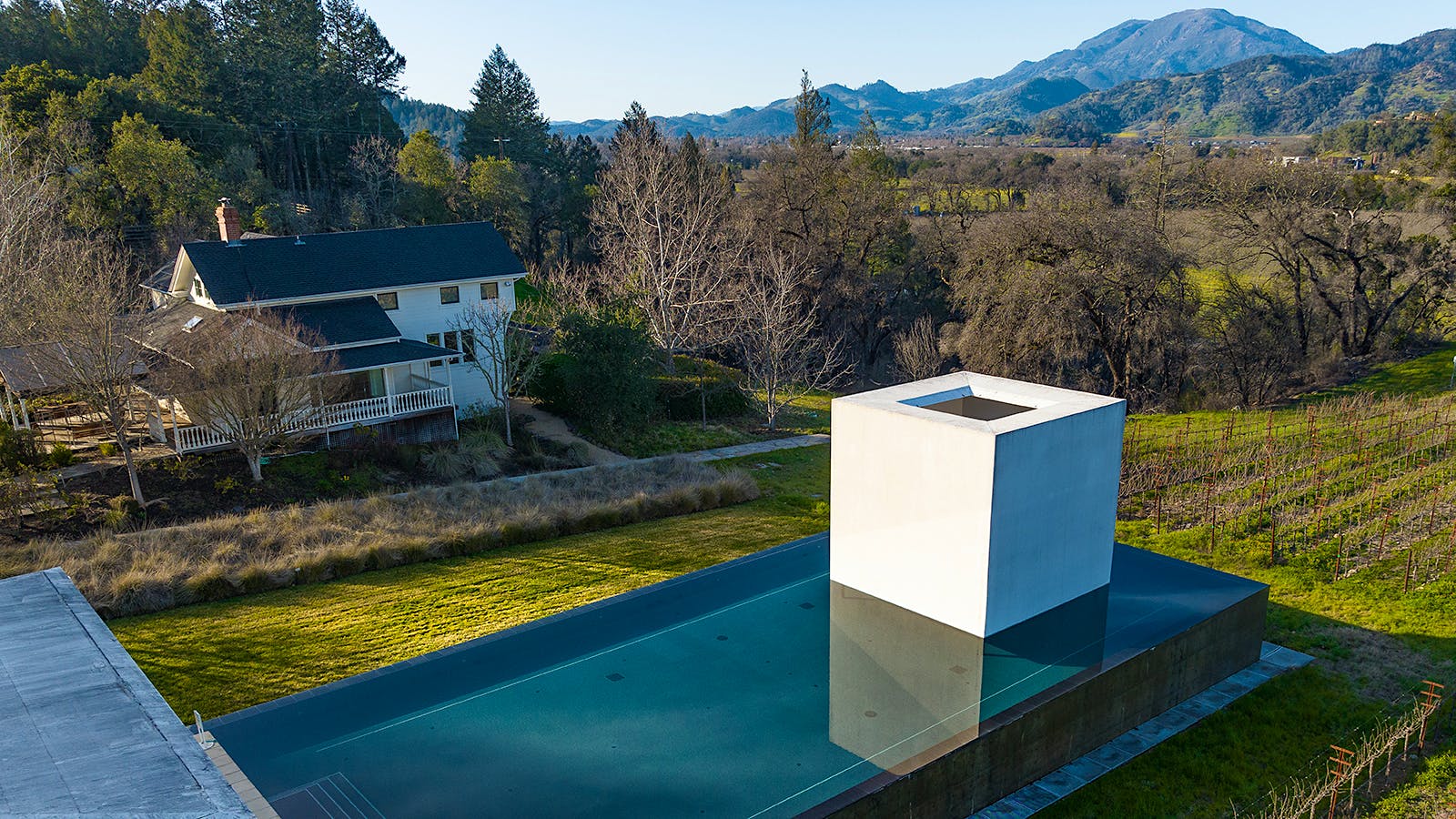
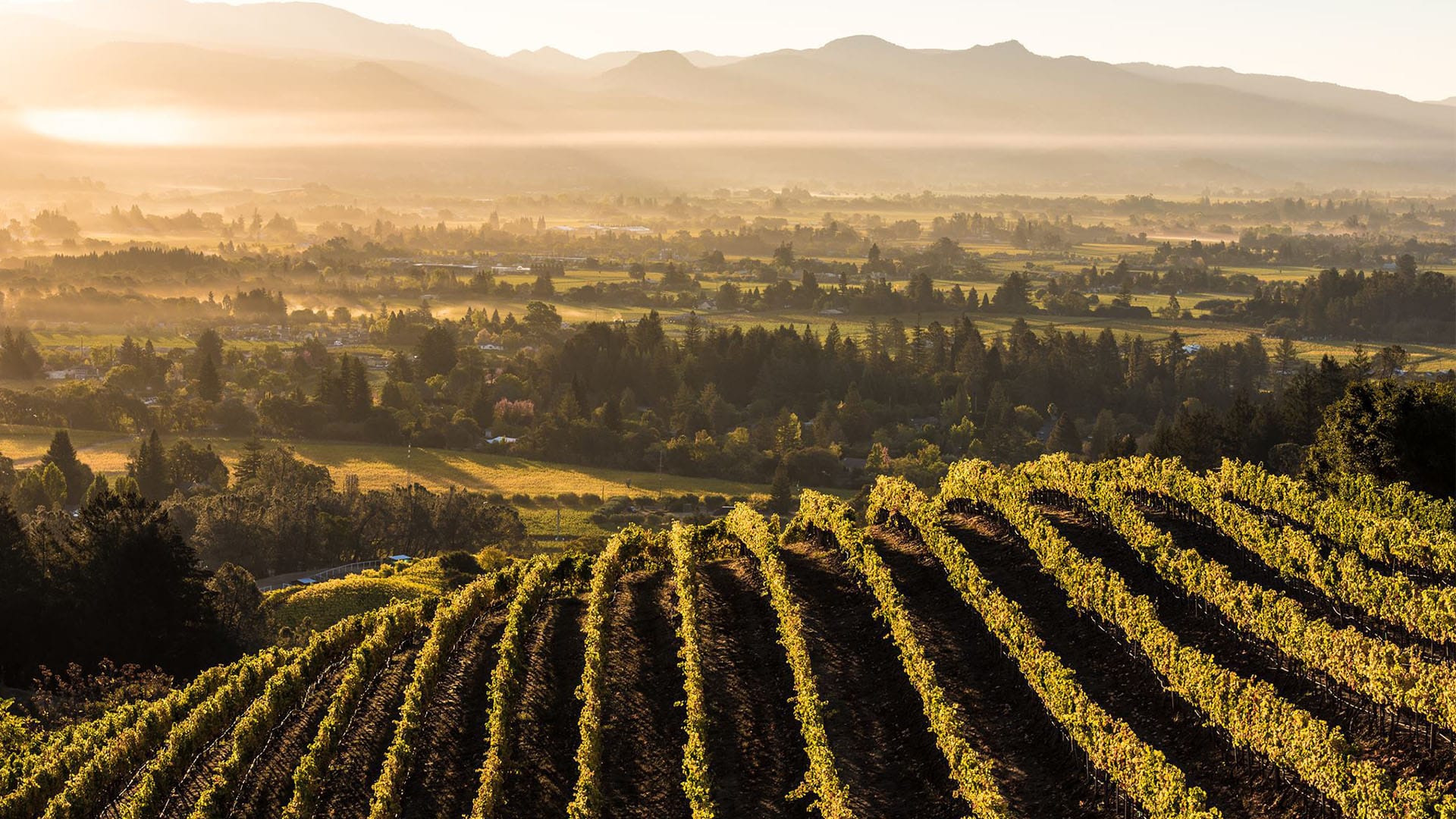
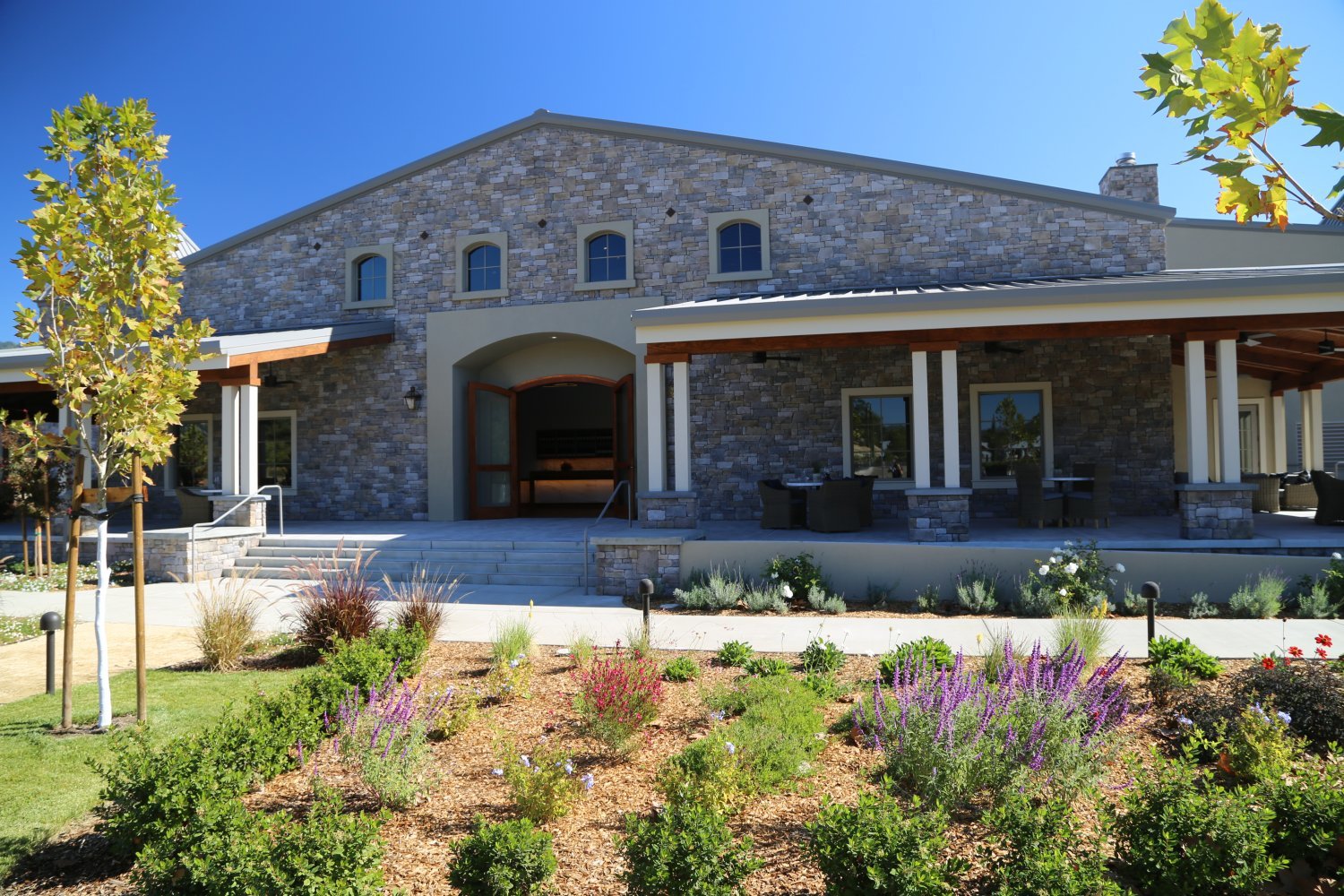
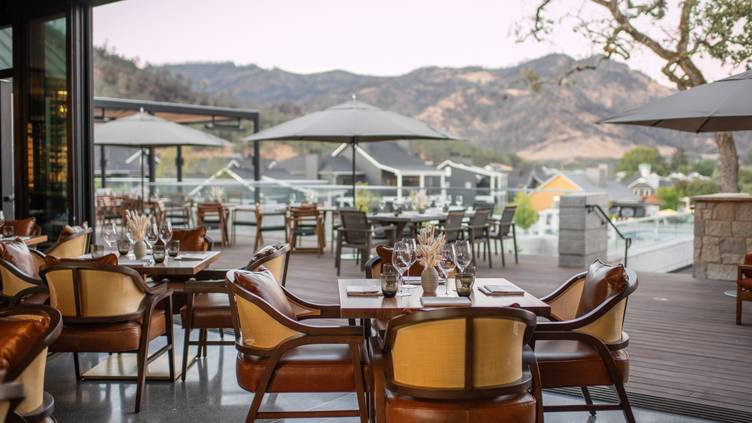
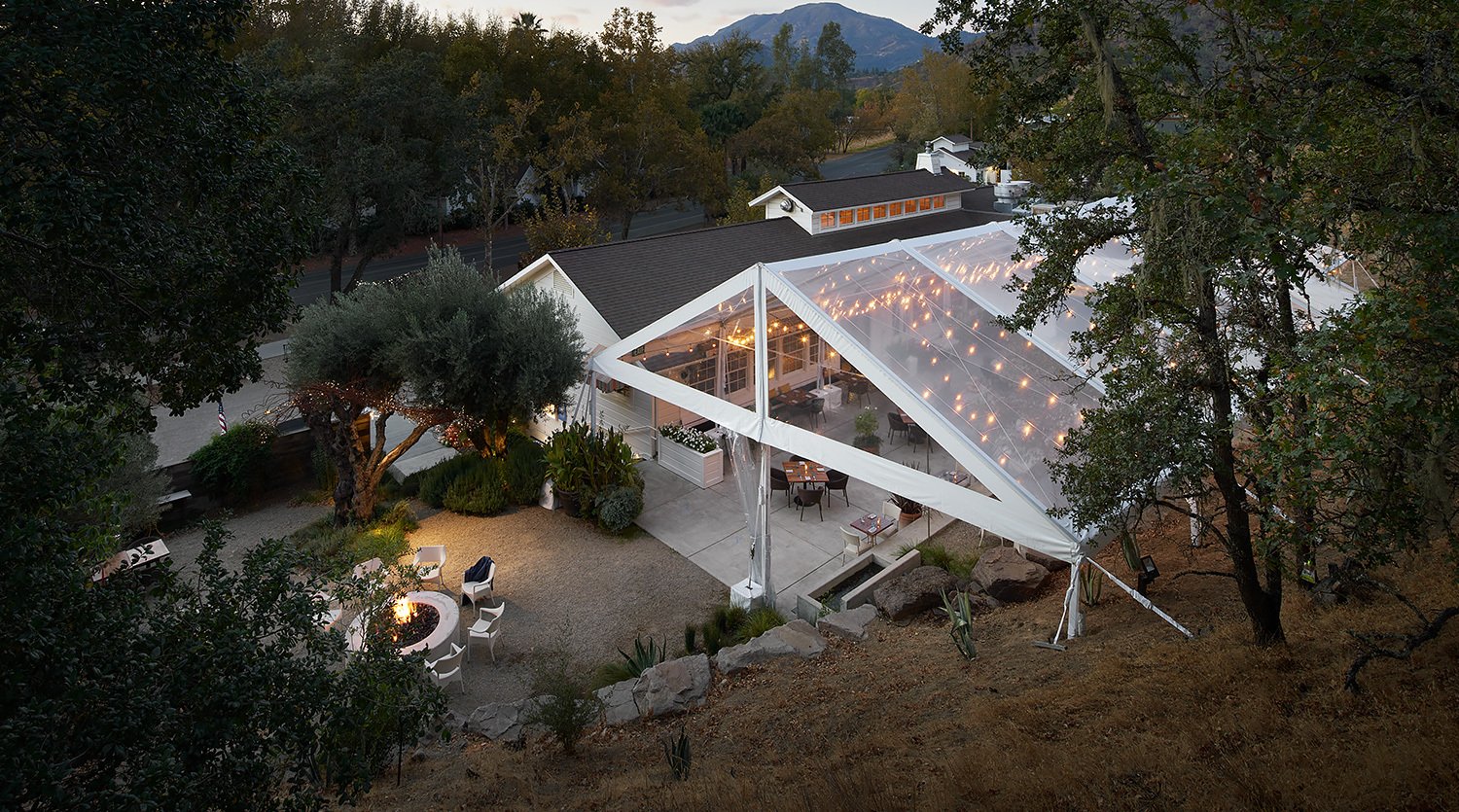
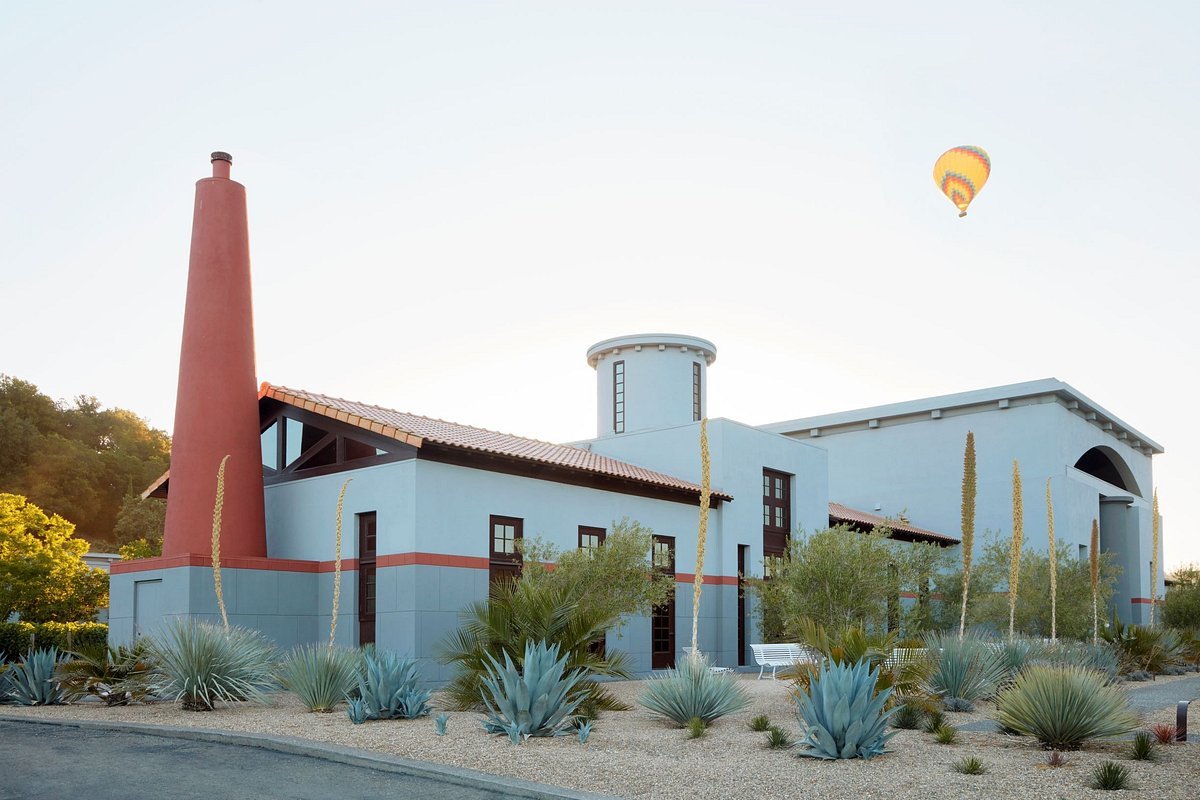
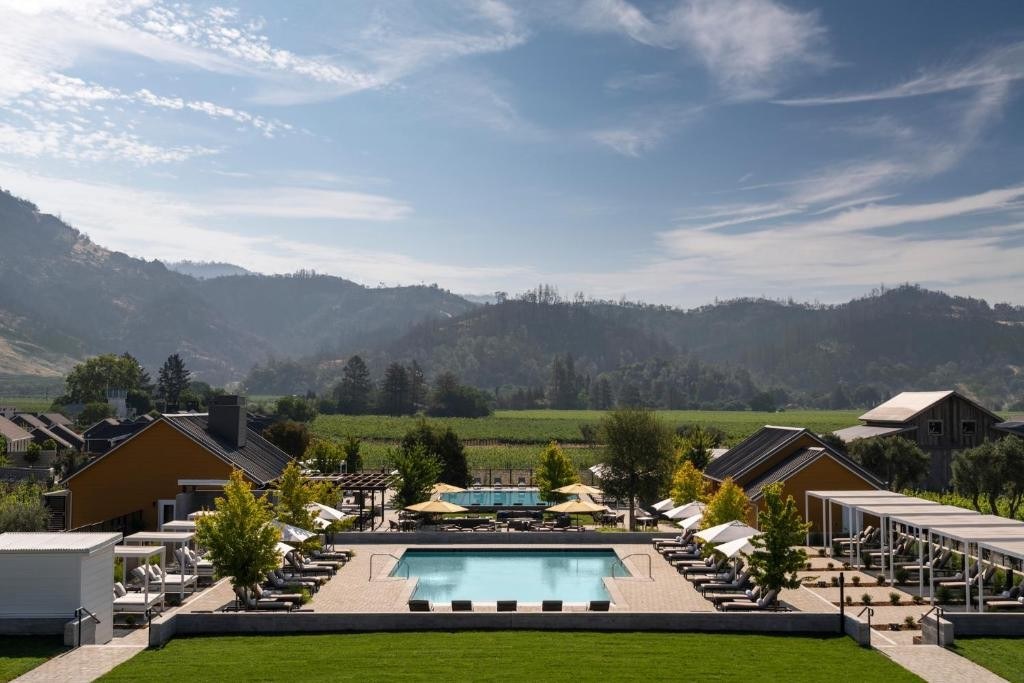
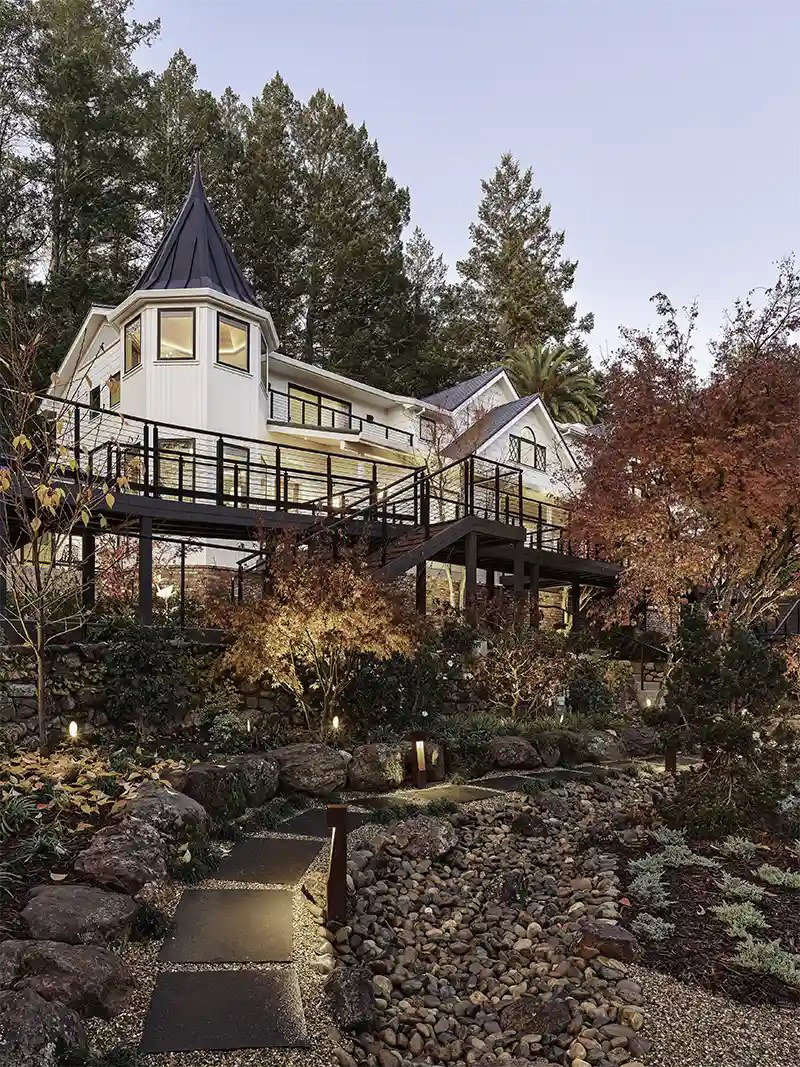
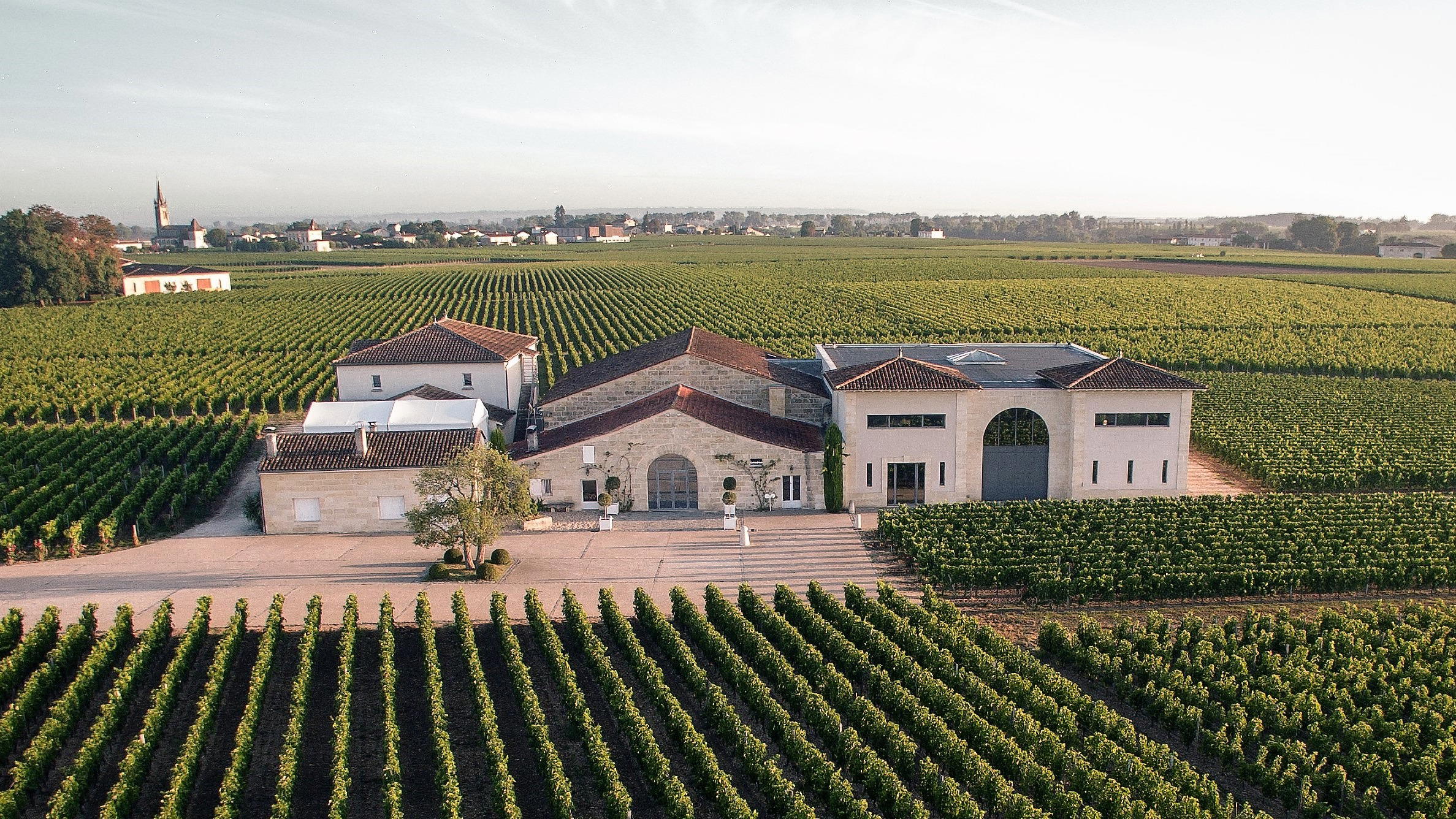
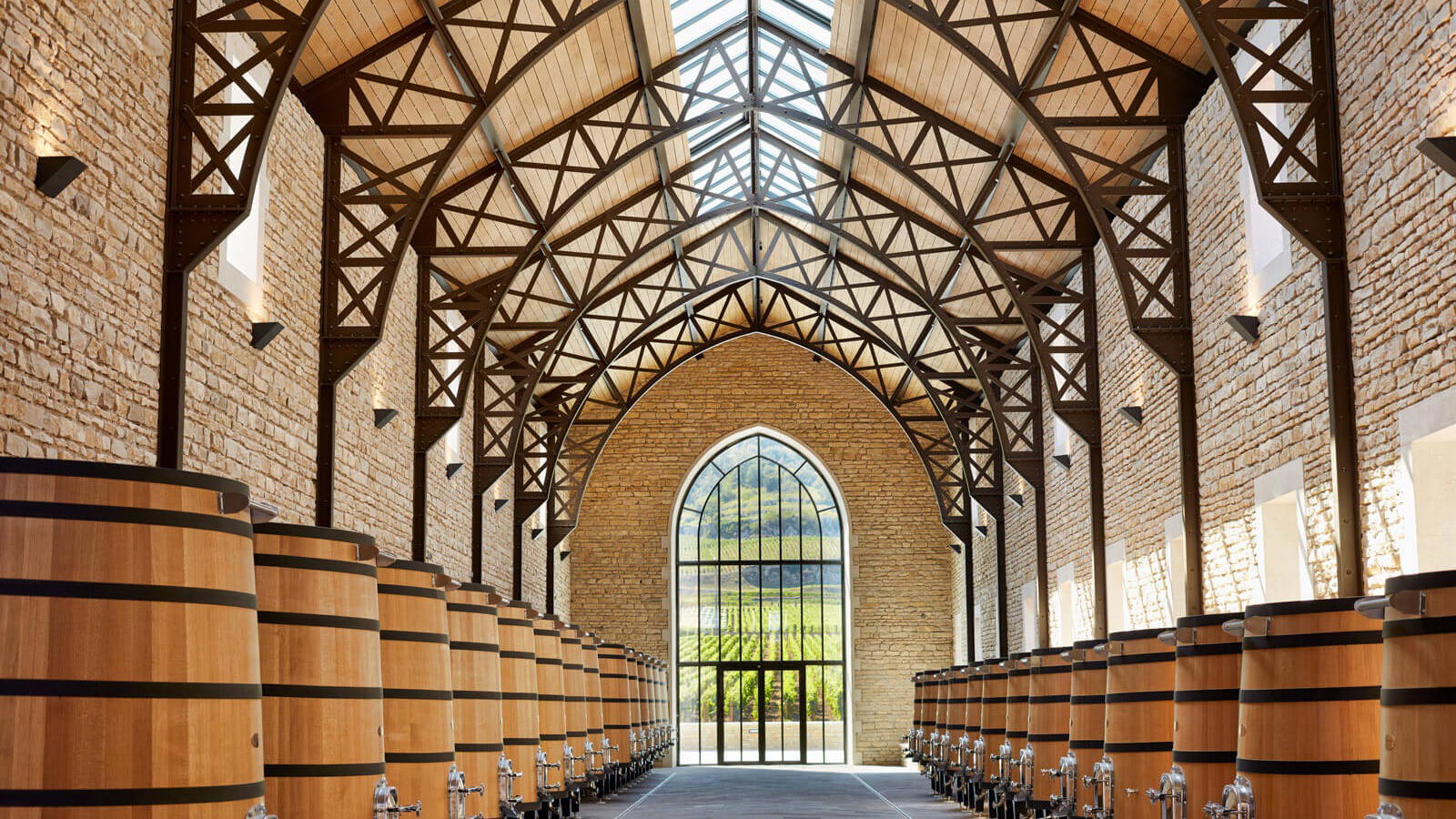
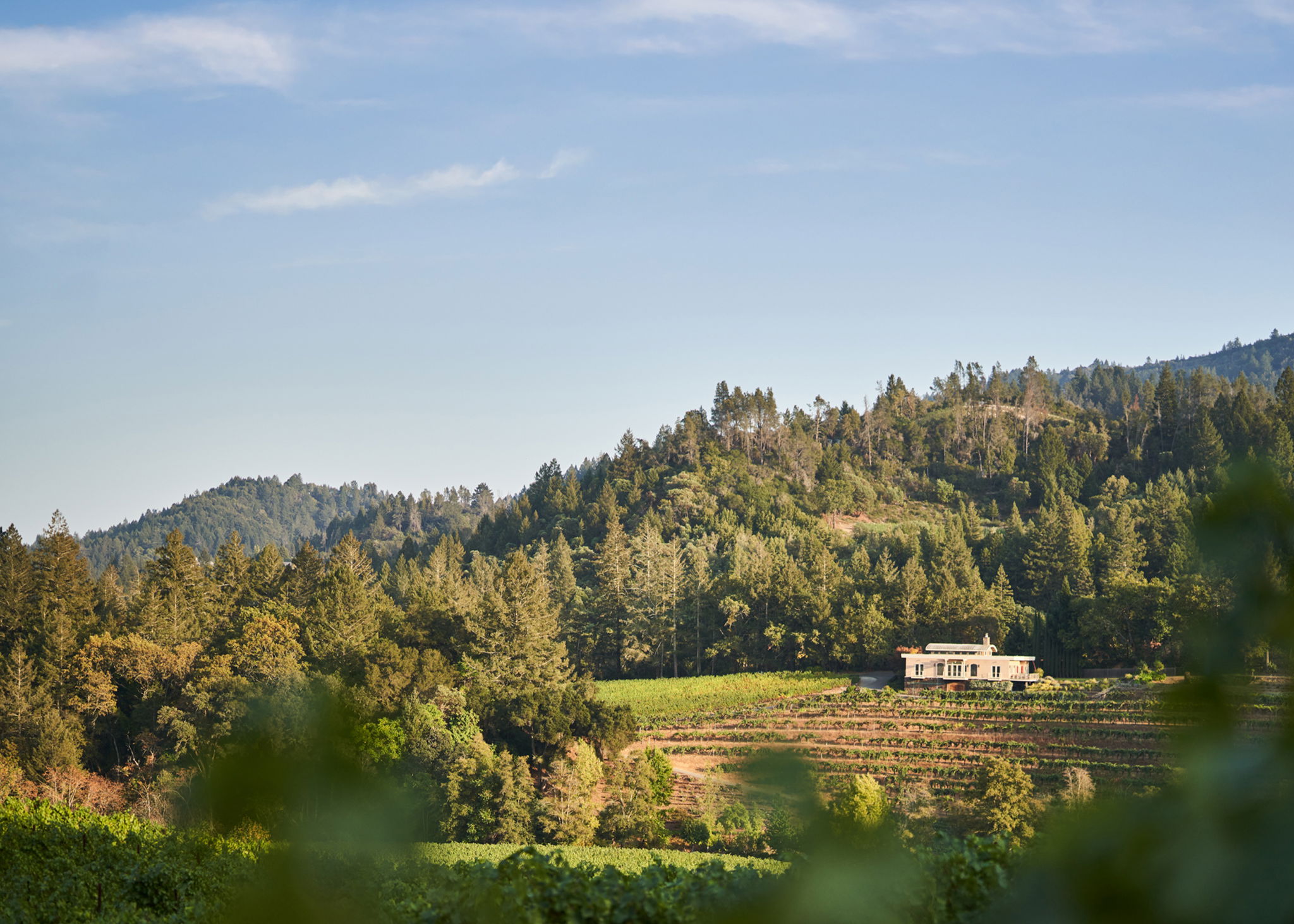
Serene and picturesque mountaintop setting with breathtaking vineyard and valley views, warm sunny days, and an intimate, knowledgeable hosted tasting atmosphere.
Tags
Vibe
Best For
Experience
View
At the Vineyard
- Appellation
- Diamond Mountain AVA
- Varietals
- Cabernet Sauvignon, Merlot, Cabernet Franc, Petit Verdot
- Visits
- By appointment only
- Production
- Small producer
- Wine Styles
- Still Red
- Food Pairing
- Offered
- Wine Club
- Not available
Know before you go
Know Before You Go
- Getting there
- 1500 Diamond Mountain Rd, Calistoga, CA 94515
Planning details
Location
Also consider
Also Consider
- La Sirena, Notable alternative
- Tank Garage Winery, Notable alternative
- Sterling Vineyards, Notable alternative
- Twomey Cellars, Notable alternative
- Clos Pegase Winery, Notable alternative
Winery context
How it compares in Calistoga
Choose Diamond Creek Vineyards when the priority is depth, scarcity, and a more serious wine-focused stop. Tank Garage Winery is the easier call for a more casual Calistoga tasting mood, while Sterling Vineyards is better for visitors who want a broader, more tourism-friendly experience rather than a tightly focused producer visit.
Twomey Cellars and Clos Pegase Winery make more sense if the group includes mixed-interest guests who want a polished winery stop without making the day revolve around one hard-to-secure reservation. Diamond Creek is the stronger choice for collectors and focused wine travelers; the others are safer for groups, first-time Calistoga visitors, and itineraries with less planning time.
La Sirena sits outside the immediate Calistoga comparison set, so treat it as a cross-shop only if the trip can stretch beyond the core route. If the goal is value and convenience, start with Tank Garage or Clos Pegase. If the goal is a higher-commitment, wine-first appointment, keep Diamond Creek at the center and fit the rest of the day around it.
Around this place
Discover more on Pearl
Unlock the full Diamond Creek Vineyards guide in Pearl, including awards, comparisons, FAQs, planning details, and nearby places.
Compare Diamond Creek Vineyards
| Venue | Location | Awards |
|---|---|---|
| Diamond Creek Vineyards | Calistoga | No published awards |
| La Sirena | St. Helena | No published awards |
| Tank Garage Winery | Calistoga | No published awards |
| Sterling Vineyards | Calistoga | No published awards |
| Twomey Cellars | Calistoga | 2026 Falstaff Winery Guide |
| Clos Pegase Winery | Calistoga | No published awards |

How Diamond Creek Vineyards Calistoga compares with similar nearby venues.
FAQ
Frequently Asked Questions
What other venues can I compare with Diamond Creek Vineyards?
Useful comparison options include Sterling Vineyards, Clos Pegase Winery, Twomey Cellars, Tank Garage Winery, and La Sirena.