
Chateau Montelena Winery
Calistoga
Winery in Calistoga, United States
 Book with Pearl
The Read
Structure-Driven Napa Cabernet
Price
$50–100tasting
Why go
Book Chateau Montelena Winery for a serious Calistoga tasting built around wine history and production continuity, especially for a celebration or client-facing Napa itinerary. It is less suited to a casual drop-in crawl; compare nearby Calistoga producers if easier access or a smaller-producer feel matters more.
About Chateau Montelena Winery
For a milestone Calistoga wine-country stop, consider Chateau Montelena Winery when the occasion calls for a focused winery visit rather than a loose day of drop-ins.
The decision case is direct. Choose Chateau Montelena Winery if the group wants a premium Calistoga winery anchor with Pearl recognition. If the goal is a more flexible or comparative day, cross-shop other winery options before committing the itinerary.
Choose it for a focused Calistoga winery visit, not a casual add-on
The strongest fit is a special-occasion itinerary where one winery anchors the day. Because the location is Calistoga, visitors should plan around the city rather than rely on address-level assumptions. Pair it with the broader Calistoga wineries guide if the day is wine-led, or use the Calistoga restaurants guide and Calistoga hotels guide to build a full weekend around it.
Chateau Montelena Winery is best evaluated as a Calistoga winery with Pearl recognition, rather than through assumptions about menus, production details, visit length, seat count, or pricing. The smart casual dress code also makes it easier to plan attire for a polished wine-country stop.
How to decide between this and other winery options
If access, style, or itinerary fit is the priority, compare against Tamber Bey Vineyards and Amici Cellars before locking the day. If the itinerary is built around a more concentrated wine conversation, also look at Carter Cellars, Newton Vineyard, and Jones Family Vineyards. The right pick comes down to what the group wants from the day, while confirming current details directly before visiting.
For non-wine planning around the same trip, use the Calistoga bars guide alongside other Calistoga planning resources. Keep the plan practical: Chateau Montelena Winery can serve as the premium winery anchor, while other Calistoga dining, hotels, and bars can fill out the rest of the itinerary.
Planning details
- Location
- 1429 Tubbs Ln, Calistoga, CA 94515
- Website
- montelena.com
- Phone
- +1 707-942-5105
The take
The Take
The Vibe
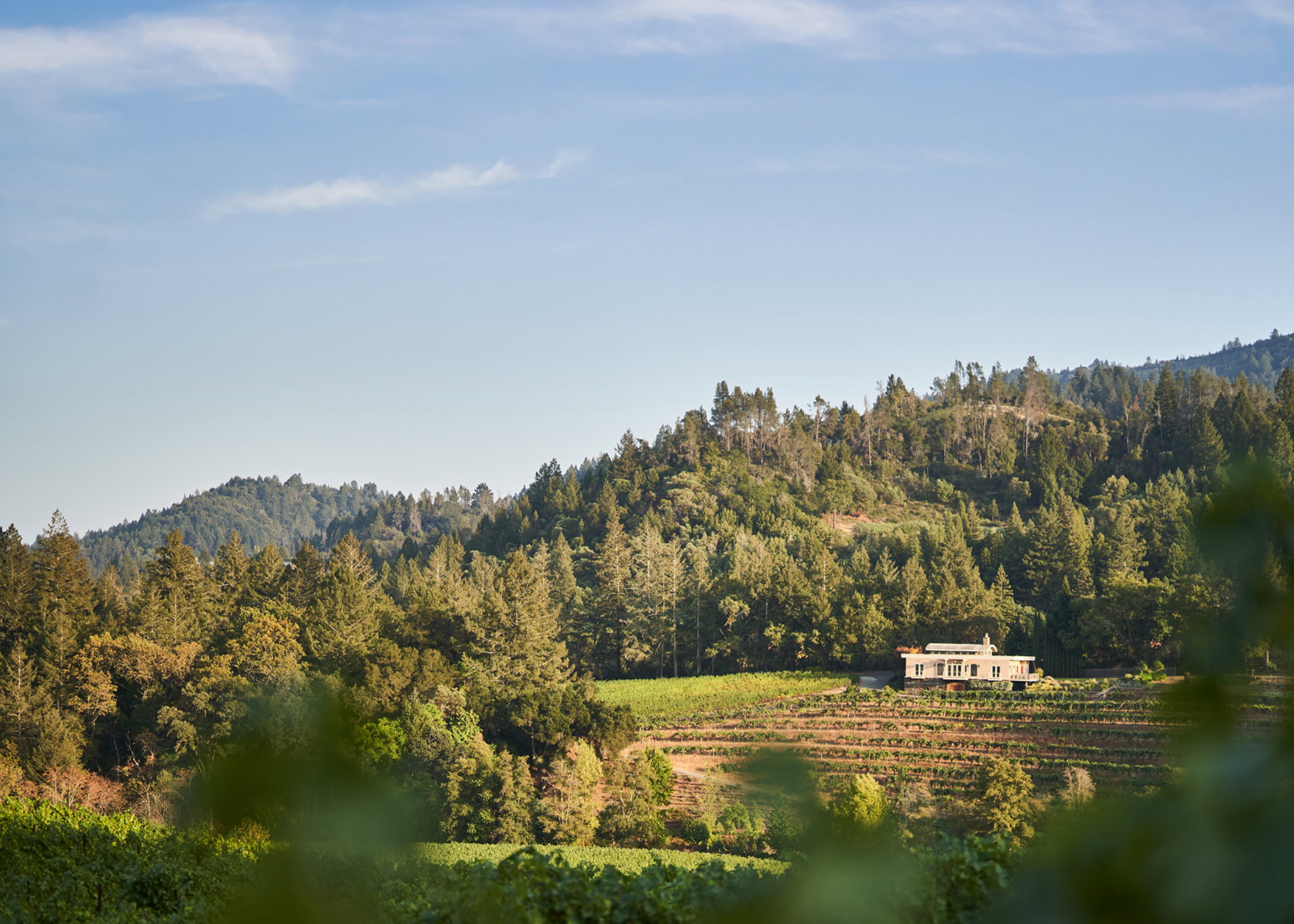
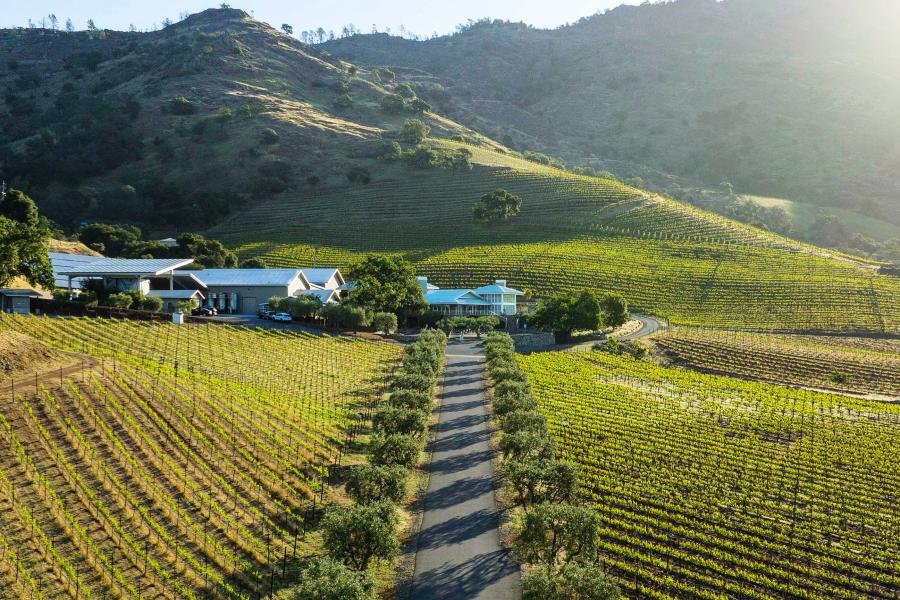
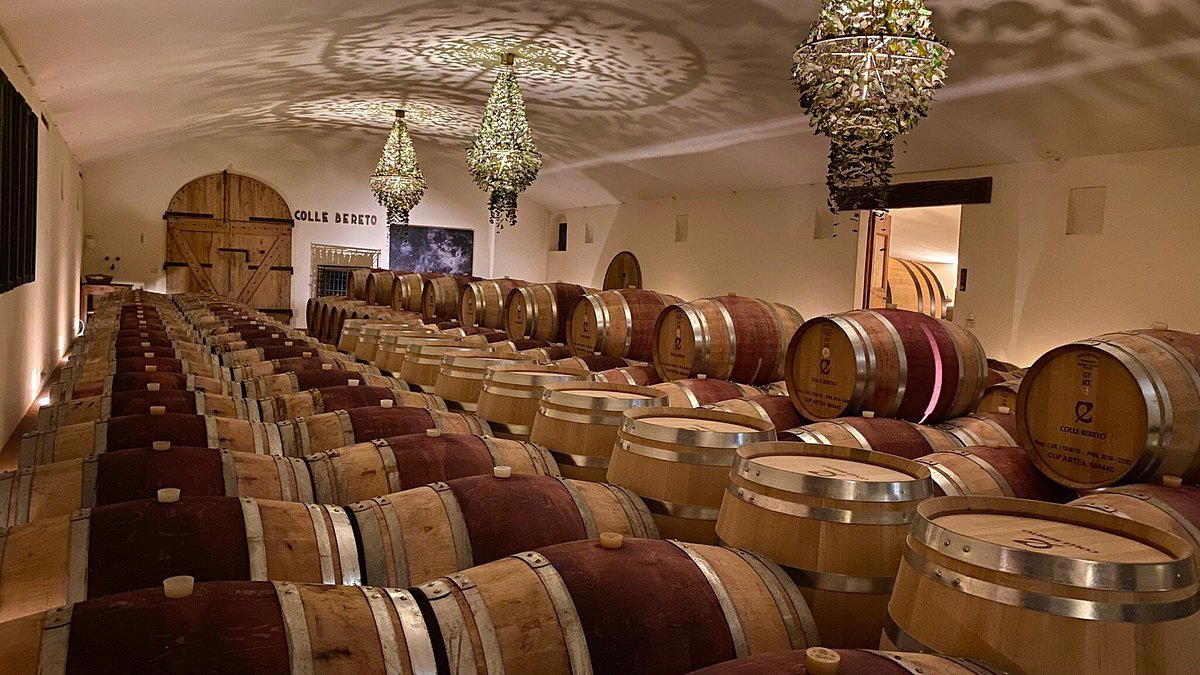
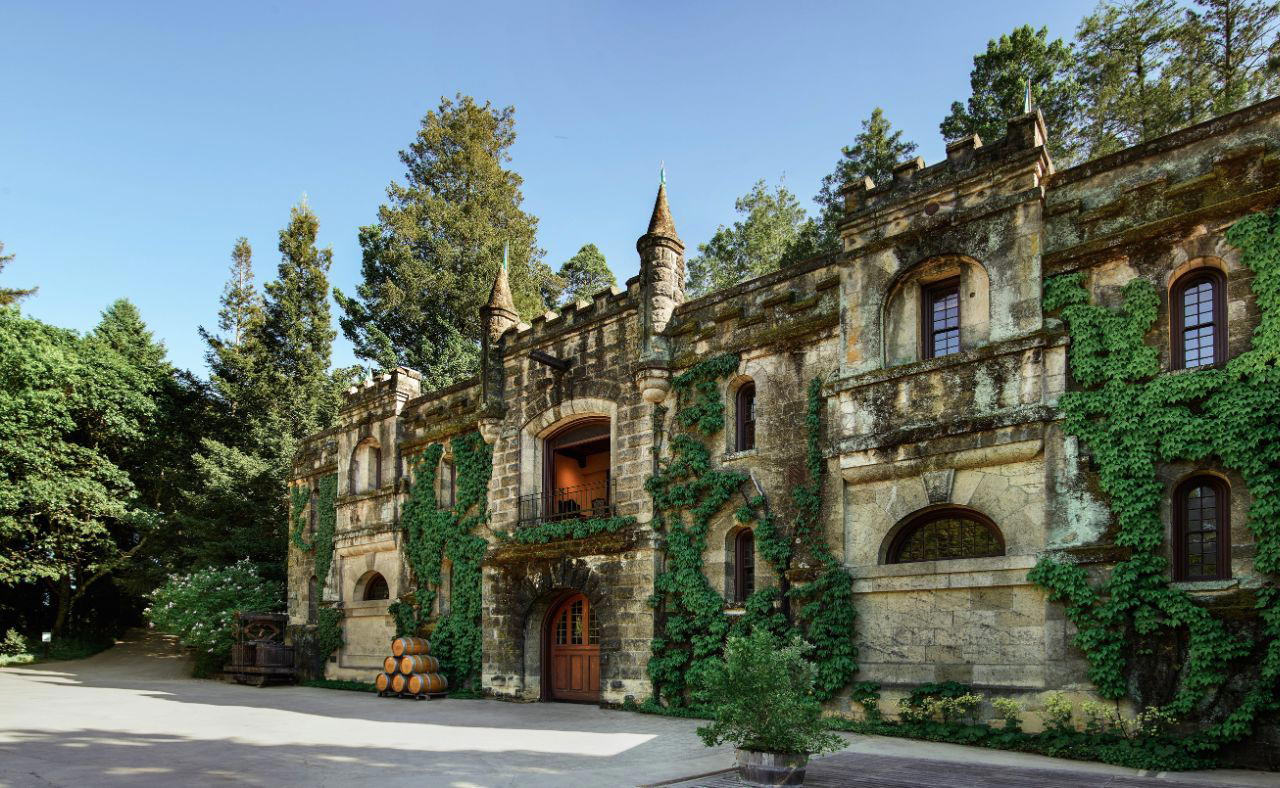
Chateau Montelena reads as a historically significant, quietly sophisticated Napa estate. The property’s story centers on a moment, the 1976 Paris tasting, that reframed California winemaking, and that institutional legacy shows up in the cellar-minded, structured approach to production. The estate setting at the northern end of the valley, where Mount St. Helena dominates the horizon, gives the place a measured, contemplative character: scenic without being flashy, rustic in site expression but classic in pedigree. Visitors encounter a program that prizes longevity and discipline rather than flash, and that serious-mindedness defines the venue’s overall mood.
Best For
This is a destination for people who want to understand Napa history and the craft of age-worthy wine. Chateau Montelena’s role in California’s wine narrative and its cellar practices make it ideal for wine-education–minded visitors and those celebrating a special moment who appreciate provenance and structure. The dramatic northern-valley setting also suits couples seeking a romantic getaway where landscape and legacy are as much part of the visit as the bottles themselves. Expect a measured, museum-like reverence for winemaking rather than a boisterous tasting-room scene.
Tasting Tips
Focus your tasting on the estate’s cellar-forward offerings and historical context: ask about older-vintage or cellar-aged bottlings and about how the warmer, more extreme northern Napa climate influences the wines’ structure. In conversations with staff, steer toward questions about the cellar decisions that produce longevity and ask for comparisons that illustrate the estate’s stylistic priorities. Given the property’s storied reputation, allow time to absorb both the landscape and the narratives that shaped its wines rather than rushing through a quick flight.
Venue details
Ambiance
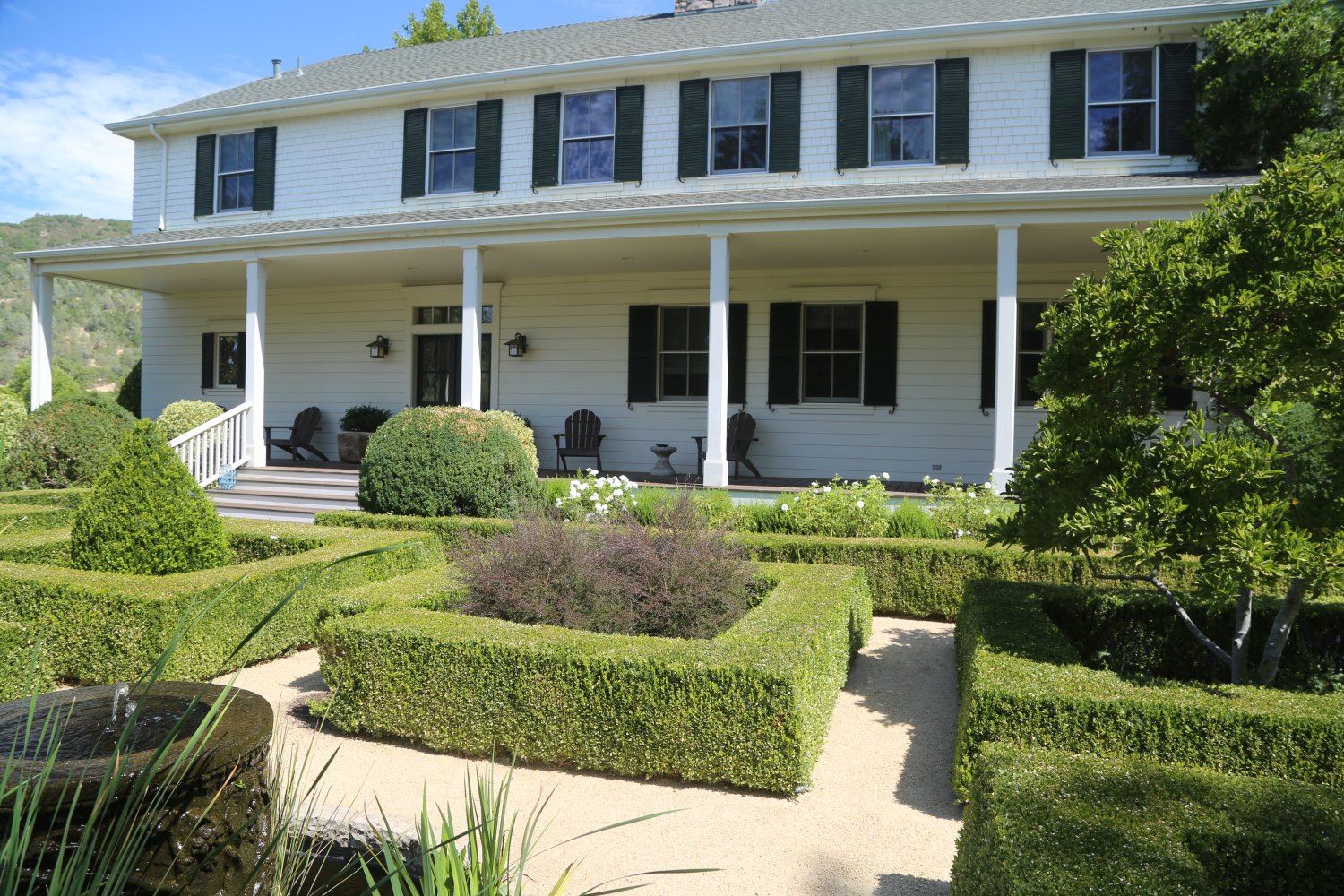
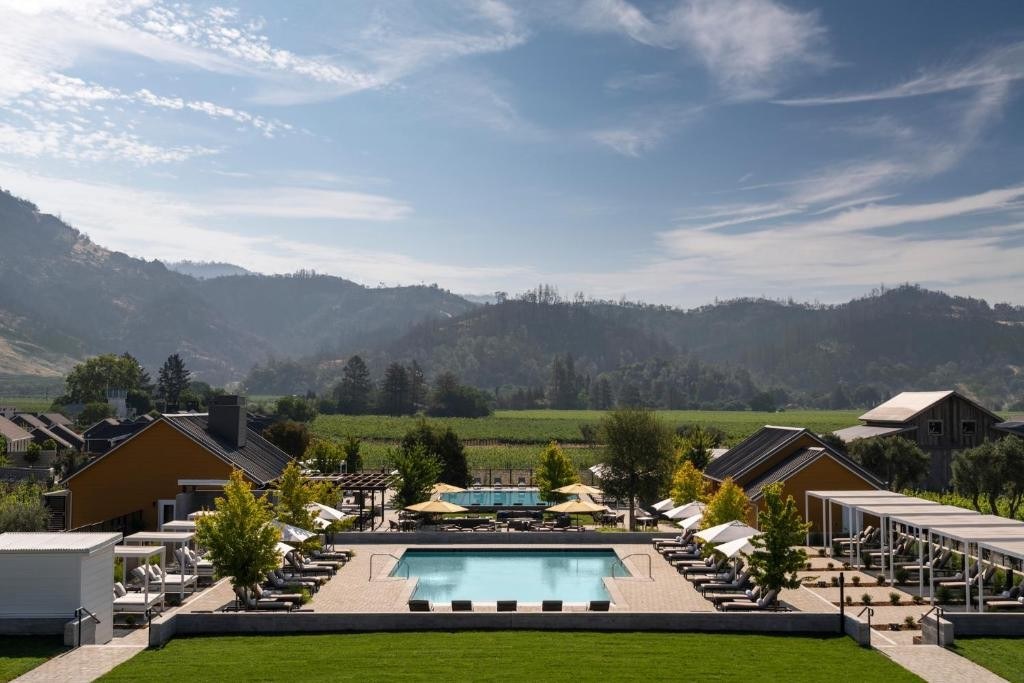
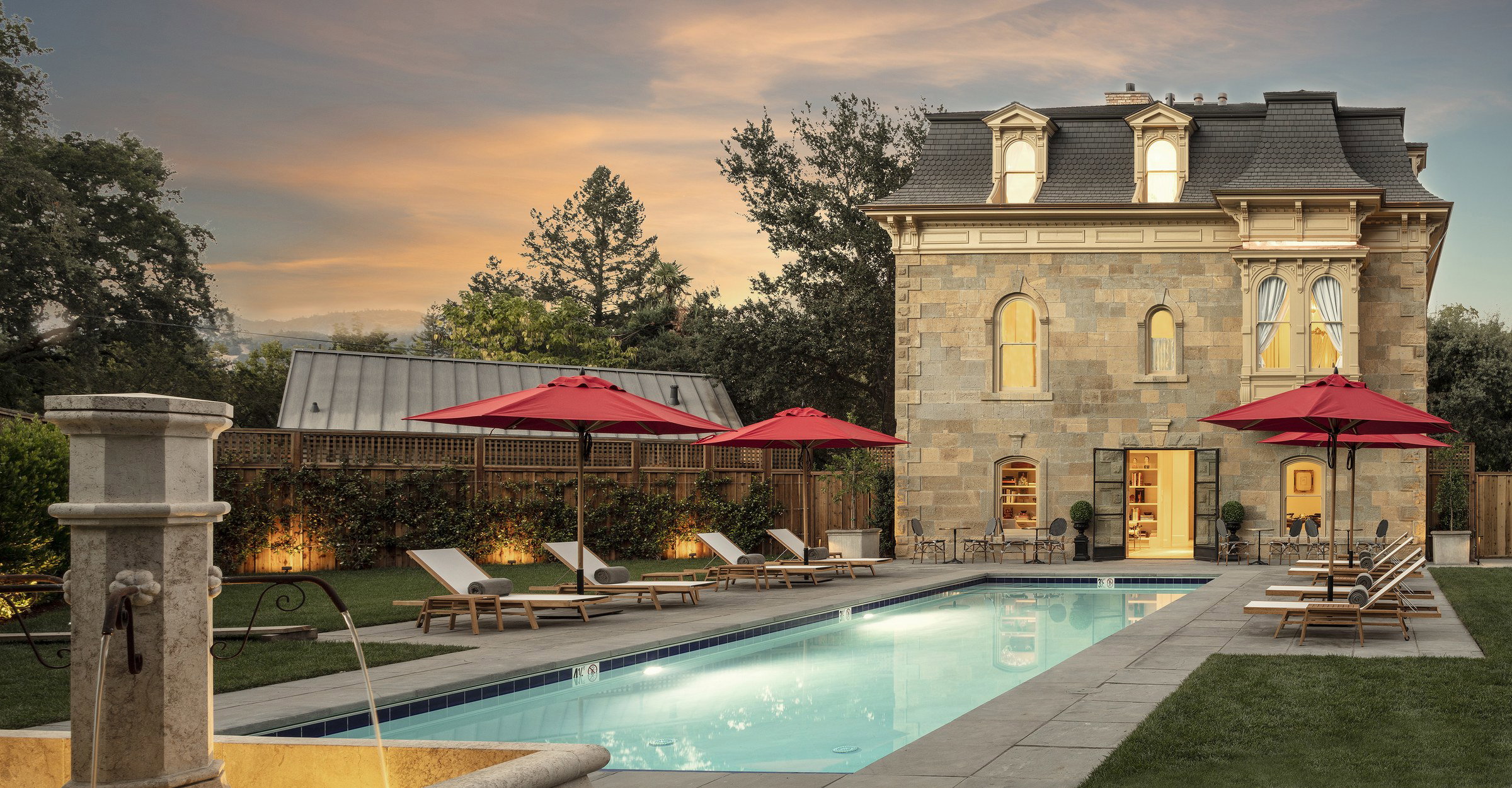
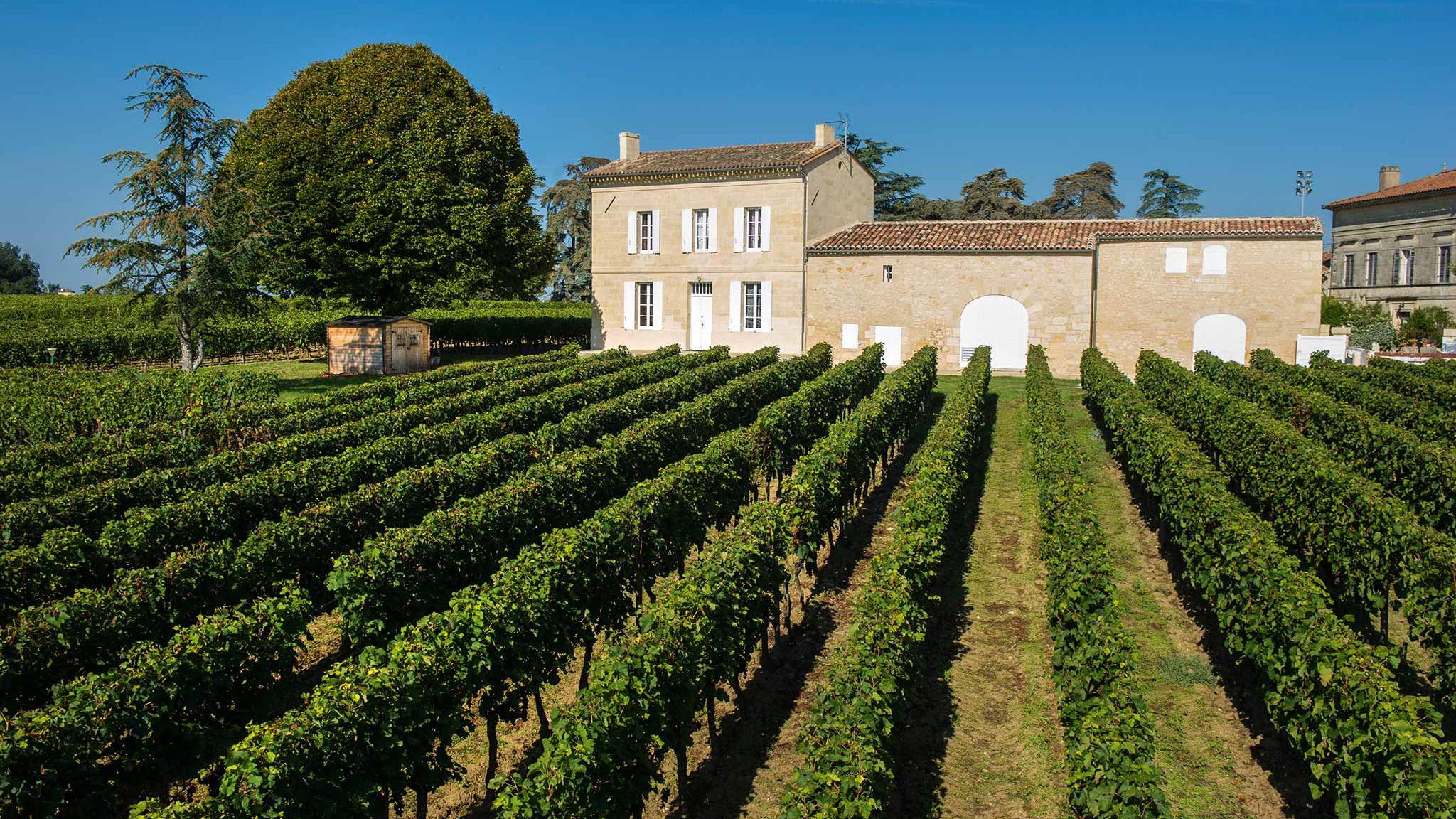
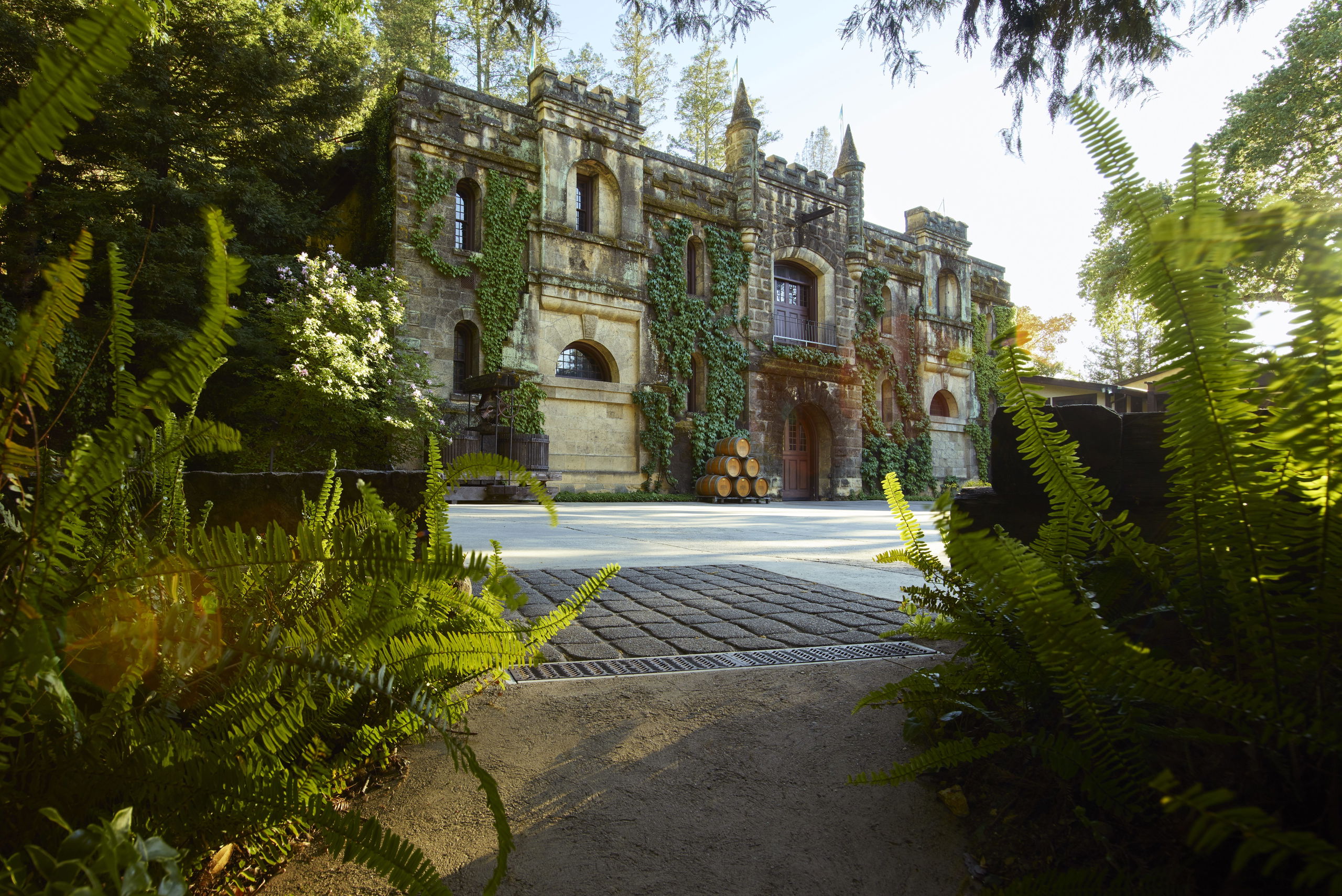
Beautiful historic grounds with a stone chateau, Chinese-style gardens, Jade Lake, and vineyard views create a serene, elegant atmosphere.
Tags
Vibe
Best For
Experience
View
At the Vineyard
- Appellation
- Calistoga AVA
- Varietals
- Chardonnay, Cabernet Sauvignon, Riesling, Sauvignon Blanc
- Tour Duration
- 60-90 minutes
- Visits
- By reservation
- Wine Styles
- Still White, Still Red
- Wine Club
- Available
Know before you go
Know Before You Go
- Getting there
- 1429 Tubbs Ln, Calistoga, CA 94515
Planning details
Location
Recognition and awards

Also consider
Where to look if this is not the right fit
If the schedule needs more flexibility, start with Tamber Bey Vineyards or Amici Cellars. If the goal is to stay close in Calistoga while changing the feel of the tasting, compare Carter Cellars, Newton Vineyard, and Jones Family Vineyards before finalizing the day.
Winery context
How it compares in Calistoga
Chateau Montelena Winery is the stronger choice when the day needs a heritage anchor and a more serious wine conversation. Tamber Bey Vineyards and Amici Cellars are better cross-shops if the priority is a less formal stop or easier itinerary flow, while this is the better fit for visitors who want the tasting to carry the weight of the day.
Carter Cellars, Newton Vineyard, and Jones Family Vineyards make sense for readers staying within Calistoga and trying to decide between a focused producer visit and a broader tasting-room circuit. Choose Chateau Montelena Winery for reputation and continuity; choose one of those peers if the group wants a different scale, mood, or easier backup plan.
For value, the smarter move is not automatically the lowest-fee tasting; it is the visit that matches the occasion. A couple celebrating something meaningful will likely get more from the historical weight here than from stacking several appointments. A larger group or a flexible weekend plan should shortlist the peers first, then decide whether this deserves the anchor slot.
Around this place
Discover more on Pearl
Unlock the full Chateau Montelena Winery guide in Pearl, including awards, comparisons, FAQs, planning details, and nearby places.
Compare Chateau Montelena Winery
| Venue | Location | Awards |
|---|---|---|
| Chateau Montelena Winery | Calistoga | 2026 Falstaff Winery Guide |
| Tamber Bey Vineyards | Oakville | No published awards |
| Amici Cellars | Rutherford | No published awards |
| Carter Cellars | Calistoga | No published awards |
| Newton Vineyard | Calistoga | 2026 Falstaff Winery Guide |
| Jones Family Vineyards | Calistoga | No published awards |
How Chateau Montelena Winery Calistoga Guide & Verdict compares with similar nearby venues.
FAQ
Frequently Asked Questions
What other wineries should I compare with Chateau Montelena Winery?
Tamber Bey Vineyards and Amici Cellars are natural names to check if you want to compare several winery options.
Is the wine club at Chateau Montelena Winery worth joining?
If you are considering a membership, review current wine club terms, pricing, allocations, and benefits directly with Chateau Montelena Winery, then weigh the commitment against other options such as Jones Family Vineyards or Newton Vineyard.
What is the flagship wine at Chateau Montelena Winery?
For a flagship bottling or current wine details, check Chateau Montelena Winery's official channels. Matt Crafton is the chef/owner, and the safest approach is to use current winery information when planning a visit.
Can Chateau Montelena Winery handle large groups?
Parties should coordinate directly with Chateau Montelena Winery before planning a group outing in Calistoga, especially for capacity and private-visit policies.