
Aubert Wines
Calistoga
Winery in Calistoga, United States
 Book with Pearl
The Read
Allocation-Tier Terroir Production
Why go
Aubert Wines is worth prioritizing for serious Napa collectors who want a focused Calistoga stop tied to Mark Aubert and a producer history that starts with the 2000 first vintage. It is not the right pick for a casual, flexible tasting crawl; plan around access, keep the day light, and compare easier Calistoga options before committing the itinerary.
About Aubert Wines
Aubert Wines is a Calistoga venue with Mark Aubert listed as chef/owner.
For planning, consider Aubert Wines as a Calistoga stop to confirm directly before making the rest of the day dependent on it. If you are comparing other wine-focused options, consider Aubert Wines alongside Tank Garage Winery, Clos Pegase Winery, Venge Vineyards, Eisele Vineyard, or La Sirena, depending on the kind of day you want to build.
Plan the day around confirmed details
Because Aubert Wines has a concise public profile, the safest approach is to confirm logistics through the venue before arranging transportation, meals, or additional stops. Do not assume a specific format, visit length, group policy, menu, price, or schedule unless the venue confirms it for your date.
For travelers building a full itinerary, use Our full Calistoga wineries guide first, then add meals and downtime from Our full Calistoga restaurants guide, Our full Calistoga hotels guide, Our full Calistoga bars guide, and Our full Calistoga experiences guide. That matters because a Calistoga day works best when appointments, meals, and transfers are kept realistic.
Who should prioritize it, and who should choose an easier option
If you need more flexible or more clearly documented planning details before committing, compare it with Venge Vineyards, Eisele Vineyard, La Sirena, Tank Garage Winery, and Clos Pegase Winery, or look more broadly at other wine-focused options.
The main planning takeaway is simple: build around the details you can confirm.
Planning details
- Location
- 333 Silverado Trl N, Calistoga, CA 94515
- Website
- aubertwines.com
- Phone
- +1 707-942-4333
The take
The Take
The Vibe
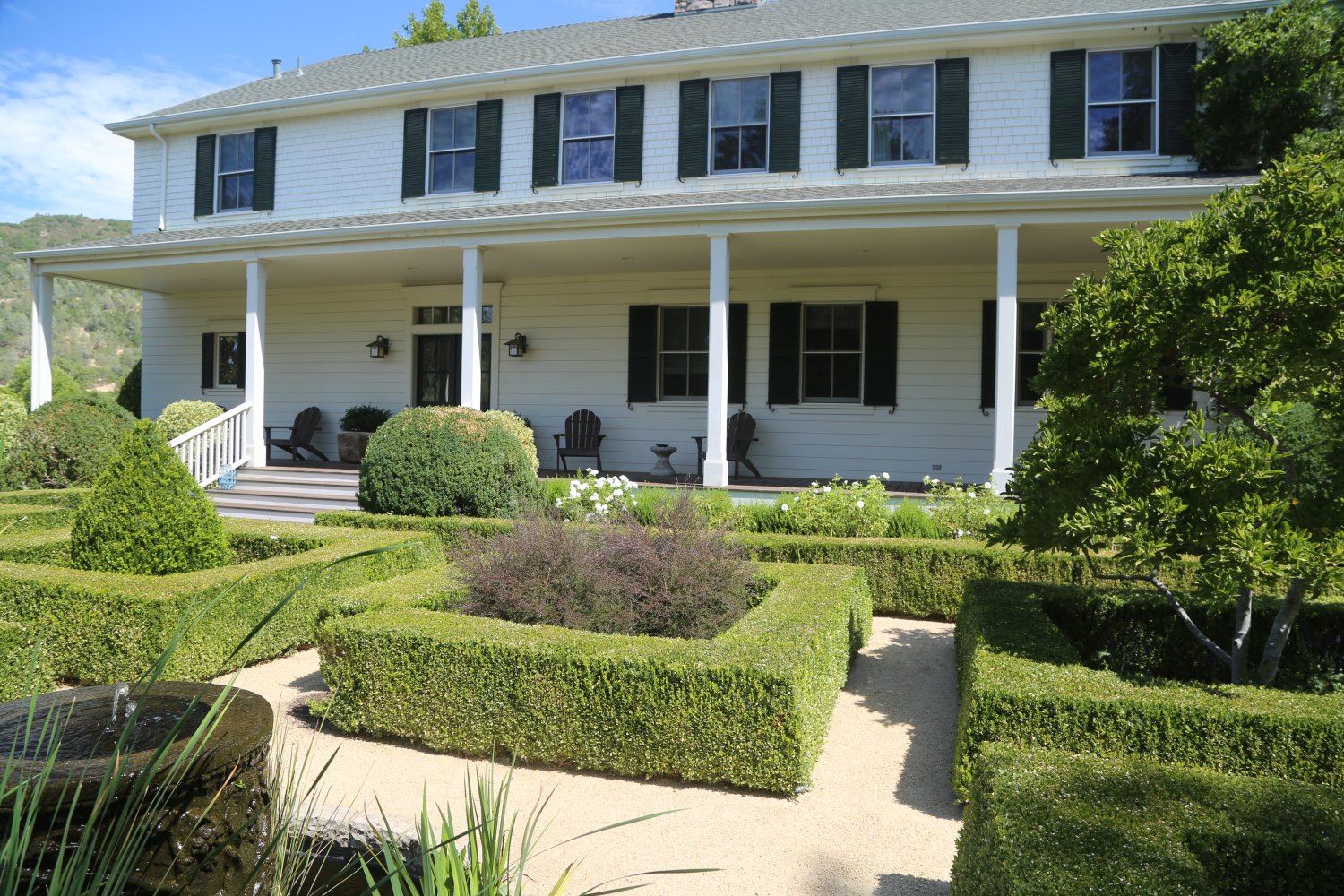
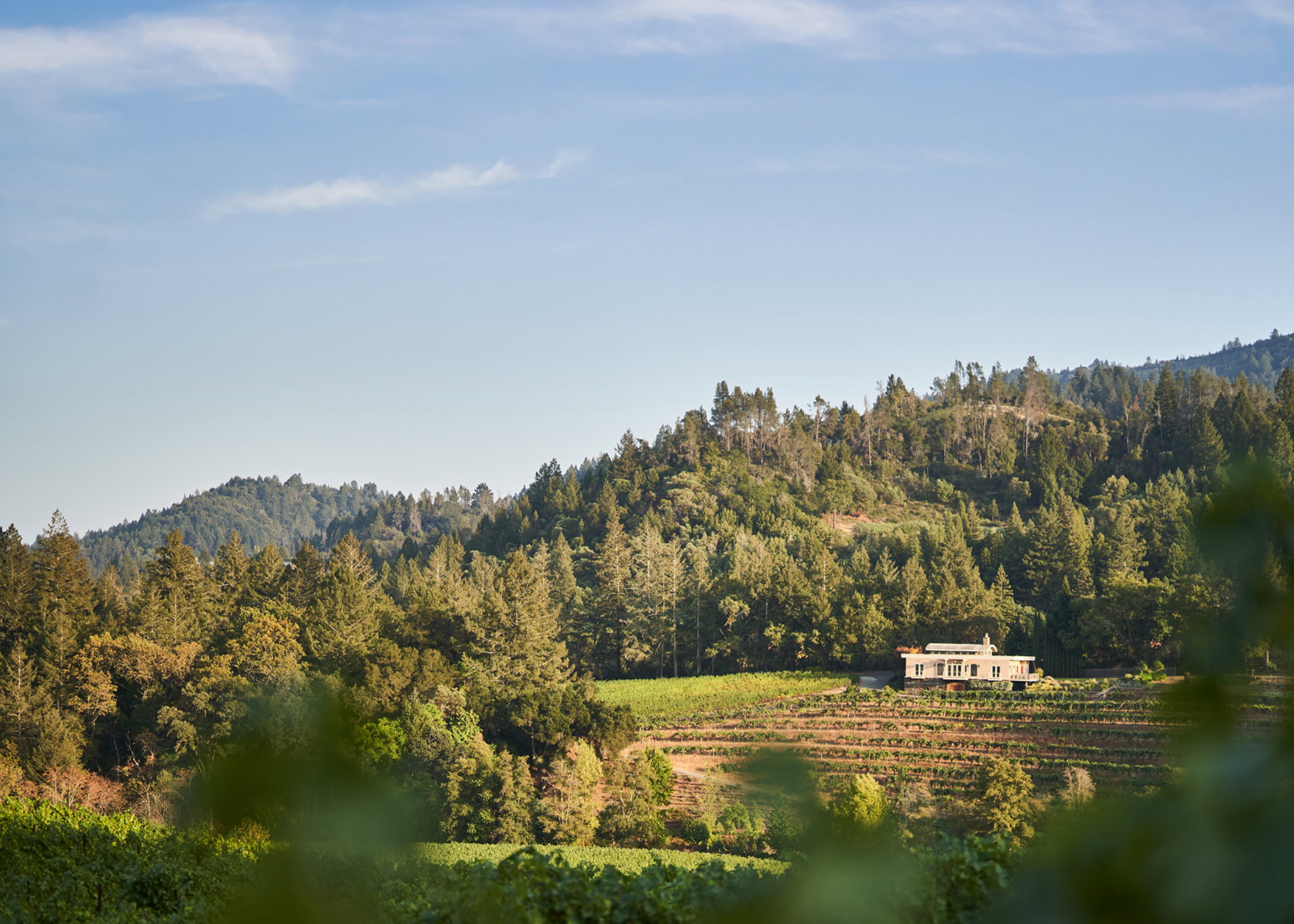
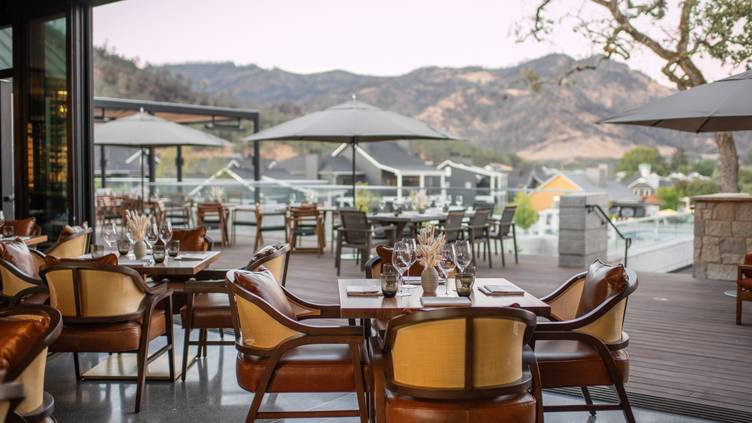
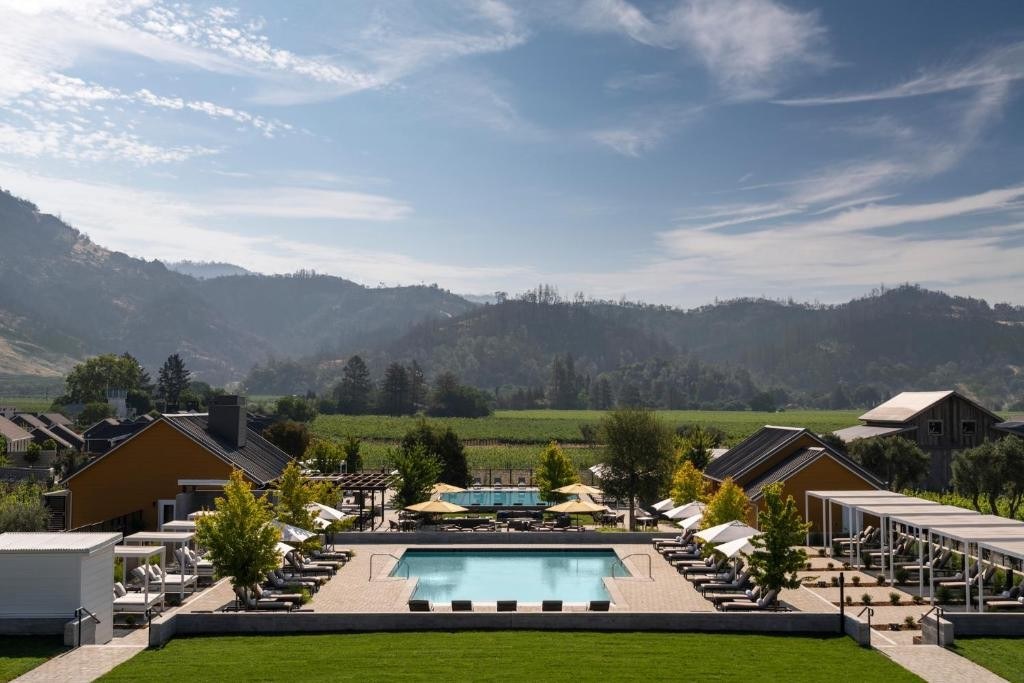
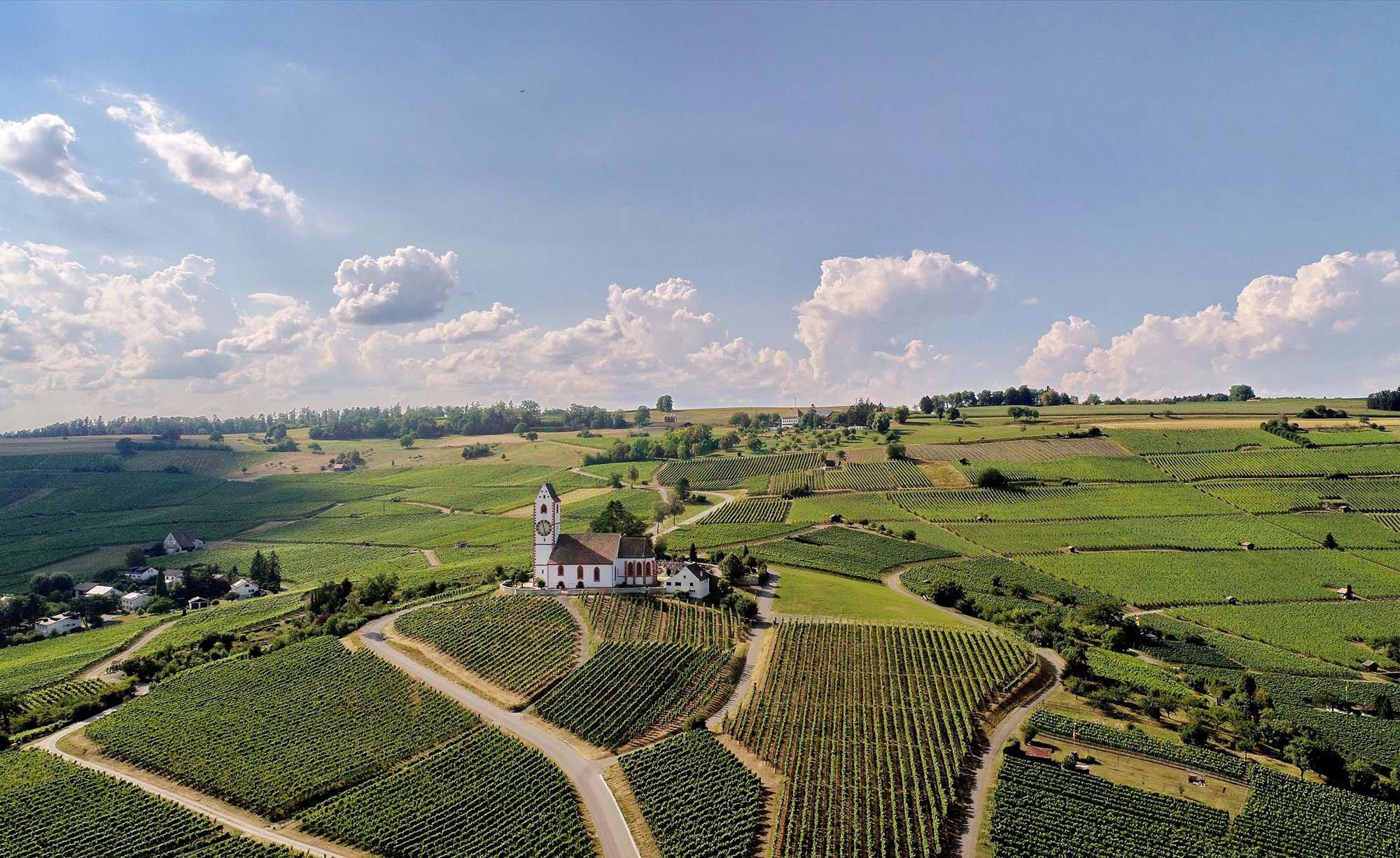
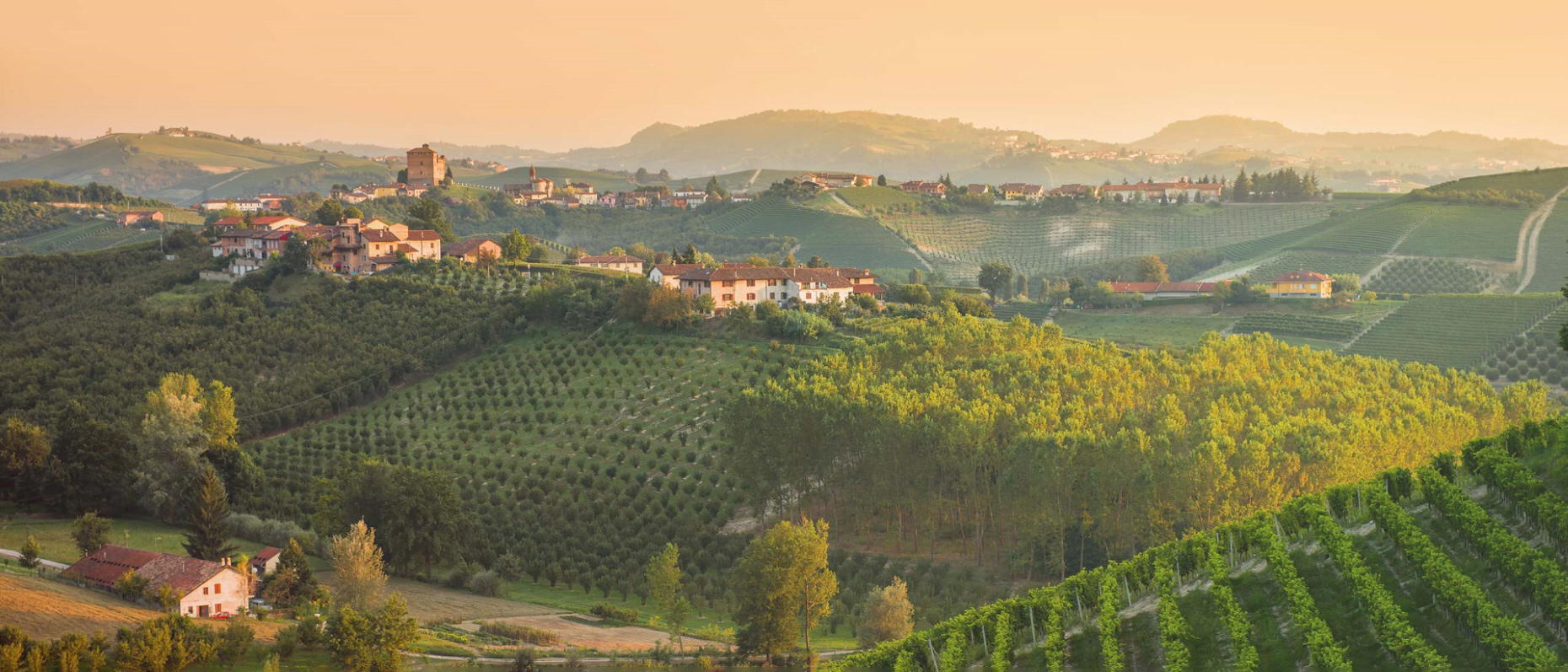
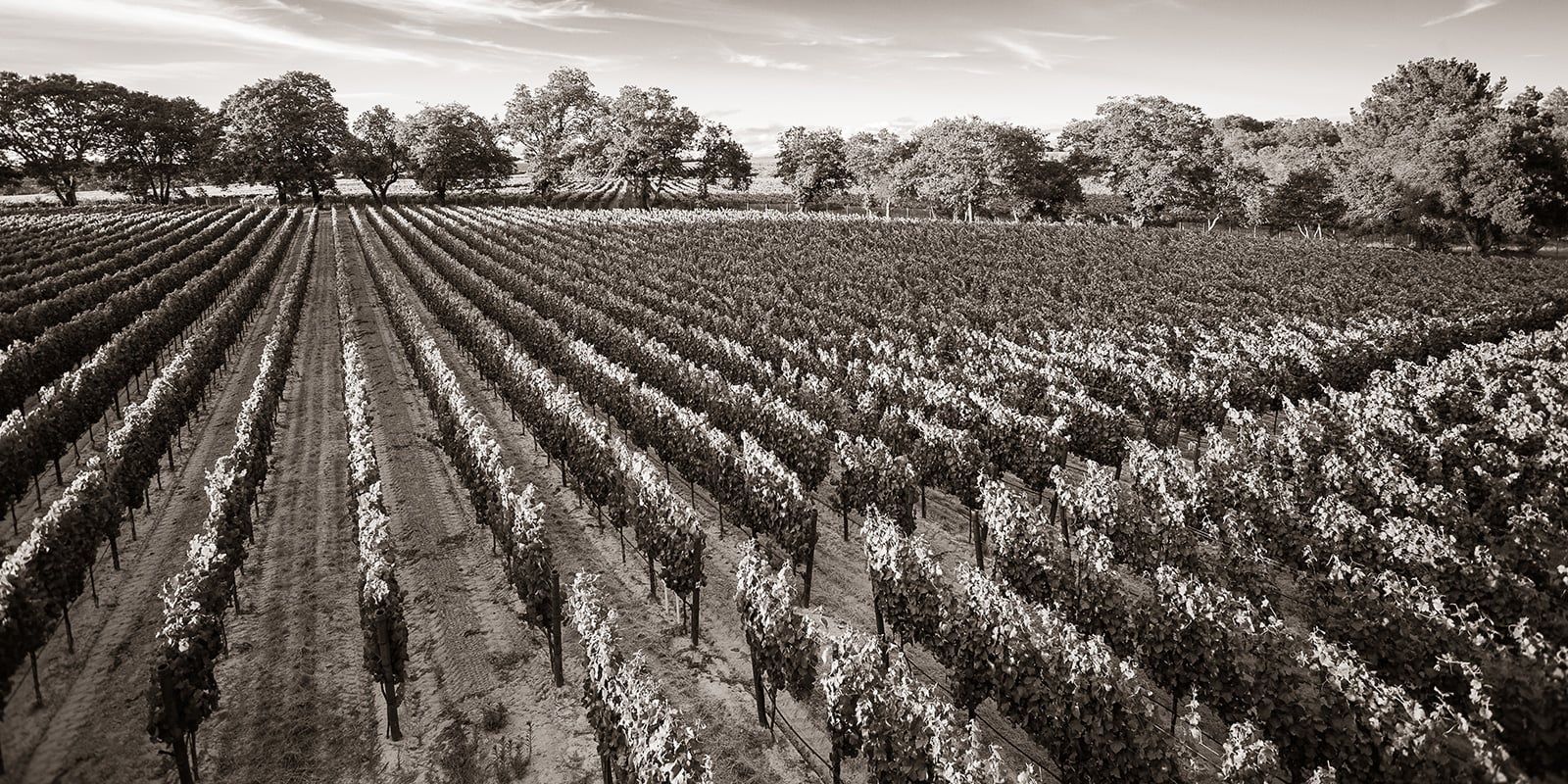
Aubert presents a restrained, terroir-first personality set on the northern Silverado Trail where volcanic soils meet cooling Mayacamas influence. The winery’s voice is measured and precise: winemaking is an exercise in discipline, not intervention. That philosophy extends to the visitor experience, which favors contemplation and close attention to site-driven Chardonnay and Pinot Noir expressions. The setting reads scenic and calm, with the surrounding vineyards and mountain influence shaping both the wines and the mood. Visitors encounter a refined, thoughtful environment more interested in subtlety and clarity than showmanship.
Best For
Aubert is best for serious Chardonnay and Pinot Noir enthusiasts, collectors, and anyone who values site-specific, allocation-driven wines. The profile suits people who want to explore how microclimate and soil inform varietal expression and who appreciate technical precision and restraint in winemaking. It also fits special-occasion buyers seeking limited-release bottles that are positioned at the refined end of the Napa spectrum. Because the house operates within a low-production, allocation-minded model, the place especially rewards committed wine students and collectors who follow releases closely.
Tasting Tips
Access to these labels is often earned through a mailing list, and bottles from this tier are rarely available on the secondary market at release price. Expect limited production and allocation-driven releases; securing bottles at release is the most reliable path. Focus orders on the single-vineyard Chardonnays and Pinot Noirs the winery emphasizes, and plan purchases with the understanding that availability is intentionally constrained to maintain quality and allocation.
Venue details
Ambiance
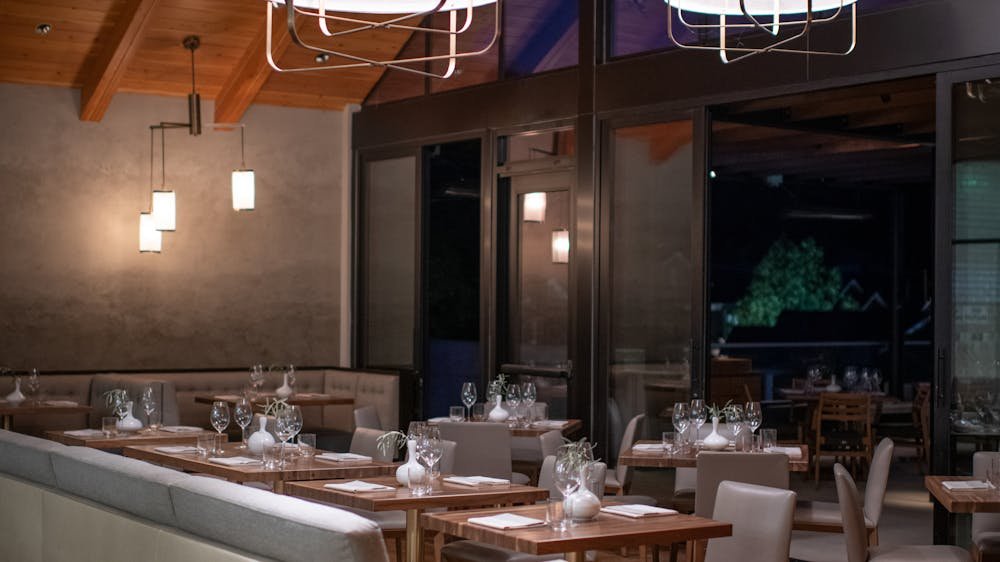
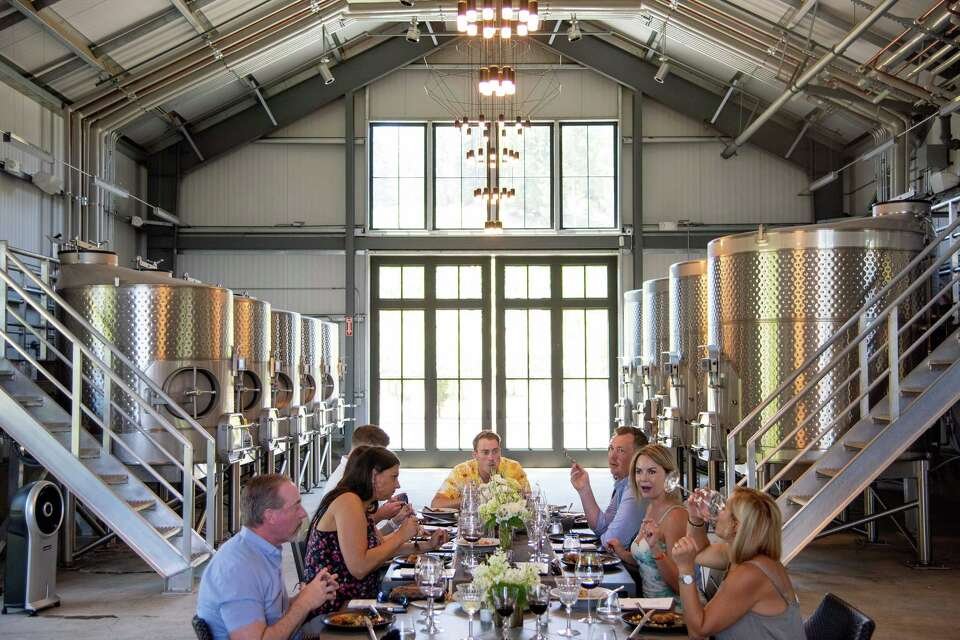
Intimate winery setting with an elegant, focused tasting atmosphere centered on premium, richly textured wines.
Tags
Vibe
Best For
Experience
View
At the Vineyard
- Appellation
- Sonoma Coast AVA
- Varietals
- Chardonnay, Pinot Noir
- Tour Duration
- 60-90 minutes
- Visits
- By appointment only
- Wine Styles
- Still White, Still Red
- Shipping
- Available
- Wine Club
- Available
Know before you go
Know Before You Go
- Getting there
- 333 Silverado Trl N, Calistoga, CA 94515
Planning details
Location
Recognition and awards

Also consider
Where to go if this does not fit the plan
If access does not line up, choose Venge Vineyards for another serious Calistoga producer stop. If the group needs an easier, more social winery day, choose Tank Garage Winery instead.
Winery context
How Aubert Wines compares in Calistoga
Aubert Wines is the more collector-oriented choice if the day is built around producer reputation and a focused Silverado Trail stop. Eisele Vineyard belongs in the same serious-planning lane, while Venge Vineyards is the better cross-shop for visitors who still want a high-intent Napa appointment but with a different producer profile.
For flexibility and atmosphere, Tank Garage Winery is the easier call for a lively Calistoga stop, especially if the group includes less wine-focused travelers. Clos Pegase Winery is a stronger fit when architecture, grounds, and a more broadly accessible tasting experience matter as much as what is in the glass.
La Sirena is the better backup when the itinerary needs another Napa producer without anchoring the entire day to one difficult slot. Choose Aubert Wines when the trip is about depth and collecting; choose Tank Garage Winery or Clos Pegase Winery when the priority is easier planning, group comfort, and a more relaxed pace.
Around this place
Discover more on Pearl
Unlock the full Aubert Wines guide in Pearl, including awards, comparisons, FAQs, planning details, and nearby places.
Compare Aubert Wines
| Venue | Location | Awards |
|---|---|---|
| Aubert Wines | Calistoga | 2026 Falstaff Winery Guide |
| Eisele Vineyard | Calistoga | 2026 Falstaff Winery Guide |
| Venge Vineyards | Calistoga | No published awards |
| La Sirena | St. Helena | No published awards |
| Tank Garage Winery | Calistoga | No published awards |
| Clos Pegase Winery | Calistoga | No published awards |
How Aubert Wines Calistoga compares with similar nearby venues.