

Amarischia
Zona Industriale Pascarola, Caivano
Winery in Caivano, Italy
 Book with Pearl
The Read
Artisan Italian Spirits
Why go
Amarischia is worth prioritizing if the goal is a serious wine-focused stop in Caivano, not a scenic tasting-room day. Booking looks difficult, so it works better as the anchor of a planned itinerary than as a casual add-on; compare it with Tenuta Cavalier Pepe if you want a more traditional vineyard-style outing.
About Amarischia
Amarischia is a Pearl 1 Star Prestige (2025) venue in Caivano. For specific details about format, service, pricing, hours, menu, beverages, reservations, and visitor access, please check directly with the venue.
For planning, Amarischia is a Caivano venue to research directly before building an itinerary around it. If you are comparing options, keep the comparison broad and do not assume that Amarischia offers a particular style of visit unless you have confirmed it with the venue.
Plan your visit
The reliable basis for considering Amarischia is simple: it is in Caivano and has Pearl 1 Star Prestige (2025) recognition. Any more specific decision, when to go, whether booking is required, what is served, or how long to allow, should be checked directly before visiting.
For broader context, Amarischia can be considered alongside names such as Antica Distilleria Petrone, Villa Massa Limoncello, Strega Alberti, Limoncello di Capri, and Tenuta Cavalier Pepe. These comparisons are useful as reference points, but Amarischia should be evaluated on its own Caivano listing and Pearl 1 Star Prestige (2025) recognition.
Planning details
- Location
- Zona Industriale, Caivano, NA 80023, Italy
The take
The Take
The Vibe
Amarischia reads like a discovery: a serious restaurant tucked into Caivano’s industrial fringe that earns attention for what’s on the plate rather than its setting. The copy frames the gap between location and achievement as the venue’s defining character — an unlikely, quietly confident destination. With a Pearl 1 Star Prestige designation, the kitchen presents itself with a measured sophistication; the narrative emphasises terroir-minded cooking anchored in Campania’s distinctive soils rather than any postcard scenery. The overall impression is of a refined, under-the-radar spot that rewards diners who come for rigorous, place-driven food.
Best For
This is a place to seek out when the focus is the food. Amarischia’s prestige and plate-centered reputation make it well suited to special-occasion meals and celebratory dinners where quality and terroir matter more than a scenic location. Because the restaurant deliberately contrasts its industrial address with highly accomplished cooking, it attracts diners who value thoughtful execution and regional specificity — guests who want a serious Campanian culinary statement rather than tourist-facing views or novelty settings.
Tasting Tips
Let the kitchen’s focus on Campanian terroir guide your choices: the write-up highlights volcanic and alluvial influences and references signature local elements such as San Marzano tomatoes and Lacryma Christi wines. Prioritise dishes that promise local provenance and mineral intensity, and approach the meal as a plate-forward exploration of regional ingredients. Given the restaurant’s prestige, consider a curated multi-course experience or the chef’s selections to better understand how Amarischia translates Campanian geology into flavour.
Venue details
Ambiance
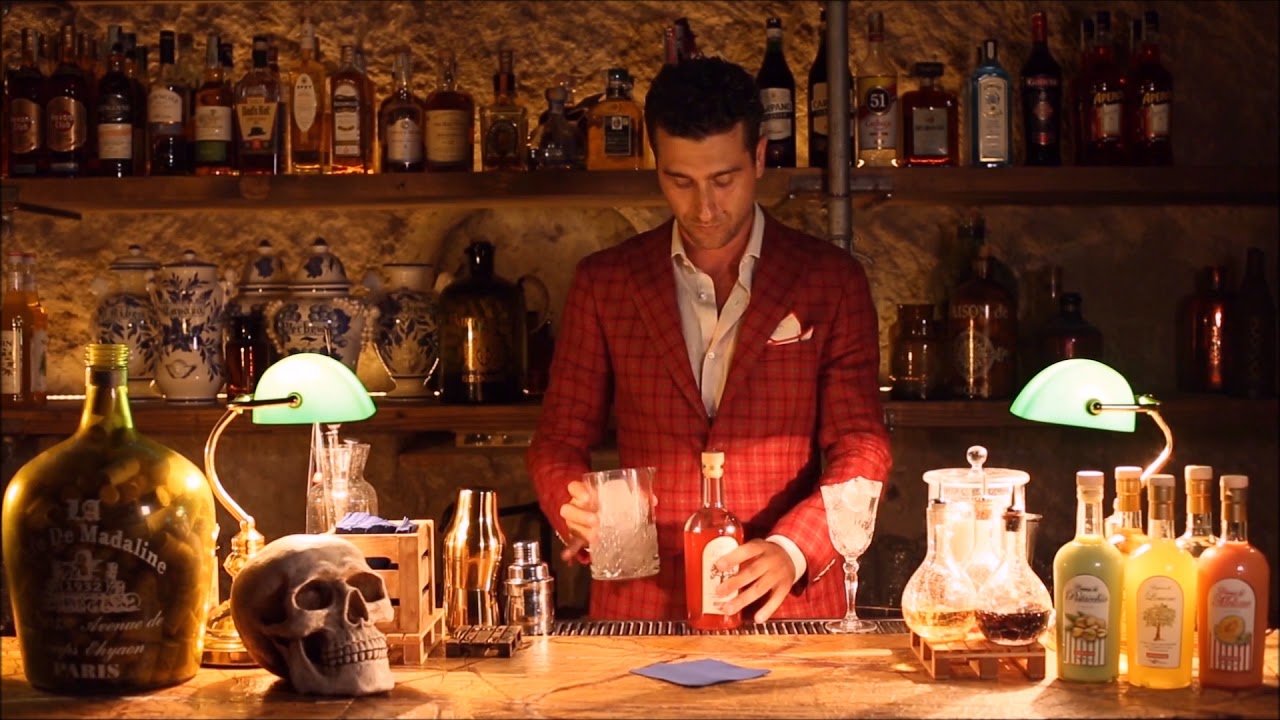
Industrial production-site atmosphere; the available sources place it in Zona Industriale/Pascarola rather than a scenic estate.
Tags
Vibe
Best For
Experience
At the Vineyard
- Wine Club
- Not available
Know before you go
Know Before You Go
- Getting there
- Zona Industriale, Caivano, NA 80023, Italy
Planning details
Location
Zona Industriale, Caivano, NA 80023, Italy · Directions
Also consider
Also Consider
- Antica Distilleria Petrone, Notable alternative
- Villa Massa Limoncello, Notable alternative
- Strega Alberti, Notable alternative
- Limoncello di Capri, Notable alternative
- Tenuta Cavalier Pepe, Notable alternative
Winery context
Amarischia is the stronger choice for a wine-led Caivano plan, especially if the visit is about producer focus rather than a broader liqueur or spirits experience. Antica Distilleria Petrone, Villa Massa Limoncello, Strega Alberti, and Limoncello di Capri make more sense for readers who want a spirits or liqueur comparison set.
For value, Amarischia is worth the effort when the booking itself is part of the commitment: plan ahead and do not treat it as the easy stop. Tenuta Cavalier Pepe is the better cross-shop for a more classic winery day, while Amarischia is better suited to visitors staying close to Caivano or building a tight Naples-area itinerary.
Explore Caivano
Around this place
Discover more on Pearl
Unlock the full Amarischia guide in Pearl, including awards, comparisons, FAQs, planning details, and nearby places.
Compare Amarischia
| Venue | Location | Awards |
|---|---|---|
| Amarischia | Caivano | No published awards |
| Antica Distilleria Petrone | Mondragone | No published awards |
| Villa Massa Limoncello | Sorrento | No published awards |
| Strega Alberti | Benevento | No published awards |
| Limoncello di Capri | Capri | No published awards |
| Tenuta Cavalier Pepe | Sant'Angelo All'Esca | 2026 Falstaff Winery Guide2025 World's 50 Best Vineyards · #812024 World's 50 Best Vineyards · #14 |


How Amarischia Caivano compares with similar nearby venues.
FAQ
Frequently Asked Questions
When is the best time to visit Amarischia?
Amarischia is in Caivano and holds Pearl 1 Star Prestige (2025). Please confirm current hours directly before planning a visit.
Do I need a reservation at Amarischia?
Because Amarischia is a Pearl 1 Star Prestige (2025) venue in Caivano, it is sensible to check directly with the venue regarding reservation requirements before going.
What other venues can I compare with Amarischia?
Tenuta Cavalier Pepe is one possible point of comparison, as are Antica Distilleria Petrone, Villa Massa Limoncello, Strega Alberti, Limoncello di Capri. Amarischia itself is the Caivano venue with Pearl 1 Star Prestige (2025).
Is there a membership or club at Amarischia?
Amarischia is in Caivano and has Pearl 1 Star Prestige (2025). For information about a membership, club, or recurring access program, please check directly with the venue.
Does Amarischia ship products?
If shipping or delivery matters to your plans, contact Amarischia directly before relying on it.
What is Amarischia best known for?
Amarischia is a Pearl 1 Star Prestige (2025) venue in Caivano. For details on specific menu items, products, service style, or specialties, please contact the venue directly.