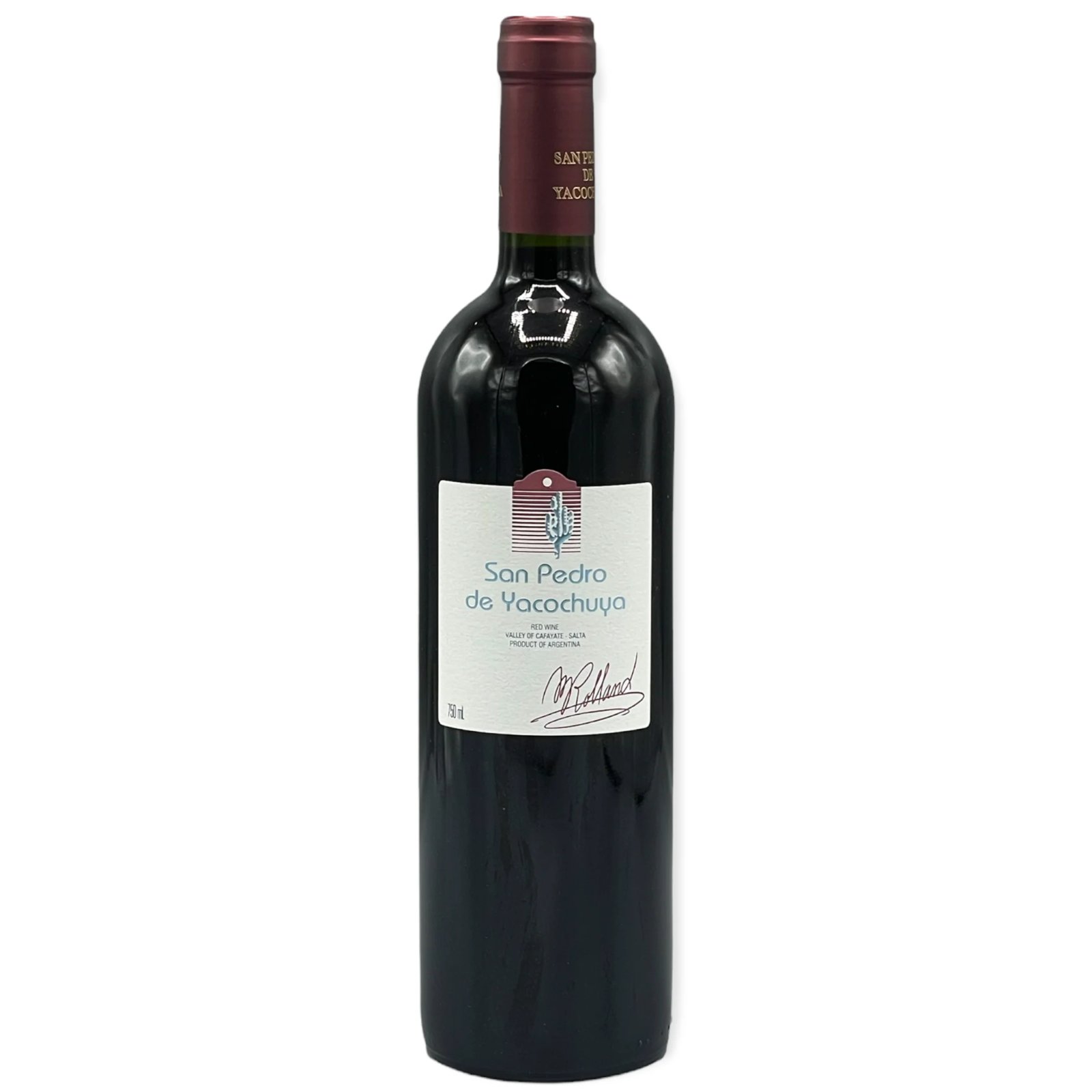
San Pedro de Yacochuya
Cafayate
Winery in Cafayate, Argentina
 Book with Pearl
The Read
Calchaquí Altitude Viticulture
Why go
San Pedro de Yacochuya is the Cafayate choice for travelers prioritizing serious Salta wine context over a casual, easy tasting circuit. Put it high on the list if the trip is built around altitude wines and producer depth; choose Bodega Nanni or Domingo Hermanos instead if convenience and a softer group experience matter more.
About San Pedro de Yacochuya
San Pedro de Yacochuya is a Cafayate venue with Pearl 2 Star Prestige recognition for 2025. That recognition gives visitors a clear reason to consider it when deciding whether to include the venue in a wider Cafayate itinerary. Plan it as a stop that benefits from checking current arrangements directly rather than relying on assumptions about format, services, or amenities. In practical terms, it is better approached as a place to contact before arrival than as a venue where every element of the visit can be inferred in advance.
For travelers comparing Cafayate options, San Pedro de Yacochuya can be considered alongside Bodega Nanni, Domingo Hermanos, Bodega Etchart, El Porvenir de Cafayate, and Finca Quara. Those names give visitors a useful frame of reference when comparing different Cafayate experiences. Keep the planning simple: confirm the current visit details, leave flexibility in the day, and avoid building the itinerary around specifics you have not checked. A measured approach works best, especially if the day is meant to include more than one Cafayate venue and timing needs to remain realistic.
A Cafayate stop to plan with confirmed details in mind
The safest way to approach San Pedro de Yacochuya is to treat it as a Cafayate venue where advance confirmation matters. The dress code is casual, so visitors do not need to plan for formal attire. That makes packing and day-of preparation straightforward, but it should not be stretched into assumptions about the rest of the experience. For broader trip logistics, use Our full Cafayate hotels guide and Our full Cafayate bars guide to shape the rest of the stay.
Before you go, check practical details such as visit format, timing, and on-site services. This is especially important for travelers who like to plan each stop closely, or for groups where expectations need to be aligned before setting out. If the day includes other Cafayate venues, compare the current information for San Pedro de Yacochuya with Bodega Etchart, Bodega Nanni, Domingo Hermanos, El Porvenir de Cafayate, or Finca Quara and choose the plan that best fits your schedule. The point is not to overcomplicate the visit, but to make sure the available arrangements match the way you want the day to unfold.
Who should choose it over the easier Cafayate names
Choose San Pedro de Yacochuya if a Pearl 2 Star Prestige-recognized Cafayate stop is the priority and you are comfortable confirming practical details in advance. It suits travelers who are willing to do that extra check and who value the 2025 recognition as part of the reason for going. If the group needs highly specific information about services, booking rules, or visit format before committing, compare it with other Cafayate options and use the venue's official channels before finalizing plans. That is the cleanest way to avoid mismatched expectations while still keeping San Pedro de Yacochuya in consideration.
The appeal is direct: San Pedro de Yacochuya is a Cafayate venue with Pearl 2 Star Prestige recognition in 2025 and a casual dress code. Those are the key points around which to plan. Beyond that, keep expectations flexible and check the practical details that matter most to your visit. If the recognition is enough to make the venue interesting, it can sit naturally within a Cafayate itinerary; if the decision depends on more specific details, confirm those details first and then decide whether it belongs in the day.
Planning details
- Location
- Ruta Provincial N°2 Camino a Yacochuya, CP: 4427, Cafayate, Salta, Argentina
- Website
- yacochuya.com.ar
- Phone
- +543868460101
The take
The Take
The Vibe
San Pedro de Yacochuya reads as a remote, terroir-first winery where altitude is the dominant design principle. The prose foregrounds measurable agronomic effects — higher UV, lower humidity, concentrated skins — and treats landscape as an active partner in winemaking rather than mere scenery. That technical focus and the estate’s recognition as a prestige producer give the property a disciplined, sophisticated character: quiet and exacting rather than flashy, with a sense of place that shapes every bottle. Visitors encounter a restrained, site-driven sensibility that privileges precision and vineyard specificity over volume or spectacle.
Best For
This estate is best for visitors who come to learn and taste with intention. The copy stresses high-altitude viticulture and site specificity, making the winery a natural stop for anyone interested in the agronomic drivers of Argentine wines and how elevation translates to structure and concentration. It suits solo explorers or small groups focused on education and careful tasting rather than loud socializing. Because the property operates on a narrower, precision-led register, it rewards guests who want to compare vineyard-driven expressions and understand the technical side of production.
Tasting Tips
Prioritize bottles that emphasize vineyard source and site expression: the text frames the producer as one defined by vineyard precision rather than broad commercial blends. Ask guides about the specific parcels and how altitude and diurnal swings influence tannin, acidity and skin concentration; that line of questioning is directly aligned with the winery’s stated strengths. Also factor travel time into your plans — the road climbs out of Cafayate — and allow for a focused tasting that explores the estate’s site-specific bottlings and the features that merited its prestige recognition.
Venue details
Ambiance
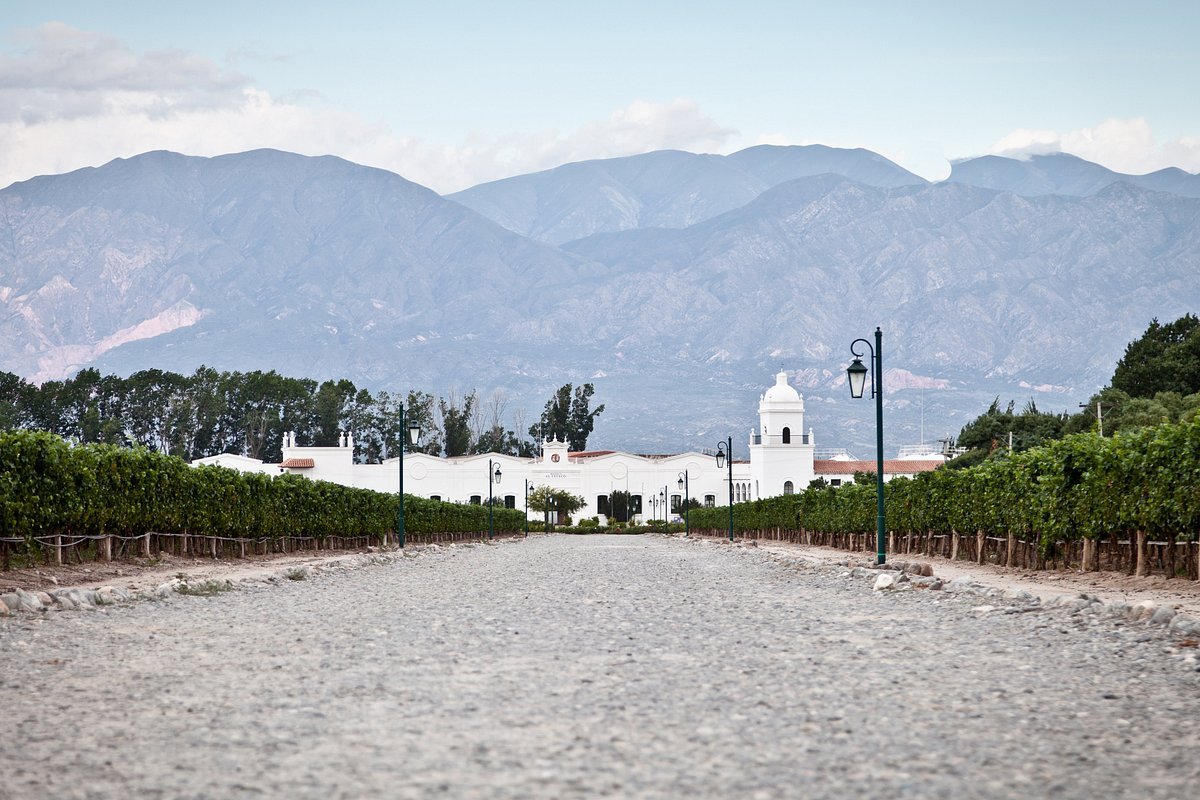
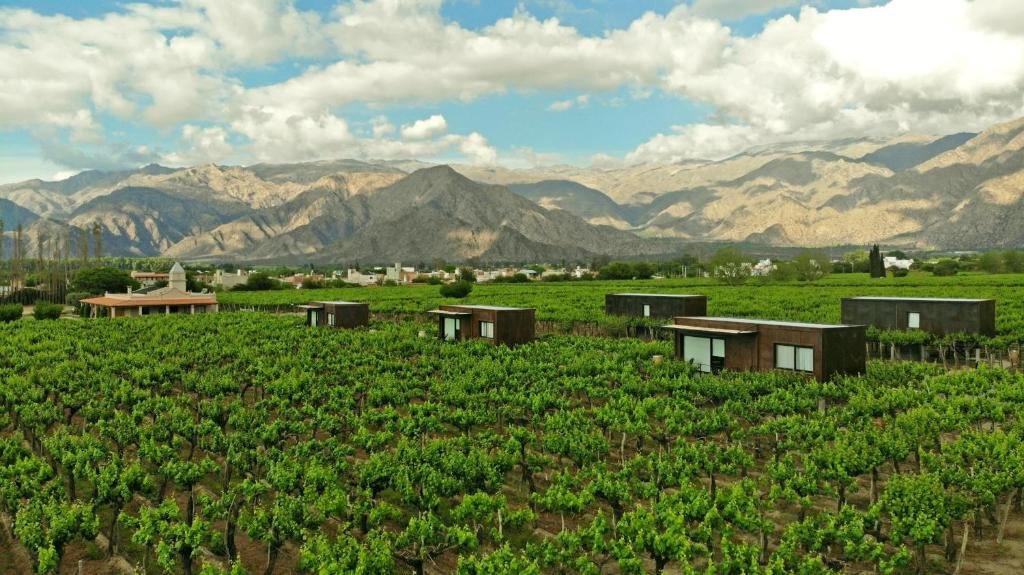
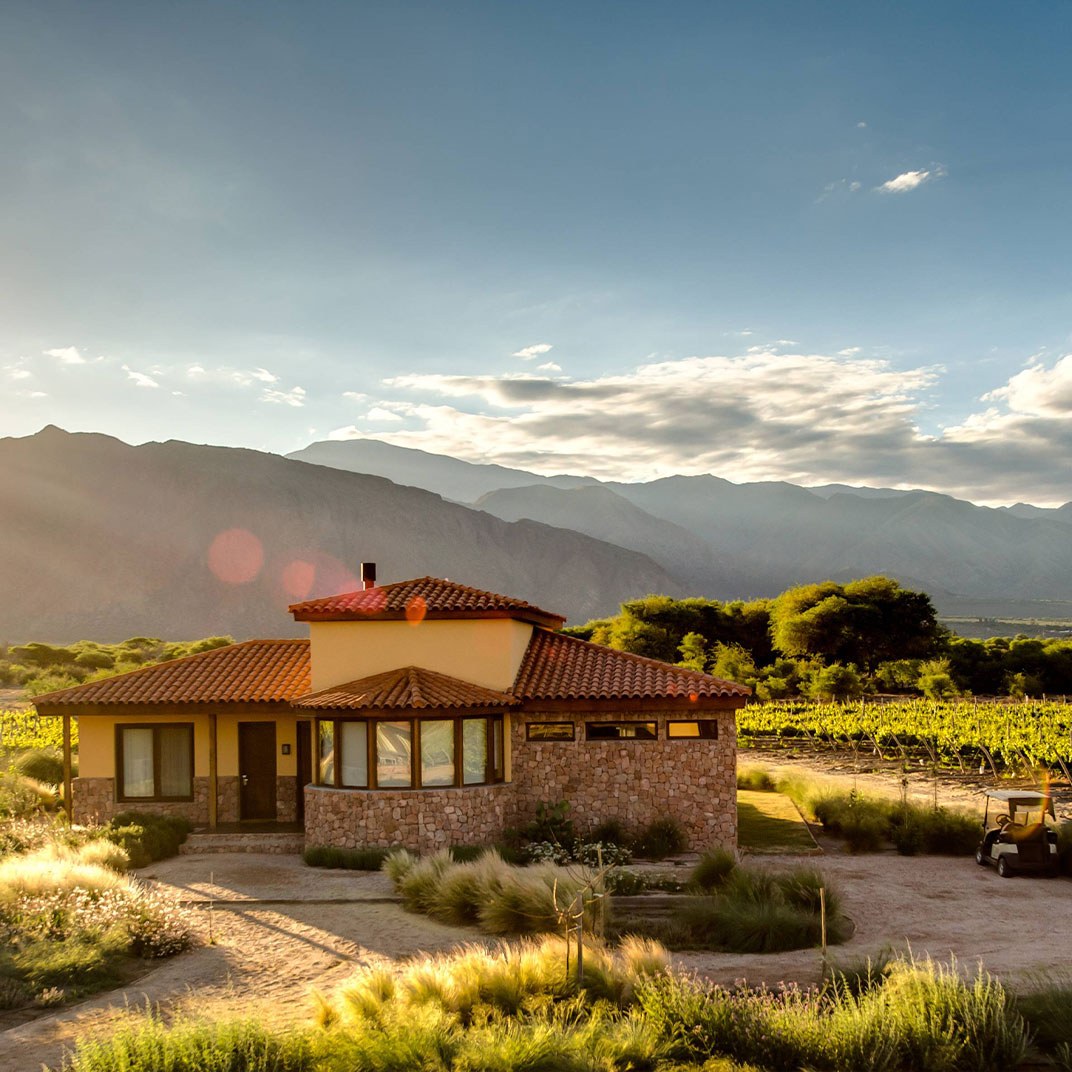
Scenic mountain vineyard views with a quiet, historic family-run atmosphere.
Tags
Vibe
Best For
Experience
Sourcing
View
At the Vineyard
- Appellation
- Cafayate Valley
- Varietals
- Malbec, Cabernet Sauvignon, Torrontés, Tannat, Cabernet Franc
- Tour Duration
- 60-90 minutes
- Tour Languages
- Spanish
- Visits
- By reservation
- Farming
- Sustainable
- Production
- Small producer
- Wine Styles
- Still Red, Still White
- Food Pairing
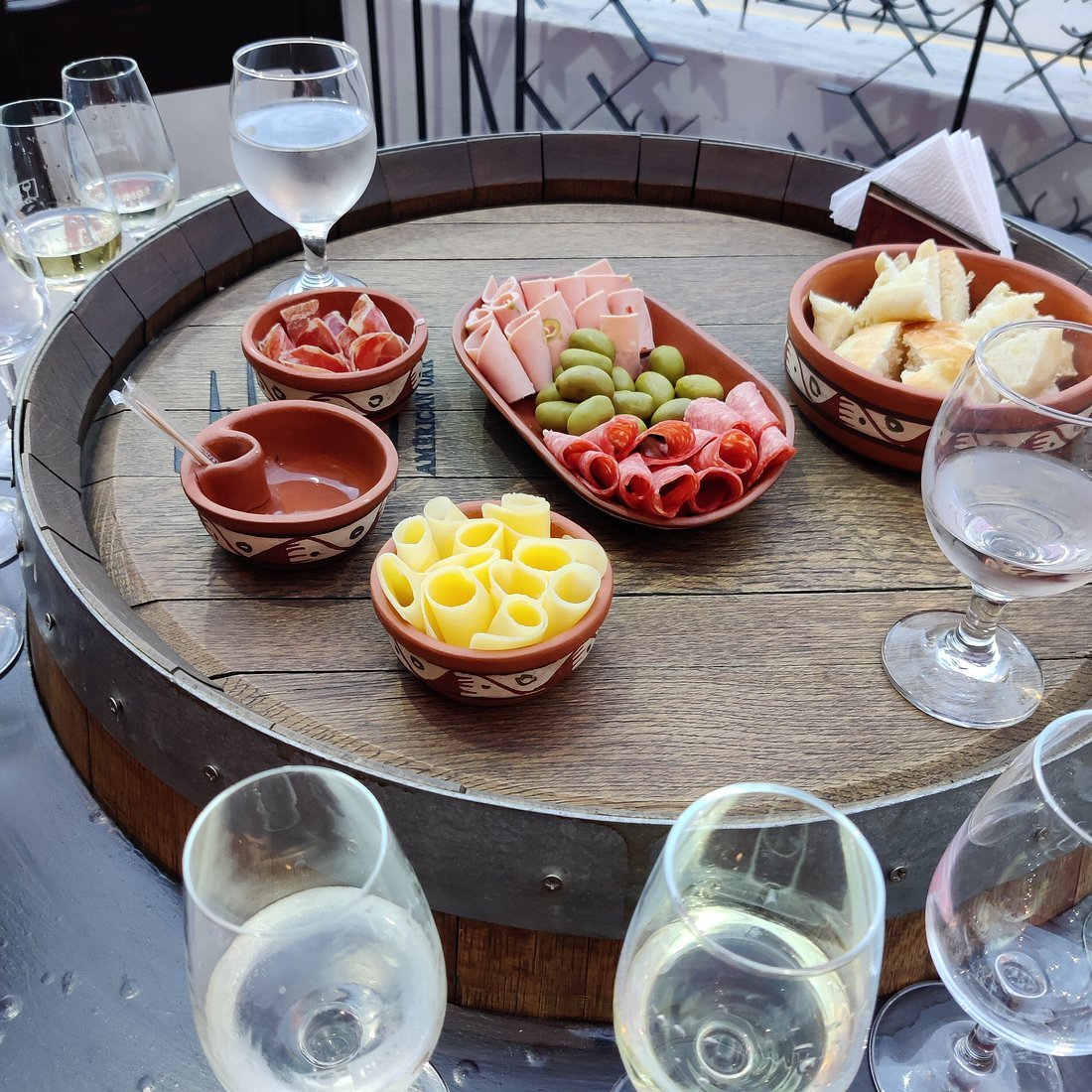
- Offered
- Wine Club
- Not available
Know before you go
Know Before You Go
- Getting there
- Ruta Provincial N°2 Camino a Yacochuya, CP: 4427, Cafayate, Salta, Argentina
Planning details
Location
Ruta Provincial N°2 Camino a Yacochuya, CP: 4427, Cafayate, Salta, Argentina · Directions
Also consider
Where to go if this does not fit the plan
If booking or timing is the issue, try Bodega Nanni for an easier Cafayate stop or El Porvenir de Cafayate for a serious alternative with a more composed visitor feel. For a broader regional overview, Bodega Etchart is the safer add-on.
Winery context
How it compares in Cafayate
San Pedro de Yacochuya is the more serious pick if the trip is built around producer credibility and a deeper read on Cafayate wine. Domingo Hermanos and Bodega Nanni are easier fits for a relaxed tasting day, especially for groups that want a simpler plan and less pressure around logistics.
For value and accessibility, Finca Quara and Bodega Etchart are safer cross-shops. They make more sense when the goal is a broad Cafayate overview rather than a narrower producer-led stop. Choose San Pedro de Yacochuya when wine depth matters more than convenience.
El Porvenir de Cafayate is the closest alternative for travelers who want a more composed experience without leaving the serious-wine lane. If the main concern is booking friction, start there or at Bodega Nanni; if the main concern is a stronger sense of Cafayate's high-altitude identity, keep San Pedro de Yacochuya on the shortlist.
Explore Cafayate
Around this place
Discover more on Pearl
Unlock the full San Pedro de Yacochuya guide in Pearl, including awards, comparisons, FAQs, planning details, and nearby places.
Compare San Pedro de Yacochuya
| Venue | Location | Awards |
|---|---|---|
| San Pedro de Yacochuya | Cafayate | No published awards |
| Domingo Hermanos | Cafayate | No published awards |
| Bodega Nanni | Cafayate | No published awards |
| Finca Quara | Cafayate | No published awards |
| El Porvenir de Cafayate | Cafayate | 2026 Falstaff Winery Guide |
| Bodega Etchart | Cafayate | No published awards |

How San Pedro de Yacochuya Cafayate compares with similar nearby venues.
FAQ
Frequently Asked Questions
Are membership or regular purchase options available at San Pedro de Yacochuya?
What specific offering is San Pedro de Yacochuya known for?
When is the best time to visit San Pedro de Yacochuya?
Can San Pedro de Yacochuya handle large groups?
If you are visiting with a larger party, contact San Pedro de Yacochuya in advance. Bodega Nanni and Finca Quara are also Cafayate options to compare when planning group logistics.
Do I need a reservation at San Pedro de Yacochuya?
Contact San Pedro de Yacochuya directly before visiting, especially if your Cafayate itinerary is time-sensitive. Domingo Hermanos is another Cafayate venue to compare while planning.
How long should I plan for a visit to San Pedro de Yacochuya?
Are purchase or delivery options available at San Pedro de Yacochuya?
If purchase or delivery details matter to your plans, confirm directly with San Pedro de Yacochuya. El Porvenir de Cafayate is another Cafayate option to check while comparing practical details.