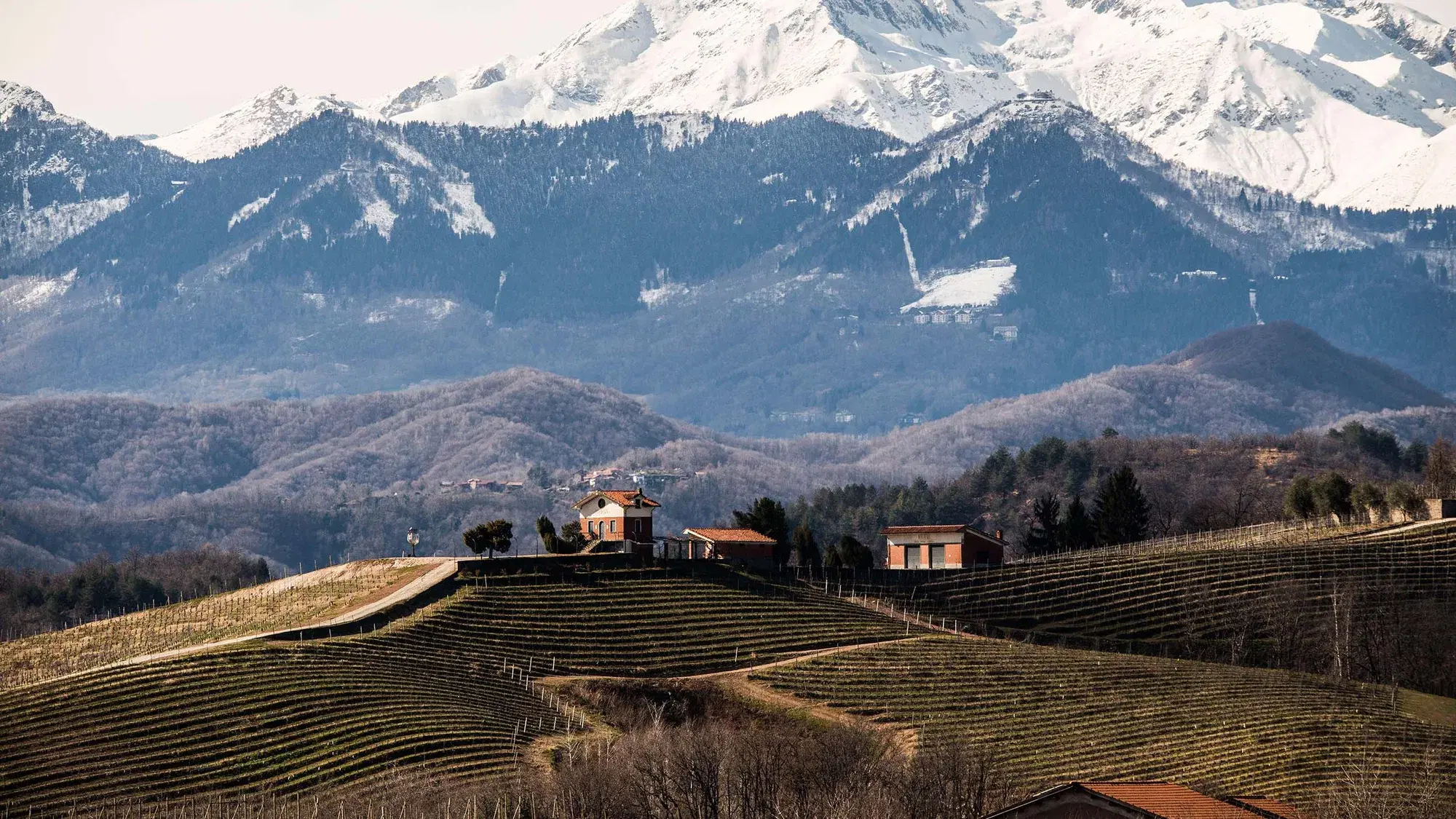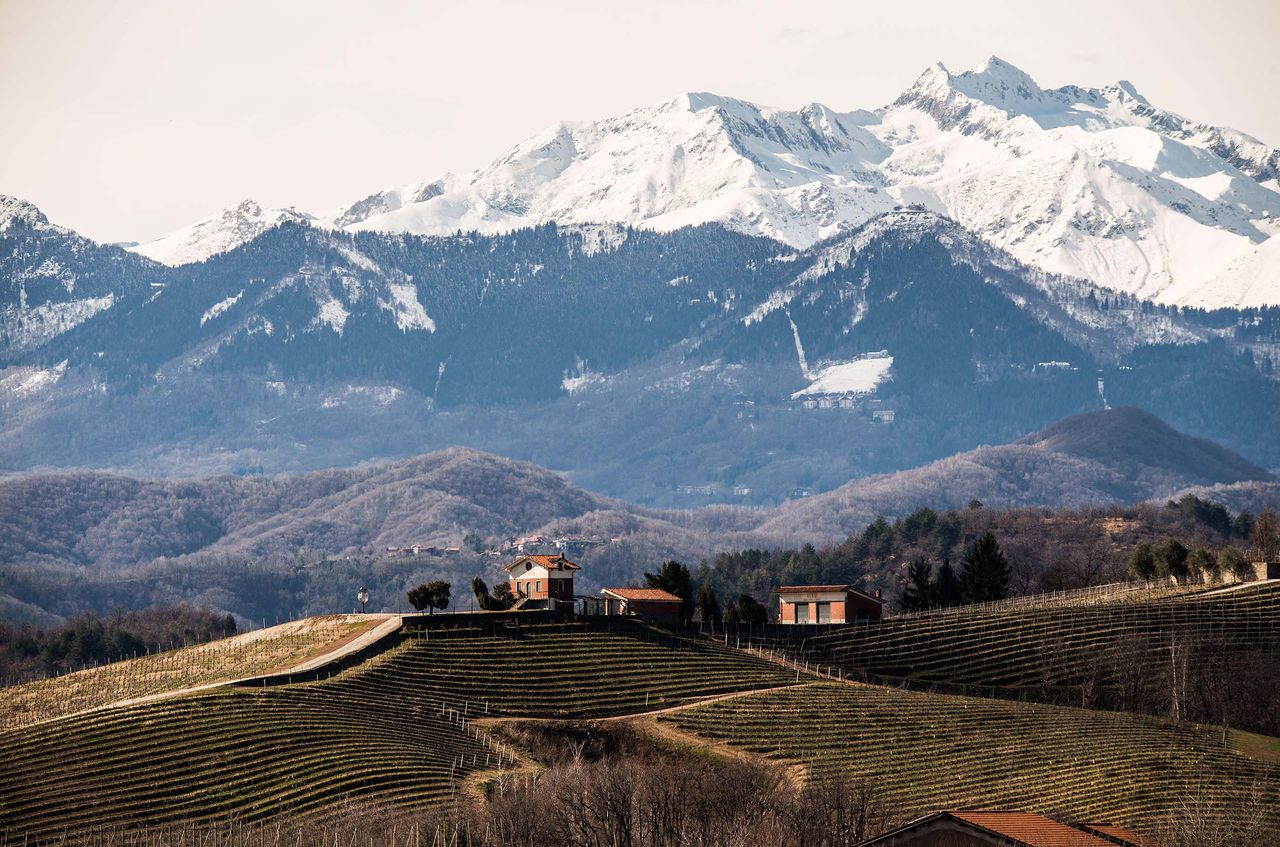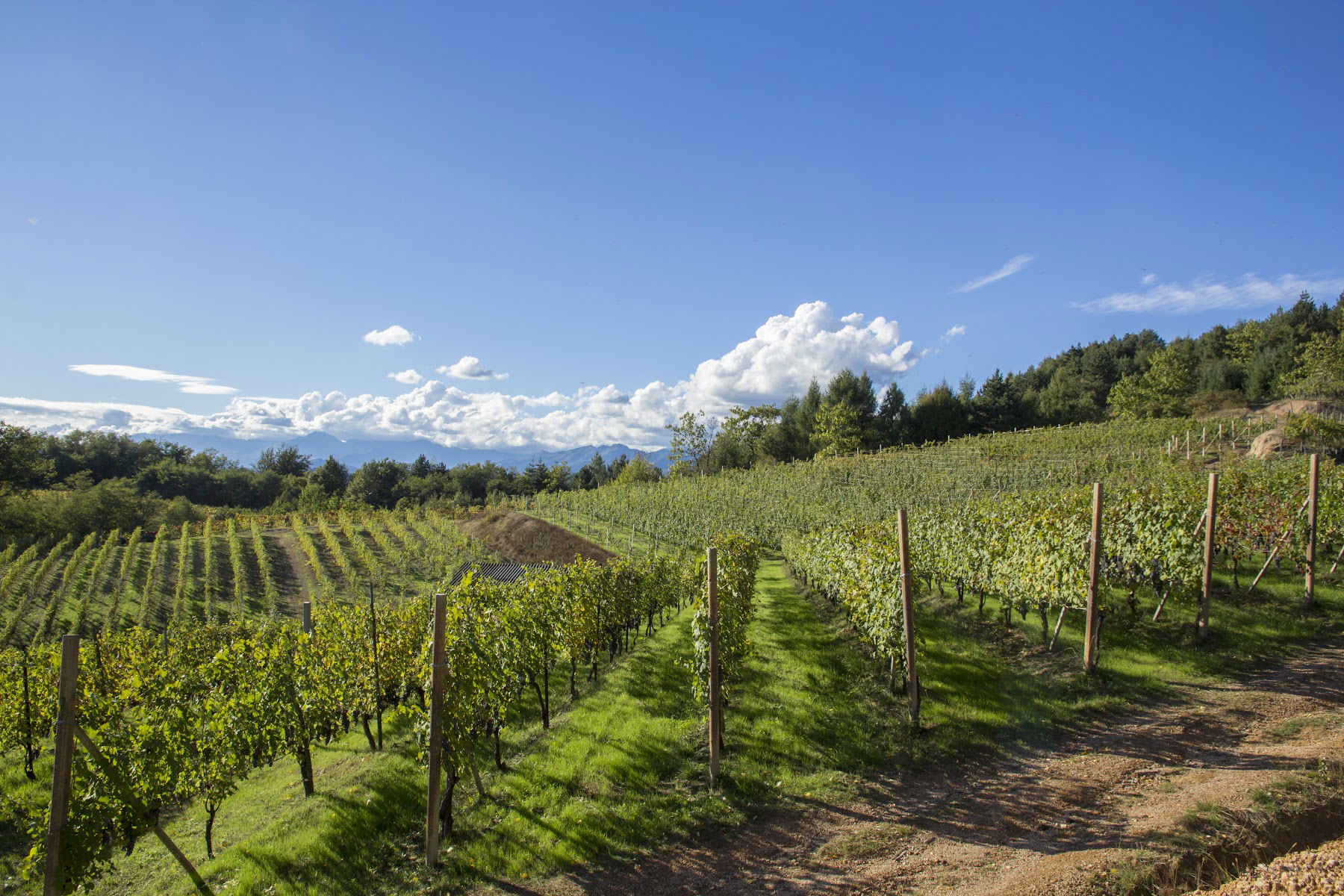
Winery in Bramaterra, Italy
Antoniotti Odilio
150Pearl PointsBramaterra Terroir
About Antoniotti Odilio
<strong>Antoniotti Odilio</strong> sits in <strong>Bramaterra</strong>, a <strong>northern Piedmont village where wine</strong> identity is shaped by altitude, acidity, and the region’s volcanic and mineral soils rather than glossy cellar-door theatre. With public venue details limited, the useful frame is terroir: expect a <strong>small-place wine context</strong>, <strong>Nebbiolo</strong>-led regional seriousness, and a visit that should be planned with confirmation rather than assumptions.
Approaching Bramaterra Through Its Soils
Bramaterra does not announce itself with the grand sweep of Barolo or the tourist machinery of Tuscany. The village sits in northern Piedmont, in a zone where vineyards meet woodland, stone, and Alpine influence. The mood is quieter, more agricultural, and more exacting. Wine here is not built around spectacle; it is built around site, exposure, and patience. Antoniotti Odilio belongs to this context, and that matters more than any imported idea of luxury. The relevant question is not how polished the visit feels, but how clearly the place communicates the local grammar of northern Piedmont wine.
This corner of Alto Piemonte has long offered a different reading of Nebbiolo from the Langhe. The grape, often joined locally by supporting varieties depending on appellation rules and producer choice, tends to show a leaner frame in these northern hills, shaped by cooler air, altitude, and soils that are frequently described through their mineral and volcanic character. Bramaterra’s identity sits in that tension: firm structure without heaviness, aromatic detail without excess sweetness, and acidity that makes ageability a central part of the conversation. In that sense, a producer address in Bramaterra carries a built-in editorial signal. It points to a tradition where the land speaks through restraint rather than scale.
For readers mapping a wider trip, the useful comparison is not only with the famous Piedmont names. A cellar in Bramaterra sits closer in spirit to small-production, terroir-led European wine culture than to the hospitality-driven estate model common in high-traffic regions. That distinction also explains why planning should be careful. The database record for Antoniotti Odilio lists Bramaterra as the city but does not provide a website, phone number, opening hours, address, price range, awards, or booking method. Those absences should not be filled with guesswork. They simply mean the visitor should verify access through current local sources before building a day around the stop.
Why Bramaterra Reads Differently From the Langhe
Piedmont wine tourism often defaults to Barolo and Barbaresco because they have the international recognition, restaurant infrastructure, and collector vocabulary. Bramaterra asks for a more precise kind of attention. The wines of Alto Piemonte have a thinner commercial shadow but a serious historical foundation, and that can make the region especially compelling for travelers who already know the larger appellations. Here, Nebbiolo is not framed through the same density or prestige theatre. The focus shifts toward mountain influence, vineyard elevation, and the way acidity carries perfume over time.
That difference is not a ranking; it is a change in register. Barolo often gives travelers a study in power, cru hierarchy, and cellar investment. Barbaresco can read as refinement within a similarly visible system. Bramaterra sits in a smaller, less heavily trafficked category, where producers are judged by how convincingly they preserve site character. This is where Antoniotti Odilio becomes useful as evidence of the region rather than merely as a name on an itinerary. Its presence in Bramaterra places it inside a peer set defined by regional specificity, not by volume tourism or architectural drama.
The terroir argument is central. Northern Piedmont’s wines frequently depend on long growing seasons, cool nights, and soils that do not flatter fruit with easy plushness. For drinkers accustomed to warmer-climate reds, that can feel austere at first. For those who value structure, tension, and aromatic development, it is exactly the point. Bramaterra rewards patience at the table and in the cellar. Its wines often make better sense beside food than as isolated tasting-room statements, because the acidity and tannin have a practical role. They cut through fat, carry earthy flavors, and keep the finish clean.
EP Club readers comparing regional stops can use the broader Italian winery map as calibration. Franciacorta’s polished sparkling-wine culture, represented by Ca’ del Bosco in Erbusco, operates with a different hospitality language. Sicily’s scale and Mediterranean openness come through in estates such as Planeta in Menfi. The Langhe’s cellar gravitas appears in addresses like Roagna in Barbaresco and Marchesi di Barolo in Barolo. Bramaterra sits apart from each of those models. Its appeal is narrower, more soil-bound, and less dependent on spectacle.
The Atmosphere: Small-Place Wine Rather Than Cellar-Door Theatre
Because the available record does not provide architecture, tasting format, capacity, or hospitality details, atmosphere has to be read from the confirmed setting rather than invented as a scene. Bramaterra itself supplies the framework: a northern Piedmont village rather than a major wine-tourism hub. Expect a context where the surrounding land and local rhythm matter more than choreographed arrival. This is not the zone to approach with assumptions formed in Napa, Champagne, or heavily visited Tuscan hill towns. The better expectation is a working wine area where visits, if available, tend to be more dependent on direct confirmation and timing.
That restraint is part of the draw. In regions with less tourist volume, the absence of theatrical infrastructure can sharpen the focus on agriculture and bottle. The editorial value lies in the contrast between the small physical scale of the place and the seriousness of the wines that the broader Alto Piemonte tradition can produce. A visitor who wants grand hospitality amenities may find the region too quiet. A visitor who wants to understand why cooler-climate Nebbiolo behaves differently north of the Langhe will find the setting instructive.
There is also an important practical humility here. With no public hours, price range, website, phone, or booking method in the provided record, no responsible guide should present a tasting as available on demand. The correct planning posture is conditional: treat Antoniotti Odilio as a producer to research and confirm, not as a walk-in attraction. That is especially relevant in smaller European wine villages, where family-run production, agricultural schedules, and limited visitor infrastructure can shape access as much as demand does.
Terroir as the Main Event
The strongest reason to care about this address is the word Bramaterra. The appellation’s broader identity sits inside Alto Piemonte, where Nebbiolo develops under cooler conditions than in many more famous Piedmont zones. Soils, slopes, and climate combine to produce wines that often privilege line over weight. The sensory specifics of any Antoniotti Odilio bottle should not be invented without verified tasting notes, but the regional logic is clear: Bramaterra is a place to study acid structure, savory development, and mineral tension rather than fruit volume.
That makes the producer relevant to travelers who structure wine trips around terroir rather than hospitality amenities. A visit to a cellar in this village can help explain why northern Piedmont has gained renewed attention among sommeliers and collectors interested in Nebbiolo outside the Langhe. The area’s wines can feel more angular in youth, and that is not a flaw when the structure is sound. It is the architecture that allows the wine to develop. The point is not instant charm; it is proportion, origin, and time.
Compared with regions where cellar visits are built around branded experiences, Bramaterra asks the traveler to do more interpretive work. That is a strength for the right audience. The land is not a backdrop. It is the argument. The vineyards, the cool air, and the relative quiet of the village explain why these wines occupy a different shelf in the Piedmont conversation. Antoniotti Odilio is therefore less useful as a standalone attraction than as a lens on a specific northern Italian wine tradition.
How to Place It in a Wider Wine Itinerary
A serious northern Italy itinerary benefits from contrast. Pairing Bramaterra with Barbaresco or Barolo shows how Nebbiolo changes across altitude, soil, and local tradition. Adding Franciacorta shows another Italian model entirely: sparkling wine, hospitality investment, and a different relationship with international visitors. Moving south to Tuscany, estates such as Castello di Volpaia in Radda in Chianti put village preservation and Sangiovese into the frame. Even a spirits stop such as Fratelli Branca Distillerie in Milan or Poli Distillerie in Schiavon (Vicenza) helps clarify how Italian drinking culture ranges from agricultural terroir to urban bitter traditions and distillation craft.
Bramaterra works better as a targeted stop than as casual filler. The village does not have the same public-facing density as larger wine destinations, and the supplied record for Antoniotti Odilio gives no confirmed visitor logistics. That makes it sensible to anchor a day around confirmed appointments elsewhere in the region or to use Bramaterra as part of a broader Alto Piemonte exploration. The planning priority is verification: current contact route, access, tasting availability, and transport timing should be settled before travel.
For EP Club readers building a city-level shortlist, the internal Bramaterra guides are better starting points than assumptions from larger regions. Use Our full Bramaterra wineries guide for producer context, then cross-check the wider stay through Our full Bramaterra hotels guide, Our full Bramaterra restaurants guide, Our full Bramaterra bars guide, and Our full Bramaterra experiences guide. In a smaller destination, the quality of the trip often depends less on a single venue and more on how well meals, transport, and confirmed appointments fit together.
What the Limited Public Record Tells You
Data gaps are not empty space; they are planning information. The confirmed database record gives the name, city, and country: Antoniotti Odilio, Bramaterra, Italy. It does not list awards, a winemaker, first vintage, wine region field, address, website, phone, hours, price range, or booking method. That absence changes how the page should be used. It is not a promise of access. It is a terroir-led editorial marker within Bramaterra’s wine culture.
The lack of listed awards also means the trust signal here comes from contextual authority rather than medals. Bramaterra itself is the signal: a defined northern Piedmont wine place with a distinct identity inside Italy’s Nebbiolo conversation. That is a legitimate form of authority, but it is different from citing Michelin stars, a global drinks ranking, or a critic score. Readers who prefer award-backed choices may want to compare this stop with producers that publish more visitor information or carry documented recognition. Readers who value regional specificity may see the lack of publicity as part of the appeal, while still treating logistics carefully.
International comparisons can be useful only if they sharpen the point. Haute Cabrière in Franschhoek belongs to a South African destination where wine tourism infrastructure is often central to the visit. Strathisla in Keith speaks to Scotch whisky heritage and a more formalized visitor economy. Poggio Antico in Monte San Vito points to another Italian regional frame. Bramaterra is smaller and more specialized. The reward is not breadth of amenities; it is a tighter reading of place.
Planning Notes
Plan Antoniotti Odilio as a confirmed-contact stop, not a spontaneous arrival. The available record provides no website or phone number, so travelers should verify current access through reliable local channels, accommodation hosts, regional wine contacts, or updated producer listings before setting out. No address is included in the supplied data, and no hours are listed, which makes transport planning especially important. If the visit becomes part of a wider day in Alto Piemonte, leave enough flexibility for rural timing, meal gaps, and the possibility that small producers prioritize vineyard or cellar work over scheduled hospitality.
Price guidance is also unavailable in the record. That means no tasting fee, bottle range, or purchase expectation should be assumed. The better approach is to treat any eventual visit as a serious wine conversation rather than a casual tasting-room circuit. Bring regional context: know that Bramaterra belongs to northern Piedmont, understand that Nebbiolo behaves differently here than in the Langhe, and taste with structure in mind. The point is not to collect labels quickly. The point is to read how a small appellation turns soil and climate into wine.
FAQ
What should I expect atmosphere-wise at Antoniotti Odilio?
Expect the atmosphere of Bramaterra rather than a large-scale wine destination: quiet northern Piedmont, small-place agricultural context, and a terroir-led frame. The record does not list awards, price range, opening hours, or visitor facilities, so avoid assuming a formal tasting-room setup without confirmation.
Why does Antoniotti Odilio matter in Bramaterra?
Its importance comes from its location in Bramaterra, a northern Piedmont wine village associated with a more restrained, soil-driven expression of Nebbiolo than the better-known Langhe areas. No chef, cuisine type, or awards are listed because this is a winery context, not a restaurant profile.
What's the standout thing about Antoniotti Odilio?
The standout point is terroir context: Bramaterra gives the address a specific place in Italy’s Nebbiolo conversation, with cooler northern conditions and a reputation for structure over richness. The record provides no price range or awards, so the case rests on regional identity rather than published accolades.
Is Antoniotti Odilio reservation-only?
Confirm before planning a visit. The database record does not provide a website, phone number, booking method, address, hours, price range, or awards, so there is no verified basis for describing it as walk-in, appointment-only, or reservation-only.
What's the leading wine to try at Antoniotti Odilio?
Use Bramaterra as the guiding category and ask, once contact is confirmed, for the wine that speaks most directly to the local appellation. The record does not list a winemaker, wine region field, bottle names, vintages, or awards, so naming a specific cuvée would be speculation.
Any planning tips for Antoniotti Odilio?
Build the visit around verification. With no website, phone, address, hours, price range, or awards in the available record, confirm access through current local sources before travel, then place the stop within a wider Bramaterra or Alto Piemonte itinerary rather than relying on spontaneous arrival.
Location
Bramaterra, Italy
Related editorial
- Asia's 50 Best Restaurants 2026: The Chairman and Wing Go 1-2 from the Same BuildingThe Chairman takes No. 1 and Wing climbs to No. 2 at Asia's 50 Best Restaurants 2026. Both operate from the same Hong Kong building. Here's what it means.
- Four Seasons Yachts Debut: 95 Suites, 11 Restaurants, and a March 2026 Maiden VoyageFour Seasons I launches March 20, 2026, with 95 suites, a one-to-one staff ratio, and 11 onboard restaurants. Worth tracking if you want hotel-grade service at sea.
- LA Michelin Guide 2026: Seven New Restaurants from Tlayudas to Uzbek DumplingsMichelin's March 2026 California Guide update adds six LA restaurants and one Montecito newcomer, spanning Oaxacan tlayudas, Uzbek manti, and Korean-Italian pasta.
Save or rate Antoniotti Odilio on Pearl
Keep this venue in your Pearl passport, rate it after you visit, and track it alongside every other place you collect.