
Château de Bellet
Saint-Roman-de-Bellet, Bormes-les-Mimosas
Winery in Bormes-les-Mimosas, France
 Book with Pearl
The Read
Hillside Appellation Viticulture
Why go
Château de Bellet is worth prioritising for a focused wine visit rather than a meal-led outing. The 2025 Prestige recognition strengthens the case, but plan carefully: confirm access before routing the day, keep food separate, and compare it with larger Provence estates if you want a broader hospitality experience.
About Château de Bellet
Château de Bellet is listed in Bormes-les-Mimosas with Ghislain de Charnacé as chef/owner. Information about guest services is limited, so plan around what is known rather than assuming a fuller hospitality format.
The venue carries Pearl 2 Star Prestige recognition for 2025. Dress code is smart casual, but it does not specify cuisine, menu format, hours, price, group capacity, or a specific visit structure.
Choose this with the details in mind
Do not treat Château de Bellet as a restaurant replacement unless the venue confirms food service for your visit. Cuisine type or dining format are not specified. If a meal is central to the day, build the plan around a separate dining stop and use our full Bormes-les-Mimosas restaurants guide before committing the schedule.
Because the practical details are thin, confirm availability directly, avoid building a tight back-to-back itinerary, and do not assume large-group flexibility unless Château de Bellet confirms it.
How to plan the wider day without overloading it
Keep the rest of the day simple until the venue confirms the practical details of your visit. If the trip also needs hotels or other stops around Bormes-les-Mimosas, use our full Bormes-les-Mimosas hotels guide and other Bormes-les-Mimosas planning resources to keep the day realistic.
For broader context, compare Château de Bellet with Château Sainte-Roseline, Château d'Esclans, Château de Beaucastel, Château de Roquefort, or Domaine Ott. Other dining in Bormes-les-Mimosas can also help round out the itinerary if Château de Bellet does not confirm the services you need.
Planning details
- Location
- 482 Chem. de Saquier, 06200 Nice
- Website
- chateaudebellet.com
- Phone
- +33 4 93 37 81 57
The take
The Take
The Vibe
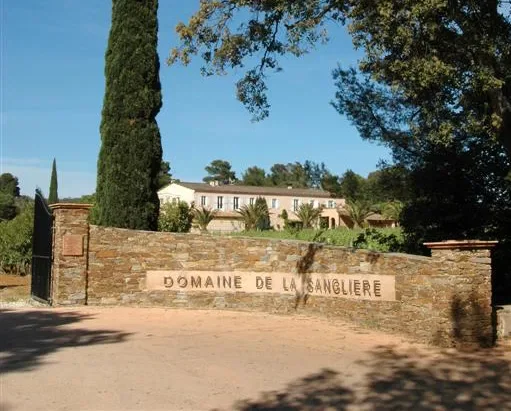
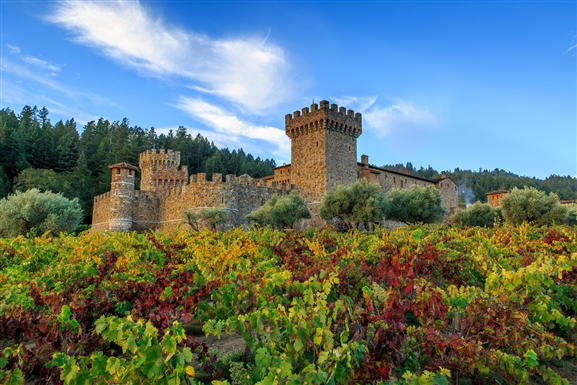
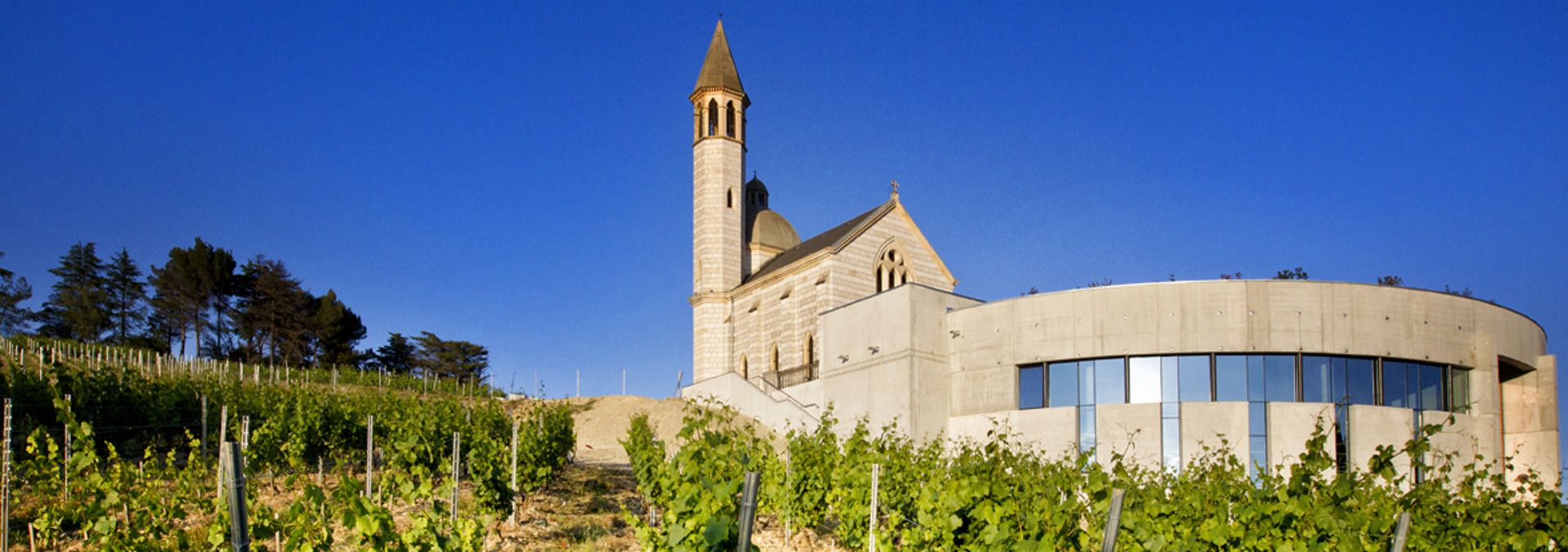
Château de Bellet sits on the slopes above Nice where the Maritime Alps meet vineyard terraces, and the setting reads as quietly distinctive rather than touristy. The estate’s identity is rooted in place: steep limestone and sandy soils, marked diurnal temperature swings and a roster of local grapes that resist regional homogenization. Its relative obscurity gives the property a tucked‑away, discovery quality — the feel of a working hillside château focused on terroir and craft. Visitors encounter an environment that privileges geology and tradition over showy production, with wines that reflect altitude, minerality and restraint.
Best For
This château is best for visitors who come to learn and to taste with intent. The write‑up emphasizes terroir, indigenous varieties (Rolle, Braquet, Folle Noire) and the ageing potential of the whites, so it suits wine‑curious travelers, students of regional styles and those planning a special outing that prizes authenticity. It’s less a stop for generic Provençal rosé seekers than for people who want to understand how slope, soil and coastal altitude shape flavor. The setting also works well for respectful, focused tastings rather than rowdy group visits.
Tasting Tips
Prioritize the estate’s white bottlings made from Rolle to experience the described minerality, acidity and ageing potential that distinguish Bellet from lowland Provençal whites. When sampling reds and rosés, ask about the use of Braquet and Folle Noire alongside Grenache and Cinsault to get a sense of the appellation’s indigenous character. Use your tasting time to probe the influence of limestone and diurnal temperature swings on balance and structure — the description highlights these factors as the defining arguments for the wines.
Venue details
Ambiance
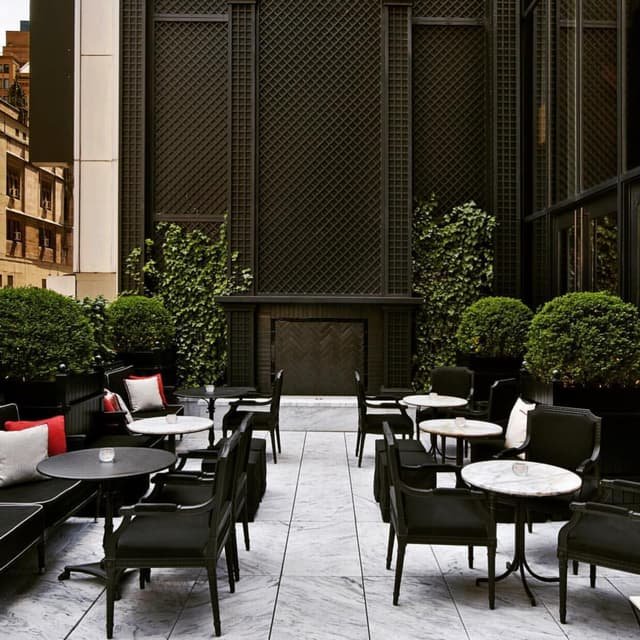
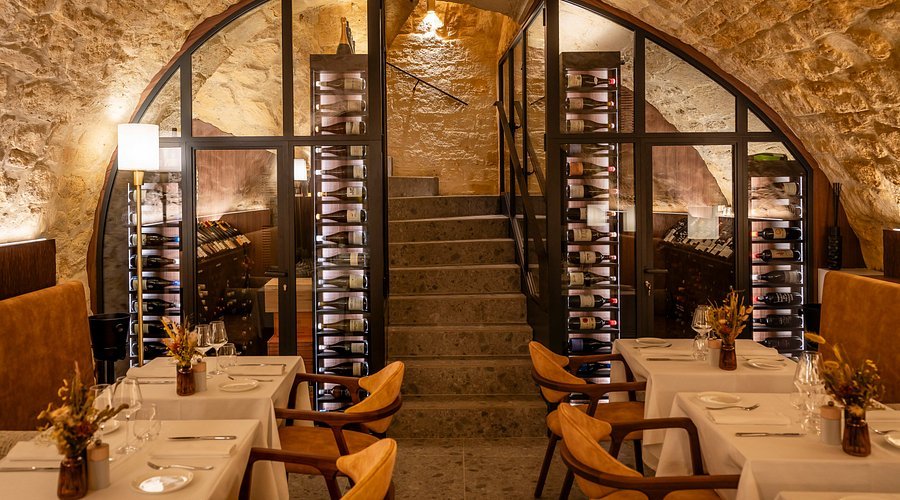
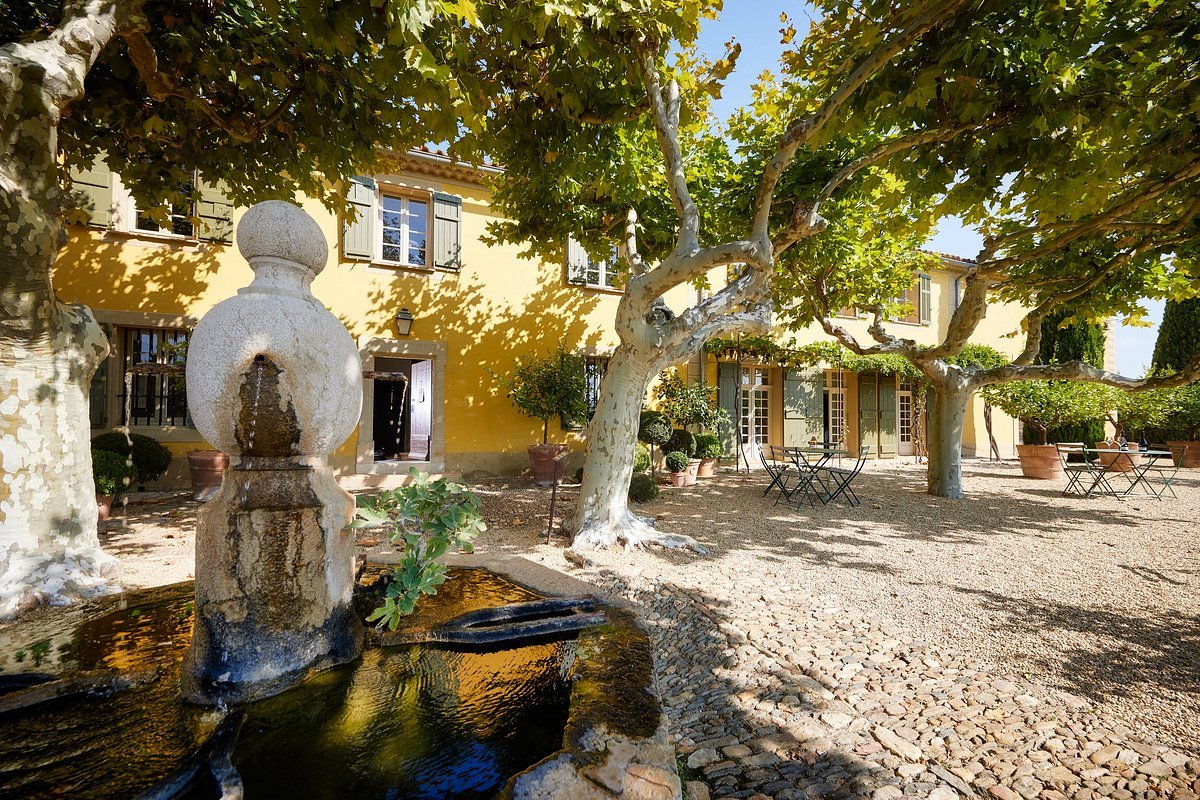
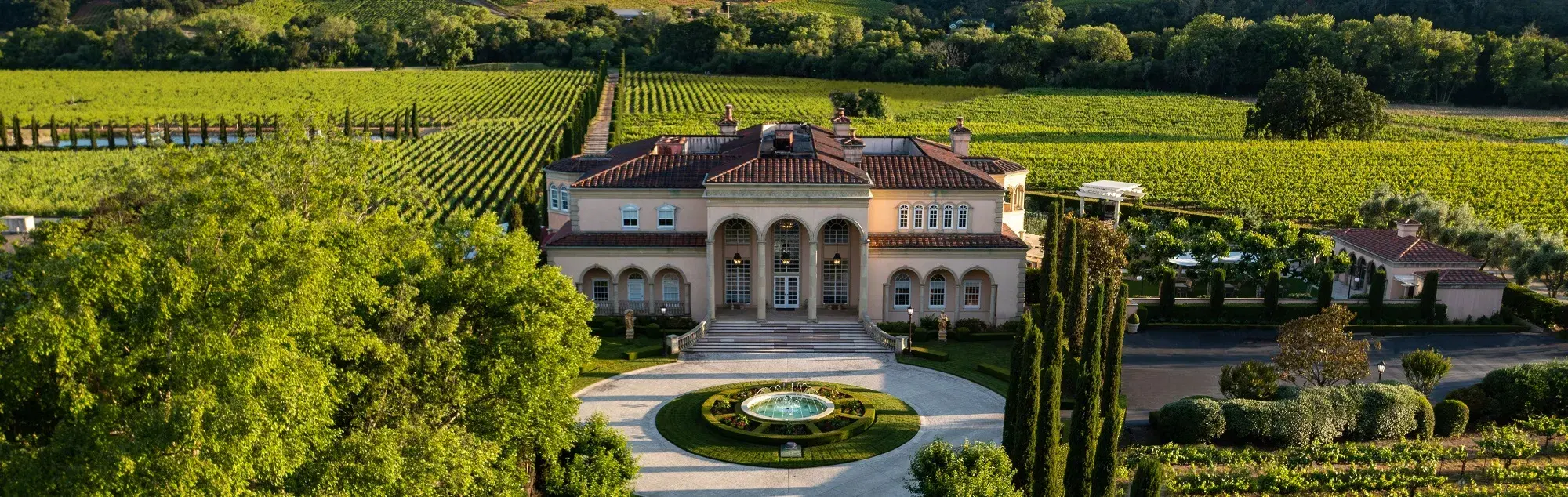
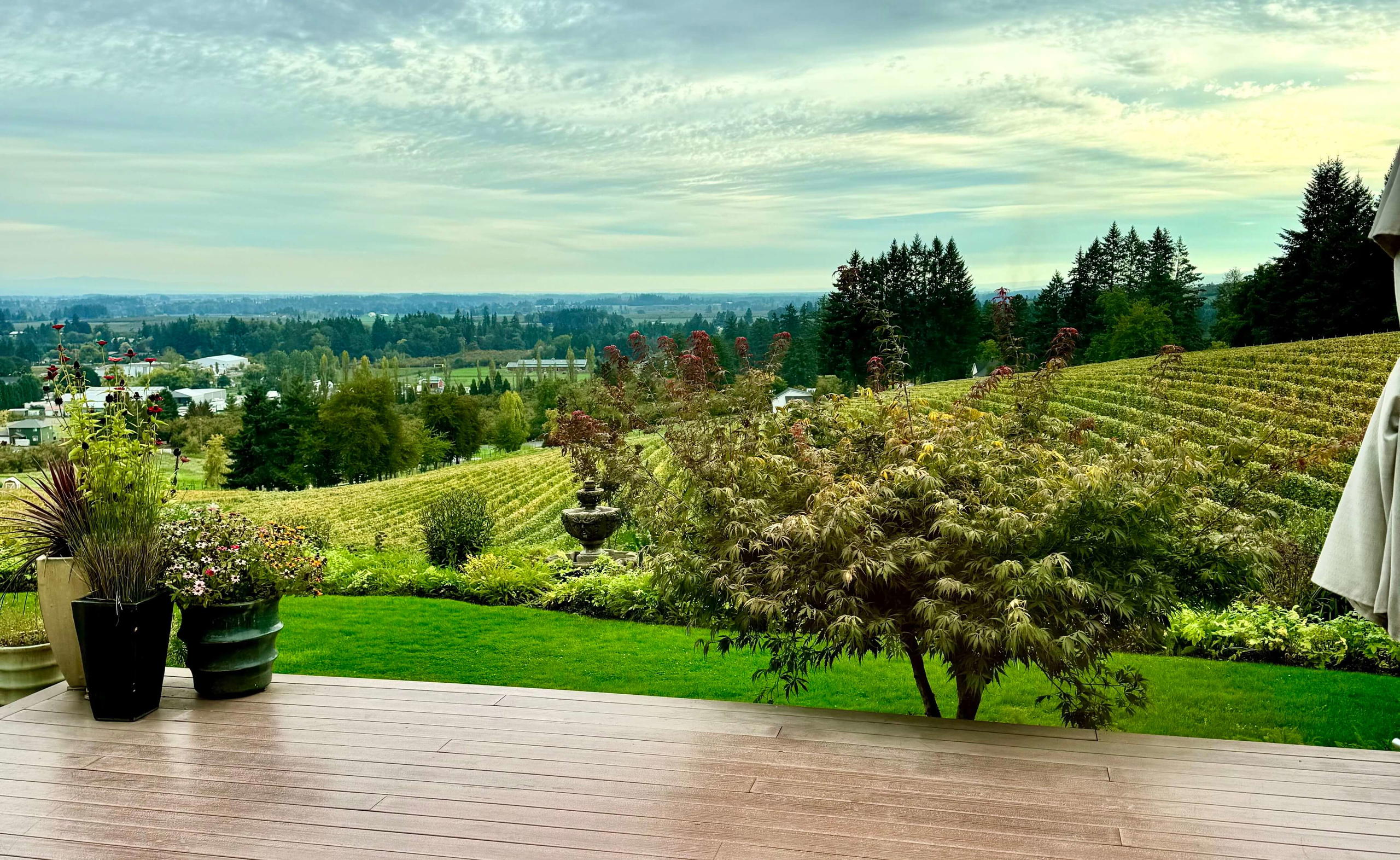
Elegant historic setting with terrace views of Alps foothills, Mediterranean Sea, and Cap d'Antibes amid terraced vineyards.
Tags
Vibe
Best For
Experience
Sourcing
View
At the Vineyard
- Appellation
- Bellet AOC
- Varietals
- Rolle, Braquet, Folle Noire
- Visits
- By reservation
- Farming
- Organic
- Production
- Small producer
- Wine Styles
- Still White, Still Red, Still Rose
- Wine Club
- Not available
Know before you go
Know Before You Go
- Getting there
- 482 Chem. de Saquier, 06200 Nice
Planning details
Location
Recognition and awards
Also consider
Also Consider
- Château d'Esclans, Notable alternative
- Château Sainte-Roseline, Notable alternative
- Domaine Ott, Notable alternative
- Château de Beaucastel, Notable alternative
- Château de Roquefort, Notable alternative
Winery context
How It Compares
Choose Château de Bellet if the goal is a tighter, producer-led visit near Nice rather than a big-name Provence circuit. Château d'Esclans is the more obvious choice for visitors chasing a globally familiar rosé name, while Château Sainte-Roseline reads as the safer pick for travellers who want a broader estate experience.
Domaine Ott is the stronger cross-shop for polished Provence prestige, especially if brand recognition matters to the group. Château de Bellet is the better fit for visitors who care more about a narrower local wine identity than about a marquee label. For serious Rhône comparison, Château de Beaucastel is a different category: bigger reputation, less useful as a quick coastal itinerary substitute.
If booking pressure or group logistics make this difficult, Château de Roquefort is the practical alternative to check alongside the larger Provence names. For value, the right call is not automatically the grander estate; it is the visit that matches the day. Pick Château de Bellet for depth, Château d'Esclans or Domaine Ott for name recognition, and Sainte-Roseline for a more expansive estate feel.
Explore Bormes-les-Mimosas
Around this place
Discover more on Pearl
Unlock the full Château de Bellet guide in Pearl, including awards, comparisons, FAQs, planning details, and nearby places.
Compare Château de Bellet
| Venue | Location | Awards |
|---|---|---|
| Château de Bellet | Bormes-les-Mimosas | 2025 Pearl 2 Star Prestige |
| Château d'Esclans | Courthézon | 2025 Pearl 3 Star Prestige |
| Château Sainte-Roseline | Les Arcs | 2025 Pearl 4 Star Prestige |
| Domaine Ott | Taradeau | 2025 Pearl 3 Star Prestige |
| Château de Beaucastel | Flayosc | 2025 Pearl 4 Star Prestige2023 World's 50 Best Vineyards · #34 |
| Château de Roquefort | Taradeau | 2025 Pearl 2 Star Prestige |

How Château de Bellet compares with similar nearby venues.
FAQ
Frequently Asked Questions
Is Château de Bellet worth considering?
Consider it if you want a Bormes-les-Mimosas venue with Pearl 2 Star Prestige (2025) recognition and Ghislain de Charnacé listed as chef/owner. Information is limited, so confirm the practical details directly before building a full itinerary around it.
What should I wear to Château de Bellet?
The dress code is smart casual. That is the clearest planning cue available, so dress neatly and avoid assuming a casual drop-in format unless the venue confirms it.
Can Château de Bellet handle large groups?
Treat large groups cautiously and confirm before setting plans, because private-event capacity or group arrangements are not specified. If you are comparing options, Château de Beaucastel or Château de Roquefort may be worth checking directly as separate venues.
Where is Château de Bellet?
Château de Bellet is in Bormes-les-Mimosas. No more specific location detail is available.
Are Château de Bellet's services confirmed?
Do not assume any specific service is available unless the venue confirms it directly. If a particular arrangement matters, ask before you travel, then compare any confirmed terms with venues such as Domaine Ott.
Do I need a reservation at Château de Bellet?
A reservation policy is not specified. Because practical details are limited, contact Château de Bellet directly before visiting, especially if you are coordinating with other plans in Bormes-les-Mimosas.