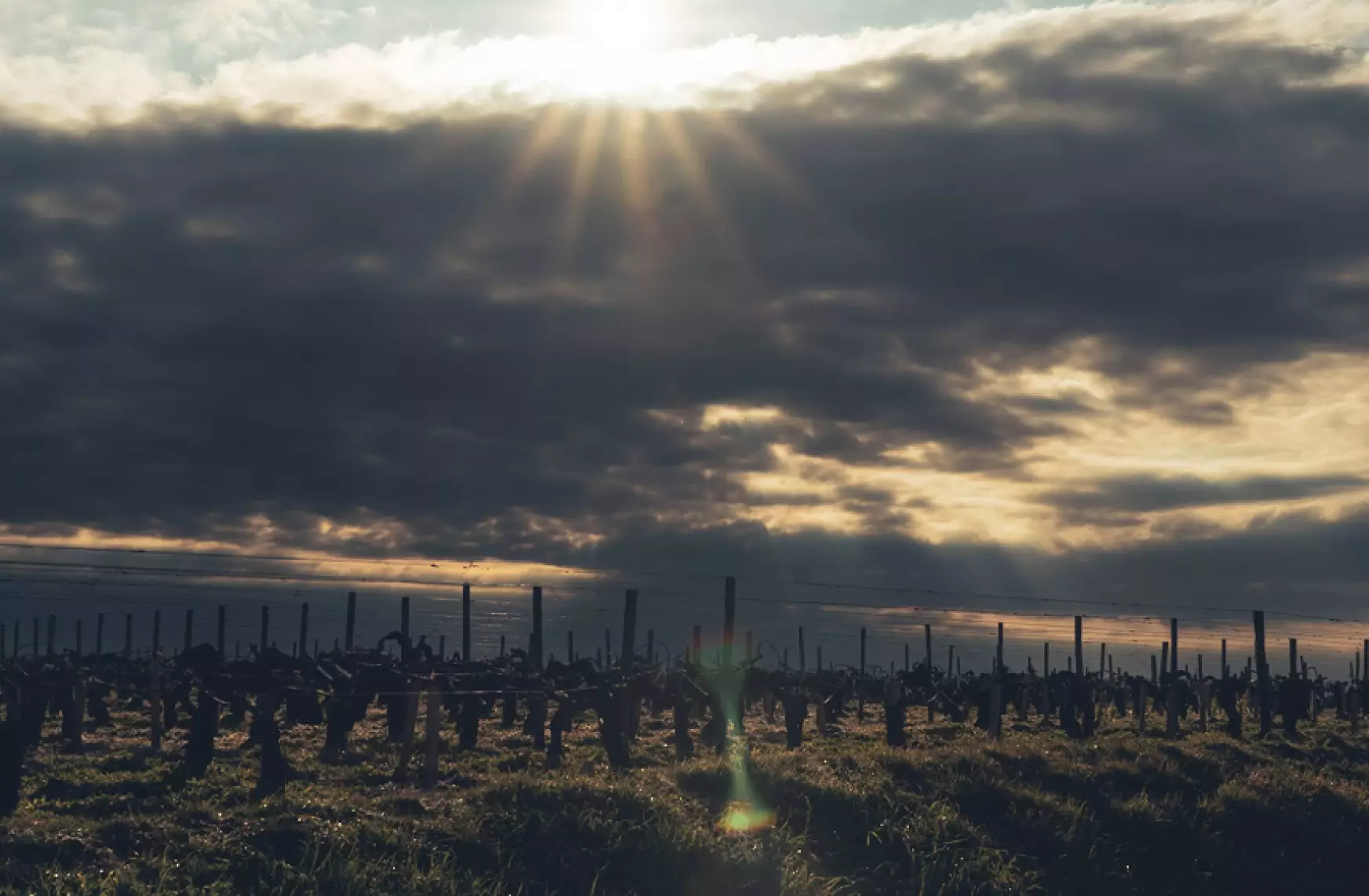

Domaines Barons de Rothschild (Lafite)
Pauillac, Bordeaux
Winery in Bordeaux, France
 Book with Pearl
The Read
Multi-Appellation Prestige Portfolio
Why go
Public venue details are withheld pending resolution of the corporate-entity classification.
About Domaines Barons de Rothschild (Lafite)
Domaines Barons de Rothschild (Lafite) is a Bordeaux venue with a smart casual dress code and Pearl 5 Star Prestige recognition for 2025. For practical planning, check specific visit formats, menus, pricing, shipping, hours, group capacity, and service details directly with the venue.
If you are building a Bordeaux itinerary, confirm all practical arrangements directly with the venue before committing plans. For broader trip planning, you can also use our full Bordeaux restaurants guide, our full Bordeaux hotels guide, our full Bordeaux bars guide, and our full Bordeaux experiences guide.
Consider it for a confirmed Bordeaux Prestige listing
The strongest reasons to keep Domaines Barons de Rothschild (Lafite) on a shortlist are its Bordeaux location, smart casual dress code, and Pearl 5 Star Prestige recognition in 2025. Check any more specific expectation with the venue, especially if your plans depend on timing, purchases, food, delivery, or a particular visit format.
Build the rest of the itinerary with flexibility, and compare it with other options only after checking current availability and visitor information.
Who should choose it, and who should cross-shop
Choose Domaines Barons de Rothschild (Lafite) if you specifically want a Bordeaux venue recognized at Pearl 5 Star Prestige level and you are comfortable confirming the practical details directly. Do not assume a particular tasting structure, group fit, retail setup, food offering, or shipping arrangement without checking with the venue.
For comparison, consider other names such as Chateau Haut-Brion, Château La Mission Haut-Brion, Château Les Carmes Haut-Brion, Château Pape Clement, and Domaine Clarence Dillon. If your priority is confirmed visitor logistics, compare current information across those options before booking.
Planning details
- Location
- 40-50 Cr du Médoc, 33000 Bordeaux, France
- Website
- lafite.com
- Phone
- +33 5 57 57 79 79
The take
The Take
The Vibe
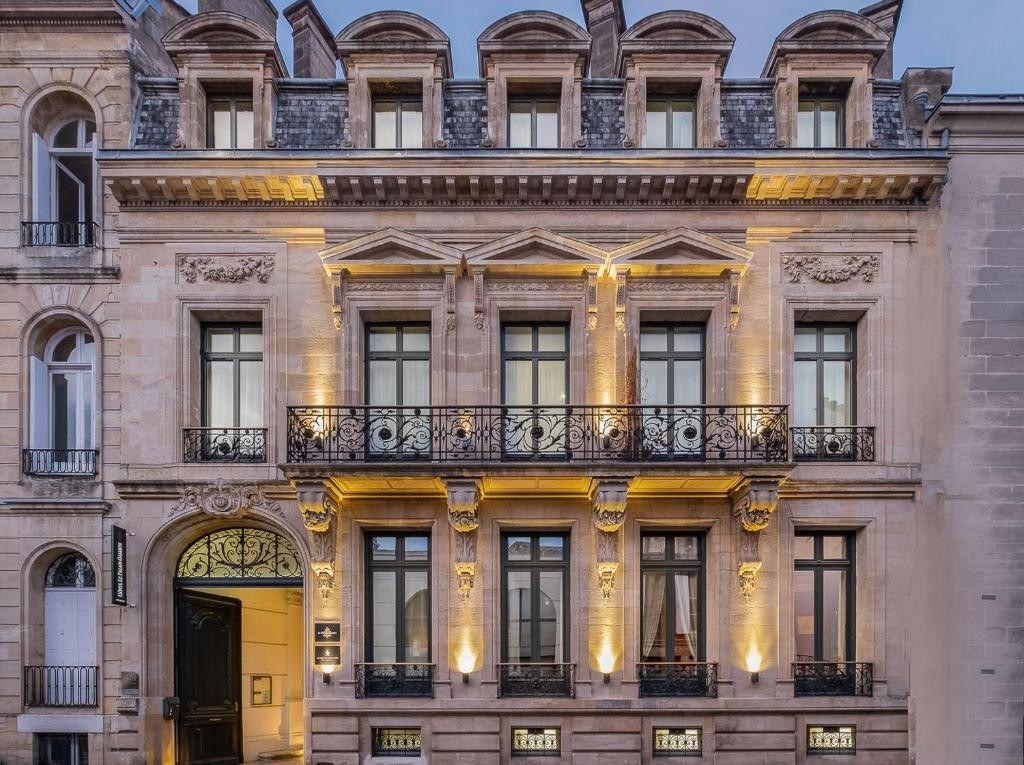
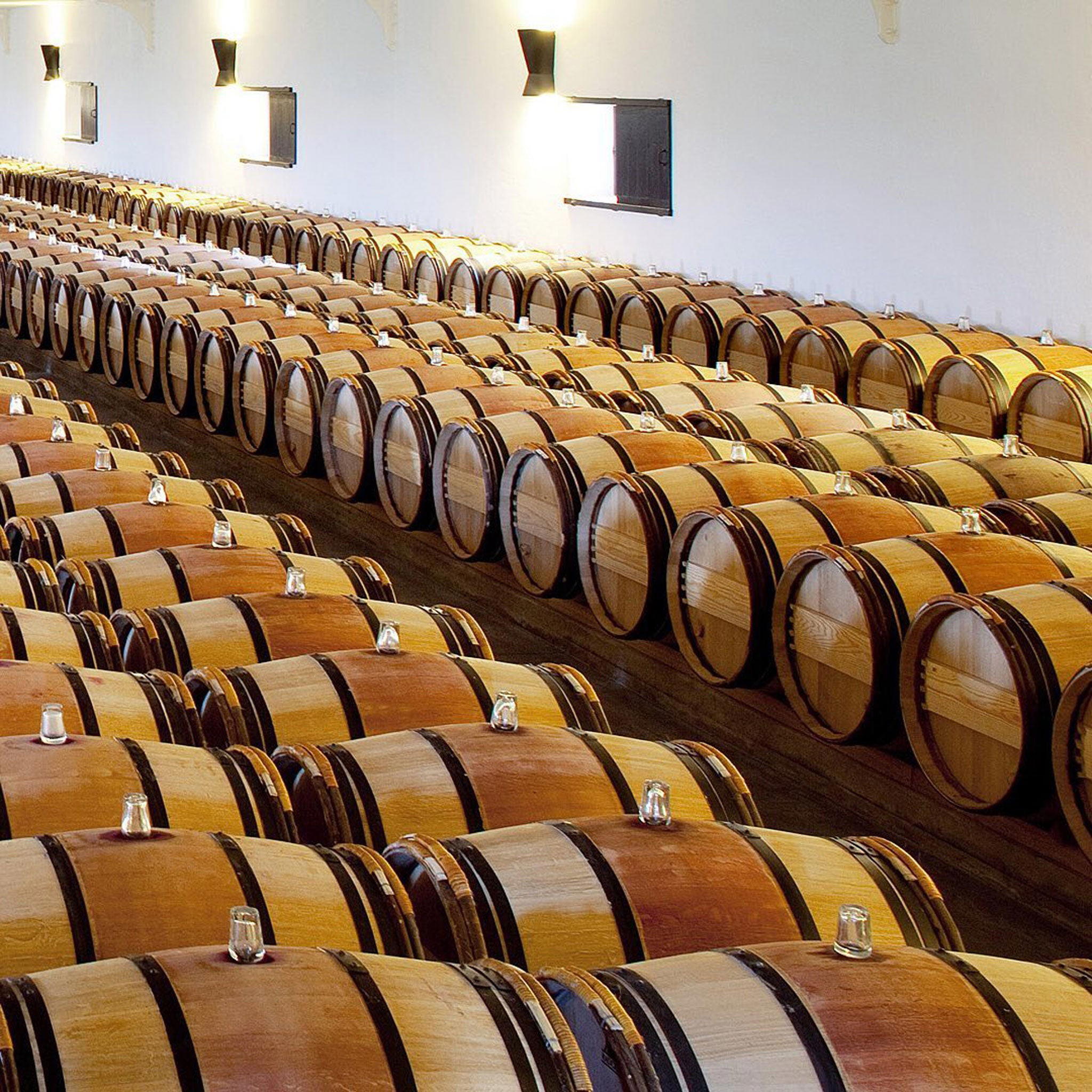
Domaines Barons de Rothschild (Lafite) reads like an institutional address rather than a rustic tasting room: it sits on Bordeaux’s Cours du Médoc and functions as an administrative and representational base for a sprawling group of estates. The copy stresses precision and restraint in winemaking—lower extraction and calibrated new‑oak aging—so the overall impression is measured and authoritative rather than flashy. The writing places Lafite at the intersection of global reach and Pauillac specificity, which gives visits and encounters a formally historic, almost institutional mood rooted in terroir and long-standing trade practices.
Best For
This venue is best for people who approach wine with a trade‑level or scholarly interest: collectors, industry professionals, and serious students of Bordeaux who want to understand how a major house manages estate production, aging and global operations. The description emphasises the address’s representational role in the city and its links to gravel‑rich Pauillac estates, so it’s particularly useful for research into provenance, production philosophy and the institutional history of a top Médoc name. It suits visits focused on context and learning rather than casual drop‑in tastings.
Venue details
Ambiance
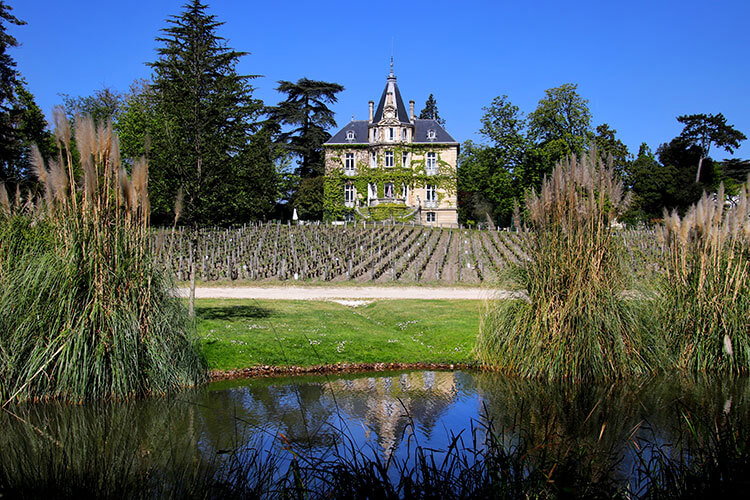
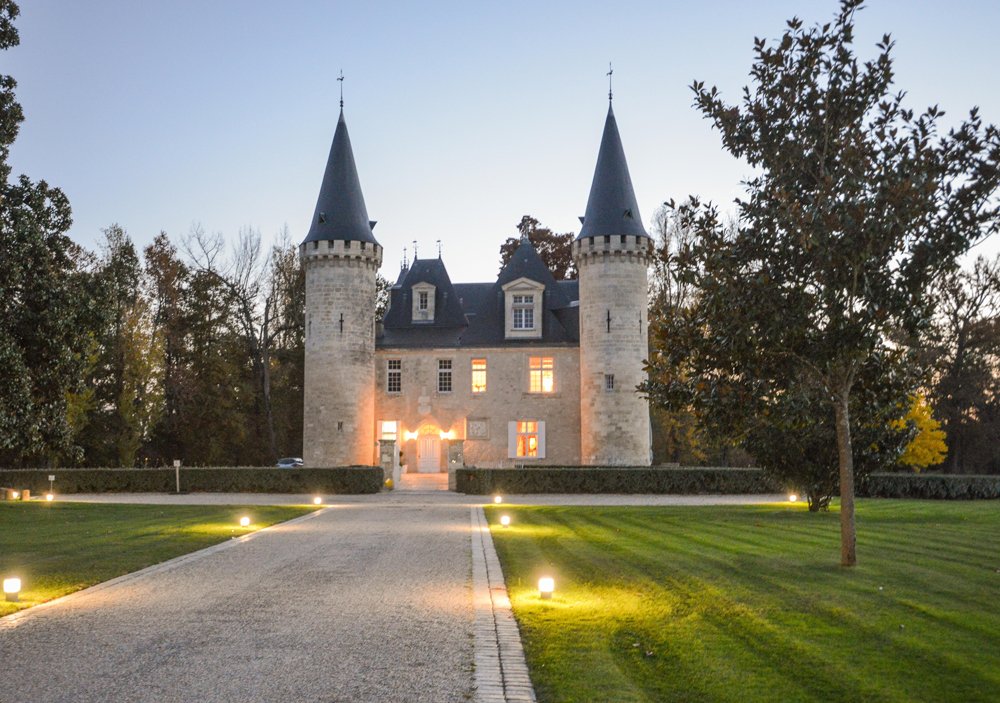
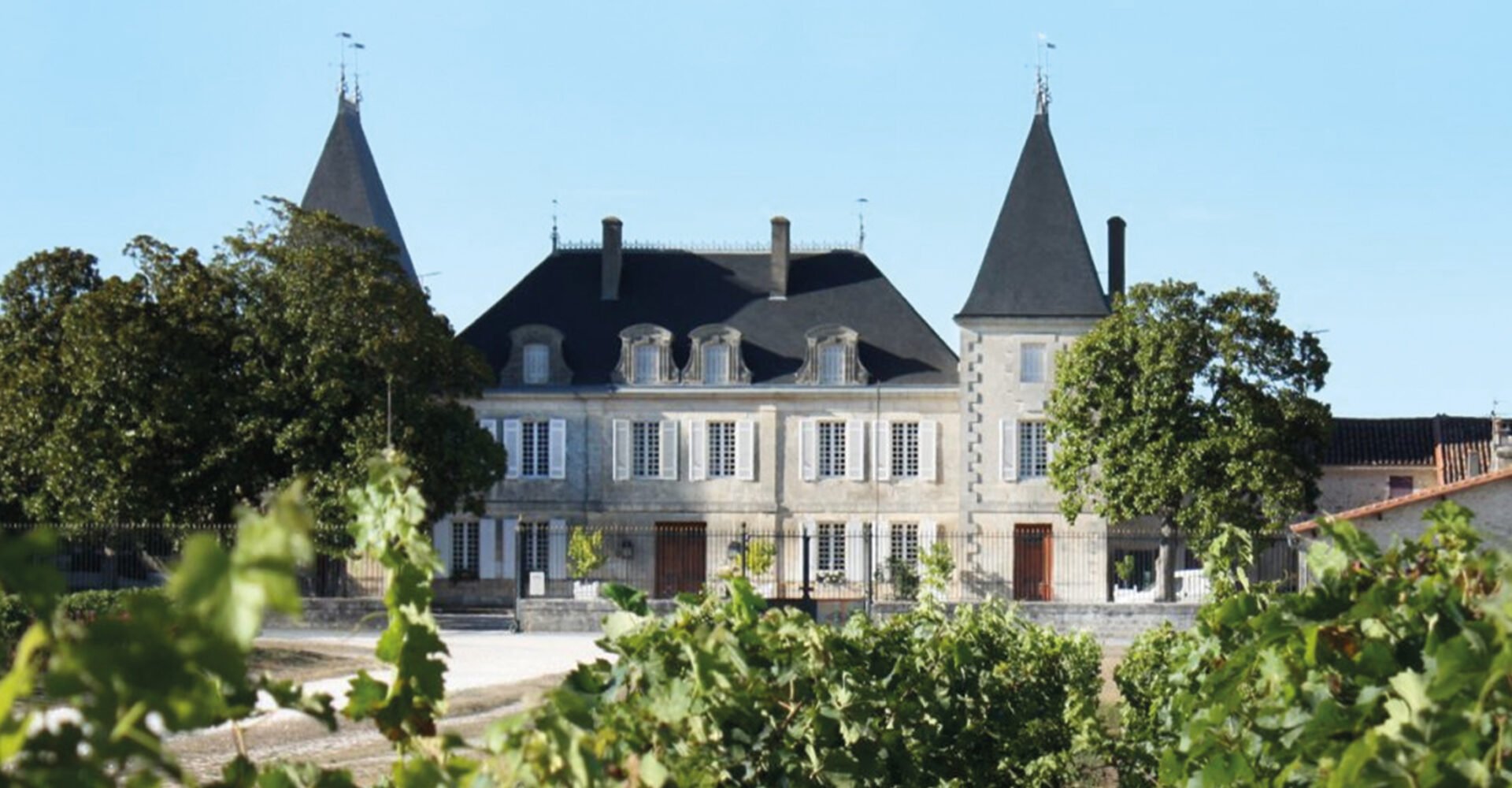
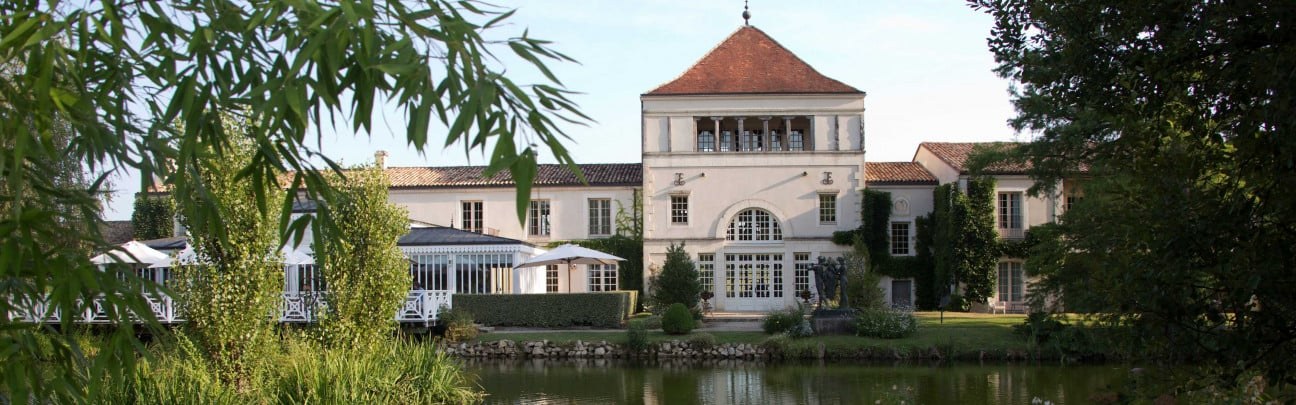
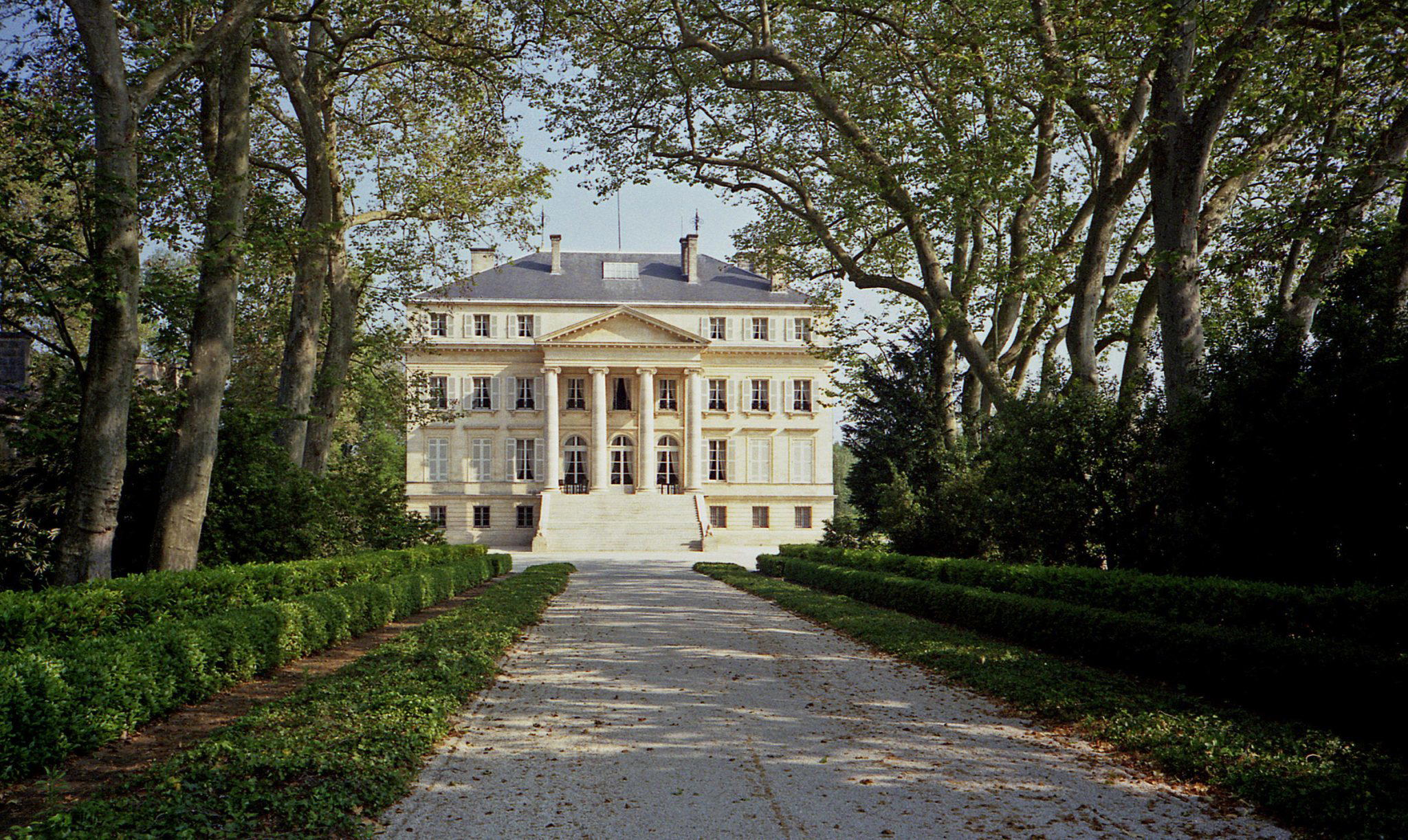
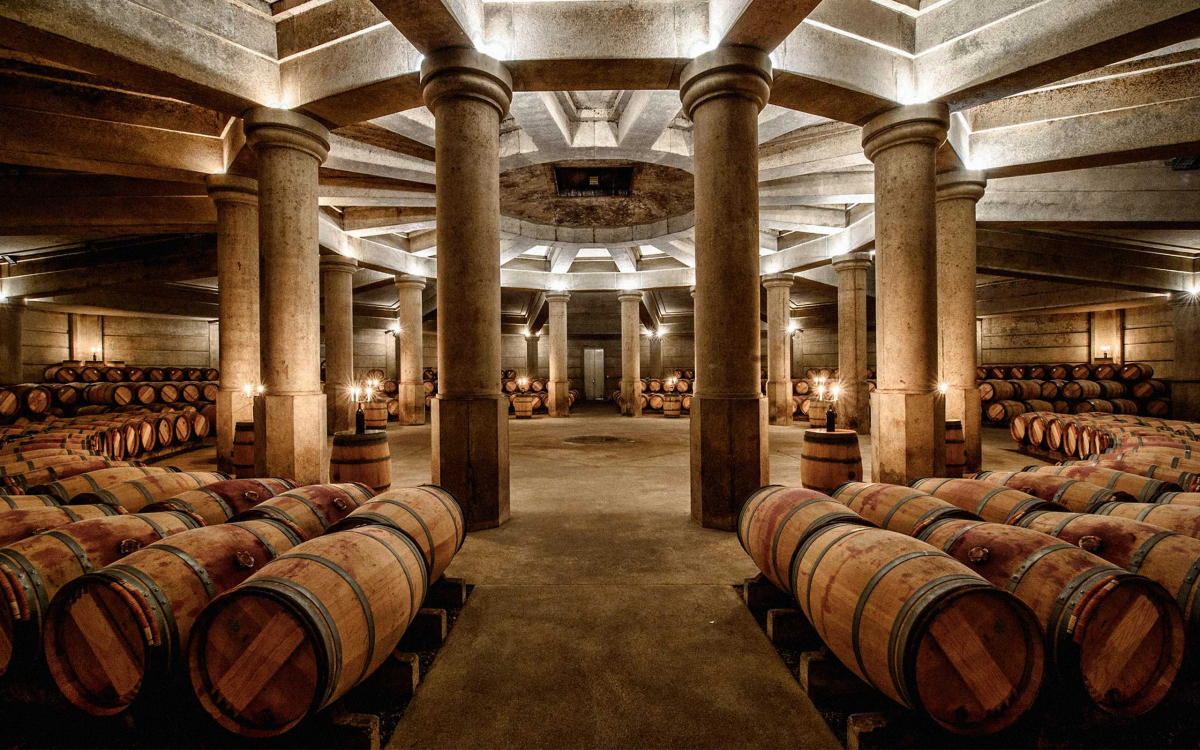
Elegant and historic with a sophisticated, timeless atmosphere in a 16th-century chateau surrounded by prestigious vineyards.
Tags
Vibe
Best For
Experience
View
At the Vineyard
- Appellation
- Pauillac AOC
- Varietals
- Cabernet Sauvignon, Merlot, Cabernet Franc, Petit Verdot
- Tour Duration
- 60-90 minutes
- Tour Languages
- English, French
- Visits
- By appointment only
- Wine Styles
- Still Red
- Wine Club
- Available
Know before you go
Know Before You Go
- Getting there
- 40-50 Cr du Médoc, 33000 Bordeaux, France
Planning details
Location
Recognition and awards

Also consider
Also Consider
- Château Les Carmes Haut-Brion, Notable alternative
- Château La Mission Haut-Brion, Notable alternative
- Chateau Haut-Brion, Notable alternative
- Domaine Clarence Dillon, Notable alternative
- Château Pape Clement, Notable alternative
Winery context
How it compares in Bordeaux
Domaines Barons de Rothschild (Lafite) is the prestige-led choice: book it when Lafite is the reason for the trip and the group values cellar reputation over a relaxed visitor format. Château Les Carmes Haut-Brion is the better cross-shop for travelers who want a more design-forward Pessac-Léognan comparison, while Château La Mission Haut-Brion and Chateau Haut-Brion make more sense if the goal is to compare heavyweight Bordeaux names within a tighter appellation frame.
For value and ease, Lafite is not the obvious starting point. Château Pape Clement is the practical alternative to check first if the group wants a clearer visitor-facing experience, while Domaine Clarence Dillon is the more natural peer for travelers comparing family-led Bordeaux prestige and hospitality positioning. If the occasion is a collector dinner, client trip, or milestone bottle conversation, Lafite has the stronger symbolic pull; if the goal is atmosphere and simpler planning, cross-shop before committing.
Around this place
Discover more on Pearl
Unlock the full Domaines Barons de Rothschild (Lafite) guide in Pearl, including awards, comparisons, FAQs, planning details, and nearby places.
Compare Domaines Barons de Rothschild (Lafite)
| Venue | Location | Awards |
|---|---|---|
| Domaines Barons de Rothschild (Lafite) | Bordeaux | 2025 World's 50 Best Vineyards · #35 |
| Château Les Carmes Haut-Brion | Pomerol | 2026 Falstaff Winery Guide2026 Michelin 2 Grapes - Bordeaux2025 Pearl 4 Star Prestige |
| Château La Mission Haut-Brion | Bommes | 2026 Michelin 2 Grapes - Bordeaux2026 Falstaff Winery Guide2025 Pearl 5 Star Prestige |
| Chateau Haut-Brion | Pessac | 2026 Michelin 2 Grapes - Bordeaux2026 Falstaff Winery Guide2025 Pearl 5 Star Prestige2022 World's 50 Best Vineyards · #35 |
| Domaine Clarence Dillon | Pessac | No published awards |
| Château Pape Clement | Pessac | 2026 Falstaff Winery Guide2025 World's 50 Best Vineyards · #272025 Pearl 4 Star Prestige2024 World's 50 Best Vineyards · #212023 World's 50 Best Vineyards · #192022 World's 50 Best Vineyards · #26 |



How Domaines Barons de Rothschild (Lafite) Bordeaux compares with similar nearby venues.
FAQ
Frequently Asked Questions
What is Domaines Barons de Rothschild (Lafite) known for in this guide?
Domaines Barons de Rothschild (Lafite) is in Bordeaux, has a smart casual dress code, and holds Pearl 5 Star Prestige recognition for 2025.
When is the best time to visit Domaines Barons de Rothschild (Lafite)?
What other venues can I compare with Domaines Barons de Rothschild (Lafite)?
For comparison, you can look at Chateau Haut-Brion, Château La Mission Haut-Brion, Château Les Carmes Haut-Brion, Château Pape Clement, and Domaine Clarence Dillon, along with other Bordeaux options.