Bee Hunter Wine
Boonville
Winery in Boonville, United States
 Book with Pearl
The Read
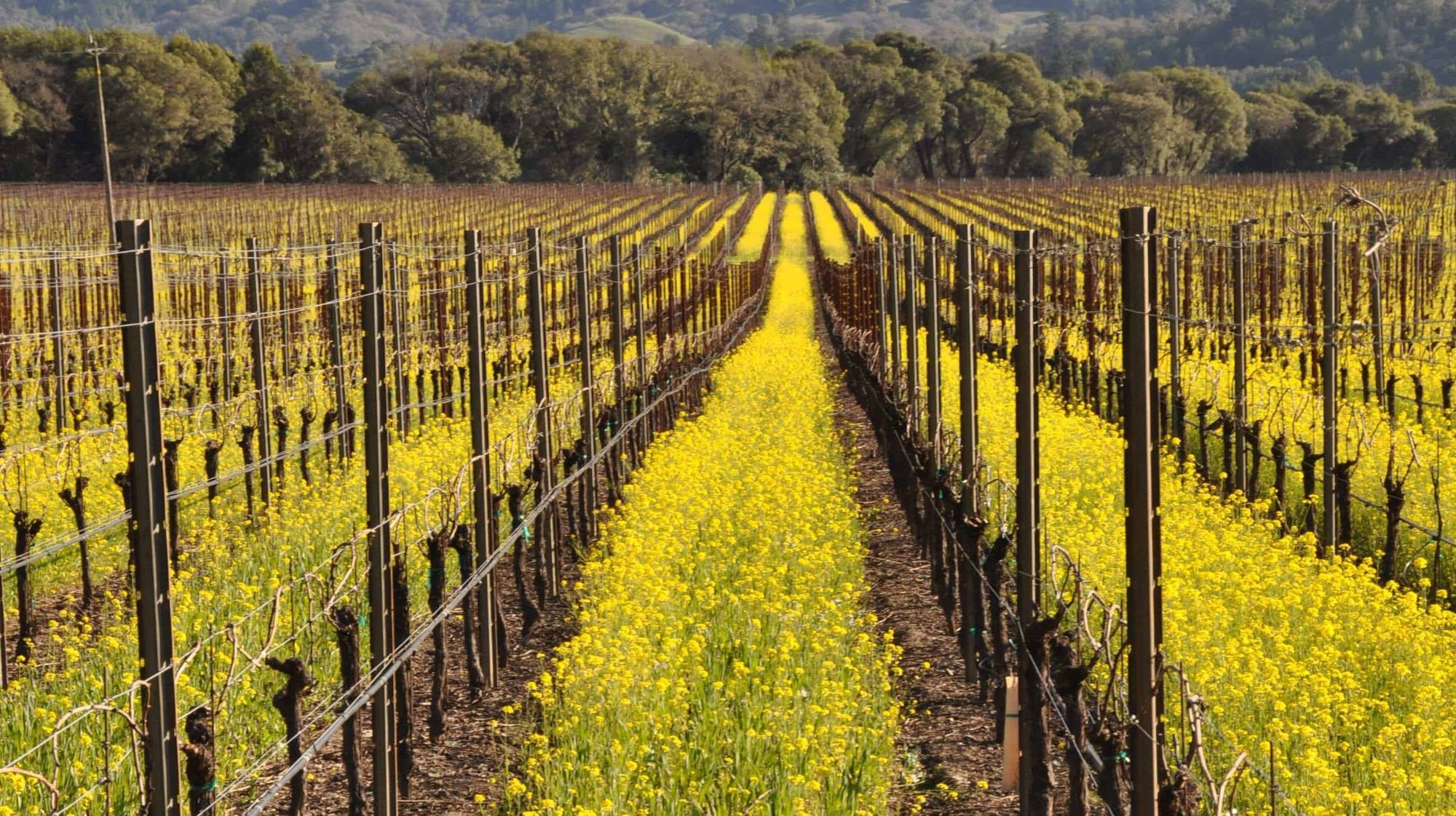
Coastal-Corridor Terroir
Why go
Bee Hunter Wine is worth prioritizing for a small, wine-focused Boonville itinerary, especially when the occasion calls for a more deliberate stop. It is less useful as a casual fallback or large-group option, so compare it against Foursight Wines, Fathers & Daughters Cellars, and Pennyroyal Farm before locking the day.
About Bee Hunter Wine
Bee Hunter Wine is a Boonville venue with a casual dress code and Pearl 2 Star Prestige recognition for 2025. For specific pricing, hours, menus, services, or visit format, it is advisable to inquire directly.
The value question depends on what you need from the stop. Bee Hunter Wine offers a Boonville location, casual setting, and Pearl 2 Star Prestige (2025) recognition. Details such as reservation requirements, visit format, group capacity, specific products, shipping, food options, or pricing should be checked directly before you plan around them.
Consider it for a focused Boonville stop, not an assumption-heavy itinerary
Use Bee Hunter Wine as a considered Boonville option when you want a venue with recognition and a casual dress code. When planning your visit, determine directly whether the venue is best for walk-ins, appointments, large groups, specific visit formats, or particular services.
For comparison, Bee Hunter Wine can be considered alongside Fathers & Daughters Cellars, Foursight Wines, Londer Vineyards, Pennyroyal Farm, and The Boonville Distillery. Keep the comparison practical: choose among them based on the details you can confirm directly for your date, party, and plans.
The right fit is a visitor who is comfortable confirming details directly
If the trip also needs food, lodging, or a post-visit plan, pair the venue search with Our full Boonville restaurants guide, Our full Boonville hotels guide, Our full Boonville bars guide, and Our full Boonville experiences guide.
For value, the recommendation is conditional: keep Bee Hunter Wine on the shortlist if a casual Boonville venue with Pearl 2 Star Prestige recognition fits the occasion. If your plans require specific logistics, specific services, or a broader outing, compare it directly with The Boonville Distillery, Pennyroyal Farm, Foursight Wines, Fathers & Daughters Cellars, or Londer Vineyards before deciding.
Planning details
- Location
- 14077 CA-128, Boonville, CA 95415
- Website
- beehunterwine.com
- Phone
- +1 707-357-0598
The take
The Take
The Vibe
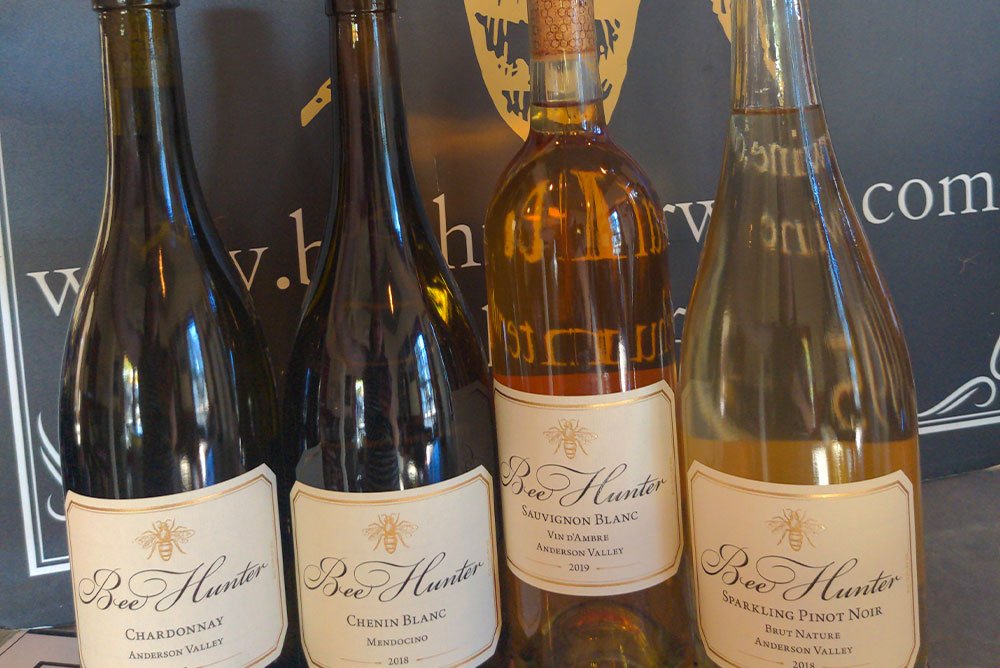
Bee Hunter Wine presents a coastal‑cool, terroir‑forward presence rooted in Anderson Valley’s fog and diurnal swings. The copy foregrounds climate and site over trappings, so the place reads as quietly serious rather than showy: cooler afternoons, cold nights and a long growing season are the organizing elements. The producer’s Pearl 2 Star Prestige rating signals a level of craft and intent, and the writing emphasizes tension and restraint in the wines—pinot noir, chardonnay and Alsatian varieties that favor structure and acidity. Overall the tone is educational, scenic and quietly focused on place.
Best For
This is a stop for people who want to study cool‑climate expression rather than a generic tasting checklist. Bee Hunter Wine is best for curious wine lovers, students of Pinot Noir and Chardonnay, and anyone interested in how fog, diurnal range and site shape varietal character. The profile and the EP Club Pearl 2 Star Prestige designation point toward visitors who value measured, terroir‑driven wines and thoughtful conversation about viticulture and cellar choices. It suits visitors seeking insight into Anderson Valley’s cooler, more restrained style.
Tasting Tips
Center tastings on the cool‑climate varieties highlighted in the text: Pinot Noir and Chardonnay, plus the Alsatian grapes the copy names. Pay attention to acidity and structural tension—the description repeatedly frames the wines in terms of balance between fruit and structure. Ask about how the afternoon marine layer and nightly cooling influence each bottling and about vintage variation across the valley. Take note of the Pearl 2 Star Prestige 2025 mention when discussing house style, as it signals the producer’s serious intent rather than a focus on high‑ripeness fruit.
Venue details
Ambiance
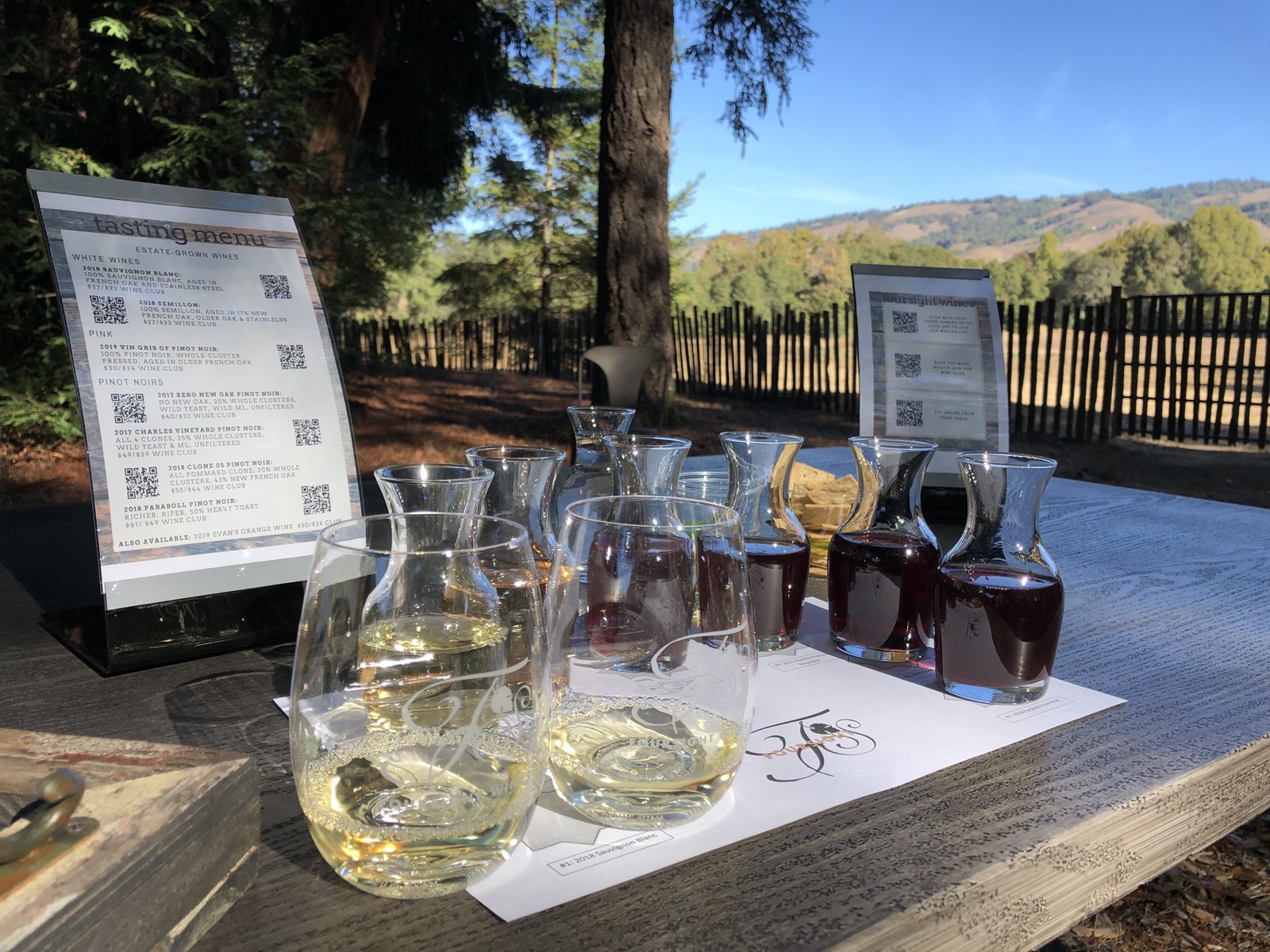
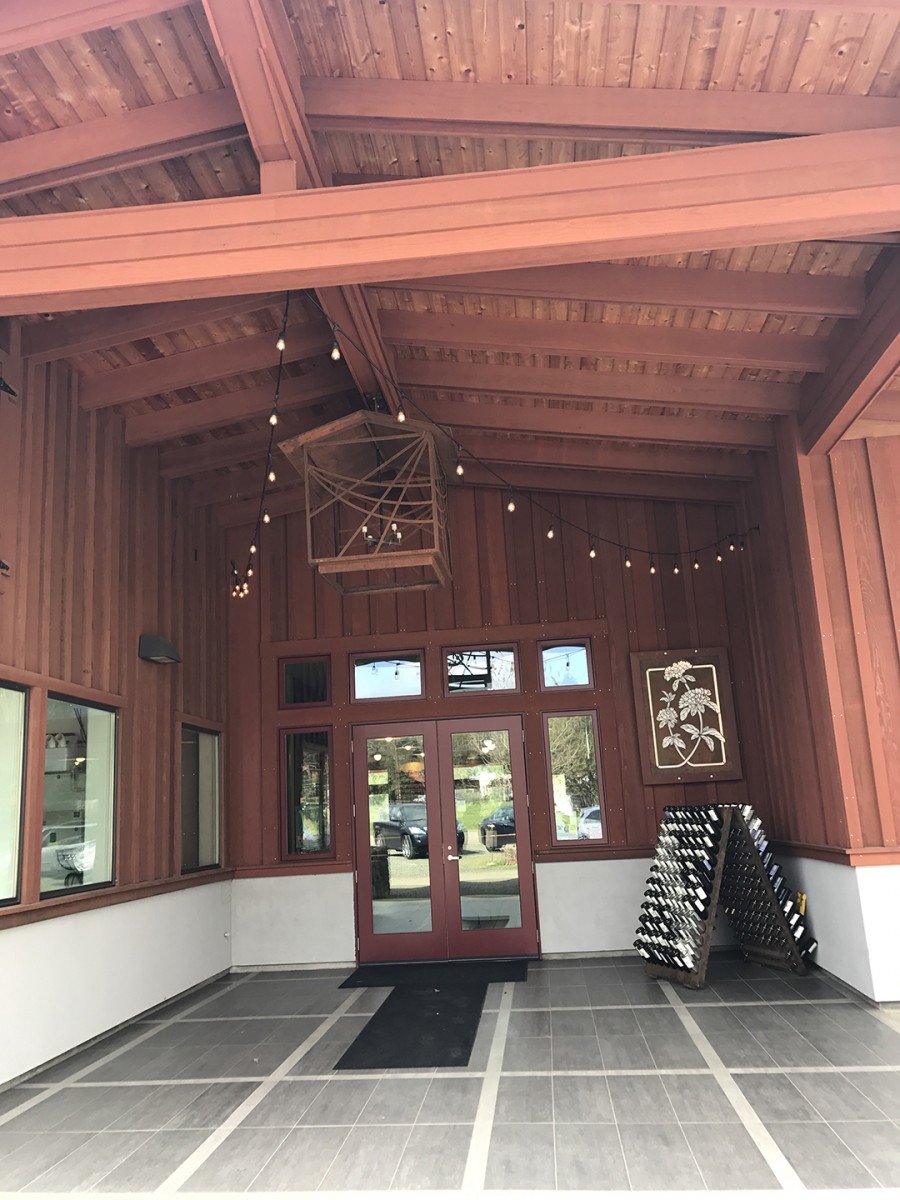
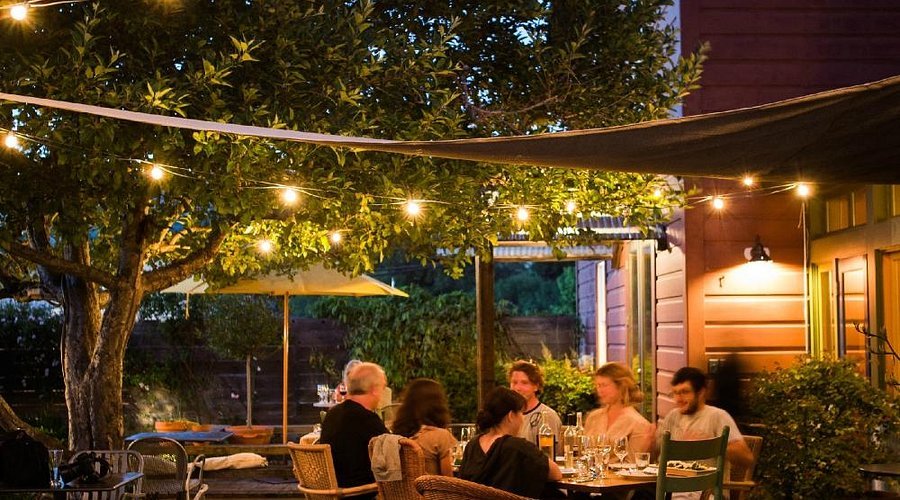
Charming and informal atmosphere with pleasant patio seating and a farm-first casual vibe.
Tags
Vibe
Best For
Experience
Sourcing
At the Vineyard
- Appellation
- Anderson Valley
- Varietals
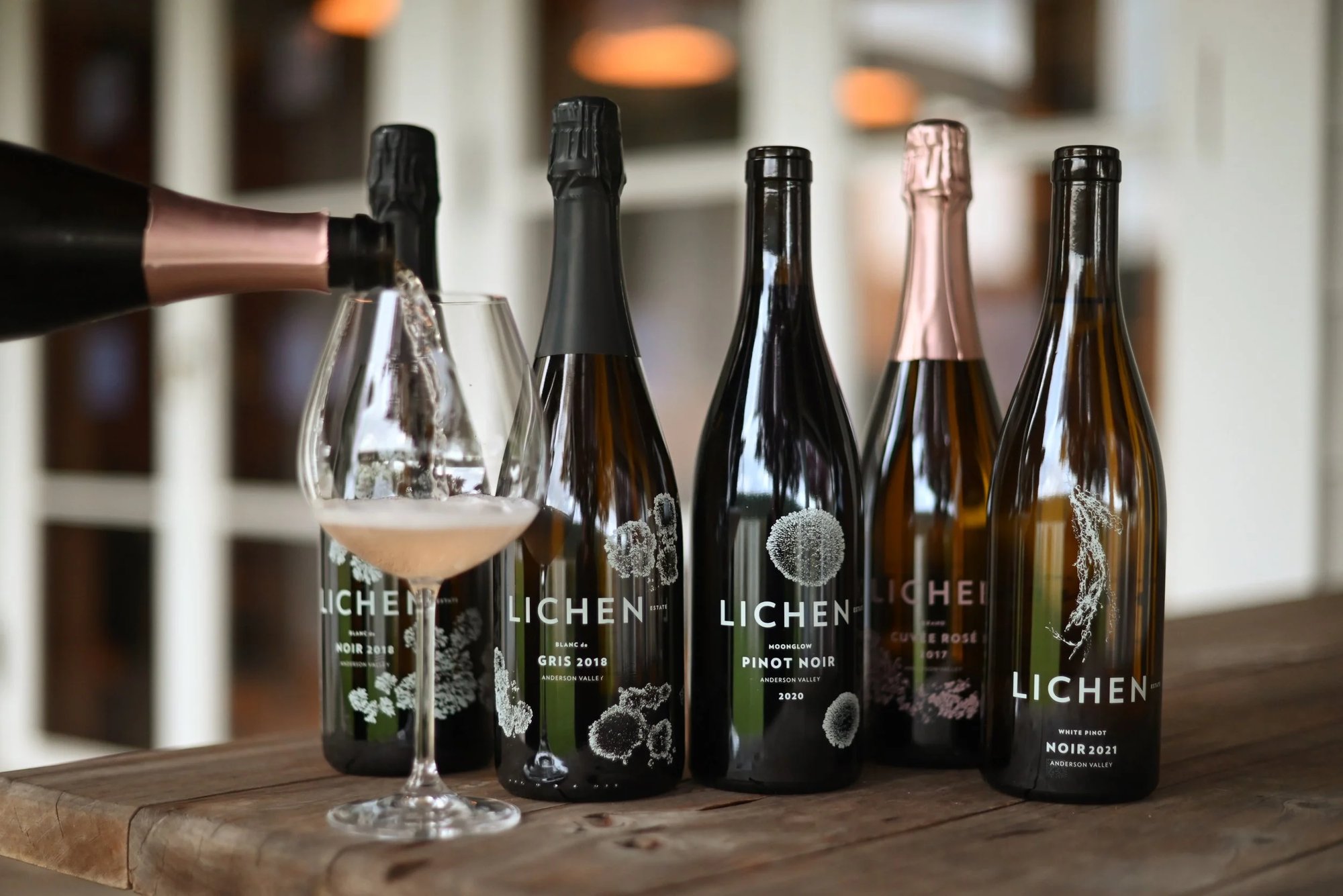
- Pinot Noir, Sauvignon Blanc, Riesling, Pinot Gris, Syrah
- Visits
- By reservation
- Farming
- Sustainable
- Production
- Small producer
- Wine Styles
- Still Red, Still White, Still Rose, Sparkling
- Shipping
- Available
- Wine Club
- Available
Know before you go
Know Before You Go
- Getting there
- 14077 CA-128, Boonville, CA 95415
Planning details
Location
Also consider
Also Consider
- The Boonville Distillery, Notable alternative
- Londer Vineyards, Notable alternative
- Foursight Wines, Notable alternative
- Fathers & Daughters Cellars, Notable alternative
- Pennyroyal Farm, Notable alternative
Winery context
How Bee Hunter Wine compares in Boonville
Choose Bee Hunter Wine when the goal is a more selective, wine-first stop and the group can plan around tight availability. Pennyroyal Farm is the better value call for mixed groups that want a broader experience and easier day-planning, while Bee Hunter Wine makes more sense for a smaller celebration where the pour matters more than extra amenities.
Foursight Wines and Fathers & Daughters Cellars are the closest cross-shops for a classic Boonville wine itinerary. Pick them if flexibility matters or if the day needs multiple winery stops without making one booking carry the whole occasion. Bee Hunter Wine is the stronger fit when the plan is intentionally narrow: one serious tasting, less wandering, fewer compromises.
The Boonville Distillery works better when not everyone in the group wants wine, and Londer Vineyards is more of a comparison point for visitors weighing Anderson Valley producers beyond the immediate Boonville core. For ambiance, Bee Hunter Wine reads as the more focused choice; for ease, variety, and group tolerance, the peers are safer.
Explore Boonville
Around this place
Discover more on Pearl
Unlock the full Bee Hunter Wine guide in Pearl, including awards, comparisons, FAQs, planning details, and nearby places.
Compare Bee Hunter Wine
| Venue | Location | Awards |
|---|---|---|
| Bee Hunter Wine | Boonville | No published awards |
| The Boonville Distillery | Boonville | No published awards |
| Londer Vineyards | Philo | No published awards |
| Foursight Wines | Boonville | No published awards |
| Fathers & Daughters Cellars | Boonville | No published awards |
| Pennyroyal Farm | Boonville | No published awards |
How Bee Hunter Wine Boonville compares with similar nearby venues.
FAQ
Frequently Asked Questions
Do I need a reservation at Bee Hunter Wine?
Reservation requirements are not specified. Bee Hunter Wine is in Boonville and has Pearl 2 Star Prestige (2025) recognition, so check directly before planning your visit.
Can Bee Hunter Wine handle large groups?
Group capacity is not specified. If you are planning with a larger party, contact Bee Hunter Wine directly before making it part of your Boonville itinerary.
What should I know before visiting Bee Hunter Wine?
Key details include Boonville location, casual dress code, and Pearl 2 Star Prestige (2025) recognition. For current visit details, ask Bee Hunter Wine directly, or compare the stop with Londer Vineyards as another option.
How should I decide whether Bee Hunter Wine fits my plans?
Decide after checking current details directly with Bee Hunter Wine and comparing them with your own schedule and priorities. Pennyroyal Farm can also be considered if you are comparing other options.
What other venues can I compare with Bee Hunter Wine?
Londer Vineyards, Foursight Wines, Fathers & Daughters Cellars, and Pennyroyal Farm are useful comparisons for planning. The best choice depends on the current details each venue confirms for your date and party.
When is the best time to visit Bee Hunter Wine?
Hours and the best time to visit are not specified. Check directly with Bee Hunter Wine before setting your schedule, especially if you are also considering The Boonville Distillery or another venue.
Does Bee Hunter Wine offer shipping or other services?
Shipping and other service details are not specified. Ask Bee Hunter Wine directly, and compare current policies with Foursight Wines or Pennyroyal Farm if those details are important to your plans.