
Château La Mission Haut-Brion
Pessac-Léognan, Bommes
Winery in Bommes, France
 Book with Pearl
The Read
Graves Classified Precision
Why go
Prioritise Château La Mission Haut-Brion if the goal is a serious Bordeaux estate visit with the grounds and cellar context doing real work. It is not the choice for flexible drop-in tasting or food-led touring; it suits first-timers who want one high-priority Left Bank appointment and are willing to plan early.
About Château La Mission Haut-Brion
Château La Mission Haut-Brion in Bommes is a premium venue with concise details: Jean-Philippe Delmas is chef/owner, the dress code is smart casual, the venue holds Pearl 5 Star Prestige (2025). Beyond those points, specific claims about service format, menus, tastings, prices, hours, seating, drinks, or visit logistics should be checked directly with the venue before planning around them.
Château La Mission Haut-Brion is a high-prestige Bommes entry. Its appeal rests on the venue name, its recognition, the association with Jean-Philippe Delmas. It does not confirm a particular dining style, appointment format, or public visit structure.
Plan your visit
The venue does not feature a casual tasting counter, a restaurant format, a set menu, a cellar tour, or a specific appointment structure. If those details matter to your trip, confirm them directly before committing time. It holds Pearl 5 Star Prestige (2025) recognition, the dress code is smart casual.
Jean-Philippe Delmas is the chef/owner. Plan conservatively, dress smart casual, verify current arrangements through the venue's official channels.
How to fit it into a Bommes itinerary
Château La Mission Haut-Brion is a key Bommes reference point. For further planning, explore our local guides: Our full Bommes restaurants guide, Our full Bommes hotels guide, Our full Bommes bars guide, Our full Bommes wineries guide, Our full Bommes experiences guide.
If you are comparing prominent names, natural reference points include Chateau Haut-Brion, Château Les Carmes Haut-Brion, Château Pape Clement, Domaine Clarence Dillon, Domaines Barons de Rothschild (Lafite). For other dining or travel planning in Bommes, compare options generically and confirm practical details directly before building an itinerary.
Planning details
- Location
- 67 Rue de Peybouquey, 33400 Talence
- Website
- mission-haut-brion.com
- Phone
- +33 5 56 00 29 30
The take
The Take
The Vibe
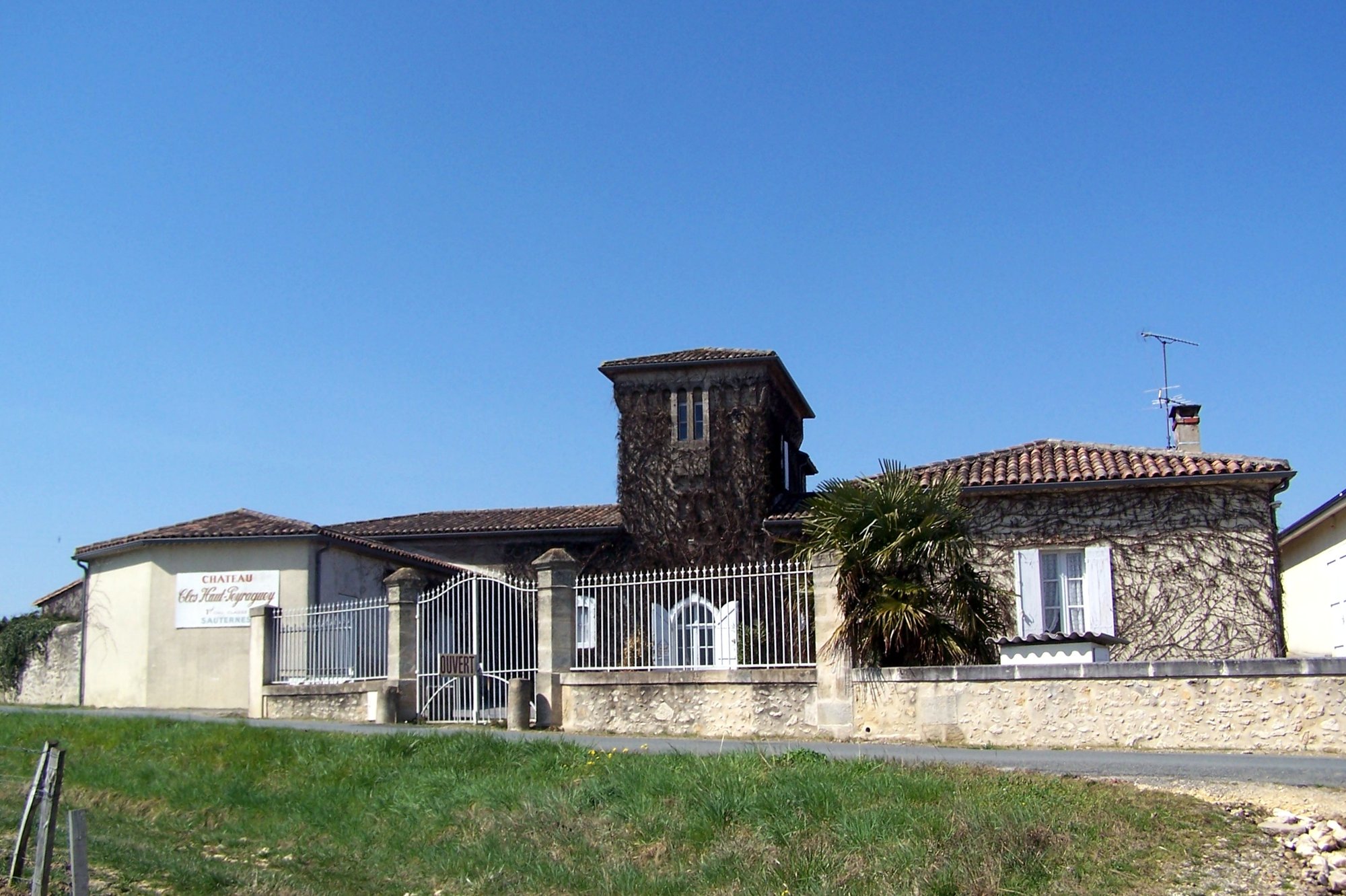
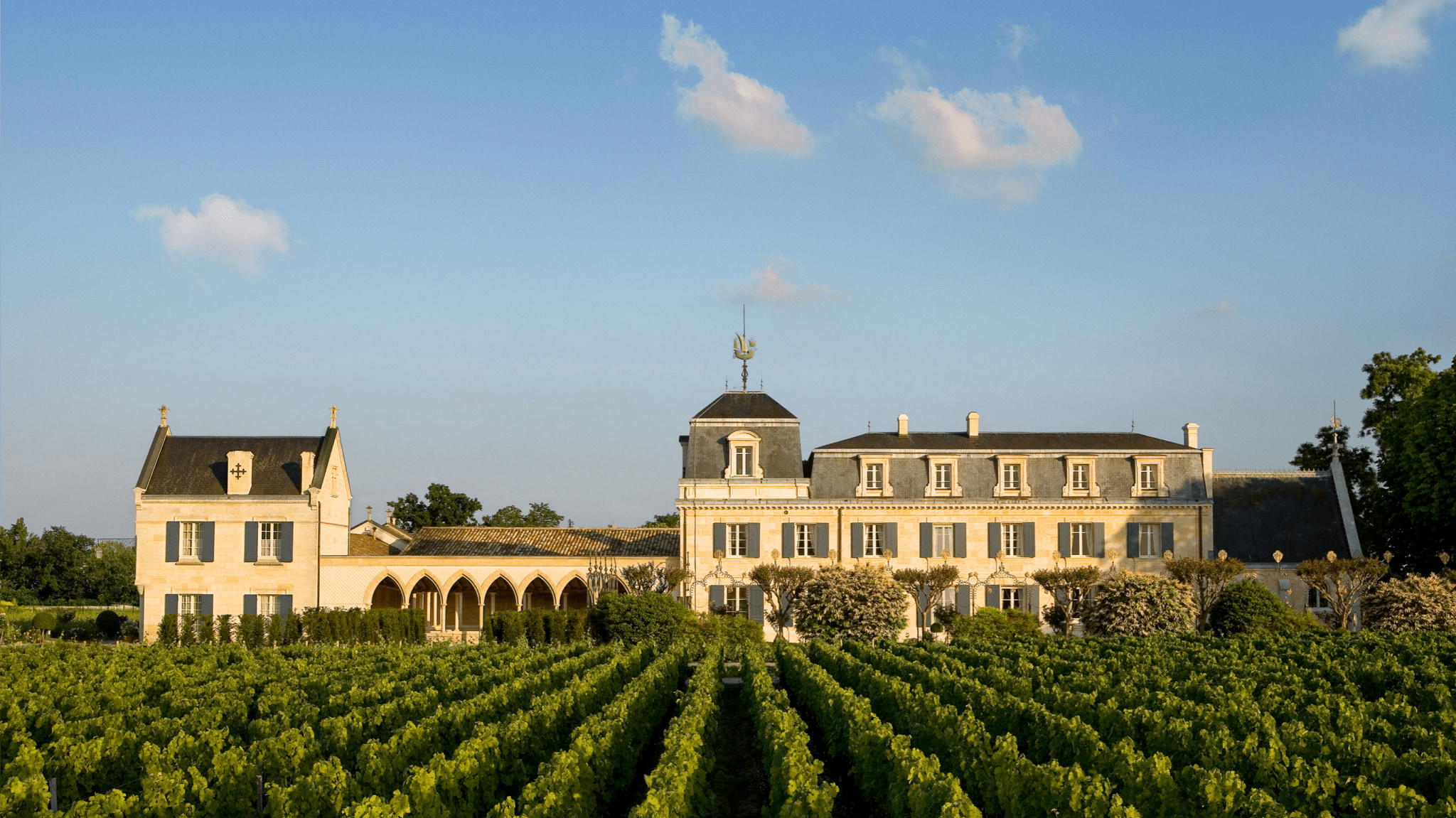
Château La Mission Haut-Brion presents as a deeply rooted, historically charged estate where technical continuity matters as much as terroir. The writing emphasizes lineage — winemaking dynasties and the Delmas family’s stewardship — and places the château squarely within the Graves tradition: gravel terraces, warmer microclimate and a style that favours concentration over austerity. The tone is measured and authoritative rather than romanticized; this is a place that attracts serious buyers and critics who come to read vintage, soil and technique in the glass. Expect an estate experience defined by provenance, gravitas and the quiet confidence of long-term stewardship.
Best For
La Mission Haut-Brion is best suited to wine-focused visits: collectors, critics and anyone interested in Pessac-Léognan’s distinctive red style. The estate functions as a reference point for critics and a touchstone for serious Bordeaux buyers, so it works especially well for educational tastings and comparative study of terroir and vinification approaches. It rewards visitors who are looking to understand concentration, fermentation choices and the subtle differences between adjacent top estates. While not pitched as a casual stop, its reputation and pedigree make it appropriate for milestone visits by people who treat wine tasting as study rather than merely leisure.
Tasting Tips
When engaging with La Mission Haut-Brion, approach bottles with an eye for terroir and age. The estate is described as prioritizing concentration and extended fermentation practices, so tasting across vintages reveals how structure and minerality evolve. Because the Delmas family runs adjacent estates with distinct house styles, comparing La Mission to neighbouring Haut-Brion (where possible) clarifies regional contrasts. Collectors should seek well-stored vintages and consult provenance; critics and students will benefit from tasting multiple years to grasp the estate’s role as a Pessac-Léognan reference point. Avoid expecting casual, lightweight styles—this is about density and nuance.
Venue details
Ambiance
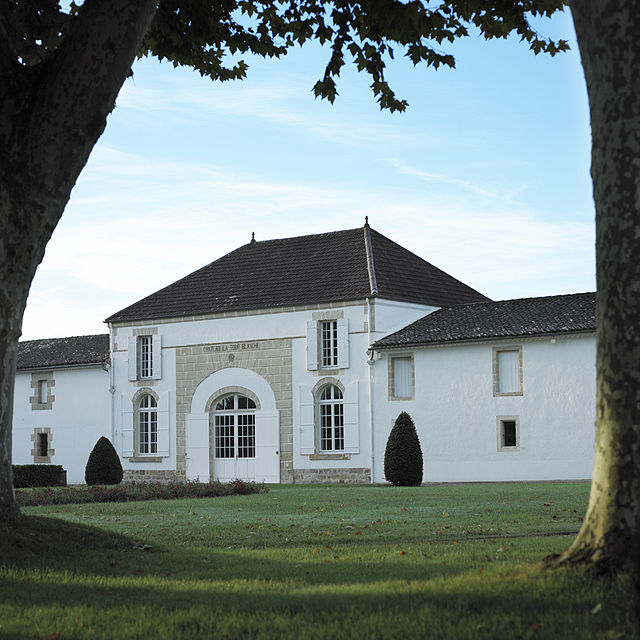
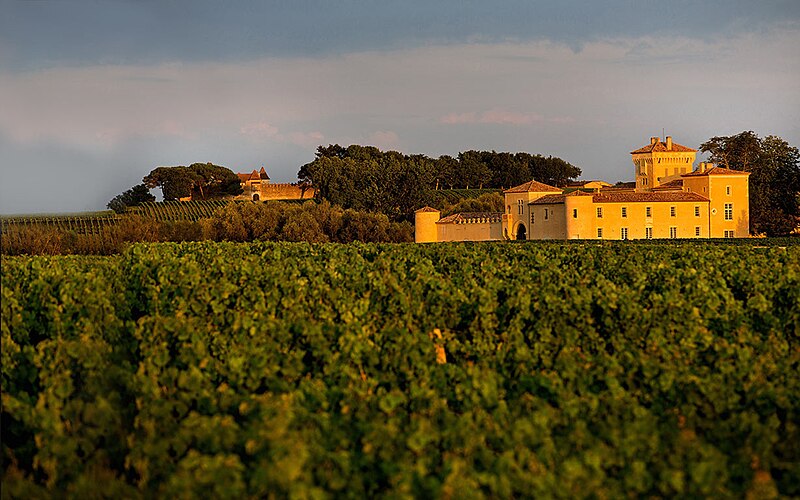
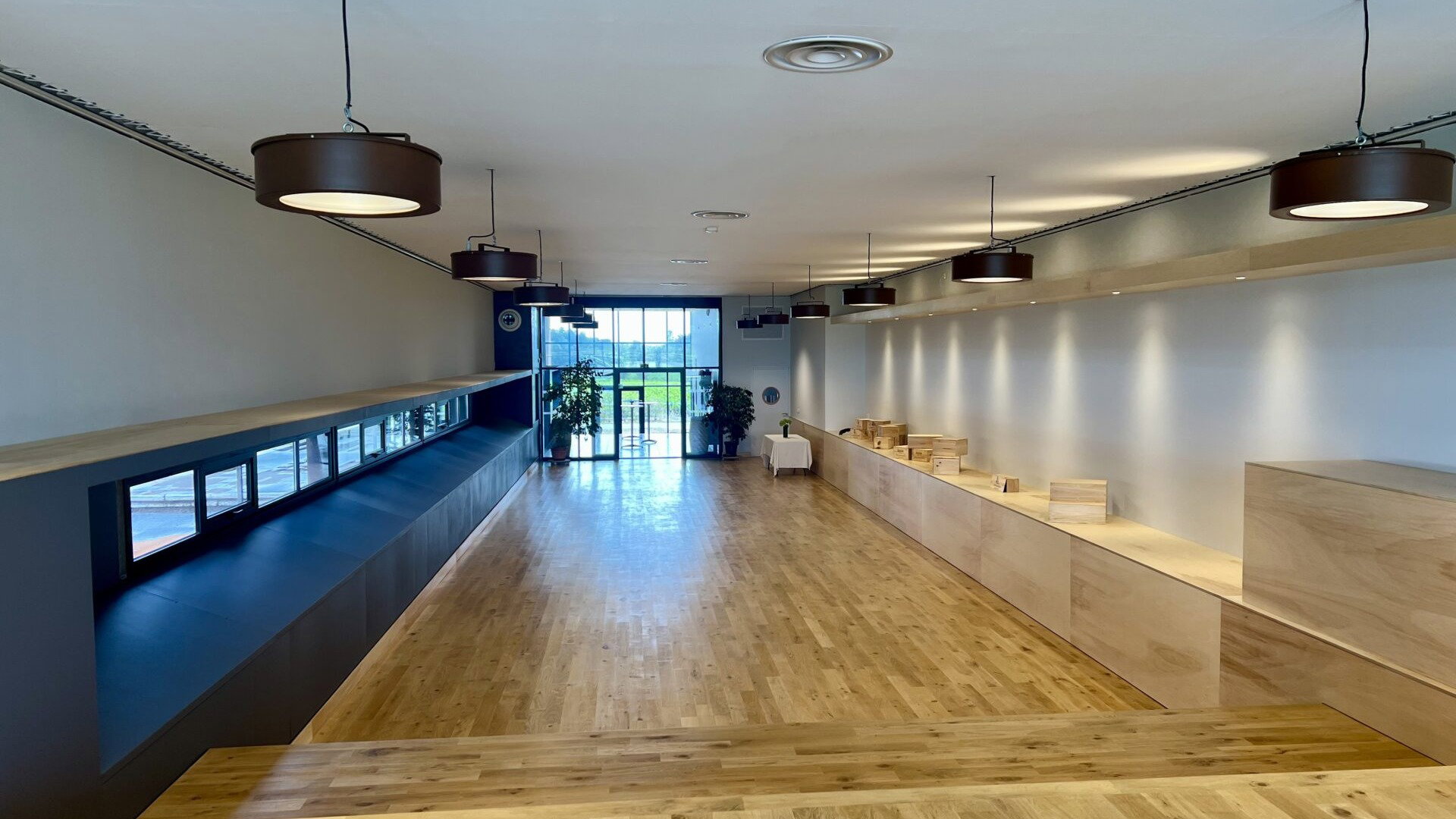
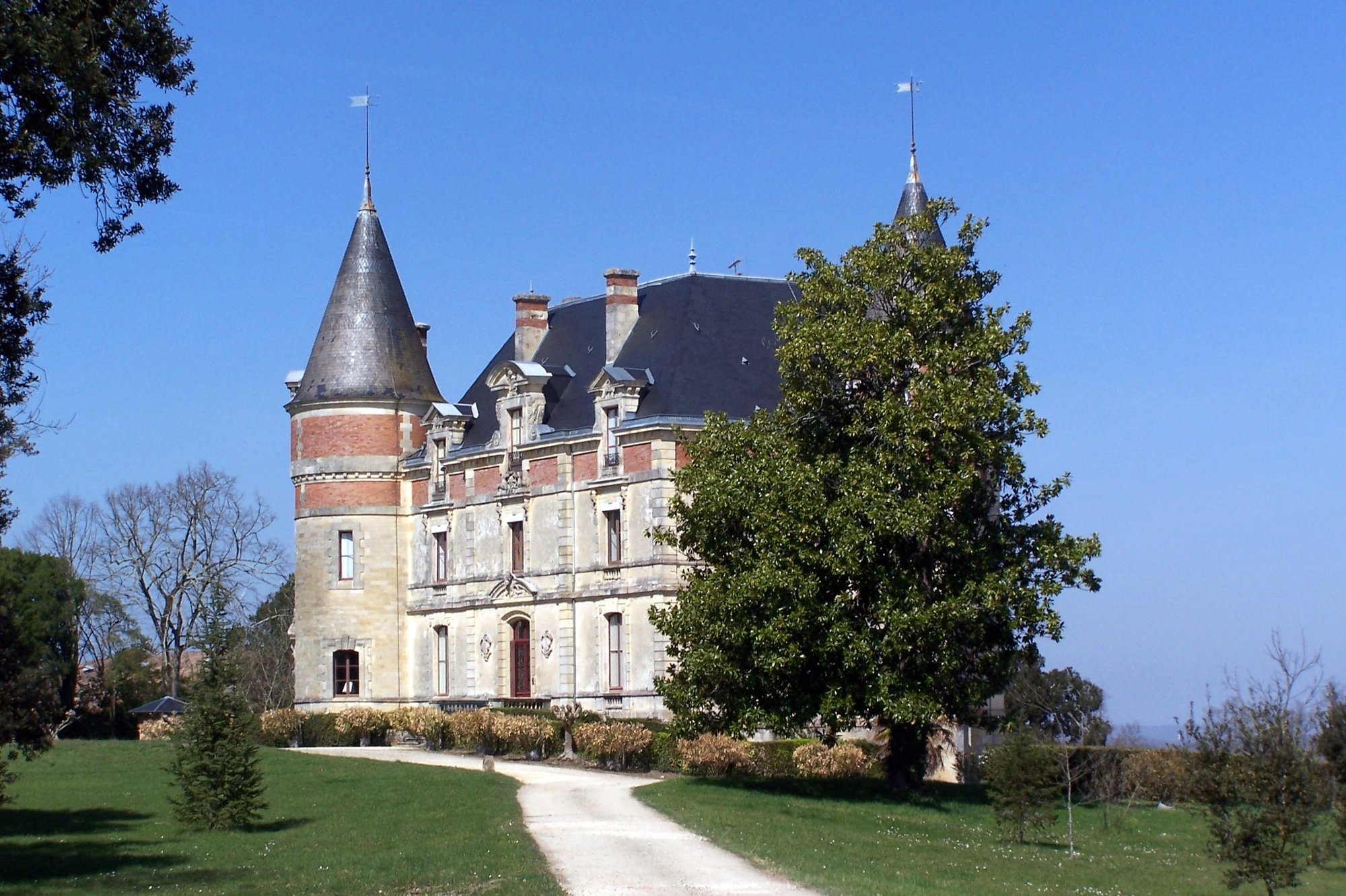
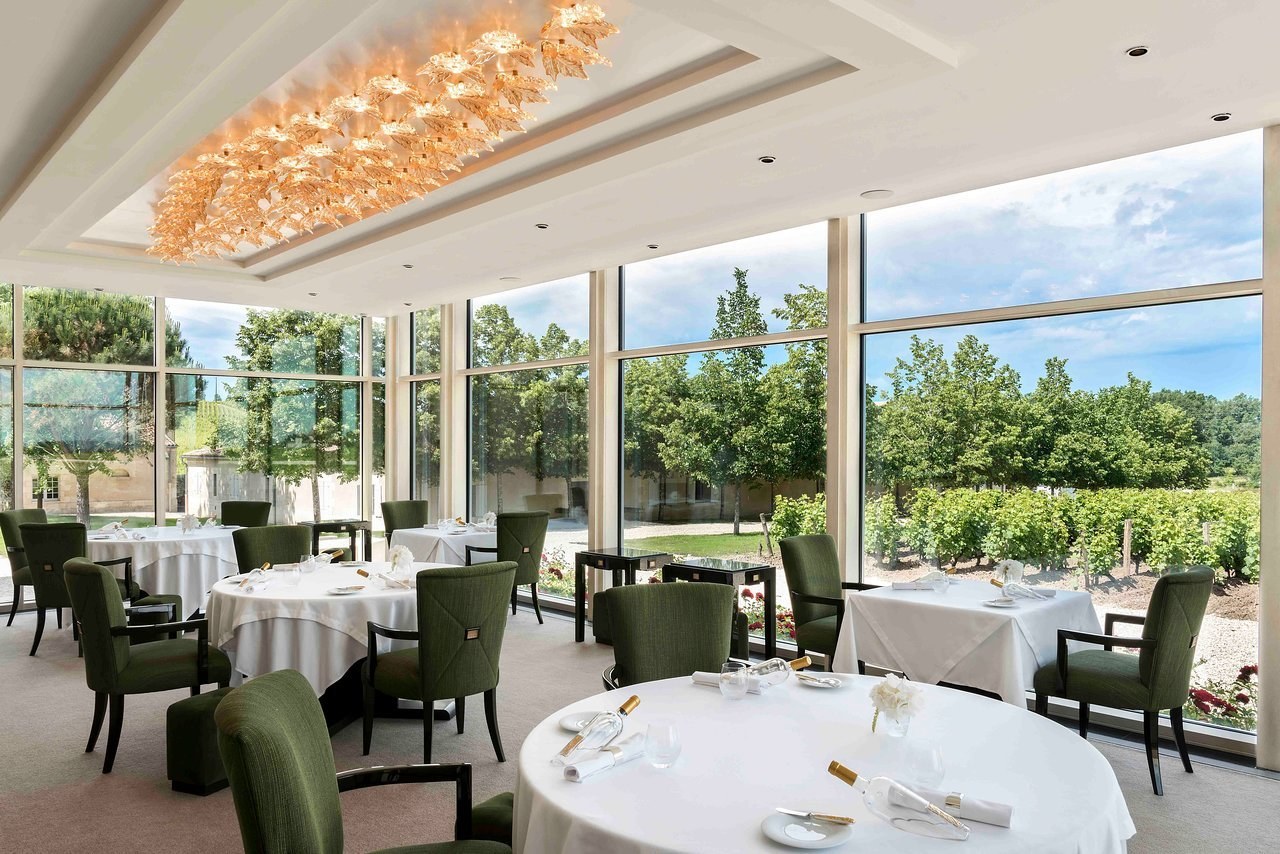
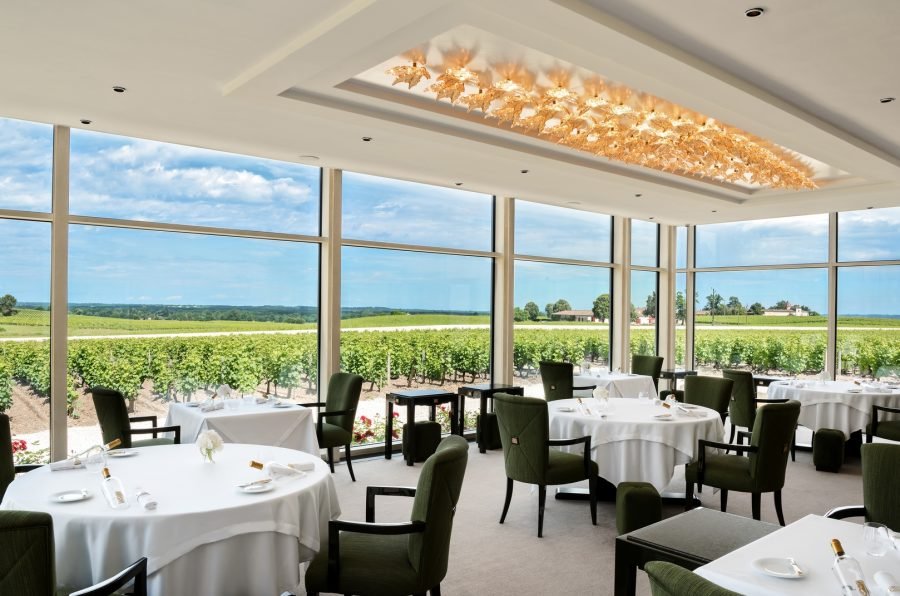
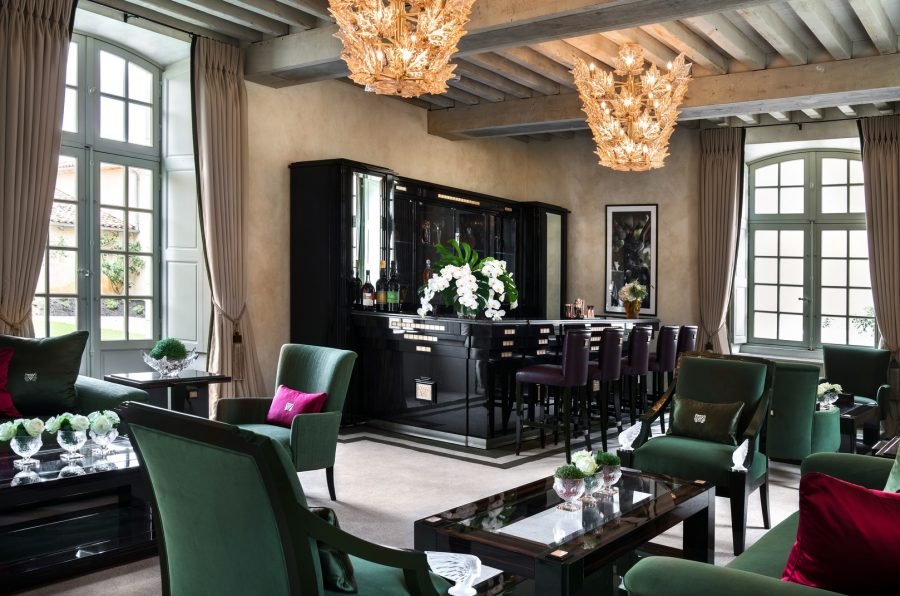
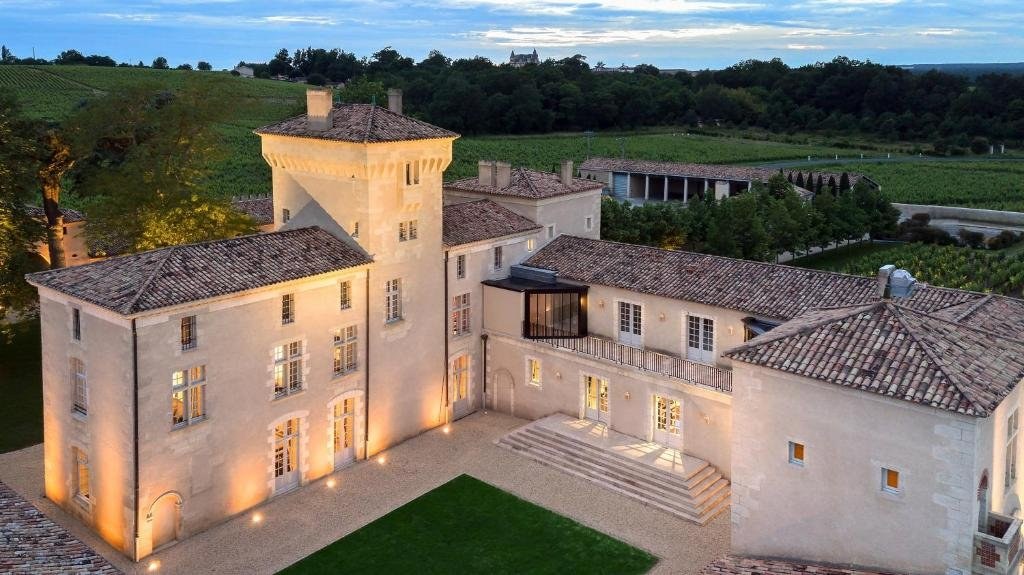
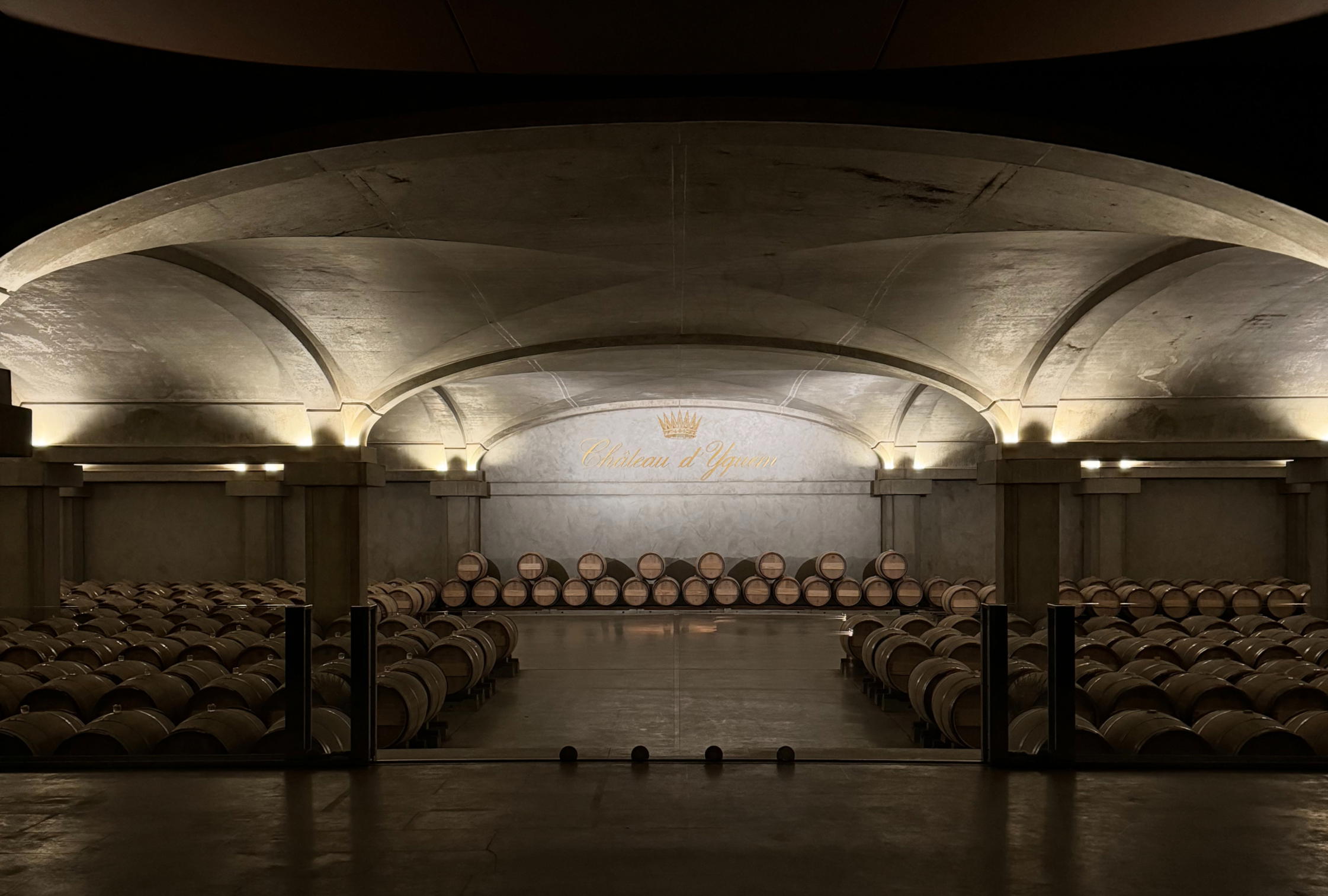
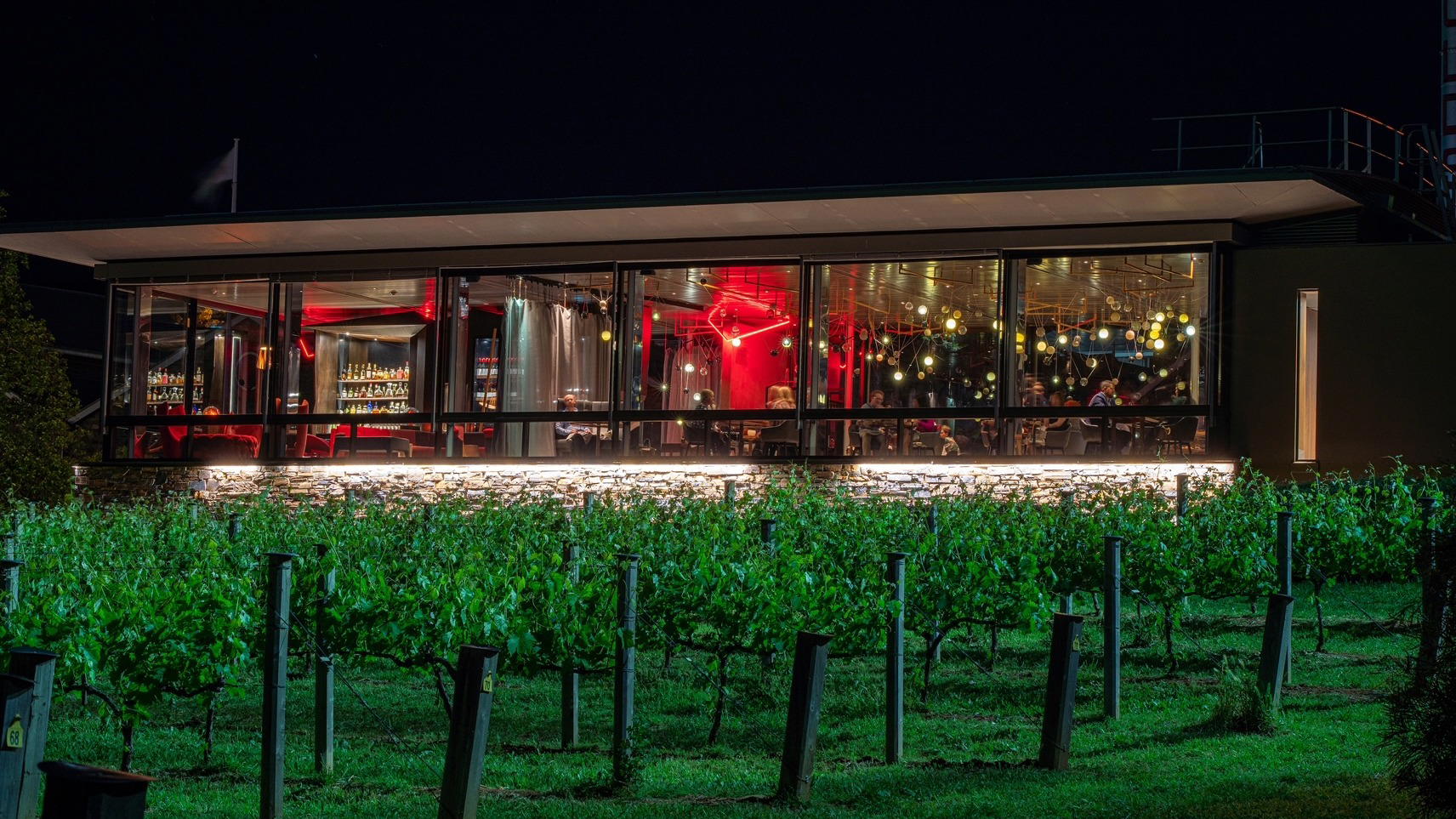
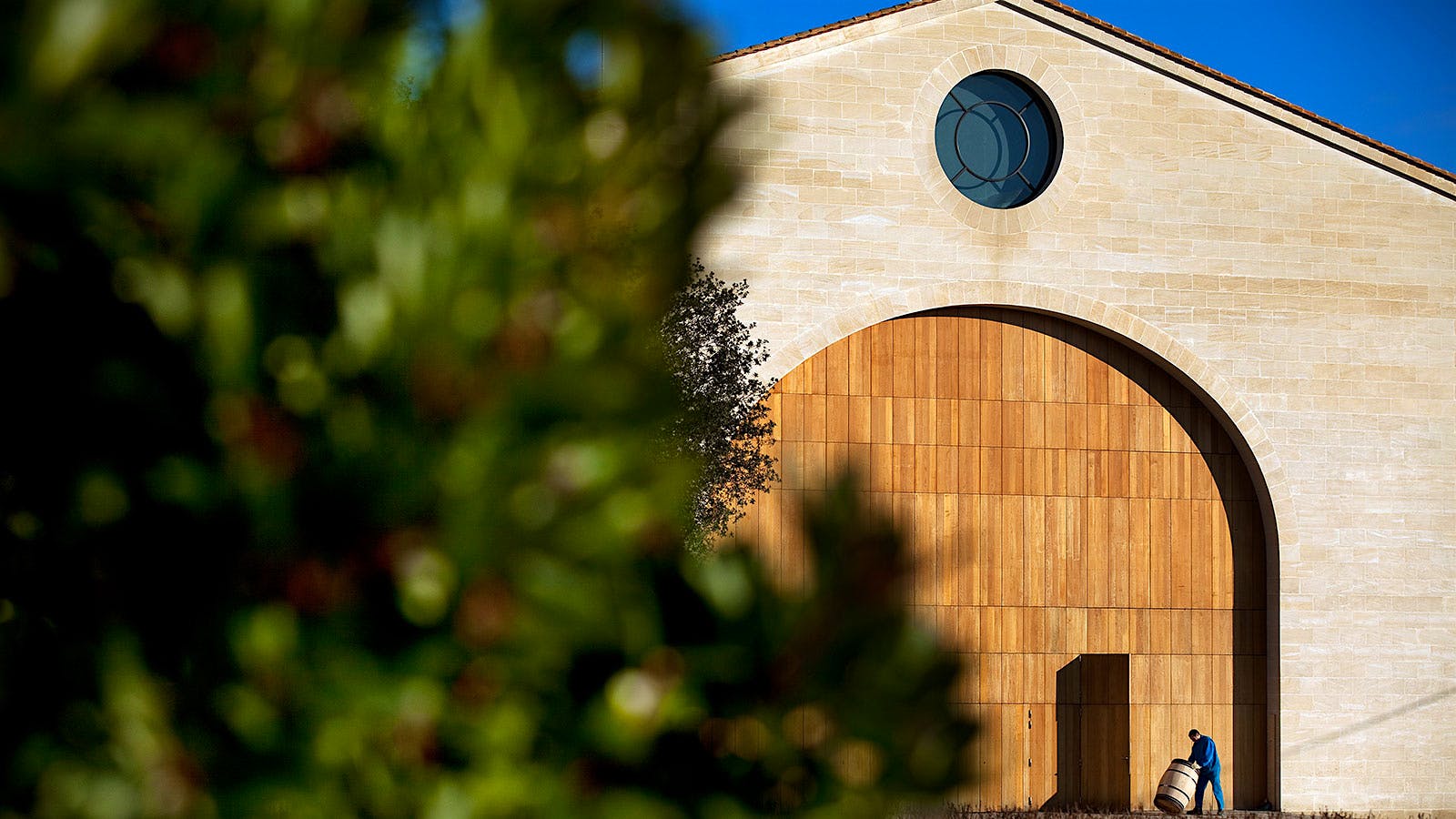
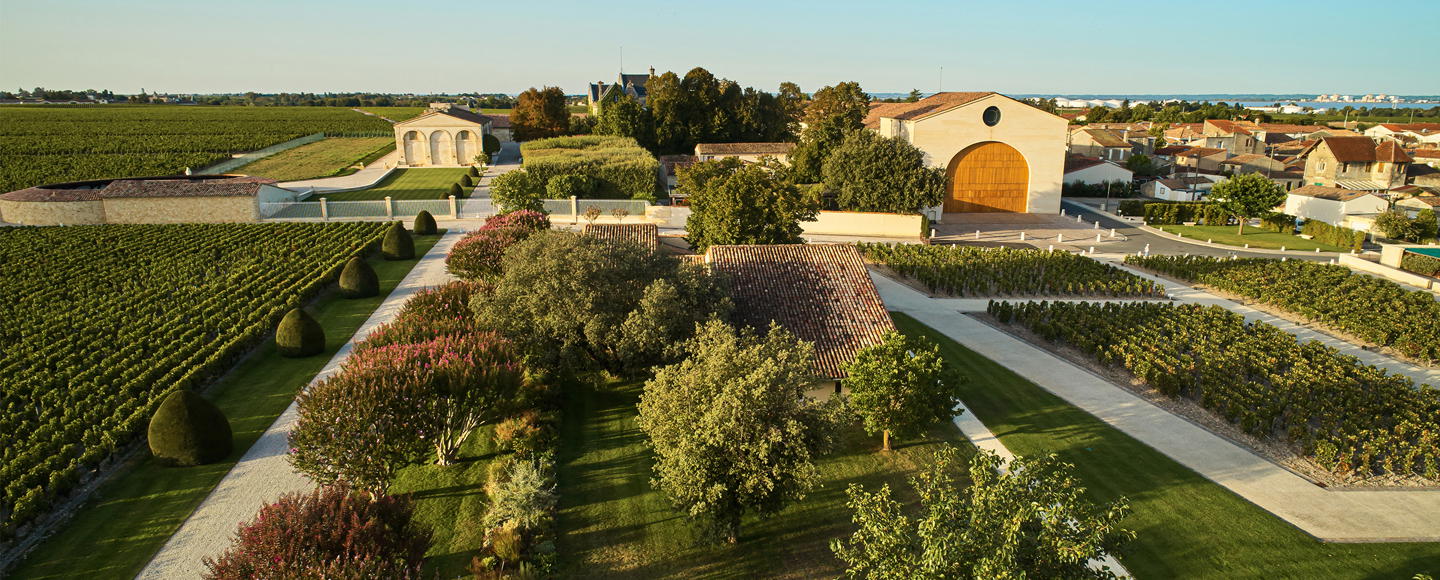
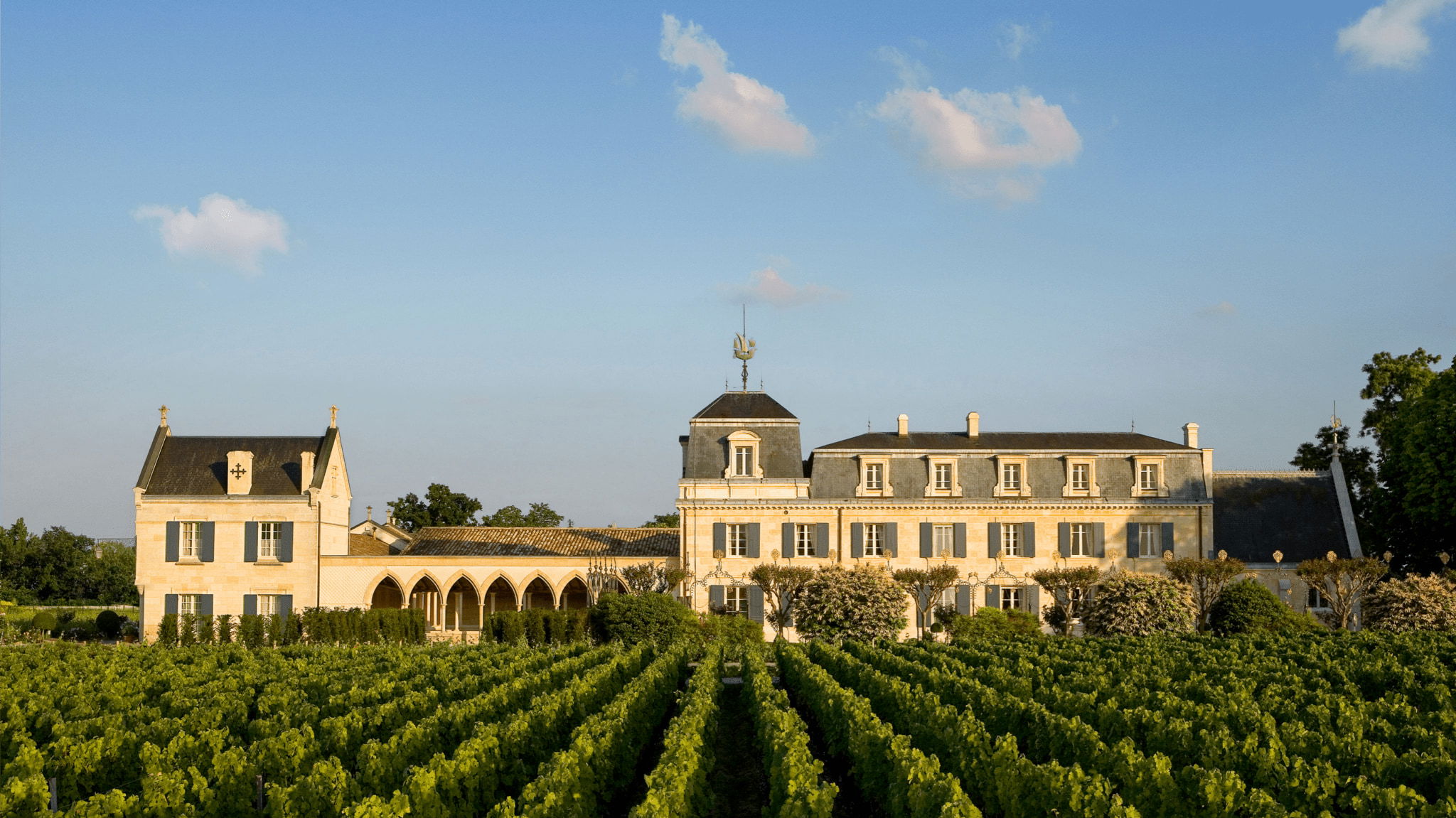
Opulent and refined atmosphere in a historic château with modern vat house, evoking quiet power and sophistication.
Tags
Vibe
Best For
Experience
Sourcing
View
At the Vineyard
- Appellation
- Pessac-Léognan
- Varietals
- Cabernet Sauvignon, Merlot, Cabernet Franc, Semillon, Sauvignon Blanc
- Wine Club
- Available
Planning details
Location
Recognition and awards
Also consider
Also Consider
- Chateau Haut-Brion, Notable alternative
- Domaine Clarence Dillon, Notable alternative
- Château Les Carmes Haut-Brion, Notable alternative
- Château Pape Clement, Notable alternative
- Domaines Barons de Rothschild (Lafite), Notable alternative
Winery context
How it compares with nearby Bordeaux heavyweights
Choose Château La Mission Haut-Brion when the estate setting and grand vin context matter as much as tasting access. Chateau Haut-Brion is the obvious cross-shop for prestige-focused visitors, while Domaine Clarence Dillon is the broader house reference for readers trying to understand the group context around these addresses.
Château Les Carmes Haut-Brion is the better fit if architectural contrast and a more contemporary estate feel are the priority. Château Pape Clement is the more practical alternative for visitors who want a château experience with a potentially easier tourism rhythm, though availability should still be checked early.
Domaines Barons de Rothschild (Lafite) sits in a different planning lane: pick it for a Médoc-led itinerary rather than a Bordeaux-city-adjacent day. If only one appointment near Bordeaux can make the schedule, Château La Mission Haut-Brion is the stronger choice for visitors who want the estate itself to shape the decision, not just the label on the bottle.
Around this place
Discover more on Pearl
Unlock the full Château La Mission Haut-Brion guide in Pearl, including awards, comparisons, FAQs, planning details, and nearby places.
Compare Château La Mission Haut-Brion
| Venue | Location | Awards |
|---|---|---|
| Château La Mission Haut-Brion | Bommes | 2025 Pearl 5 Star Prestige |
| Chateau Haut-Brion | Pessac | 2025 Pearl 5 Star Prestige2022 World's 50 Best Vineyards · #35 |
| Domaine Clarence Dillon | Pessac | No published awards |
| Château Les Carmes Haut-Brion | Pomerol | 2025 Pearl 4 Star Prestige |
| Château Pape Clement | Pessac | 2025 World's 50 Best Vineyards · #272025 Pearl 4 Star Prestige2024 World's 50 Best Vineyards · #212023 World's 50 Best Vineyards · #192022 World's 50 Best Vineyards · #26 |
| Domaines Barons de Rothschild (Lafite) | Bordeaux | No published awards |

How Château La Mission Haut-Brion compares with similar nearby venues.
FAQ
Frequently Asked Questions
What other venues are useful comparisons for Château La Mission Haut-Brion?
Useful comparison names include Chateau Haut-Brion, Château Les Carmes Haut-Brion, Château Pape Clement, Domaine Clarence Dillon, Domaines Barons de Rothschild (Lafite). For other options in Bommes, compare venues generically and verify details directly.
Can Château La Mission Haut-Brion handle large groups?
It does not list group capacity, private-visit arrangements, hours, or phone details. Large-group planning should be confirmed directly with the venue before making arrangements.