


Tenuta San Guido
Bolgheri
Winery in Bolgheri, Italy
 Book with Pearl
The Read
Super Tuscan Originator
Why go
Tenuta San Guido is a wine estate in Bolgheri, Tuscany, associated with the Bolgheri Sassicaia appellation.
About Tenuta San Guido
Tenuta San Guido is a Pearl 5 Star Prestige (2025) venue in Bolgheri. Plan around the essentials rather than assuming a specific tasting format, restaurant program, menu, price point, or visitor experience. Graziana Grassini is the listed chef/owner, and the dress code is smart casual.
For travelers comparing premium stops in the area, treat Tenuta San Guido as a high-priority Bolgheri name, but keep the itinerary flexible until the venue's current arrangements are checked directly. The listing should not be read as a guarantee of lunch, pairings, a dining format, or any specific hospitality program.
Choose it for a Bolgheri priority, and plan meal details separately
Do not build the day around an assumed meal on site, including a pairing menu, restaurant format, tasting food program, hours, prices, or service style. Contact the venue directly before committing the rest of the schedule. For planning around meals, use Our full Bolgheri restaurants guide; for overnight logistics, use current Bolgheri hotel information separately.
That does not make it a weaker choice; it simply changes the planning approach. If the group needs food details or a clearly defined visitor format, check current information before booking. Keep the rest of the day flexible, especially if combining Tenuta San Guido with other plans in Bolgheri.
Where it fits in a Bolgheri itinerary
For most travelers, Tenuta San Guido should be considered alongside other notable names in and around the Bolgheri area rather than treated as a casual filler stop. Le Macchiole, Masseto, Ornellaia, Tenuta Guado al Tasso, and Tenuta di Biserno are natural comparison points when deciding how to structure a premium day.
The right call is simple: consider Tenuta San Guido when a Pearl 5 Star Prestige (2025) Bolgheri venue is a priority and you are comfortable checking the practical details directly. Look elsewhere first if the group needs guaranteed food details, published visitor programming, or a more clearly defined schedule before making plans.
Planning details
- Location
- Località Capanne, 27, 57022 Bolgheri LI
- Website
- tenutasanguido.com
- Phone
- +39 0565 762003
The take
The Take
The Vibe
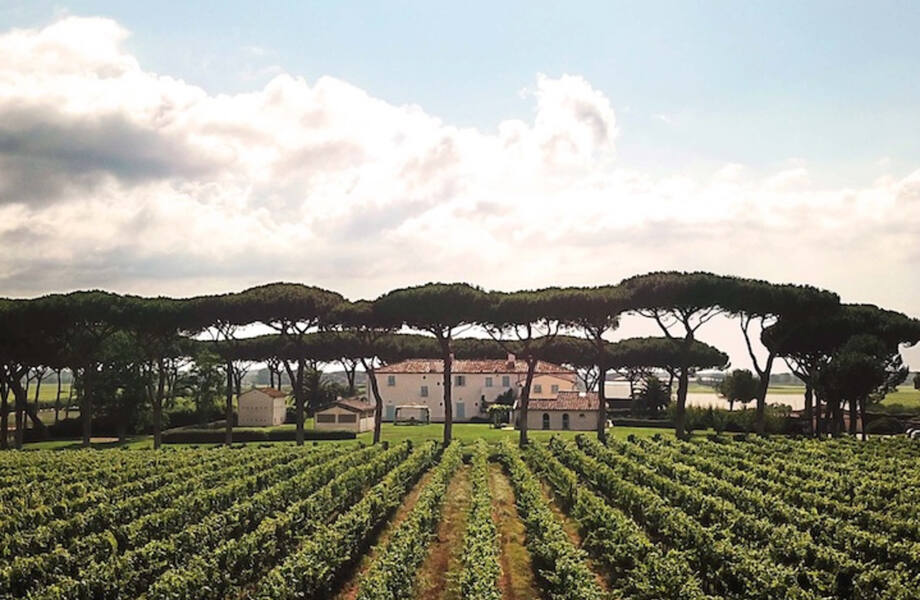
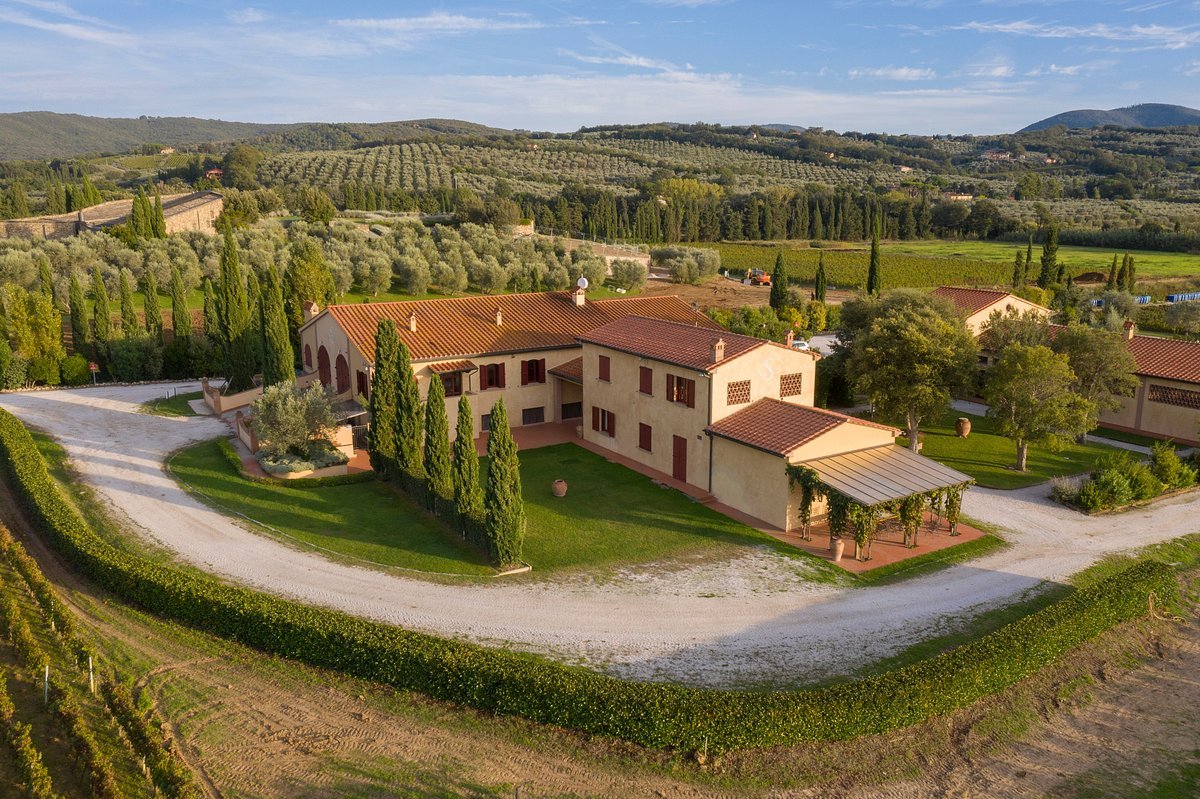
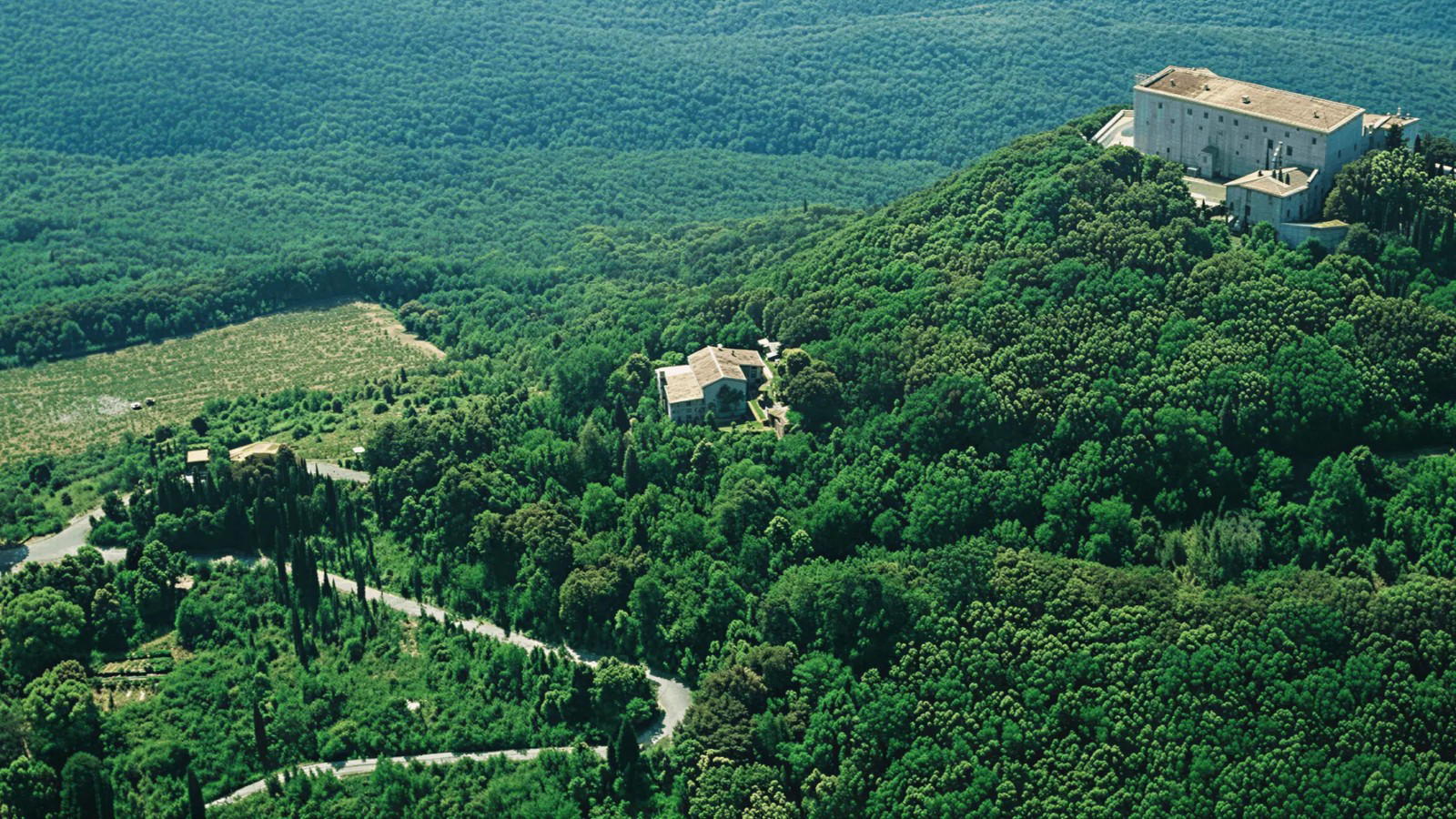
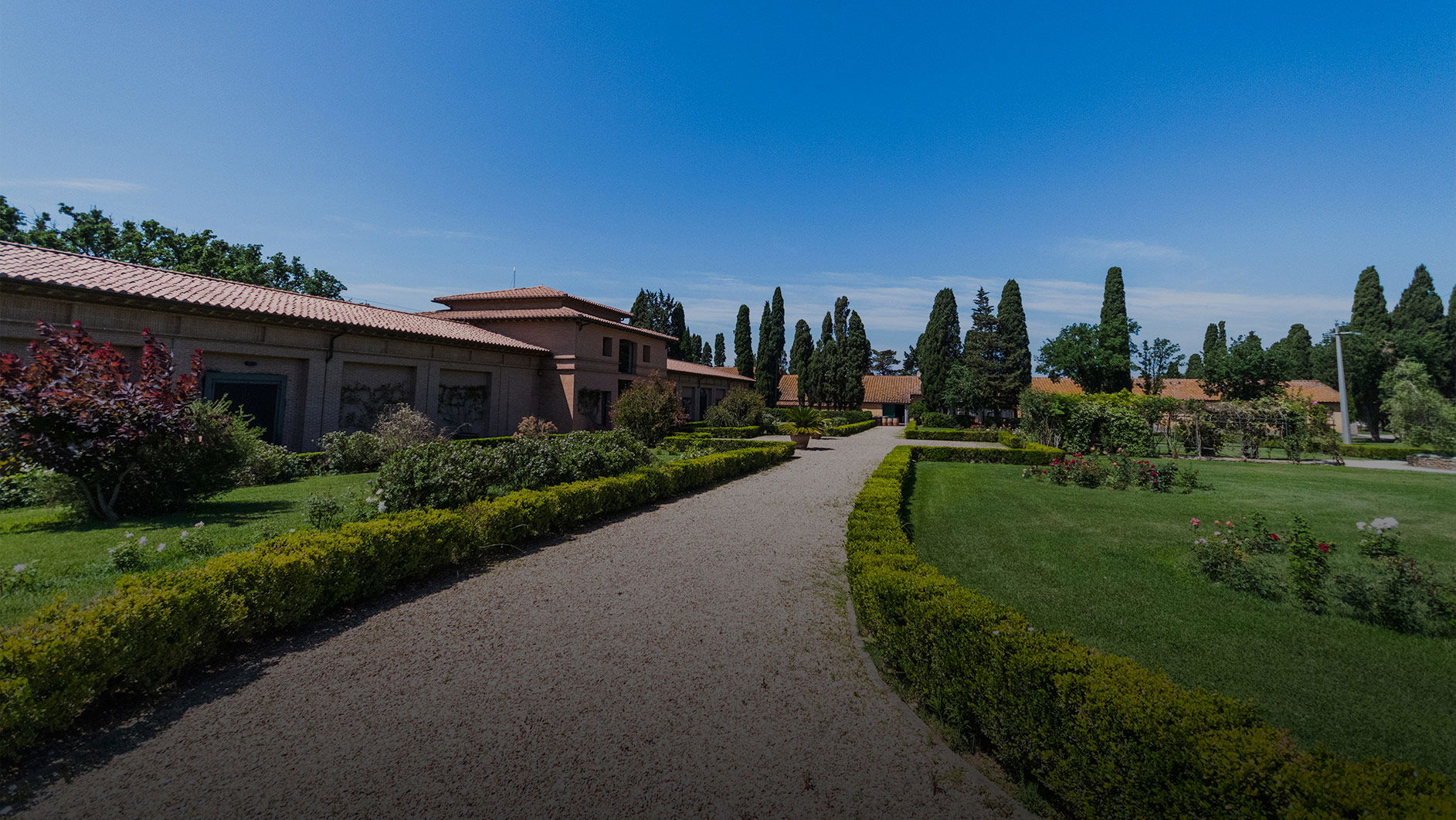
Tenuta San Guido sits at the cinematic junction where Bolgheri’s cypress avenue meets open coastal vineyards. The estate reads like a study in light and place: horizontal Tyrrhenian sun, low flatlands and maritime influence give the landscape a spacious, contemplative character. The text traces a clear through-line from terrain to bottle—clay, limestone and alluvial soils, moderated diurnal ranges—so the feeling here is rural and quietly grand rather than urban or flashy. Visitors and readers alike encounter both the human story of experimentation and the elemental seaside landscape that frames one of Italy’s most consequential wine estates.
Best For
This estate is best for people who want to understand the site-driven story behind a landmark Italian wine. The copy emphasizes terroir, history and the pioneering role Tenuta San Guido plays in Bolgheri, so it suits wine-education-minded travelers and collectors marking special moments. The evocative cypress avenue and coastal light also make it a natural pick for couples seeking a romantic escape anchored in landscape and tasting rather than nightlife or dining theatrics. It rewards those who are interested in terroir, history and iconic bottlings.
Tasting Tips
When engaging with Tenuta San Guido’s wines, prioritize the estate’s signature expressions and vintages that demonstrate how maritime influence and parcel variation shape Cabernet-driven blends. The text points to the estate’s early and influential vintages (first in 1968) and to differences in soil and drainage across blocks—so seek bottles or tasting notes that reference specific parcels or older vintages to track evolution. Focus on structure and balance over varietal bravado: the story here is about place and measured refinement rather than trendy stylistic flourishes.
Venue details
Ambiance
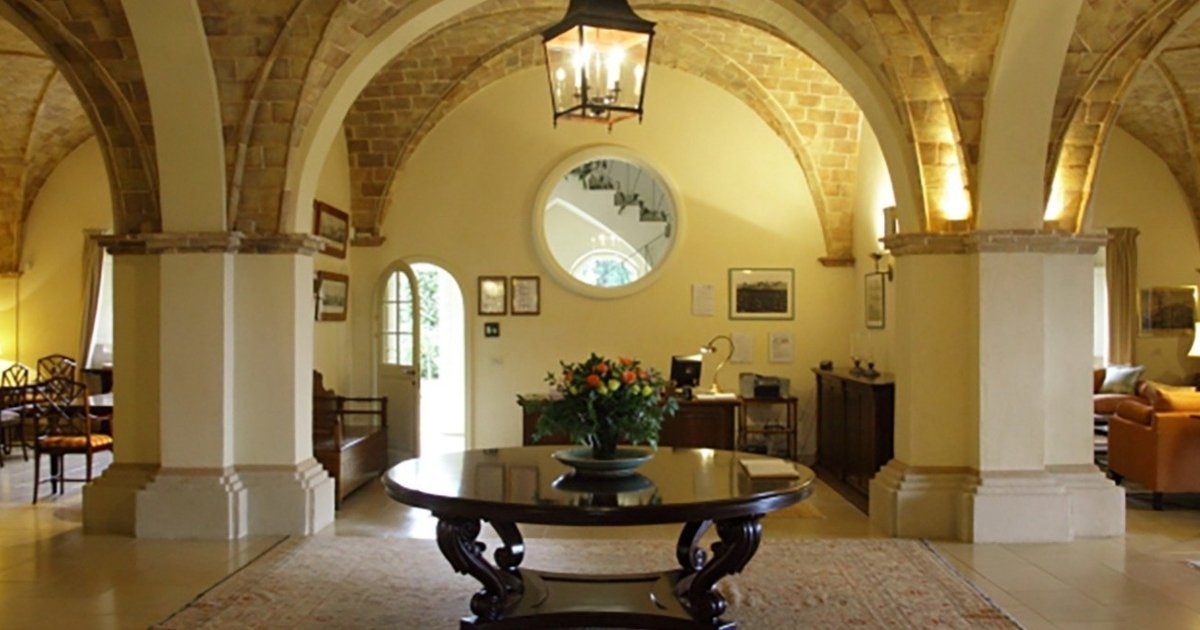
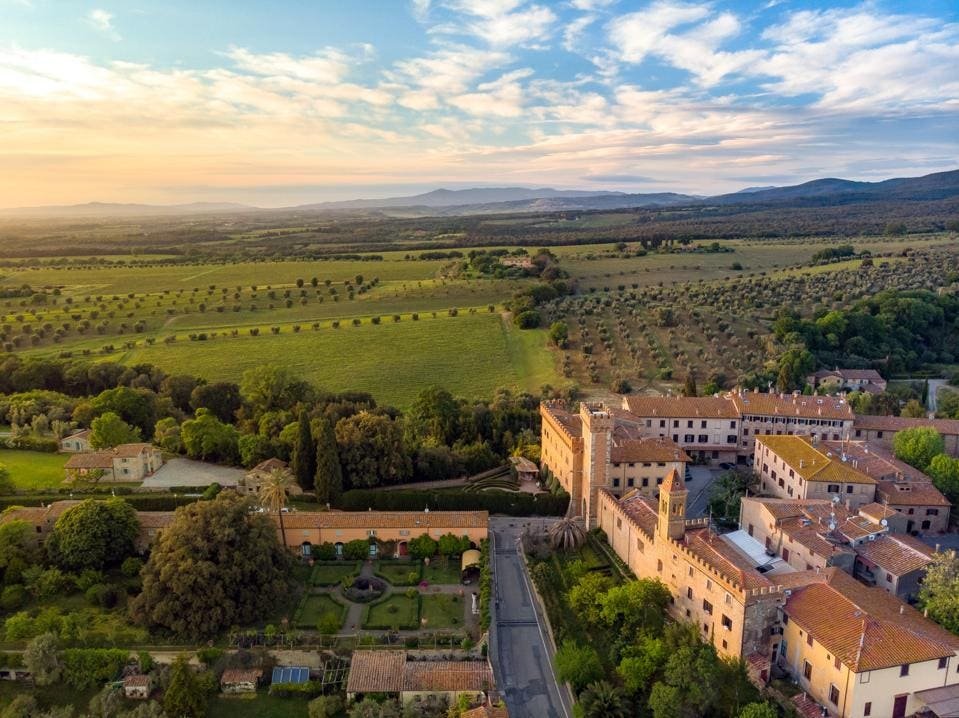
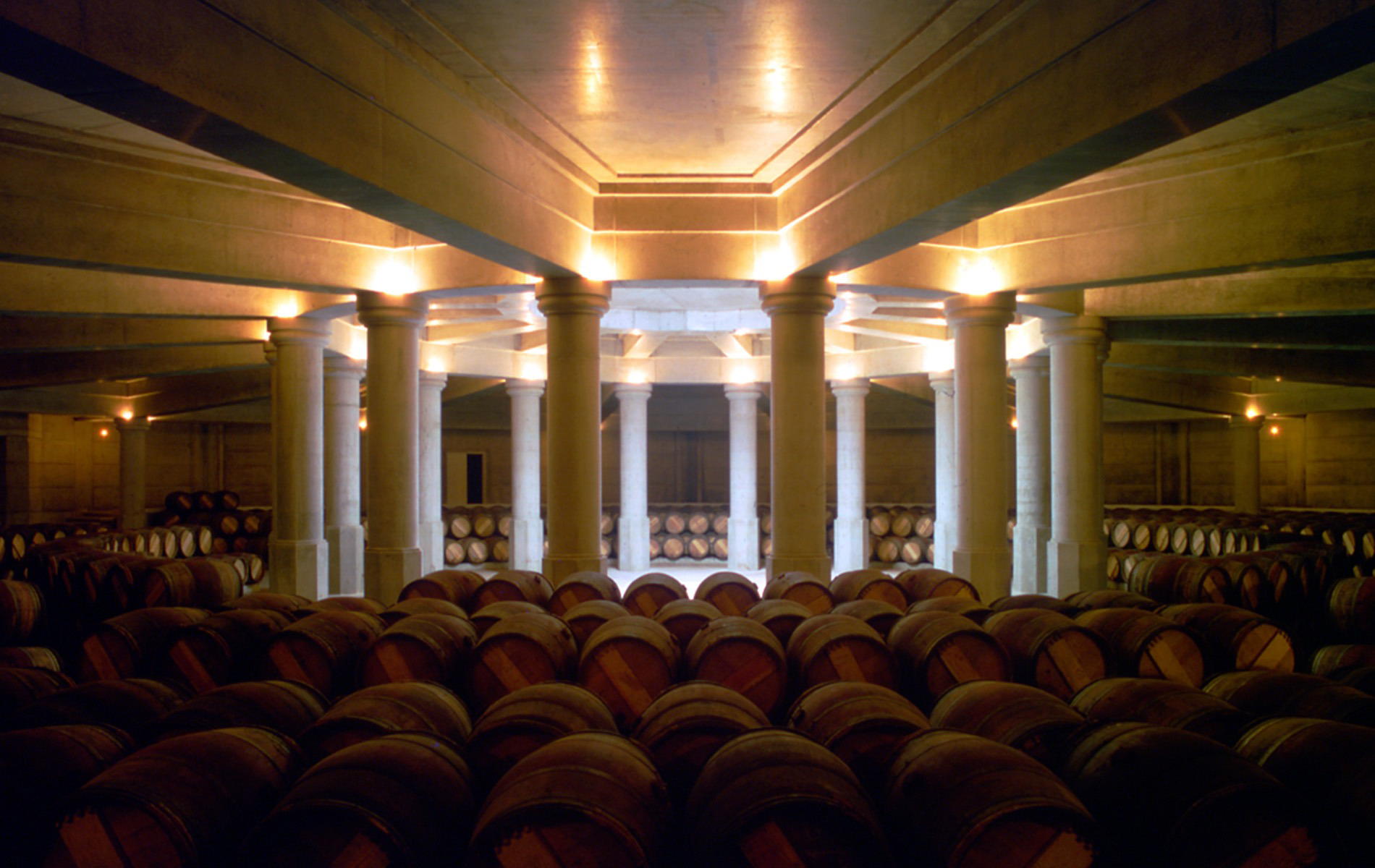
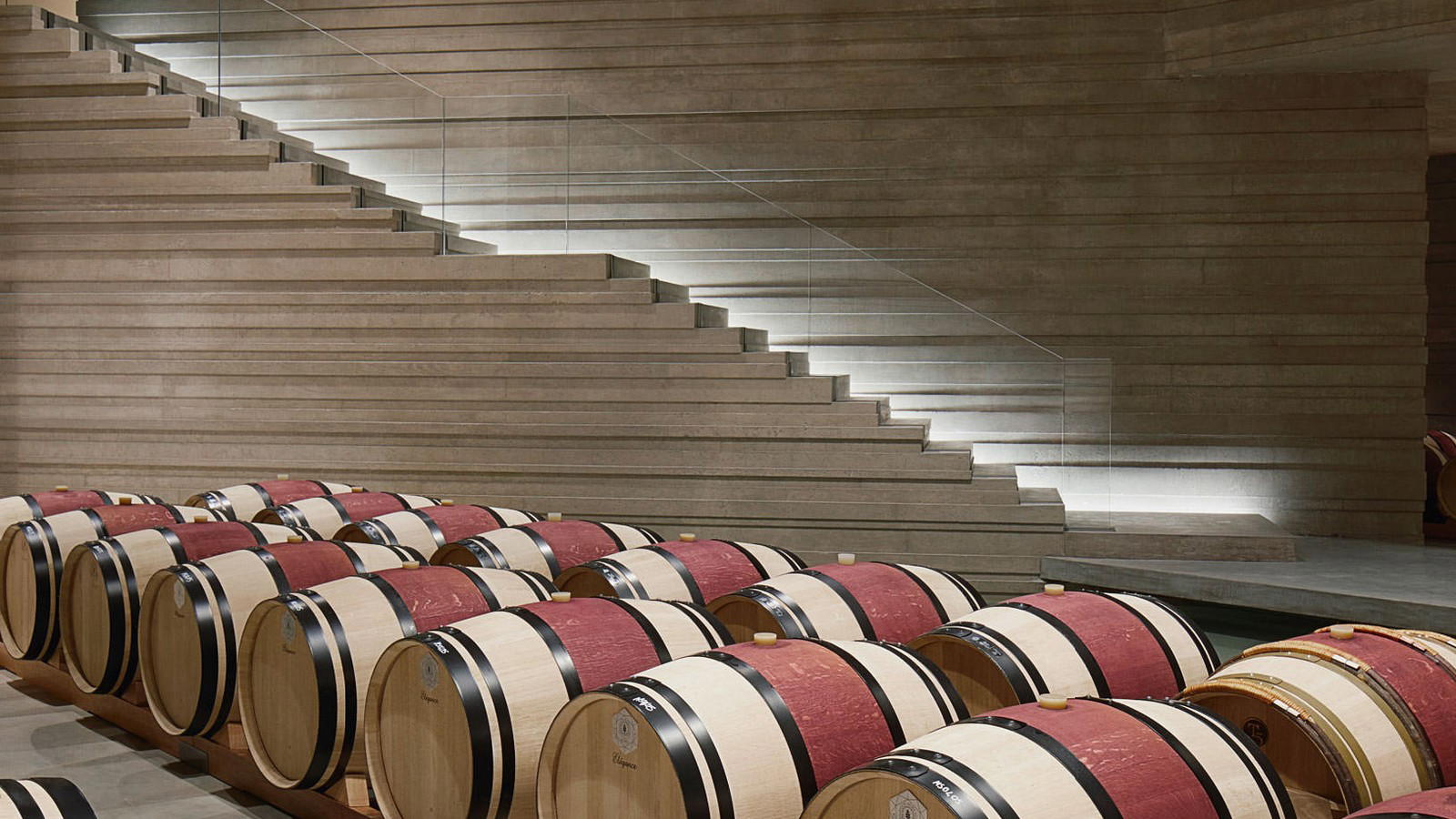
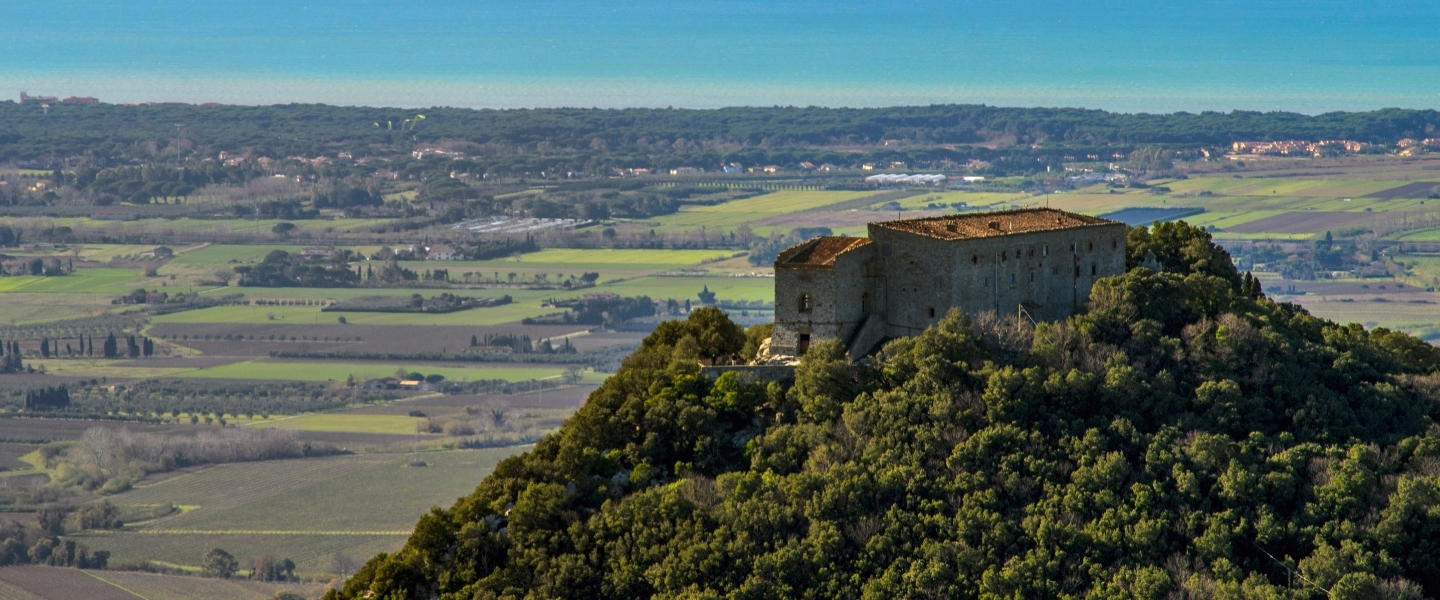
Historic and refined, set within a 2,500-hectare private estate with medieval fortress origins, surrounded by vineyards, woodlands, and olive groves with a contemplative, heritage-focused atmosphere.
Tags
Vibe
Best For
Experience
View
At the Vineyard
- Appellation
- Bolgheri Sassicaia DOC
- Varietals
- Cabernet Sauvignon, Cabernet Franc, Merlot, Sangiovese
- Visits
- By appointment only
- Wine Styles
- Still Red
- Shipping
- Available
- Wine Club
- Available
Know before you go
Know Before You Go
- Getting there
- Località Capanne, 27, 57022 Bolgheri LI
Planning details
Location
Recognition and awards


Also consider
If this is not available
Try Le Macchiole first if the goal is still serious Bolgheri wine rather than a casual cellar visit. For a group that needs a wider estate experience and easier routing, Tenuta Guado al Tasso is the safer cross-shop.
Winery context
How it compares in Bolgheri
Tenuta San Guido is the pick for collectors and wine travelers who care about Sassicaia's origin point. Compared with Ornellaia and Masseto, it reads less like a broad luxury visit and more like a high-demand pilgrimage stop. Choose it when the label history is the draw; choose Ornellaia or Masseto when the itinerary needs a more polished, visit-led alternative.
Le Macchiole is the smarter backup for serious drinkers who still want Bolgheri credibility without making the whole day depend on one scarce appointment. Tenuta di Biserno works better for travelers building a broader coastal Tuscany route, while Tenuta Guado al Tasso gives a larger-estate contrast if the group wants a more accessible-feeling plan.
Value depends on intent. For a casual tasting group, Tenuta San Guido can be the wrong use of planning energy. For someone building a Bolgheri itinerary around benchmark wines, it is the first call, with Le Macchiole or Tenuta Guado al Tasso as the practical second stop.
Explore Bolgheri
Around this place
Discover more on Pearl
Unlock the full Tenuta San Guido guide in Pearl, including awards, comparisons, FAQs, planning details, and nearby places.
Compare Tenuta San Guido
| Venue | Location | Awards |
|---|---|---|
| Tenuta San Guido | Bolgheri | 2026 Falstaff Winery Guide2025 World's 50 Best Vineyards · #282025 Pearl 5 Star Prestige |
| Ornellaia | Castagneto Carducci | No published awards |
| Masseto | Castagneto Carducci | 2026 Falstaff Winery Guide2025 Pearl 5 Star Prestige |
| Le Macchiole | Bolgheri | 2026 Falstaff Winery Guide |
| Tenuta di Biserno | Bolgheri | 2026 Falstaff Winery Guide |
| Tenuta Guado al Tasso | Bolgheri | 2026 Falstaff Winery Guide2025 Pearl 4 Star Prestige |
How Tenuta San Guido Bolgheri compares with similar nearby venues.
FAQ
Frequently Asked Questions
Do I need a reservation at Tenuta San Guido?
Confirm directly with Tenuta San Guido before planning a visit. Ask about the walk-in policy, booking process, hours, and current visitor format. The Pearl 5 Star Prestige (2025) recognition makes it worth organizing carefully if it is a priority in Bolgheri.
What is Tenuta San Guido known for?
Tenuta San Guido is a Pearl 5 Star Prestige (2025) venue in Bolgheri. Graziana Grassini is the listed chef/owner, and the dress code is smart casual.
Where is Tenuta San Guido located?
Tenuta San Guido is located in Bolgheri.