Tokaj Nobilis
Bodrogkeresztúr
Winery in Bodrogkeresztúr, Hungary
 Book with Pearl
The Read
Village-Scale Tokaj Precision
Why go
Tokaj Nobilis is worth targeting if the point of the visit is a serious Tokaj producer stop rather than a full-service hospitality outing. Plan ahead, keep the group small, and have a Bodrogkeresztúr backup such as Château Dereszla ready if access is tight.
About Tokaj Nobilis
Tokaj Nobilis is a venue in Bodrogkeresztúr with a casual dress code and Pearl 2 Star Prestige recognition for 2025. Booking, visitor format, food options, purchasing, capacity, pricing, and hours should be checked with the venue before plans are finalized.
That makes the best planning approach simple. Use Tokaj Nobilis as a named Bodrogkeresztúr stop to check directly before building an occasion around it. If the day depends on a specific service, format, meal, group setup, or purchase arrangement, arrange those details with the venue rather than assuming they are available.
A recognized Bodrogkeresztúr venue for a carefully planned visit
Tokaj Nobilis is in Bodrogkeresztúr, has a casual dress code, and holds Pearl 2 Star Prestige recognition for 2025. Before planning around a public food format, visitor structure, price, capacity, or service schedule, check the current arrangements with the venue.
For planning, Tokaj Nobilis is best approached with direct coordination. If the group needs a guaranteed dining component, formal hospitality layers, a specific visit length, or a defined group setup, those details should be checked before the itinerary is finalized. Other named venues to compare include Carpinus Winery, Château Dereszla, Gizella Pince, Gróf Degenfeld Winery, and Patricius Winery.
Plan the day around confirmed basics, not assumptions
The practical move is to anchor the itinerary in Bodrogkeresztúr and keep the rest of the day flexible. If Tokaj Nobilis is the main stop, check the essentials in advance and keep other options in mind rather than assuming a particular on-site format.
If plans change, Château Dereszla is another named venue to consider as a comparison point. Carpinus Winery, Gizella Pince, Gróf Degenfeld Winery, and Patricius Winery can also be useful reference points when shaping a broader plan, while Tokaj Nobilis remains the focus of this page.
Planning details
- Location
- Bodrogkeresztúr, Kossuth Lajos utca 103, 3916
- Website
- tokajnobilis.hu
- Phone
- +36 20 391 8328
The take
The Take
The Vibe
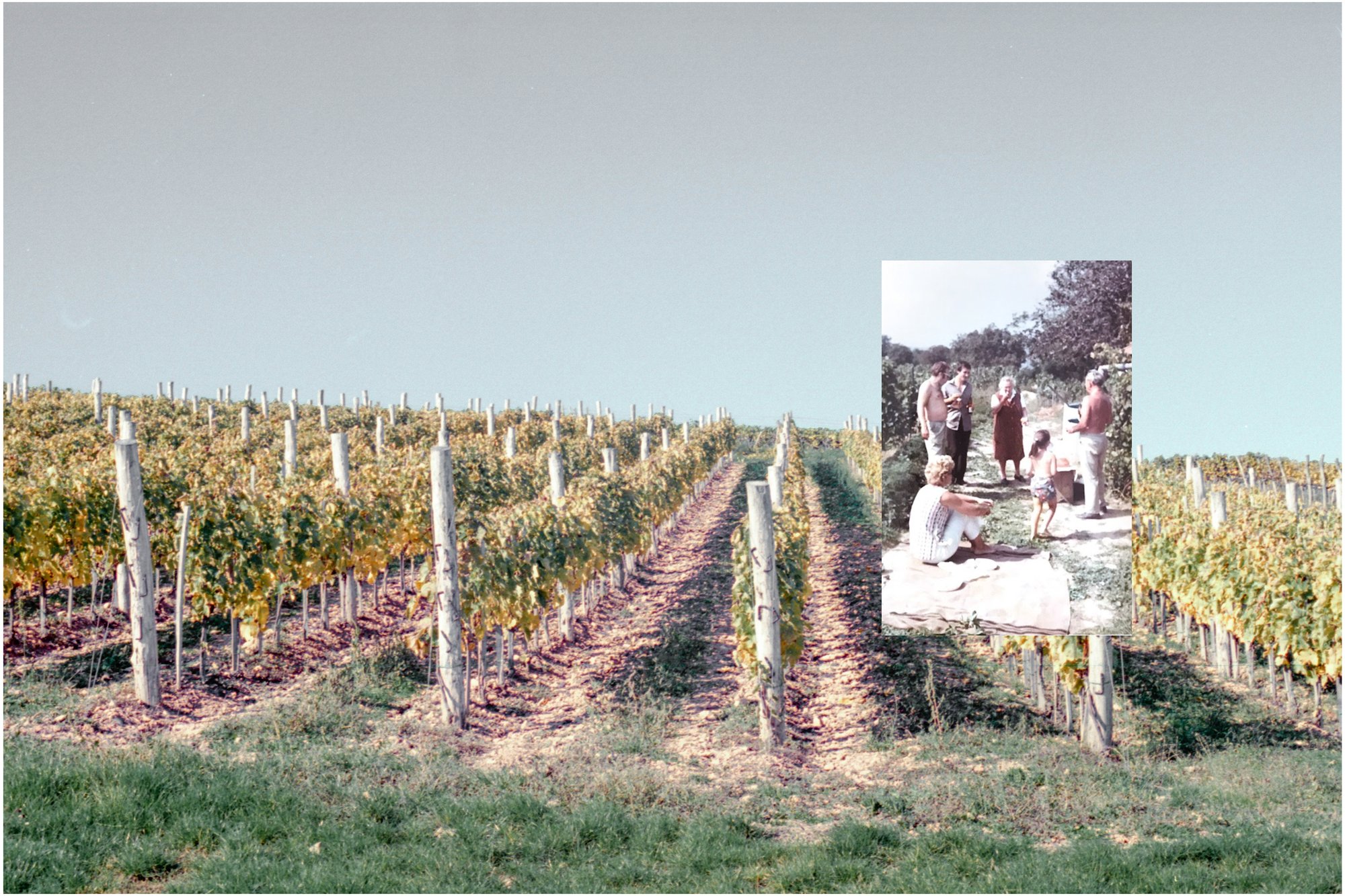
Tokaj Nobilis sits in an unhurried village setting on the western edge of the Tokaj region and projects a quietly serious character. The prose emphasizes agricultural rhythms, volcanic loess hills and centuries of winemaking, so the place feels historically rooted rather than tourist-driven. Recognition by the region’s formal Pearl Prestige system further underscores a focused, craft-oriented identity. Visitors encounter a calm, contemplative environment that privileges terroir, tradition and close attention to botrytis-driven ageing conditions rather than flash or spectacle.
Best For
This producer is best for travelers who arrive with a clear purpose: study the Tokaj tradition, trace the influence of volcanic loess and learn about botrytis-affected wines. It rewards thoughtful, solo exploration and guests seeking wine education, rather than casual passersby looking for a street-front tasting room. The setting suits people who want to connect the landscape—river mists, hillside soils and long-documented practices—with what’s in the glass, and those who value a focused, quieter experience over bustling tourist stops.
Tasting Tips
Treat a visit here as an opportunity to dig into terroir and technique. Ask about the Pearl 2 Star Prestige recognition and what it signals about the producer’s approach to quality. Frame questions around the volcanic loess soils and the role of the Bodrog and Tisza river mists in botrytis development; the write-up centers those elements, so they’re good entry points for conversation. Expect a serious, educational orientation to tasting rather than a casual, commercial presentation, and come prepared to learn about how place shapes these Tokaj wines.
Venue details
Ambiance
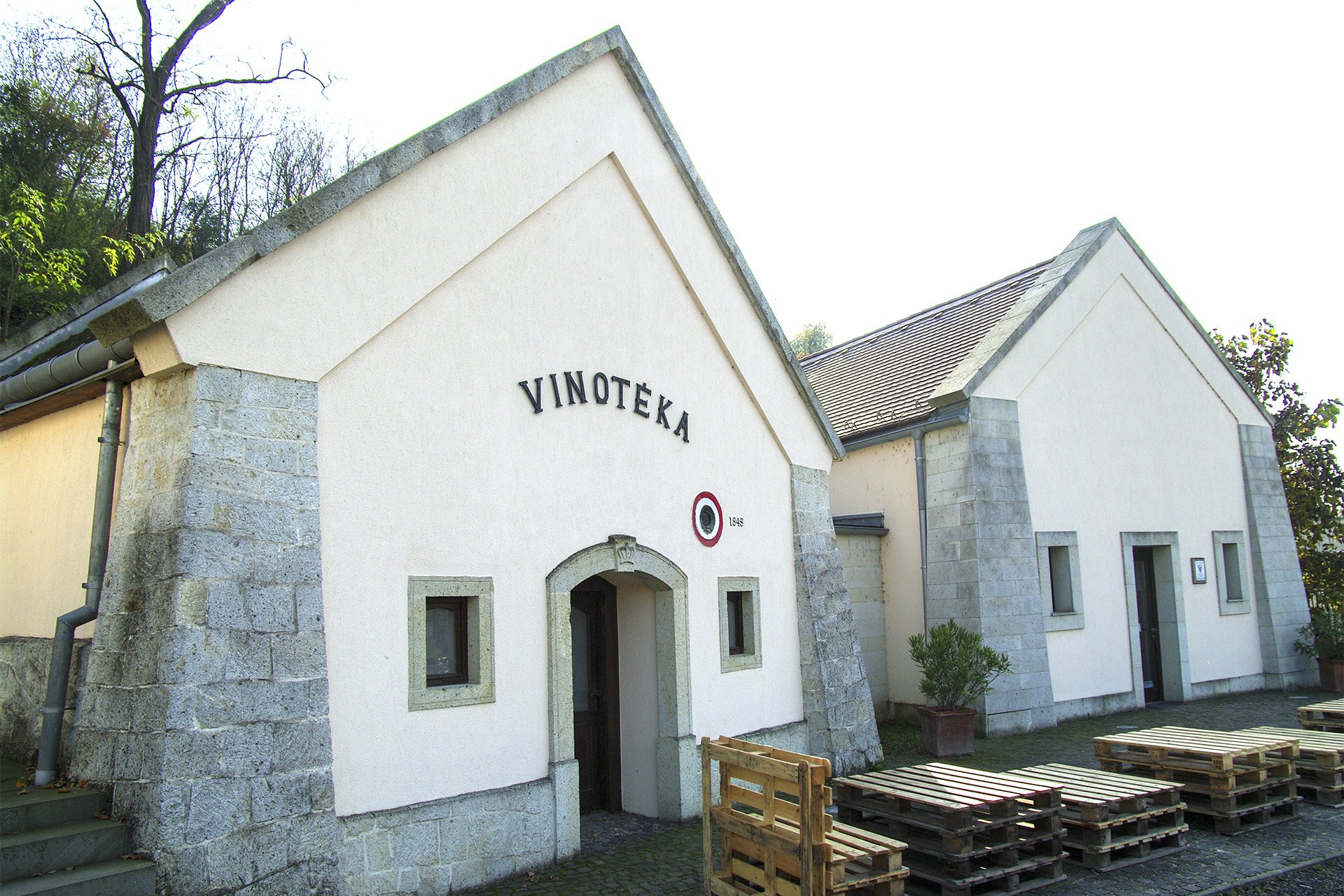
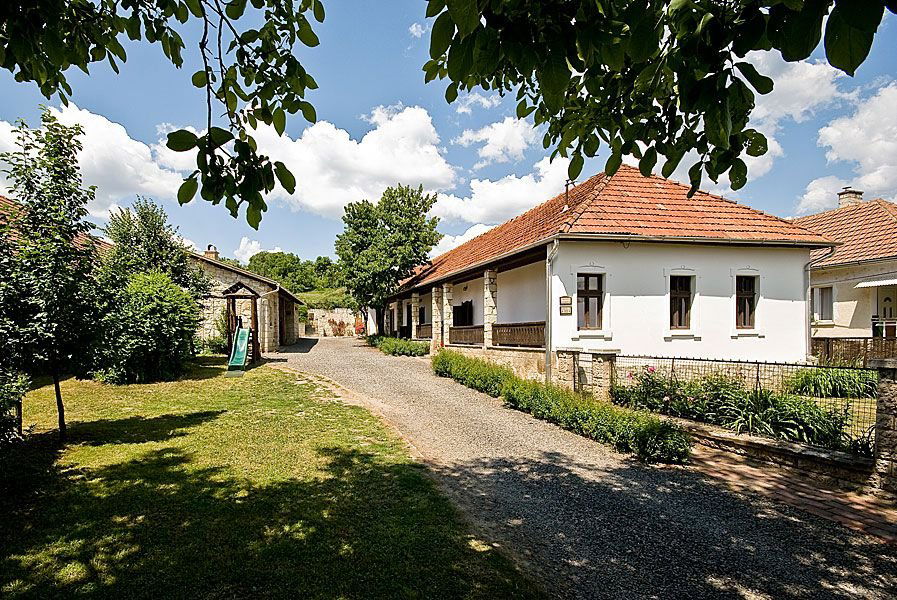
Cozy and traditional atmosphere in a historic house with vaulted barrel cellar, rustic charm amid low hills and vine landscapes.
Tags
Vibe
Best For
Experience
Sourcing
View
At the Vineyard
- Appellation
- Tokaj
- Varietals
- Furmint, Hárslevelű, Kövérszőlő, Sarga Muskotály
- Visits
- By appointment only
- Farming
- Organic
- Wine Styles
- Still White, Sparkling, Dessert
- Wine Club
- Not available
Know before you go
Know Before You Go
- Getting there
- Bodrogkeresztúr, Kossuth Lajos utca 103, 3916
Planning details
Location
Also consider
Where to look if access is tight
Start with Château Dereszla if the day needs to stay in Bodrogkeresztúr. It is the most practical cross-shop from the listed set for keeping the itinerary simple.
If the group can travel farther, compare Gróf Degenfeld Winery and Patricius Winery for a more occasion-friendly setting.
Winery context
How it compares in and around Bodrogkeresztúr
Choose Tokaj Nobilis when the priority is a focused producer visit and the group is happy to make wine the whole point of the stop. Compared with Château Dereszla, it reads as the more specialist choice for a small celebration; Château Dereszla is the safer cross-shop if the group wants a broader-feeling winery visit in Bodrogkeresztúr.
Carpinus Winery and Gizella Pince are better backup names if access is the problem and the itinerary can stretch beyond the village. Tokaj Nobilis is harder to treat as a casual fallback, so it rewards advance planning more than last-minute routing.
For ambiance-led planning, compare it with Gróf Degenfeld Winery and Patricius Winery. Those are stronger candidates when the occasion needs a more visibly hosted setting; Tokaj Nobilis is the better fit when the group values producer focus over a polished day-out format.
Explore Bodrogkeresztúr
Around this place
Discover more on Pearl
Unlock the full Tokaj Nobilis guide in Pearl, including awards, comparisons, FAQs, planning details, and nearby places.
Compare Tokaj Nobilis
| Venue | Location | Awards |
|---|---|---|
| Tokaj Nobilis | Bodrogkeresztúr | No published awards |
| Château Dereszla | Bodrogkeresztúr | No published awards |
| Carpinus Winery | Bodrogkisfalud | No published awards |
| Gizella Pince | Tokaj | 2026 Falstaff Winery Guide |
| Gróf Degenfeld Winery | Tarcal | No published awards |
| Patricius Winery | Bodrogkisfalud | No published awards |

How Tokaj Nobilis Bodrogkeresztúr: Pearl Prestige Venue Guide compares with similar nearby venues.
FAQ
Frequently Asked Questions
What should I know about Tokaj Nobilis?
Tokaj Nobilis is a venue in Bodrogkeresztúr with a casual dress code and Pearl 2 Star Prestige recognition for 2025. For service details such as reservations, food, capacity, pricing, or timing, check with the venue before planning around them.
Does Tokaj Nobilis offer membership or repeat-visit arrangements?
If repeat access or purchasing arrangements matter to you, ask Tokaj Nobilis directly. For comparison planning, Patricius Winery is another named venue to consider.
How long should I plan for a visit to Tokaj Nobilis?
Ask Tokaj Nobilis about timing before making it the anchor of a Bodrogkeresztúr itinerary.