Château Dereszla
Bodrogkeresztúr
Winery in Bodrogkeresztúr, Hungary
 Book with Pearl
The Read
Volcanic-Terroir Precision
Why go
Château Dereszla is worth prioritising when the Tokaj stop needs to feel occasion-ready and the main decision is which bottles justify buying or shipping. It is less suited to a casual, low-commitment tasting day; cross-shop Tokaj Nobilis if you want a tighter Bodrogkeresztúr visit with less emphasis on setting.
About Château Dereszla
Château Dereszla is a Bodrogkeresztúr venue with Pearl 2 Star Prestige recognition for 2025. For readers comparing premium stops, it is located in Bodrogkeresztúr, and the dress code is smart casual.
Book this when the recognition matters
Château Dereszla is best considered by guests who want a Pearl-recognized Bodrogkeresztúr venue and are comfortable confirming the visit details themselves. The smart casual dress code makes it sensible to dress neatly rather than treating the stop as completely informal.
Use booking or contact information you trust, leave buffer time in Bodrogkeresztúr, and avoid assuming any specific service, schedule, tasting format, or purchase option unless it has been confirmed directly.
Who should cross-shop before committing
If you are comparing premium options, consider Château Dereszla alongside named alternatives such as Tokaj Nobilis, Gizella Pince, Carpinus Winery, Gróf Degenfeld Winery, and Patricius Winery. Choose between them based on availability, location fit, and the kind of visit each offers for your date.
Planning details
- Location
- Bodrogkeresztúr, Felső u. 2, 3916
- Website
- dereszla.com
- Phone
- +36 30 151 5081
The take
The Take
The Vibe
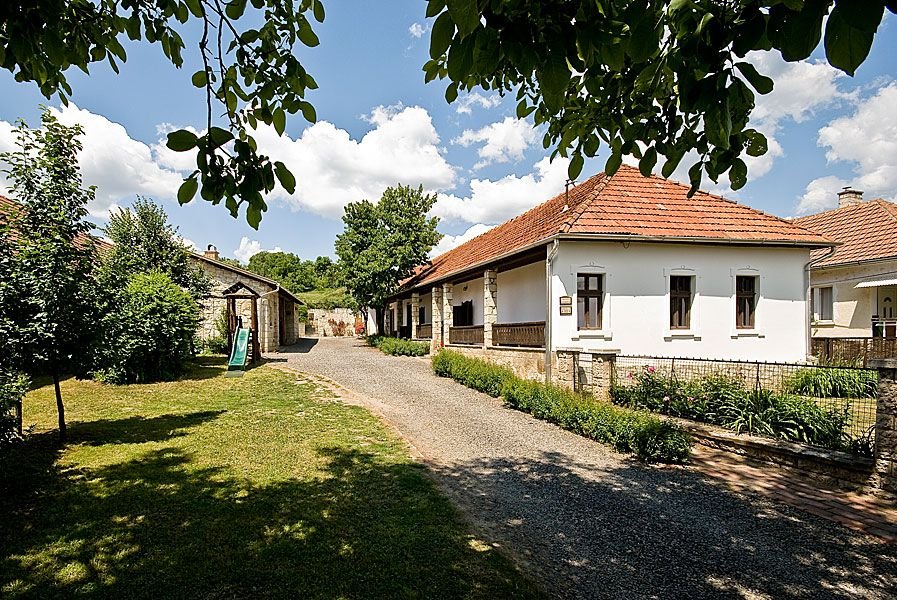
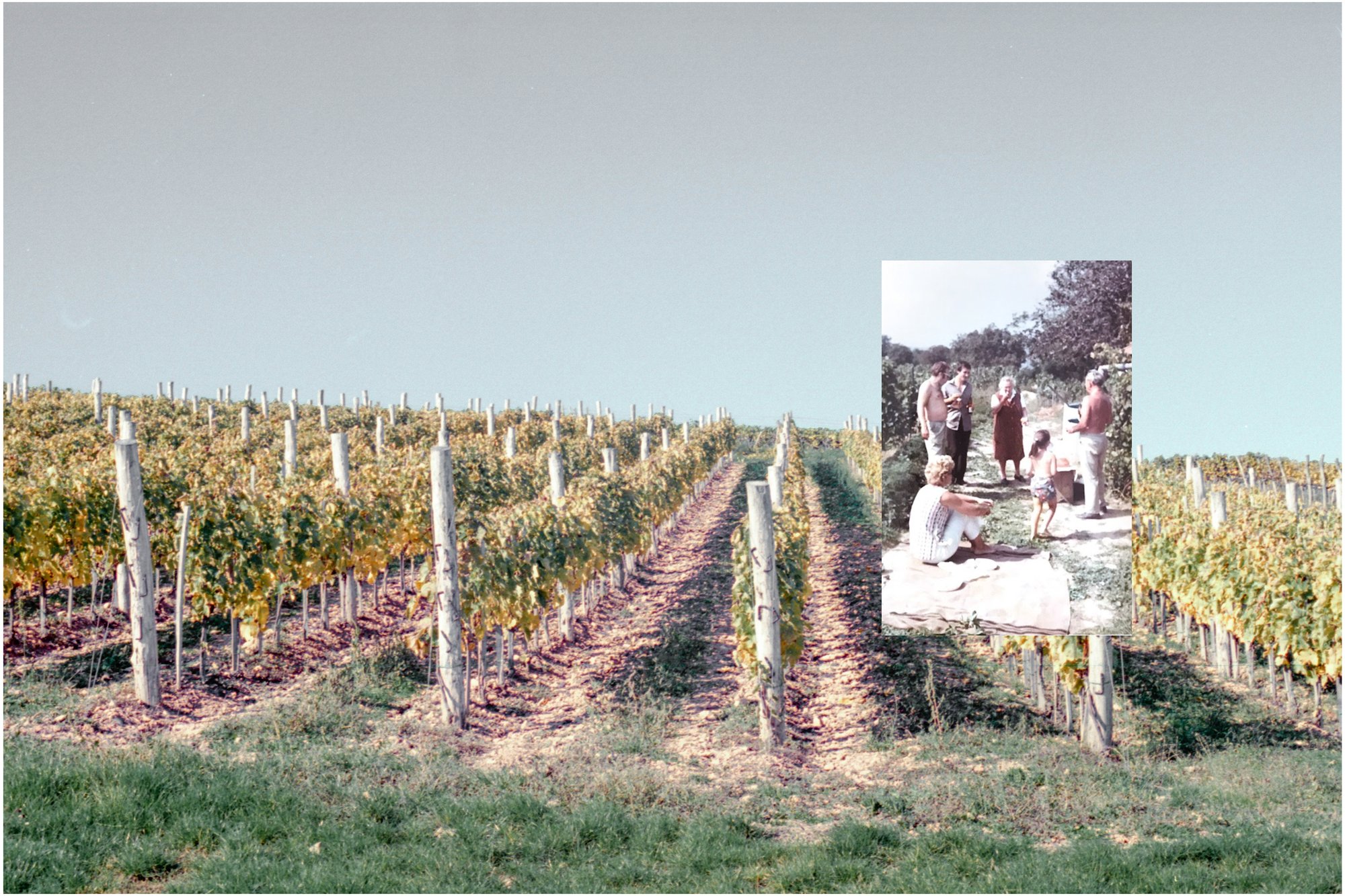
Château Dereszla presents a quietly scenic personality rooted in place. The estate sits in a narrow corridor framed by the Zemplén hills and the Bodrog and Tisza rivers, where morning fog routinely settles across the vineyards. That recurring mist and the sunlit afternoons that follow give the site a serene, contemplative air—you sense the landscape working on the vines. The writing emphasizes terroir and tradition rather than flash, so the overall feeling is measured and charming: an old-world wine estate whose mood is defined by geology, river fog and long seasonal rhythms.
Best For
This is a destination for people who want to learn about Tokaj’s defining conditions and taste wines shaped by noble rot. The text frames Château Dereszla as an acknowledged estate within the appellation, which makes it fitting for focused wine-education visits and for special-occasion tastings that value provenance and technical rigor. Visitors come to understand how volcanic soils and the local microclimate produce Aszú and to experience the estate’s place among the region’s recognized producers.
Tasting Tips
When you visit or taste Château Dereszla wines, prioritize examples that showcase Tokaj’s signature style: Aszú and wines made from Furmint, Hárslevelű and Sárga Muskotály. The description stresses the role of morning fog, noble rot (Botrytis cinerea) and volcanic soils, so ask staff about the estate’s botrytized wines and how specific vineyard sites and soil types influence sweetness, acidity and minerality. Focused tastings that compare dry and botrytized expressions help reveal the appellation’s logic.
Venue details
Ambiance
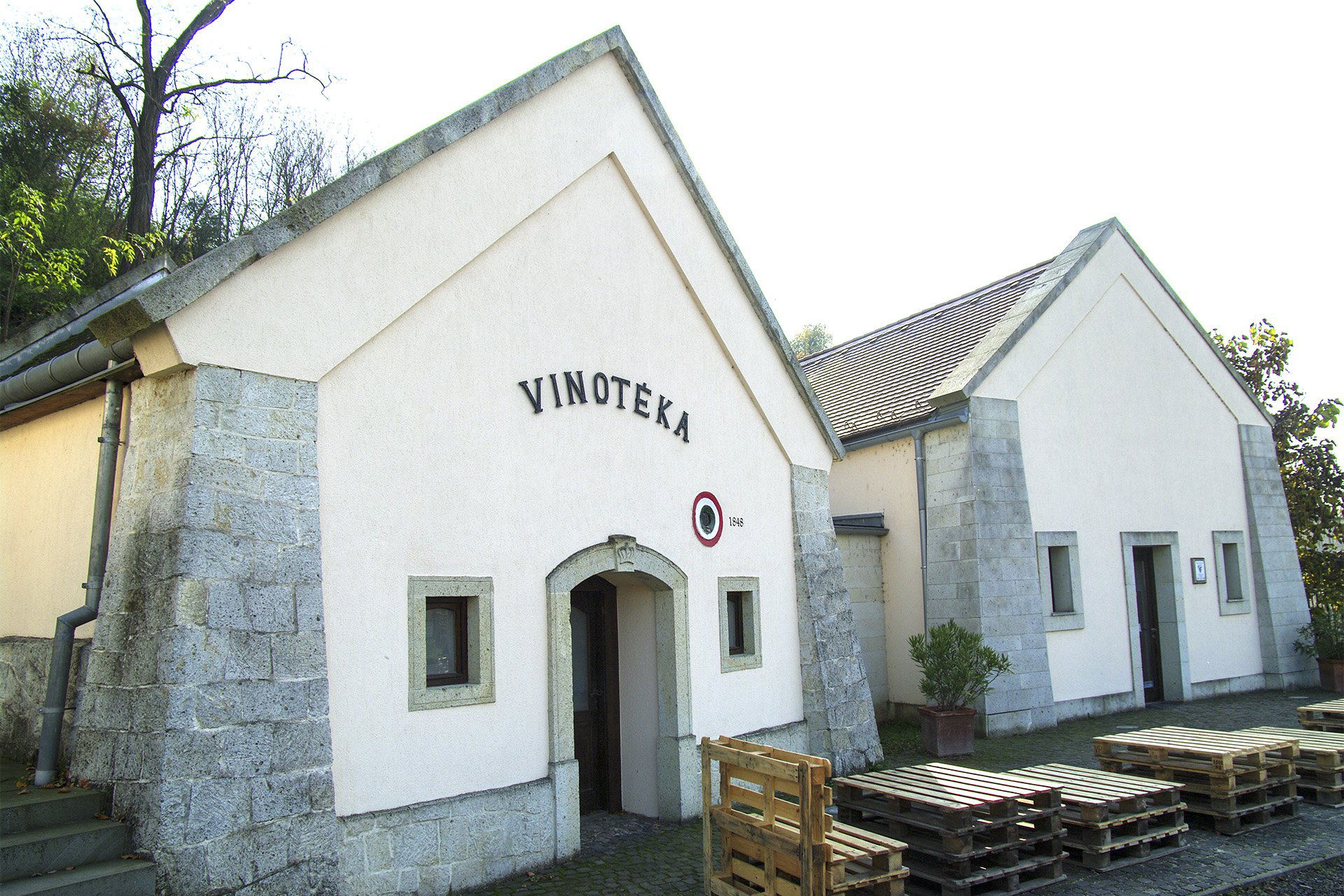
Historic wine estate atmosphere with a notable cellar labyrinth and tasting rooms set amid Tokaj-Hegyalja vineyards; the website copy emphasizes panoramic, bordeaux-culture experiences and special-event hosting.
Tags
Vibe
Best For
Experience
View
At the Vineyard
- Appellation
- Tokaj-Hegyalja
- Varietals
- Furmint, Hárslevelű, Kabar, Muscat Lunel, Sauvignon Blanc
- Tour Duration
- 1-2 hours
- Visits
- By reservation
- Production
- Large producer
- Wine Styles
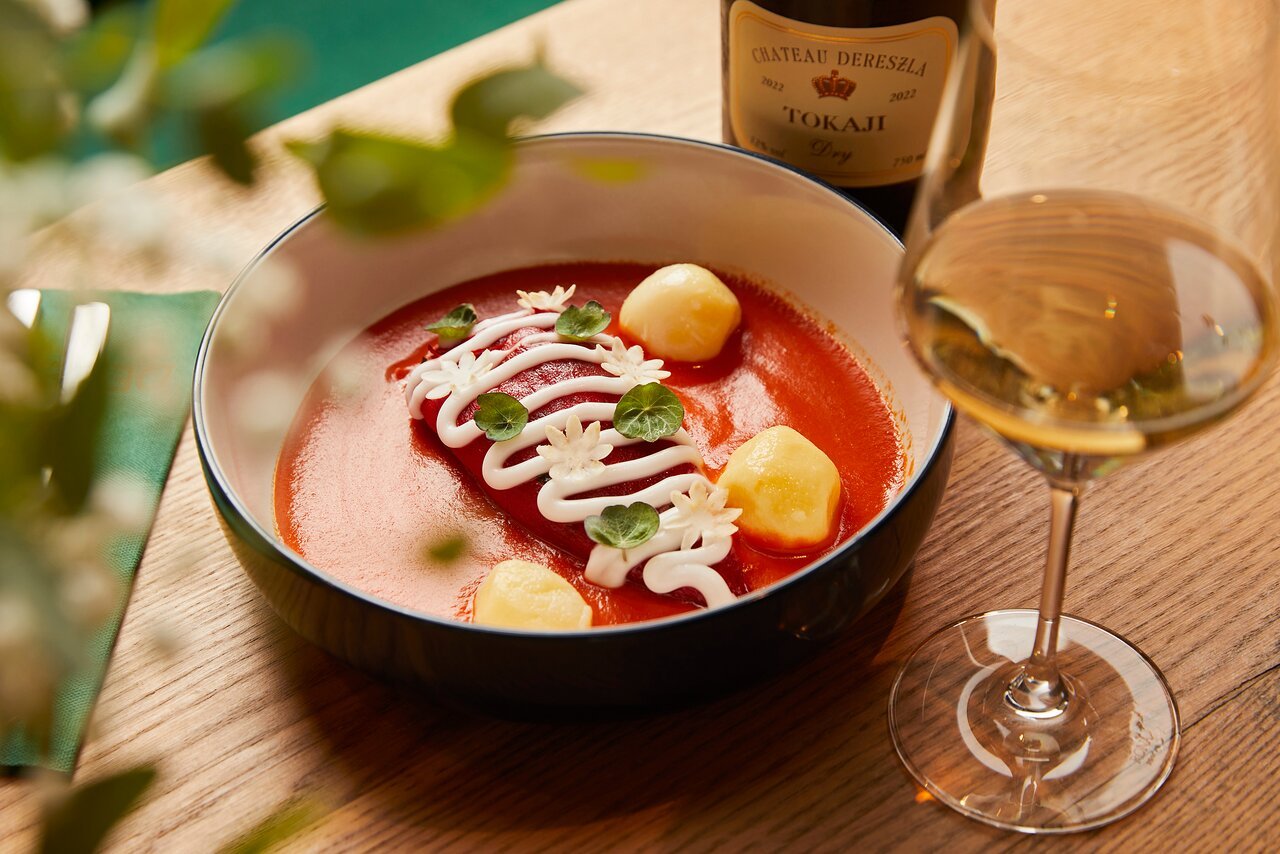
- Still White, Sparkling, Dessert, Fortified
- Food Pairing
- Offered
- Shipping
- Available
- Wine Club
- Not available
Know before you go
Know Before You Go
- Getting there
- Bodrogkeresztúr, Felső u. 2, 3916
Planning details
Location
Also consider
Also Consider
- Carpinus Winery, Notable alternative
- Tokaj Nobilis, Notable alternative
- Patricius Winery, Notable alternative
- Gizella Pince, Notable alternative
- Gróf Degenfeld Winery, Notable alternative
Winery context
How Château Dereszla compares in Bodrogkeresztúr
Choose Château Dereszla when ambience matters as much as the wine decision. Against Carpinus Winery and Tokaj Nobilis, it reads as the more occasion-forward pick: better for a date, client stop, or celebration where the setting needs to carry some weight. Tokaj Nobilis is the sharper alternative for visitors who want a leaner, producer-led stop inside Bodrogkeresztúr.
Patricius Winery, Gizella Pince, and Gróf Degenfeld Winery are better cross-shops if the day is built around a broader Tokaj route rather than staying centered on Bodrogkeresztúr. For value, the right choice depends on how much you care about the room: if the visit is mainly about tasting and buying, Tokaj Nobilis may be the cleaner comparison; if the visit needs ceremony, Château Dereszla is easier to justify.
Booking-wise, treat Château Dereszla as the one to plan around, not the flexible backup. If availability is the problem, start with Tokaj Nobilis for the closest like-for-like option, then widen the search to Patricius Winery or Gróf Degenfeld Winery if the trip can absorb more travel time.
Explore Bodrogkeresztúr
Around this place
Discover more on Pearl
Unlock the full Château Dereszla guide in Pearl, including awards, comparisons, FAQs, planning details, and nearby places.
Compare Château Dereszla
| Venue | Location | Awards |
|---|---|---|
| Château Dereszla | Bodrogkeresztúr | No published awards |
| Carpinus Winery | Bodrogkisfalud | No published awards |
| Tokaj Nobilis | Bodrogkeresztúr | No published awards |
| Patricius Winery | Bodrogkisfalud | No published awards |
| Gizella Pince | Tokaj | 2026 Falstaff Winery Guide |
| Gróf Degenfeld Winery | Tarcal | No published awards |

How Château Dereszla Bodrogkeresztúr compares with similar nearby venues.
FAQ
Frequently Asked Questions
Are purchase or collection options available at Château Dereszla?
Contact Château Dereszla directly before assuming purchase, shipping, or collection options are available.
Do I need a reservation at Château Dereszla?
How long should I plan for a visit to Château Dereszla?
Leave enough flexibility in your Bodrogkeresztúr plans to accommodate the timing Château Dereszla provides.
Are membership or recurring purchase options available at Château Dereszla?
Review any current membership or recurring purchase terms directly with Château Dereszla before making a decision.
Can Château Dereszla handle large groups?
Contact Château Dereszla directly before planning a large-party visit, and compare arrangements with options such as Gizella Pince or Tokaj Nobilis if needed.