

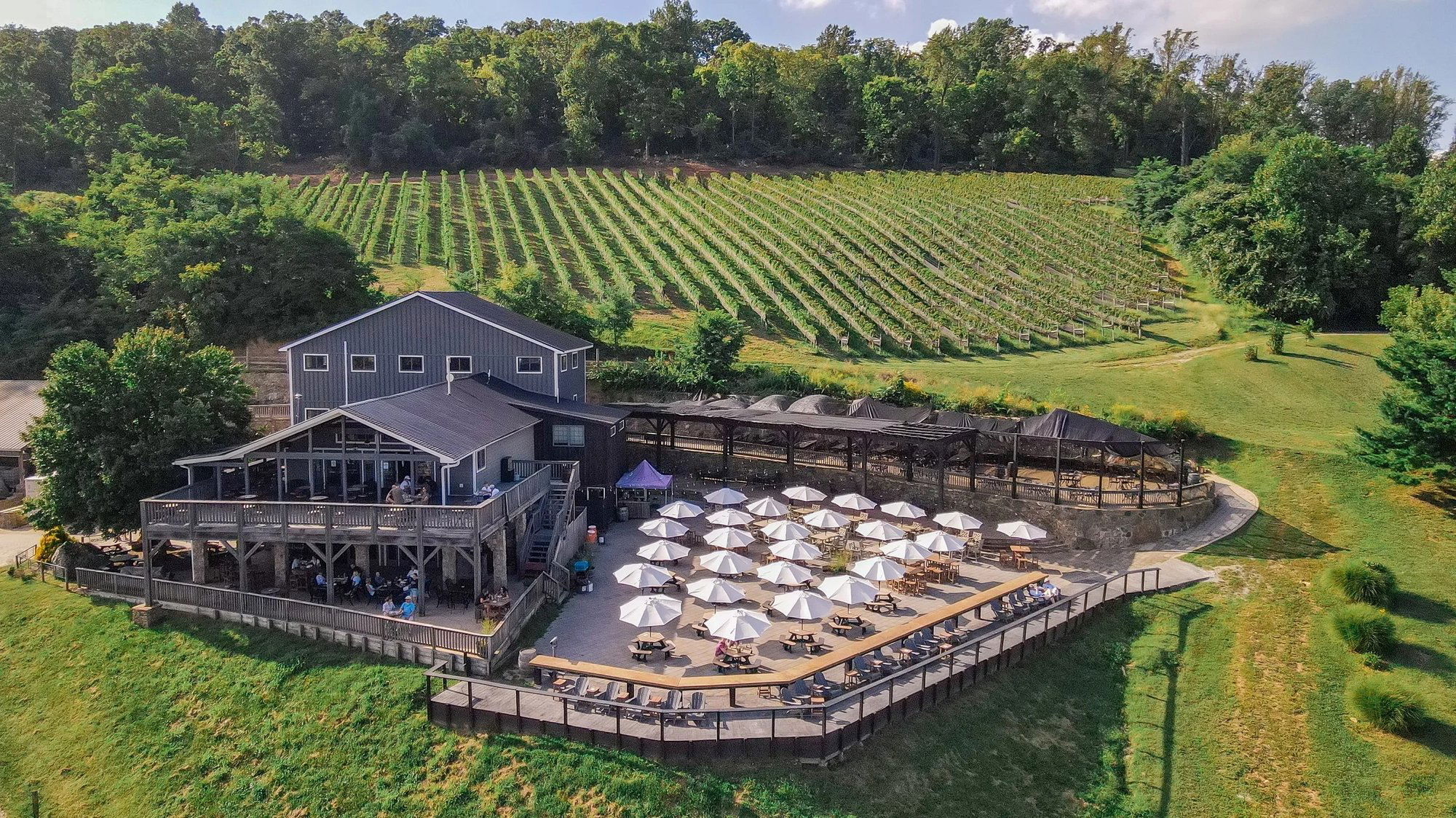
Bluemont Vineyard
Bluemont
Winery in Bluemont, United States
 Book with Pearl
The Read
Blue Ridge Elevation Viticulture
Why go
A strong pick for a planned Bluemont wine-country outing, especially if the setting and pacing matter as much as the tasting. Treat it as the anchor of the day rather than a quick add-on, and keep a nearby backup ready if access is tight.
About Bluemont Vineyard
Bluemont Vineyard is a Bluemont venue with a casual dress code and Pearl 2 Star Prestige recognition for 2025.
For the best visit, check the venue's current official information before you go. The key basics are simple: it is in Bluemont, the dress code is casual, and it has Pearl 2 Star Prestige recognition in 2025.
Plan this as a Bluemont stop with details confirmed directly
Bluemont Vineyard is in Bluemont. Confirm current hours, access, reservations, food availability, and any visit policies directly with the venue before building an itinerary around it.
The casual dress code makes the basic planning tone direct, but it does not confirm anything about service style, seating, tasting format, menu, or availability. Keep the plan flexible until the practical details are checked through the venue's official channels.
Who should choose it over another comparison venue
Choose Bluemont Vineyard if you specifically want a Bluemont venue with a casual dress code and Pearl 2 Star Prestige recognition for 2025. If you are still comparing, consider Bluemont Vineyard alongside Hillsborough Vineyards & Brewery, Slater Run Vineyards, Veramar Vineyard, Walsh Family Wine, and Williams Gap Vineyard without assuming they offer the same format or experience.
The clean recommendation: shortlist Bluemont Vineyard for a Bluemont-focused plan, then confirm the practical details before committing. If exact hours, food service, reservation needs, or visit format matter to your group, verify those points directly rather than relying on assumptions.
Planning details
- Location
- 18755 Foggy Bottom Rd, Bluemont, VA 20135
- Website
- bluemontvineyard.com
- Phone
- +1 540-554-8439
The take
The Take
The Vibe
Bluemont Vineyard reads like a high-elevation study in Virginia terroir. The writing foregrounds altitude as the defining feature — cooler overnights, rocky decomposed granite and shale, and a pronounced diurnal range — and treats the site as the primary author of the wines' personality. That seriousness, coupled with the rural approach along winding Loudoun County roads and the property’s foothill setting, gives the tasting room an understated, refined air. Visitors encounter wines that are framed by place first, and the overall impression is one of calm, focused craft rather than flash: a sophisticated, quietly compelling vineyard experience.
Best For
Bluemont Vineyard is best for people who want to read landscape in a glass. Because the copy emphasizes elevation and site-driven character, the winery is a strong fit for wine-education–minded visitors, groups interested in comparative tasting, celebratory visits that foreground quality, and romantic escapes that value scenery and a rural setting. The property’s recognition and positioning within Loudoun County’s emerging sub-region make it particularly appealing to guests who care about provenance and want to explore how cooler mountain-influenced sites differ from Virginia’s lower-lying appellations.
Tasting Tips
When tasting at Bluemont, focus on wines that are labeled as estate or site-specific and ask staff how elevation and soil influence each bottling; the description repeatedly links those factors to acidity preservation and overall character. Look for references to the 2025 Pearl 2 Star Prestige recognition when inquiring about standout releases. Framing your conversation around terroir — diurnal range, drainage, and varietal expressions at altitude — yields a clearer picture of what makes these wines distinct within Virginia’s evolving wine map.
Venue details
Ambiance
Serene mountaintop setting with breathtaking panoramic views, relaxed outdoor seating on patios and lawns, lively on weekends with music and crowds.
Tags
Vibe
Best For
Experience
Sourcing
View
At the Vineyard
- Appellation
- Loudoun County
- Varietals
- Chardonnay, Merlot
- Tour Duration
- 60 minutes
- Wine Club
- Available
Know before you go
Know Before You Go
- Getting there
- 18755 Foggy Bottom Rd, Bluemont, VA 20135
Planning details
Location
Also consider
Also Consider
- Veramar Vineyard, Notable alternative
- Williams Gap Vineyard, Notable alternative
- Walsh Family Wine, Notable alternative
- Slater Run Vineyards, Notable alternative
- Hillsborough Vineyards & Brewery, Notable alternative
Winery context
How Bluemont Vineyard compares nearby
Bluemont Vineyard is the more deliberate choice in this set: plan around it if the goal is a polished winery stop with a destination feel. Veramar Vineyard and Williams Gap Vineyard make more sense as alternatives when the day needs to stay flexible, especially for visitors who do not want the whole itinerary shaped by one booking.
For a wine-first comparison, cross-shop Walsh Family Wine and Slater Run Vineyards. Those are better picks when the priority is tasting-room focus over a broader destination-style outing. Bluemont is the stronger call when the group wants the winery to carry the afternoon rather than simply fill a slot between stops.
Hillsborough Vineyards & Brewery is the practical backup for mixed groups, especially when not everyone is focused only on wine. If the group includes casual drinkers or someone who wants a less wine-specific stop, Hillsborough is the safer cross-shop; if the point is a planned Bluemont vineyard visit, keep Bluemont Vineyard first.
Explore Bluemont
Around this place
Discover more on Pearl
Unlock the full Bluemont Vineyard guide in Pearl, including awards, comparisons, FAQs, planning details, and nearby places.
Compare Bluemont Vineyard
| Venue | Location | Awards |
|---|---|---|
| Bluemont Vineyard | Bluemont | No published awards |
| Veramar Vineyard | Berryville | No published awards |
| Williams Gap Vineyard | Round Hill | No published awards |
| Walsh Family Wine | Purcellville | No published awards |
| Slater Run Vineyards | Upperville | No published awards |
| Hillsborough Vineyards & Brewery | Hillsboro | No published awards |
How Bluemont Vineyard in Bluemont compares with similar nearby venues.
FAQ
Frequently Asked Questions
Do I need a reservation at Bluemont Vineyard?
Reservation requirements should be confirmed directly with the venue before you go. Bluemont Vineyard is in Bluemont and has Pearl 2 Star Prestige recognition for 2025, but booking policies, availability, and visit format should be confirmed directly with the venue before you go.
Does Bluemont Vineyard serve food?
Food service details should be confirmed directly. Check food availability, menus, and any dining-related policies with Bluemont Vineyard before planning around them.
What venues can I compare with Bluemont Vineyard?
For comparison, look at Hillsborough Vineyards & Brewery, Slater Run Vineyards, Veramar Vineyard, Walsh Family Wine, and Williams Gap Vineyard. Choose among them based on details you confirm directly, including current hours, service format, food options, and reservation policies.
Are memberships or special programs at Bluemont Vineyard worth considering?
Membership and special-program details should be checked directly with the venue. Pearl 2 Star Prestige recognition for 2025 is confirmed, but terms, benefits, pricing, and value should be checked directly with Bluemont Vineyard before making a decision.
How long should I plan for a visit to Bluemont Vineyard?
Visit length depends on the experience you want. Bluemont Vineyard is in Bluemont and has a casual dress code, but hours, format, and access should be confirmed directly so you can decide how much time to set aside.