
Veuve Fourny & Fils
Blancs-Coteaux
Winery in Blancs-Coteaux, France
 Book with Pearl
The Read
Chalk-Rooted Blanc de Blancs
Why go
A serious Blancs-Coteaux Champagne address for buyers who care more about producer access than a packaged visit. The 2025 Pearl 3 Star Prestige recognition strengthens the case for pursuing allocations, especially if Côte des Blancs grower Champagne is already part of the cellar.
About Veuve Fourny & Fils
Veuve Fourny & Fils is a Blancs-Coteaux venue led by Charles-Henry and Emmanuel Fourny. A key highlight is its Pearl 3 Star Prestige recognition for 2025. Beyond that, public-facing planning details should be treated carefully: specific visit formats, pricing, availability, timing, and purchase terms should be confirmed directly.
For readers deciding whether to prioritize it, the safest case is simple: this is a recognized Blancs-Coteaux venue with named leadership and a smart casual dress code. Avoid assumptions about access, special perks, specific offerings, or a particular hospitality format. Confirm current arrangements directly before building a route around the stop.
Confirm the current terms before planning around a visit
The decision to plan around Veuve Fourny & Fils requires direct confirmation from the venue for full planning. Price, format, timing, and purchase requirements are not specified, so any decision should rest on direct confirmation from the venue.
Compared with Larmandier-Bernier or Pierre Peters, Veuve Fourny & Fils should be considered on its merits rather than on assumptions about access or visitor experience. Champagne Salon, Delamotte, and Jacques Selosse can also be useful reference points for readers comparing notable venues, but each should be checked on its own current terms rather than treated as interchangeable with a Blancs-Coteaux plan.
Plan it as a deliberate Blancs-Coteaux stop
Veuve Fourny & Fils should be treated as a deliberate Blancs-Coteaux stop that requires current confirmation. Do not assume opening hours, availability, pricing, or reservation rules from secondary descriptions. Smart casual dress is the dress code.
Readers building a wider route should start with its location in Blancs-Coteaux, then add other dining, lodging, bars, or experiences only after the plan is checked directly. If Veuve Fourny & Fils cannot be confirmed for the desired date, broaden the search to other options rather than relying on unconfirmed appointment details.
Planning details
- Location
- 5 Rue du Mesnil, 51130 Blancs-Coteaux
- Website
- champagne-veuve-fourny.com
- Phone
- +33 3 26 52 16 30
The take
The Take
The Vibe
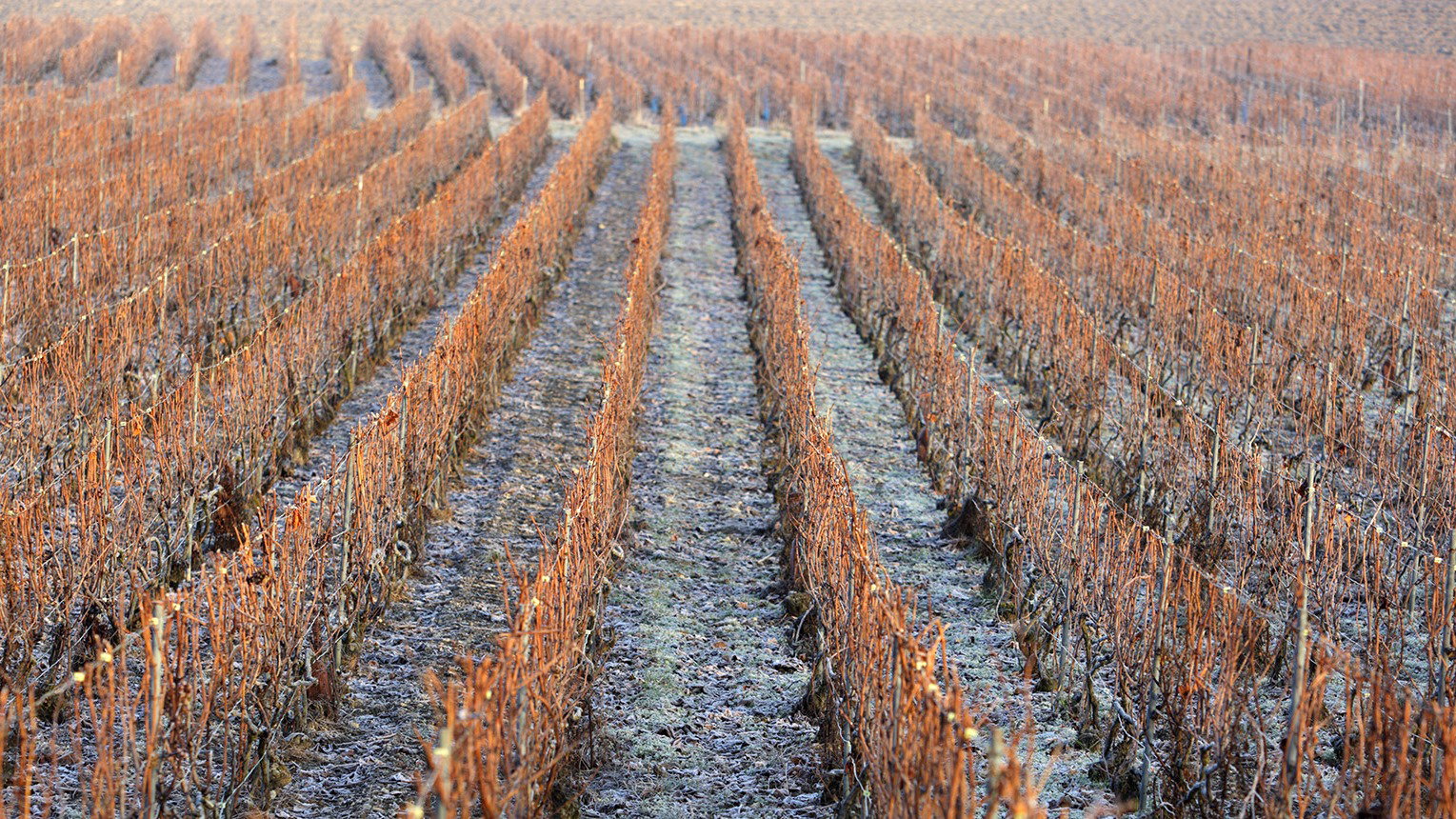
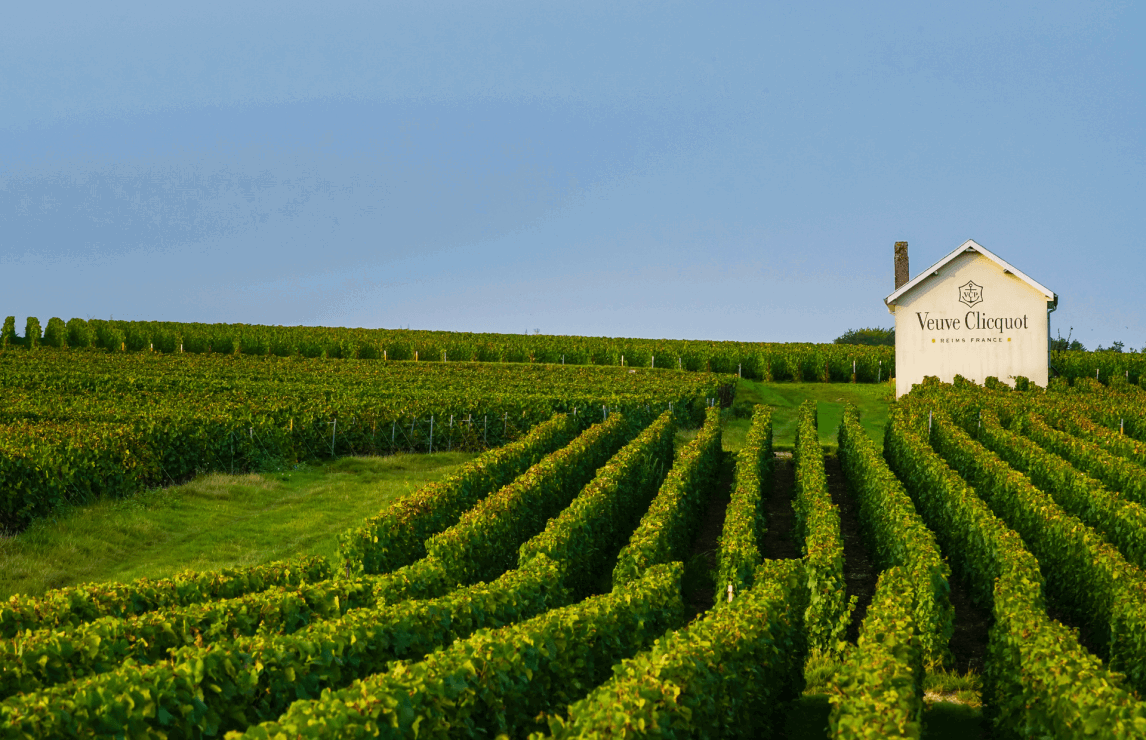
Veuve Fourny & Fils reads like a study in grower Champagne: historic, terroir-first and quietly authoritative. The house traces its lineage back to the mid nineteenth century, and that longevity translates into deep parcel knowledge and a practiced reading of chalk soils. Visitors experience a producer that privileges vineyard expression over house uniformity — the wines articulate seasons and specific plots rather than a blended brand personality. The tone is classic and measured, focused on viticulture and Chardonnay-dominant expressions of the Côte des Blancs, making it feel like a place for serious wine lovers who value provenance and craft.
Best For
This is a destination for those seeking education and connection to terroir. Tastings and visits are best for travelers interested in grower Champagne, vineyard-driven narratives and the mechanics of how chalk soils shape Chardonnay. The producer’s recognition among upper-tier growers also makes it appropriate for marking special moments and celebrations that call for distinctive, terroir-expressive bottles. Expect a measured, study-like experience rather than a spectacle: it suits guests who want to learn, compare parcels and appreciate the nuances that separate small-scale grower houses from large négociant operations.
Tasting Tips
When tasting here, prioritize bottlings that highlight single parcels, lieux-dits or clearly labeled vineyard plots — the house’s identity rests on parcel expression rather than broad blending. Look for Chardonnay-dominant cuvées and any vintage or single-site releases, as they will best illustrate the chalky Côte des Blancs character described in the text. Ask the staff about vine age and how specific plots behaved in recent seasons; those details illuminate the variability the house interprets. Approach tastings as comparative studies rather than one-off showpieces to appreciate the grower philosophy.
Venue details
Ambiance
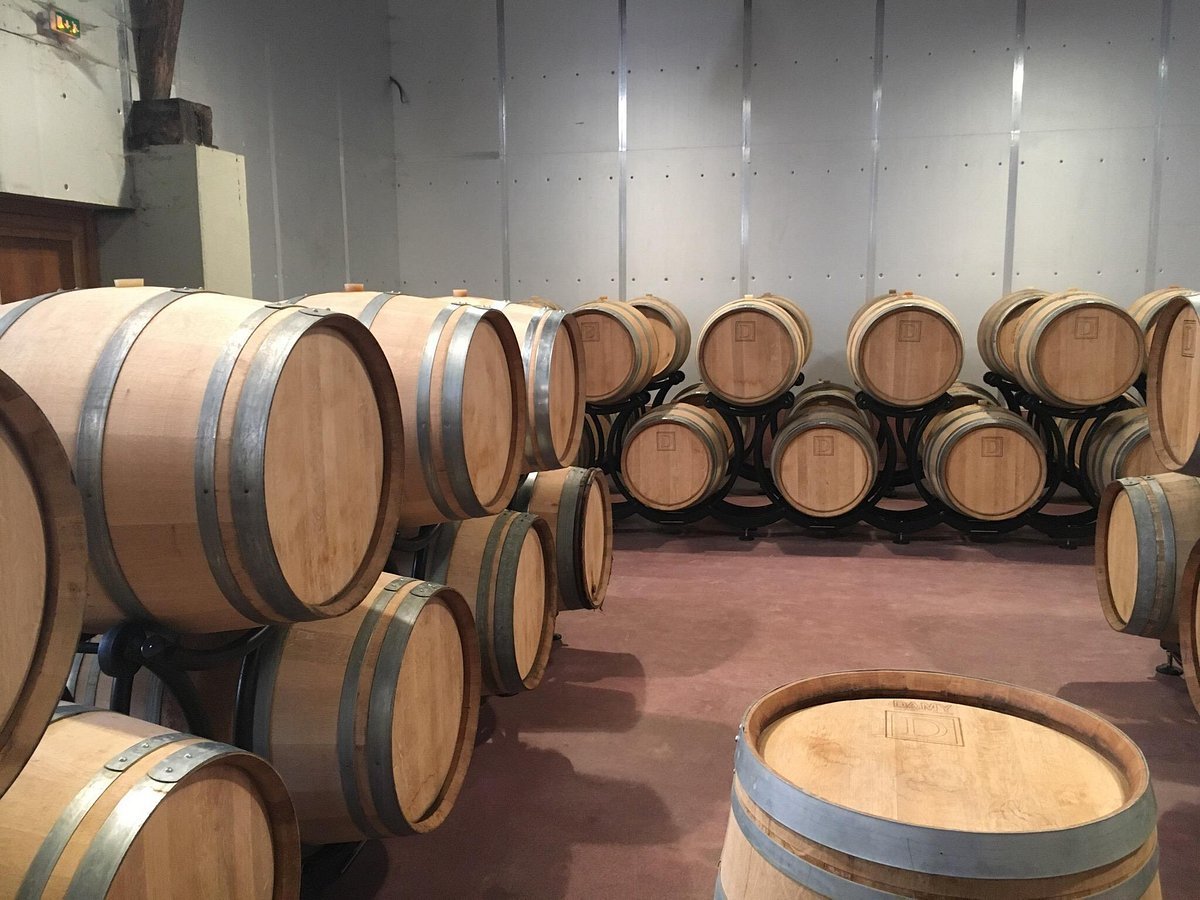
Historic 19th-century cellars with low constant temperature, traditional winemaking environment emphasizing craftsmanship and heritage.
Tags
Vibe
Best For
Experience
Sourcing
View
At the Vineyard
- Appellation
- Champagne AOC
- Varietals
- Chardonnay, Pinot Noir
- Visits
- By appointment only
- Farming
- Sustainable
- Wine Styles
- Sparkling
- Food Pairing
- Offered
- Wine Club
- Not available
Know before you go
Know Before You Go
- Getting there
- 5 Rue du Mesnil, 51130 Blancs-Coteaux
Planning details
Location
Recognition and awards
Also consider
Where to look if this does not work
If access is the issue, start with Larmandier-Bernier or Pierre Peters for a similarly serious Côte des Blancs frame. If the reader wants a more recognizable prestige detour, compare against Champagne Salon and Delamotte before committing the day.
Winery context
How it compares in the Blancs-Coteaux Champagne set
Choose Veuve Fourny & Fils if the priority is grower-Champagne depth and potential allocation value. Larmandier-Bernier and Pierre Peters are stronger cross-shops for readers who want a clearer benchmark against other Côte des Blancs producers, while this address is better for someone who already knows the category and wants a more focused cellar decision.
Champagne Salon is the prestige-led comparison and will suit collectors chasing scarcity above all else. Delamotte is the more approachable name to consider when the group includes less obsessive Champagne drinkers. Jacques Selosse is the harder-core enthusiast play, but it can make a trip feel hostage to one booking; Veuve Fourny & Fils is the more balanced target if the day needs to stay flexible.
Explore Blancs-Coteaux
Around this place
Discover more on Pearl
Unlock the full Veuve Fourny & Fils guide in Pearl, including awards, comparisons, FAQs, planning details, and nearby places.
Compare Veuve Fourny & Fils
| Venue | Location | Awards |
|---|---|---|
| Veuve Fourny & Fils | Blancs-Coteaux | 2025 Pearl 3 Star Prestige |
| Larmandier-Bernier | Vertus | 2026 Falstaff Winery Guide2025 Pearl 4 Star Prestige |
| Pierre Peters | Le Mesnil-sur-Oger | 2026 Falstaff Winery Guide2025 Pearl 4 Star Prestige |
| Champagne Salon | Le Mesnil-sur-Oger | 2026 Falstaff Winery Guide2025 Pearl 5 Star Prestige |
| Delamotte | Le Mesnil-sur-Oger | 2026 Falstaff Winery Guide2025 Pearl 4 Star Prestige |
| Jacques Selosse | Avize | 2026 Falstaff Winery Guide2025 Pearl 5 Star Prestige |

How Veuve Fourny & Fils Blancs-Coteaux compares with similar nearby venues.
FAQ
Frequently Asked Questions
How long should I plan for a visit to Veuve Fourny & Fils?
Visit length is not specified. If you are planning around Veuve Fourny & Fils in Blancs-Coteaux, confirm the current format and timing directly before setting your route.
Are purchase details for Veuve Fourny & Fils?
What specific offerings are confirmed at Veuve Fourny & Fils?
A specific list of offerings is not provided. Ask the venue directly what is currently available or recommended.
Are access terms available for Veuve Fourny & Fils?
Access terms are not specified. The recognition is Pearl 3 Star Prestige (2025), but any planning decision should be based on current terms provided directly by Veuve Fourny & Fils.
What other venues are useful comparisons for Veuve Fourny & Fils?
Larmandier-Bernier and Pierre Peters are useful comparison points for readers considering Veuve Fourny & Fils. Champagne Salon, Delamotte, and Jacques Selosse can also help frame a broader comparison, but confirm each venue's location and visit terms separately.
When is the best time to visit Veuve Fourny & Fils?
The best season, day, or opening schedule is not specified. Build any Blancs-Coteaux plan around details confirmed directly by the venue.