

Beliveau Farm Winery
Blacksburg
Winery in Blacksburg, United States
 Book with Pearl
The Read
Appalachian Farm-Estate Viticulture
Why go
Beliveau Farm Winery is the right call when the winery visit is the main plan, not a quick add-on near Blacksburg. It suits celebrations, dates, and visiting-family afternoons better than rushed tasting routes, but groups should plan logistics in advance and cross-shop regional peers if flexibility matters more.
About Beliveau Farm Winery
Use this as a concise planning note.
Before building an itinerary, check the current menu, tasting structure, bottle list, event policy, and group capacity with the venue.
A special-occasion winery to plan as the anchor, not the afterthought
Beliveau Farm Winery can be considered for a Blacksburg outing when the venue itself is part of the appeal.
For a full Blacksburg day, pair this with general planning around other Blacksburg dining, lodging, and activities.
Who should book it, and who should cross-shop
Cross-shop if you need a specific tasting format, menu, price point, schedule, or group setup before choosing. Other regional winery options to compare include Valhalla Vineyards, AmRhein Wine Cellars, Villa Appalaccia Winery, Peaks of Otter Winery, and Chateau Morrisette.
For readers comparing more broadly, keep the decision focused on Beliveau Farm Winery's known basics and use other dining or winery options as general references until you check their current details.
Planning details
- Location
- 3899 Eakin Farm Rd, Blacksburg, VA 24060
- Website
- beliveauwinery.com
- Phone
- +1 540-961-2102
The take
The Take
The Vibe
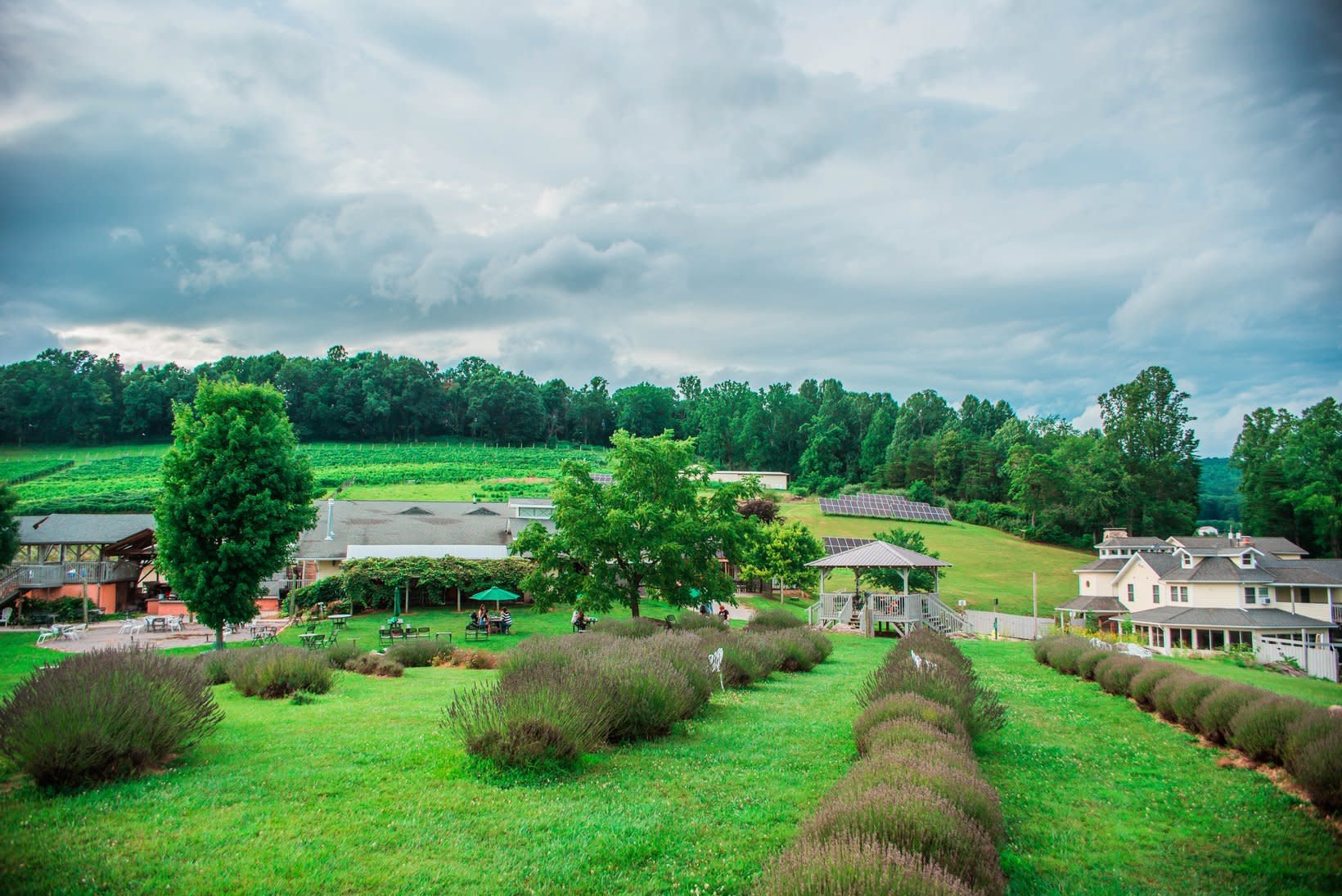
Beliveau Farm Winery sits like a thoughtful, low-key laboratory of cool-climate Virginia wine, where elevation and farm character shape a restrained, focused expression of place. Visitors encounter a rural charm and quietly confident production sensibility: imagine a tasting experience anchored in careful farming, barrel work and the landscape that drives the house style rather than theatrical tasting-room gimmicks.
Best For
This is a stop for visitors who are curious about terroir and the impact of elevation on grape character. Beliveau Farm is a credentialed, smaller-scale producer that appeals to people making the drive from Blacksburg or exploring the New River Valley. It suits wine-minded couples and small groups seeking a scenic, educational tasting focused on production choices and stylistic restraint: especially those interested in how cooler sites preserve acidity and influence white varieties. Expect a deliberate, vineyard-forward visit rather than a bustling tourist attraction.
Tasting Tips
Lean toward tastings that highlight the estate’s cooler-climate whites and focused reds: cooler growing conditions tend to preserve acidity in white varieties, so ask to sample the whites side by side. Treat the visit as a chance to compare how elevation and barrel work influence texture and balance rather than seeking big, bold fruit-driven wines.
Venue details
Ambiance
Peaceful and relaxing atmosphere with warm fireplace in the tasting room, scenic outdoor seating amid vineyards and lavender, enhanced by live music on select nights.
Tags
Vibe
Best For
Experience
View
At the Vineyard
- Varietals
- Petit Verdot, Tempranillo, Traminette, Vidal, Chardonnel
- Visits
- Walk-ins welcome
- Wine Styles
- Still Red, Still White, Still Rose
- Food Pairing
- Offered
- Wine Club
- Available
Know before you go
Know Before You Go
- Getting there
- 3899 Eakin Farm Rd, Blacksburg, VA 24060
Planning details
Location
Also consider
Where to Look If This Is Hard to Plan
Try Chateau Morrisette if the group wants a larger destination feel, or Villa Appalaccia Winery if the priority is a more wine-focused regional comparison. For a Blacksburg-centered celebration, Beliveau remains the more direct fit.
Winery context
How It Compares
Choose Beliveau Farm Winery when the priority is a farm-winery setting close to Blacksburg and the visit is meant to anchor the day. Valhalla Vineyards and AmRhein Wine Cellars make more sense for readers building a broader regional winery route, while Beliveau is the cleaner pick for a single planned outing tied to a celebration.
Villa Appalaccia Winery is the cross-shop for guests who care more about a distinctive regional wine identity than proximity to Blacksburg. Peaks of Otter Winery is better for travelers turning the winery stop into part of a larger scenic drive. Beliveau is stronger for groups staying focused on Blacksburg and wanting less time in transit.
Chateau Morrisette is the peer to consider when the group wants a larger destination-winery feel. For a quieter, more contained Blacksburg-area plan, Beliveau is easier to position as the main event, especially for dates, anniversaries, and small celebrations.
Explore Blacksburg
Around this place
Discover more on Pearl
Unlock the full Beliveau Farm Winery guide in Pearl, including awards, comparisons, FAQs, planning details, and nearby places.
Compare Beliveau Farm Winery
| Venue | Location | Awards |
|---|---|---|
| Beliveau Farm Winery | Blacksburg | No published awards |
| Valhalla Vineyards | Roanoke | No published awards |
| AmRhein Wine Cellars | Bent Mountain | No published awards |
| Villa Appalaccia Winery | Floyd | No published awards |
| Peaks of Otter Winery | Bedford | No published awards |
| Chateau Morrisette | Floyd | No published awards |
FAQ
Frequently Asked Questions
When is the best time to visit Beliveau Farm Winery?
Check Beliveau Farm Winery's official channels for hours, seasonal timing, and ideal visit windows before you go, then compare your plans with regional options such as Valhalla Vineyards if timing is the main deciding factor.
What is the flagship wine at Beliveau Farm Winery?
If a specific wine list matters to your decision, compare current information from Beliveau Farm Winery with options like Chateau Morrisette and check official channels for the latest details.
Is the wine club at Beliveau Farm Winery worth joining?
You can also compare it with Villa Appalaccia Winery or AmRhein Wine Cellars if you are weighing regional winery options.
Can Beliveau Farm Winery handle large groups?
Contact Beliveau Farm Winery directly before planning for a group, then compare current logistics with Valhalla Vineyards and Chateau Morrisette if you are choosing among regional winery options.