

Château de Rougeon
Bissey-sous-Cruchaud
Winery in Bissey-sous-Cruchaud, France
 Book with Pearl
The Read
Southern Côte Chalonnaise Precision
Price
$20–30tasting
Why go
Château de Rougeon is worth pursuing for a quiet, special-occasion Burgundy winery visit, not for a casual drop-in tasting. Access is the main challenge, so treat it as the anchor of the day and keep backup options nearby if timing matters.
About Château de Rougeon
Château de Rougeon is a Pearl 2 Star Prestige (2025) venue in Bissey-sous-Cruchaud. Frame it as a premium local option rather than assuming a specific dining, tasting, lodging, or event format.
The dress code is casual. Practical details such as hours, pricing, menus, reservation requirements, and on-site services should be checked directly with the venue before making plans.
A Bissey-sous-Cruchaud pick to research in advance
For travelers or locals comparing premium options, Château de Rougeon stands out through its Pearl 2 Star Prestige (2025) recognition. It is best approached with flexibility rather than assuming a particular cuisine, beverage program, tasting format, or hospitality style.
This is a venue to research early if it is part of a planned visit. Contact the venue or consult current official information for any questions about availability, timing, food, drinks, or private arrangements.
Where it fits in an itinerary
Use Château de Rougeon as one named point in a broader Bissey-sous-Cruchaud plan, while keeping expectations flexible. If you are comparing premium options, Château de Chamirey, Domaine A. & P. de Villaine, Domaine Bachelet-Monnot, Domaine Michel Briday, and Domaine de Cassiopée can serve as additional reference points, along with other dining in Bissey-sous-Cruchaud.
The main reasons to keep Château de Rougeon on a shortlist are its location in Bissey-sous-Cruchaud, its casual dress code, and its Pearl 2 Star Prestige (2025) recognition. Check details beyond those points before committing to an itinerary.
Planning details
- Location
- Rougeon, 71390 Bissey-sous-Cruchaud
- Website
- chateauderougeon.com
The take
The Take
The Vibe
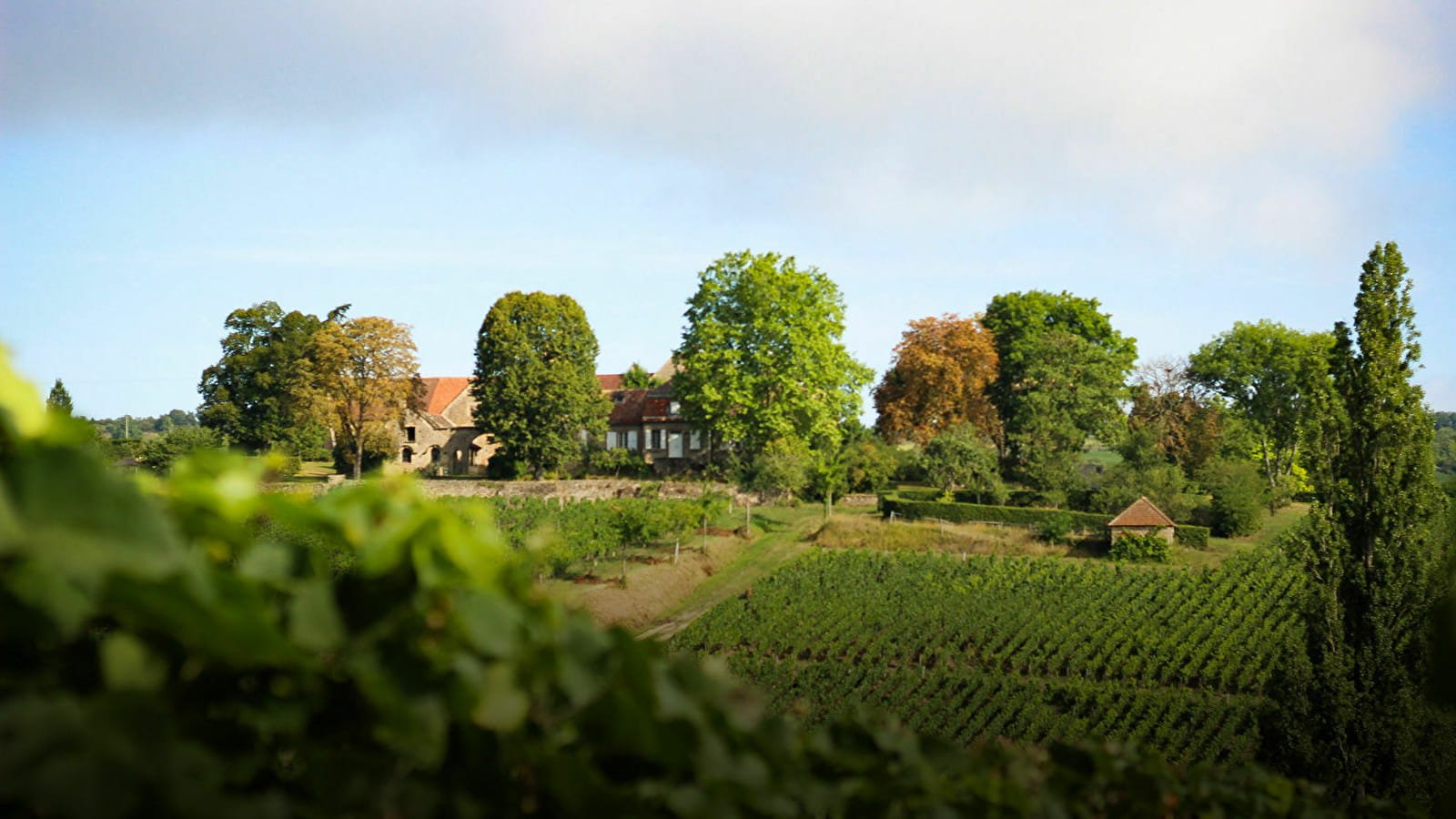
Château de Rougeon reads like a quietly held secret of southern Burgundy: an understated château amid stone village buildings and working agricultural land. There is no theatrical arrival or tasting pavilion here; instead the place emphasizes terroir, tradition and a restrained presentation. The writing frames the estate as both classic and sophisticated — producers and buyers recognize the wines for their geological lineage and steady expression rather than flash. Expect a low‑key, historically rooted atmosphere where the landscape and the wines do the talking rather than staged hospitality.
Best For
This estate is best for people who come to learn and to listen — wine students, collectors and solo explorers who prize terroir clarity. The copy positions the property for wine education and informed visits, noting its appeal to serious buyers and its appearance on the La Paulée 2026 producer list. Small groups of like‑minded visitors also fit well: the setting rewards focused conversation about soil, exposure and varietal expression rather than loud socializing or spectacle.
Tasting Tips
The profile stresses Château de Rougeon’s quiet approach to prestige and its place in allocation‑driven markets. Decisions about sourcing or allocation are likely to arise through producer lists and relationships rather than walk‑in retail. Pay attention to regional producer lists and market reports — the estate’s Pearl prestige designation on La Paulée 2026 is explicitly noted — and approach acquisitions with the expectation that availability is handled through the trade and dedicated collectors rather than through a high‑volume visitor center.
Venue details
Ambiance
Serene and natural atmosphere in a historic château surrounded by pristine countryside, with warm, passionate hosting amid beautiful preserved landscapes.
Tags
Vibe
Best For
Experience
Sourcing
View
At the Vineyard
- Appellation
- Bourgogne Côte Chalonnaise
- Varietals
- Pinot Noir, Chardonnay, Aligoté, Gamay
- Tour Duration
- 1h30min
- Tour Languages
- French, English
- Visits
- By reservation
- Farming
- Organic
- Production
- Small producer
- Wine Styles
- Still White, Still Red, Sparkling, Still Rose
- Food Pairing
- Offered
- Wine Club
- Not available
Know before you go
Know Before You Go
- Getting there
- Rougeon, 71390 Bissey-sous-Cruchaud
Planning details
Location
Rougeon, 71390 Bissey-sous-Cruchaud · Directions
Also consider
Also Consider
- Château de Chamirey, Notable alternative
- Domaine Michel Briday, Notable alternative
- Domaine A. & P. de Villaine, Notable alternative
- Domaine de Cassiopée, Notable alternative
- Domaine Bachelet-Monnot, Notable alternative
Winery context
How Château de Rougeon compares nearby
Choose Château de Rougeon when the priority is a quieter countryside feel and a special-occasion pace. If the goal is a more established comparison point, Château de Chamirey is the cleaner cross-shop for travelers who want a château-format Burgundy visit with a broader regional profile.
For easier itinerary building, compare it with Domaine Michel Briday and Domaine A. & P. de Villaine. Those names make more sense for readers trying to benchmark the visit against respected nearby domaines rather than making the day revolve around one hard-to-secure stop.
If the trip is more wine-geek than occasion-led, add Domaine de Cassiopée and Domaine Bachelet-Monnot to the comparison set. Château de Rougeon is the pick for ambiance and privacy; these peers are better backups when access, scheduling, or a broader tasting route matters more.
Explore Bissey-sous-Cruchaud
Around this place
Discover more on Pearl
Unlock the full Château de Rougeon guide in Pearl, including awards, comparisons, FAQs, planning details, and nearby places.
Compare Château de Rougeon
| Venue | Location | Awards |
|---|---|---|
| Château de Rougeon | Bissey-sous-Cruchaud | No published awards |
| Château de Chamirey | Mercurey | No published awards |
| Domaine Michel Briday | Rully | No published awards |
| Domaine A. & P. de Villaine | Bouzeron | 2026 Falstaff Winery Guide |
| Domaine de Cassiopée | Sampigny-lès-Maranges | 2026 Falstaff Winery Guide |
| Domaine Bachelet-Monnot | Dezize-lès-Maranges | 2026 Michelin Grape Main Selection - Burgundy2026 Falstaff Winery Guide |


How Château de Rougeon compares with similar nearby venues.
FAQ
Frequently Asked Questions
What other venues can I compare with Château de Rougeon?
Useful comparison points include Château de Chamirey, Domaine de Cassiopée, Domaine A. & P. de Villaine, Domaine Bachelet-Monnot, and Domaine Michel Briday. You can also compare it with other dining in Bissey-sous-Cruchaud.
Where is Château de Rougeon located?
Château de Rougeon is in Bissey-sous-Cruchaud.