Domaine Pierre Labet
Beaune
Winery in Beaune, France
 Book with Pearl
The Read
Southern Jura Allocation Grower
Why go
Domaine Pierre Labet is worth pursuing for a serious, wine-first Beaune-area itinerary, especially for couples or small groups planning a special occasion around access rather than hospitality extras. Do not build the visit around a confirmed food-pairing format unless arranged in advance; pair it with a separate restaurant booking in Beaune.
About Domaine Pierre Labet
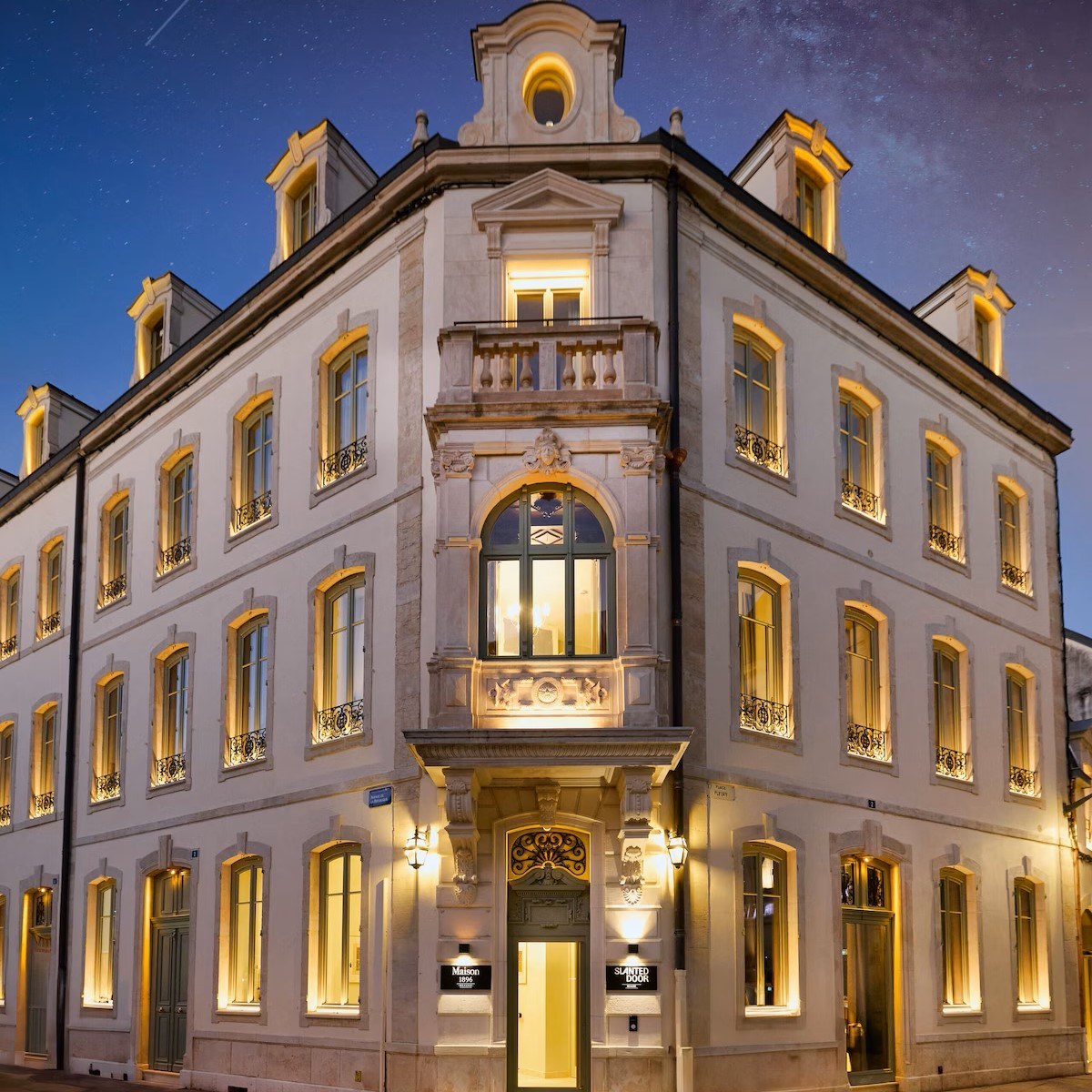
Domaine Pierre Labet is a Beaune venue with a smart casual dress code and Pearl 2 Star Prestige recognition for 2025. Practical visitor details may vary, so plan with care and check the venue's official channels before arranging a visit.
Use this page as a concise planning note. The grounded facts support treating Domaine Pierre Labet as a premium Beaune stop, but they do not confirm public hours, prices, menus, tasting formats, visitor services, or booking requirements.
Plan around the confirmed basics
Do not assume a meal format, named menu, lunch service, structured pairing sequence, or specific visitor service unless the venue confirms it directly. For a special occasion, build the plan around the confirmed basics: Domaine Pierre Labet is in Beaune, the dress code is smart casual, and the venue holds Pearl 2 Star Prestige recognition for 2025. Use Our full Beaune restaurants guide for the dining piece, and keep Our full Beaune hotels guide and Our full Beaune bars guide nearby if the visit becomes part of a full weekend.
That narrower planning frame is useful: it prevents overbuilding the day around services that may not be available. If food, timing, or a particular format matters, confirm those details before travel and keep other Beaune plans flexible.
Use it as a premium Beaune stop, then compare other options carefully
For a broader itinerary, compare Domaine Pierre Labet with other named options such as Château de Chamirey, Château de Rougeon, Domaine Fichet, Domaine Michel Briday, and Domaine Olivier Merlin. When comparing, avoid assuming that each venue offers the same visitor format, hours, price point, or services unless those details are confirmed directly.
The practical verdict: pursue Domaine Pierre Labet when a smart casual, Pearl 2 Star Prestige-recognized Beaune stop fits the occasion. Choose another option when you need confirmed public hours, a specific menu or tasting format, or more detailed visitor information before committing.
Planning details
- Location
- 14 Montée des Tilleuls, 39190 Rotalier
The take
The Take
The Vibe
Domaine Pierre Labet presents a quietly assured presence where Burgundy’s pedigree meets the Jura’s sober discipline. The writing emphasizes a less‑trafficked approach to winemaking—fewer tour buses, more silence—and an austere rigour that shapes both the wines and the atmosphere. Rather than bright theatrics or overt hospitality theatre, the domaine reads as a contemplative, historically minded producer, rooted in estate practice and the broader Burgundian tradition. The overall impression is one of restrained prestige: serious, calm, and quietly compelling for visitors who prefer focus over fanfare.
Best For
This domaine is best for serious wine enthusiasts, collectors, and anyone drawn to deep regional context and critical recognition. Selection for La Paulée signals a producer that stands within Burgundy’s higher tiers, so the estate suits those interested in provenance, vintage depth, and comparative tasting against benchmark producers. It also fits small, focused celebratory moments tied to wine — harvest-minded events and industry gatherings — where the emphasis is on tasting rigour and lineage rather than casual mass tourism.
Tasting Tips
Look for bottlings and vintages that reflect the domaine’s placement between Burgundy and the Jura; the write‑up highlights the estate’s critical standing and vintage depth. Because selection for La Paulée is a recurring detail, prioritize wines or cuvées that are singled out for that kind of recognition. When discussing purchases or tastings, ask about how the domaine’s Jura address and Burgundian techniques intersect in specific vintages — producers positioned this way often show stylistic nuance from year to year.
Venue details
Ambiance
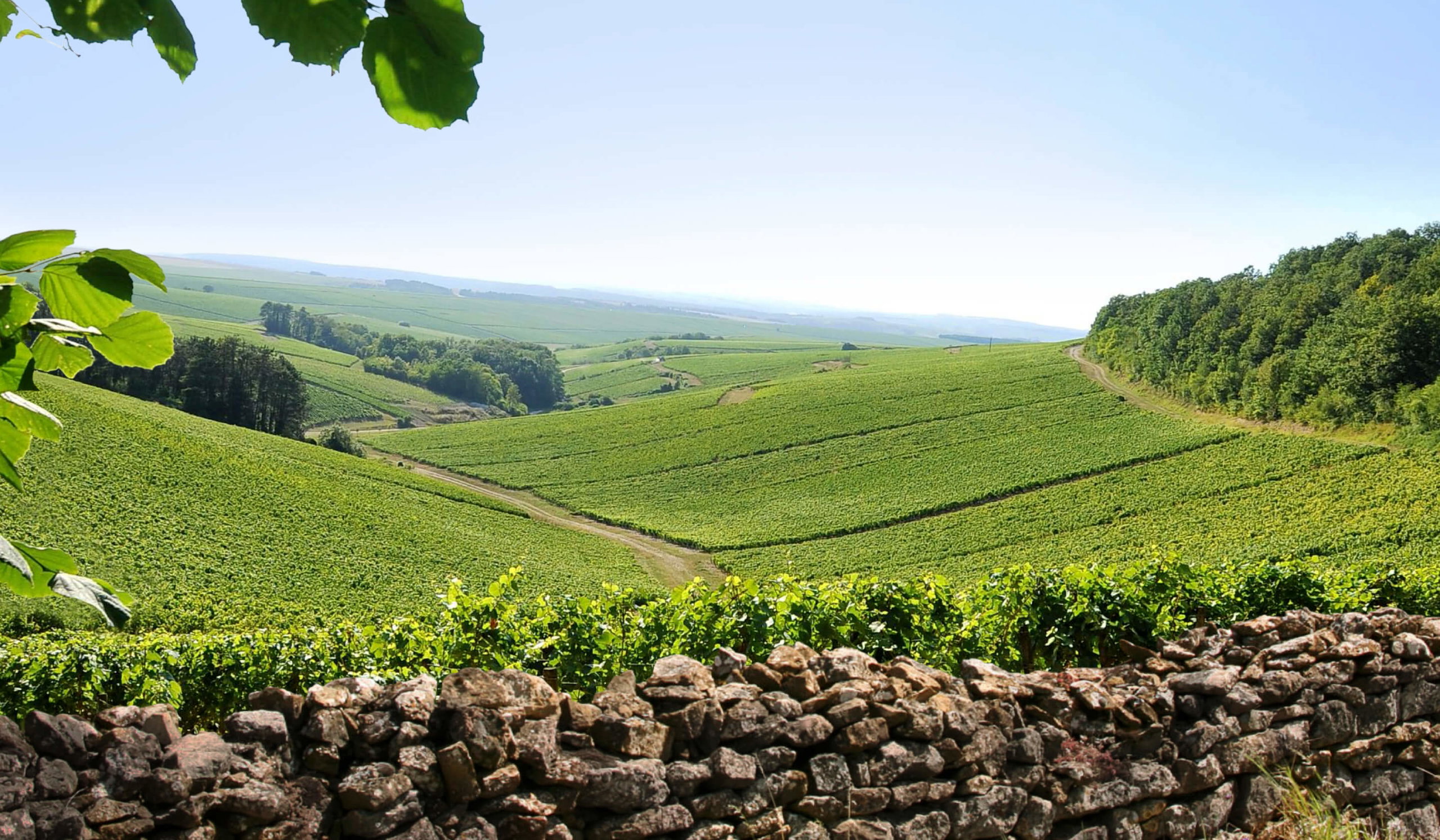
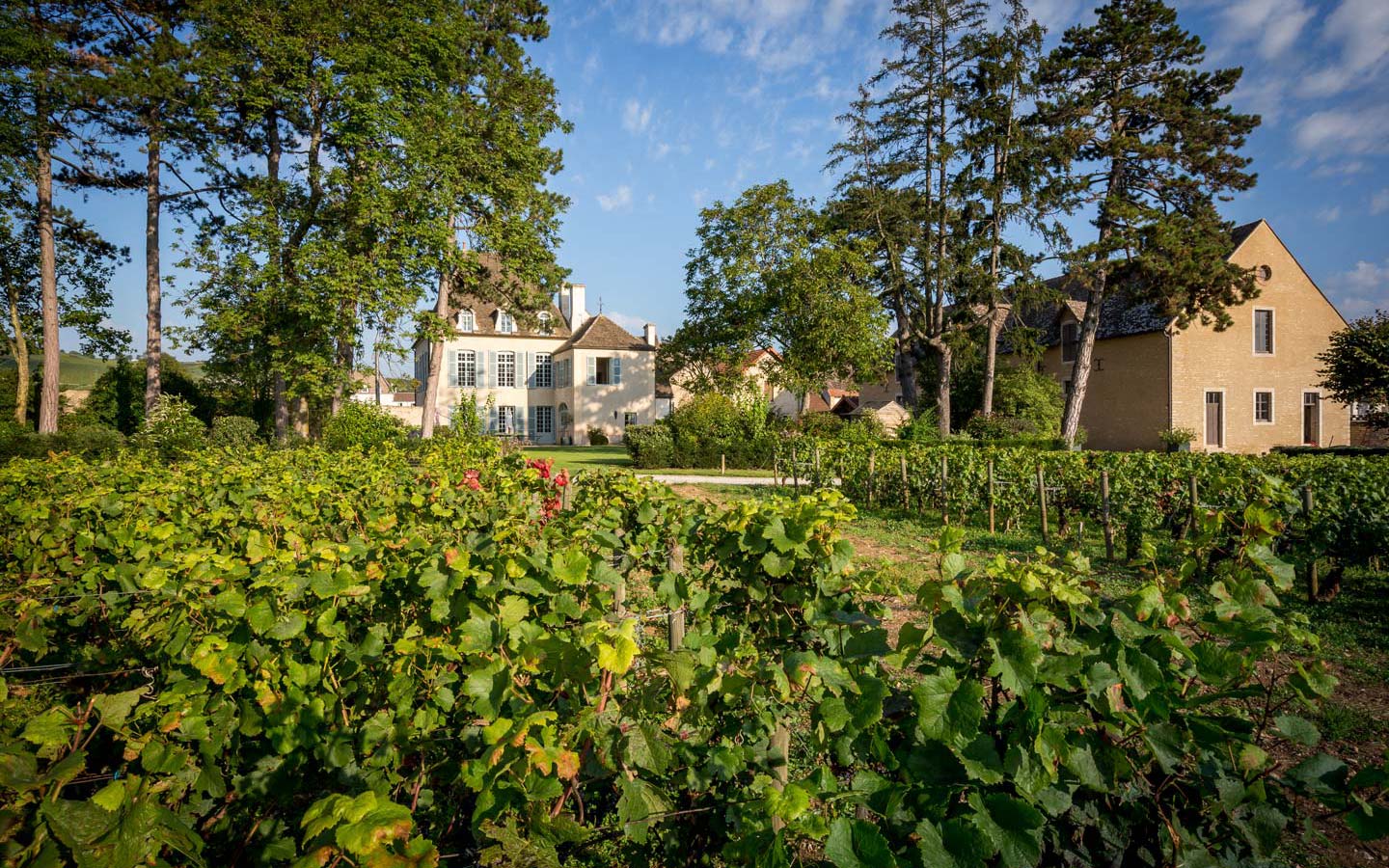
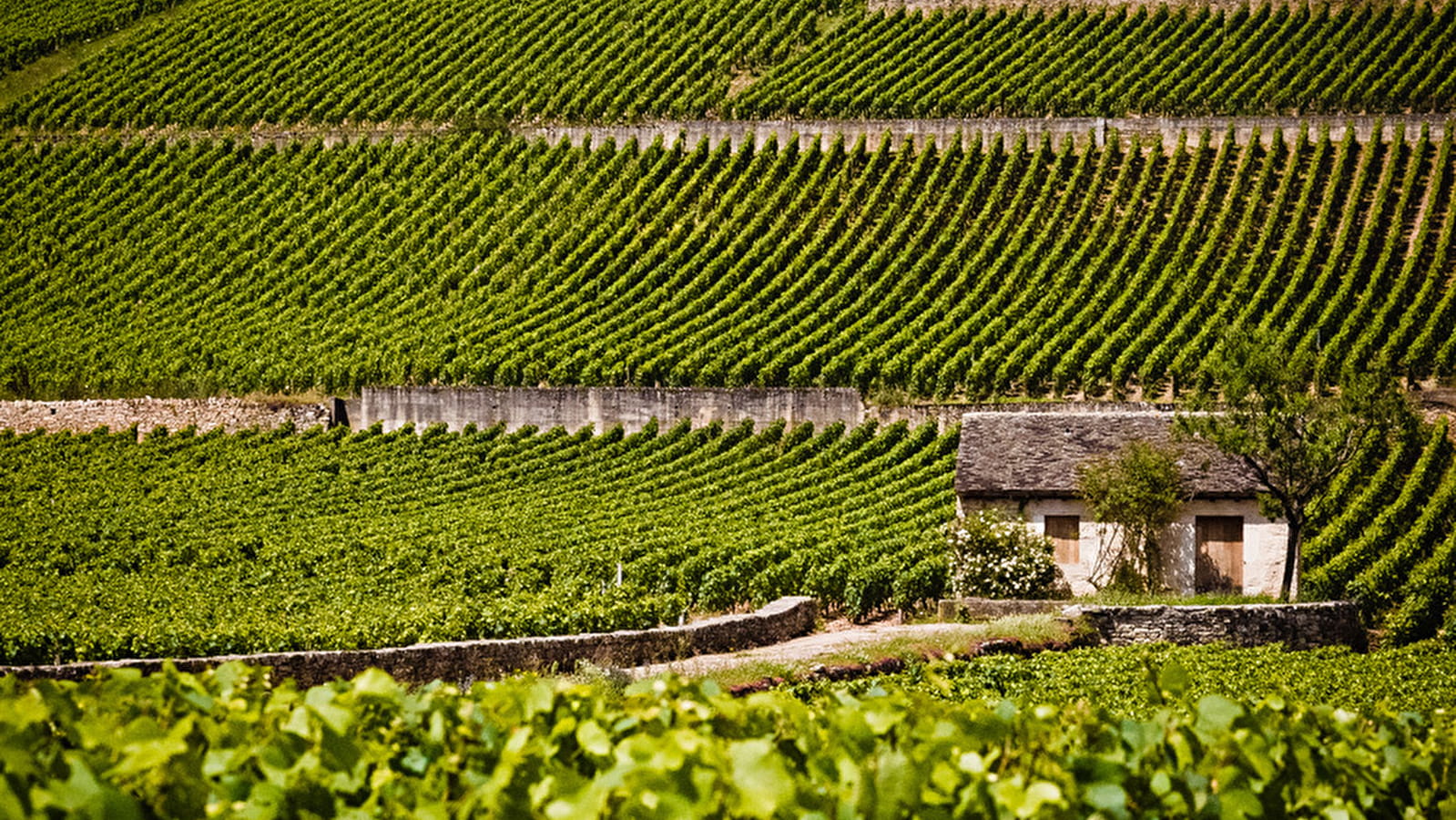
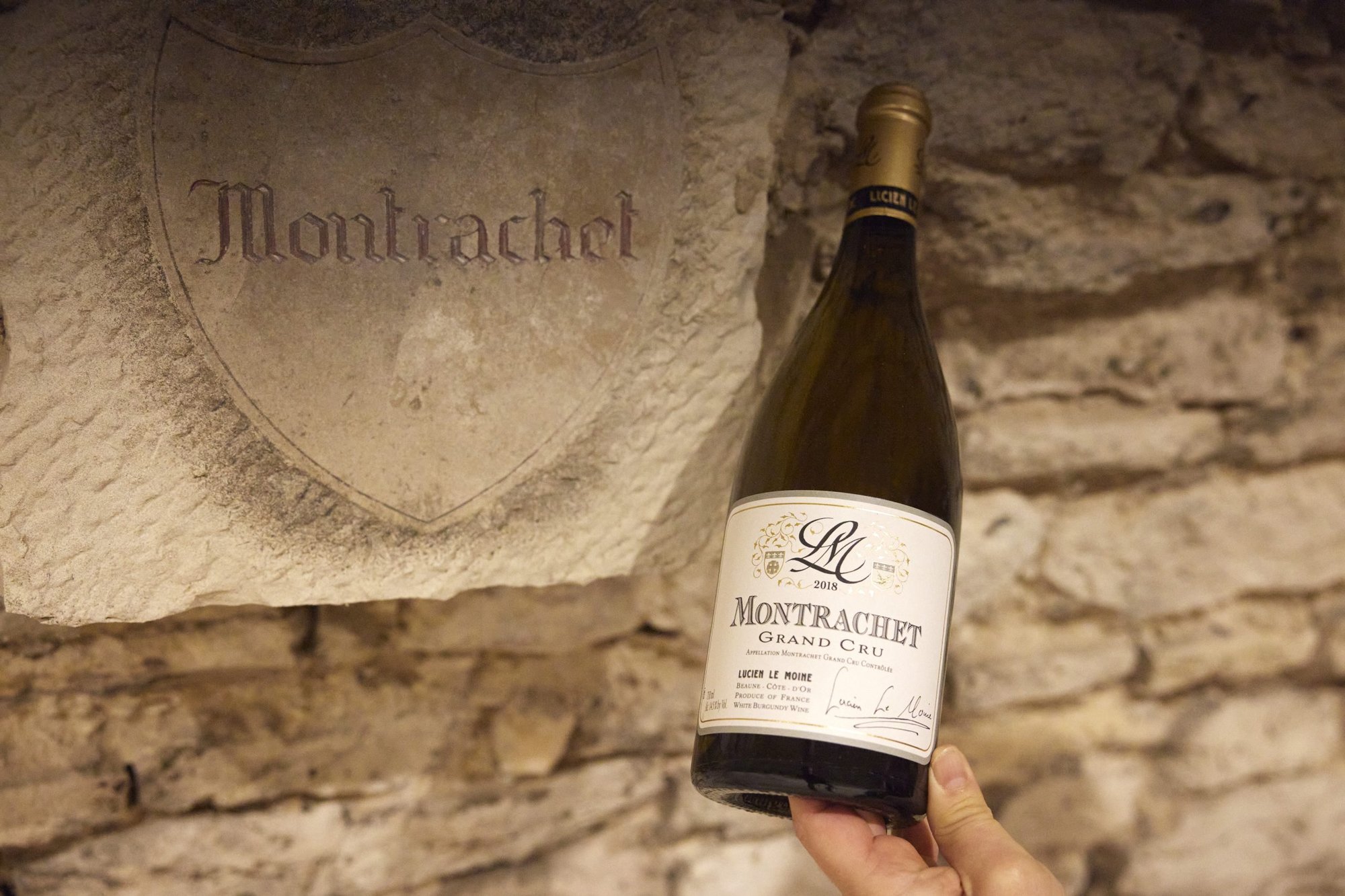
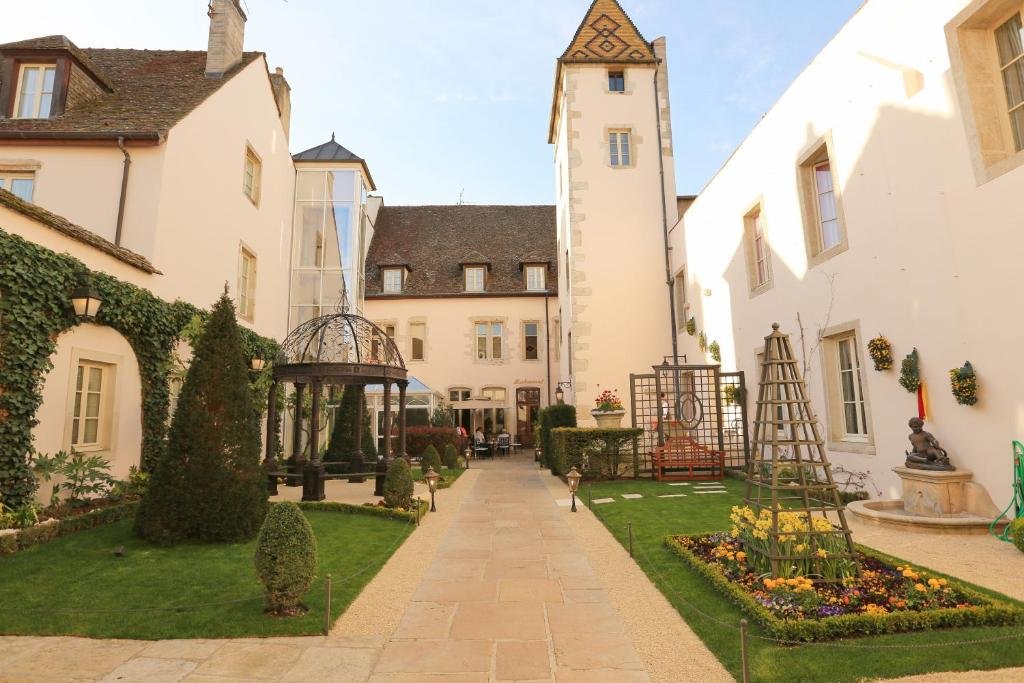
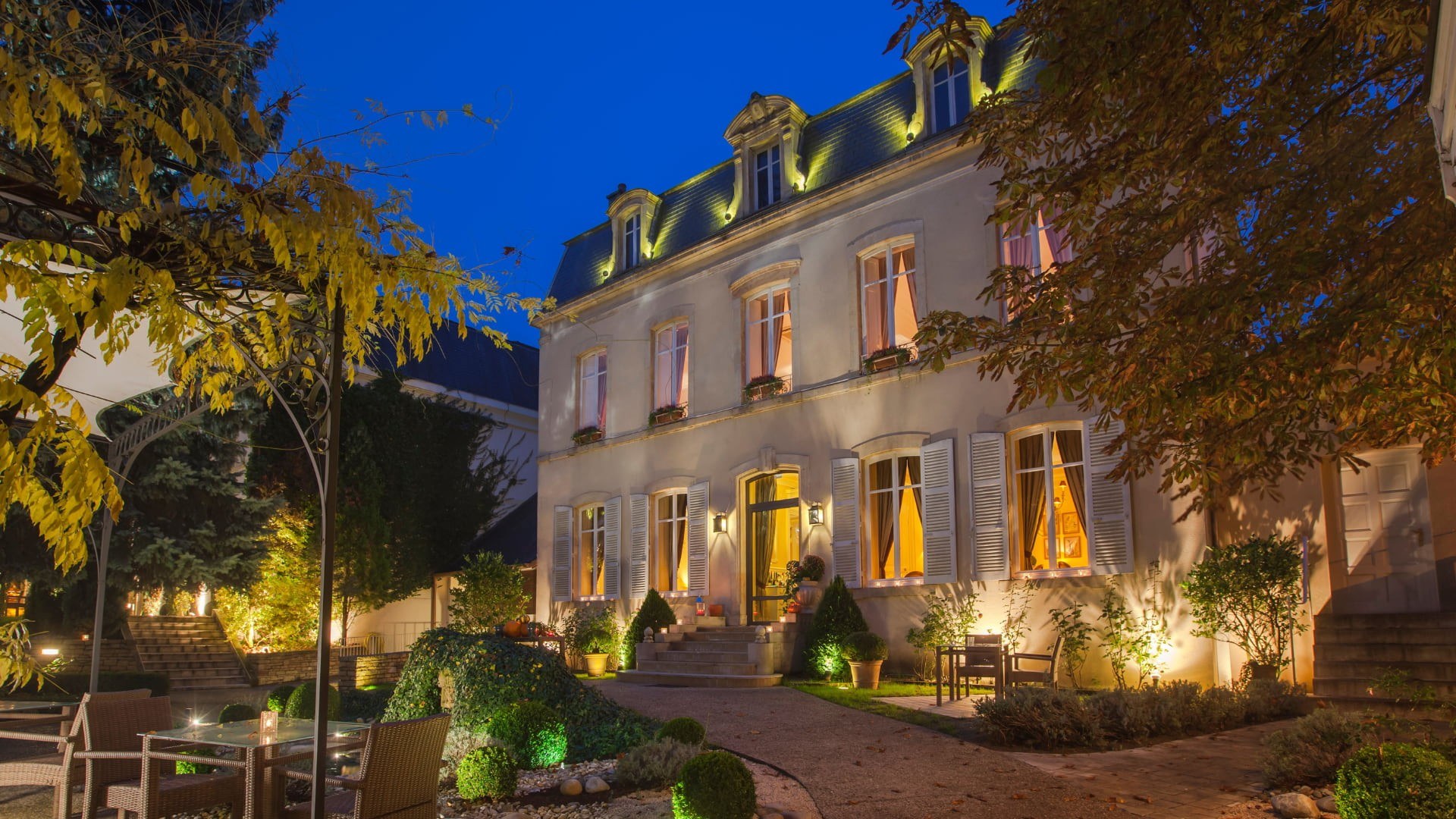
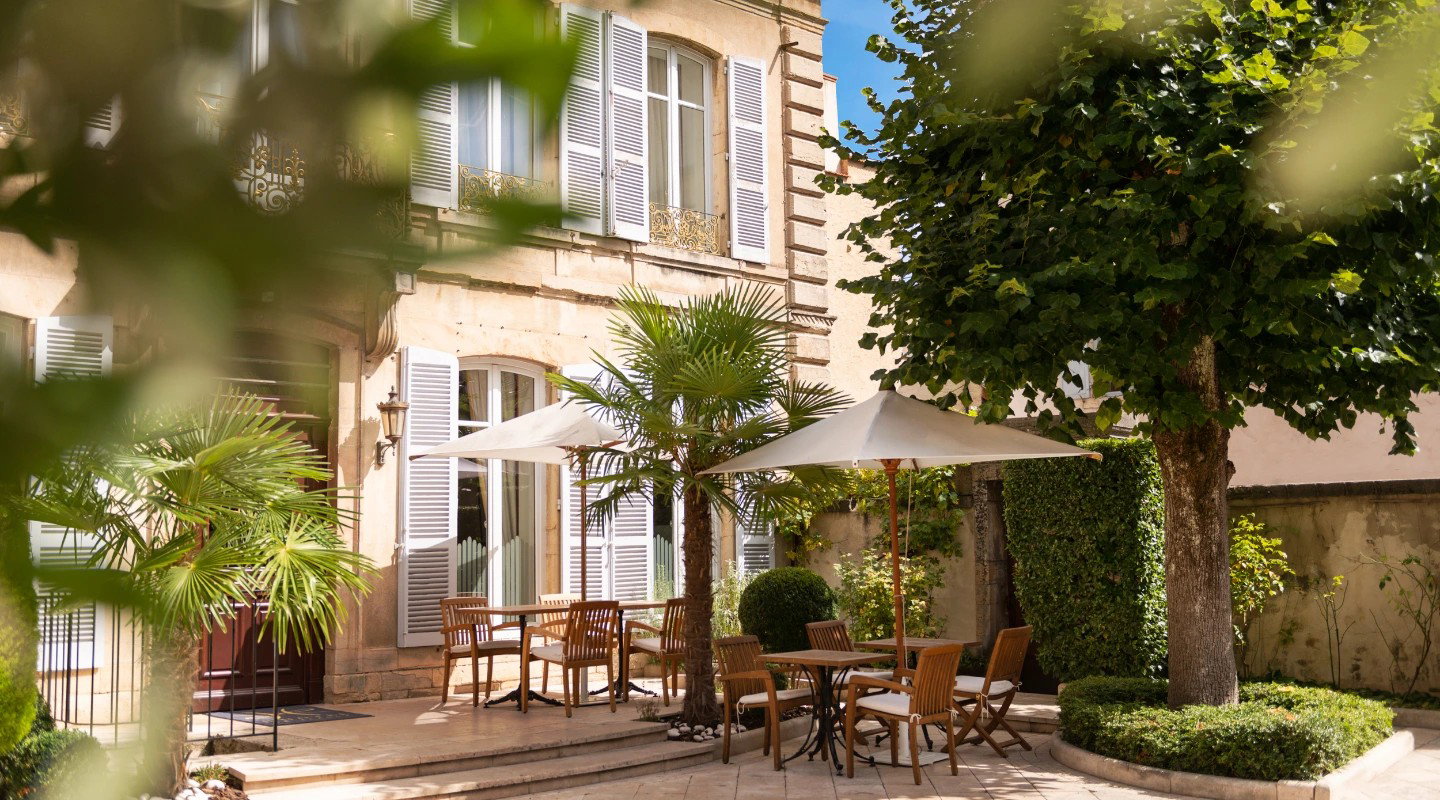
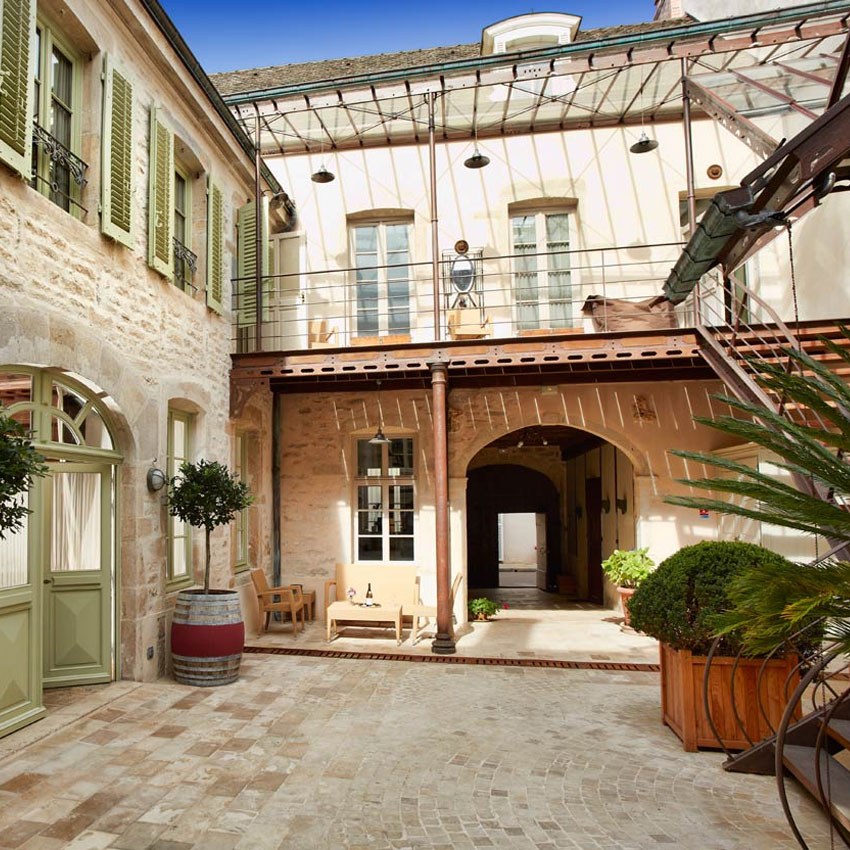
Traditional winery setting with focus on terroir expression and minimal winemaking intervention, reflecting classical Burgundian production philosophy.
Tags
Vibe
Best For
Experience
Sourcing
View
At the Vineyard
- Appellation
- Côte de Beaune AOC
- Varietals
- Pinot Noir, Chardonnay, Gamay
- Wine Club
- Not available
Know before you go
Know Before You Go
- Getting there
- 14 Montée des Tilleuls, 39190 Rotalier
Planning details
Location
14 Montée des Tilleuls, 39190 Rotalier · Directions
Also consider
Also Consider
- Domaine Fichet, Notable alternative
- Château de Rougeon, Notable alternative
- Château de Chamirey, Notable alternative
- Domaine Olivier Merlin, Notable alternative
- Domaine Michel Briday, Notable alternative
Winery context
How It Compares
Domaine Pierre Labet is the pick for readers who care about access and a quieter producer-focused stop, but it is also the one to treat as hardest to plan. If the priority is an easier backup with less pressure around timing, cross-shop Domaine Fichet and Domaine Michel Briday; both make more sense as practical alternatives when the main goal is filling a wine day without overcommitting the schedule.
For a more château-led atmosphere, Château de Rougeon and Château de Chamirey are the better comparison set. Choose them when the group wants a setting that feels more immediately occasion-ready. Choose Domaine Pierre Labet when the celebration is about the wine appointment itself, not a broader hospitality package.
Domaine Olivier Merlin is the sensible cross-shop for visitors who want another serious producer name without making the whole itinerary depend on one difficult booking. The value call is simple: Domaine Pierre Labet is worth the effort for collectors and small special-occasion groups; for larger groups or travelers who need confirmed structure, one of the peer options is the safer plan.
Around this place
Discover more on Pearl
Unlock the full Domaine Pierre Labet guide in Pearl, including awards, comparisons, FAQs, planning details, and nearby places.
Compare Domaine Pierre Labet
| Venue | Location | Awards |
|---|---|---|
| Domaine Pierre Labet | Beaune | No published awards |
| Domaine Fichet | Igé | No published awards |
| Château de Rougeon | Bissey-sous-Cruchaud | No published awards |
| Château de Chamirey | Mercurey | No published awards |
| Domaine Olivier Merlin | La Roche-Vineuse | No published awards |
| Domaine Michel Briday | Rully | No published awards |
How Domaine Pierre Labet Beaune compares with similar nearby venues.
FAQ
Frequently Asked Questions
How long should I plan for a visit to Domaine Pierre Labet?
What recognition does Domaine Pierre Labet have?
Domaine Pierre Labet holds Pearl 2 Star Prestige recognition for 2025.