Seppeltsfield Road Distillers
Marananga, Barossa Valley
Winery in Barossa Valley, Australia
 Book with Pearl
The Read
Wine-Country Craft Spirits
Why go
Seppeltsfield Road Distillers is worth planning around if a Barossa Valley itinerary needs a spirits-focused break from cellar doors. Treat it as a special-occasion stop with tight availability, better suited to couples, celebrations, or hosted groups than a casual last-minute add-on.
About Seppeltsfield Road Distillers
Seppeltsfield Road Distillers is a Barossa Valley venue with a smart casual dress code and Pearl 2 Star Prestige recognition for 2025. It is best approached as a considered stop in the region.
For a broader Barossa Valley plan, use Our full Barossa Valley restaurants guide, Our full Barossa Valley hotels guide, Our full Barossa Valley bars guide, Our full Barossa Valley wineries guide, and Our full Barossa Valley experiences guide.
Choose it when you want a polished Barossa Valley stop
Seppeltsfield Road Distillers is in Barossa Valley, it carries Pearl 2 Star Prestige recognition for 2025, and the dress code is smart casual. Beyond that, specific claims about food, drinks, tastings, pricing, seating, hours, or availability should be confirmed directly with the venue before you build a day around them.
If you are comparing other nearby names for the same trip, Greenock Creek Wines, Hentley Farm, Seppeltsfield, Torbreck Vintners, and Two Hands Wines are natural points of reference. Keep the final choice tied to the kind of experience you want, then confirm the practical details directly before travelling.
Plan earlier than feels necessary
Plan conservatively. Check current details through Seppeltsfield Road Distillers before confirming the rest of the itinerary, especially if the visit is tied to a celebration, a group plan, or a fixed travel date.
Bottom line: choose Seppeltsfield Road Distillers as a smart casual Barossa Valley venue with Pearl 2 Star Prestige recognition. Confirm all operational details directly before you go.
Planning details
- Location
- 436 Seppeltsfield Rd, Marananga SA 5355
- Website
- seppeltsfieldroaddistillers.com.au
- Phone
- +61 8 7081 2000
The take
The Take
The Vibe
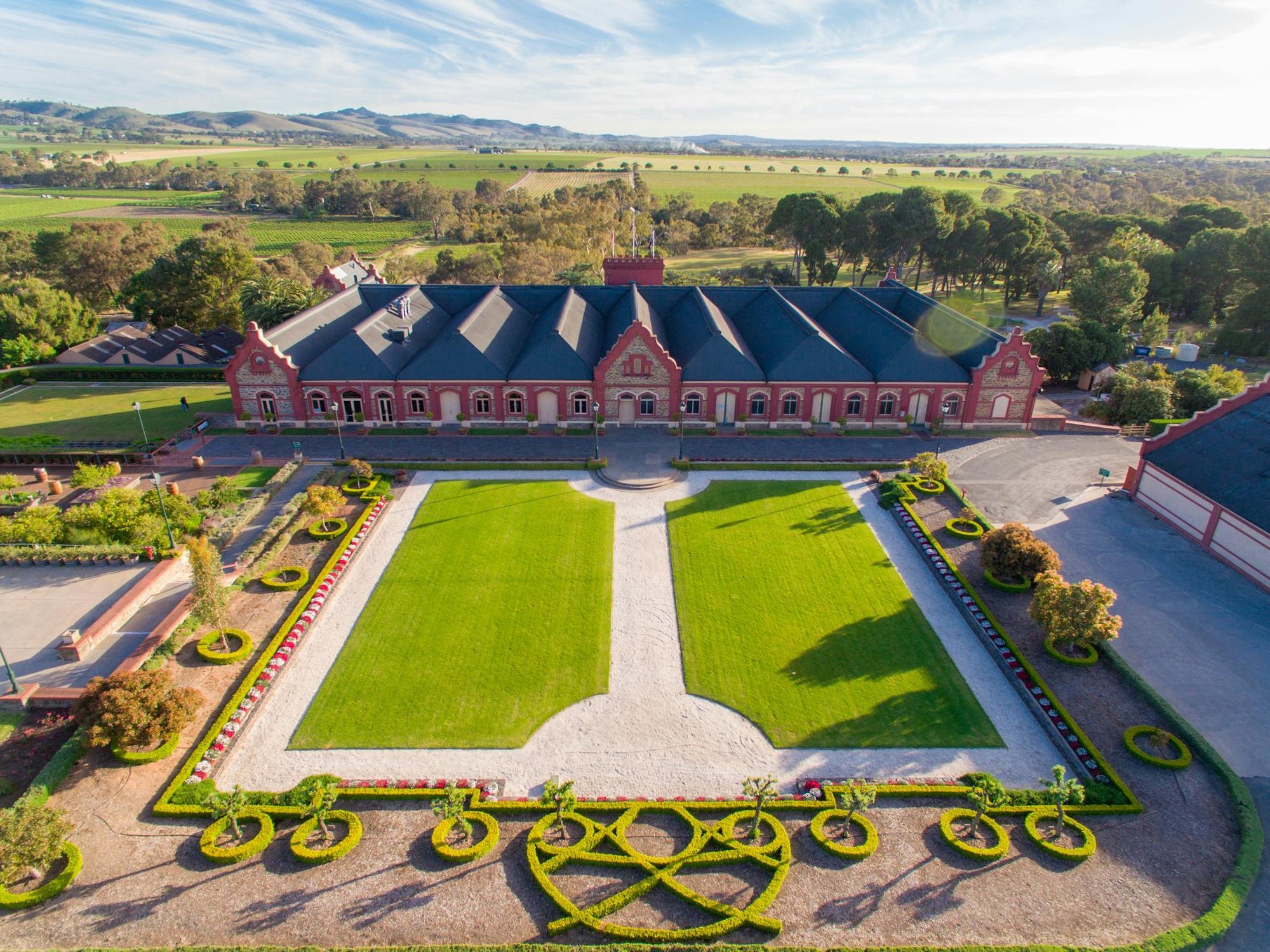
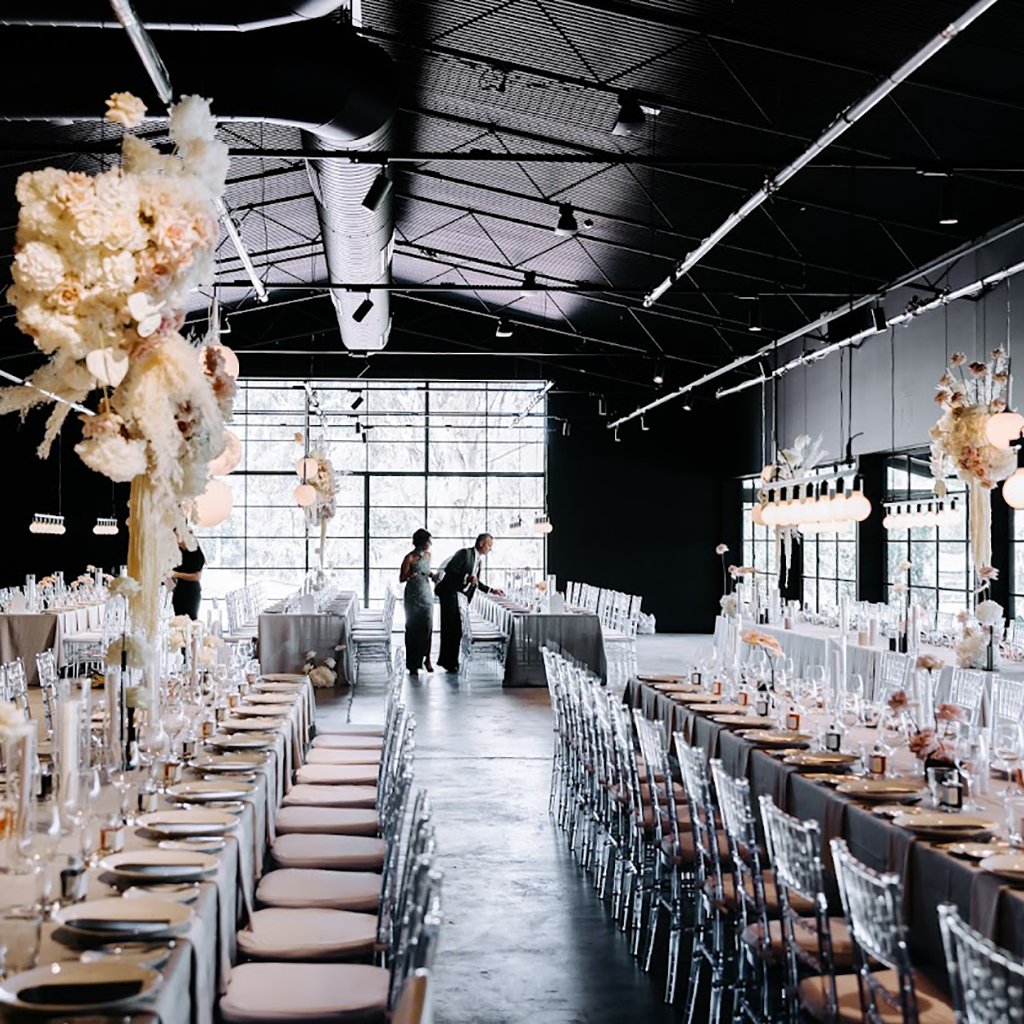
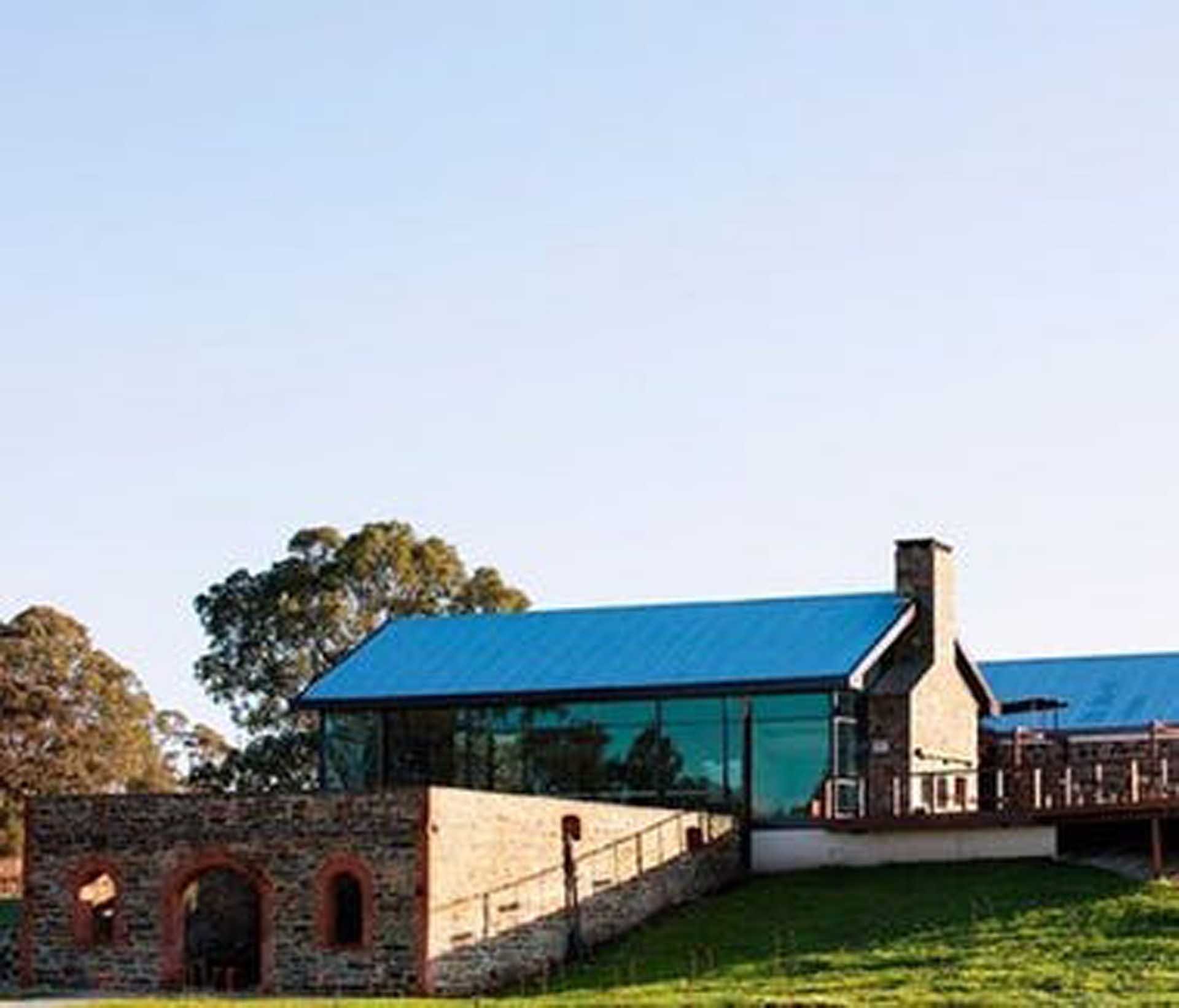
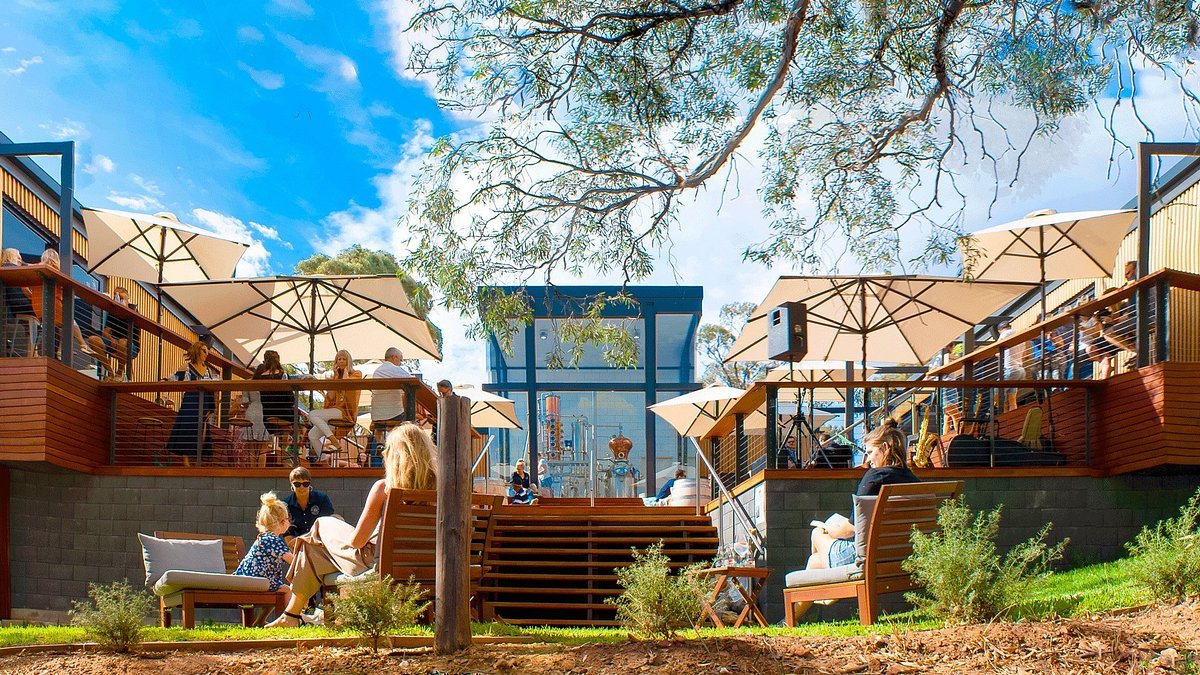
Seppeltsfield Road Distillers reads as a sophisticated, design-forward distillery carved out of Barossa’s historic tasting corridor. Rather than blending into the cluster of cellar doors, it deliberately positions itself as a premium spirits operation: the writing repeatedly flags "premium-tier logic," "design intent" and "production rigour." The architecture and interior are presented as part of the argument for craft, so the space communicates the producer’s identity before a single pour. The overall effect is modern, considered and upscale, a serious tasting stop that feels intentional and rooted in its regional context.
Best For
This venue is best for visitors who want an educational, quietly focused stop on a Barossa tasting route. The distillery’s emphasis on production conversations and design makes it a natural fit for wine- and spirits-minded solo explorers, or anyone curious about craft distilling in a wine-region setting. Because the space foregrounds history and technique, it suits slow, attentive visits rather than rowdy group drinking; slot it into an afternoon itinerary when you want to compare regional production approaches and absorb the site’s architectural statement.
Tasting Tips
Treat a visit as part education, part tasting: the copy stresses that the space frames the experience "before a single pour happens," so expect pours to be presented with production context. Ask staff about techniques, provenance and how the distillery’s place on Seppeltsfield Road shapes its approach. Allow time to take in the design and the building’s argument for craft before choosing samples; the setting and conversation are integral to appreciating what’s in the glass.
Venue details
Ambiance
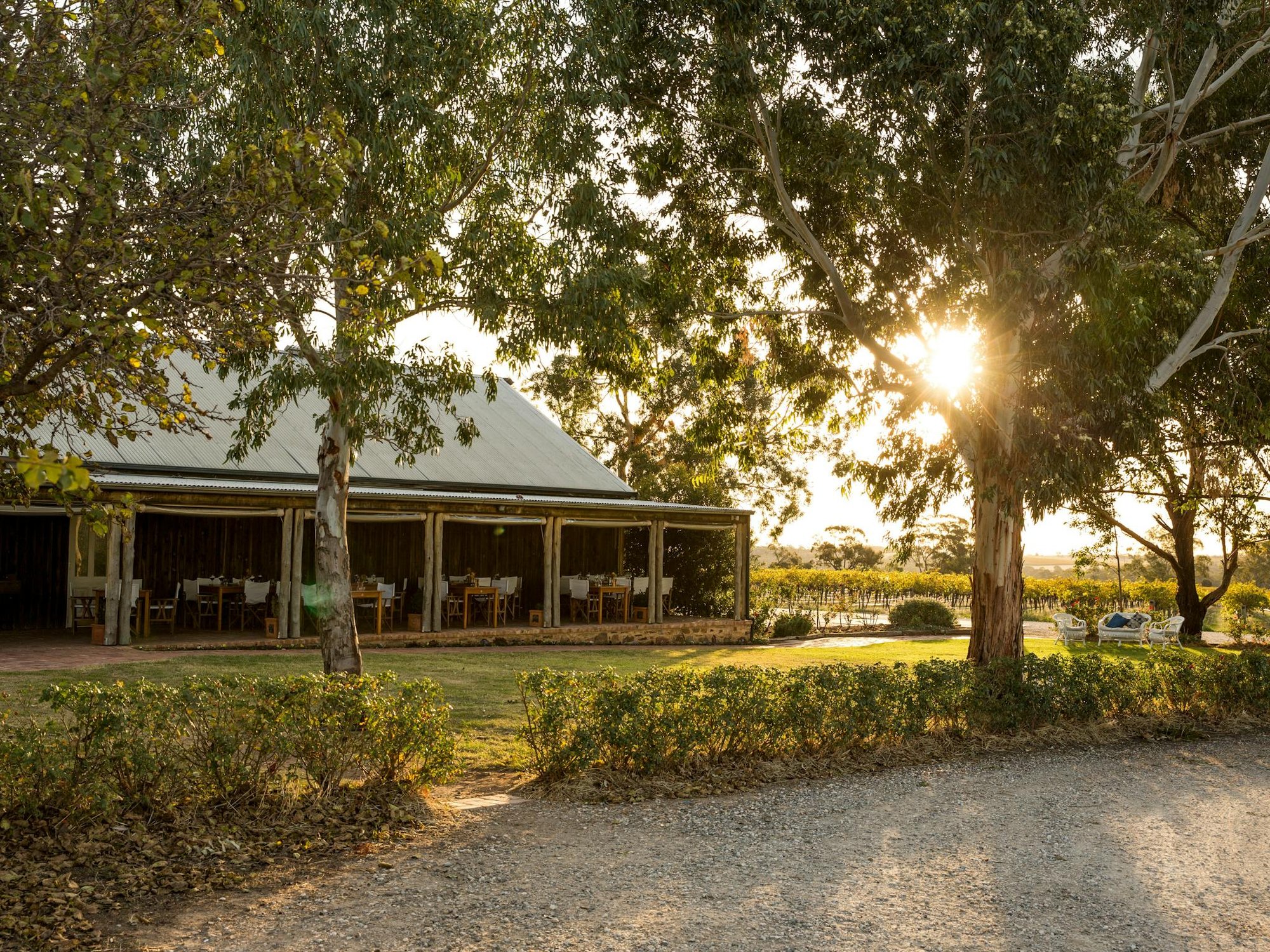
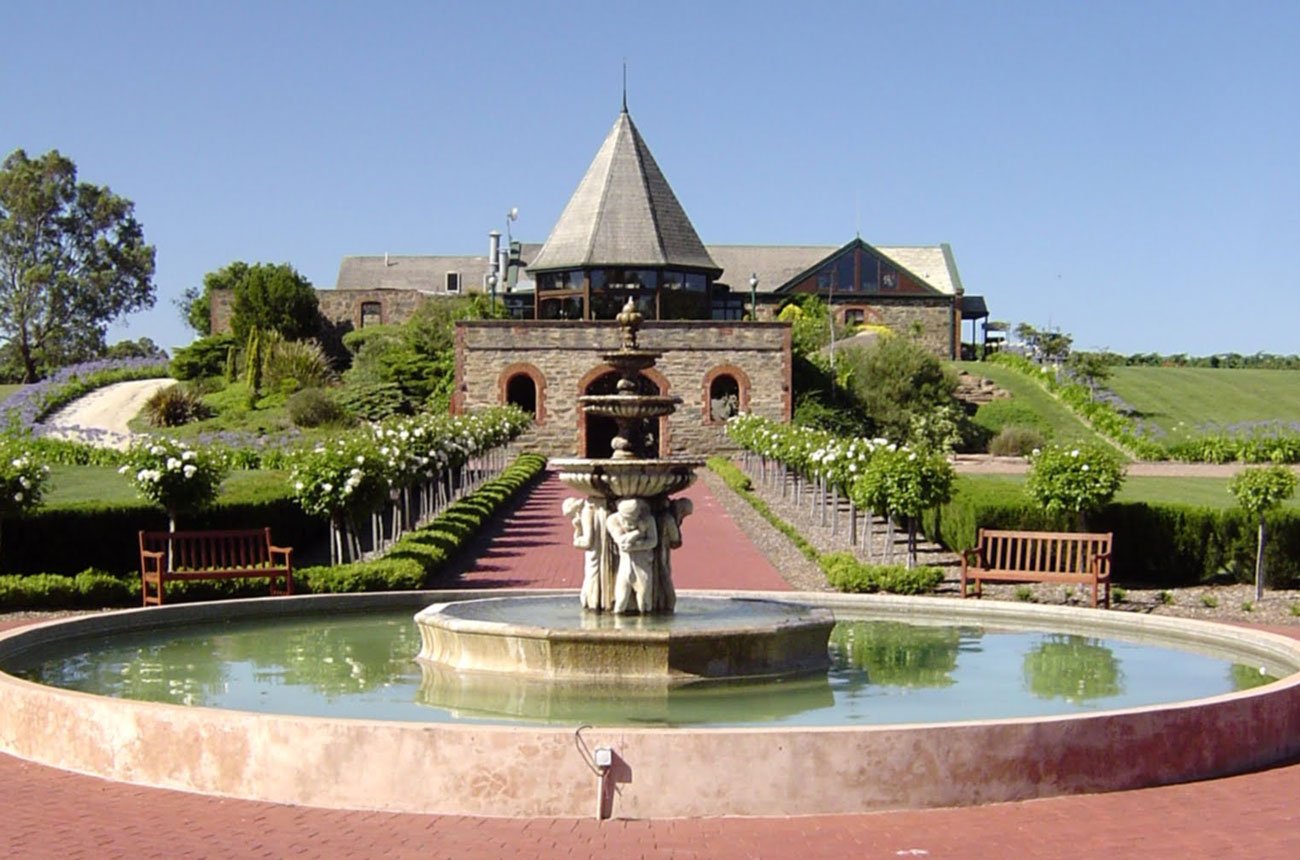
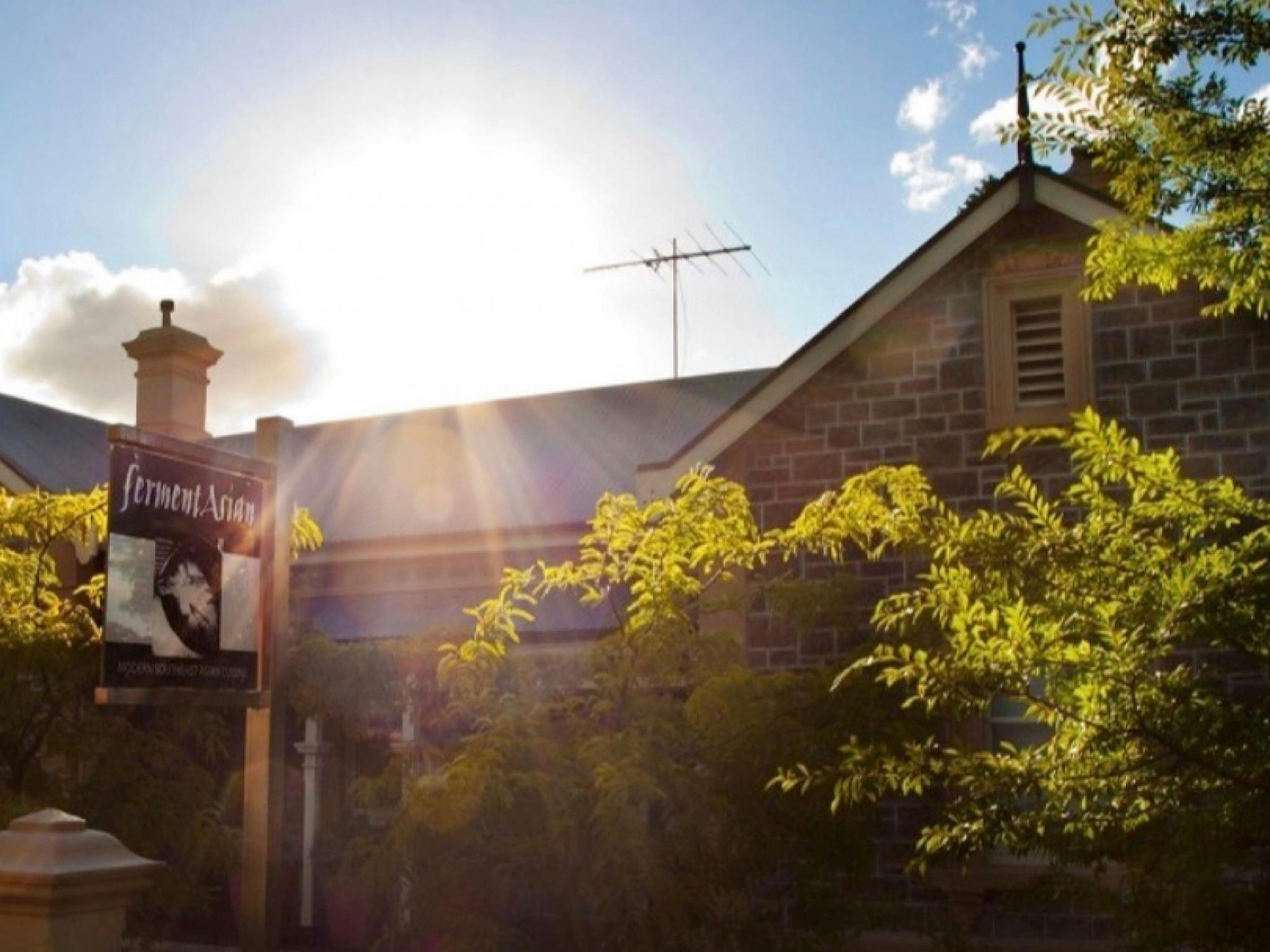
Bright, fresh distillery atmosphere in a historic palm-lined Barossa setting blending wine heritage with craft distilling.
Tags
Vibe
Best For
Experience
View
At the Vineyard
- Appellation
- Barossa Valley
- Varietals
- Shiraz, Semillon, Grenache, Cabernet Sauvignon, Touriga
- Tour Duration
- 60-90 minutes
- Tour Languages
- English
- Production
- Boutique
- Wine Styles
- Still Red
- Wine Club
- Not available
Know before you go
Know Before You Go
- Getting there
- 436 Seppeltsfield Rd, Marananga SA 5355
Planning details
Location
436 Seppeltsfield Rd, Marananga SA 5355 · Directions
Also consider
If this is full
Try Seppeltsfield if the group wants a more classic Barossa anchor nearby, or Hentley Farm if the occasion needs to revolve around food rather than spirits.
Winery context
How it compares in Barossa Valley
Greenock Creek Wines, Two Hands Wines, and Torbreck Vintners make more sense when the point of the day is wine comparison. Seppeltsfield Road Distillers is the stronger choice when the itinerary already has enough cellar-door time and needs a spirits-led stop with a more celebratory feel.
Seppeltsfield is the more obvious pick for visitors who want a classic Barossa heritage anchor, while Hentley Farm is the better fit when food is driving the decision. For a mixed group, the distillery is useful because it changes the pace without leaving the Barossa Valley touring circuit.
On booking difficulty, treat this as harder to slot in than a casual cellar-door visit. If the date is fixed, prioritise it first, then add nearby wine stops around the confirmed time.
Explore Barossa Valley
Around this place
Discover more on Pearl
Unlock the full Seppeltsfield Road Distillers guide in Pearl, including awards, comparisons, FAQs, planning details, and nearby places.
Compare Seppeltsfield Road Distillers
| Venue | Location | Awards |
|---|---|---|
| Seppeltsfield Road Distillers | Barossa Valley | No published awards |
| Greenock Creek Wines | Barossa Valley | 2026 Falstaff Winery Guide |
| Two Hands Wines | Barossa Valley | 2026 Falstaff Winery Guide |
| Torbreck Vintners | Barossa Valley | 2026 Falstaff Winery Guide |
| Seppeltsfield | Tanunda | 2019 World's 50 Best Vineyards · #47 |
| Hentley Farm | Barossa Valley | 2026 Falstaff Winery Guide2026 La Liste Top RestaurantsGourmet Traveller Restaurant Guide 2026: Australia's Best Restaurants |




How Seppeltsfield Road Distillers compares with similar nearby venues.
FAQ
Frequently Asked Questions
When is the best time to visit Seppeltsfield Road Distillers?
Confirm current availability directly with Seppeltsfield Road Distillers before planning your Barossa Valley itinerary. If you are comparing other nearby options, Greenock Creek Wines, Torbreck Vintners, Hentley Farm, Seppeltsfield, and Two Hands Wines may also be relevant to your planning.
What is Seppeltsfield Road Distillers known for?
Seppeltsfield Road Distillers is a Barossa Valley venue recognised with Pearl 2 Star Prestige in 2025. The dress code is smart casual.
Where is Seppeltsfield Road Distillers located?
Seppeltsfield Road Distillers is located in Barossa Valley.