Barboursville Vineyards
Orange County, Barboursville
Winery in Barboursville, United States
 Book with Pearl
The Read
Italian Varieties, Virginia Terroir
Why go
Barboursville Vineyards is the Barboursville pick for a polished special-occasion winery visit, especially if the group wants the day to feel planned rather than improvised. It is better as an anchor stop than a quick tasting-room add-on, with Chestnut Oak Vineyard, Horton Vineyards, Castle Hill Cider, Keswick Vineyards, and Early Mountain Vineyards worth cross-shopping by group style.
About Barboursville Vineyards
Barboursville Vineyards is a Barboursville venue with a smart casual dress code and Pearl 3 Star Prestige recognition for 2025. Plan around the essentials, then check current logistics before making arrangements.
Use the venue's official channels to confirm current logistics before making plans, especially reservations, visit format, amenities, menus, and other operational details.
Choose this for the occasion, not for an overpacked itinerary
Barboursville Vineyards makes the most sense when the group wants a Barboursville stop with a more polished feel. If you are comparing venue options, Chestnut Oak Vineyard and Horton Vineyards are natural names to consider, while Castle Hill Cider may suit a group looking at a different kind of outing. Readers planning meals in Barboursville can also use the Barboursville restaurants guide.
For broader planning, Keswick Vineyards and Early Mountain Vineyards are also useful comparisons. The right choice should come down to the tone of the day, the group's preferences, and the current details for each venue.
Plan fewer stops and confirm details before you go
Plan Barboursville Vineyards as a deliberate Barboursville visit, then check the practical details before arrival. Smart casual dress, the Barboursville location, and Pearl 3 Star Prestige recognition in 2025 set the tone.
Bottom line: consider Barboursville Vineyards when the trip calls for a polished Barboursville venue with Pearl 3 Star Prestige recognition. If the group is still deciding, compare it with other regional options and confirm current visit details directly before committing.
Planning details
- Location
- 17655 Winery Rd, Barboursville, VA 22923
- Website
- bbvwine.com
- Phone
- +1 540-832-3824
The take
The Take
The Vibe
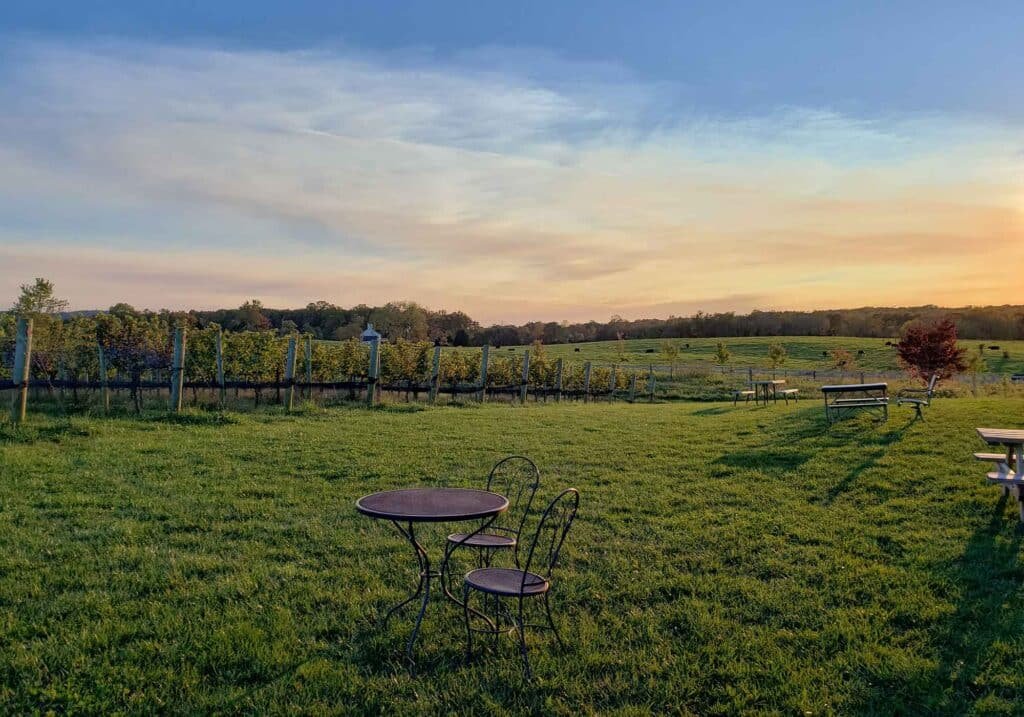
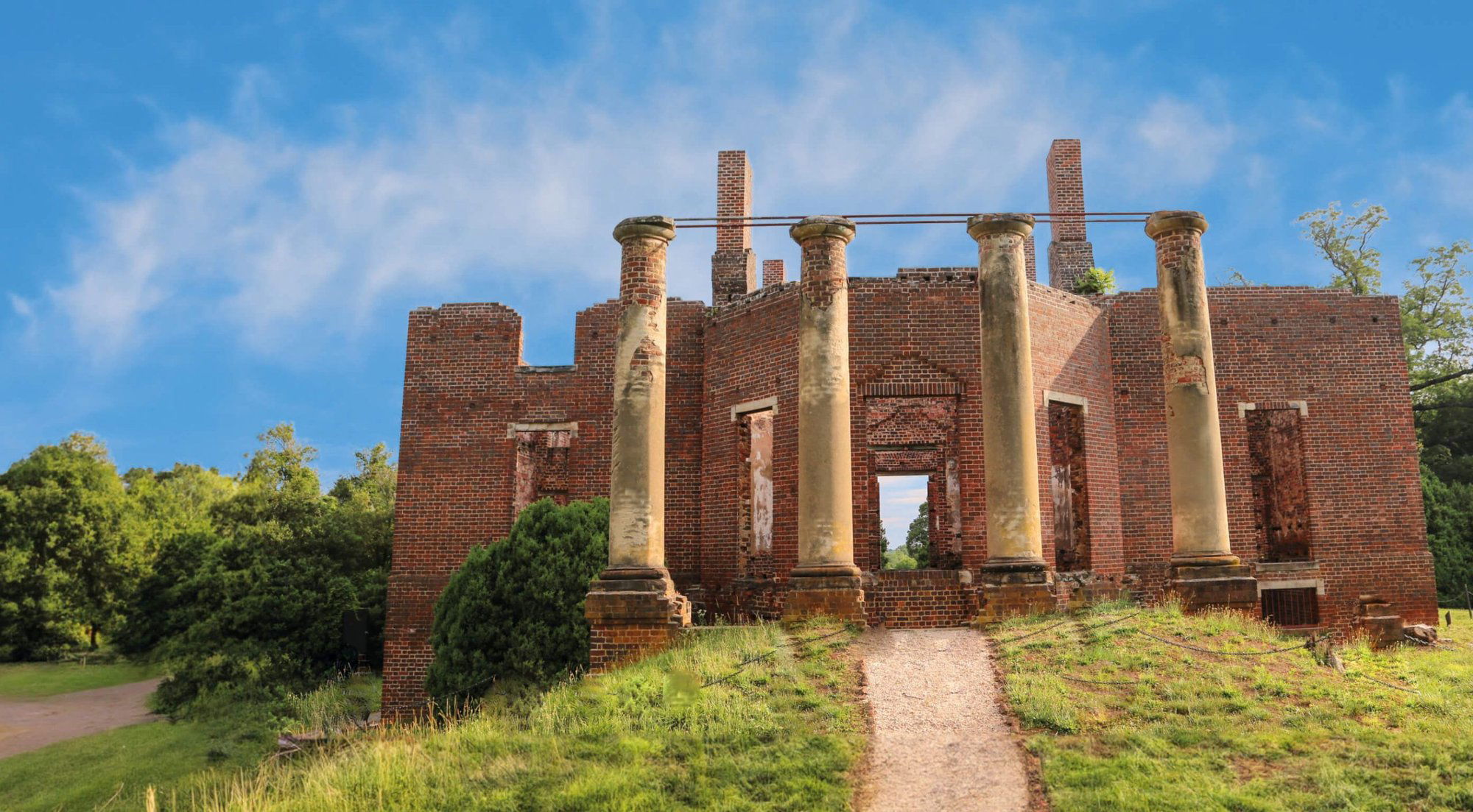
Barboursville arrives as a contemplative, history-saturated estate where the built and natural landscapes share the stage. The ruined Barbour mansion—designed by Jefferson and left as a visible relic—frames visits with a sense of provenance, while rolling Piedmont farmland and Blue Ridge vistas cue a quiet, rooted atmosphere. The writing emphasizes terroir and place over showmanship, so the overall impression is one of thoughtful stewardship: an old-estate sensibility that privileges soil, climate and continuity rather than theatrical hospitality.
Best For
This is a destination for visitors who come to learn as much as to taste. The estate’s long-running wine program and explicit focus on Piedmont soils make it well suited to wine-education outings, regional deep dives and tastings that interrogate variety and site. With a Pearl 3 Star Prestige designation and a portfolio notable for experiments with Italian varieties, Barboursville also fits special-occasion visits for groups or couples who want a place where history and terroir enhance the tasting experience.
Tasting Tips
When you taste, prioritize the estate’s Italian-variety experiments—Nebbiolo, Sangiovese and Vermentino are called out in the estate narrative—and ask staff how each wine expresses the Piedmont clay-loam soils and continental climate. The property’s Pearl 3 Star Prestige tag signals consistent quality across the portfolio, so it’s worth asking about flagship or higher-tier bottlings and any lineup notes that explain vintage-to-vintage differences. Also mention the ruins and estate history to guide any contextual storytelling offered by the tasting-room team.
Venue details
Ambiance
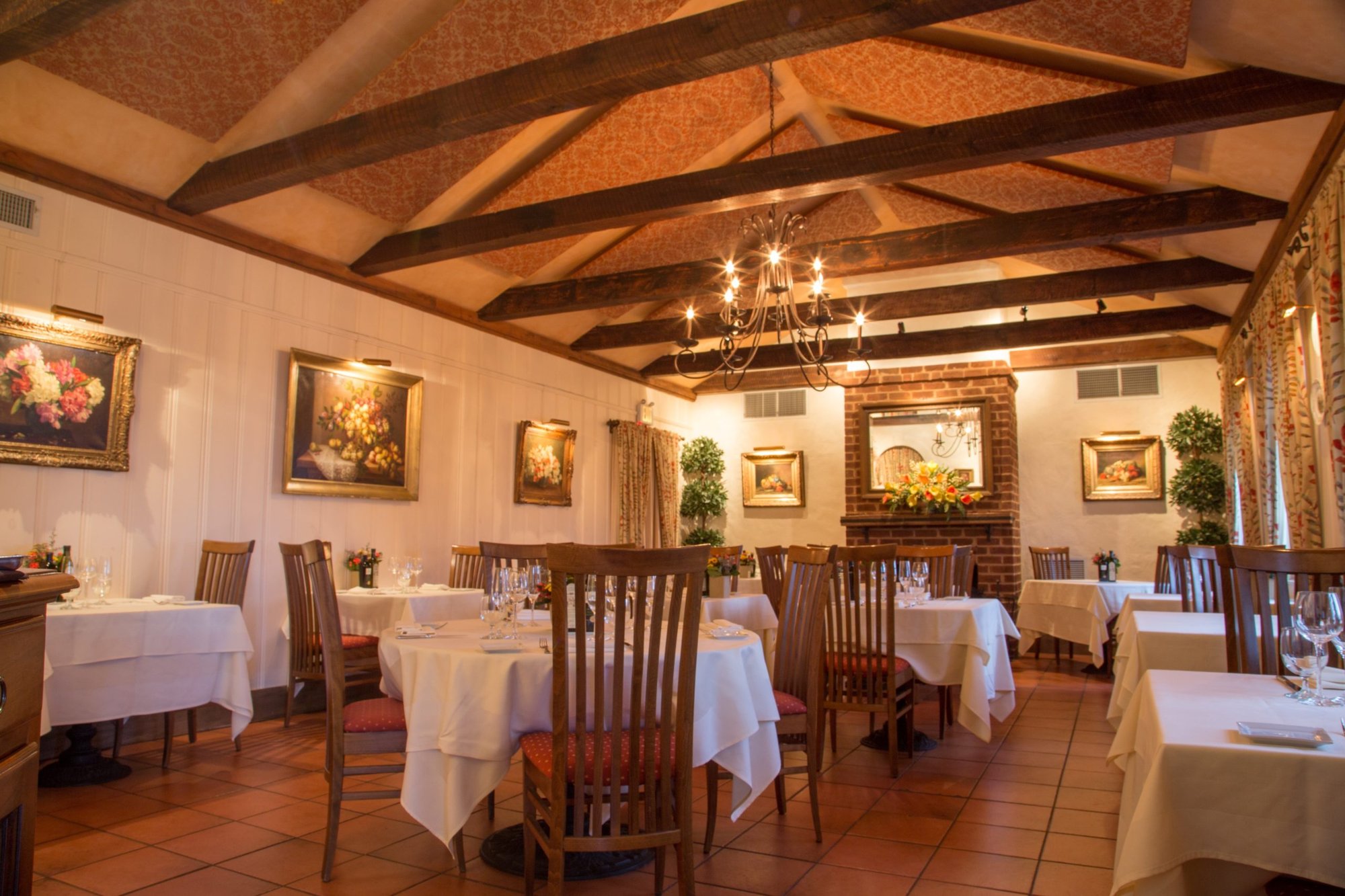
Tuscan-inspired tasting rooms with natural light, elegant décor, and serene grounds; historic ruins and manicured lawns create a sophisticated yet welcoming atmosphere.
Tags
Vibe
Best For
Experience
Sourcing
View
At the Vineyard
- Appellation
- Virginia Piedmont
- Varietals
- Cabernet Franc, Merlot, Nebbiolo, Viognier, Pinot Grigio
- Tour Duration
- 90-120 minutes
- Wine Club
- Available
Know before you go
Know Before You Go
- Getting there
- 17655 Winery Rd, Barboursville, VA 22923
Planning details
Location
Also consider
Where to go if this is not the right fit
Try Chestnut Oak Vineyard if staying close to Barboursville matters and the group wants a simpler second stop. Choose Castle Hill Cider if the group includes guests who would rather drink cider than wine.
If the day can stretch beyond Barboursville, Early Mountain Vineyards is the better cross-shop for a broader Virginia wine-country plan.
Winery context
How it compares with nearby wine-country options
Horton Vineyards is the easier-feeling alternative for groups that want a lower-pressure stop, while Barboursville Vineyards is the stronger choice when the visit needs more occasion value. For a celebration or client outing, Barboursville is the more formal anchor; for a casual second stop, Horton is easier to slot into the day.
Chestnut Oak Vineyard is the most direct local cross-shop because it keeps the itinerary in Barboursville. Pair it with Barboursville if the group wants two winery stops without turning the day into a drive-heavy circuit. Castle Hill Cider is better when not everyone wants wine, especially for mixed groups that need a lighter format.
Keswick Vineyards and Early Mountain Vineyards make more sense when the trip is already expanding beyond Barboursville. Choose Barboursville when the day is built around one polished stop; choose the out-of-metro peers when the priority is a broader regional itinerary.
Explore Barboursville
Around this place
Discover more on Pearl
Unlock the full Barboursville Vineyards guide in Pearl, including awards, comparisons, FAQs, planning details, and nearby places.
Compare Barboursville Vineyards
| Venue | Location | Awards |
|---|---|---|
| Barboursville Vineyards | Barboursville | No published awards |
| Horton Vineyards | Gordonsville | No published awards |
| Chestnut Oak Vineyard | Barboursville | No published awards |
| Castle Hill Cider | Keswick | No published awards |
| Keswick Vineyards | Keswick | No published awards |
| Early Mountain Vineyards | Madison | No published awards |
How Barboursville Vineyards compares with similar nearby venues.
FAQ
Frequently Asked Questions
Do I need a reservation at Barboursville Vineyards?
Barboursville Vineyards is in Barboursville and has Pearl 3 Star Prestige recognition for 2025, so confirm current booking or walk-in guidance directly with the venue before you go.
What is the dress code at Barboursville Vineyards?
The dress guidance for Barboursville Vineyards is smart casual.
How long should I plan for a visit to Barboursville Vineyards?
Plan enough time to make the Barboursville stop comfortable, then confirm current visit details with Barboursville Vineyards before building the rest of the day around it.
What recognition does Barboursville Vineyards have?
Barboursville Vineyards has Pearl 3 Star Prestige recognition for 2025.
When is the best time to visit Barboursville Vineyards?
Can Barboursville Vineyards handle large groups?
If you are planning for a group, contact Barboursville Vineyards directly to confirm what is currently possible.
Does Barboursville Vineyards serve food?
If a meal is central to the plan, check current food service details with Barboursville Vineyards and consider Barboursville dining options.