

Winery in Barbaresco, Italy
Engine Gin
500Pearl PointsContrast Stop
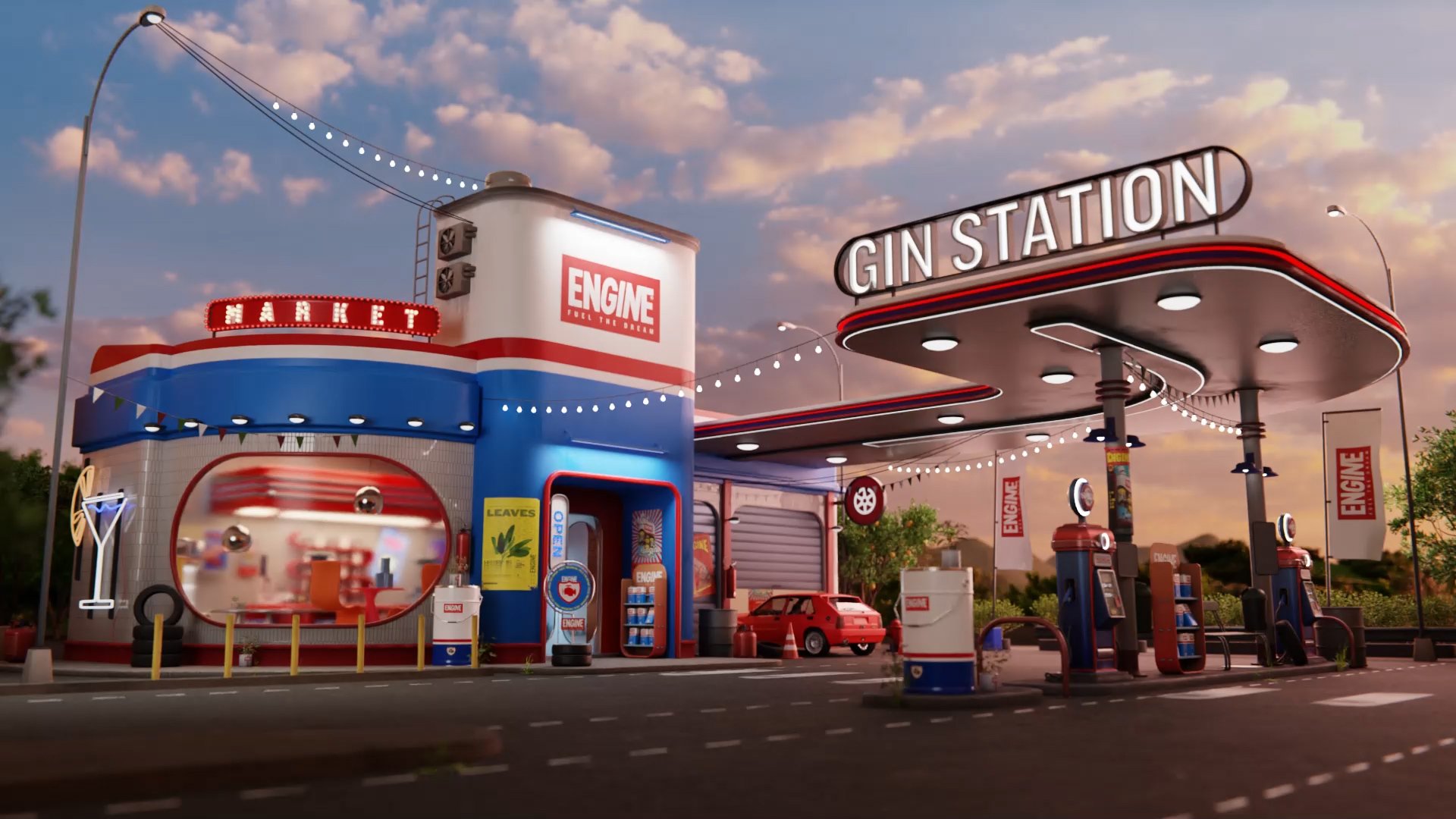
About Engine Gin
Engine Gin is a smart add-on for Barbaresco travelers who want a spirits-focused break from Nebbiolo appointments, not the first stop for a classic wine itinerary. Prioritize Gaja, Roagna, or Produttori del Barbaresco if wine is the main goal; choose Engine Gin when the group wants contrast and a less predictable Langhe day.
Engine Gin is a Barbaresco venue with a confirmed smart casual dress code and Pearl 2 Star Prestige recognition for 2025. Beyond those points, verified planning details are limited, so confirm current information directly before building a day around it.
For travelers comparing Barbaresco options, Gaja, Produttori del Barbaresco, Roagna are relevant reference points. Engine Gin may still make sense as a separate Barbaresco stop, but specific details on format, timing, pricing, offerings should be checked with the venue.
Consider it only after confirming the current details
The decision is simple: if your schedule is tight, confirm what Engine Gin currently offers before committing time to it. Its confirmed location is Barbaresco, but no verified street-level location, visit format, hours, pricing, or service details should be assumed from the available record.
Because confirmed public details are limited, do not treat Engine Gin as a casual drop-in or as a substitute for any other planned stop unless the venue confirms that directly. Plan ahead, keep the schedule flexible, verify the current experience, timing, any booking requirements before you go.
Where it fits in a Barbaresco itinerary
For a first visit, avoid stacking too many appointments without confirmed details. Engine Gin can occupy a slot if its current offering suits your plans. Readers building a broader trip can use Barbaresco guides for a core plan, then layer in Our full Barbaresco restaurants guide, Our full Barbaresco bars guide, other Barbaresco planning resources around it.
The verdict: worthwhile to consider for travelers who want another Barbaresco stop, provided the current details work for the schedule. For a tight one-day Barbaresco plan, add Engine Gin only after confirming what is available.
Frequently Asked Questions
How long should I plan for a visit to Engine Gin?
The verified record does not confirm a visit length for Engine Gin. Treat it as a Barbaresco stop to confirm directly, especially if you are pairing it with another option such as Gaja or Bruno Giacosa. Check the venue's official channels for the latest details.
What should I confirm before visiting Engine Gin?
Confirm current hours, booking requirements, pricing, the visit format directly with Engine Gin. Those details are not included in the verified record, so they should not be assumed before you go to Barbaresco.
When is the best time to visit Engine Gin?
The verified record does not confirm hours or ideal timing for Engine Gin. Choose a time only after checking directly with the venue, keep the rest of your Barbaresco schedule flexible if you are pairing it with another visit.
What is the dress code at Engine Gin?
Engine Gin has a confirmed smart casual dress code. No further attire guidance is included in the verified record, so use smart casual as the baseline and check directly if you need more specific guidance.
What recognition does Engine Gin have?
Engine Gin has confirmed Pearl 2 Star Prestige recognition for 2025. No other awards or ratings are confirmed in the verified record.
What other venues can I compare with Engine Gin?
Relevant comparisons include Gaja, Roagna, Produttori del Barbaresco, Bruno Giacosa, Distilleria Romano Levi. Use them as reference points when shaping a broader itinerary, while confirming each venue's current details directly.
Do I need a reservation at Engine Gin?
The verified record does not confirm whether reservations are required at Engine Gin. Plan ahead and check directly with the venue before arranging your Barbaresco schedule, especially if your day already includes Gaja or Bruno Giacosa.
Location
Strada Giro della Valle, 3 12050 Barbaresco (CN), Italy
Barbaresco, Italy
Compare Engine Gin
| Venue | Location | Awards |
|---|---|---|
| Engine Gin | Barbaresco | Pearl 2 Star Prestige (2025) |
| Gaja | Barbaresco | , |
| Roagna | Barbaresco | , |
| Produttori del Barbaresco | Barbaresco | , |
| Distilleria Romano Levi | Neive | , |
| Bruno Giacosa | Neive | , |
How Engine Gin Barbaresco compares with similar nearby venues.
Where to go if this does not fit the plan
If the group wants wine first, cross-shop Produttori del Barbaresco for a more direct Barbaresco reference point. If the group wants a serious producer appointment with more collector appeal, try Roagna or Gaja instead.
If the appeal is spirits rather than wine, compare it with Distilleria Romano Levi before committing. Engine Gin is the better fit when staying in Barbaresco matters; Distilleria Romano Levi is the more obvious alternative when the day can stretch outside the village.
How Engine Gin compares in Barbaresco
Choose Engine Gin when the itinerary needs a spirits-focused contrast to the region's wine appointments. Gaja is the bigger trophy booking, Roagna is the more wine-geek choice, Produttori del Barbaresco is the practical benchmark for understanding the appellation. Engine Gin is less essential for a first Barbaresco trip, but more useful for mixed groups.
For value, Produttori del Barbaresco is the safer comparison because it connects directly to the village's cooperative wine identity. For ambiance and category change, Engine Gin has the advantage over another cellar appointment because it gives the day a different pace. Distilleria Romano Levi is the more obvious spirits comparison, while Engine Gin is the Barbaresco-area option to consider when staying close matters.
If access is the deciding factor, assume Gaja and Roagna require more planning. If the goal is a serious wine day, do not replace Bruno Giacosa or Gaja with Engine Gin. If the goal is a broader Langhe day with one memorable detour, Engine Gin earns the slot.
Explore Barbaresco
Save or rate Engine Gin on Pearl
Keep this venue in your Pearl passport, rate it after you visit, and track it alongside every other place you collect.