

Long Island Spirits
North Fork, Baiting Hollow
Winery in Baiting Hollow, United States
 Book with Pearl
The Read
North Fork Grain-to-Glass
Price
$1–10tasting
Why go
Long Island Spirits is the practical pick when a Baiting Hollow itinerary needs a distillery stop rather than another winery. It is better as a planned add-on than the anchor for a wine-focused day, with Paumanok Vineyards, Macari Vineyards, and Rose Hill Vineyards (Shinn Estate) making stronger sense for grape-led tasting plans.
About Long Island Spirits
Long Island Spirits is a Baiting Hollow venue with a casual dress code and Pearl 3 Star Prestige (2025) recognition. Visitors should confirm specific offerings, service format, hours, group policies, and visit arrangements before planning a trip.
The most useful way to compare it is as part of a broader venue plan. Paumanok Vineyards, Macari Vineyards, and Rose Hill Vineyards (Shinn Estate) may be relevant alternatives to research. Montauk Distilling Co. and Twin Stills Moonshine are also natural names to compare when considering other venue options.
A direct Baiting Hollow option
The confirmed takeaways are simple: Long Island Spirits is in Baiting Hollow, the dress code is casual, and Pearl lists it with 3 Star Prestige for 2025. For planning, check official channels for current availability and any visit requirements, especially if coordinating multiple stops in the area.
For planning, treat Long Island Spirits as a venue to confirm directly before going. Check official channels for current availability and any visit requirements, especially if coordinating multiple stops in the area.
How to build the day around it
Use Long Island Spirits as one Baiting Hollow stop within a flexible itinerary. Compare it with other venue options such as Paumanok Vineyards, Macari Vineyards, Rose Hill Vineyards (Shinn Estate), Montauk Distilling Co. and Twin Stills Moonshine as separate points of reference.
Quick reference: choose Long Island Spirits if you want a casual Baiting Hollow venue with confirmed Pearl 3 Star Prestige (2025) recognition; confirm all practical visit details directly before planning around it.
Planning details
- Location
- 2182 Sound Ave, Baiting Hollow, NY 11933
- Website
- lispirits.com
- Phone
- +1 631-630-9322
The take
The Take
The Vibe
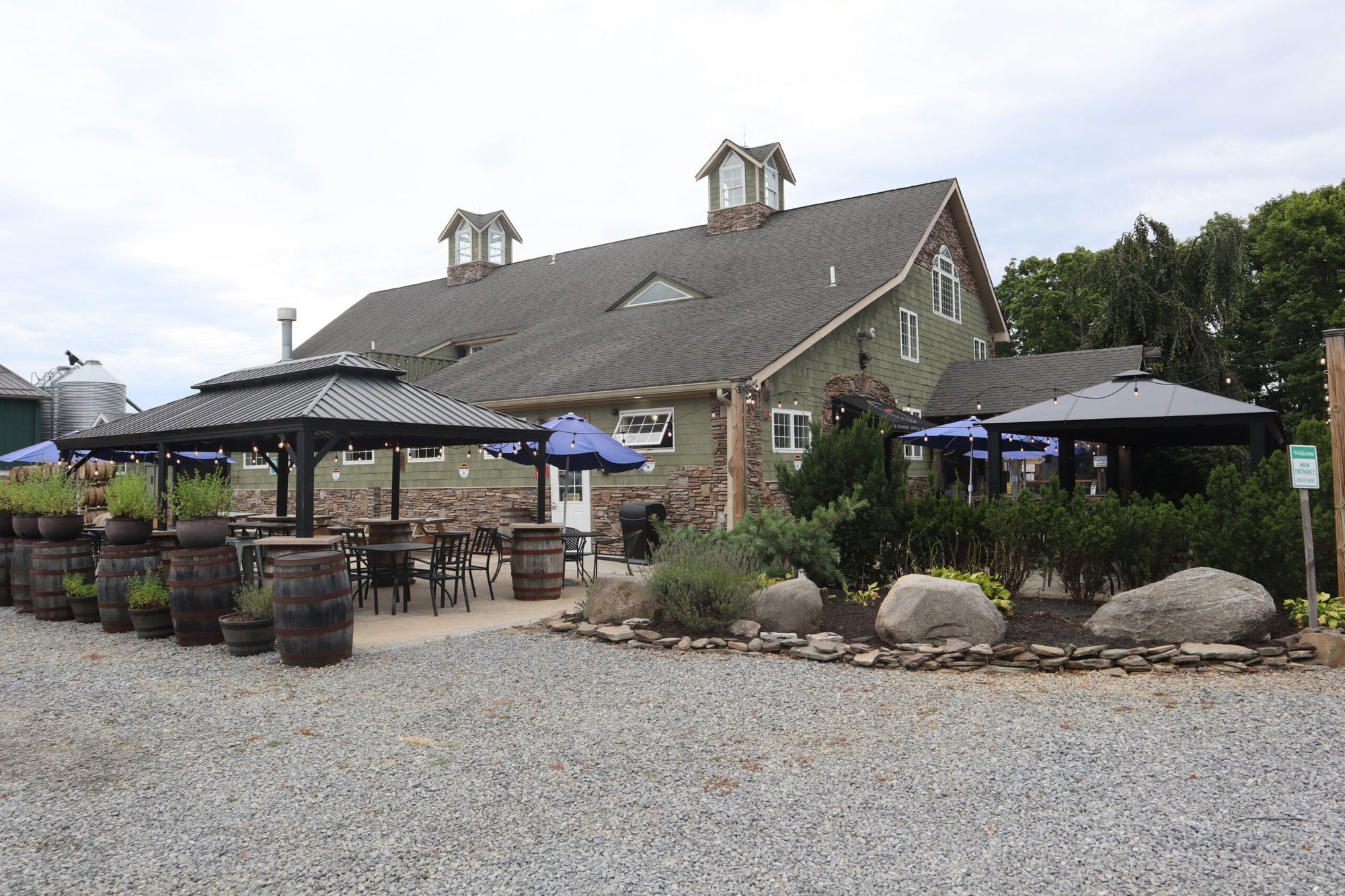
Long Island Spirits sits quietly in the agricultural rhythm of the North Fork, where Sound Avenue threads farm stands, vineyard rows and coastal farmland. The distillery reads like an outgrowth of the soil — unpretentious and rooted — and the prose leans into terroir as both a literal and rhetorical framing. Visitors encounter a classic, charming setting that feels more like a working landscape than an urban tasting room. The narrative emphasizes regional identity and calm coastal openness, so the overall impression is one of measured, place-driven craft rather than theatrical spectacle.
Best For
This is a venue for visitors interested in place and process: groups and celebrations that want a scenic, agricultural backdrop work well, and the distillery’s emphasis on terroir makes it suited to educational outings. Corporate groups and organized tours can use the setting to explore how local grains and water influence distilled spirits, while celebratory visits benefit from the rural, destination feel of the North Fork. Expect an experience framed around regional character and the landscape that produces the raw materials.
Venue details
Ambiance
Beautiful barn tasting room with panoramic farm and vineyard views, lively atmosphere enhanced by live music, cocktails, and a welcoming speakeasy-style private lounge.
Tags
Vibe
Best For
Experience
Sourcing
View
At the Vineyard
- Appellation
- North Fork of Long Island
- Tour Duration
- 60-90 minutes
- Visits
- Walk-ins welcome
- Farming
- Sustainable
- Wine Club
- Not available
Know before you go
Know Before You Go
- Getting there
- 2182 Sound Ave, Baiting Hollow, NY 11933
Planning details
Location
Also consider
Where to go if this is not available
If the group wants wine, cross-shop Paumanok Vineyards or Macari Vineyards. If the group wants another spirits option, compare Montauk Distilling Co. and Twin Stills Moonshine before changing the day's format.
Winery context
How It Compares
Choose Long Island Spirits if the group wants a production contrast in Baiting Hollow rather than another wine tasting. Against Paumanok Vineyards, Macari Vineyards, and Rose Hill Vineyards (Shinn Estate), it is the less obvious anchor for a classic North Fork wine day but the stronger choice when spirits are the point.
For value, the right comparison is format rather than price, since pricing is not listed. A wine-focused group gets clearer category fit from Paumanok, Macari, or Rose Hill; a mixed group may get better itinerary balance by placing Long Island Spirits between winery stops. Booking difficulty is flagged as demanding, so do not treat it as the easy fallback.
Compared with Montauk Distilling Co. and Twin Stills Moonshine, Long Island Spirits is the Baiting Hollow option to check first if the day is already centered on Sound Avenue. If availability is the problem, those spirits peers are the smarter cross-shops before switching the plan back to vineyards.
Explore Baiting Hollow
Around this place
Discover more on Pearl
Unlock the full Long Island Spirits guide in Pearl, including awards, comparisons, FAQs, planning details, and nearby places.
Compare Long Island Spirits
| Venue | Location | Awards |
|---|---|---|
| Long Island Spirits | Baiting Hollow | No published awards |
| Montauk Distilling Co. | Montauk | No published awards |
| Twin Stills Moonshine | Riverhead | No published awards |
| Paumanok Vineyards | Aquebogue | 2026 Falstaff Winery Guide |
| Macari Vineyards | Mattituck | 2026 Falstaff Winery Guide |
| Rose Hill Vineyards (Shinn Estate) | Mattituck | No published awards |

How Long Island Spirits Baiting Hollow compares with similar nearby venues.
FAQ
Frequently Asked Questions
What other venues are relevant when planning around Long Island Spirits?
Paumanok Vineyards, Macari Vineyards, Rose Hill Vineyards (Shinn Estate), Montauk Distilling Co. and Twin Stills Moonshine are relevant names to research when planning around Long Island Spirits in Baiting Hollow. Confirm current visit details with each venue before building an itinerary.
What specific offerings are available at Long Island Spirits?
Long Island Spirits is in Baiting Hollow, has a casual dress code, and carries Pearl 3 Star Prestige (2025) recognition.