

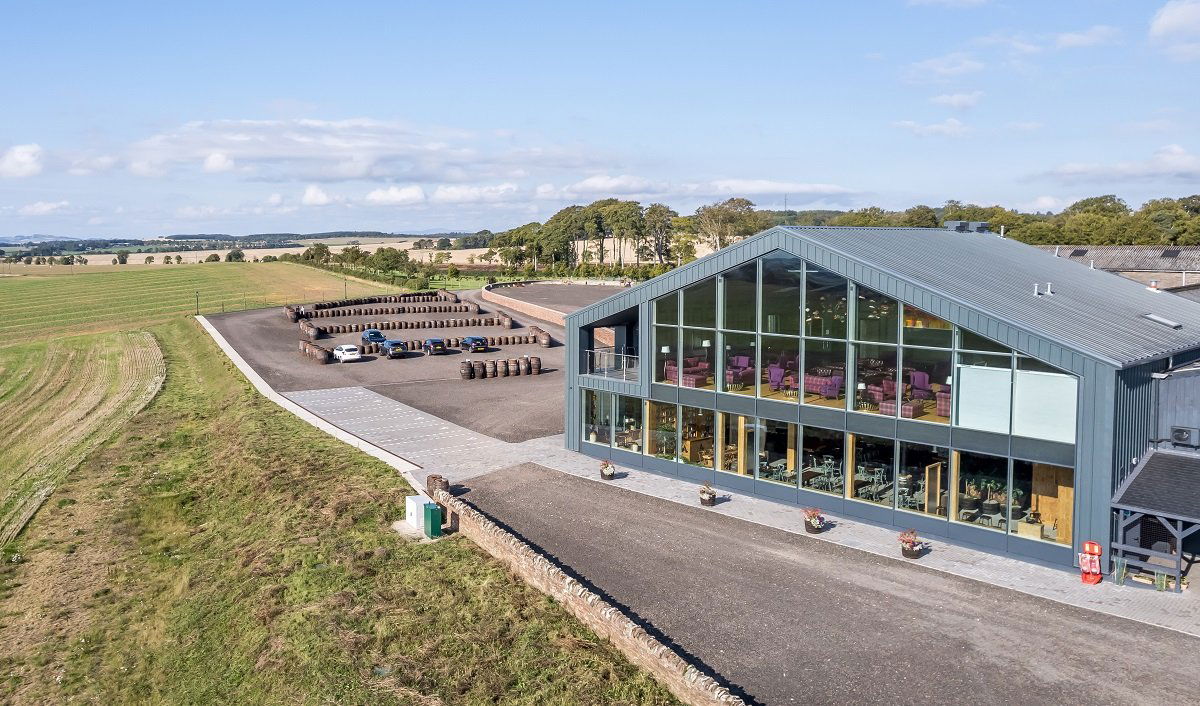
Arbikie Highland Estate
Inverkeilor, Arbroath
Winery in Arbroath, United Kingdom
 Book with Pearl
The Read
Own-Grain Estate Distilling
Why go
Arbikie Highland Estate is worth targeting for a planned Arbroath-area distillery visit, especially for a celebration where the destination setting matters. It is not the right pick for a loose, last-minute itinerary; treat it as the anchor of the day and cross-shop larger Scottish names if convenience matters more.
About Arbikie Highland Estate
The safest way to plan is to check in advance rather than to assume a specific format, menu, tour, tasting, retail setup, or hospitality offering.
For travelers comparing names, Arbikie Highland Estate can be considered alongside Glen Garioch Distillery, InchDairnie Distillery, Mortlach Distillery, The Glenlivet, and The Glenturret, while other dining in Arbroath should be assessed separately.
Plan this as a confirmed visit, not an assumed drop-in
The practical read is simple: plan ahead and confirm the current arrangements directly before building a special occasion around the venue. Do not assume opening hours, booking availability, group capacity, food service, drink service, or a particular visit format unless those details are confirmed by the venue for your date.
For a celebration, the smart casual dress code is useful: it suggests dressing neatly without assuming a formal requirement. Build the rest of the trip around Arbikie Highland Estate only after your plans are confirmed, and check other Arbroath dining, hotels, bars, and experiences on their own.
How to decide if it is worth the effort
Skip or delay if you require details on cuisine, menu, tasting format, prices, hours, large-group handling, accessibility, or other operational aspects before committing.
Compared with other notable venues, Arbikie Highland Estate is best evaluated on its specific offerings rather than on assumptions about what the visit includes. The Glenlivet, The Glenturret, InchDairnie Distillery, Glen Garioch Distillery, and Mortlach Distillery may also be relevant comparisons depending on your wider route, but each should be checked on its own.
If this is part of a wider itinerary, keep the comparison practical rather than collecting names. Use Arbikie Highland Estate as the Arbroath reference point, then compare only with venues whose location, format, and current availability are suitable for your trip.
Planning details
- Location
- Arbikie Distillery, Montrose DD10 9TR, UK
- Website
- arbikie.com
- Phone
- +44 1241 830770
The take
The Take
The Vibe
Arbikie Highland Estate reads like a working agricultural proposition first and a visitor destination second: the coastline and sandstone soils are as much part of the distillery's identity as its stills. Barley grown on the same land that houses distillation and maturation gives the spirit its field-to-bottle character.
Best For
This estate is best for visitors who care about provenance and production: people seeking an education in how grain selection, soil and microclimate influence spirits will find Arbikie particularly rewarding. Those expecting flashy tasting rooms or urban theatrics should temper expectations; the draw here is terroir and craft.
Tasting Tips
Ask guides about the specific barley varieties, harvest timing and soil management practices; those decisions are called out as primary inputs to flavor. Focus questions on how estate farming influences distillation choices and maturation rather than on cocktail lists or menu items, because the estate’s distinction is agricultural and process-driven.
Venue details
Ambiance
Vast, airy tasting room with stunning coastal views over Lunan Bay, modern decor, and a welcoming, relaxed atmosphere.
Tags
Vibe
Best For
Experience
Sourcing
View
At the Vineyard
- Appellation
- Highland
- Varietals
- rye
- Tour Duration
- 50-60 minutes
- Visits
- By reservation
- Farming
- Sustainable
- Production
- Small producer
- Wine Styles
- Still Red
- Food Pairing
- Offered
- Wine Club
- Not available
Know before you go
Know Before You Go
- Getting there
- Arbikie Distillery, Montrose DD10 9TR, UK
Planning details
Location
Also consider
Where to look if Arbikie is not available
Try The Glenturret if the goal is a more complete celebration day with broader hospitality appeal. Choose The Glenlivet if the trip needs a more classic Scottish whisky anchor and easier route planning.
Winery context
How Arbikie Highland Estate compares
Choose Arbikie Highland Estate when the priority is a planned east-coast estate visit rather than a broad whisky-route stop. The Glenlivet is the safer option for travelers who want a more familiar visitor circuit, while The Glenturret is stronger for a fuller hospitality day. Arbikie is the more targeted booking, especially if Arbroath is already on the itinerary.
For value, the decision comes down to logistics as much as price, since no confirmed tariff is available here. Glen Garioch Distillery and Mortlach Distillery make more sense if their region fits the route and the visit needs to be easier to fold into a wider trip. Arbikie asks for more commitment, which suits special-occasion planning but not a flexible day.
InchDairnie Distillery is the better cross-shop for travelers who care about a focused production-led distillery stop rather than a broad hospitality experience. If booking Arbikie proves too difficult, start with The Glenturret for a more complete day out or The Glenlivet for a more classic Scottish whisky itinerary.
Explore Arbroath
Around this place
Discover more on Pearl
Unlock the full Arbikie Highland Estate guide in Pearl, including awards, comparisons, FAQs, planning details, and nearby places.
Compare Arbikie Highland Estate
| Venue | Location | Awards |
|---|---|---|
| Arbikie Highland Estate | Arbroath | No published awards |
| InchDairnie Distillery | Glenrothes | No published awards |
| Glen Garioch Distillery | Oldmeldrum | No published awards |
| The Glenturret | Crieff | No published awards |
| The Glenlivet | Ballindalloch | No published awards |
| Mortlach Distillery | Dufftown | No published awards |
How Arbikie Highland Estate compares with similar nearby venues.
FAQ
Frequently Asked Questions
When is the best time to visit Arbikie Highland Estate?
The best time is the time you have confirmed directly with the venue.
Does Arbikie Highland Estate serve food?
Check with Arbikie Highland Estate for food service details. Do not assume a restaurant, menu, cuisine, tasting menu, or dietary accommodation unless Arbikie Highland Estate confirms it for your visit.
What should I wear to Arbikie Highland Estate?
The dress code is smart casual. Dress neatly and comfortably, and check directly with the venue if your visit is tied to a specific event or booking.
Can Arbikie Highland Estate handle large groups?
If you are planning for a group, contact Arbikie Highland Estate directly before making travel or celebration plans to inquire about large-group capacity.