Wynand Fockink
Centrum, Amsterdam
Winery in Amsterdam, Netherlands
 Book with Pearl
The Read
Standing Jenever Tasting
Why go
Worth booking if you want a focused Dutch spirits stop in central Amsterdam rather than a polished visitor attraction. It is better for small groups and repeat visitors than for large parties, full meals, or a wine-led tasting agenda; compare Bols if you want something easier and more structured.
About Wynand Fockink
Wynand Fockink is an Amsterdam venue with a casual dress code and Pearl 2 Star Prestige recognition for 2025. Because only limited verified planning details are available here, treat this guide as a conservative starting point rather than a source for specific claims about menu, format, hours, pricing, or group arrangements.
If you are deciding whether to include Wynand Fockink in an Amsterdam itinerary, confirm current details directly before you go. For broader planning, Our full Amsterdam bars guide may be more useful, especially if you are comparing several unnamed options across the city.
Plan it as a verified Amsterdam stop, not around unconfirmed specifics
The grounded case for Wynand Fockink is simple: it is in Amsterdam, the dress code is casual, it holds Pearl 2 Star Prestige recognition for 2025. Beyond that, do not rely on unverified assumptions about service style, timing, price, food, drinks, or booking difficulty.
Before building a plan around the venue, check official sources for the current operating details that matter to your visit. If you need to plan meals, hotels, or a wider day in Amsterdam, Our full Amsterdam restaurants guide and Our full Amsterdam hotels guide are better places to continue researching the rest of the trip.
Who should choose it over other researched options
Choose Wynand Fockink if you want to include a Pearl-recognised Amsterdam venue with a casual dress code in your plans. Compare it with Bols if you are weighing another named option, but confirm the current details for each venue rather than assuming they offer the same format or experience.
For a broader comparison, Van Kleef, Nolet Distillery, Jacquart, SÜNNER Distillery may be relevant names to research separately, depending on the wider trip. Keep the comparison factual: Wynand Fockink is the Amsterdam venue covered here, while other options should be checked on their own current details.
Quick reference: best treated as a casual Amsterdam venue with Pearl 2 Star Prestige recognition for 2025; verify all practical details before planning around it.
Planning details
- Location
- Pijlsteeg 31, 1012 HH Amsterdam
- Website
- wynand-fockink.nl
- Phone
- +31 20 639 2695
The take
The Take
The Vibe
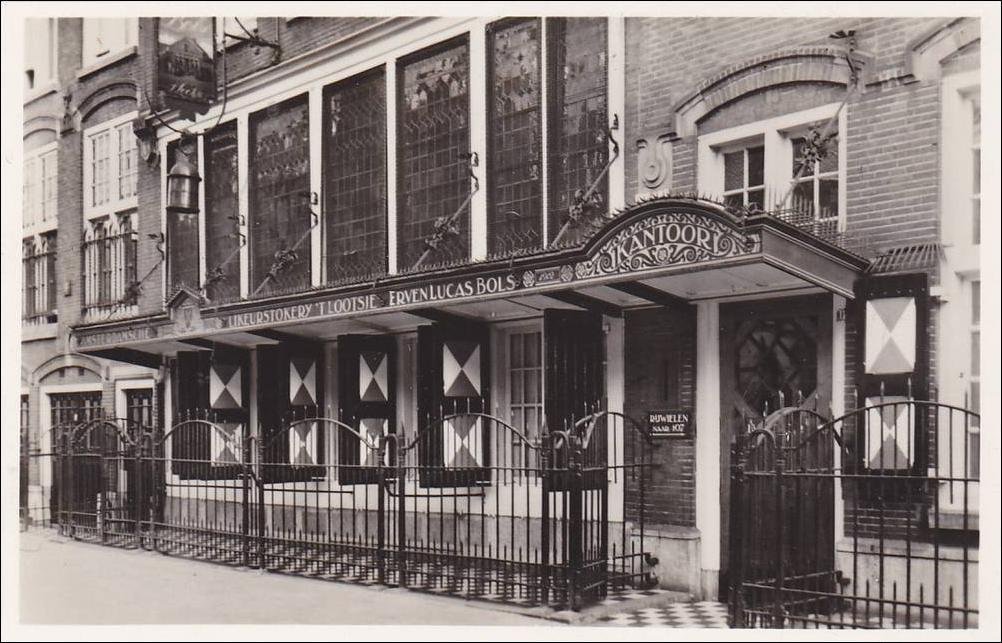
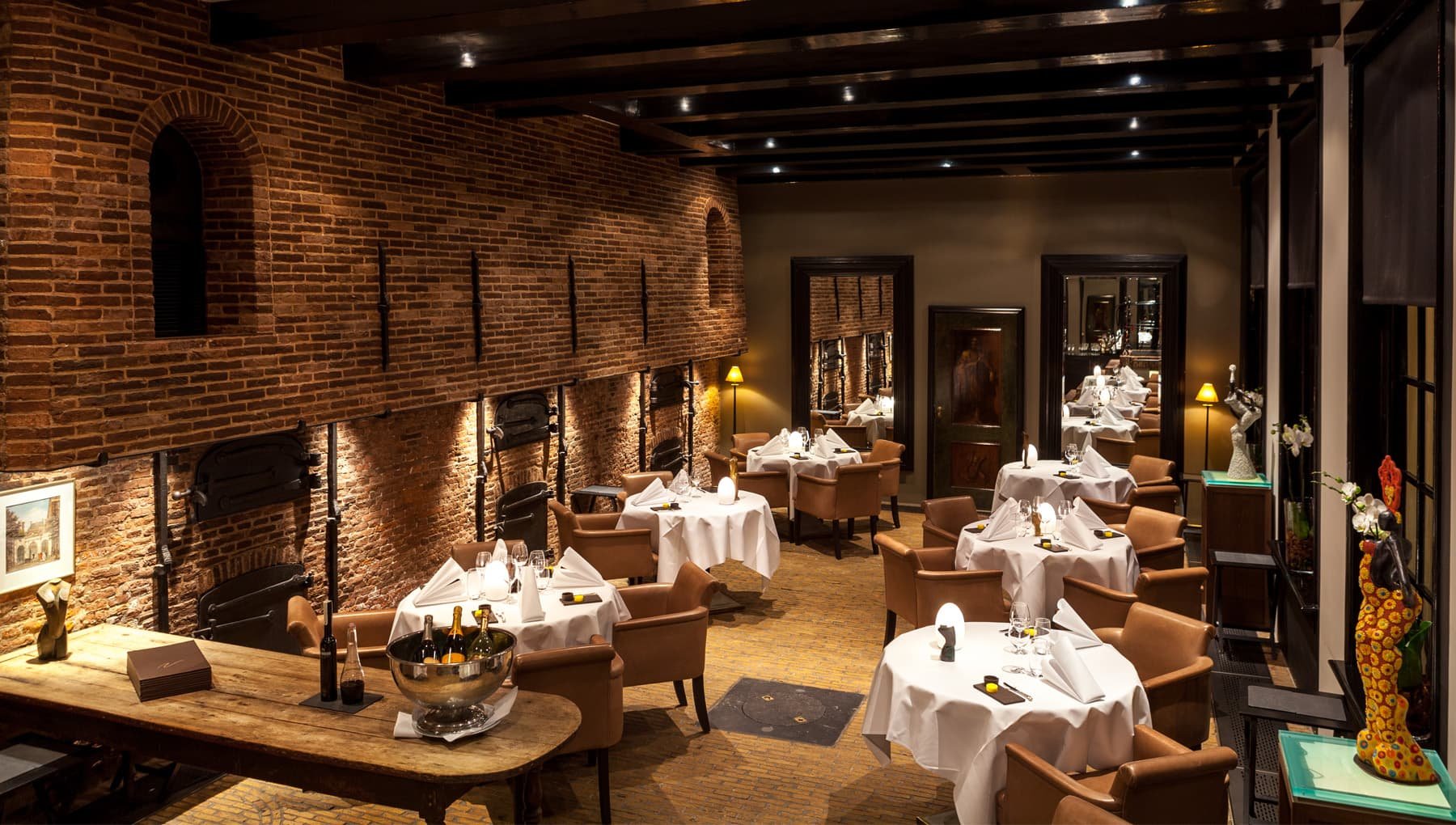
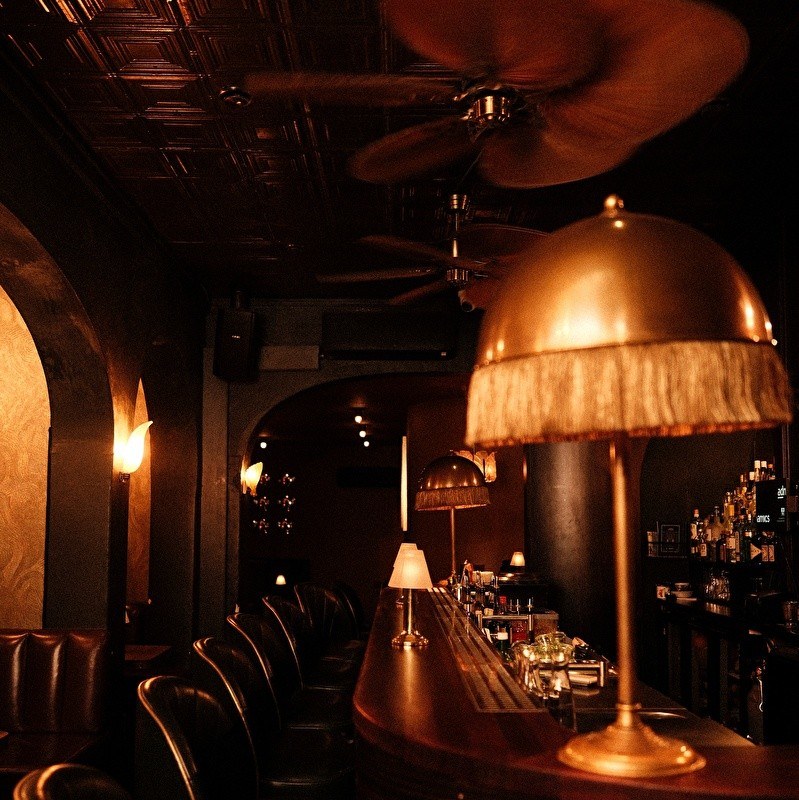
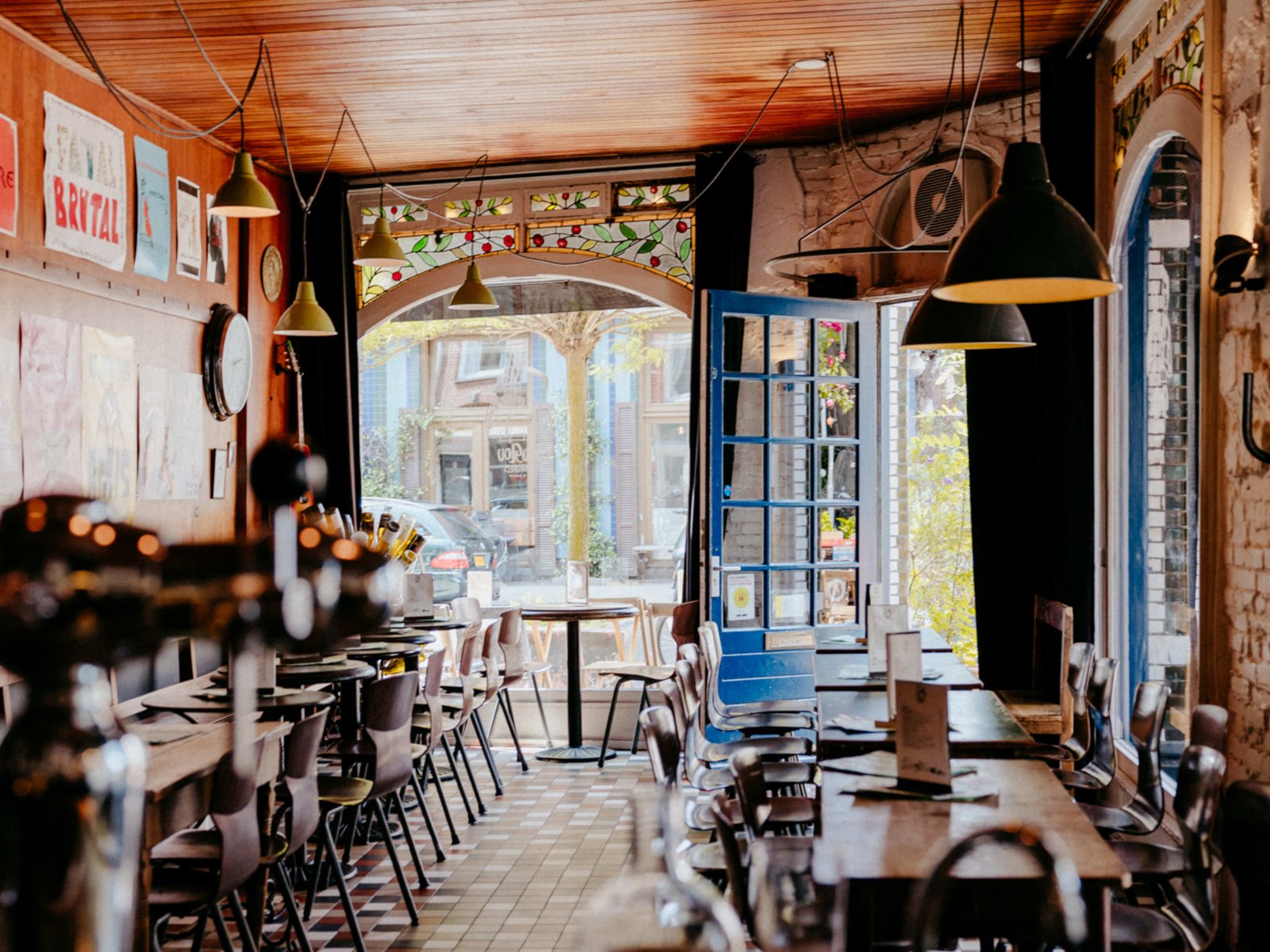
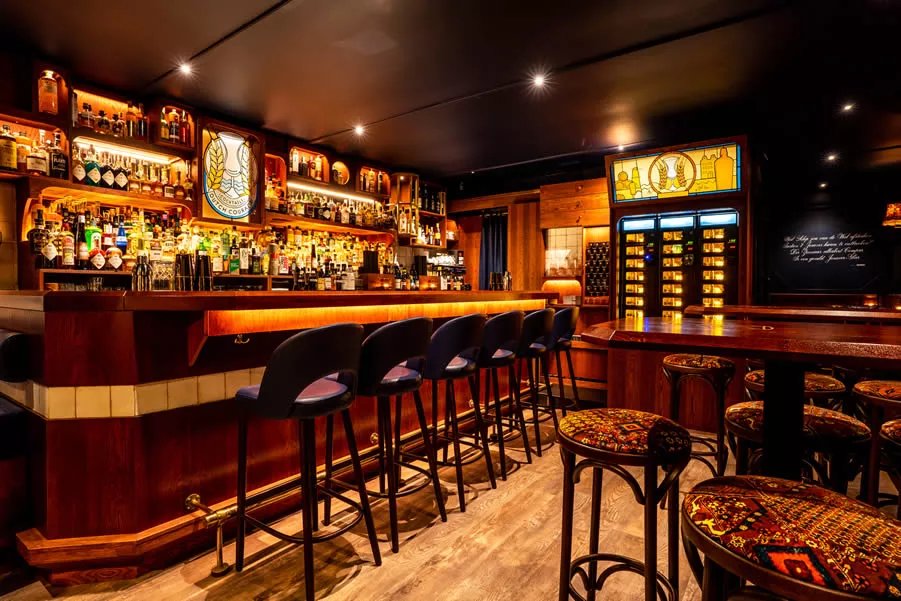
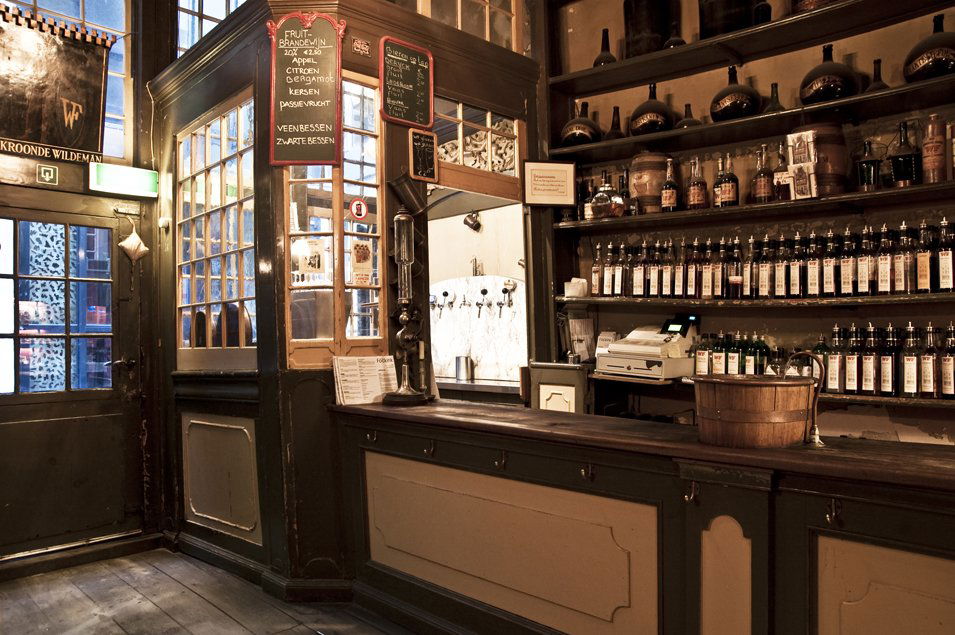
Wynand Fockink feels like stepping into three centuries of unbroken drinking tradition. The narrow Pijlsteeg alley gives way to a compact tasting room where shelves of hand-labelled stone crocks and bottles press close to the bar; the wood is worn smooth by generations of hands. Service follows a long-established custom—tulip glasses filled to the brim, small postures leaning over the counter—and the effect is quietly immersive rather than performative. The place reads as classic and charmingly rustic: historic materiality and ritual outweigh theatricality, and the focus is squarely on tasting and continuity.
Best For
This proeflokaal is best for solo exploration and wine (and spirits) education, precisely because its scale rewards focused tasting and conversation about production and style. Wynand Fockink represents the older Dutch jenever tradition and is recognized with a 2025 Pearl 2 Star Prestige award, which underscores its credibility as an educational stop. It’s not a venue for large groups or loud celebrations; instead, it suits people who want to learn about the distinction between jonge and oude jenever and to experience a historic Amsterdam tasting room in an intimate, hands-on way.
Tasting Tips
Observe the house customs and let the counter guide the experience: staff routinely fill tulip glasses very full, and the tradition is to take that first sip leaning over the bar. Ask to taste the oude style if you want the traditional malt-wine character described in the description; the text highlights that old Amsterdam tasting houses represent that style. Because the proeflokaal’s reputation rests on a deep house selection rather than theatrical service, focus on sampling the house offerings and let the bartender recommend historically significant expressions.
Planning details
Location
Also consider
If you cannot make it work
Try Bols if the group needs an easier Amsterdam option with a more legible visitor format. Choose Van Kleef if the priority is heritage drinking culture and a short trip outside the city is acceptable.
Winery context
How it compares
Against Bols, Wynand Fockink is the better choice for a compact, traditional-feeling spirits stop; Bols is safer for first-timers who want a more produced visitor experience. If booking ease and group comfort matter more than atmosphere, Bols is the lower-risk pick.
Van Kleef is the closest comparison for heritage drinking culture, but it requires leaving Amsterdam. Nolet Distillery is a better fit for a distillery-focused trip outside the city, while Wynand Fockink makes more sense when the plan needs to stay central and short.
SÜNNER Distillery and Jacquart are weaker substitutes for an Amsterdam itinerary because they change the trip into an out-of-metro detour. Choose them only if the goal is a dedicated producer visit, not an easy add-on between Amsterdam meals, bars, canal-area plans.
Around this place
Discover more on Pearl
Unlock the full Wynand Fockink guide in Pearl, including awards, comparisons, FAQs, planning details, and nearby places.
Compare Wynand Fockink
| Venue | Location | Awards |
|---|---|---|
| Wynand Fockink | Amsterdam | No published awards |
| Bols | Amsterdam | No published awards |
| Van Kleef | The Hague | No published awards |
| Nolet Distillery | Schiedam | No published awards |
| SÜNNER Distillery | Cologne | No published awards |
| Jacquart | Grafschaft | 2025 Pearl 2 Star Prestige |

How Wynand Fockink Amsterdam compares with similar nearby venues.
FAQ
Frequently Asked Questions
What is verified about Wynand Fockink?
Wynand Fockink is verified here as an Amsterdam venue with a casual dress code and Pearl 2 Star Prestige recognition for 2025. Other practical details should be confirmed directly before you rely on them.
What should I confirm before visiting Wynand Fockink?
What other venues can I compare with Wynand Fockink?
For comparison research, you may look separately at names such as Bols, Van Kleef, Nolet Distillery, Jacquart, or SÜNNER Distillery, while confirming each venue's current location and offering independently.