

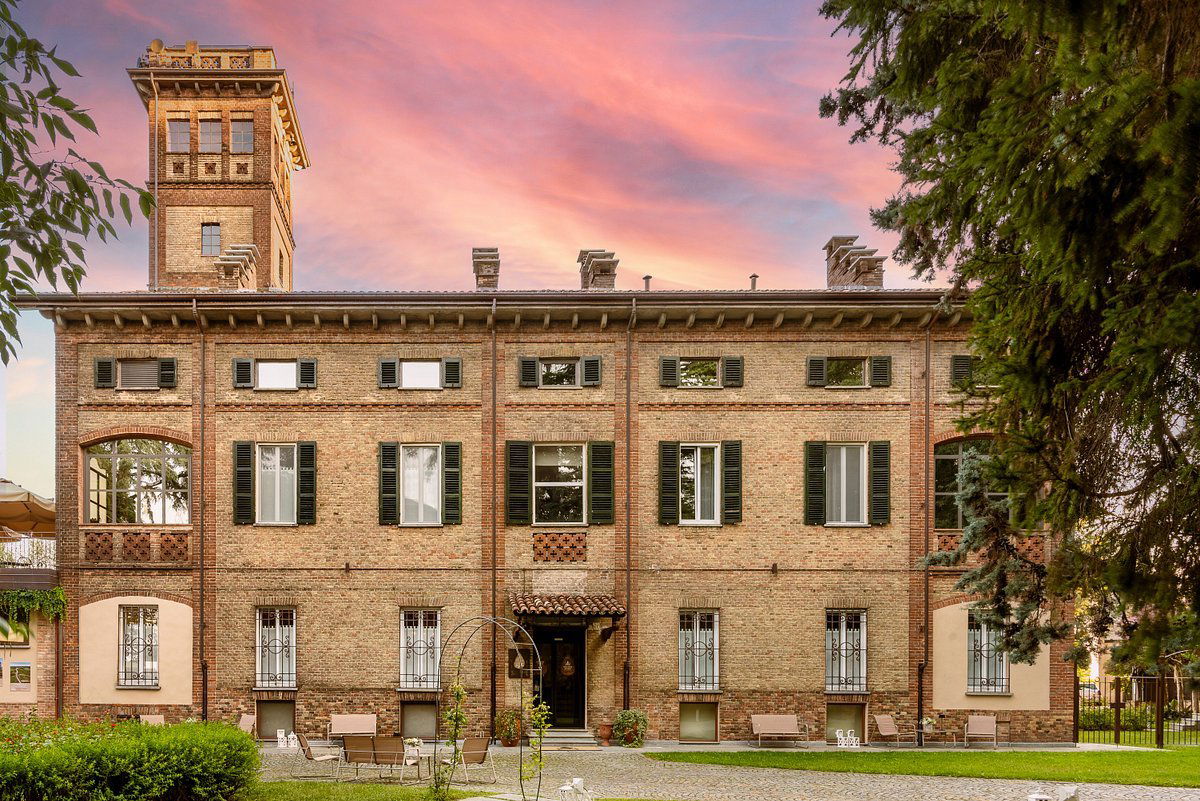
Mazzetti d'Altavilla
Altavilla Monferrato
Winery in Altavilla Monferrato, Italy
 Book with Pearl
The Read
Monferrato Clay Viticulture
Why go
Mazzetti d'Altavilla is worth planning around if the goal is a recognised Altavilla Monferrato tasting stop with local context. It is less suited to travellers who need published pricing, confirmed food service, or a flexible walk-in plan, so treat it as an appointment-led visit and build the rest of the day around nearby wineries, restaurants, and bars.
About Mazzetti d'Altavilla
Mazzetti d'Altavilla is a Pearl 2 Star Prestige venue in Altavilla Monferrato. Its listing highlights the venue name, its Altavilla Monferrato location, its recognition, and a smart casual dress code.
A recognised Altavilla Monferrato venue to check before visiting
Mazzetti d'Altavilla has Pearl 2 Star Prestige recognition for 2025, which makes it a notable Altavilla Monferrato listing. Practical details such as menu format, price structure, service format, hours, and food offering should be checked directly with the venue.
For planning, the most reliable approach is to confirm current visit details with the venue before arranging the rest of the day. If you need a meal, a fixed schedule, or specific service information, compare it with other dining in Altavilla Monferrato generically rather than assuming Mazzetti d'Altavilla will meet those needs.
Who should choose it over another venue
Choose Mazzetti d'Altavilla if you are specifically looking for a recognised venue in Altavilla Monferrato and are comfortable confirming the practical details directly. If your plans require clearly published pricing, a food program, or a known service format, keep other options in mind.
Travellers comparing similar names may also look at Cocchi, Distilleria Beccaris, Distilleria Dellavalle, Distilleria Magnoberta, and Distillerie Berta. The better choice depends on the specific visit details each venue can provide for your date, rather than on assumptions about format or service.
Planning details
- Location
- Viale Unità D'Italia, 2, 15041 Altavilla Monferrato AL
- Website
- mazzetti.it
- Phone
- +39 0142 926147
The take
The Take
The Vibe
Mazzetti d'Altavilla feels rooted in place: the clay-rich Monferrato hills and the local prevalence of Barbera and Grignolino shape both vineyard character and the pomace the distillery works with. It reads as a quietly refined producer rather than a tourist spectacle — less beaten-path than the Langhe and Barolo areas, with an artisan, terroir-driven focus. The house’s Pearl 2 Star Prestige award positions it above the regional baseline and signals careful, craft-minded production. Visitors can expect a measured, sophisticated atmosphere where land and technique are the central characters in the story of the grappa.
Best For
This is a destination for people who want to understand grappa as an expression of terroir and distillation craft. The write-up emphasizes vineyard influence and the distillery’s role in preserving or altering those characteristics, so the estate suits curious visitors, serious spirits students, and anyone planning a special-occasion tasting tied to regional identity. The Prestige recognition suggests consistency across the range, making it appropriate for focused tasting itineraries and educational visits that prioritize nuance over spectacle.
Tasting Tips
When tasting here, orient your questions and pours around provenance and technique. The narrative highlights Barbera and Grignolino as dominant local varieties and stresses how freshness, temperature, and distillation decisions shape outcomes — so ask which pomace the expressions come from and how the house treats it. Seek out the Prestige or single-vineyard expressions if available, and request explanations of any small-batch or hand-finished approaches; those details are central to appreciating how Mazzetti’s style differs from higher-volume production.
Venue details
Ambiance
Historic distillery atmosphere with guided tastings, cellar visits, and a restaurant setting focused on local pairings.
Tags
Vibe
Best For
Experience
View
At the Vineyard
- Appellation
- Monferrato
- Varietals
- Barbera, Barolo, Moscato, Dolcetto, Brachetto
- Tour Duration
- 60-120 minutes
- Tour Languages
- English, Italian, French
- Visits
- By reservation
- Production
- Large producer
- Wine Styles
- Fortified, Dessert
- Food Pairing
- Offered
- Founded
- 1846
- Wine Club
- Not available
Know before you go
Know Before You Go
- Getting there
- Viale Unità D'Italia, 2, 15041 Altavilla Monferrato AL
Planning details
Location
Also consider
Where to look if you cannot get in
If Mazzetti d'Altavilla is not workable for the date, check Distillerie Berta first for a more destination-style spirits visit. For a route that leans toward aperitif culture rather than a single local stop, Cocchi is the cleaner alternative.
Winery context
How it compares in and around Altavilla Monferrato
Mazzetti d'Altavilla is the stronger choice when the brief is a recognised Altavilla Monferrato stop and the group is willing to plan ahead. Distilleria Magnoberta and Distilleria Dellavalle are better cross-shops if the priority is comparing distillery styles rather than anchoring the day in Altavilla itself.
For a more destination-led spirits outing, Distillerie Berta is the peer to check before committing, especially if ambiance and a fuller visitor experience matter more than staying close to Altavilla Monferrato. Cocchi makes more sense for travellers leaning toward aperitif and wine-adjacent heritage, while Mazzetti d'Altavilla is the more direct pick for a focused local producer visit.
If ease matters, compare availability first rather than trying to rank quality from name recognition alone. Distilleria Beccaris is a sensible fallback for travellers building a spirits route, while Mazzetti d'Altavilla is the one to prioritise when the itinerary specifically calls for Altavilla Monferrato and advance planning is not a problem.
Explore Altavilla Monferrato
Around this place
Discover more on Pearl
Unlock the full Mazzetti d'Altavilla guide in Pearl, including awards, comparisons, FAQs, planning details, and nearby places.
Compare Mazzetti d'Altavilla
| Venue | Location | Awards |
|---|---|---|
| Mazzetti d'Altavilla | Altavilla Monferrato | No published awards |
| Distilleria Magnoberta | Casale Monferrato | No published awards |
| Distilleria Dellavalle | Asti | No published awards |
| Distillerie Berta | Mombaruzzo | No published awards |
| Cocchi | Asti | 2026 Falstaff Winery Guide |
| Distilleria Beccaris | Costigliole d'Asti | No published awards |

How Mazzetti d'Altavilla compares with similar nearby venues.
FAQ
Frequently Asked Questions
What should I know about Mazzetti d'Altavilla?
Mazzetti d'Altavilla is in Altavilla Monferrato, has Pearl 2 Star Prestige recognition for 2025, and has a smart casual dress code.
How long should I plan for a visit to Mazzetti d'Altavilla?
Plan only after checking the current format and timing directly with Mazzetti d'Altavilla in Altavilla Monferrato.
Do I need a reservation at Mazzetti d'Altavilla?
Contact Mazzetti d'Altavilla directly for booking or walk-in details before making firm plans.