Nepenthe
Balhannah, Adelaide Hills
Winery in Adelaide Hills, Australia
 Book with Pearl
The Read
Cool-Climate Cellar Authority
Why go
Nepenthe is worth shortlisting for a wine-first Adelaide Hills visit, especially if the brief is a polished tasting stop rather than a confirmed restaurant experience. It suits couples and small special-occasion groups, but larger parties should verify capacity before planning around it.
About Nepenthe
Nepenthe is a venue in Adelaide Hills with a casual dress code and Pearl 2 Star Prestige recognition for 2025. Details about food, chef, menu, seating, pricing, hours, group size, bottle range, or visit format are best confirmed directly with the venue. If the visit depends on a particular service, booking style, accessibility need, meal, tasting format, or purchasing arrangement, confirm those details with the venue first.
Worth considering, with details to confirm before you go
The case for Nepenthe is simple: it is in Adelaide Hills, the dress code is casual, and it holds Pearl 2 Star Prestige recognition for 2025. That is enough to make it a notable name for an Adelaide Hills plan, but for a specific experience, details should be confirmed directly with the venue.
For broader planning, use Adelaide Hills resources to keep travel efficient. Compare options in Our full Adelaide Hills wineries guide, then round out the day with Our full Adelaide Hills restaurants guide, Our full Adelaide Hills hotels guide, Our full Adelaide Hills bars guide, and Our full Adelaide Hills experiences guide. For named comparisons, consider Adelaide Hills Distillery (78°), Bird in Hand, Murdoch Hill, Shaw + Smith, and Tapanappa.
How to use it in an Adelaide Hills itinerary
Keep the plan flexible until the venue confirms the details that matter for your occasion. Information regarding lunch service, dinner service, tasting structure, seat count, group policy, food offering, shipping option, or price range is not available, so avoid relying on any of those assumptions without checking first.
Quick reference: Nepenthe is a casual-dress Adelaide Hills venue with Pearl 2 Star Prestige recognition for 2025; confirm all visit-specific details directly before finalising the day.
Planning details
- Location
- 93 Jones Rd, Balhannah SA 5242
- Website
- nepenthe.com.au
- Phone
- +61 8 8398 8899
The take
The Take
The Vibe
Nepenthe reads as a quietly assured, sophisticated Adelaide Hills producer. The copy places the estate firmly in the prestige tier, emphasizing depth, aging trajectory and collector interest rather than volume. The tone is technical and measured: the writing foregrounds cool-climate precision, varietal clarity and cellar decisions as the defining qualities of the wines. Visitors and readers can expect a producer that trades in structure and long-term potential—an understated, classic sort of prestige that privileges careful oak integration and phenolic detail over flash. The overall impression is professional, refined and focused squarely on quality and longevity.
Best For
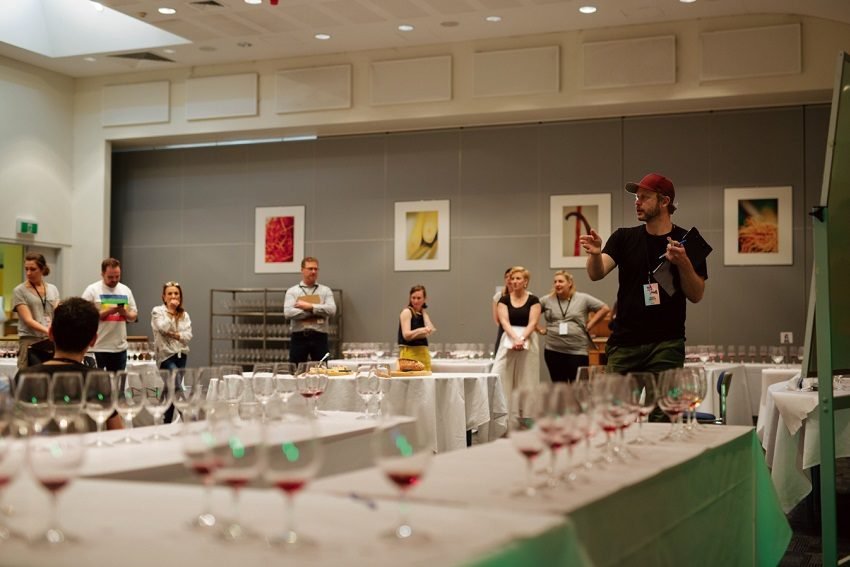
Nepenthe is best suited to people who want to look beyond front-of-house hospitality and engage with the winemaking story: collectors, serious drinkers and anyone interested in cool-climate Chardonnay and Pinot Noir. The emphasis on prestige, allocation pricing and post-harvest choices makes it a natural fit for educational tastings and deeper verticals rather than casual drop-ins. If you care about structure, oak integration and the cellar’s role in shaping wine, Nepenthe offers the sort of conversation and provenance that reward focused attention and repeat visits from enthusiasts.
Tasting Tips
When tasting or buying from Nepenthe, prioritize wines that demonstrate balance between natural acidity and oak integration—the description flags careful barrel selection and lees contact as critical. Focus on the cool-climate Chardonnay and Pinot Noir bottlings for the clearest expression of site and elevation; look for wines described with aging potential or allocation status if you’re thinking of cellaring. Notes on élevage (barrel age, percentage of new oak) and vintage context will help you judge whether a particular release leans toward complexity or tautness. For collectors, seek labels with commentary on aging trajectory and cellar decisions.
Venue details
Ambiance
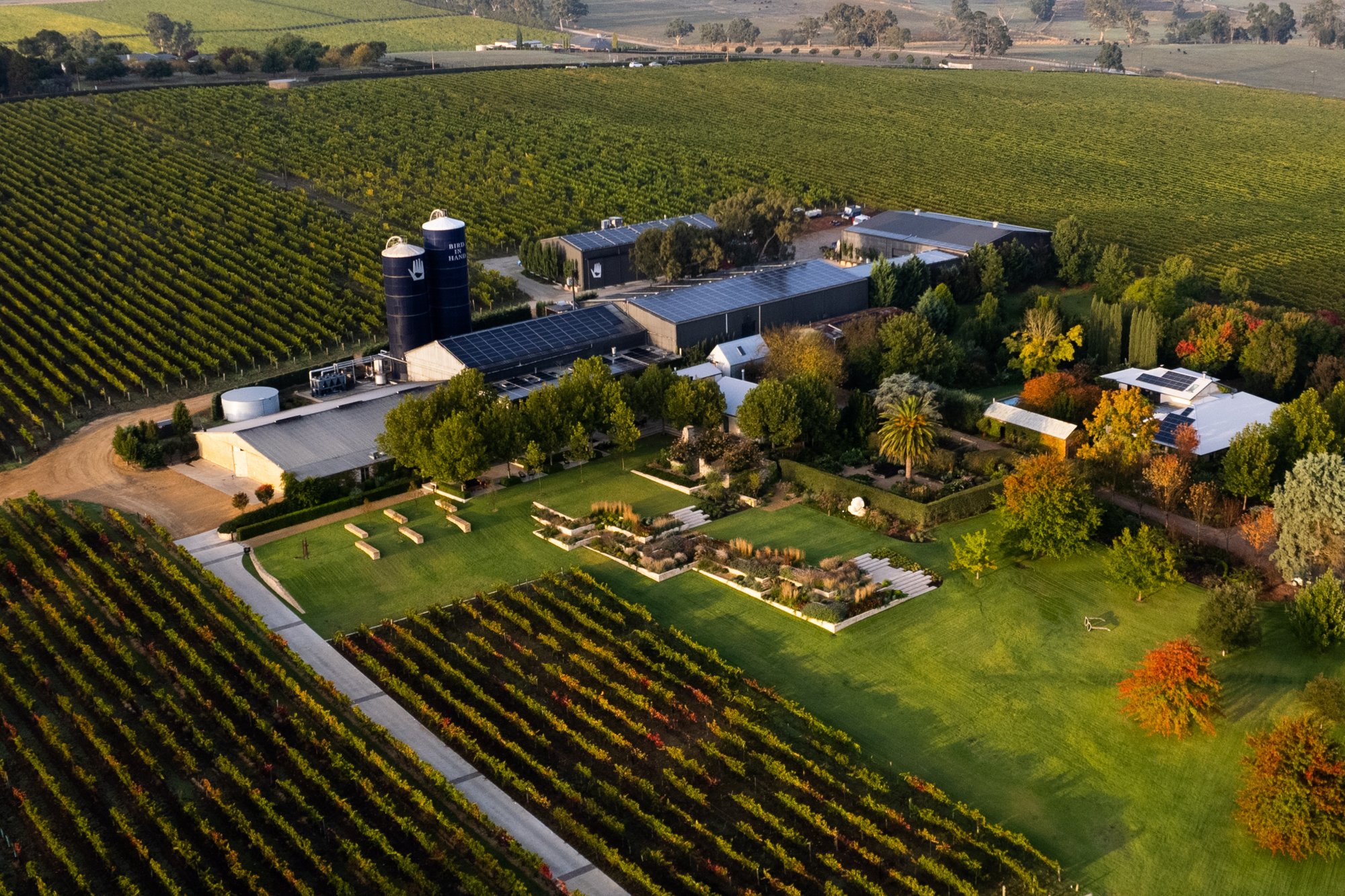
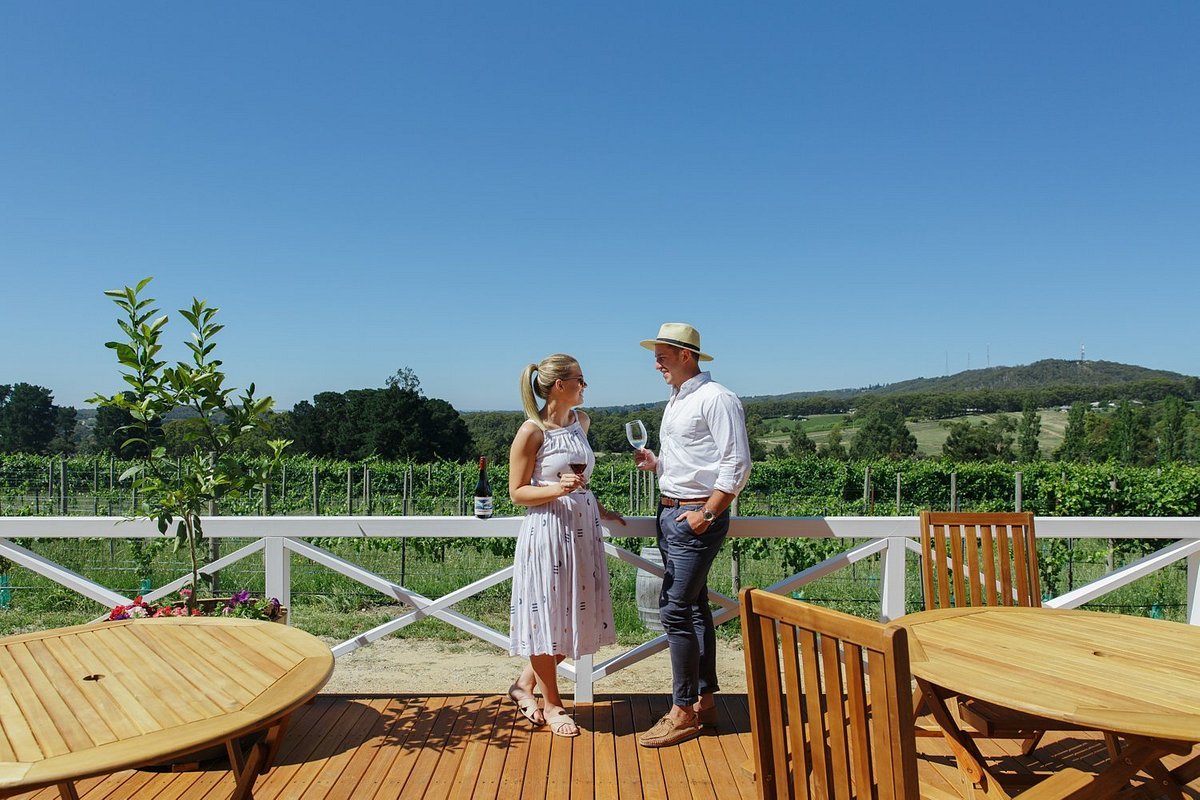
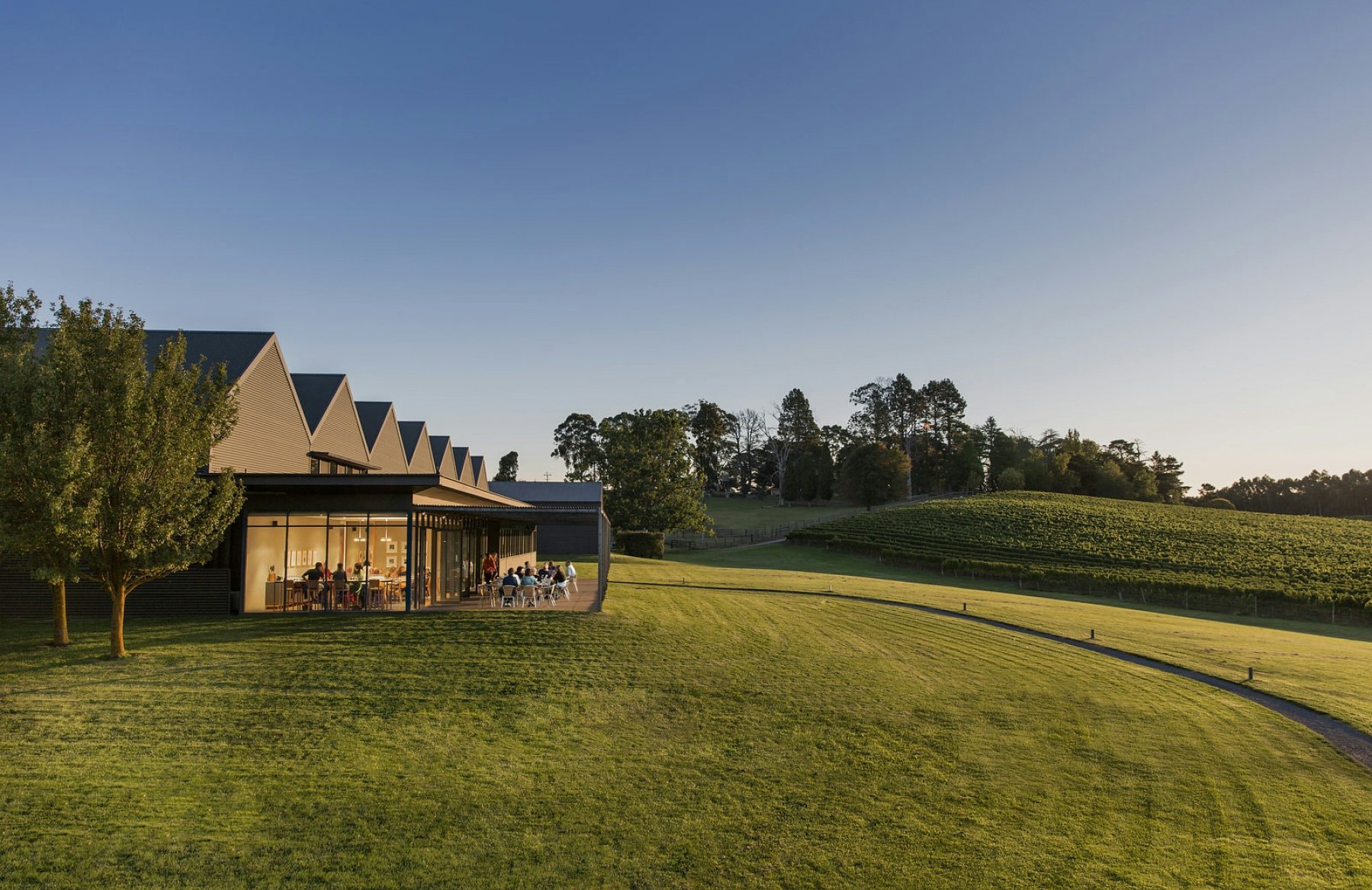
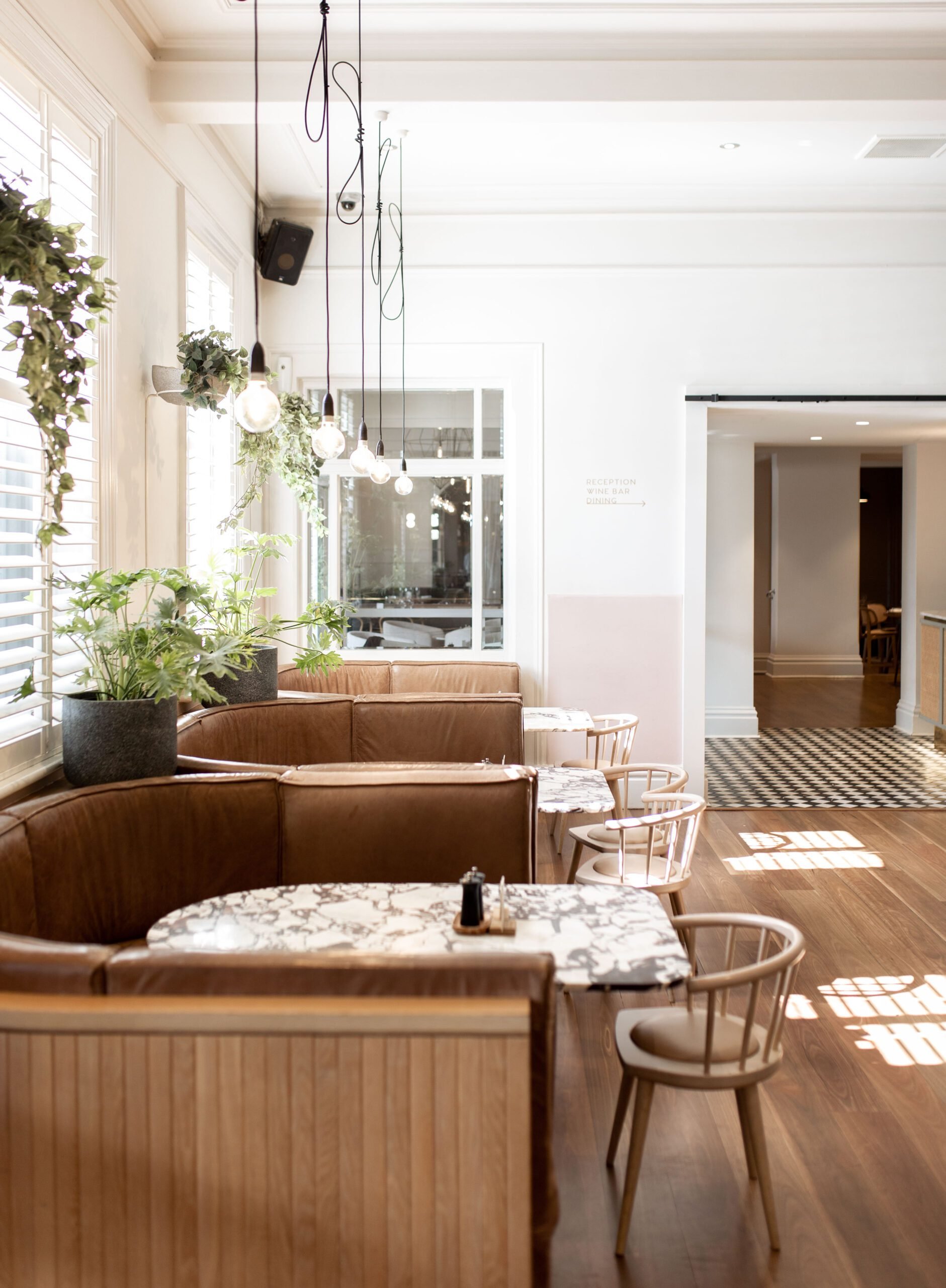
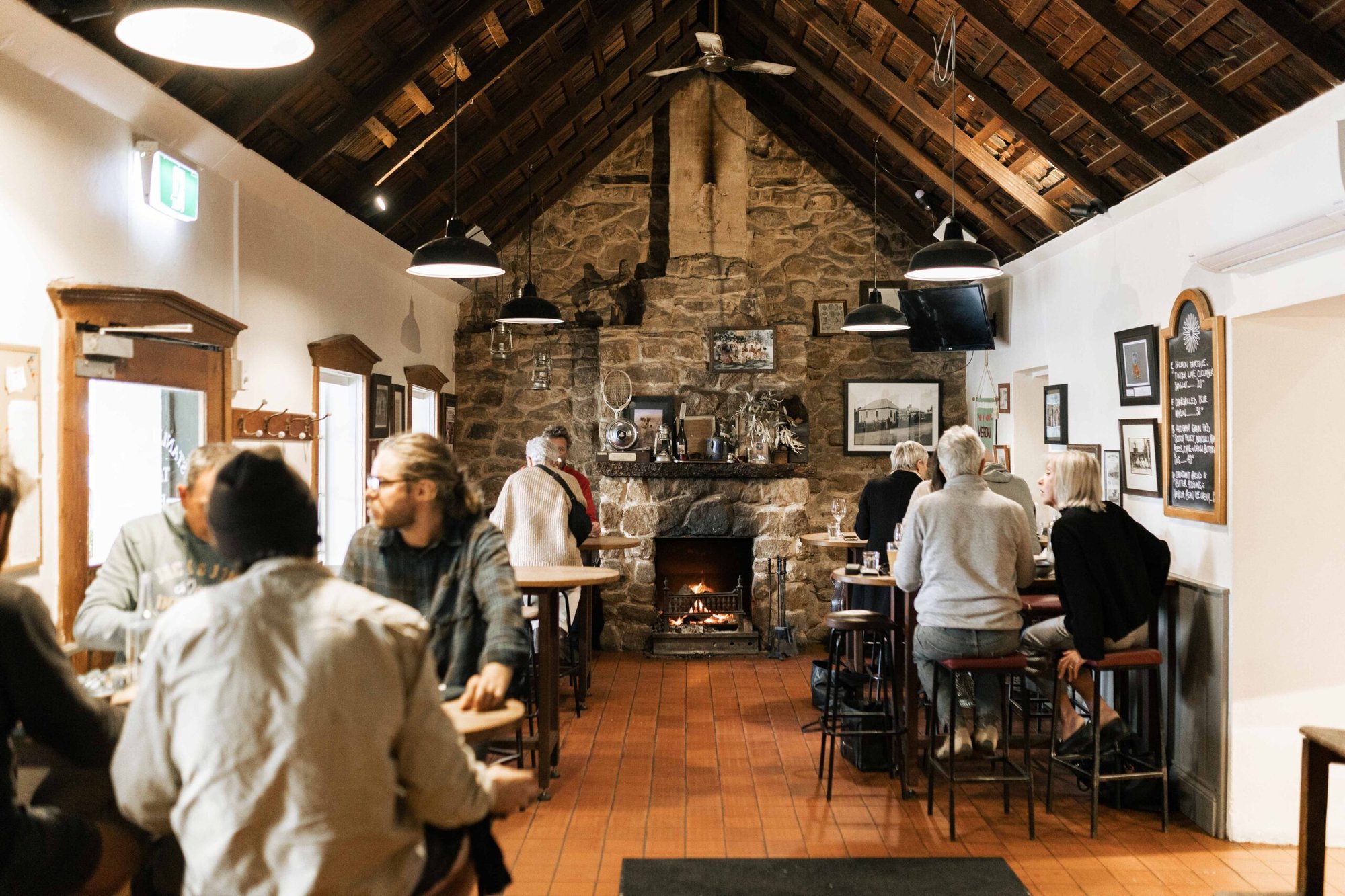
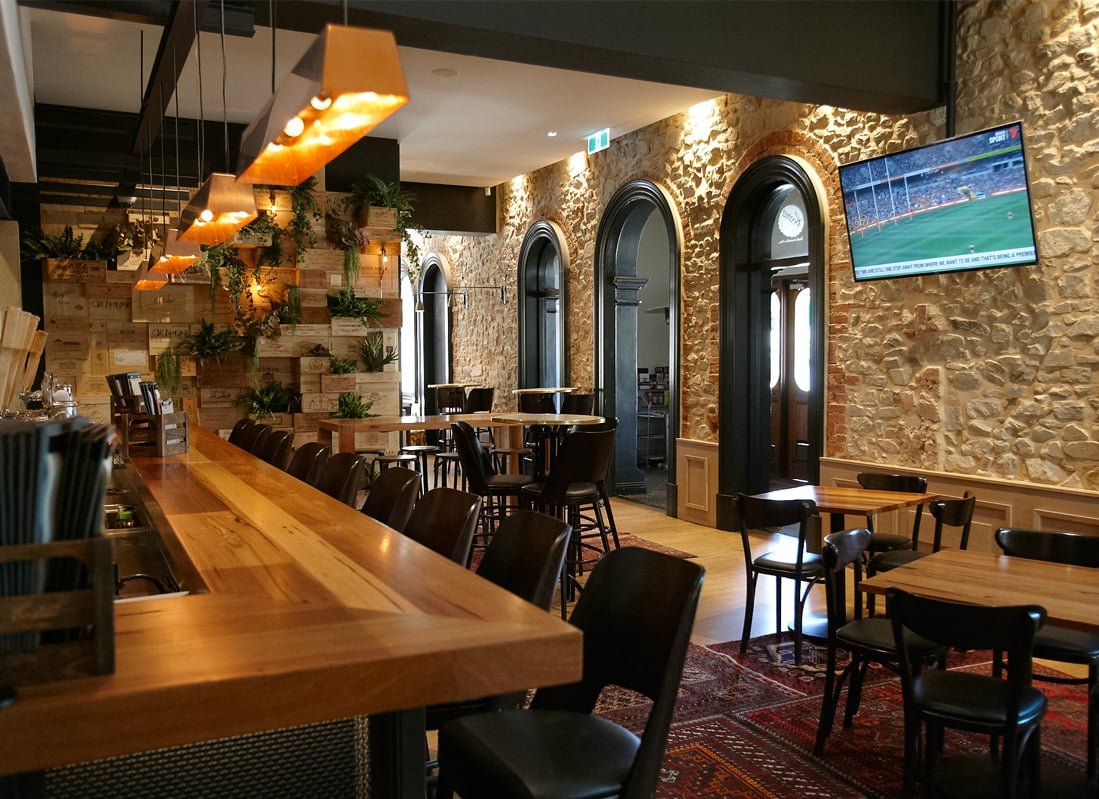
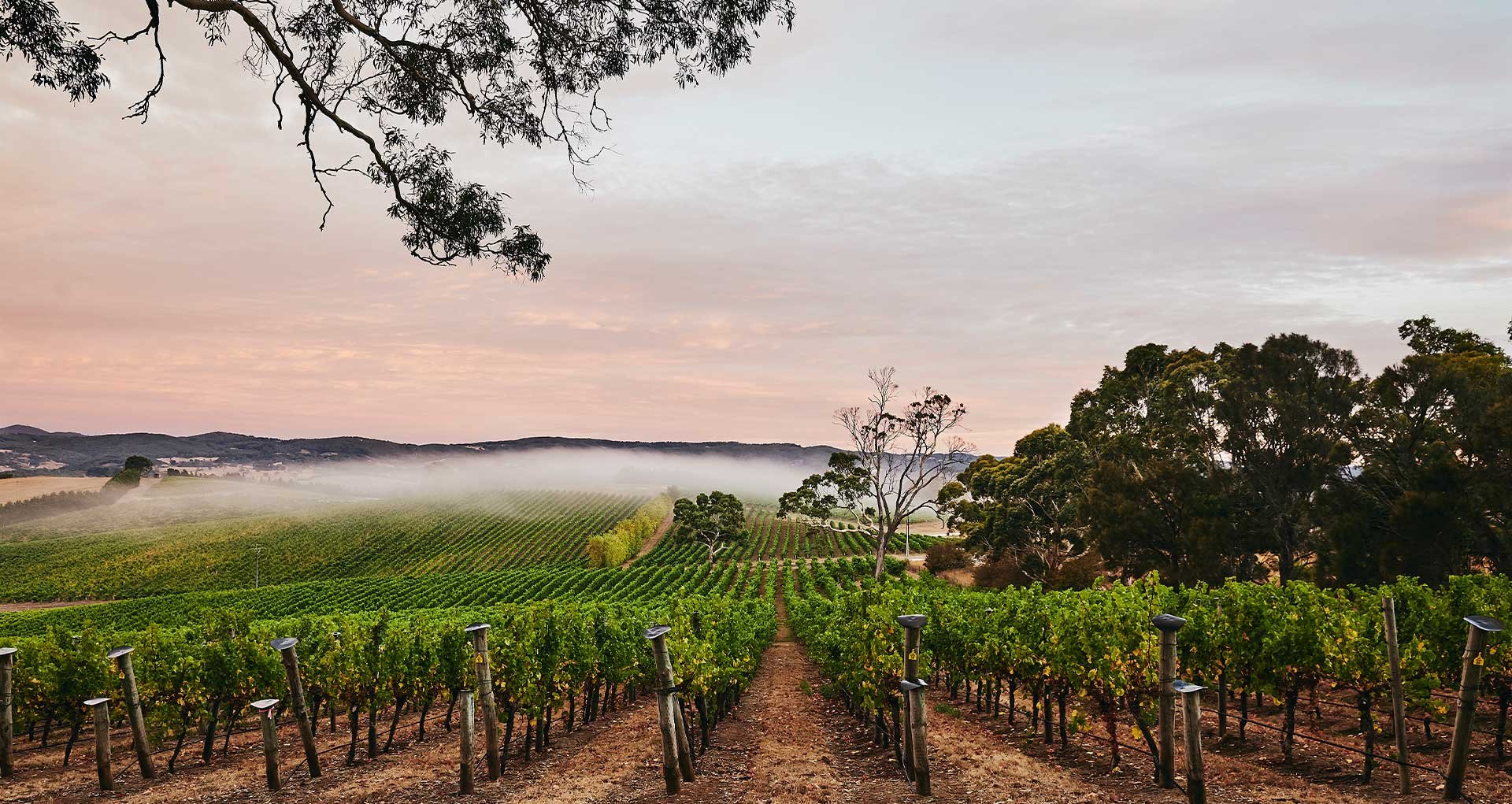
Bright and airy with natural light from large windows overlooking vineyards, sustainable materials creating a modern yet rustic atmosphere enhanced by knowledgeable staff and scenic hilltop setting.
Tags
Vibe
Best For
Experience
Sourcing
View
At the Vineyard
- Appellation
- Adelaide Hills
- Varietals
- Sauvignon Blanc, Pinot Gris, Chardonnay, Grüner Veltliner, Pinot Noir
- Tour Duration
- 60-90 minutes
- Visits
- Walk-ins welcome
- Farming
- Sustainable
- Production
- Small producer
- Wine Styles
- Still White, Still Red, Sparkling
- Food Pairing
- Offered
- Wine Club
- Available
Know before you go
Know Before You Go
- Getting there
- 93 Jones Rd, Balhannah SA 5242
Planning details
Location
Also consider
If you cannot get in
Try Murdoch Hill for another Adelaide Hills winery plan, or Bird in Hand if the group wants a broader occasion setting. For a non-wine alternative nearby, Adelaide Hills Distillery (78°) is the cleaner switch.
Winery context
How Nepenthe compares in the Adelaide Hills
Choose Nepenthe if the priority is a wine-led stop with prestige recognition and a Balhannah base. Shaw + Smith is the cleaner cross-shop for visitors who want a more established name in the region, while Murdoch Hill is the better fit for drinkers building a tighter, producer-focused itinerary.
For ambiance, Bird in Hand is the stronger choice when the day needs a broader occasion feel, while Nepenthe makes more sense when wine value and a simpler tasting plan matter more. Adelaide Hills Distillery (78°) is the obvious pivot if the group is split between wine and spirits, especially for mixed tastes.
Tapanappa belongs on the list for a more serious wine comparison outside the immediate metro frame. If booking difficulty is the deciding factor, avoid leaving any of these to chance; for Nepenthe specifically, treat access as difficult and confirm plans early.
Explore Adelaide Hills
Around this place
Discover more on Pearl
Unlock the full Nepenthe guide in Pearl, including awards, comparisons, FAQs, planning details, and nearby places.
Compare Nepenthe
| Venue | Location | Awards |
|---|---|---|
| Nepenthe | Adelaide Hills | No published awards |
| Shaw + Smith | Adelaide Hills | 2026 Falstaff Winery Guide |
| Murdoch Hill | Adelaide Hills | No published awards |
| Adelaide Hills Distillery (78°) | Adelaide Hills | No published awards |
| Bird in Hand | Adelaide Hills | 2026 Falstaff Winery Guide |
| Tapanappa | Piccadilly Valley | 2026 Falstaff Winery Guide |

How Nepenthe Adelaide Hills compares with similar nearby venues.
FAQ
Frequently Asked Questions
What is confirmed about Nepenthe?
Nepenthe is confirmed as a venue in Adelaide Hills with a casual dress code and Pearl 2 Star Prestige recognition for 2025.
Can Nepenthe handle large groups?
A seat count or group policy is not available. Contact Nepenthe directly before planning for a large group.
When is the best time to visit Nepenthe?
What should I confirm before visiting Nepenthe?
Confirm any visit-specific details that matter to your plans, including current hours, booking requirements, services, accessibility needs, food availability, purchasing arrangements, and group policies.
Does Nepenthe serve food?
What other venues can I compare with Nepenthe?
For comparison, consider Shaw + Smith, Murdoch Hill, Bird in Hand, and Tapanappa. Adelaide Hills Distillery (78°) is another named option to compare for a broader Adelaide Hills plan.