.png?width=1200&quality=80)
Oesterbeurs
€€ · Seafood · Kern, Yerseke
Restaurant in Yerseke, Netherlands
 Book with Pearl
The Read
Estuary-to-Table Zeeland
Price
$50–100per person
Dress
Smart Casual
Why go
A Michelin Plate seafood address in Yerseke, Oesterbeurs makes a strong case at the €€ price point. More than 80% of the menu is fish-based, drawing directly from the Oosterschelde's oysters, mussels, and lobster. The bouillabaisse is the dish to anchor your order around, and September through November is the window when the local shellfish supply is at its best.
About Oesterbeurs
Should You Return to Oesterbeurs?
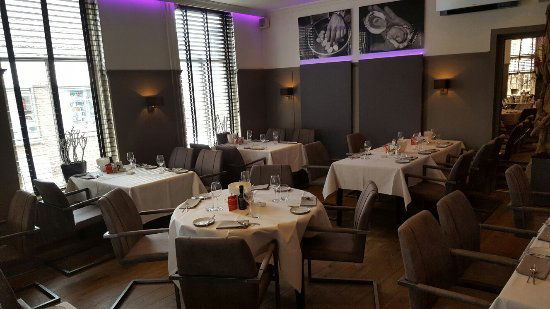
If you have been to Oesterbeurs once, you already know the answer. The room looks the same — warmly gilded tones, a setting that signals occasion without demanding formality — and the menu still orbits the waters immediately surrounding Yerseke with a focus that borders on conviction. What changes on a second visit is your ability to read the menu more confidently: you know the bouillabaisse is the anchor, you know the seafood sourcing is the whole point, and you know this is not a restaurant trying to import prestige from elsewhere. Everything on the plate comes from Zeeland, and that specificity is what justifies the return.
The Sourcing Argument
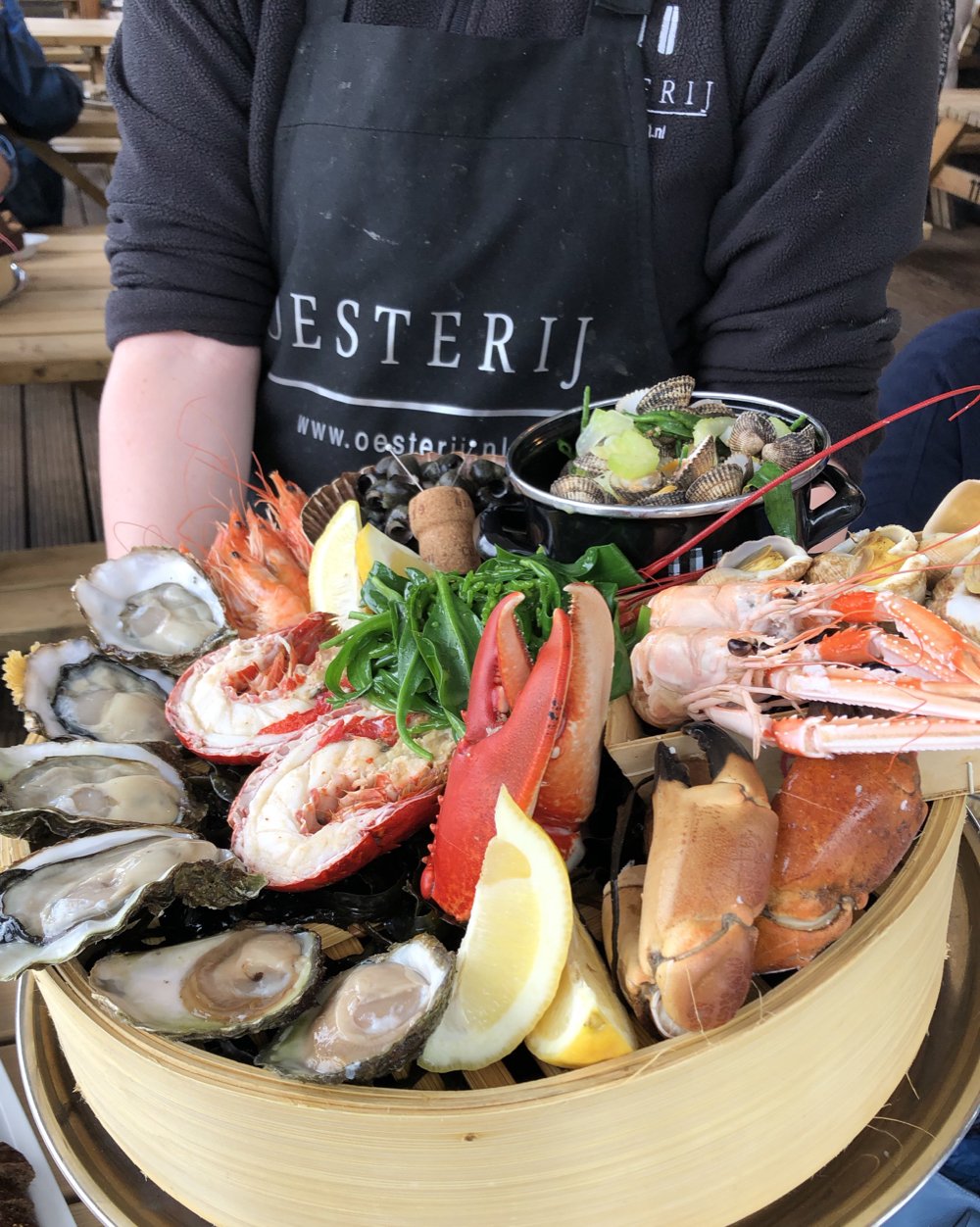
More than 80% of the dishes at Oesterbeurs are fish-based, and that number is not a marketing claim, it is the operating logic of the kitchen. Yerseke sits at the centre of Dutch shellfish production: the Oosterschelde estuary produces mussels and oysters that supply much of Western Europe, and Oesterbeurs is positioned to draw directly from that supply chain. Lobster, oysters, sea lavender, and mussels appear on the menu not because they are fashionable but because they are local, in-season, and available with a traceability that most city restaurants cannot match. Sea lavender, in particular, is a detail worth noting, it is a salt marsh plant harvested along the Zeeland coastline, and its presence on the plate signals a kitchen paying attention to the full coastal ecosystem, not just the obvious catches.
The bouillabaisse is where that sourcing philosophy consolidates into a single dish. A classic preparation, richly flavoured, it functions as the menu's reference point, the dish that shows you what the kitchen does with premium local product when it is not trying to be inventive. That it sits alongside more creative fare is the right balance for a restaurant at this price tier: accessible enough for a first visit, with enough range to reward a second.
When to Go
Timing matters more in Yerseke than in a city restaurant. The mussel season runs roughly from July through April, with the late summer and autumn months producing the most consistent quality. Oyster season in Zeeland peaks from September through April, aligning with the traditional rule of eating oysters in months containing an 'r.' If you are planning a special occasion dinner around the full range of what Oesterbeurs does with local shellfish, September through November is the window that gives you both mussels and oysters at their leading, with the added advantage of smaller tourist crowds compared to the summer peak along the Dutch coast.
For a weekday visit, Tuesday through Thursday tends to be quieter and gives you a more relaxed room. Weekend evenings fill faster given the restaurant's Michelin recognition and the draw of Yerseke as a day-trip and short-break destination from Rotterdam, Antwerp, and Middelburg.
The Room and the Experience
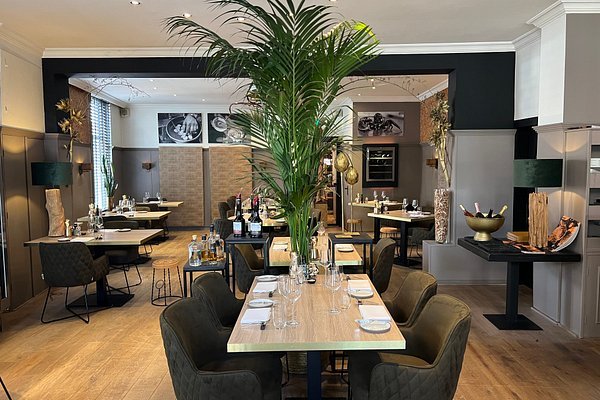
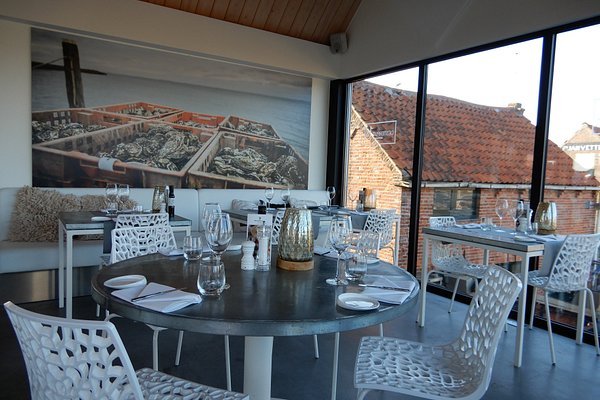
The warmly gilded interior is doing deliberate work here. This is a room that reads as a special occasion setting without the stiffness of a formal fine dining room. For a celebration dinner, a date, or a business lunch where you want the food to do the talking, the atmosphere is well-calibrated, present enough to feel considered, not so theatrical that it becomes the story. The Michelin Plate designation confirms a baseline of cooking quality without the pressure or price point of a starred table, which makes Oesterbeurs a practical choice for guests who want credentialed cooking at a price that does not require the occasion to justify the bill.
For special occasion planning, the address at Wijngaardstraat 2 in Yerseke is easy to reach by car from the A58 motorway, and Yerseke itself is small enough that the restaurant is direct to find on arrival. The town has limited evening dining options outside of Oesterbeurs and a handful of other seafood-focused addresses, so if you are making a dedicated trip, plan the rest of the evening around the meal itself rather than expecting a broader dining neighbourhood. See our full Yerseke restaurants guide for what else is available, and our full Yerseke hotels guide if you are staying overnight.
How It Sits in the Local Context
Within Yerseke's short list of seafood destinations, Oesterbeurs competes most directly with Oesterput 14 and Nolet's Vistro (€€€ · Seafood). Nolet's sits a price tier above and carries more polish; if budget is not a constraint and you want the full-service experience, that is the comparison to make. Oesterput 14 operates at a similar tier and is worth knowing about if Oesterbeurs is fully booked.
Zeeland's broader seafood dining scene also includes Inter Scaldes in Kruiningen, which operates at a significantly higher price point with Michelin stars, and Auberge des Moules in Philippine for a more casual mussel-focused meal. For seafood at a comparable price tier outside Zeeland, Brasserij Kok Verhoeven in Tilburg is worth a look, though it lacks the source-proximity argument that makes Oesterbeurs's ingredient story so coherent. If your trip to the Netherlands includes Amsterdam, Ciel Bleu and FG - François Geurds in Rotterdam are the reference points for fine dining ambition at the upper end of the Dutch market, a different category from Oesterbeurs but useful comparisons if you are calibrating what the Michelin Plate tier delivers relative to starred cooking.
For planning beyond the meal itself, see our guides to bars in Yerseke, wineries near Yerseke, and experiences in Yerseke.
Planning details
- Location
- Wijngaardstraat 2, 4401 CS Yerseke, Netherlands
- Reservations
- Book on the venue's website
- Website
- oesterbeurs.nl
- Phone
- +31 113 572 211
The take
The Take
The Vibe
Oesterbeurs reads as a warmly textured estuary brasserie rather than a minimalist seafood temple. The interior's gilded tones and careful warmth steer the room toward unhurried, generous dining anchored in place and provenance. The kitchen's loyalty to raw preparation — the shuck, the rinse, the nothing-added philosophy — keeps the focus squarely on Zeeland's harvest, and that modesty reinforces the restaurant's quiet confidence. With a 2025 Michelin Plate and strong local ratings, the dining room balances everyday conviviality with a quietly elevated sense of occasion, making it feel both rooted and considered.
Best For
Oesterbeurs is best for an evening that centers on seafood and a relaxed pace: intimate dinners, date nights and special-occasion meals benefit from the restaurant's warm room and generous service tempo. The menu's heavy lean toward fish and shellfish and the establishment's clear ties to local harvests reward diners who want a regional, ingredient-led experience. Located a short walk from the waterfront, the restaurant suits guests who prefer a composed, sit-and-stay dinner rather than grab-and-go meals; its Michelin recognition and strong local reputation make it a reliable choice for memorable nights out.
Ordering Tips
Lean into the raw-bar logic here: the kitchen privileges simple, ingredient-forward preparations, so order the Yerseke Oysters and other shellfish with minimal adornment to appreciate provenance. The menu highlights Zeeland lobster and the Classic Bouillabaisse as signature expressions of the estuary, and with more than 80% of dishes fish-based, choosing a variety of shellfish-focused items gives a clear picture of the kitchen's strengths. Trust the nothing-added philosophy and favor dishes that showcase recent harvests from the Oosterschelde.
Venue details
Ambiance
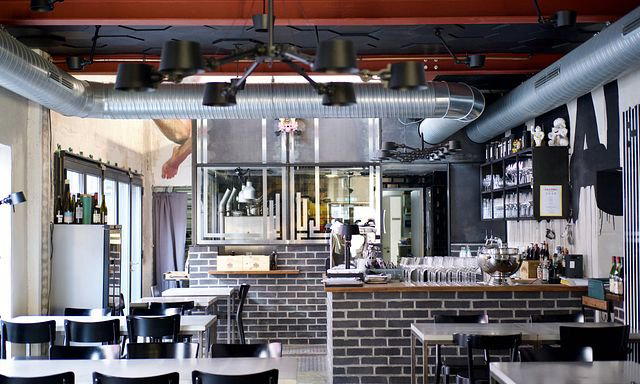
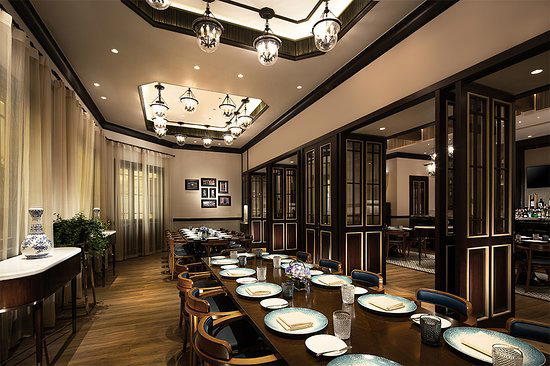
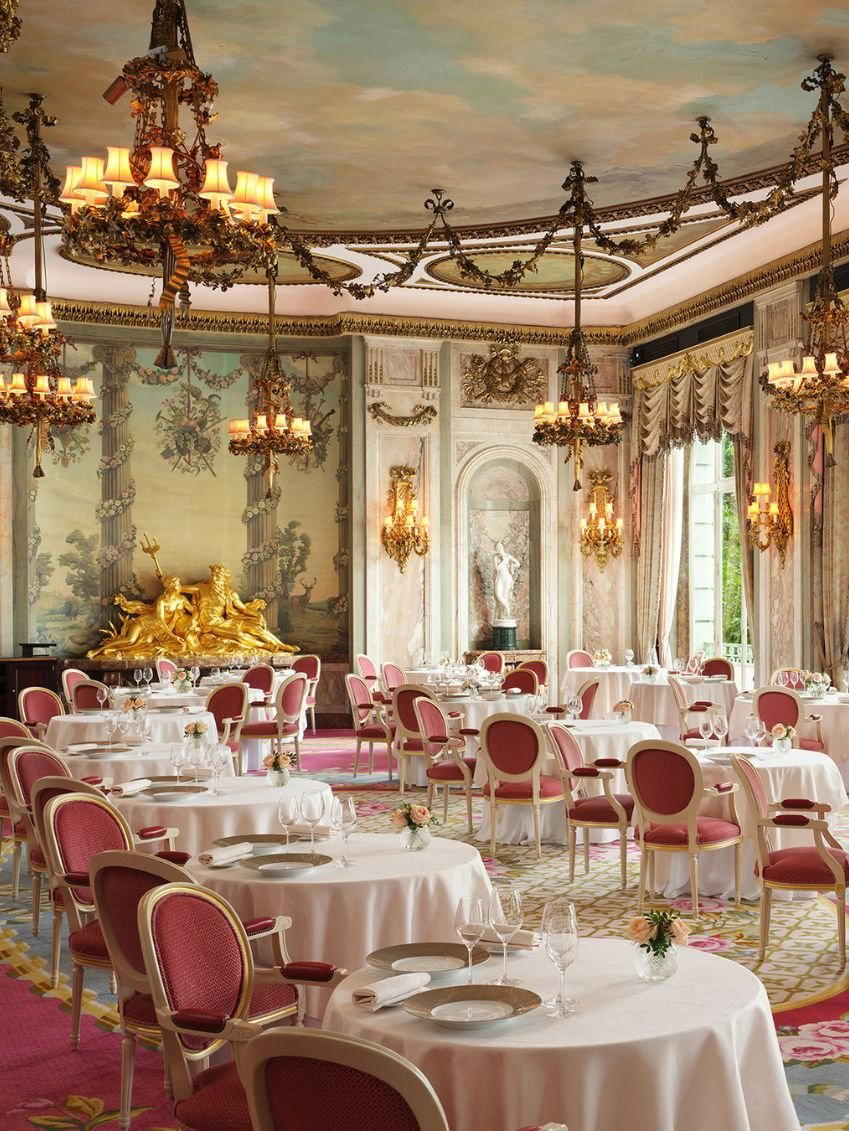
Warmly gilded tones, stylish rustic interior with subtle lighting that highlights plated dishes in a calm, elegant, and intimate setting.
Tags
Vibe
Best For
Experience
Sourcing
At the Table
- Dress Code
- Smart Casual
- Noise Level
- Quiet
- Service Style
- Upscale Casual
- Meal Pacing
- Leisurely
- Capacity
- Intimate
- Kitchen
- Seasonal
- Menu Format
- Tasting menu, A la carte
- Wine Program
- Curated
- Dietary
- Vegetarian friendly, Gluten-free options
Signature Dishes
- Zeeland Lobster
- Classic Bouillabaisse
- Yerseke Oysters
Know before you go
Know Before You Go
- Getting there
- Wijngaardstraat 2, 4401 CS Yerseke, Netherlands
Planning details
Location
Wijngaardstraat 2, 4401 CS Yerseke, Netherlands · Directions
Recognition and awards
Also consider
Also Consider
- De Librije, €€€€ · Modern Cuisine, €€€€
- Aan de Poel, €€€€ · Creative, €€€€
- De Nieuwe Winkel, €€€€ · Organic, €€€€
- Fred, €€€€ · Creative French, €€€€
- De Lindehof, Contemporary Dutch, Creative, €€€€
Restaurant context
Oesterbeurs sits at the €€ tier, the most accessible price point among credentialed seafood restaurants in this part of the Netherlands. If you are comparing it against the €€€€ field that dominates Dutch fine dining recognition, the honest answer is that you are comparing different categories. De Librije and Aan de Poel both operate at a level of technical ambition and service depth that Oesterbeurs does not attempt to match, but they cost significantly more and sit far from Zeeland's actual shellfish supply. Oesterbeurs's argument is geographic specificity and value, not competition with the starred tier.
De Nieuwe Winkel in Nijmegen and De Lindehof in Giethoorn are both €€€€ addresses with a sourcing-led philosophy, and they are worth considering if you want a plant-forward or contemporary Dutch creative experience at the high end. Fred operates at the same tier with a Creative French orientation. None of these are direct alternatives to Oesterbeurs, they serve a different diner with a different budget and a different cuisine interest.
Within the Zeeland and South Holland seafood category, Inter Scaldes in Kruiningen is the benchmark for what Michelin-starred ambition looks like with local coastal ingredients, a step up in price and formality. For the most practical comparison at a similar price tier in Yerseke itself, Oesterput 14 is the fallback if Oesterbeurs is full. Book Oesterbeurs if the Michelin Plate and review consistency matter to you and you want the full Zeeland seafood picture on one menu; consider Nolet's Vistro if you want a step up in formality without leaving Yerseke.
Explore Yerseke
Around this place
Discover more on Pearl
Unlock the full Oesterbeurs guide in Pearl, including awards, comparisons, FAQs, planning details, and nearby places.
Compare Oesterbeurs
| Venue | Price | Booking Difficulty | Awards |
|---|---|---|---|
| Oesterbeurs | €€ | Easy | 2025 Michelin Plate2024 Michelin Plate |
| De Librije | €€€€ | Unknown | Star Wine Lists 2026 · #12026 OAD Top Restaurants in Europe Ranked · #162026 La Liste Top Restaurants2026 Les Grandes Tables du Monde Members2026 Falstaff Restaurant Guide2025 OAD Top Restaurants in Europe Ranked · #202025 Michelin 3 StarsWe're Smart World Top Restaurants 2025We're Smart World Top 100 2025 |
| Aan de Poel | €€€€ | Unknown | 2026 Wine Spectator Best of Award of Excellence2026 La Liste Top Restaurants2026 Falstaff Restaurant Guide2025 OAD Classical in Europe Ranked · #2982025 Wine Spectator Best of Award of Excellence2025 La Liste Top Restaurants2025 Michelin 2 Stars2024 OAD Classical in Europe Ranked · #2712024 Michelin 2 Stars |
| De Nieuwe Winkel | €€€€ | Unknown | Star Wine Lists 2026 · #12026 OAD Top Restaurants in Europe Recommended2026 La Liste Top Restaurants2026 Falstaff Restaurant Guide2025 OAD Top Restaurants in Europe Ranked · #426We're Smart World Top Restaurants 20252025 La Liste Top Restaurants2025 The Best Chef One Knife2025 Michelin 2 Stars |
| Fred | €€€€ | Unknown | 2026 Les Grandes Tables du Monde Members2026 La Liste Top Restaurants2026 Falstaff Restaurant Guide2025 La Liste Top Restaurants2025 Michelin 2 Stars2024 OAD Classical in Europe Ranked · #2632024 Michelin 2 Stars2023 OAD Classical in Europe Recommended |
| De Lindehof | €€€€ | Unknown | 2025 OAD Classical in Europe Ranked · #3392025 La Liste Top Restaurants2024 OAD Classical in Europe Ranked · #3312024 Michelin 2 Stars2023 OAD Classical in Europe Recommended |










Key differences to consider before you reserve.
FAQ
Frequently Asked Questions
What should I wear to Oesterbeurs?
The warmly gilded interior signals occasion rather than formality, so dress neatly without overthinking it. A step above casual — think a shirt or blouse — fits the room. The €€ price point confirms this is not a jacket-required setting.
Is the tasting menu worth it at Oesterbeurs?
At €€ pricing with a Michelin Plate to its name, Oesterbeurs represents good value for a seafood-led meal in Zeeland. Over 80% of dishes are fish-based, so the format rewards anyone who came specifically for the region's oysters, mussels, and sea lavender. If you want a broader kitchen repertoire, this kitchen is not trying to be that.
What are alternatives to Oesterbeurs in Yerseke?
Within Yerseke, Oesterput 14 is the closest direct competitor at a similar pitch, while Nolet's Vistro sits a tier higher (€€€) if budget is not the deciding factor. Oesterbeurs sits between the two on formality and price, which makes it the practical default for most visitors.
What should I order at Oesterbeurs?
The kitchen's Michelin Plate recognition calls out lobster, oysters, sea lavender, and mussels as Zeeland-specific draws, with a classic bouillabaisse also on the menu. With more than 80% of the menu fish-based, this is not the place to anchor your order on meat. Start with the shellfish and let the regional sourcing do the work.
How far ahead should I book Oesterbeurs?
Yerseke is a destination rather than a passing stop, which means tables fill on weekends with visitors making the specific trip. Booking at least one to two weeks ahead is a practical baseline, and further out during mussel season (late summer through autumn) when the region draws the most interest. Walk-in chances improve on weekday lunches.