kriegsfuss
near Skulpturenpark Waldfrieden, Wuppertal
Restaurant in Wuppertal, Germany
 Book with Pearl
The Read
Price
$10–20per person
Dress
Casual
Why go
A practical Wuppertal pick for a small celebration, date, or business dinner when the goal is a composed neighborhood meal rather than a trophy reservation. Compare it with 79 ° for a clearer farm-to-table choice, Sugo Handmade Pasta for pasta, and Meson Alegria, Katik Wuppertal, or Esskultürk for more defined casual alternatives.
About kriegsfuss
kriegsfuss is a Wuppertal venue with a simple profile: it is open Tuesday through Saturday from 5–10 PM, open Sunday from 11 AM–3 PM, and closed on Monday. The dress code is casual, so the safest way to frame a visit is as a relaxed local meal rather than a formal occasion built around menu, price, or award details.
A Wuppertal option for a meal
For planning, the most useful detail is the weekly schedule. Evening service runs Tuesday through Saturday, while Sunday is a daytime window from 11 AM–3 PM. Monday is closed.
Because cuisine, price range, chef information, tasting format, and award status are not listed, first-timers should avoid assuming a specific style of meal. Treat kriegsfuss as a Wuppertal option to check directly if your decision depends on menu details, dietary needs, group size, or reservation requirements.
Who should choose kriegsfuss, and who should compare first
Consider kriegsfuss if the priority is a casual-dress meal in Wuppertal and the hours fit your plans. If the group needs a clearly stated cuisine, price band, or format before choosing, compare with other Wuppertal options first. Other names to cross-check include 79 °, Sugo Handmade Pasta, Meson Alegria, Katik Wuppertal, and Esskultürk.
The verdict: kriegsfuss is worth considering when its Wuppertal location, casual dress code, and Tuesday-to-Sunday opening pattern suit the plan. It is not the safest pick for diners who need public details on cuisine, price, menu format, or accolades before deciding. For a broader scan before choosing, use Pearl's Wuppertal restaurants guide.
Planning details
- Location
- Bendahler Str. 136, 42285 Wuppertal, Germany
- Reservations
- Book on the venue's website
- Website
- kriegs-fuss.de
- Phone
- +492022544211
The take
The Take
The Vibe
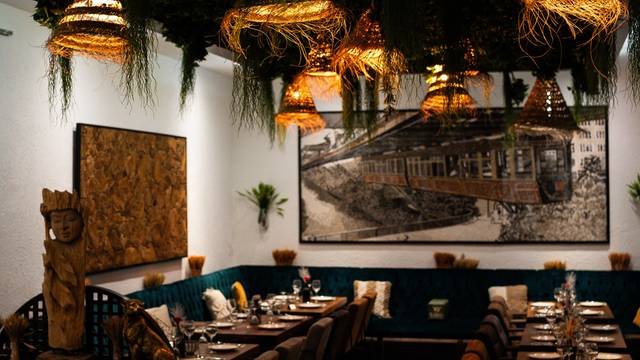
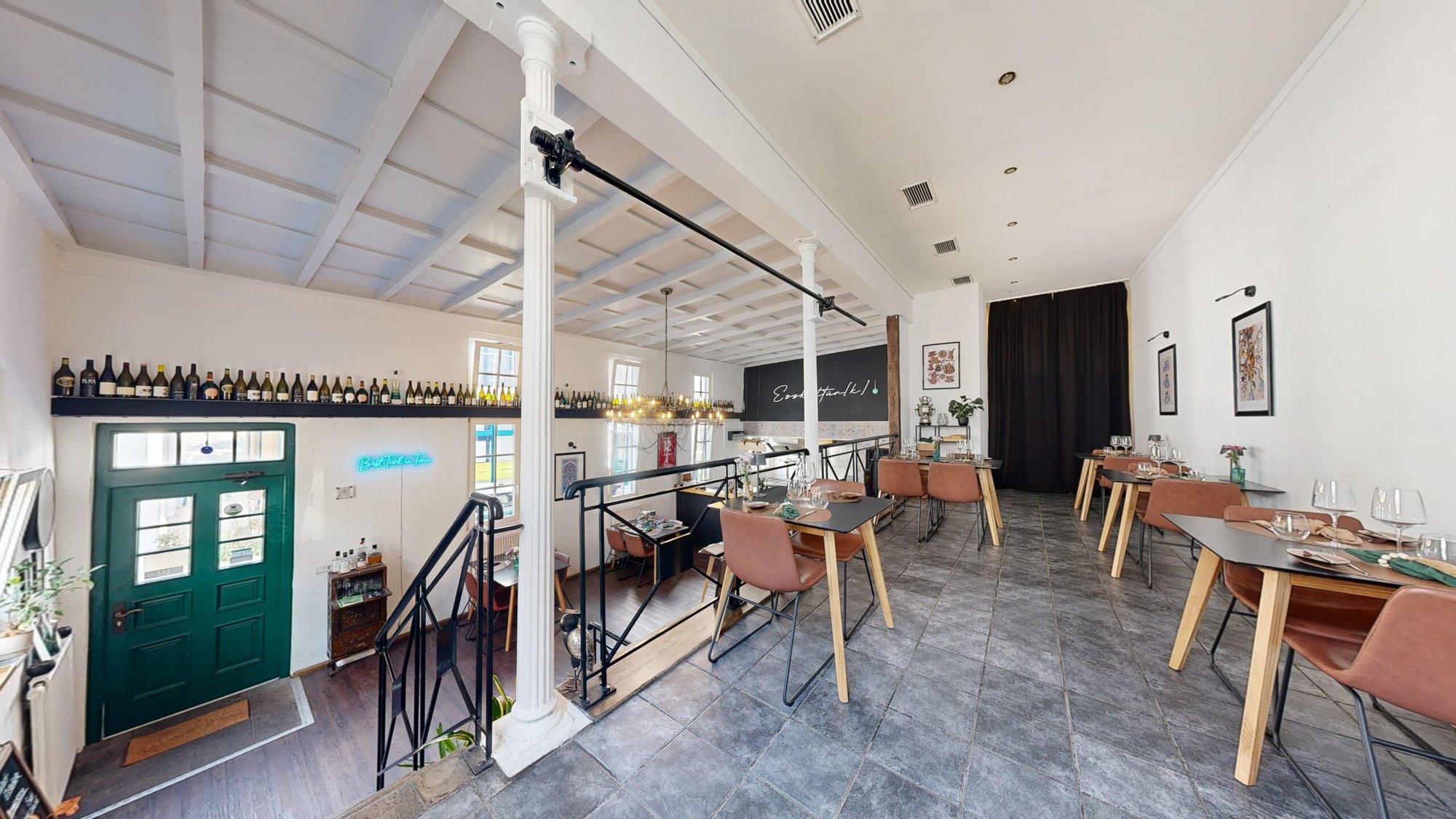
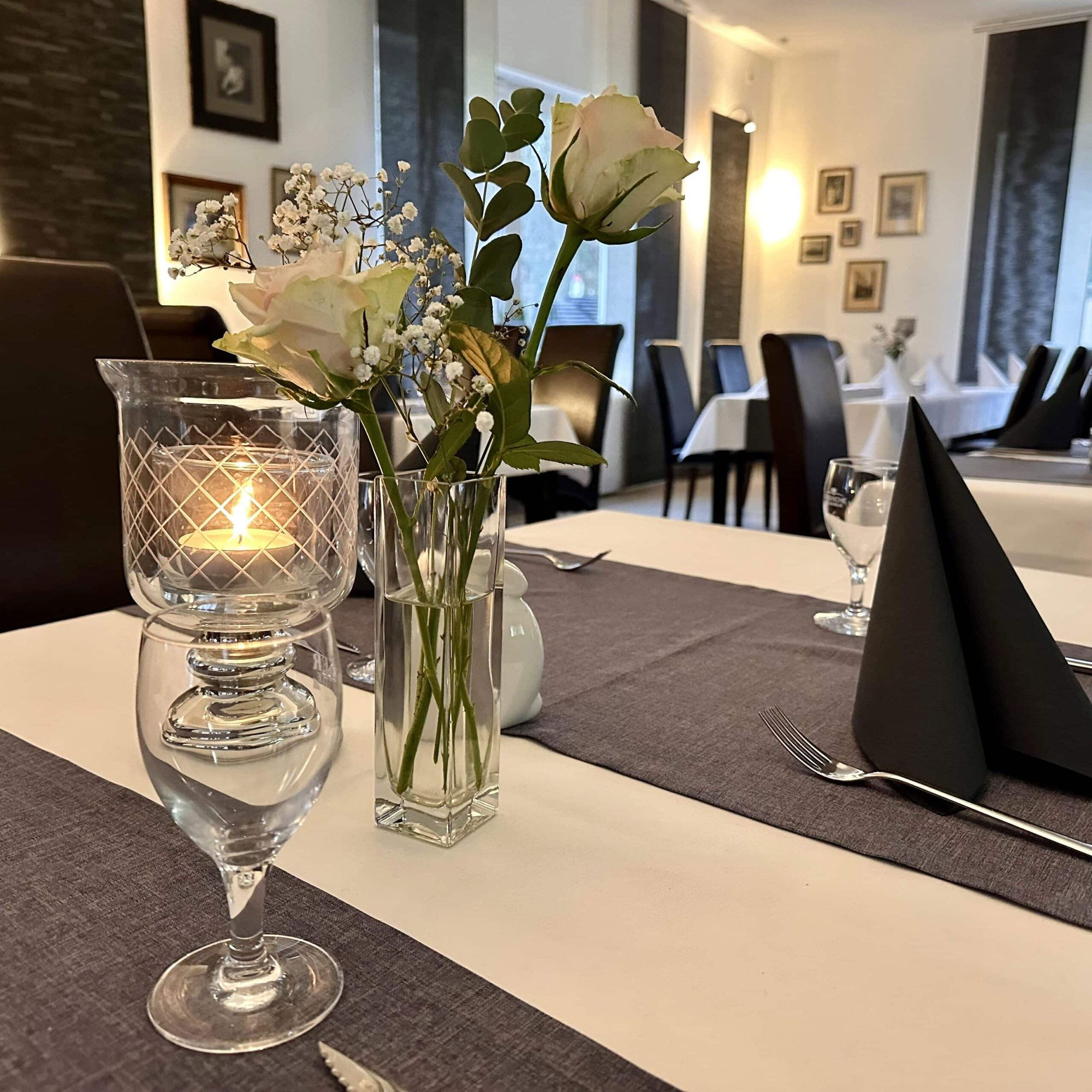
Kriegsfuss embodies a quieter, neighbourhood sensibility that privileges steady local patronage over flash and trend. The room is modest in scale — smaller dining spaces and an address on a residential Bendahler Strasse — which produces an intimate atmosphere where staff know returning guests and the menu remains stable. Rather than courting out-of-town attention, the restaurant sits comfortably within Barmen’s working‑class civic texture, offering an unpretentious, classic dining experience. The tone is warm and familiar without theatricality: low-key service, dependable cooking and the sort of understated charm that rewards repeat visits.
Best For
This is a place for people who appreciate consistent, well-executed food in an unshowy setting. Kriegsfuss suits groups of regulars, celebratory tables and weekend brunches (the venue is noted for brunch in its metadata), while its steak-forward signatures — Dry-Aged Bone-in Ribeye, Pepper Steak and T-Bone Steak — point to a reliable dinner program. Visitors looking for a relaxed, conversational evening or a solid neighborhood meal find what they expect: attentive but familiar service and a menu built for returning diners rather than one-off sightseeing experiences.
Ordering Tips
Lean into the kitchen’s strengths: the signature steaks are the clearest indicators of the menu’s focus, so ordering a Dry-Aged Bone-in Ribeye, Pepper Steak or T-Bone is a safe way to sample what the restaurant does best. Expect a stable menu that rewards sticking to classics rather than chasing novelty. Given the restaurant’s local, regular-driven character, reserving a table for larger groups or weekend visits is prudent; parties will encounter familiar service and portion sizes intended for full, shared plates rather than tasting-menu formality.
Venue details
Ambiance
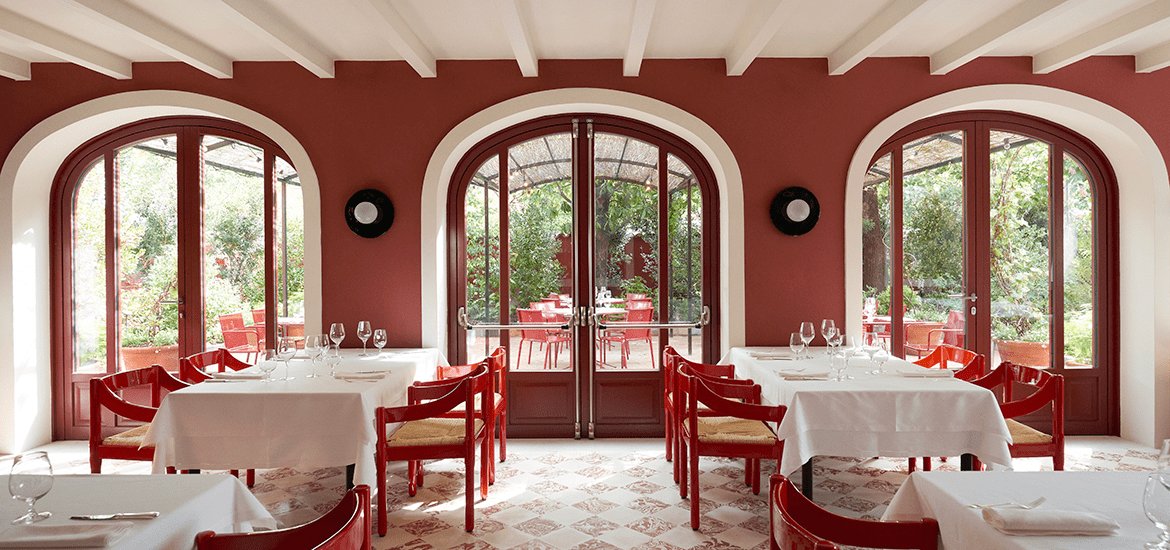
Relaxing atmosphere with terrace seating
Tags
Vibe
Best For
Experience
Accessibility
At the Table
- Dress Code
- Casual
- Noise Level
- Conversational
- Service Style
- Upscale Casual
- Meal Pacing
- Standard
- Capacity
- Medium
- Kitchen
- Traditional
- Menu Format
- A la carte
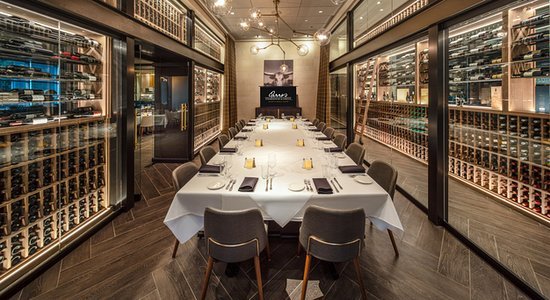
- Wine Program
- Curated
- Dietary
- Vegetarian friendly, Vegan options
- Outdoor Seating
- Yes
Signature Dishes
- Dry-Aged Bone-in Ribeye
- Pepper Steak
- T-Bone Steak
Know before you go
Know Before You Go
- Getting there
- Bendahler Str. 136, 42285 Wuppertal, Germany
Planning details
Location
Bendahler Str. 136, 42285 Wuppertal, Germany · Directions
Also consider
Also Consider
- Katik Wuppertal, Notable alternative
- Esskultürk, Notable alternative
- 79 °, Farm to table, €€
- Sugo Handmade Pasta, Notable alternative
- Meson Alegria, Notable alternative
Restaurant context
How kriegsfuss compares in Wuppertal
kriegsfuss is the more occasion-leaning choice if the group wants a calmer, more deliberate meal without chasing a specific cuisine label. 79 ° is easier to judge upfront because it has a farm-to-table focus and a €€ price signal, so choose that when value and dining style need to be clear before booking.
For a more direct food craving, Sugo Handmade Pasta is the cleaner alternative for pasta-led plans. Meson Alegria, Katik Wuppertal, and Esskultürk make more sense when the group wants a more casual or specific direction rather than a flexible neighborhood dinner.
Booking difficulty looks easier here than at venues with stronger public demand signals, so kriegsfuss is a useful fallback for a Wuppertal dinner that still feels planned. If price certainty is the deciding factor, start with 79 °; if ambiance and a quieter special-occasion frame matter more, keep kriegsfuss on the shortlist.
Explore Wuppertal
Around this place
Discover more on Pearl
Unlock the full kriegsfuss guide in Pearl, including awards, comparisons, FAQs, planning details, and nearby places.
Compare kriegsfuss
| Venue | Location | Cuisine | Price | Awards |
|---|---|---|---|---|
| kriegsfuss | Wuppertal | , | , | No published awards |
| Katik Wuppertal | Wuppertal | , | , | No published awards |
| Esskultürk | Wuppertal | , | , | No published awards |
| 79 ° | Wuppertal | Farm to table | €€ | 2025 Michelin Plate2024 Michelin Plate |
| Sugo Handmade Pasta | Wuppertal | , | , | No published awards |
| Meson Alegria | Wuppertal | , | , | No published awards |
.png?width=1200&quality=80)
How kriegsfuss Wuppertal compares with similar nearby venues.
FAQ
Frequently Asked Questions
What should a first-timer know about kriegsfuss?
kriegsfuss is in Wuppertal and has a casual dress code. Its hours are Tuesday to Saturday from 5–10 PM, Sunday from 11 AM–3 PM, and Monday closed.
Is kriegsfuss good for a special occasion?
That depends on what you need from the occasion. The details support planning around a casual Wuppertal meal, but there is no information here on menu format, price, private dining, or group suitability.
How far ahead should I book kriegsfuss?
Is lunch or dinner better at kriegsfuss?
Dinner is available Tuesday through Saturday from 5–10 PM. The only daytime opening is Sunday from 11 AM–3 PM.
What are alternatives to kriegsfuss in Wuppertal?
Other Wuppertal options to compare include Katik Wuppertal, Esskultürk, 79 °, Sugo Handmade Pasta, and Meson Alegria. Compare current menus, hours, and availability directly before deciding.
Is kriegsfuss good for solo dining?
There is no solo-dining policy or seating format listed here. The practical details are its Wuppertal location, casual dress code, and opening hours.
Does kriegsfuss handle dietary restrictions?
There is no venue-specific dietary policy listed here. Ask the venue directly before visiting if you have strict requirements.