


Lutum
€€€ · Creative · Wijk bij Duurstede
Restaurant in Wijk bij Duurstede, Netherlands
 Book with Pearl
The Read
Terroir-Driven Surprise Menu
Price
$150–200per person
Dress
Smart Casual
Why go
Lutum holds a Michelin star and at the €€€ price tier — meaningfully more affordable than most Dutch starred peers. The rotating surprise menu draws directly from local terroir, with technical sauce work and produce-driven creativity that rewards repeat visits across different seasons. Hard to book; worth the planning.
About Lutum
A Michelin-Starred Surprise Menu in a Small Dutch Town — Worth the Trip?
At most starred restaurants, the rating tends to drift downward as volume increases and expectations compound. At Lutum on Markt 15 in Wijk bij Duurstede, the opposite appears to be true: diners keep coming back, and they keep recommending it. If you are weighing whether to make the journey from Utrecht (roughly 25km southeast), the data points toward yes — with some practical caveats.
What Lutum Is
Lutum sits in the creative €€€ tier, which positions it as meaningfully more affordable than the €€€€ benchmark you will find at comparable Dutch destination restaurants. The name references the clay-rich, fertile soil of the surrounding river delta region, and that terroir focus is not decorative. The kitchen runs a surprise menu format, you will not be choosing from a printed à la carte list. The menu is designed to minimise waste and to respond to what local gardens and food forests are producing. Ingredients including koji and miso appear alongside hyper-local produce, which suggests a kitchen that is pulling from both fermentation traditions and its immediate geography rather than committing to one lane.
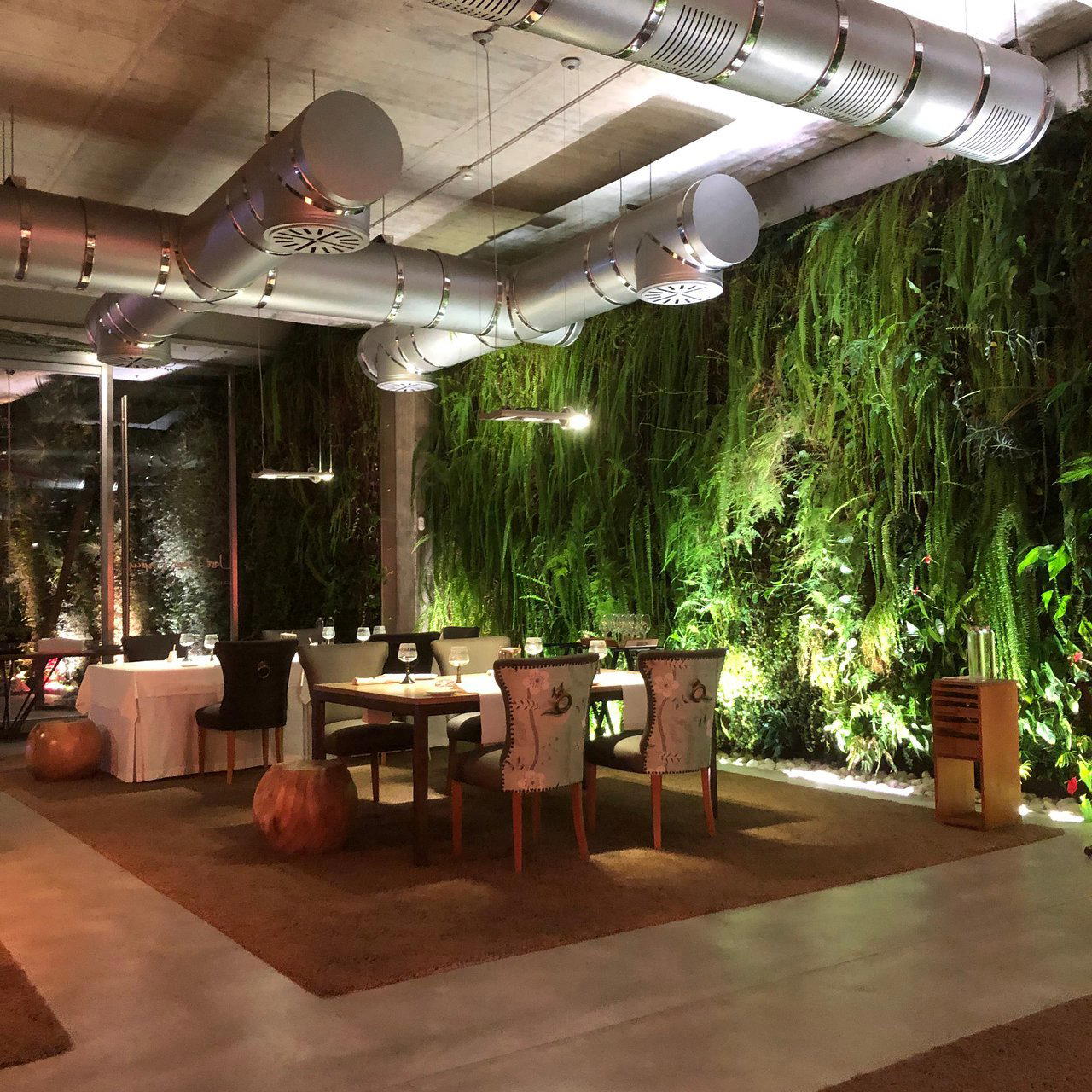
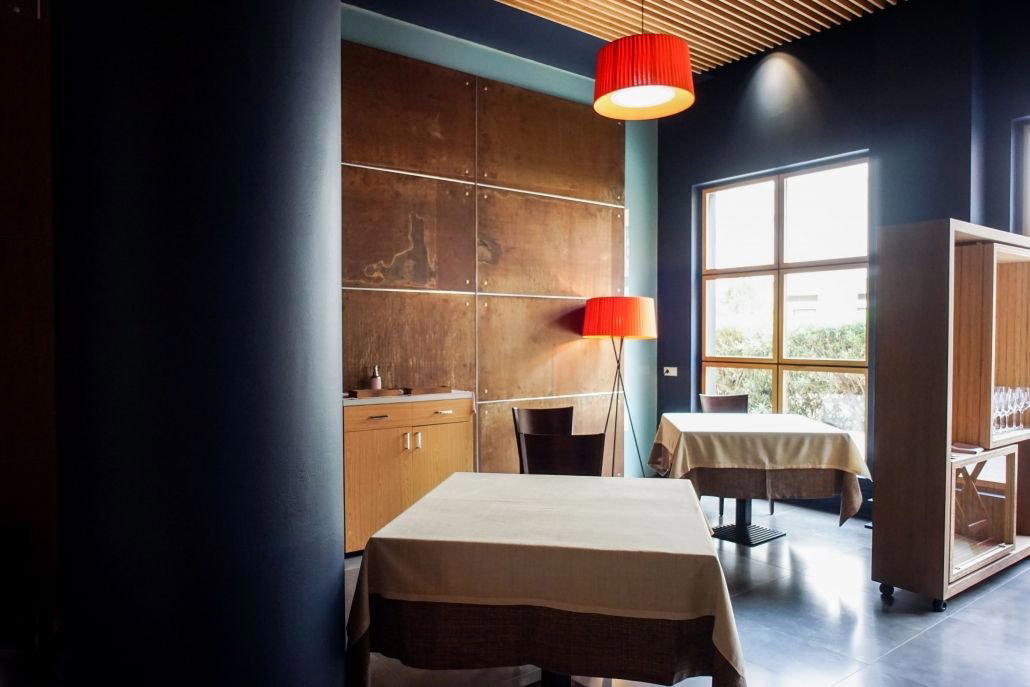
The dining room carries through the land-and-nature framing: the decor has a spare, grounded quality with natural materials and tree-reminiscent elements. It reads as considered rather than themed. If you are coming from Amsterdam or Utrecht, the room itself will feel quieter and less performative than the design-forward spaces you might be used to in those cities, which is either a relief or a miss depending on what you are after.
What to Focus on Across Multiple Visits
Because Lutum runs a rotating surprise menu, the case for returning is built into the format. There is no fixed menu to repeat. But the multi-visit strategy here is less about dish rotation and more about reading the seasons. The kitchen sources directly from local gardens, which means the menu in early spring (when the first greens and shoots arrive in the river delta) will read very differently from what lands on the table in autumn, when root vegetables, game, and fermented preparations tend to dominate. A first visit gives you the kitchen's language. A second visit in a different season gives you the vocabulary.
On a first visit, pay attention to the sauces. Based on published descriptions, the kitchen's technical confidence shows most clearly in its sauce work, a red wine and cardamom preparation paired with venison has drawn specific notice. Sauces are where a kitchen either earns or loses its star at this level, and Lutum appears to take them seriously. On a second visit, push your attention toward the vegetable preparations. The pak choi treatments described in published coverage (leaf coulis, stem slushy, combined with tandoori spice and floral elements) indicate a kitchen that is doing more with supporting ingredients than most restaurants at this price point attempt. That is worth examining in detail when you return.
A third visit, if you get there, is the one to bring someone unfamiliar with the Netherlands' creative dining scene. The combination of a manageable price tier, serious technical execution, and a location that requires a deliberate journey makes Lutum a better introduction to Dutch Michelin cooking than most of the €€€€ restaurants in the major cities, you are getting genuine ambition without the sense that the restaurant is performing for a metropolitan audience.
Booking and Getting There
Booking difficulty is rated hard. Book as early as the reservation window allows. There is no published phone number or booking platform in our current data, so check the restaurant's own channels directly for current availability. Wijk bij Duurstede is not a difficult destination if you have a car or are willing to take a regional train toward Houten and connect from there. If you are planning an overnight stay, see our full Wijk bij Duurstede hotels guide. For other dining in the area, T'Klooster is also worth checking, and our full Wijk bij Duurstede restaurants guide covers the broader scene. You can also explore the town further through our Wijk bij Duurstede bars guide, wineries guide, and experiences guide.
How It Compares
At €€€, Lutum is a price tier below most of its Dutch creative peers. De Nieuwe Winkel in Nijmegen runs a similar nature-driven, plant-forward ethos but sits at €€€€ and carries a higher profile in the national conversation. If you want to compare Lutum's terroir focus against a restaurant with more institutional recognition, that is the most direct comparison. De Librije in Zwolle and 't Nonnetje in Harderwijk are both €€€€ and represent the heavier end of the Dutch fine dining spectrum, more classical ambition, higher spend, and destinations that require similar journey planning. For the city-based diner deciding between a day trip to Lutum versus staying in Amsterdam, Ciel Bleu in Amsterdam and Aan de Poel in Amstelveen are the logical comparisons, both are strong, but neither delivers the specific combination of local terroir focus and a room that feels genuinely removed from urban performance. Lutum's case is simpler: you get Michelin-level cooking, a grounded and considered dining room, and a price that does not require the same financial commitment as the €€€€ tier. For the diner who has already done the big-city starred restaurants and wants to see what is happening further afield in the Netherlands, Lutum is a clear choice. For someone making their first foray into Dutch creative dining, it is also a more approachable entry point than most of the alternatives. Other strong creative options across the Netherlands worth considering if you are building a longer itinerary include De Bokkedoorns in Overveen, Brut172 in Reijmerstok, De Groene Lantaarn in Staphorst, and at a similar price tier, 't Amsterdammertje in Loenen aan de Vecht and Codium in Goes.
Planning details
- Hours
- Location
- Location
- Markt 15, 3961 BC Wijk bij Duurstede, Netherlands
- Reservations
- Book on the venue's website
- Website
- restaurantlutum.nl
- Phone
- +31 343 593 366
The take
The Take
The Vibe
Lutum presents a quiet, almost meditative version of fine dining rooted in its landscape. The room is described as Zen-inflected, with décor that evokes bark, branch and the clay-rich soil that gives the restaurant its name. That material honesty — combined with the sense of being in a provincial market square rather than a bustling city — produces an understated, rustic serenity. The kitchen’s Michelin-starred creative cooking sits comfortably within this restrained setting, so the overall impression is of refined, place-driven cuisine delivered in a calm, thoughtful environment.
Best For
This is a dinner destination for milestones and intimate celebrations. Lutum’s Michelin recognition and ingredient-led, creative cooking make it well suited to date nights, special-occasion meals and small celebrations where the quality and provenance of the food matter. The restaurant’s focus on local gardens and food forests gives the tasting experience a seasonal, terroir-driven logic, so diners who enjoy courses built around hyper-local produce and careful culinary technique will find it especially rewarding.
Ordering Tips
Expect to be guided by the kitchen: the description emphasizes a surprise-menu format shaped by what is harvested nearby. Because produce comes directly from local gardens and food forests, the menu is driven by seasonality and short supply chains rather than à la carte predictability. Embrace the tasting approach and the element of surprise—dishes will change with what’s available—and be prepared for a sequence of courses that foregrounds fresh, locally sourced ingredients and the restaurant’s creative interpretation of them.
Venue details
Ambiance
Natural zen-vibe with tree-inspired decor, relaxed and unpretentious atmosphere, quiet and atmospheric setting praised for its cozy and comfortable feel.
Tags
Vibe
Best For
Experience
Sourcing
At the Table
- Dress Code
- Smart Casual
- Noise Level
- Quiet
- Service Style
- Formal
- Meal Pacing
- Leisurely
- Capacity
- Intimate
- Kitchen
- Seasonal
- Menu Format
- Tasting menu
- Wine Program
- Curated
- Dietary
- Vegetarian friendly
- Outdoor Seating
- Yes
Know before you go
Know Before You Go
- Getting there
- Markt 15, 3961 BC Wijk bij Duurstede, Netherlands
Planning details
Hours
Location
Location
Markt 15, 3961 BC Wijk bij Duurstede, Netherlands · Directions
Recognition and awards

Also consider
Also Consider
- De Librije, €€€€ · Modern Cuisine, €€€€
- 't Nonnetje, €€€€ · Creative, €€€€
- De Lindehof, Contemporary Dutch, Creative, €€€€
- De Nieuwe Winkel, €€€€ · Organic, €€€€
- Fred, €€€€ · Creative French, €€€€
Restaurant context
Lutum's clearest structural advantage over its Dutch peers is price. At €€€, it sits a full tier below De Librije, 't Nonnetje, De Lindehof, De Nieuwe Winkel, and Fred, all of which operate at €€€€. If you are deciding between Lutum and any of those restaurants on value grounds alone, Lutum wins. The question is whether the experience matches up technically, and the Michelin star plus the consistently high review volume suggest it does.
For nature-driven, produce-first cooking, De Nieuwe Winkel in Nijmegen is the most direct philosophical peer, it runs a similarly ambitious vegetable-forward ethos and draws considerable national attention. But it costs more and requires a longer journey from most of the Netherlands. If your priority is that specific creative direction and price matters, Lutum is the stronger booking. De Librije and 't Nonnetje carry more institutional weight and represent the upper tier of Dutch creative dining, but they ask considerably more from your wallet and require separate destination planning. They are the right choice if you want maximum technical ambition and are prepared to pay for it.
For the diner who has already visited one or two of the €€€€ options and wants to understand the broader Dutch creative scene, Lutum fills a gap that none of the comparison restaurants cover: Michelin-level cooking at a more accessible price point, in a room that feels grounded rather than metropolitan. It is the most practical starting point in this comparison set for a first foray into Dutch destination dining, and a logical addition to any multi-restaurant itinerary across the Netherlands.
Explore Wijk bij Duurstede
Around this place
Discover more on Pearl
Unlock the full Lutum guide in Pearl, including awards, comparisons, FAQs, planning details, and nearby places.
Compare Lutum
| Venue | Price | Booking Difficulty | Awards |
|---|---|---|---|
| Lutum | €€€ | Hard | Star Wine Lists 2026We're Smart World Top Restaurants 20252025 Michelin 1 Star2024 Michelin 1 Star |
| De Librije | €€€€ | Unknown | Star Wine Lists 2026 · #12026 OAD Top Restaurants in Europe Ranked · #162026 La Liste Top Restaurants2026 Les Grandes Tables du Monde Members2026 Falstaff Restaurant Guide2025 OAD Top Restaurants in Europe Ranked · #202025 Michelin 3 StarsWe're Smart World Top Restaurants 2025We're Smart World Top 100 2025 |
| 't Nonnetje | €€€€ | Unknown | Star Wine Lists 20262026 La Liste Top Restaurants2026 Falstaff Restaurant Guide2025 OAD Classical in Europe Ranked · #294We're Smart World Top Restaurants 20252025 Michelin 2 Stars2025 La Liste Top Restaurants2024 OAD Classical in Europe Ranked · #3412024 Michelin 2 Stars |
| De Lindehof | €€€€ | Unknown | 2025 OAD Classical in Europe Ranked · #3392025 La Liste Top Restaurants2024 OAD Classical in Europe Ranked · #3312024 Michelin 2 Stars2023 OAD Classical in Europe Recommended |
| De Nieuwe Winkel | €€€€ | Unknown | Star Wine Lists 2026 · #12026 OAD Top Restaurants in Europe Recommended2026 La Liste Top Restaurants2026 Falstaff Restaurant Guide2025 OAD Top Restaurants in Europe Ranked · #426We're Smart World Top Restaurants 20252025 La Liste Top Restaurants2025 The Best Chef One Knife2025 Michelin 2 Stars |
| Fred | €€€€ | Unknown | 2026 Les Grandes Tables du Monde Members2026 La Liste Top Restaurants2026 Falstaff Restaurant Guide2025 La Liste Top Restaurants2025 Michelin 2 Stars2024 OAD Classical in Europe Ranked · #2632024 Michelin 2 Stars2023 OAD Classical in Europe Recommended |







Key differences to consider before you reserve.
FAQ
Frequently Asked Questions
Can Lutum accommodate groups?
Group bookings at a one-Michelin-star restaurant with a fixed surprise menu format are typically constrained by seat count — starred restaurants in small towns rarely run large dining rooms. Contact Lutum directly via the address at Markt 15 to confirm availability. For parties of six or more, book well in advance given the restaurant's hard booking difficulty rating. Flexibility on dates significantly improves your chances.
What are alternatives to Lutum in Wijk bij Duurstede?
There are no comparable Michelin-starred alternatives within Wijk bij Duurstede itself — the town has around 25,000 residents and Lutum is the standout at this level. For a similar nature-driven, creative format in the broader region, De Nieuwe Winkel in Nijmegen runs a plant-forward tasting menu at a higher price point. If you want to stay within the €€€ tier, Lutum is the strongest case in the area.
Is Lutum worth the price?
At €€€, Lutum sits a price tier below most Dutch creative fine-dining peers, which makes the Michelin star feel like genuine value. The surprise menu format, terroir-led sourcing, and a White Star recognition from Star Wine List (July 2025) support the spend. If you are weighing it against a €€€€ destination restaurant in Amsterdam or Utrecht, Lutum delivers comparable ambition at lower cost — and with easier seats.
What should I wear to Lutum?
Lutum's decor is described as natural and Zen in feel, which signals a relaxed rather than formal atmosphere. The venue data does not specify a dress code. A considered but unfussy approach — think neat, not black-tie — fits the ethos of a terroir-focused restaurant in a small Dutch market town. Overdressing is unlikely to be necessary here.
Does Lutum handle dietary restrictions?
The surprise menu format is specifically designed to minimise waste and rotate with seasonal produce, which typically means the kitchen has strong control over composition. That said, a fixed surprise menu can be harder to adapt than an à la carte offering. Flag dietary restrictions clearly when booking — the address to contact is Markt 15, Wijk bij Duurstede — and confirm in advance rather than on arrival.