
Flavours
Modern Cuisine · Weert center, Weert
Restaurant in Weert, Netherlands
 Book with Pearl
The Read
Limburg Precision Cooking
Dress
Smart Casual
Why go
This listing is retired after a June 2026 status audit.
About Flavours
Weert's fine-dining moment, and where Flavours fits into it
The Netherlands' Michelin map has long been weighted toward Amsterdam, the coast, and a cluster of Randstad satellites. What's shifted in recent years is the recognition of provincial kitchens operating at the same technical level, restaurants in smaller Dutch cities that draw from regional producers, run tight tasting formats, and earn stars without the infrastructure of a major urban restaurant scene behind them. Weert, a mid-sized Limburg town near the Belgian border, is a credible example of this pattern, and Flavours, which received its first Michelin star in 2024, is the clearest current evidence of it. It is a one-star restaurant serving modern French fine dining at the €€€ price tier, with a typical spend of about $110 per person.
Sitting on Hoogstraat 28, the main pedestrian artery of Weert's compact centre, Flavours occupies a position that's typical for this kind of provincial fine-dining operation: visible but not theatrical, embedded in the town's everyday fabric rather than isolated in a converted estate or destination-resort context. That placement matters. The restaurants earning stars in smaller Dutch cities tend to work within their communities rather than against them, which shapes the sourcing logic, the price point, and the tone of service in ways that distinguish them from their urban counterparts.
What the Michelin recognition signals about the kitchen
A first star awarded in 2024 positions Flavours within the current cohort of rising Dutch kitchens, the tier below two-star operations like De Lindehof in Nuenen or the three-star level of De Librije in Zwolle, but operating with a similar commitment to modern cuisine's core principles: seasonal precision, sourcing discipline, and technical restraint in the cooking. The comparison is useful not to diminish Flavours, but to locate it accurately. One-star kitchens at this level in the Netherlands are doing genuinely careful work; the recognition reflects a sustained standard rather than a headline moment.
The modern cuisine classification is broad by design, but in a Limburg context it tends to mean kitchens that draw from both Dutch and Belgian culinary traditions, a geographic logic given Weert's proximity to the Belgian border. That cross-border influence shows up in sourcing patterns across the region: Belgian-style charcuterie traditions, French-inflected sauce technique, and a stronger engagement with game and offal than you find in coastal Dutch cooking. Whether Flavours leans into that regional specificity or runs a more internationally oriented modern menu is not something the available data confirms, but the category and the geography suggest those are the relevant poles.
Ingredient sourcing and the Limburg supply question
Modern cuisine in the Netherlands' southern provinces often turns on how closely a kitchen works with the landscape immediately around it versus wider fine-dining signals from elsewhere. The strongest provincial kitchens, including operations like Brut172 in Reijmerstok and De Groene Lantaarn in Staphorst, have built identities around hyper-local sourcing that gives their cooking a legibility specific to their regions. Limburg has the raw material for this approach: the province produces vegetables, dairy, and fruit at scale, and its game season is among the most active in the Netherlands.
A Michelin-starred kitchen at the €€€ price tier, rather than the €€€€ ceiling where Dutch fine dining tends to operate, also implies a sourcing strategy that balances quality with accessibility. Higher-cost, allocation-driven ingredients (the kind that dominate tasting menus at two- and three-star level) are less likely to anchor the menu when the pricing sits one tier below. What tends to fill that gap in provincial Dutch kitchens is direct producer relationships and seasonal foraging inputs that give the menu texture without requiring the input costs of premium imported product. That model, where the sourcing story is local and the cooking is technically serious, describes a meaningful share of the one-star field in the Netherlands' smaller cities.
Positioning within Weert's dining circuit
Weert supports a small but coherent fine-dining tier. Marrees and OH30 operate in the same €€€ modern cuisine bracket, giving the town an unusually focused upper end for its size. This concentration is partly a function of Limburg's food culture, which has historically supported restaurants more seriously than comparably sized towns in other Dutch provinces, and partly a reflection of the cross-border draw: diners from Eindhoven, Roermond, and the Belgian cities of Hasselt and Genk are within plausible reach, expanding the effective catchment area for any kitchen operating at this level.
By the standards of the Dutch Michelin one-star cohort, which includes kitchens as technically demanding as Aan de Poel in Amstelveen and as scenically embedded as De Lindenhof in Giethoorn, Flavours occupies a middle register: a town-centre address, a mid-tier price point, and a category designation that leaves room for both formal tasting menu formats and more accessible à la carte or seasonal set-menu structures. The suggests a consistent guest experience rather than polarising reactions, which often indicates a kitchen and service team operating without significant gaps between ambition and execution.
How Flavours compares to the Dutch fine-dining tier above
The gap between one-star and two-star operations in the Netherlands is pronounced. Two-star kitchens like 't Nonnetje in Harderwijk operate at price points and format complexity that position them as full destination restaurants, often requiring multi-month advance booking and a deliberate travel commitment from guests. At the three-star level, De Librije and the handful of peers in that bracket are running programmes closer in ambition to Ciel Bleu in Amsterdam or internationally recognised operations like Frantzén in Stockholm and FZN by Björn Frantzén in Dubai, high-ceremony, allocation-driven, with international critical attention as part of the context.
Flavours sits several steps below that ceiling, which is not a limitation so much as a calibration. The one-star Weert kitchen serves a different function in the dining ecosystem: it's the address where regional guests return regularly, where the tasting menu is serious but not exhausting, and where the sourcing story connects to the province rather than to a global ingredient network. That position, in the Dutch fine-dining structure as it currently exists, describes some of the most consistently satisfying restaurants in the country. The absence of spectacle often lets the cooking take the focus.
Planning a visit
Flavours is located at Hoogstraat 28 in central Weert, easily reachable on foot from Weert railway station, which sits on the Eindhoven-Roermond line. The €€€ price tier places it below the full four-symbol ceiling of the Netherlands' most formal fine-dining rooms, making it a practical choice for guests who want Michelin-level cooking without committing to the full ceremony and cost of a two- or three-star evening. Reservations are essential. For a broader picture of what the city offers across categories, our full Weert restaurants guide covers the field, alongside hotels, bars, wineries, and experiences in the area.
Planning details
- Location
- Hoogstraat 28, 6001 EV Weert, Netherlands
- Website
- restaurantflavours.nl
- Phone
- +31 495 451 022
Venue details
Ambiance
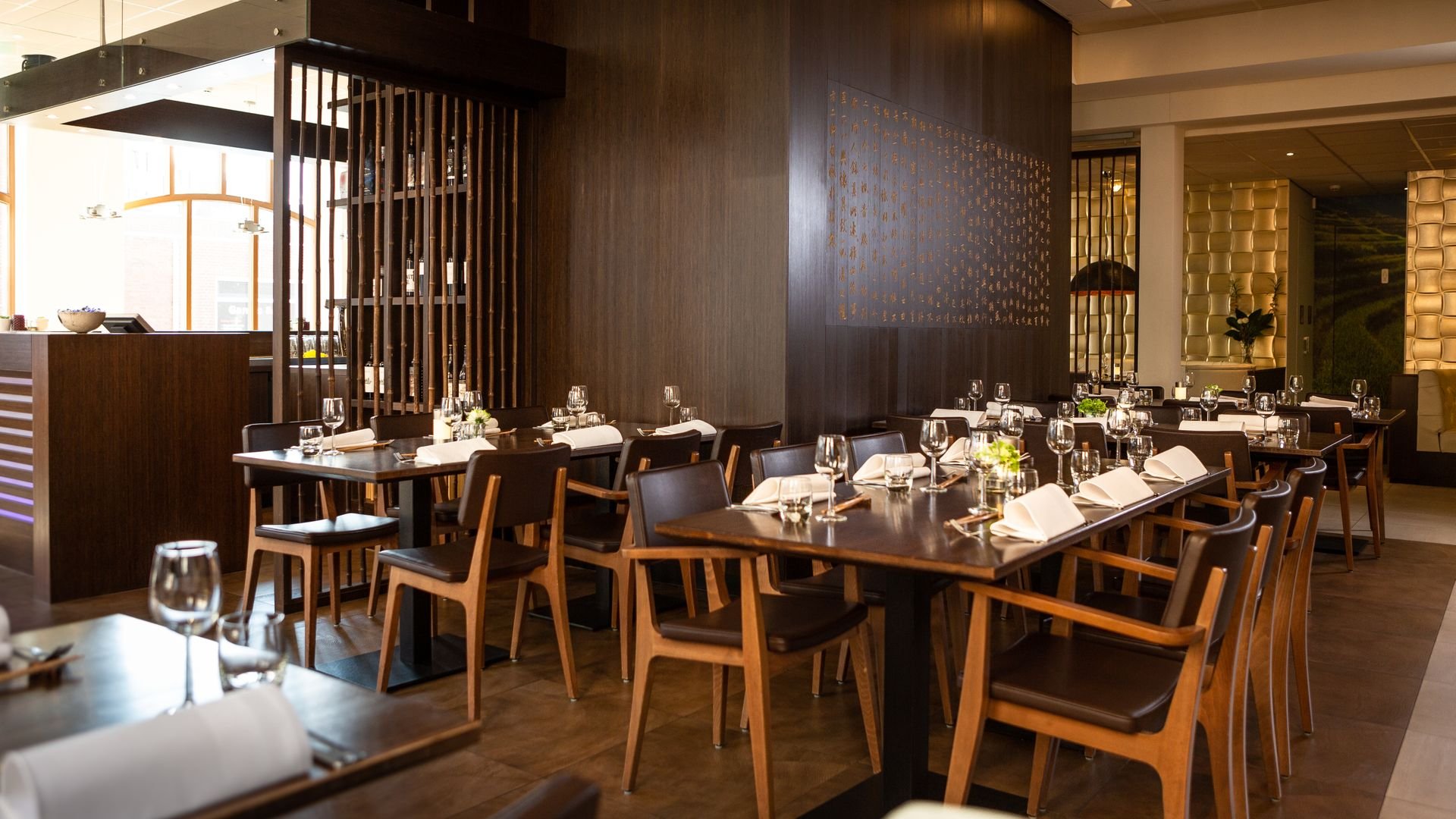
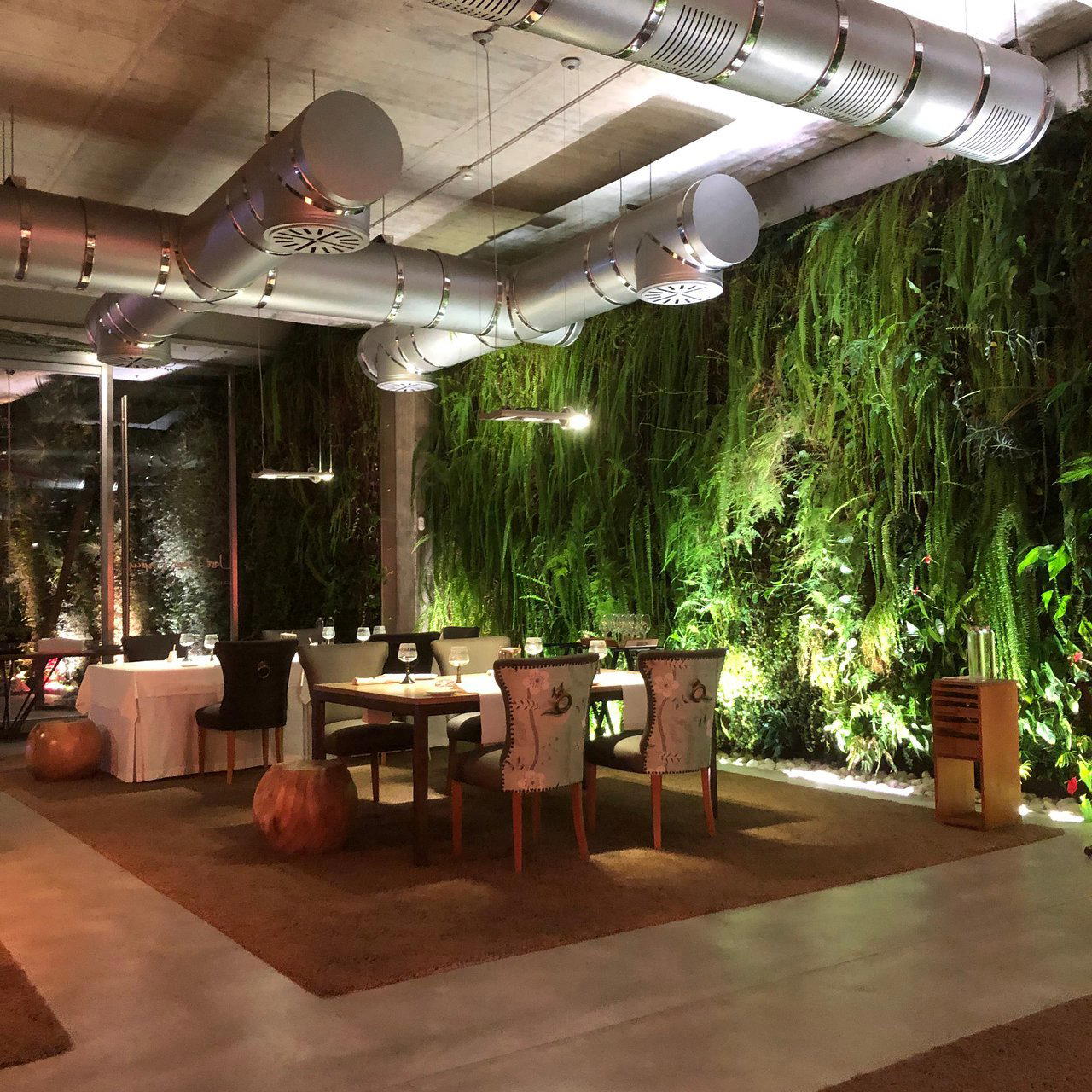
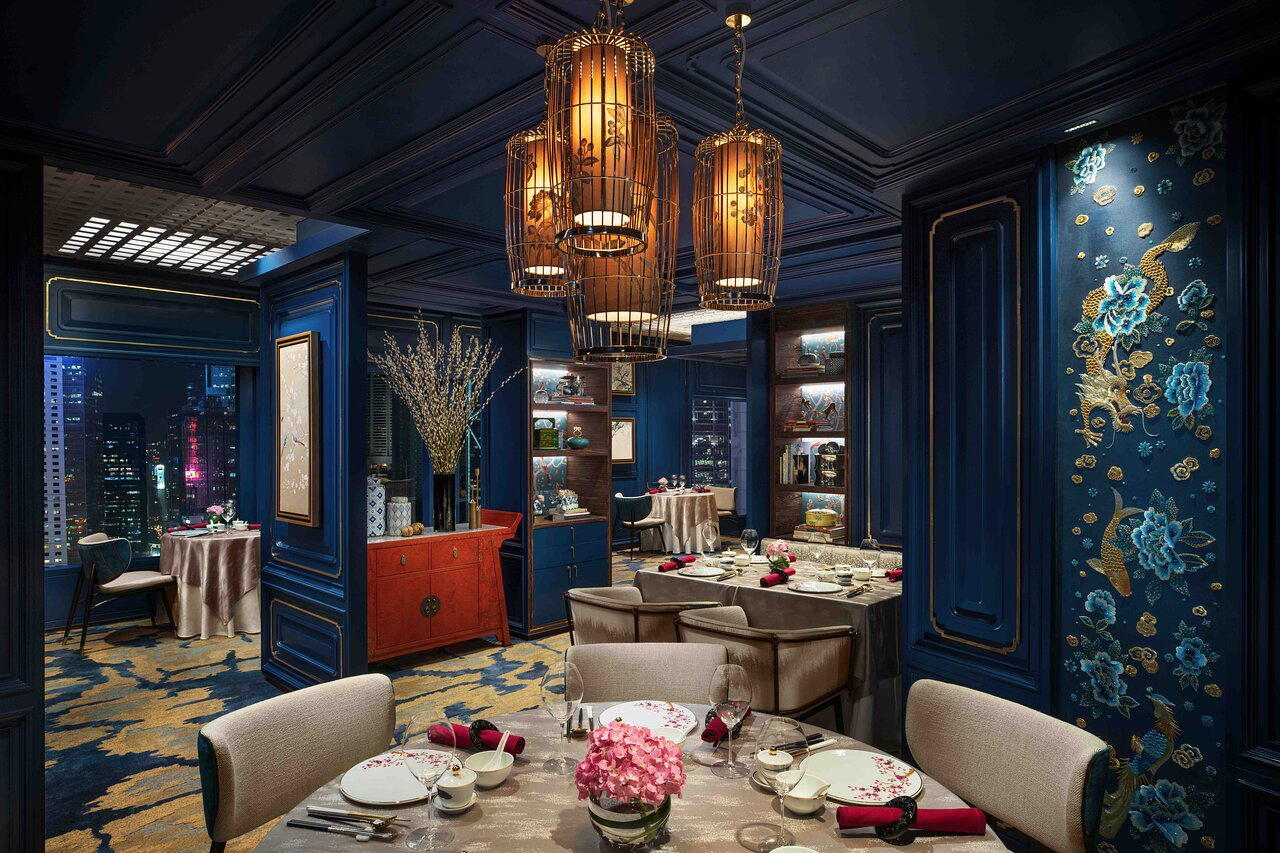
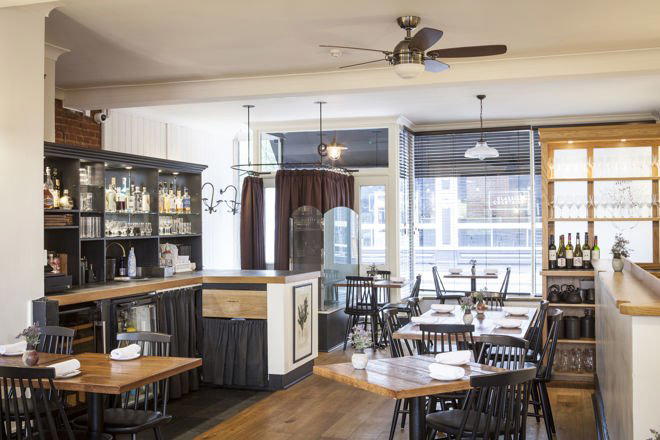
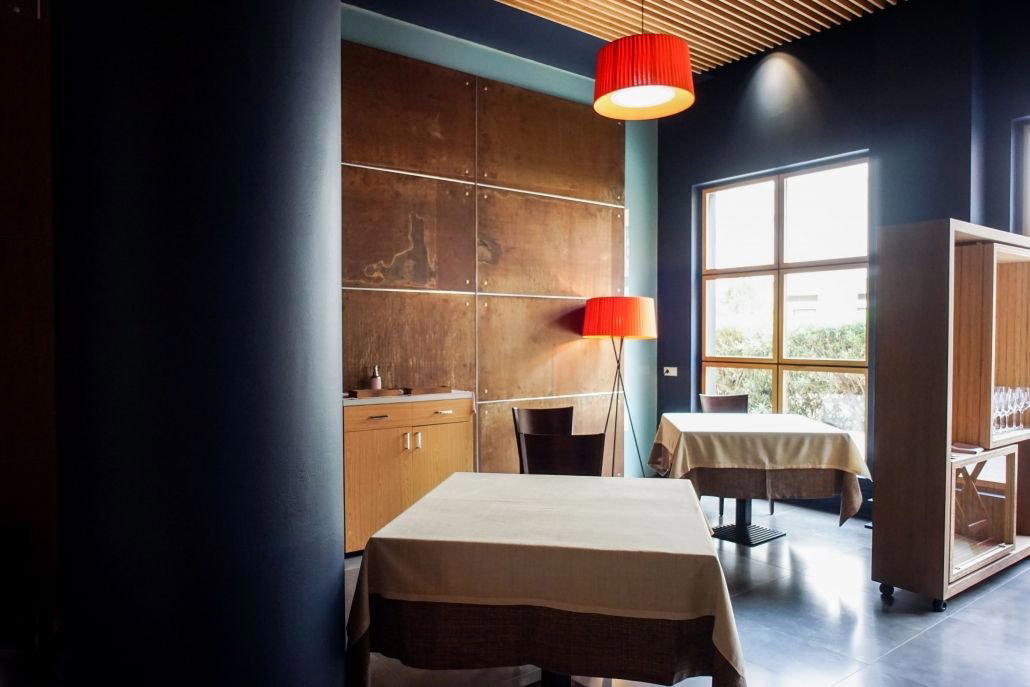
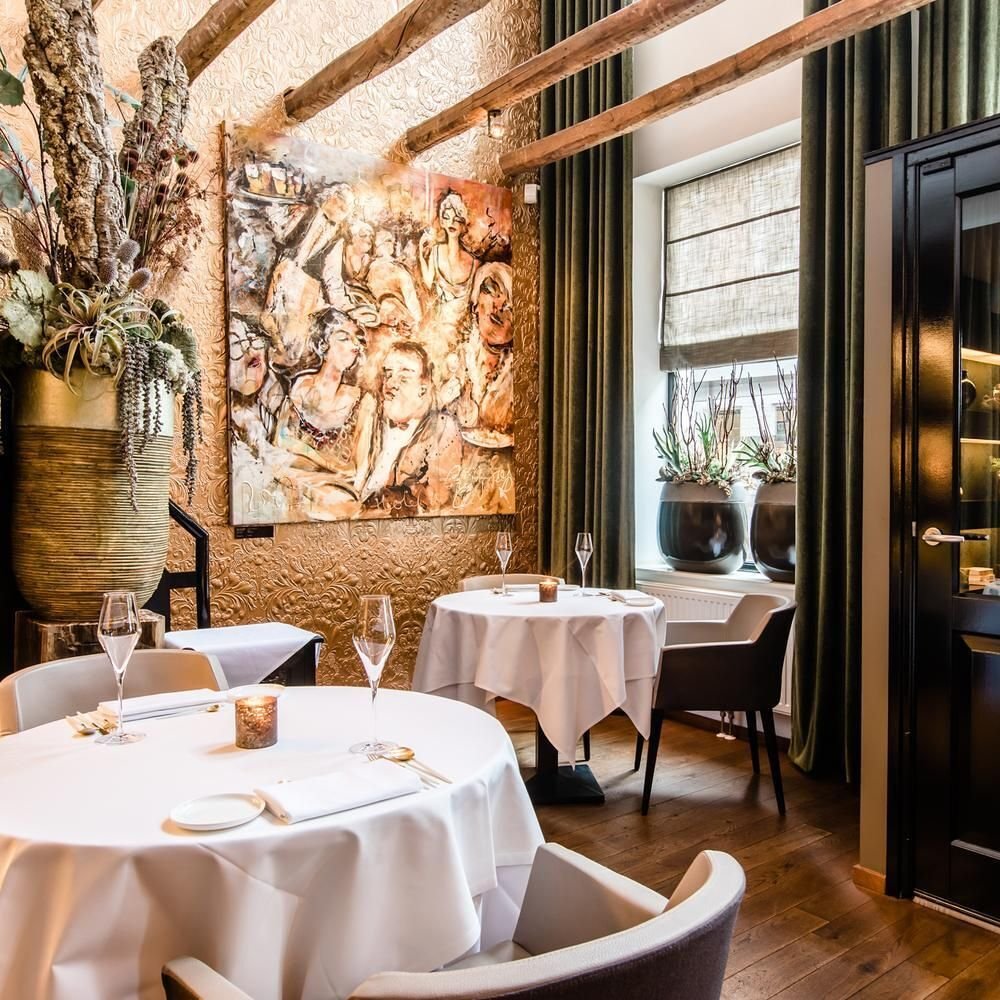
Elegant and stylish interior with refined dark tones or golden hues, creating a sophisticated yet welcoming atmosphere.
Tags
Vibe
Best For
Experience
Accessibility
At the Table
- Dress Code
- Smart Casual
- Noise Level
- Quiet
- Capacity
- Intimate
- Menu Format
- Tasting menu
- Dietary
- Vegetarian friendly, Gluten-free options, Vegan options
Know before you go
Know Before You Go
- Getting there
- Hoogstraat 28, 6001 EV Weert, Netherlands
Planning details
Location
Explore Weert
Around this place
Discover more on Pearl
Unlock the full Flavours guide in Pearl, including awards, comparisons, FAQs, planning details, and nearby places.