.png?width=1200&quality=80)

Mandu
Korean · Mount Vernon Triangle, Washington DC
Restaurant in Washington DC, United States
 Book with Pearl
The Read
Hearth-Rooted Korean Cooking
Price
$30–50per person
Chef
Yesoon Lee, Danny Lee
Dress
Smart Casual
Why go
Mandu is Pearl's recommended pick for Korean cooking in Washington, D.C. honest, flavor-forward, and priced at $$ in a room that works for solo diners and groups alike. The gamjatang is a must in colder months, and the steamed dumplings and banchan hold up year-round. Easy to book with a few days' notice, which makes it one of the most accessible high-quality Korean options in the city.
About Mandu
Is Mandu in Washington, D.C. worth booking?
Yes — and if you want approachable, deeply flavored Korean cooking at a price point that leaves room for a second round of drinks, Mandu is one of the clearest answers in the city. At a $$ price range, this Mount Vernon Triangle spot delivers honest, homey cooking that outperforms its price tier without pretending to be a fine-dining destination.
What makes Mandu worth your time
is more than bibimbap and tabletop barbecue. The original Mandu opened in Dupont Circle that year, building a loyal following before a fire in 2017 ended that chapter. The Dupont location has since been reborn as Anju, a more contemporary Korean-American project. The Mount Vernon location carries the original Mandu spirit forward: fiery broths, steamed dumplings, and the kind of banchan spread that signals a kitchen that takes the whole meal seriously.
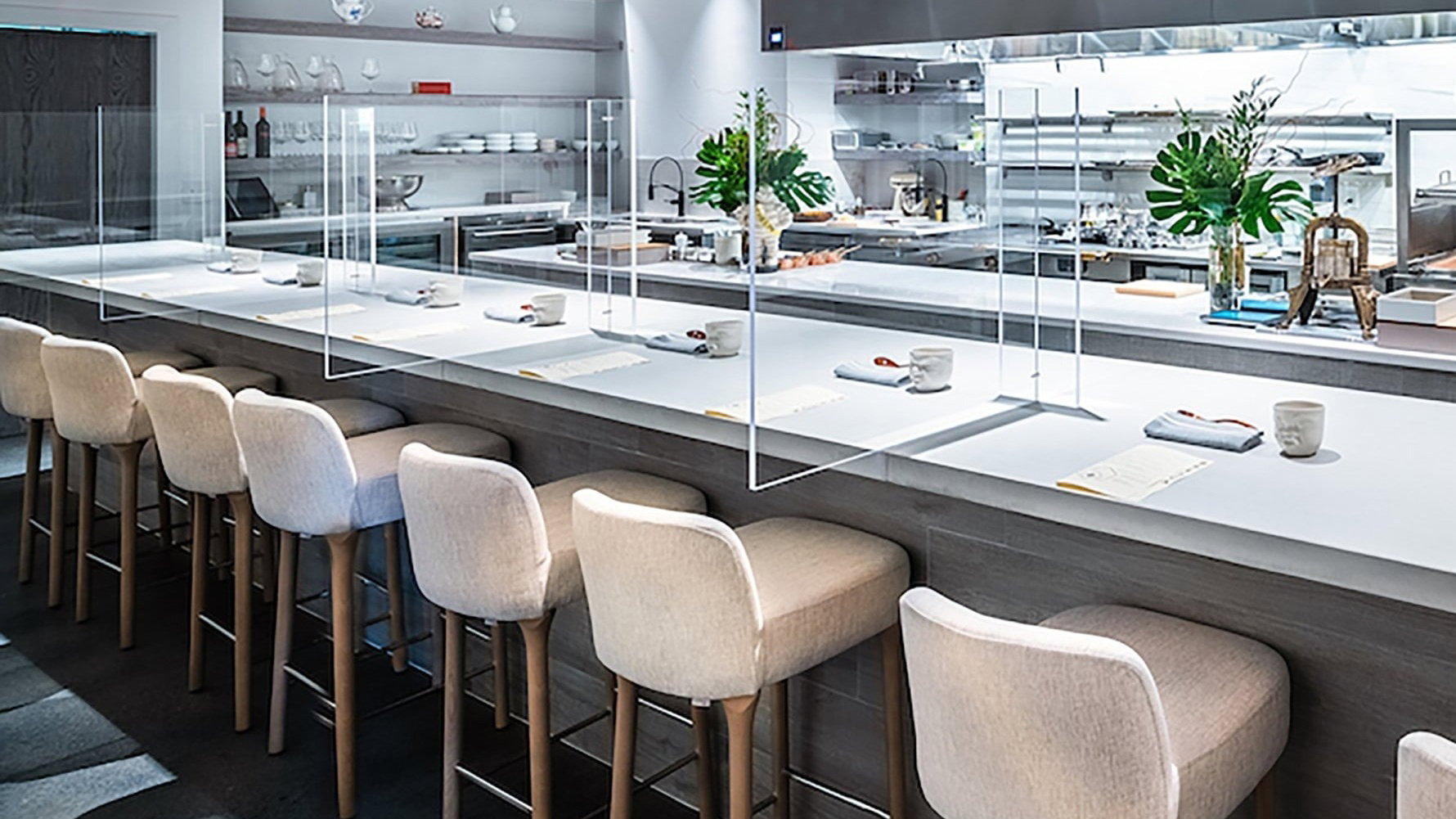
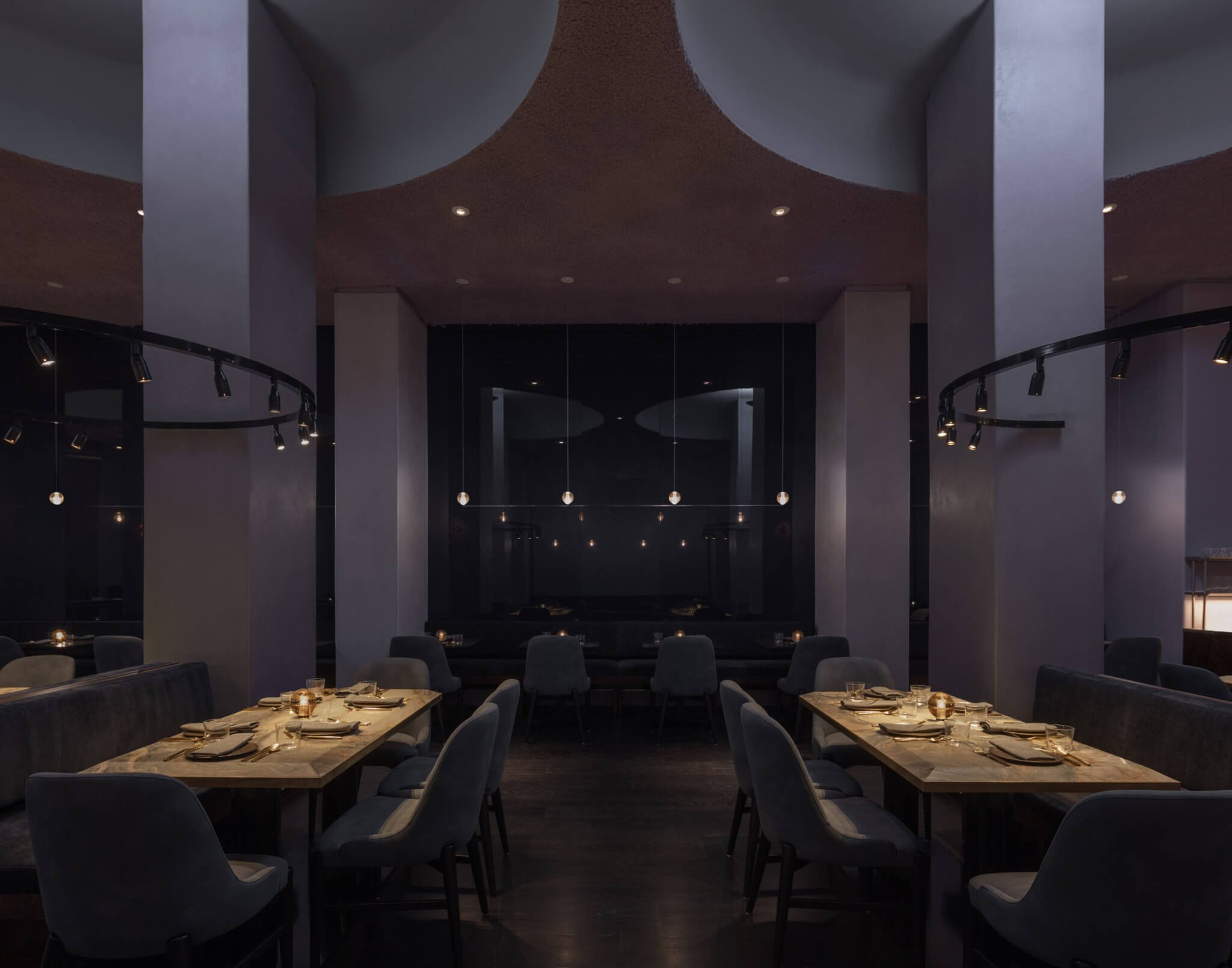
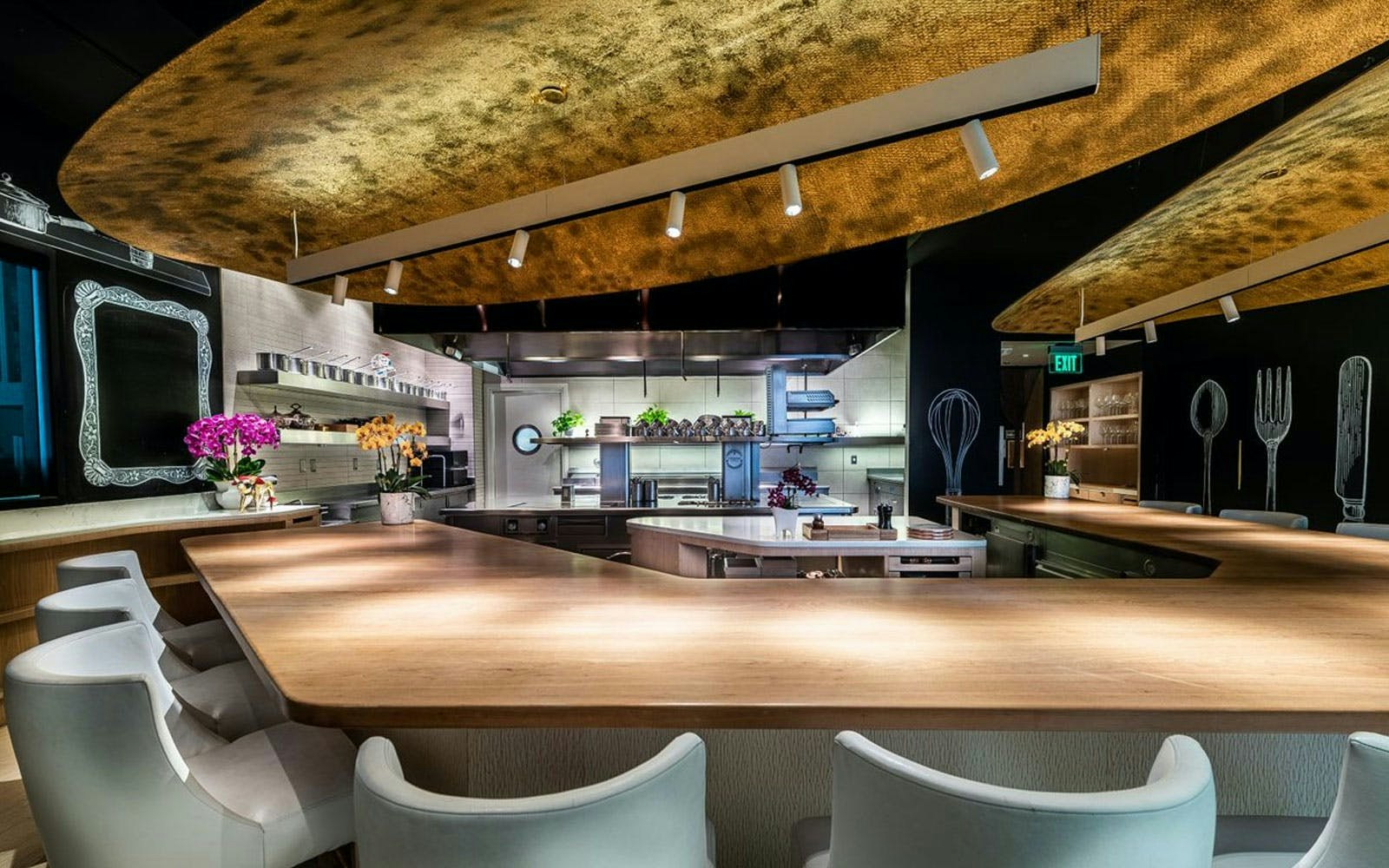
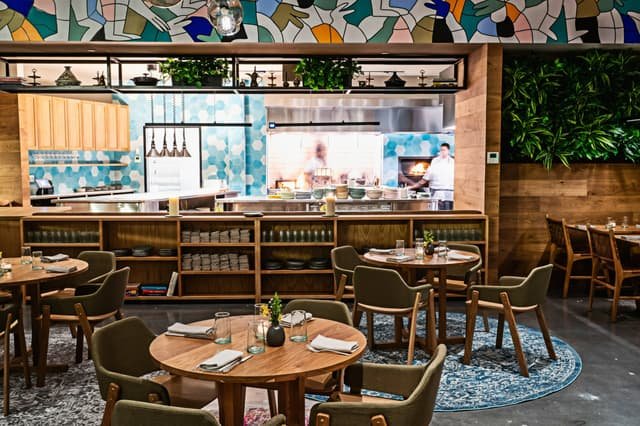
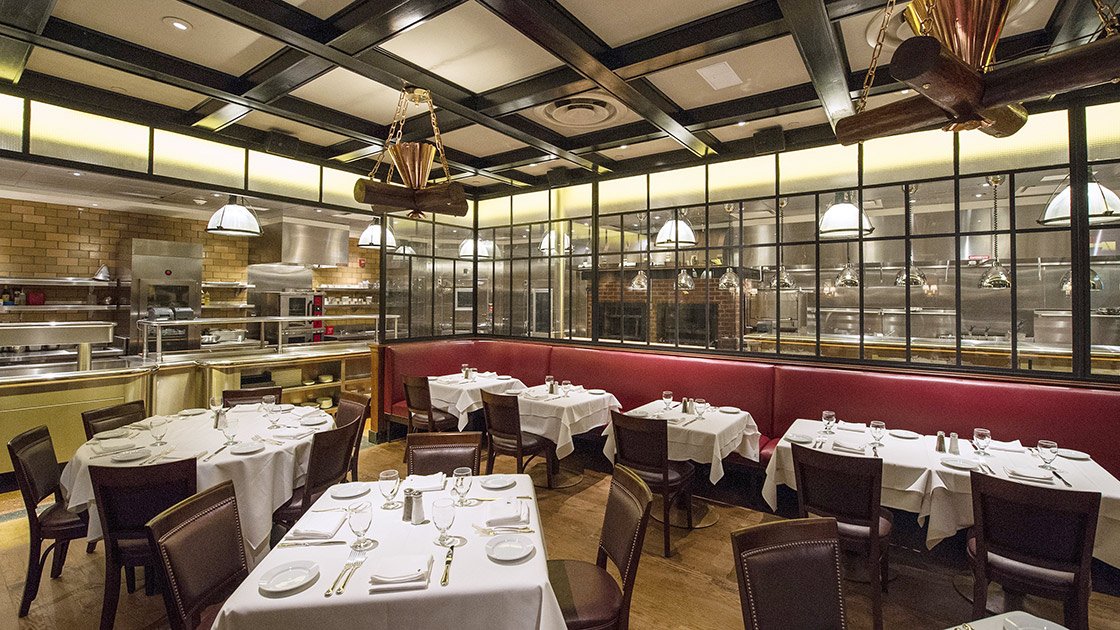
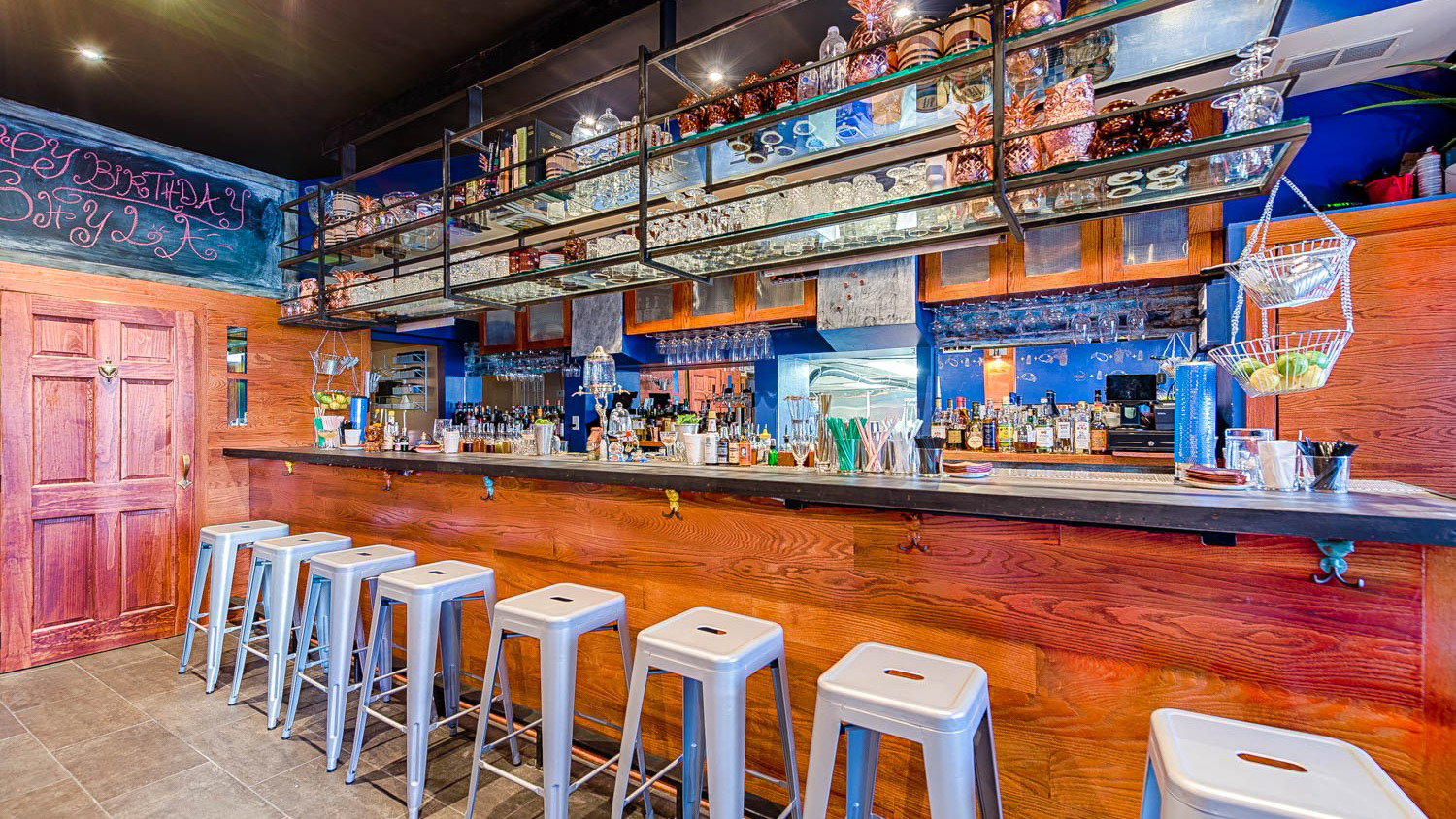
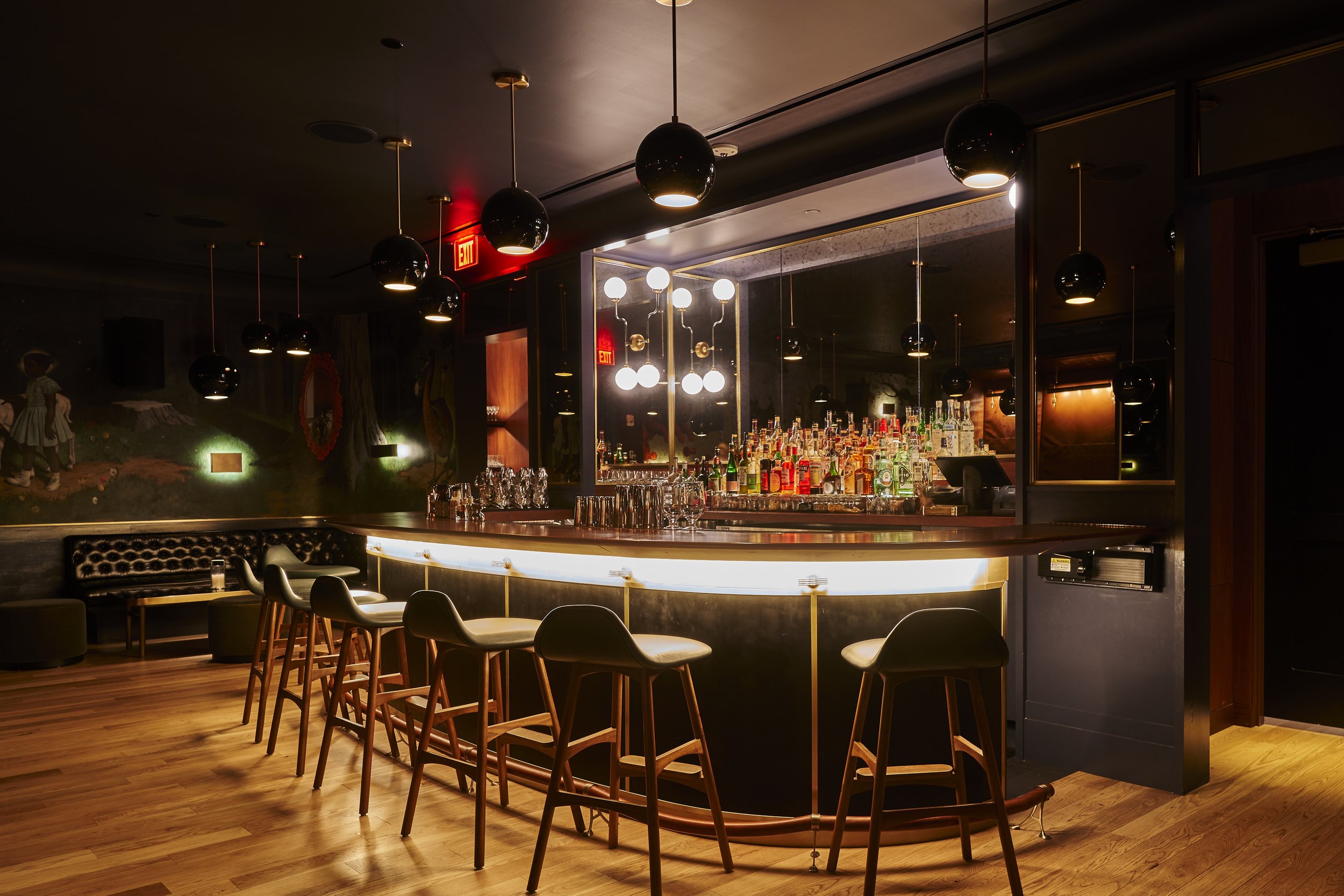
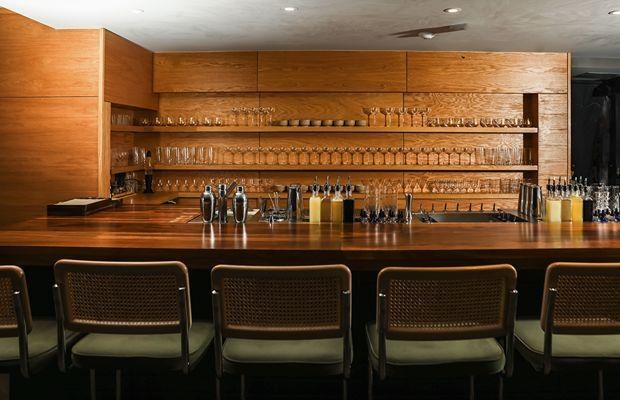
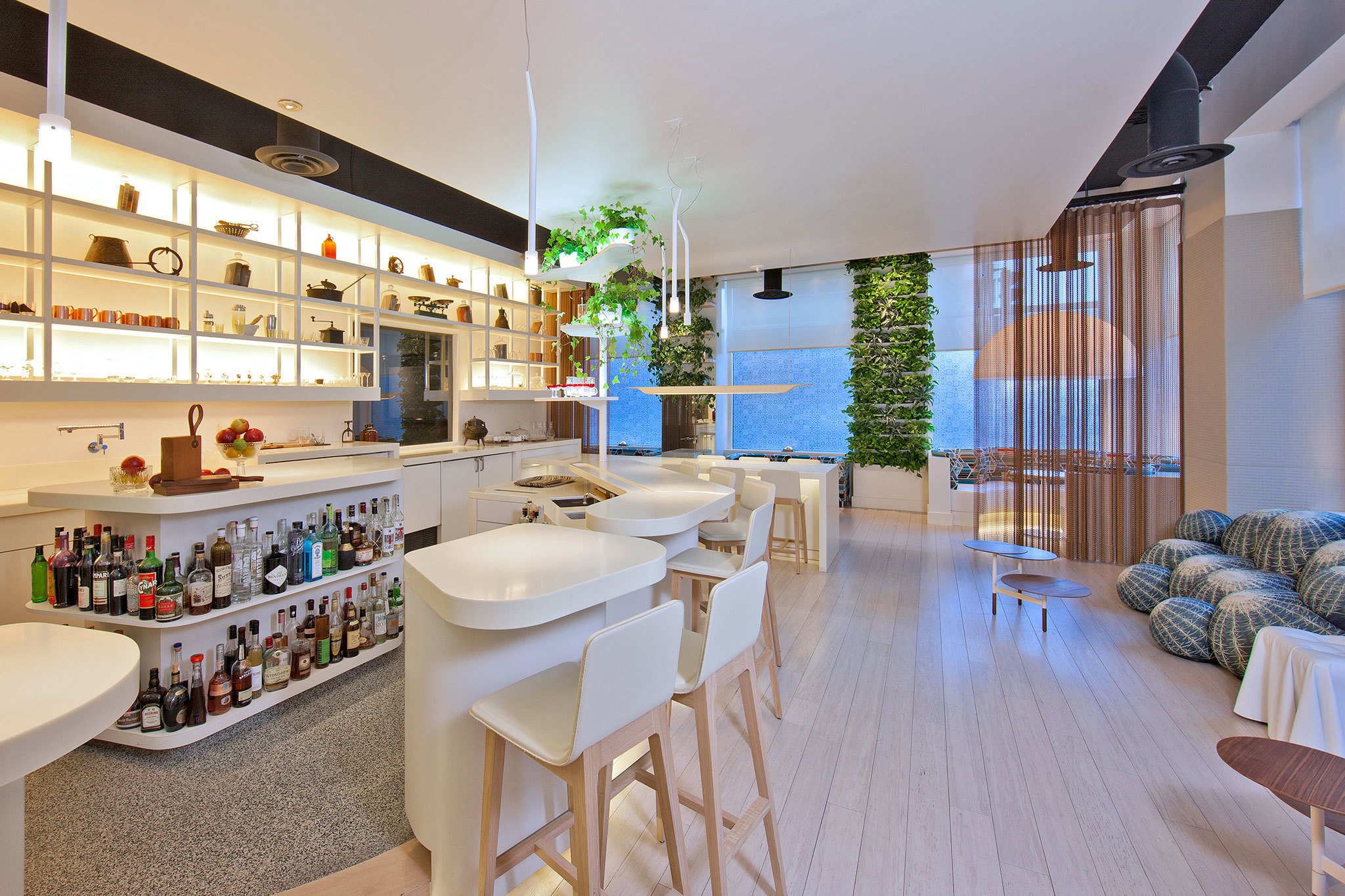
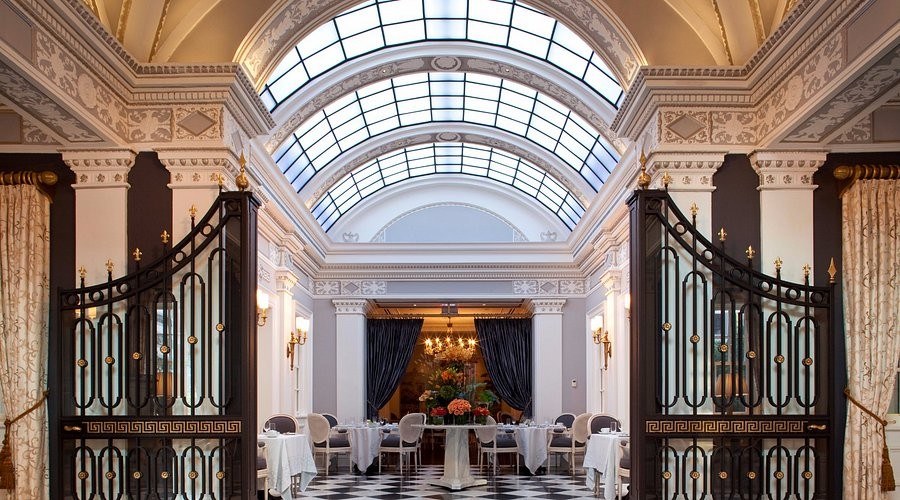
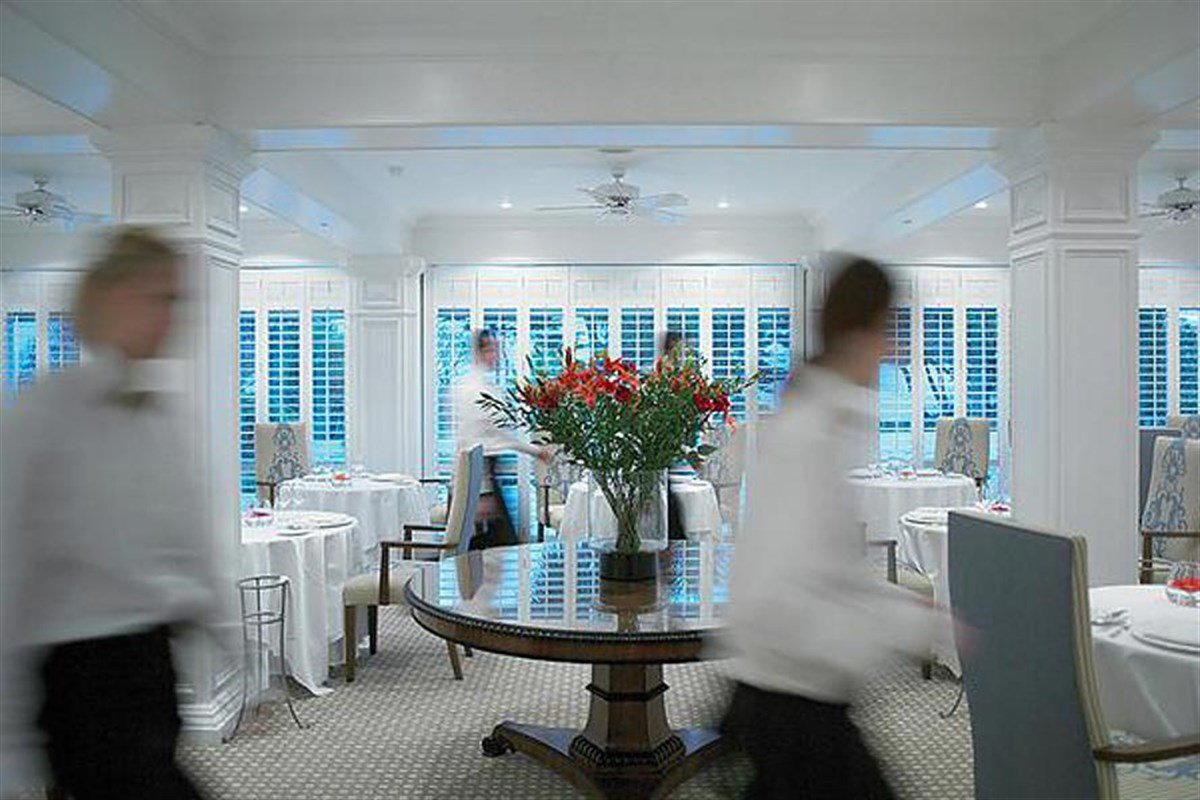
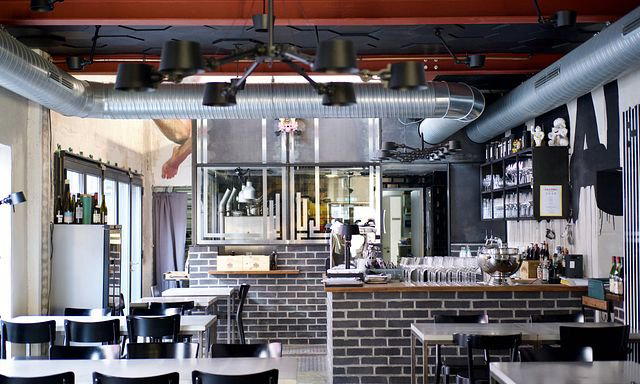
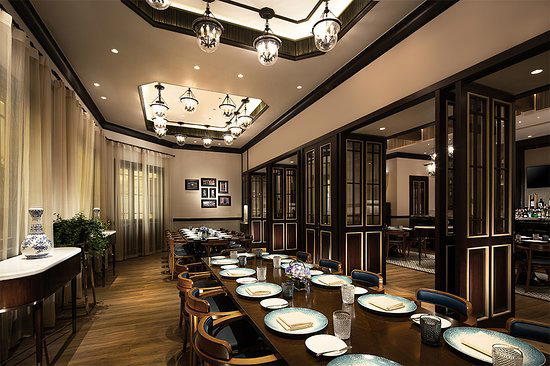
The room itself sets reasonable expectations. Soaring ceilings and a long bar give it more breathing room than the cramped counter setups common in budget Korean spots, and it handles solo diners, pairs, and small groups with equal ease. This is not a place where you need to engineer your visit around a specific table configuration.
What to order — and how the menu rewards repeat visits
Gamjatang is the dish that earns the most consistent mentions in data: a bubbling-hot pork rib soup built around bone-in meat and potatoes in a deep-red broth fired up with gochugaru and perilla seeds. It is a cold-weather dish by instinct, the kind of thing that makes the most sense on a gray D.C. February afternoon, but the kitchen keeps it on offer regardless of season, which is worth knowing. If you visit in warmer months and the broth-forward dishes feel heavy, the steamed beef and pork mandu (the dumplings the restaurant is named for) are a lighter entry point with enough structural precision to justify the name on the door.
Banchan rounds out the picture. The small side dishes that arrive before or alongside the main event are a reliable indicator of a Korean kitchen's overall care, and Mandu's are consistently described as vibrant and well-executed in source data. This is homey cooking, not a chef's tasting menu, not a Korean-fusion exercise, and it is leading approached as such. Order broadly, share if you can, and let the broth dishes anchor the table.
From a seasonal standpoint, Mandu's menu is built for year-round relevance, but the stew-heavy dishes hit differently in autumn and winter. If you are planning a visit between November and March, lean into the gamjatang and the heavier broth preparations. Spring and summer visits are still worth making, the dumplings and banchan don't lose anything in warm weather, but you may find yourself gravitating toward lighter options on the menu rather than the more aggressive heat of the pork soups.
How It Compares
See the full comparison section below for how Mandu stacks up against other D.C. restaurants at different price tiers.
Booking and logistics
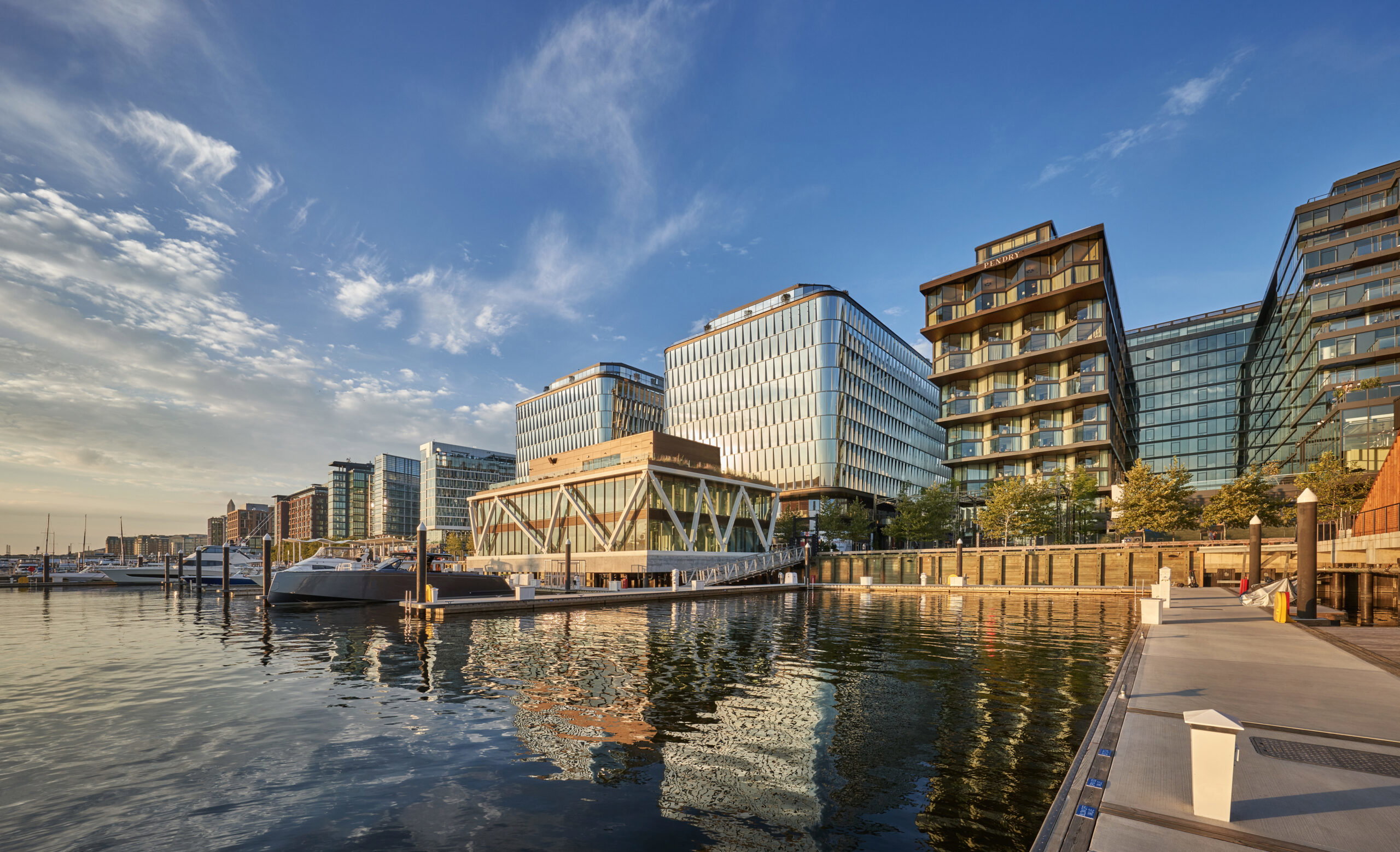
Mandu sits at 453 K St NW in Mount Vernon Triangle, a neighborhood that is walkable from several Metro lines and not difficult to reach by rideshare. Booking difficulty is rated Easy, which means you are unlikely to need more than a few days' notice for most nights, and same-week reservations are generally achievable. This makes it a practical option if your D.C. itinerary is still taking shape. The $$ price range means two people can eat well, including drinks, without a significant dent in a typical dining budget, it compares favorably on value to nearly any Korean restaurant in the city at a higher price tier.
For solo diners, the long bar configuration is a genuine asset. You are not stuck at an awkward two-leading or made to feel like an afterthought at a table built for four. The room works for one person as well as it works for a group of six.
How Mandu fits into the D.C. dining picture
If you are building a D.C. dining itinerary that spans multiple price points and cuisines, Mandu fills the accessible, high-character slot cleanly. It is not competing with the tasting-menu tier, Jônt handles that end of the spectrum, and it is not trying to be a fusion concept. What it does is give you a real, well-executed Korean meal in a room that feels like it was built for the purpose, at a price that makes a second visit easy to justify.
For Korean food at the other end of the formality spectrum, Mingles and Kwonsooksoo in Seoul represent what the cuisine looks like when it operates at the highest level of technical ambition, useful context if you want to understand where Mandu sits on the global Korean dining map. It is not in that league, and it does not need to be. Its value is in delivering consistent, affordable, flavor-forward Korean cooking in a city where that combination is harder to find than it should be.
Explore more with our full guides to Washington, D.C. restaurants, hotels, bars, wineries, and experiences.
Frequently Asked Questions
What are alternatives to Mandu in Washington, D.C.?
- For Korean food with a more contemporary American inflection, Anju is the direct sibling, same family, more experimental menu, higher price point.
- For a complete change of direction at a similar approachable price, Oyster Oyster offers vegetable-forward New American cooking at the $$$ tier with strong credentials.
- If you want to spend more and experience D.C.'s broader ambitious dining scene, Albi or Causa are strong choices at the $$$$ tier with distinct cuisine identities.
Is Mandu worth the price?
- Yes. At the $$ price range, it over-delivers on flavor and craft relative to what you pay.
- The gamjatang alone, bone-in pork ribs in a gochugaru-fired broth, is the kind of dish that justifies the trip at the price Mandu charges for it.
Is Mandu good for solo dining?
- Yes, it is one of the better solo-dining options in its price tier in D.C. The long bar means you have a natural perch without feeling like an inconvenience.
- The menu is structured around sharing, but most dishes are orderable individually without needing a large group to make sense of the spread.
Is the tasting menu worth it at Mandu?
- Mandu does not operate a formal tasting menu. It is an a la carte Korean restaurant. If a structured, multi-course experience is what you want, Anju offers a more composed format, and Jônt is the city's answer for high-commitment tasting menus.
Is Mandu good for a special occasion?
- It depends on what the occasion calls for. If you want a relaxed, flavorful meal with a lively room and no dress-code pressure, Mandu works well. The soaring ceilings and bar give it more atmosphere than the price suggests.
- For a milestone dinner where the setting and formality are part of the gesture, you would be better served by Albi or Causa at the $$$$ tier.
How far ahead should I book Mandu?
- Booking difficulty is rated Easy. A few days' notice is typically enough for most nights. Same-week reservations are generally available, making it a reliable option if your plans are not locked in.
- Weekend evenings may require slightly more lead time, but you are not looking at the multi-week advance booking windows required at D.C.'s tasting-menu restaurants.
Planning details
- Location
- 453 K St NW, Washington, DC 20001
- Reservations
- Book on Resy
- Website
- mandudc.com
- Phone
- (202) 289-6899
The take
The Take
The Vibe
Mandu presents a spacious, thoughtfully designed dining room that balances scale with warmth. Soaring ceilings and a long, well-appointed bar open the space and lend an elegant, sophisticated quality without feeling stiff. The interior reads like a modern urban restaurant that still invites casual drop-ins; solo diners can settle at the bar while groups can claim tables for milestone meals. Overall it feels established and intentional—a place that elevates everyday Korean dishes through confident execution and an attentive room that prizes comfort over formality.
Best For
Mandu is best suited to evening meals and intentional dinners—whether a date night, a business dinner, or a family gathering celebrating something special. The write-up frames the restaurant as a destination for 'milestone dinners' while also noting its accessibility in price, so it fits occasions that need a step up without being overly formal. It’s also a practical spot for solo dining, with bar seating explicitly recommended for someone grabbing a bowl of gamjatang, and it comfortably accommodates groups looking for a notable meal in Mount Vernon Triangle.
Ordering Tips
Focus on the signatures the profile highlights: start with the mandu dumplings and consider the gamjatang as a hearty centerpiece—the description specifically imagines a solo diner settling in with a bowl. Bulgogi is another house stand-by and makes a reliable option for sharing at the table. Given the restaurant’s mid-range price point and group-friendly setup, plan to order plates to share so everyone can sample the menu; bar seating is a practical choice for solo visits and quicker service.
Venue details
Ambiance
Modern space with soaring ceilings, long bar, and nicely designed environment providing a casual yet warm atmosphere.
Tags
Vibe
Best For
Experience
At the Table
- Dress Code
- Smart Casual
- Noise Level
- Conversational
- Service Style
- Upscale Casual
- Meal Pacing
- Standard
- Capacity
- Medium
- Kitchen
- Traditional
- Menu Format
- A la carte, Small plates
- Wine Program
- Standard
- Dietary
- Gluten-free options, Vegetarian friendly
Signature Dishes
- mandu dumplings
- gamjatang
- bulgogi
Know before you go
Know Before You Go
- Getting there
- 453 K St NW, Washington, DC 20001
Planning details
Location
Recognition and awards
Also consider
Also Consider
- Albi, United States, Middle Eastern, $$$$
- Causa, Peruvian, $$$$
- Oyster Oyster, New American, Vegetarian, Vegetarian (Sustainable), $$$
- Bresca, Modern French, Contemporary, $$$$
- Gravitas, New American, Contemporary, $$$$
Restaurant context
Mandu sits at the most accessible price point in this comparison set. Against Albi ($$$$, Middle Eastern) and Causa ($$$$, Peruvian), Mandu is not competing on formality or tasting-menu ambition, it is competing on flavor per dollar, and it wins that comparison cleanly. If your priority is a full, satisfying dinner without a significant per-head spend, Mandu is the right call. If you want the kind of room and service that justifies a special-occasion splurge, Albi or Causa are the better fit.
Oyster Oyster ($$$, New American/Vegetarian) is the closest to Mandu in spirit: both are neighborhood-scaled restaurants with strong identities and moderate prices. Oyster Oyster edges ahead on environmental credentials and is the better choice for plant-based diners or those who want a more composed American format. Mandu is the better choice if you want Korean cooking specifically or if you are dining solo, the bar configuration at Mandu is more solo-friendly than Oyster Oyster's tighter room.
Albi and Causa both require more forward planning and a higher per-head budget, but they deliver a fuller sense-of-occasion experience. Oyster Oyster at $$$ sits between Mandu and the $$$$ tier on both price and formality. For pure value and ease of booking, Mandu wins this group. For a meal where the setting and progression of courses matter as much as what's on the plate, step up to Albi, Causa, or Bresca.
Explore Washington DC
Around this place
Discover more on Pearl
Unlock the full Mandu guide in Pearl, including awards, comparisons, FAQs, planning details, and nearby places.
Compare Mandu
| Venue | Price | Booking Difficulty | Awards |
|---|---|---|---|
| Mandu | $$ | Easy | 2025 Michelin Plate2024 Michelin PlatePearl Recommended Restaurants |
| Albi | $$$$ | Unknown | Washingtonian 100 Very Best Restaurants 2026 · #12026 North America's 50 Best Restaurants · #6RAMMYS 2026 Winners - Formal Fine Dining Restaurant of the Year2025 World's 50 North America's Best Restaurants · #342025 Robb Report 100 Greatest American Restaurants of the 21st Century · #892025 OAD Casual in North America Ranked · #1302025 Michelin 1 Star2024 James Beard Awards · #12024 OAD Casual in North America Ranked · #109 |
| Causa | $$$$ | Unknown | Washingtonian 100 Very Best Restaurants 2026 · #162025 OAD Top Restaurants in North America Ranked · #2752025 James Beard Awards2025 Michelin 1 Star2024 OAD Top Restaurants in North America Ranked · #2252024 Michelin 1 Star |
| Oyster Oyster | $$$ | Unknown | Washingtonian 100 Very Best Restaurants 2026 · #622026 OAD Top Restaurants in North America Highly Recommended2025 Food & Wine Global Tastemakers Top Restaurants · #152025 OAD Top Restaurants in North America Ranked · #251We're Smart World Top Restaurants 20252025 Wine Spectator Award of Excellence2025 The Best Chef One Knife2025 Michelin 1 Star2024 OAD Top Restaurants in North America Ranked · #203 |
| Bresca | $$$$ | Unknown | 2026 Wine Spectator Award of Excellence2025 OAD Top Restaurants in North America Ranked · #322025 Wine Spectator Award of Excellence2025 Michelin 1 Star2024 OAD Top Restaurants in North America Ranked · #372024 Michelin 1 Star2023 OAD Gourmet Casual Dining in North America Ranked · #212023 OAD Top Restaurants in North America Ranked · #35 |
| Gravitas | $$$$ | Unknown | 2026 OAD Top Restaurants in North America Recommended2025 OAD Top Restaurants in North America Ranked · #4952025 Michelin 1 Star2024 OAD Top Restaurants in North America Ranked · #5362024 Michelin 1 Star2023 OAD Top Restaurants in North America Recommended |










How Mandu stacks up against the competition.
FAQ
Frequently Asked Questions
What are alternatives to Mandu in Washington, D.C.?
Anju, the Lee family's own Dupont Circle follow-up, is the closest comparison if you want a more refined take on the same Korean-American lineage. For a sharper price contrast, Oyster Oyster offers vegetable-forward cooking at a similar $$ tier but with a completely different register. If you want to spend more and push into modern fine dining, Bresca is the step up, though it has no overlap in cuisine or format.
Is Mandu worth the price?
At $$, it overdelivers. The gamjatang alone, a bone-in pork rib soup with gochugaru heat, is the kind of dish that justifies the trip at any price. Pearl Recommended status in 2025 reflects consistent execution, not just a good opening run. Few D.C. Korean spots at this price point match the depth of flavor or the track record the Lee family has built since 2006.
Is Mandu good for solo dining?
Yes. The long bar at the Mount Vernon location is well-suited for solo diners, and ordering a bowl of gamjatang alone is a complete meal. The soaring ceilings and bar format make it less awkward than a table-for-one at a more formal spot. It is a practical solo option in a neighborhood with several Metro connections nearby.
Is the tasting menu worth it at Mandu?
Mandu does not operate a tasting menu format. It is an a la carte Korean restaurant with banchan, dumplings, and hearty soups and stews. If a structured tasting progression is your priority, Bresca or Gravitas are the relevant D.C. options at a higher price tier.
Is Mandu good for a special occasion?
It depends on what kind of occasion. For a casual birthday dinner or a low-key celebration where the food does the talking, yes, the soaring ceilings and long bar give the room more presence than the $$ price point suggests. For a formal milestone dinner where presentation and ceremony matter, it is not the right fit, and Bresca would be a better call.