

Baan Mae
Shaw, Washington DC
Restaurant in Washington DC, United States
 Book with Pearl
The Read
Home-Kitchen Southeast Asian
Price
$30–50per person
Dress
Casual
Why go
Baan Mae brings Chef Seng Luangrath's Laotian home-cooking heritage to Shaw with a rotating Southeast Asian menu and creative cocktails. Booking is easy by D.C. standards, and counter seating is the move for returning visitors who want a closer read on what the kitchen is doing that night. Worth it if you want something personal and shifting rather than a fixed format.
About Baan Mae
Should You Book Baan Mae?
If you have been once, you already know the answer. Baan Mae earns a second visit on the strength of its rotating menu alone: the dishes change, which means the experience changes, and that is a rarer quality in Washington, D.C. dining than it should be. Chef Seng Luangrath built this Shaw restaurant around her mother's Laotian kitchen, and the result is a Southeast Asian menu that reads as home cooking reframed through a chef's precise instincts. For returning guests, the real question is not whether to go back but what will be different when you do.
What to Expect
The name translates from Laotian as "Mom's House," and that framing sets the right expectation: this is not a formal tasting-menu operation or a high-concept showpiece. The menu rotates and draws from Southeast Asian tradition, with creative cocktails alongside the food. The dual function as restaurant and event space means the room can shift in atmosphere depending on what is booked, so it is worth checking ahead if you want a purely restaurant experience rather than an event-adjacent evening.
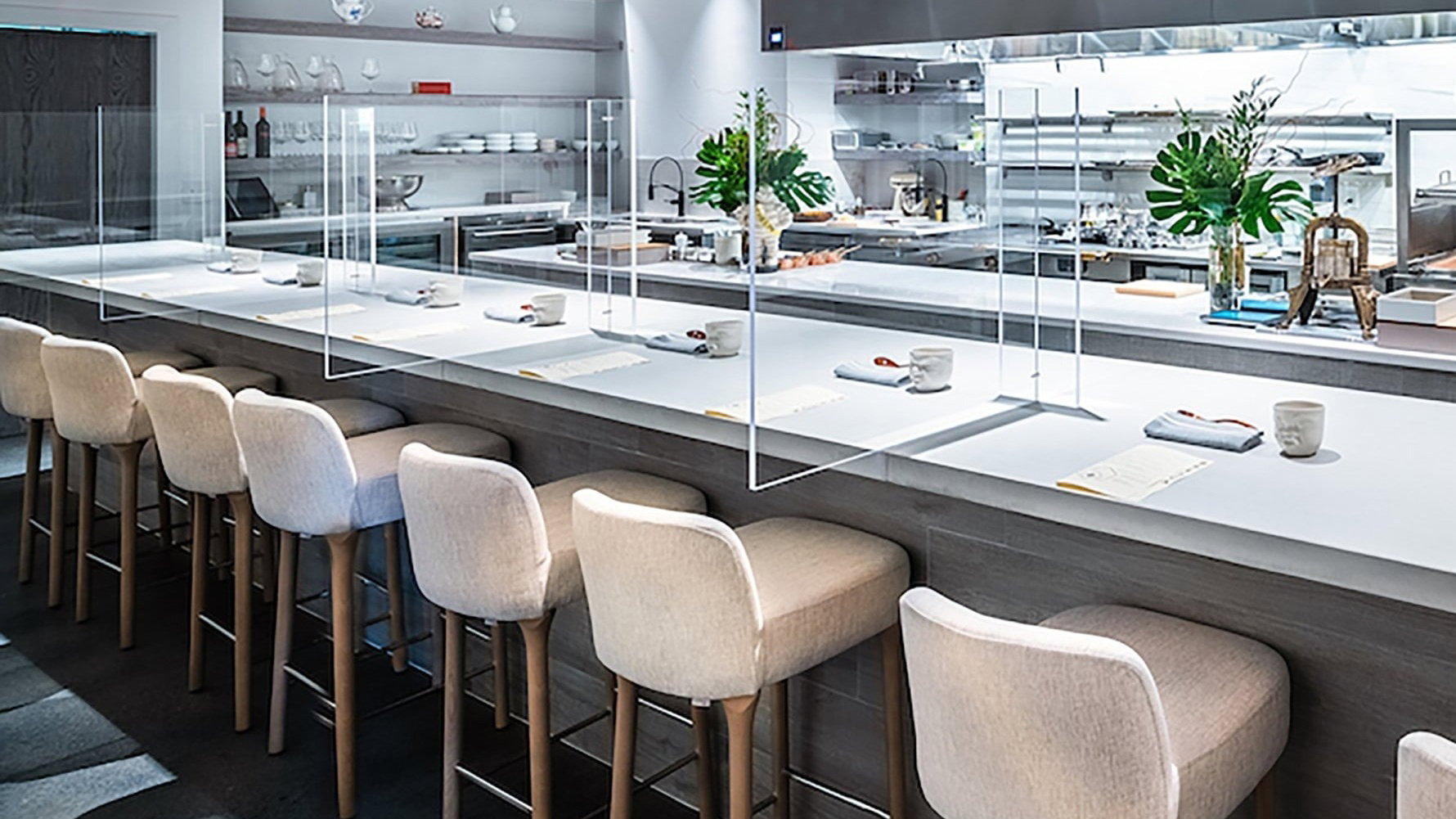
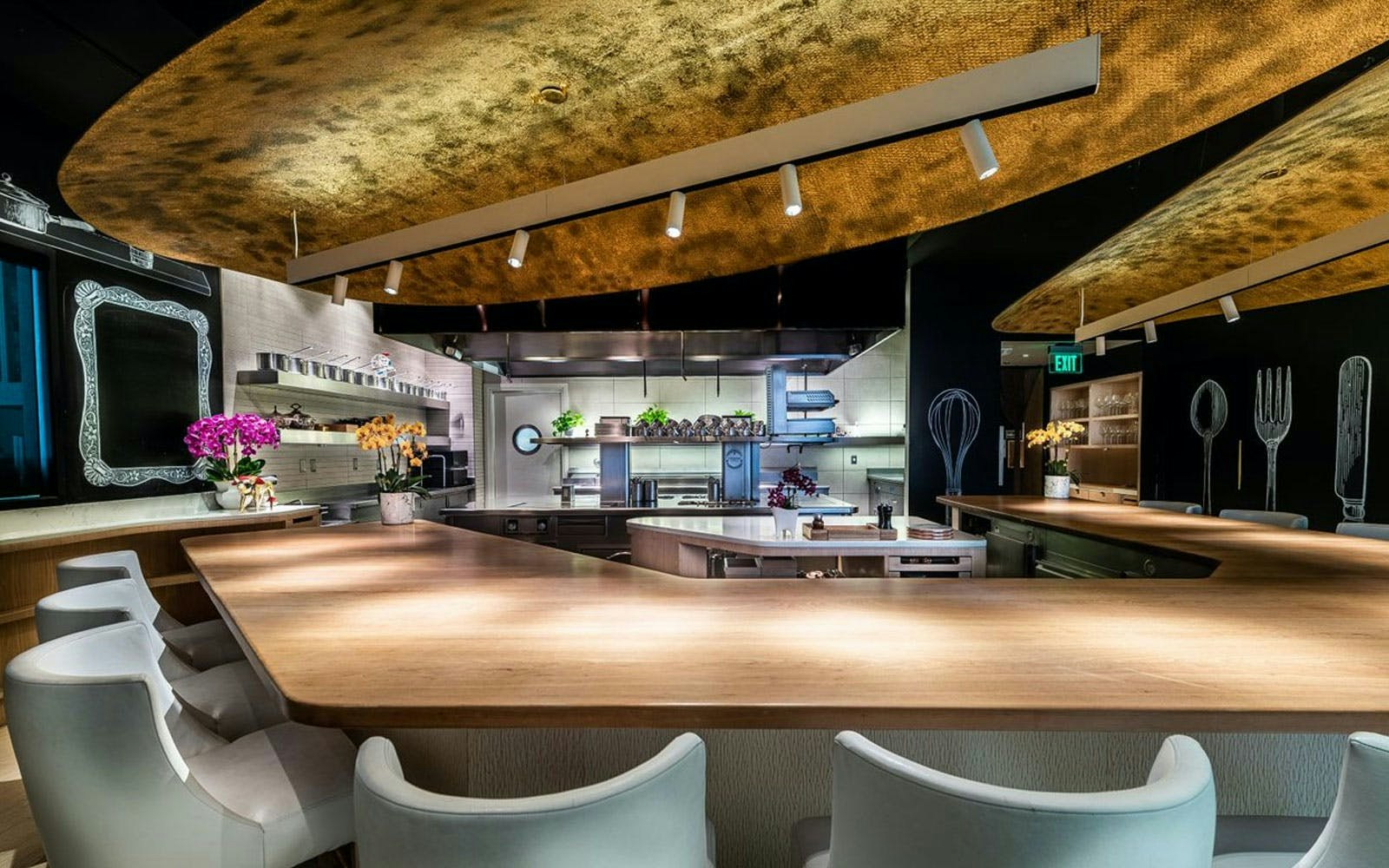
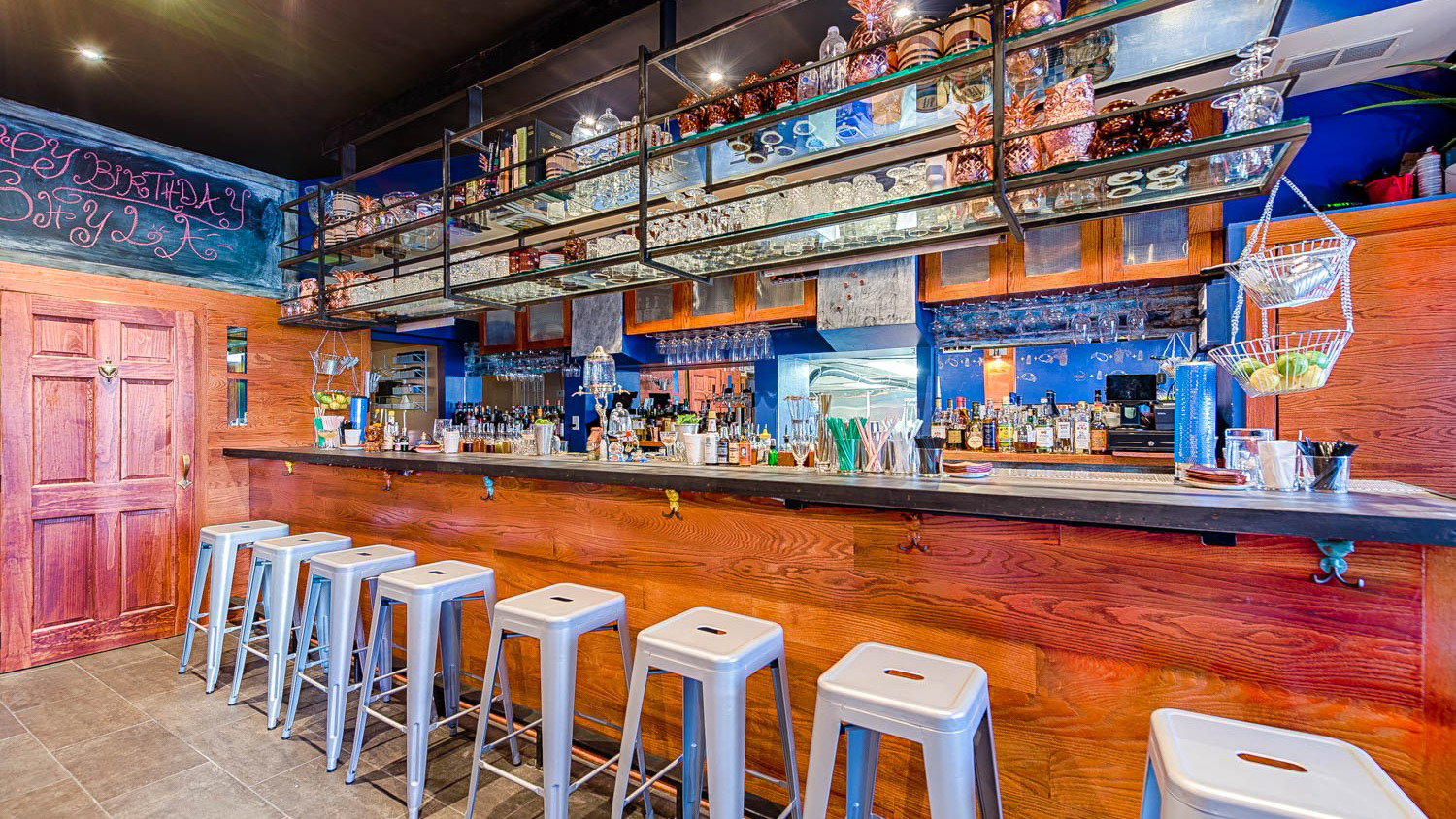
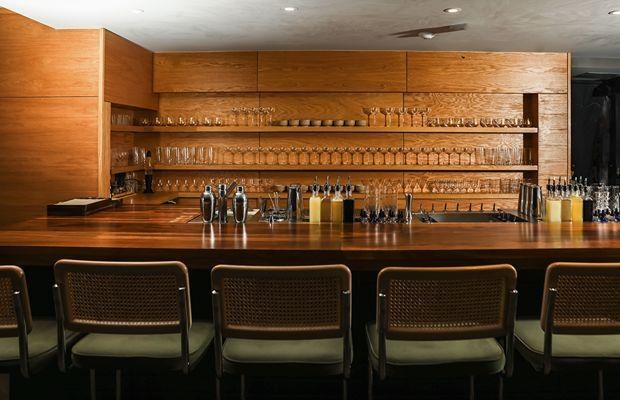
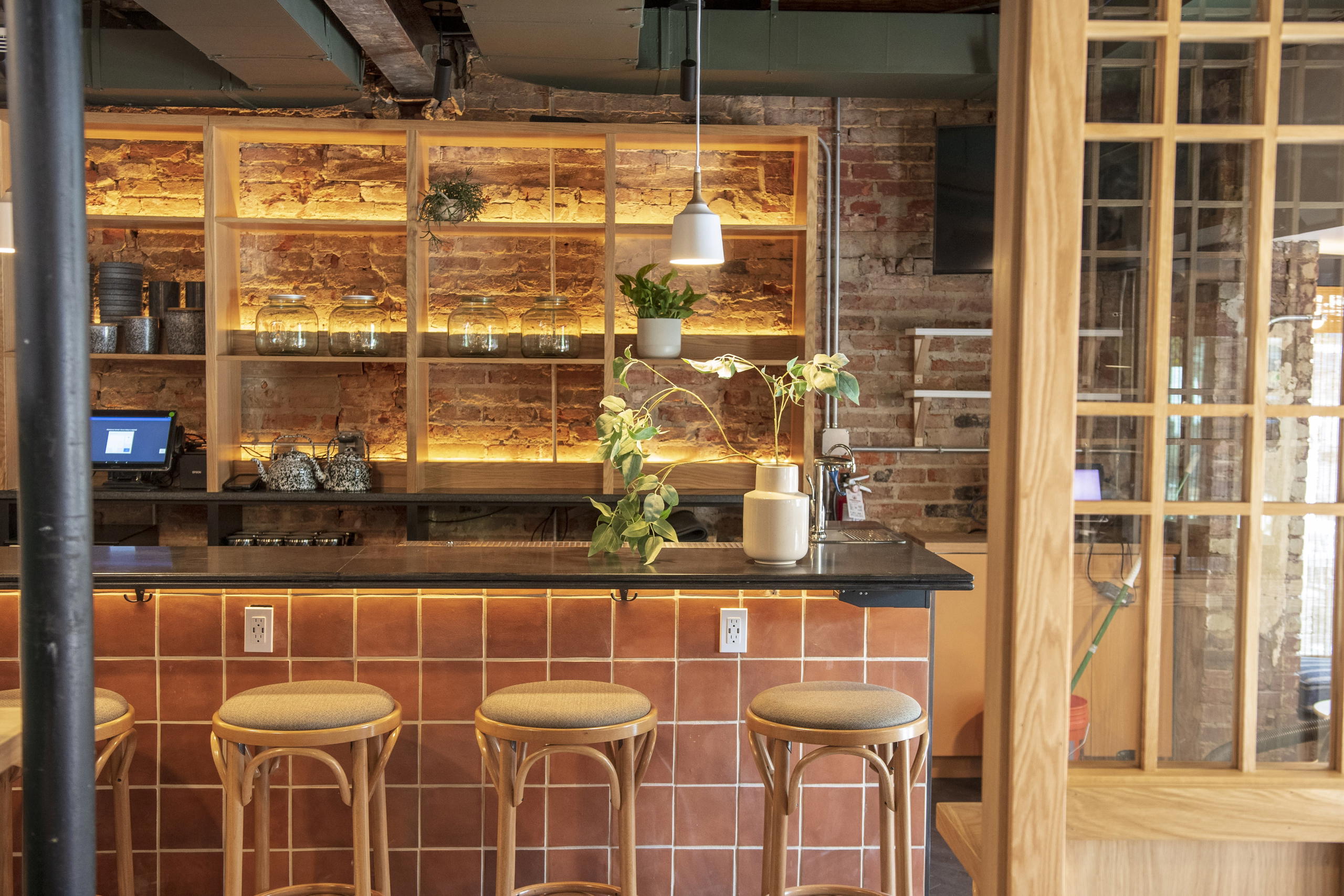
For returning visitors, the counter or bar seating is worth requesting specifically. At a restaurant built around a rotating, home-influenced menu, sitting close to the kitchen gives you a cleaner read on what is being cooked that night and a better chance of a conversation that helps you move through the menu. This is the kind of restaurant where that proximity matters: the dishes are personal, the sourcing is intentional, and understanding what is on the plate makes the meal significantly better. If you dined at a standard table on your first visit, counter seating is a meaningful upgrade on your second.
Baan Mae sits at 1604 7th St NW in Shaw, a neighborhood that has enough dining options around it to make a full evening out of the area. Our full Washington, D.C. restaurants guide covers the broader scene, and if you are planning around the neighborhood, our Washington, D.C. bars guide and experiences guide are worth a look for before or after.
Know Before You Go
- Address: 1604 7th St NW, Washington, DC 20001
- Neighborhood: Shaw
- Cuisine: Southeast Asian, home-style, rotating menu
- Also functions as: Event space — confirm restaurant availability before booking
- Cocktails: Creative cocktail program alongside the food menu
- Booking difficulty: Easy
- Price range: Not confirmed in available data — check directly with the venue
- Hours: Not confirmed, verify before visiting
- Phone/website: Not listed in available data, search current listings for contact details
How It Compares
See the comparison section below for how Baan Mae sits against its Washington, D.C. peers.
Pearl Picks Nearby
If you are building a D.C. dining itinerary, Albi is the city's most considered Middle Eastern option and operates at the $$$$ tier. Causa is worth your attention for Peruvian cooking at a similar price point. For something vegetable-forward and sustainability-led at $$$, Oyster Oyster is the strongest choice in that lane. At the more technical end of D.C. dining, Jônt and minibar represent the city's highest-commitment tasting-menu options. Beyond D.C. if Southeast Asian-influenced or chef-driven rotating menus interest you, Atomix in New York City and Smyth in Chicago are the closest comparisons in ambition and format. For hotels and wineries in the city, see our Washington, D.C. hotels guide and wineries guide.
Planning details
- Location
- 1604 7th St NW, Washington, DC 20001
- Reservations
- Book on OpenTable
- Website
- baanmaedc.com
- Phone
- (202) 897-4826
The take
The Take
The Vibe
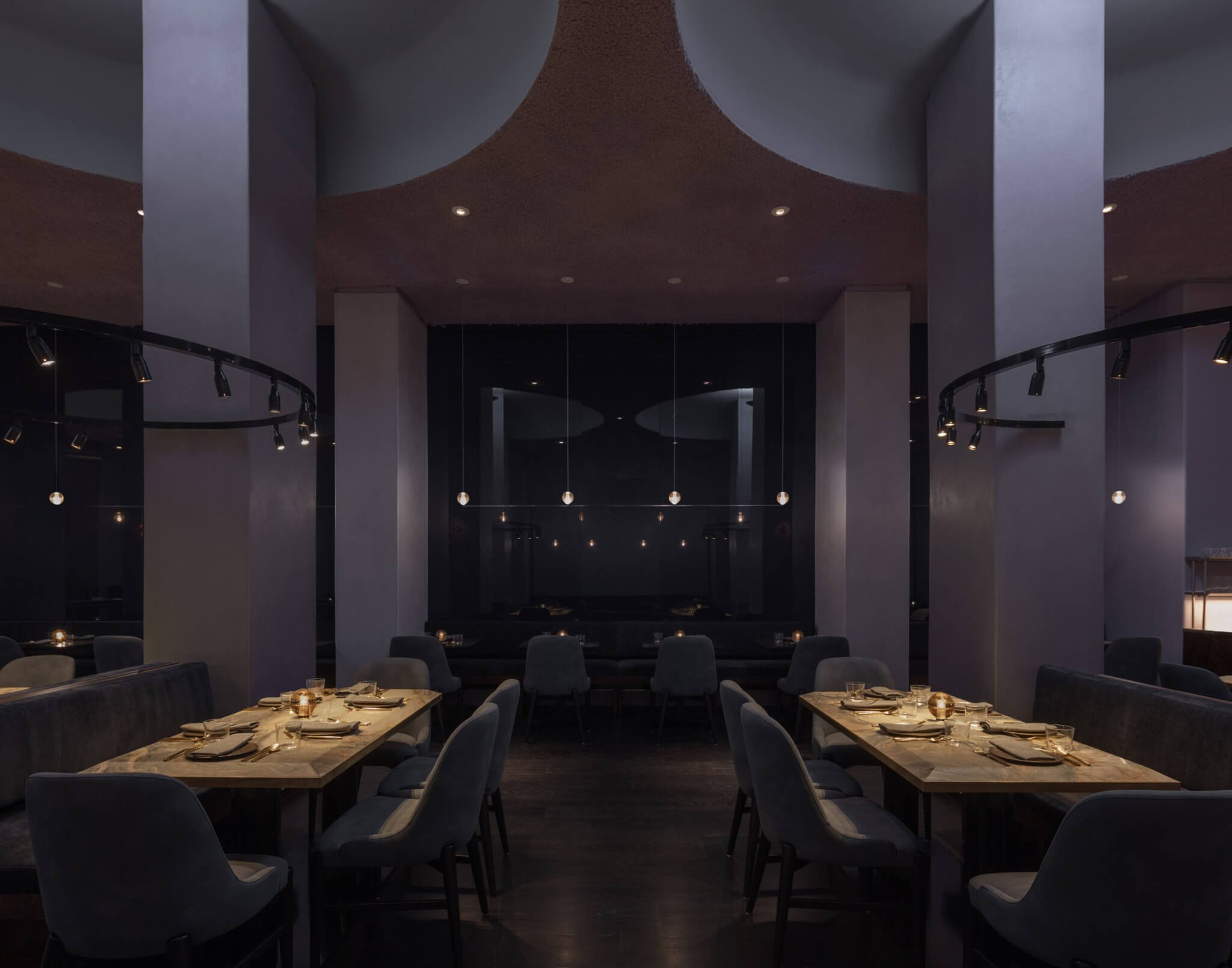
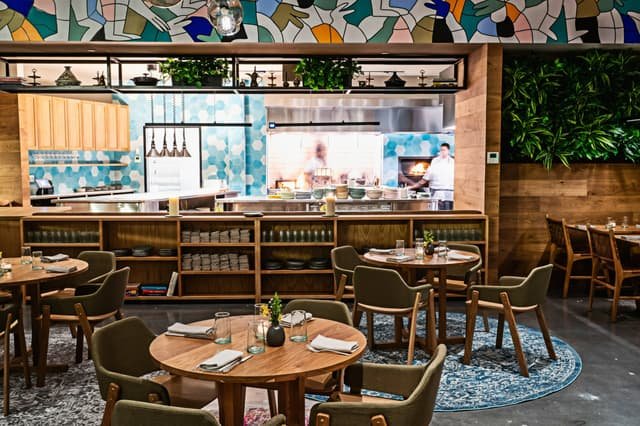
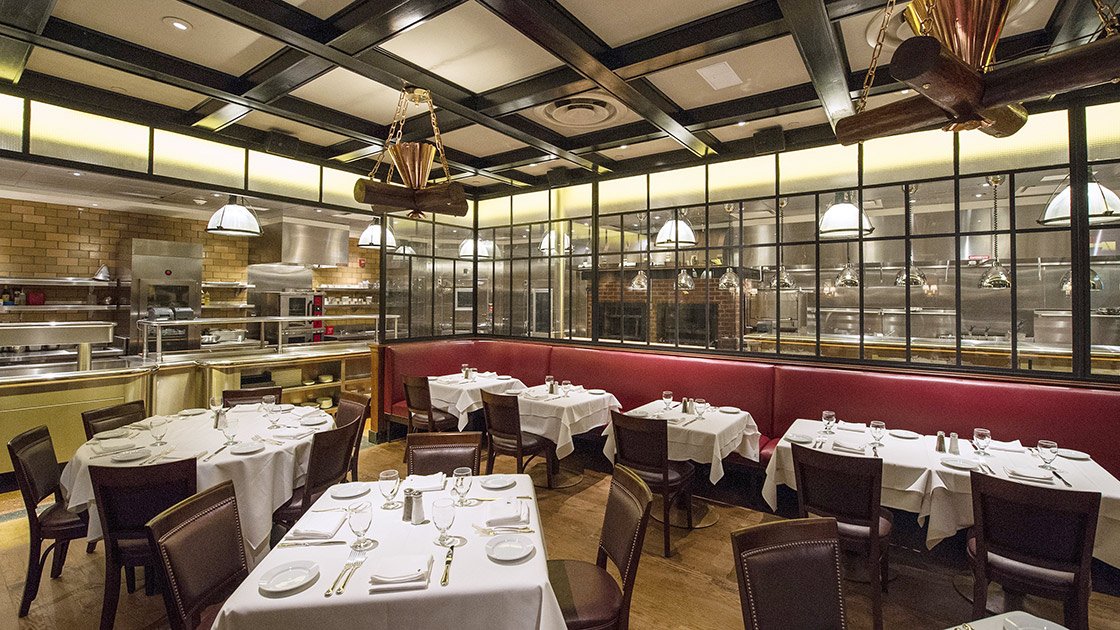
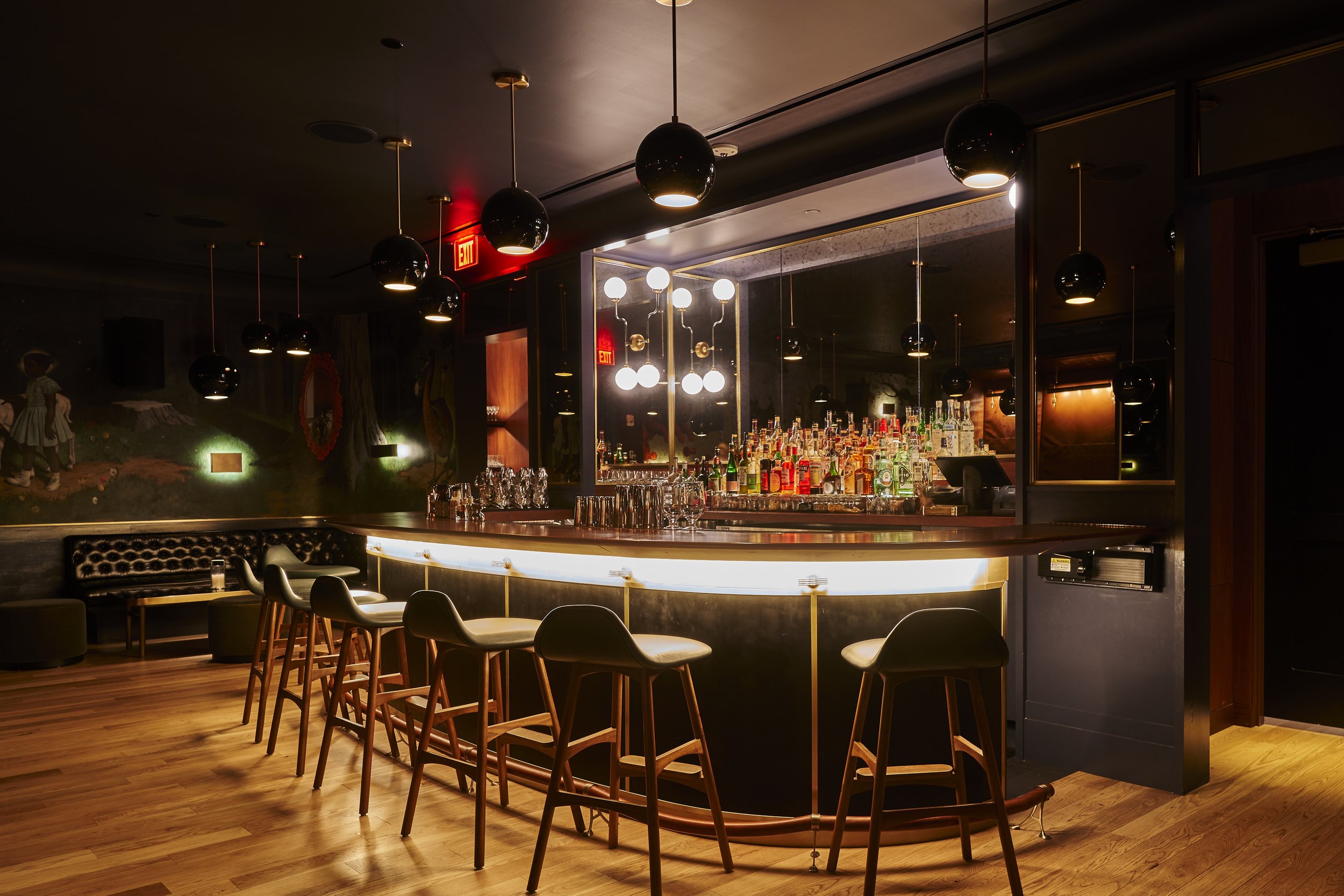
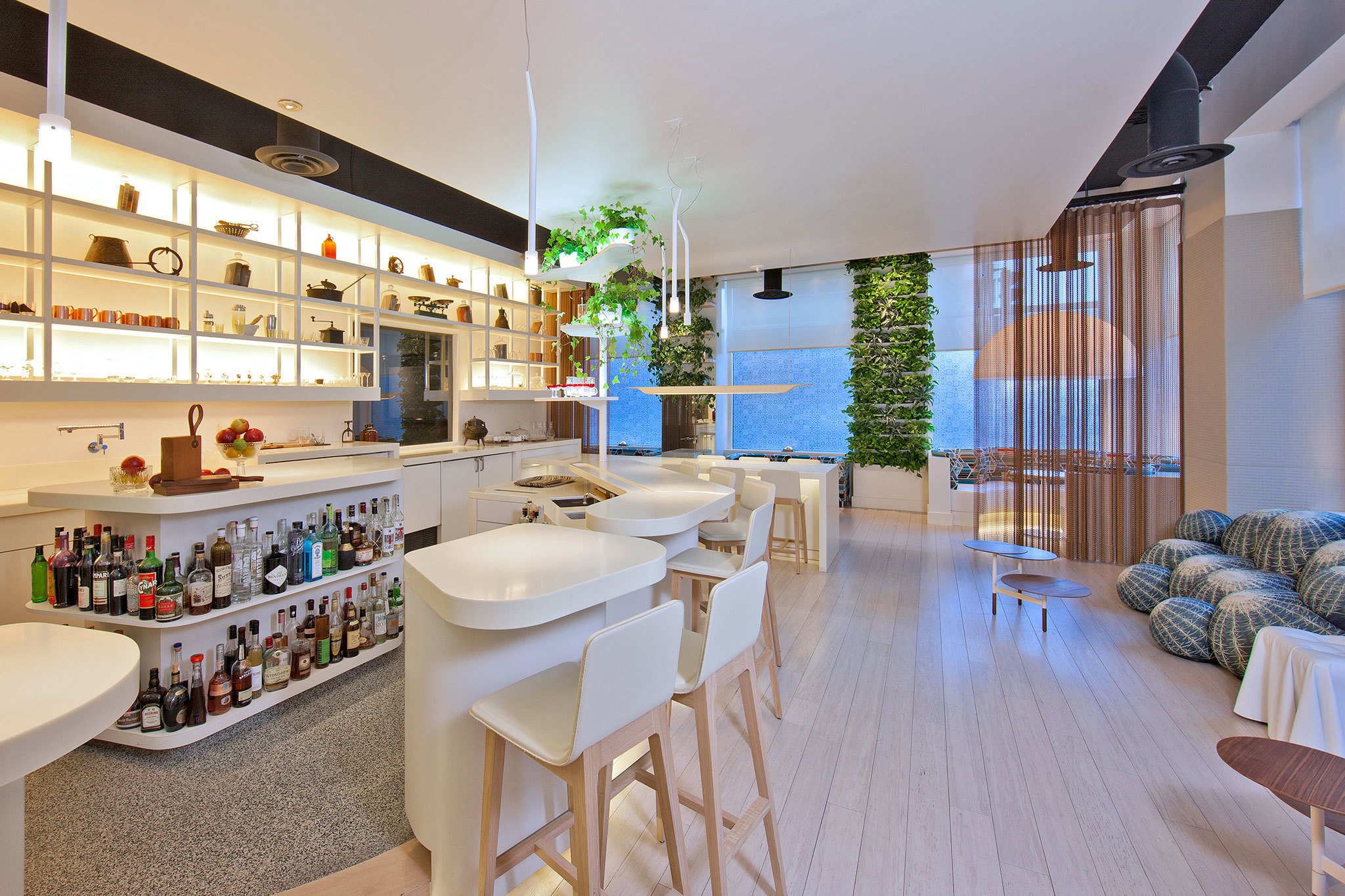
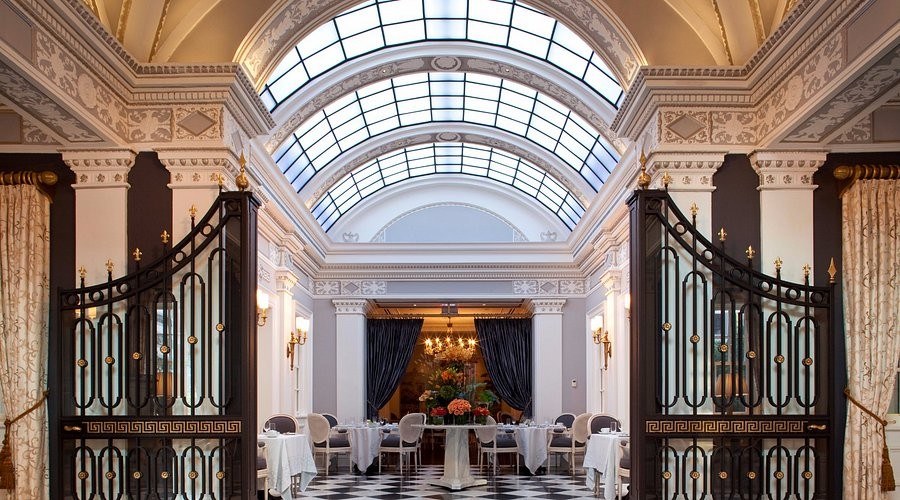
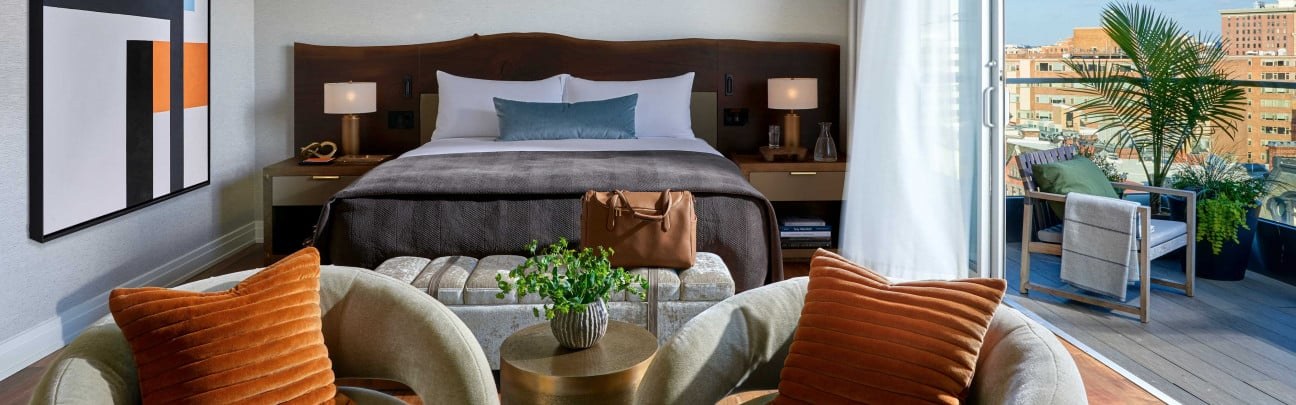
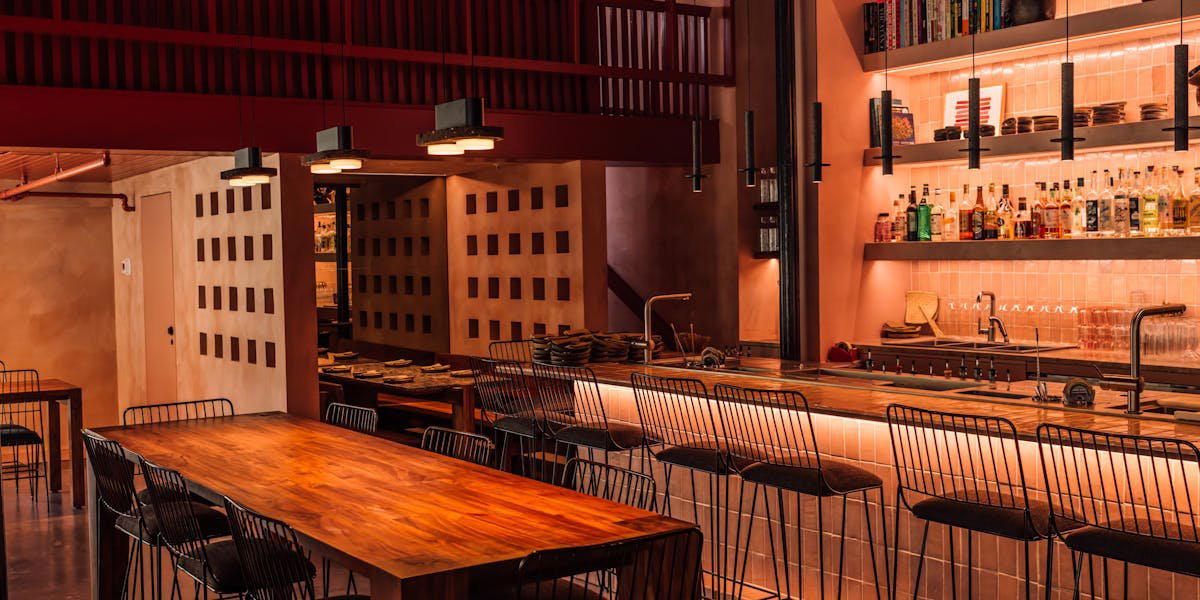
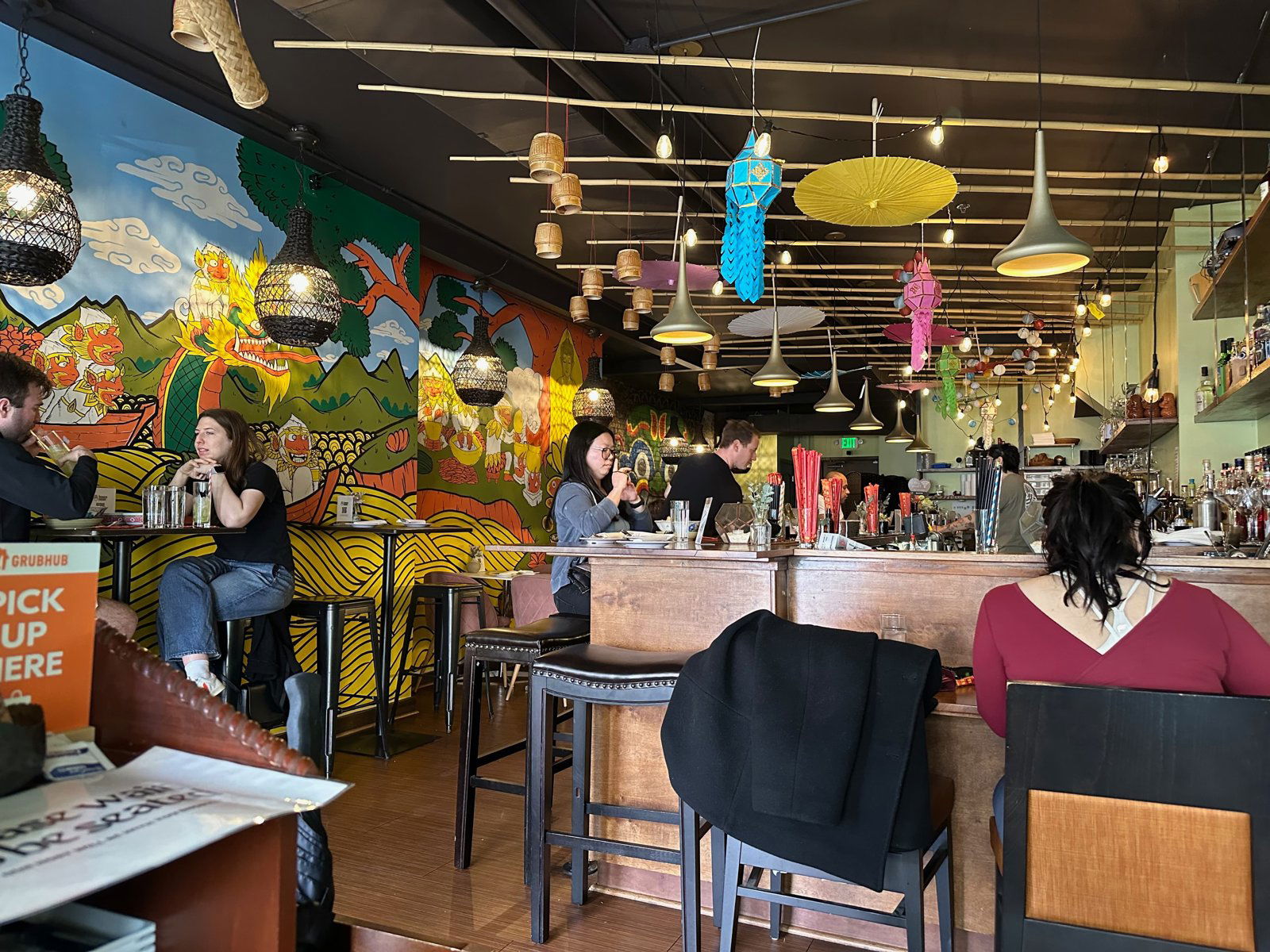
Baan Mae reads like a hospitable house reimagined for public life: the room balances domestic warmth with careful design so that it feels intentional rather than literal. Sightlines, furniture arrangements and acoustics are tuned to support both full-service dinners and more intimate gatherings, creating an atmosphere that is warm and sophisticated. The space is unshowy but thoughtfully composed, channeling maternal-kitchen references into a mature dining room where conversation and occasion are central. Overall, the interior favors a comfortable, considered register rather than austere minimalism.
Best For
Baan Mae is built around memory and occasion, so it is a natural spot for celebrations that call for a composed, private-feeling room. The layout explicitly accommodates seated dinners and private gatherings, making it well suited to group dining and booked private events as well as date nights and special occasions. Its warm, domestic tone and calibrated acoustics mean parties can feel lively without becoming intrusive, and the space shifts fluidly between half-capacity intimacy and full-capacity events without losing its sense of purpose.
Ordering Tips
The menu leans on Southeast Asian home-cooked traditions; when planning a meal, be sure to sample the venue's signature items. Highlights called out include the crab curry, sakoo dumplings, catfish sliders and the tea leaf salad. These dishes showcase the kitchen’s focus and provide a useful cross-section of flavors to anchor a dinner. If you’re booking for a group or event, include several of the signature plates so guests can taste the range of the program.
Venue details
Ambiance
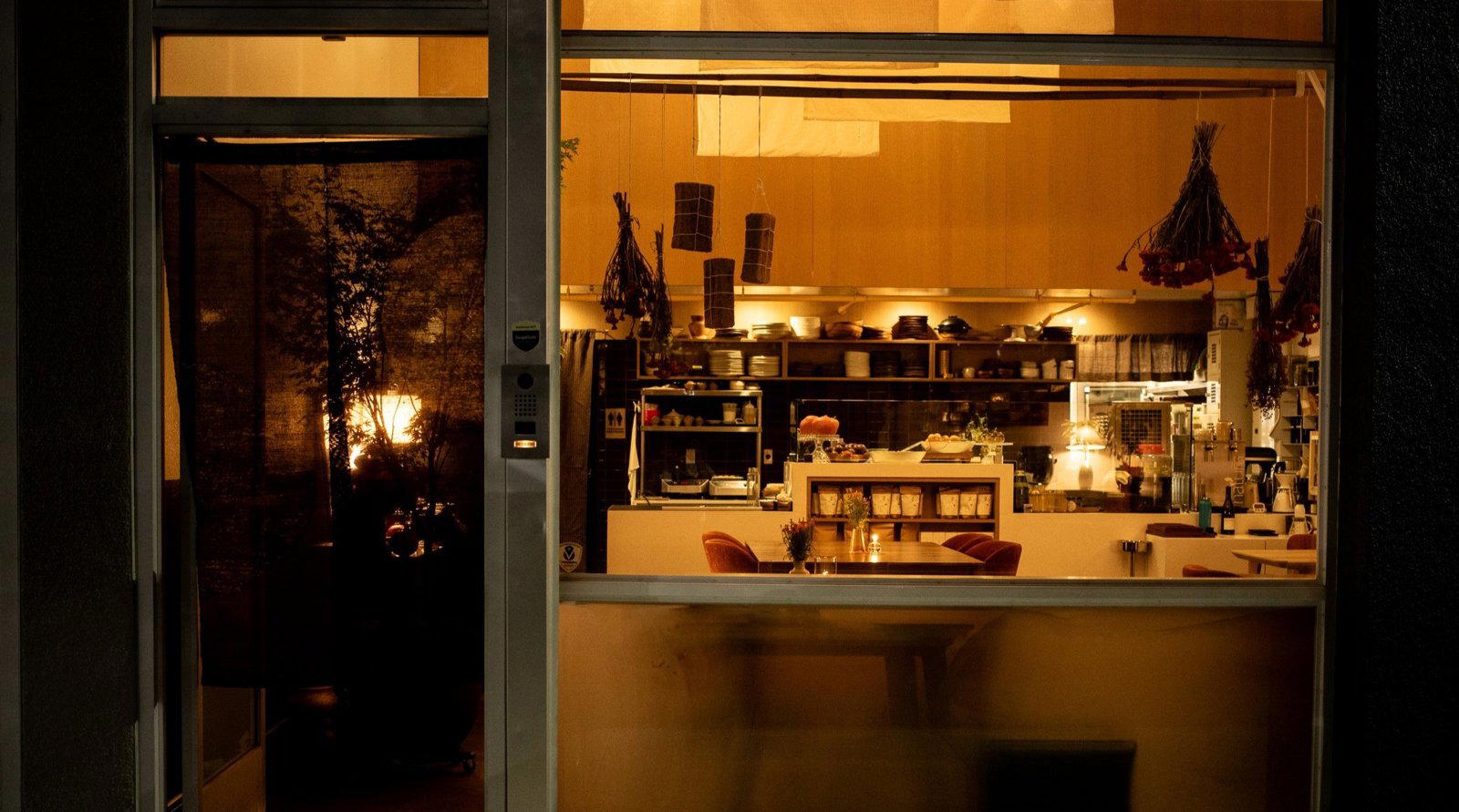
Warm, cozy, and romantic with soft golden-orange lighting and a neighborhood gem feel.
Tags
Vibe
Best For
Experience
At the Table
- Dress Code
- Casual
- Noise Level
- Conversational
- Service Style
- Upscale Casual
- Meal Pacing
- Leisurely
- Capacity
- Intimate
- Kitchen
- Modern
- Menu Format
- Small plates, A la carte
- Dietary
- Vegetarian friendly, Vegan options
- Outdoor Seating
- Yes
Signature Dishes
- crab curry
- sakoo dumplings
- catfish sliders
- tea leaf salad
Know before you go
Know Before You Go
- Getting there
- 1604 7th St NW, Washington, DC 20001
Planning details
Location
Recognition and awards

Also consider
Also Consider
- Oyster Oyster, New American, Vegetarian, Vegetarian (Sustainable), $$$
- Albi, United States, Middle Eastern, $$$$
- Causa, Peruvian, $$$$
- Rooster & Owl, Contemporary, $$$
- Rose’s Luxury, New American, Contemporary, $$$$
Restaurant context
Baan Mae occupies a lane in Washington, D.C. dining that none of its obvious peers quite match: rotating, home-influenced Southeast Asian cooking at what appears to be an accessible price point, in a room that also functions as an event space. If you are deciding between Baan Mae and Rooster & Owl at $$$, the choice comes down to format preference. Rooster & Owl runs a more structured contemporary American approach; Baan Mae's appeal is its personal, shifting menu rooted in a specific culinary tradition. Neither is a difficult booking, so there is no logistical reason to choose one over the other on availability grounds alone.
At the $$$$ tier, Albi and Causa both deliver higher-commitment dining experiences with more fixed formats and greater price certainty upfront. Rose's Luxury at $$$$ is the city's most consistently difficult reservation and rewards the effort with cooking that has held its reputation for years. If budget is the deciding factor and you want the most ingredient-driven experience in D.C. at $$$, Oyster Oyster makes the strongest case: its sustainability-led, vegetable-forward menu has a clear point of view and a loyal following.
The clearest recommendation: book Baan Mae if you want something rooted, personal, and likely to be different from your last visit. Book Albi if Middle Eastern cooking at a higher price point and more formal register is what the occasion calls for. Book Oyster Oyster if you want the strongest value-for-money argument in the $$$ range with a fixed, mission-driven menu rather than a rotating one.
Explore Washington DC
Around this place
Discover more on Pearl
Unlock the full Baan Mae guide in Pearl, including awards, comparisons, FAQs, planning details, and nearby places.
Compare Baan Mae
| Venue | Location | Cuisine | Awards | Price |
|---|---|---|---|---|
| Baan Mae | Washington, D.C. | , | Washingtonian 100 Very Best Restaurants 2026 · #252025 Bon Appétit The 20 Best New Restaurants · #1 | , |
| Oyster Oyster | Washington, D.C. | New American, Vegetarian, Vegetarian (Sustainable) | Washingtonian 100 Very Best Restaurants 2026 · #622026 OAD Top Restaurants in North America Highly Recommended2025 Food & Wine Global Tastemakers Top Restaurants · #152025 OAD Top Restaurants in North America Ranked · #251We're Smart World Top Restaurants 20252025 Wine Spectator Award of Excellence2025 The Best Chef One Knife2025 Michelin 1 Star2024 OAD Top Restaurants in North America Ranked · #203 | $$$ |
| Albi | Washington, D.C. | United States, Middle Eastern | Washingtonian 100 Very Best Restaurants 2026 · #12026 North America's 50 Best Restaurants · #6RAMMYS 2026 Winners - Formal Fine Dining Restaurant of the Year2025 World's 50 North America's Best Restaurants · #342025 Robb Report 100 Greatest American Restaurants of the 21st Century · #892025 OAD Casual in North America Ranked · #1302025 Michelin 1 Star2024 James Beard Awards · #12024 OAD Casual in North America Ranked · #109 | $$$$ |
| Causa | Washington, D.C. | Peruvian | Washingtonian 100 Very Best Restaurants 2026 · #162025 OAD Top Restaurants in North America Ranked · #2752025 James Beard Awards2025 Michelin 1 Star2024 OAD Top Restaurants in North America Ranked · #2252024 Michelin 1 Star | $$$$ |
| Rooster & Owl | Washington, D.C. | Contemporary | Washingtonian 100 Very Best Restaurants 2026 · #652026 OAD Casual in North America Recommended2025 OAD Casual in North America Ranked · #7532025 Michelin 1 Star2024 Michelin 1 Star | $$$ |
| Rose’s Luxury | Washington, D.C. | New American, Contemporary | Washingtonian 100 Very Best Restaurants 2026 · #232026 OAD Top Restaurants in North America Ranked · #682025 OAD Top Restaurants in North America Ranked · #572025 Michelin 1 Star2024 OAD Top Restaurants in North America Ranked · #562024 Michelin 1 Star2023 OAD Gourmet Casual Dining in North America Ranked · #12023 OAD Top Restaurants in North America Ranked · #74Pearl Recommended Restaurants | $$$$ |










How Baan Mae D.C. compares with similar nearby venues.
FAQ
Frequently Asked Questions
What should a first-timer know about Baan Mae?
Baan Mae is not a static menu restaurant. Chef Seng Luangrath runs a rotating lineup of home-cooked Southeast Asian dishes inspired by her mother's kitchen in Laos, which means the experience will differ from visit to visit. Go with an open mind about what you will eat, and treat the cocktail list as worth your attention alongside the food.
What should I order at Baan Mae?
Because the menu rotates, specific dish recommendations date quickly. The format is home-style Southeast Asian cooking built around Laotian tradition, so lean into whatever the kitchen is running that night rather than arriving with a fixed target. The cocktail program is designed to pair with the food, so ordering a few is worth doing.
Is Baan Mae good for solo dining?
Yes. The rotating small-plates format suits solo diners well since you can cover more of the menu without overcommitting. The restaurant and event space layout at 1604 7th St NW is not a sprawling dining room, so a solo seat at the bar or counter is a practical option for getting the full experience.
What are alternatives to Baan Mae in Washington, D.C.?
For a different register of ambition, Albi (Middle Eastern, $$$$ tier) is the city's most considered option at that price point. Rooster & Owl runs a similarly chef-driven, rotating format if that structure appeals to you. Rose's Luxury on Capitol Hill is the go-to for creative American comfort if you want something more casual in spirit.
Is Baan Mae good for a special occasion?
It works well for a celebratory dinner if the person you are taking appreciates chef-driven, rotating menus over predictable fine dining. Baan Mae also operates as an event space, so private bookings for a group occasion are an option worth asking about directly. It is a less formal setting than Albi, which matters if the occasion calls for a grander room.
How far ahead should I book Baan Mae?
Book at least one to two weeks ahead, particularly for weekend evenings. As a 7th Street NW spot with a following built around Chef Seng Luangrath's reputation, demand runs ahead of walk-in availability on busy nights. If you are planning around a specific date, earlier is safer.