


.png?width=1200&quality=80)
Anju
Korean · Dupont Circle, Washington DC
Restaurant in Washington DC, United States
 Book with Pearl
The Read
Korean Drinking-Food Counter
Price
$50–100per person
Chef
Angel Barreto
Dress
Smart Casual
Why go
Anju is Washington D.C.'s most credible Korean anju-format restaurant: ranked #206 on Opinionated About Dining's 2025 Casual North America list (up from #363 in 2024), Michelin Plate recognised, and built for late-night eating and drinking. At $$$, it delivers genuine kitchen ambition in a relaxed, lively room. Book one to two weeks ahead for weekends.
About Anju
The Verdict on Anju
Picture 18th Street NW on a Thursday night: the room is full, soju is flowing, and the kind of energy that makes you want to order one more round of mandu is palpable from the sidewalk. Anju, chef Angel Barreto's Korean anju-style restaurant on Washington D.C.'s upper 18th Street corridor, earns its reputation as one of the city's most consistent Korean kitchens. Ranked #206 on Opinionated About Dining's Casual North America list for 2025 (up from #363 in 2024) and holding a Michelin Plate, this is a restaurant that has been building credibility year over year. If you want Korean food that goes beyond the basics, in a room that feels genuinely lived-in rather than designed-to-impress, book Anju.
The Room and the Concept
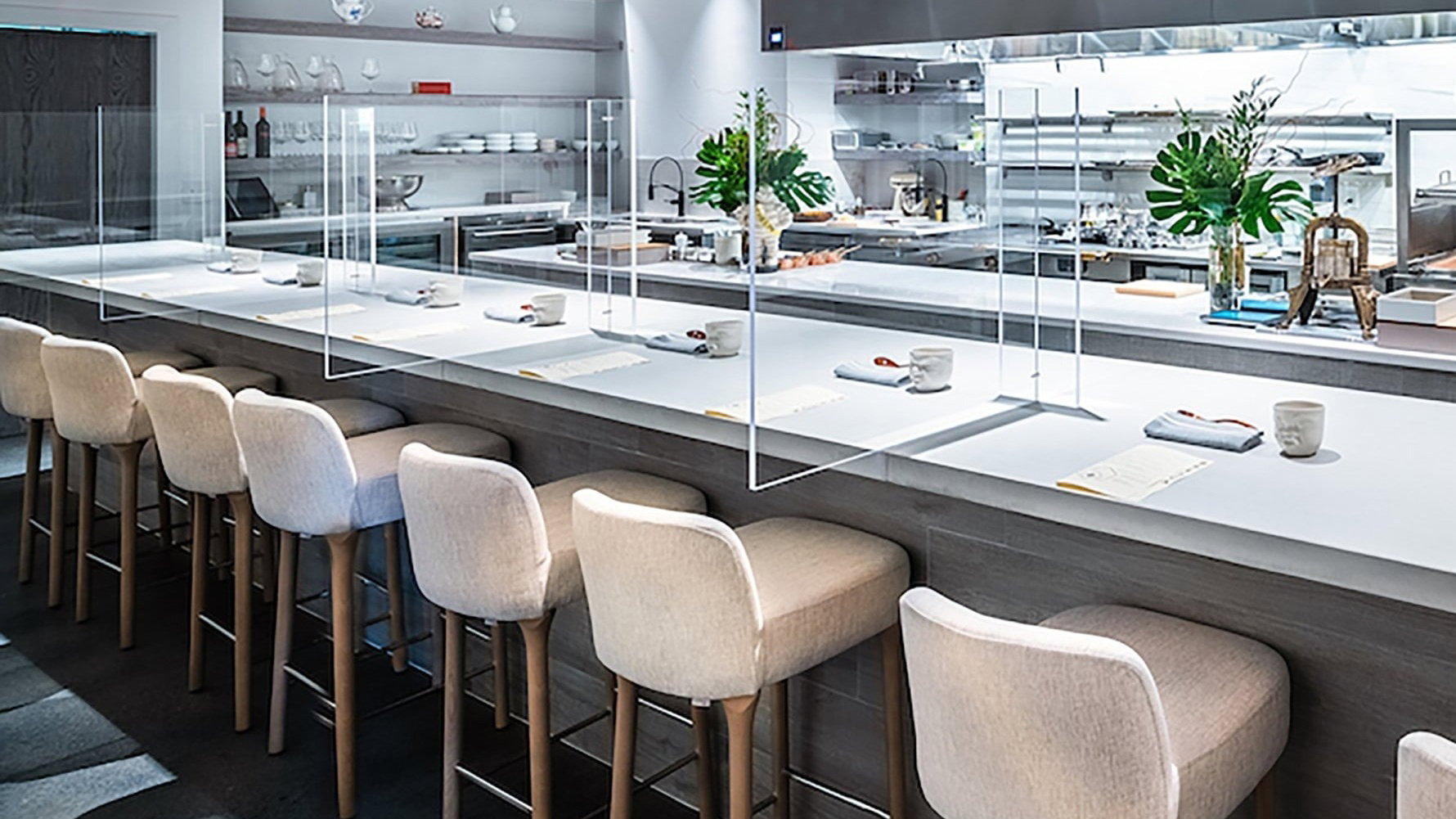
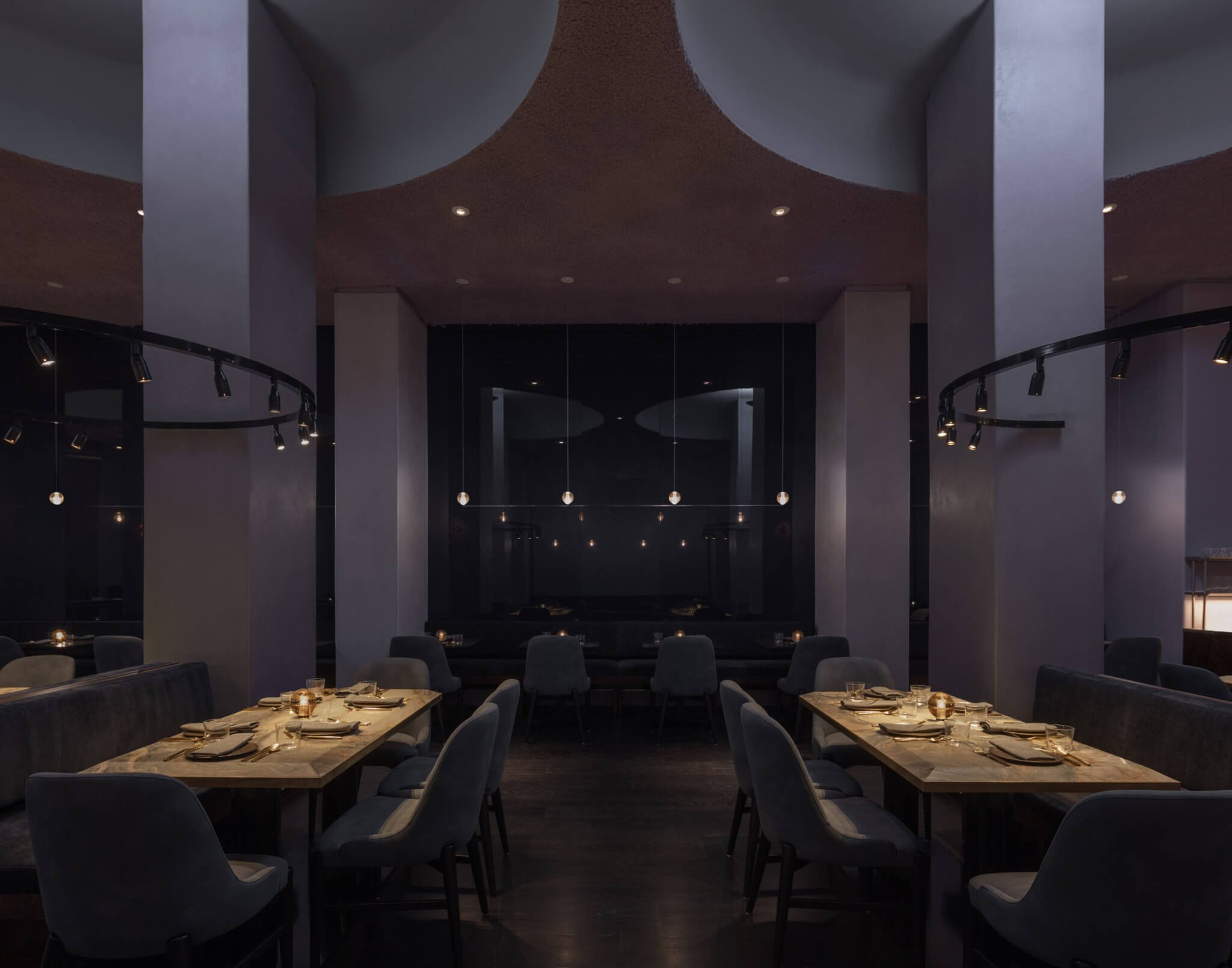
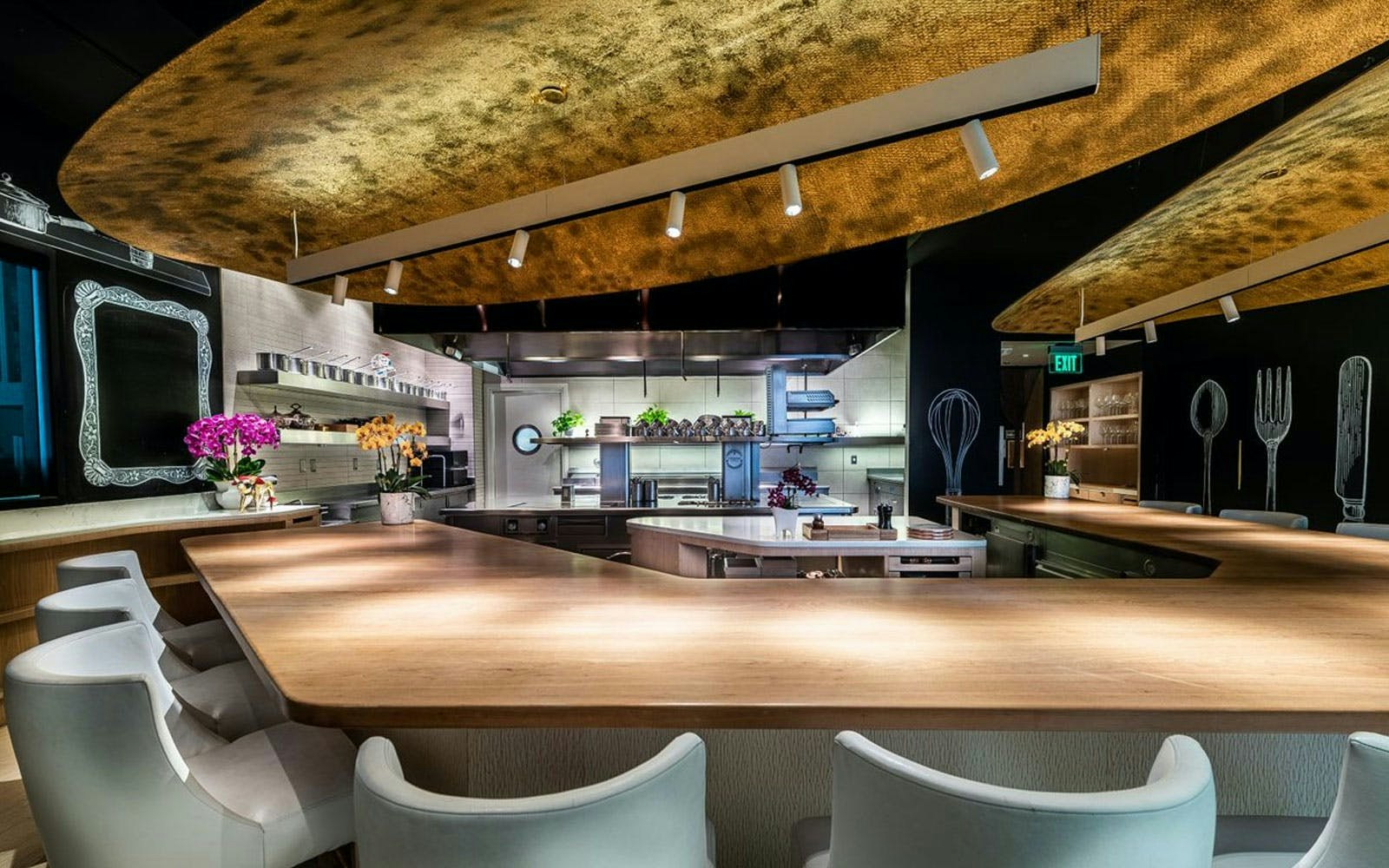
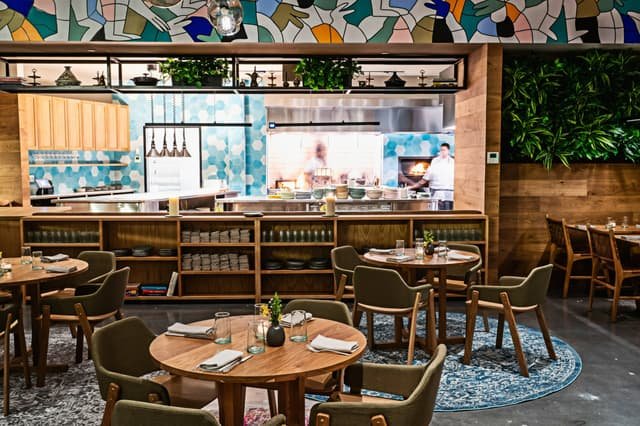
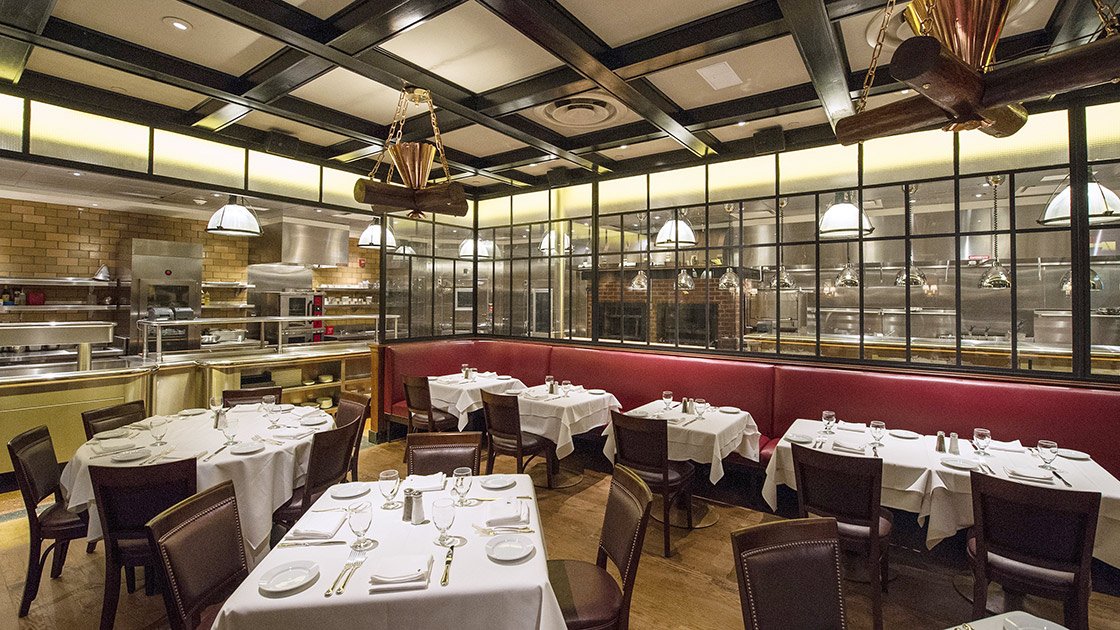
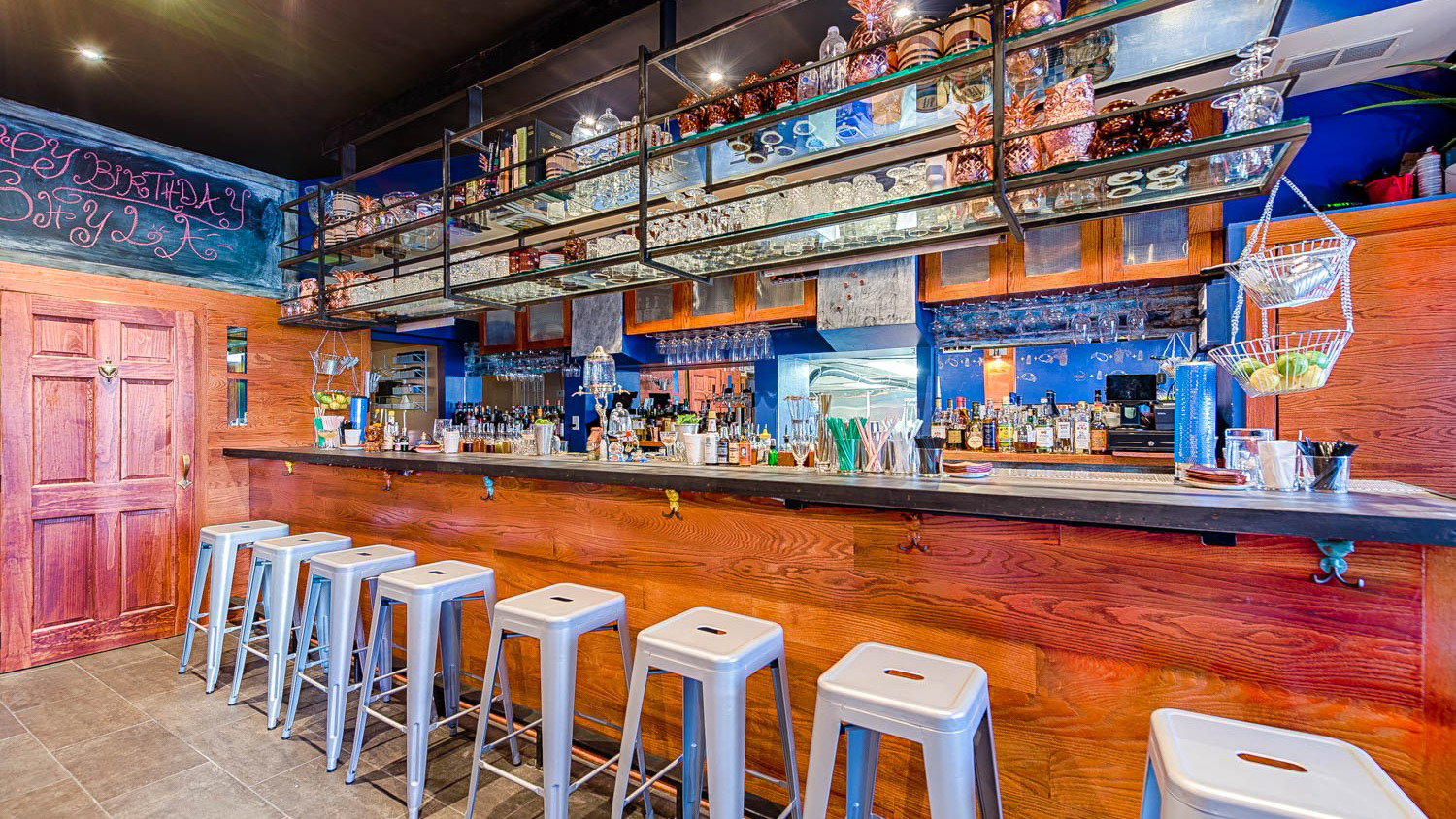
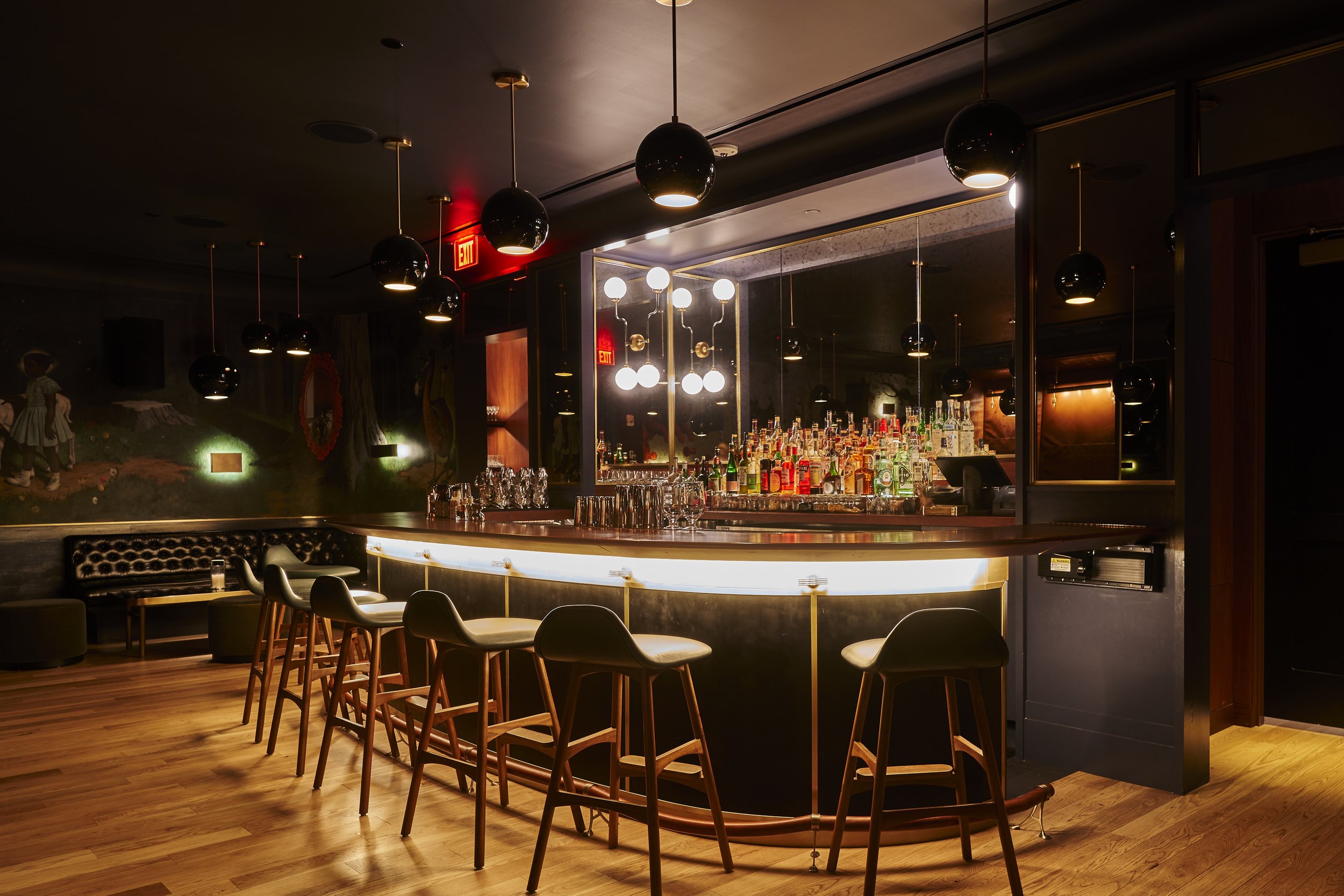
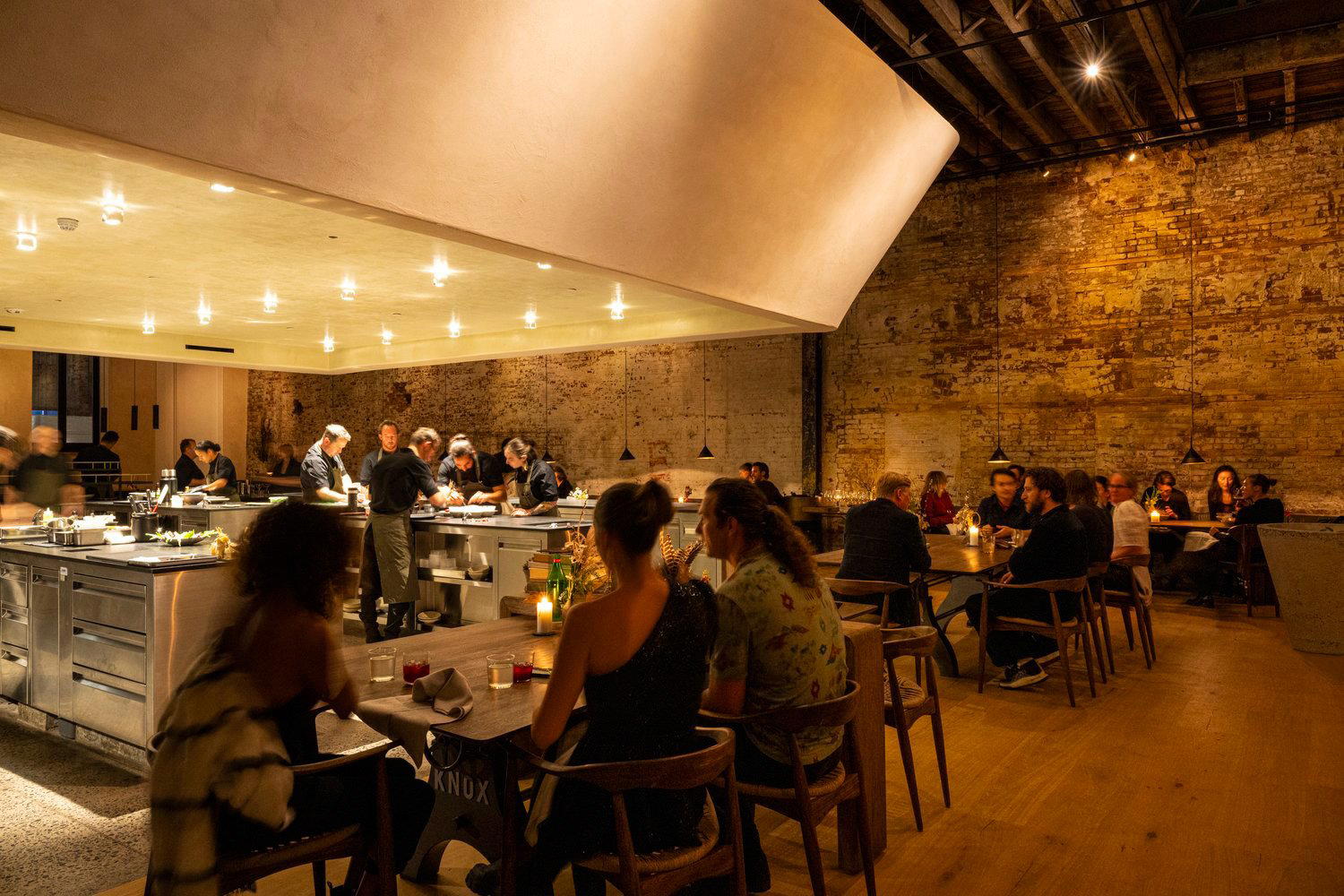
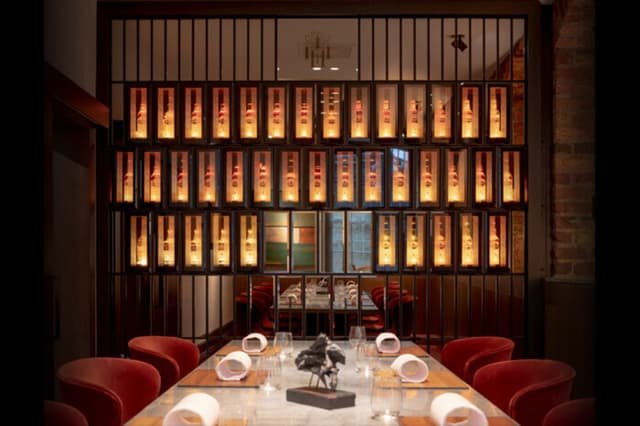
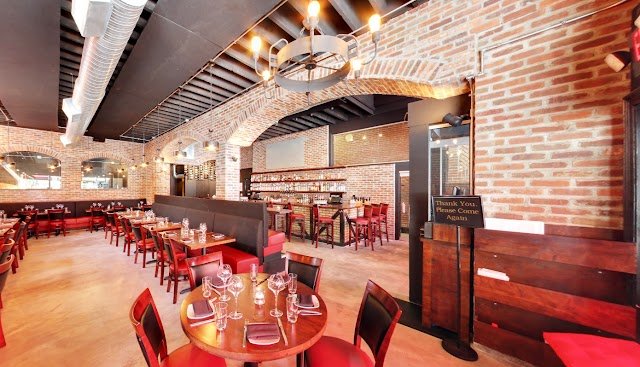
The name is the first thing to understand: anju refers to Korean dishes designed to be eaten alongside alcohol. That framing shapes everything here. Brick walls, wood floors, funky artwork, and trailing greenery create a space that reads as casual and comfortable even when the room is packed. This is not a minimalist, reverent dining room. It is a place built for eating and drinking with intention, where the noise level rises pleasantly as the evening deepens. If you are planning a late dinner or a post-work drinks-and-food session, the atmosphere holds up well past standard dinner hours. The room does not quiet down early, which makes it one of the more reliable options in D.C. for anyone who wants a proper meal after 9 PM without sacrificing quality.
What to Eat and Drink
The menu is anchored in anju tradition: fried snacks, rich stews, salty-sweet-spicy combinations built to accompany beer, soju, and makgeolli. Banchan such as Brussels sprouts and apple kimchi open proceedings, and the pork mandu has become a reference point for the kitchen's technical reliability. For something more substantial, the dak jjim (sweet chili-braised chicken with potatoes and onions) and dolsot bibimbap (crisped rice with tofu and grilled vegetables) are drawn from the family recipes of Yesoon Lee, mother of original co-founder Danny Lee. These are the dishes that explain why the OAD ranking climbed 157 places in a single year. The drinks program leans into the anju format: the list covers soju, beer, and makgeolli, making it easier to drink well here without overthinking it.
Booking and Timing
Anju sits at moderate booking difficulty. Aim to reserve a week to two weeks in advance for a weekend dinner, and a few days out for weeknight slots. If your schedule is flexible, a late-night weeknight visit is often the most atmospheric option and slightly easier to secure. The address is 1805 18th St NW, Washington, DC 20009, in the Dupont Circle-adjacent stretch of 18th Street where foot traffic stays steady into the evening. For a full picture of what else is nearby, see our full Washington, D.C. restaurants guide, or explore our Washington, D.C. bars guide if you want to extend the evening.
Who Should Book Anju
Anju is well-suited to food-curious diners who want Korean cooking with some ambition behind it, without paying the prices of a tasting-menu room. At $$$, it occupies a mid-range price tier that makes it realistic for repeat visits. It works for couples, small groups, and solo diners who are comfortable with a lively room. If you are specifically looking for Korean food in D.C. the comparison that comes up most often is Mandu, also a Danny Lee project: Mandu is broader and more casual in its appeal, while Anju is more specifically built around the drinking-food format with tighter editorial focus on the menu. For diners who want to understand Korean cuisine at a more technically demanding level, the benchmark restaurants are in Seoul itself, venues like Mingles and Kwonsooksoo operate in a different register entirely. But within D.C.'s Korean dining options, Anju is the address that serious food travellers tend to cite first.
The Late-Night Case for Anju
This is where Anju earns particular credit. D.C.'s late-night dining options are thinner than the city's overall restaurant quality would suggest, and finding a kitchen that is both doing serious work and operating in an environment that feels right at 10 PM is harder than it should be. Anju's anju-format menu is structurally built for extended evenings: small plates that encourage ordering in rounds, drinks that arrive easily, and a room that does not feel like it is winding down before you are. If you are arriving in D.C. late, finishing a long day with a reservation elsewhere, or simply prefer eating later, Anju is the most defensible choice in its price tier for Korean food after standard hours. Check our Washington, D.C. hotels guide if you need to sort accommodation nearby, and our experiences guide for what to do in the area before dinner.
Context for the Food-Curious Traveller
Anju's OAD ranking, #206 in Casual North America in 2025, places it in a peer group that includes some of the most consistently recommended neighbourhood restaurants on the continent. For a city like Washington D.C. which competes in the same national conversation as Le Bernardin in New York City, Alinea in Chicago, Lazy Bear in San Francisco, The French Laundry in Napa, Single Thread Farm in Healdsburg, and Emeril's in New Orleans, landing in the top 210 of the casual category is a meaningful marker. The trajectory upward from #363 in 2024 to #206 in 2025 suggests the kitchen is in a productive period rather than coasting on an established name. That is a useful signal when deciding whether to book now or revisit later: the answer is now. For tasting-menu alternatives in D.C. that operate at a higher price point, Jônt is the reference address for modern French-influenced cooking in the city. See our Washington, D.C. wineries guide for regional wine context if that matters to your trip planning.
Planning details
- Location
- 1805 18th St NW, Washington, DC 20009
- Reservations
- Book on Resy
- Website
- anjurestaurant.com
- Phone
- (202) 845-8935
The take
The Take
The Vibe
Anju presents a lived-in, thoughtfully designed dining room where brick walls, wood floors, and scattered greenery create a warm, neighborhood feel. The space balances deliberate design with a comfortable haunt-like quality, trading theatrical service for convivial energy. When it fills up, the room buzzes with shared plates and communal bottles, producing a social, high-energy atmosphere that foregrounds company and conversation. The focus on Korean anju—the tradition of food meant to accompany drinking—keeps the mood informal and engaged, with a design-forward backdrop that reads as both intentional and welcoming.
Best For
Anju is best for evenings that prioritize shared plates and social drinks. The menu and floor rhythm support after-work groups, friends out for a lively dinner, and date-night crowds who want something casual but considered. Because the restaurant is organized around food meant to accompany alcohol, it shines as a destination for sessions that stretch through dinner into later hours. It suits small groups who like to graze and pass dishes, and diners who appreciate a bustling, convivial room rather than a quiet, formal meal.
Ordering Tips
Approach Anju with a sharing mindset: the menu is organized around anju—food meant to accompany alcohol—so order multiple dishes to pass. Prioritize signature items like pork mandu, the Korean fried chikin, and the ssam board as anchors for a communal meal. The room’s energy favors bottles and shared drinks, so consider ordering for the table rather than individual cocktails. Pace dishes between rounds of drinks to sustain a longer session; the menu’s fried and wrappable items are designed to open the palate and keep conversation moving.
Venue details
Ambiance
Homey-meets-hip space with brick walls, funky artwork, wood floors, and greenery that feels comfy even when crowded.
Tags
Vibe
Best For
Experience
At the Table
- Dress Code
- Smart Casual
- Noise Level
- Conversational
- Service Style
- Upscale Casual
- Meal Pacing
- Standard
- Capacity
- Small
- Kitchen
- Modern
- Menu Format
- Small plates, A la carte
- Dietary
- Vegetarian friendly, Gluten-free options
- Outdoor Seating
- Yes
Signature Dishes
- pork mandu
- chikin
- ssam board
Know before you go
Know Before You Go
- Getting there
- 1805 18th St NW, Washington, DC 20009
Planning details
Location
Recognition and awards


Also consider
Also Consider
- Albi, United States, Middle Eastern, $$$$
- Causa, Peruvian, $$$$
- Oyster Oyster, New American, Vegetarian, Vegetarian (Sustainable), $$$
- Bresca, Modern French, Contemporary, $$$$
- Gravitas, New American, Contemporary, $$$$
Restaurant context
Anju sits at $$$ and competes most directly with Oyster Oyster, the only other $$$ entry in this peer set. Both are OAD-tracked, both operate at a neighbourhood-restaurant price point, and both have built loyal followings in D.C. The difference is format: Oyster Oyster is a vegetable-forward, sustainability-focused New American kitchen with a quieter, more considered atmosphere. Anju is louder, drinks-driven, and better suited to groups who want to eat in rounds rather than courses. If you are choosing between the two, the deciding factor is whether you want Korean anju food and a lively late evening, or a focused vegetable tasting in a calmer room.
The $$$$-tier options in this comparison Albi, Causa, Bresca, and Gravitas, occupy a different price register entirely. Albi is the address for serious Middle Eastern cooking with a wine programme to match; Causa brings Peruvian technique and a more intimate room; Bresca and Gravitas both operate in the contemporary fine-dining mode with longer, more structured meals. If the occasion calls for a splurge, Bresca or Albi are the names that come up most often as the city's strongest $$$$-tier choices. For a special occasion where price is secondary, those two offer more formal, occasion-specific experiences than Anju.
For the practical decision: if you want the best value-for-quality Korean meal in D.C. at a moderate price point, book Anju. If you want a more formal celebration dinner with a longer format, move up to Albi or Bresca and budget accordingly. If your group wants something plant-forward and quieter, Oyster Oyster is the more appropriate call. Anju is not trying to compete with its $$$$ neighbours on formality, and it does not need to.
Explore Washington DC
Around this place
Discover more on Pearl
Unlock the full Anju guide in Pearl, including awards, comparisons, FAQs, planning details, and nearby places.
Compare Anju
| Venue | Cuisine | Price | Booking Difficulty | Awards |
|---|---|---|---|---|
| Anju | Korean | $$$ | Moderate | Washingtonian 100 Very Best Restaurants 2026 · #732026 James Beard Award Semifinalists2026 OAD Casual in North America Recommended2025 OAD Casual in North America Ranked · #2062025 James Beard Award Semifinalists2025 Michelin Plate2024 OAD Casual in North America Ranked · #3632024 Michelin Plate2023 OAD Casual in North America Recommended |
| Albi | United States, Middle Eastern | $$$$ | Unknown | Washingtonian 100 Very Best Restaurants 2026 · #12026 North America's 50 Best Restaurants · #6RAMMYS 2026 Winners - Formal Fine Dining Restaurant of the Year2025 World's 50 North America's Best Restaurants · #342025 Robb Report 100 Greatest American Restaurants of the 21st Century · #892025 OAD Casual in North America Ranked · #1302025 Michelin 1 Star2024 James Beard Awards · #12024 OAD Casual in North America Ranked · #109 |
| Causa | Peruvian | $$$$ | Unknown | Washingtonian 100 Very Best Restaurants 2026 · #162025 OAD Top Restaurants in North America Ranked · #2752025 James Beard Awards2025 Michelin 1 Star2024 OAD Top Restaurants in North America Ranked · #2252024 Michelin 1 Star |
| Oyster Oyster | New American, Vegetarian, Vegetarian (Sustainable) | $$$ | Unknown | Washingtonian 100 Very Best Restaurants 2026 · #622026 OAD Top Restaurants in North America Highly Recommended2025 Food & Wine Global Tastemakers Top Restaurants · #152025 OAD Top Restaurants in North America Ranked · #251We're Smart World Top Restaurants 20252025 Wine Spectator Award of Excellence2025 The Best Chef One Knife2025 Michelin 1 Star2024 OAD Top Restaurants in North America Ranked · #203 |
| Bresca | Modern French, Contemporary | $$$$ | Unknown | 2026 Wine Spectator Award of Excellence2025 OAD Top Restaurants in North America Ranked · #322025 Wine Spectator Award of Excellence2025 Michelin 1 Star2024 OAD Top Restaurants in North America Ranked · #372024 Michelin 1 Star2023 OAD Gourmet Casual Dining in North America Ranked · #212023 OAD Top Restaurants in North America Ranked · #35 |
| Gravitas | New American, Contemporary | $$$$ | Unknown | 2026 OAD Top Restaurants in North America Recommended2025 OAD Top Restaurants in North America Ranked · #4952025 Michelin 1 Star2024 OAD Top Restaurants in North America Ranked · #5362024 Michelin 1 Star2023 OAD Top Restaurants in North America Recommended |







Side-by-side comparison to help you decide where to book.
FAQ
Frequently Asked Questions
What are alternatives to Anju in Washington, D.C.?
For a different angle on ambitious casual cooking in D.C. Oyster Oyster is the go-to for vegetable-forward plates with serious technique, while Albi covers Lebanese-influenced fire cooking at a comparable price point. If you want something more refined and occasion-driven, Bresca steps up the format considerably at a higher price. Anju holds its own as the strongest Korean option among them, backed by an OAD #206 Casual North America ranking in 2025.
Does Anju handle dietary restrictions?
The anju concept is built around snacks, fried foods, and stews, so meat and seafood feature heavily across the menu. Vegetarians have options, dolsot bibimbap with tofu and grilled vegetables is a documented dish, but this is not a menu structured around plant-based eating. If dietary needs are specific, calling ahead is advisable; phone contact is not listed publicly, so reaching out via reservation platform notes is the practical route.
What should I wear to Anju?
The room runs casual: brick walls, wood floors, funky artwork, and a packed, energetic atmosphere on busy nights. There is no dress code in evidence here. Come as you would to a neighbourhood spot you're genuinely excited about, put-together but not formal.
Is Anju good for a special occasion?
It works for the right kind of occasion: a birthday dinner with a group who enjoys sharing plates and drinking soju, rather than a formal anniversary that calls for white tablecloths. The homey-meets-hip room and anju format are better suited to celebratory nights out than milestone dinners requiring quiet and ceremony. For the latter, Bresca or Gravitas would be a more appropriate fit.
Is Anju worth the price?
At $$$, Anju sits in the mid-range for D.C. dining and delivers strong value relative to that tier. An OAD Casual North America ranking of #206 in 2025, up from #363 in 2024, indicates consistent, improving quality recognised by a credible dining guide. The format, snack-driven plates built for drinking, means the bill can climb if you order widely and drink freely, but the per-dish cost is reasonable. For Korean cooking with genuine ambition at this price, it is a strong yes.