
.png?width=1200&quality=80)
Ambrozijn
€€€€ · Modern Cuisine · Cauberg, Valkenburg
Restaurant in Valkenburg, Netherlands
 Book with Pearl
The Read
Sacred Space, French-Rooted Technique
Price
$200–300per person
Dress
Smart Casual
Why go
Ambrozijn is a Michelin Plate restaurant inside a converted 1891 church in Valkenburg, where chef Sven Nijenhuis delivers French-rooted modern cooking with a strong local-ingredient focus. JRE membership and back up the quality. At €€€ pricing, it overdelivers for the region and is easier to book than most comparable Dutch fine dining destinations.
About Ambrozijn
Should You Book Ambrozijn?
Ambrozijn is one of the harder reservations to justify skipping in the Dutch south. If you are visiting the region and care about technically serious cooking in a space that earns its own attention, book it. If you are looking for a casual dinner or a quick stop, look elsewhere: this is a deliberate meal that rewards preparation.
What Ambrozijn Actually Is
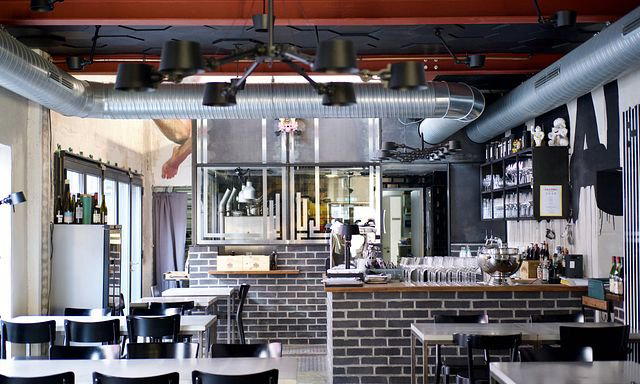
The restaurant occupies the Irenekerk, a church built in 1891 at Plenkertstraat 45. The conversion is the kind that earns its own mention before the food does: the original organ has been repurposed as a bar, the dark brick walls are intact, and a new roof truss sits overhead with enough visual weight to register as architecture rather than decoration. The kitchen is completely open, meaning the room and the cooking happen simultaneously and in full view. For a food enthusiast who wants context alongside the meal, that transparency is the point.
Chef Sven Nijenhuis leads the kitchen and his membership in JRE (Jeunes Restaurateurs), an organisation that selects young European chefs based on demonstrated technical standards, places Ambrozijn in a specific competitive tier: serious enough to be evaluated alongside peers across the continent, but younger and more dynamic in energy than the established Dutch two- and three-star circuit. The Michelin Plate recognition in 2024 confirms the kitchen is on the guide's radar. That combination of JRE membership and Michelin recognition is not a guarantee of a specific type of meal, but it is a reliable signal that the cooking here is being held to external standards, not just local ones.
The Cooking: Where Ambrozijn Earns Its Price
The editorial angle from reviewers and the awarding bodies consistently points to two technical strengths: saucing and seasoning. In modern European fine dining, sauce work is the clearest differentiator between kitchens that have absorbed classical French training and those that have not. Getting a sauce right requires time, reduction discipline, and the kind of precise seasoning that cannot be faked at service. When multiple independent sources identify this as the chef's signature, it is worth paying attention to, because it places the kitchen in a tradition that includes FG - François Geurds in Rotterdam and De Bokkedoorns in Overveen, both of which operate in the same French-rooted, technically demanding register.
The menu is built around local ingredients and is available in a plant-based version, though reviewers note this version is not yet fully plant-exclusive. That nuance matters if you are booking for a strict plant-based diner: confirm with the restaurant directly before assuming the plant menu is suitable for your specific requirements. The slogan attributed to the kitchen, "What you see is what you get," suggests the cooking leans toward clarity and honesty of flavour rather than concealment through technique, which in practice tends to mean the quality of the underlying ingredient is exposed rather than masked.
The Space: Why It Changes the Meal
Dining inside a converted church is not automatically interesting. Many conversions lose the original character in pursuit of comfort. The Irenekerk conversion appears to have kept the tension between the sacred and the functional: the organ bar is a deliberate piece of theatre, the brick walls ground the room in something older than the menu, and the open kitchen places the chef visibly at the centre of the space. For a solo diner or a couple who want a room with genuine atmosphere, this is harder to replicate elsewhere in Valkenburg. For a large group that needs acoustic privacy or a conventional dining room layout, the church setting may work against you.
Valkenburg itself is a small town in Limburg, the southernmost province of the Netherlands, with a food culture that punches above its size. The region's proximity to Belgium and Germany has historically pushed its restaurants toward more serious cooking than you would expect from a town of its population. Ambrozijn fits that pattern. For broader context on what else is available in the area, see our full Valkenburg restaurants guide, which covers the full range from casual to destination-level. You can also explore Les Salons (€€€€, Farm to table) and LIMES aan den Rijn (€€€, Modern Cuisine) if you want to compare options at different price points before committing.
Booking and Timing
Booking difficulty is rated Easy, which is relatively unusual for a Michelin-recognised JRE restaurant and represents a practical advantage over comparable Dutch fine dining destinations. That said, "easy" is relative to the category: do not assume walk-ins work. Reserve in advance, particularly for weekend evenings and during the Limburg autumn and winter seasons when regional tourism concentrates. The restaurant's pricing sits at the €€€ tier, which positions it below the €€€€ ceiling of the major Dutch starred restaurants while still representing a considered spend per head. For a region where the alternative fine dining options often require more travel or higher outlay, that price positioning is one of Ambrozijn's clearer practical advantages.
If you are planning a broader trip around the meal, our Valkenburg hotels guide covers accommodation options nearby. For a full picture of the region's food and drink scene, the Valkenburg wineries guide and bars guide are worth checking before you arrive.
Know Before You Go
- Address
- Plenkertstraat 45, 6301 GL Valkenburg, Netherlands
- Price tier
- €€€ (Modern Cuisine)
- Recognition
- Michelin Plate (2024); JRE member
- Booking difficulty
- Easy — reserve in advance; walk-ins not guaranteed
- Plant-based option
- Available, but not fully plant-exclusive — confirm with the restaurant for strict dietary needs
- Kitchen style
- Open kitchen, fully visible from the dining room
- Setting
- Converted church (Irenekerk, 1891); organ repurposed as bar
- Leading for
- Couples, solo diners, food enthusiasts, special occasions
How It Compares
Within the Dutch fine dining circuit, Ambrozijn occupies a clear mid-tier position by price while competing on quality with venues that charge considerably more. De Librije in Zwolle and Aan de Poel in Amstelveen both operate at €€€€ with Michelin star recognition; they are the appropriate benchmark if you want to understand what another tier of investment buys you. The honest answer is that the gap between a Michelin Plate and a starred kitchen is real, but it is not always felt in the same way: at Ambrozijn, the French technical foundation and the spatial drama of the Irenekerk create an experience that overdelivers relative to its price point in a way that the starred venues, operating at full cost, cannot always match on value.
De Nieuwe Winkel in Nijmegen is the most useful direct comparison for diners drawn to the plant-based angle: it operates at €€€€ with a fully committed organic and plant-forward philosophy, whereas Ambrozijn's plant menu is a secondary option rather than the kitchen's primary identity. If plant-based cooking is the reason you are booking, De Nieuwe Winkel is the better destination. If you want technically grounded French-rooted cooking with a strong local-ingredient focus, Ambrozijn is the stronger case at the lower price point.
De Lindehof in Giethoorn and Inter Scaldes in Kruiningen both sit in the €€€€ tier and offer the kind of deep-country destination-dining experience that requires significant travel commitment. Ambrozijn is easier to reach from the Belgian and German borders, easier to book than most of its starred peers, and priced a tier below. For a food traveller who wants a serious meal without the full logistics of a destination-dining expedition, it is the more practical choice among comparable southern Dutch options.
Pearl Picks Nearby
- Tribeca in Heeze
- FG - François Geurds in Rotterdam
- De Bokkedoorns in Overveen
- Stand in Budapest
- Our full Valkenburg experiences guide
Planning details
- Location
- Plenkertstraat 45, 6301 GL Valkenburg, Netherlands
- Website
- restaurantambrozijn.nl
- Phone
- +31 43 200 3068
The take
The Take
The Vibe
Ambrozijn occupies the nave of the Irenekerk, a Protestant church from 1891, and leans into that history rather than disguising it. Dark brick walls, a new roof truss that draws the eye upward and the organ repurposed as a bar give the dining room a gravely beautiful presence. Against that ecclesiastical backdrop the kitchen reads as a contemporary counterpoint: precise, modern and fully open. The result is a poised tension between old and new — architecture and culinary craft — that feels deliberate and thoughtfully staged rather than merely decorative.
Best For
Ambrozijn reads like destination dining in a town known for day-trippers: it suits diners who want a deliberately staged, refined meal. The setting and the kitchen’s transparency make it a natural choice for date nights and special-occasion dinners, particularly for guests who appreciate regional sourcing and contemporary technique. In a compact city like Valkenburg this is a restaurant that asks guests to slow down and focus on a composed tasting experience rooted in Limburg’s agricultural identity rather than a quick, casual meal.
Ordering Tips
The kitchen places local sourcing at the center of its menu, so let provenance guide your choices: ask the staff which dishes best showcase Limburg ingredients and seasonal produce. The open kitchen places the cooking in full view, so expect theatrically prepared plates and a strong focus on technique; order with the intention of experiencing the sequence of courses rather than picking isolated items. If you want context, request details about where components come from—the menu treats local supply as the compositional spine, and staff can point out the regional stories behind the food.
Venue details
Ambiance
Stylish and atmospheric blend of historic church elements with modern design, soft and raw materials, warm and sfeervol lighting.
Tags
Vibe
Best For
Experience
Sourcing
Accessibility
At the Table
- Dress Code
- Smart Casual
- Noise Level
- Quiet
- Service Style
- Formal
- Meal Pacing
- Leisurely
- Capacity
- Intimate
- Kitchen
- Modern
- Menu Format
- Tasting menu
- Wine Program
- Curated
- Dietary
- Vegetarian friendly, Gluten-free options, Allergy accommodating
- Outdoor Seating
- Yes
Know before you go
Know Before You Go
- Getting there
- Plenkertstraat 45, 6301 GL Valkenburg, Netherlands
Planning details
Location
Plenkertstraat 45, 6301 GL Valkenburg, Netherlands · Directions
Recognition and awards
Also consider
Also Consider
- De Librije, €€€€ · Modern Cuisine, €€€€
- Aan de Poel, €€€€ · Creative, €€€€
- De Nieuwe Winkel, €€€€ · Organic, €€€€
- Fred, €€€€ · Creative French, €€€€
- De Lindehof, Contemporary Dutch, Creative, €€€€
Restaurant context
Ambrozijn sits at €€€ in a category where most serious Dutch fine dining starts at €€€€. Against De Librije in Zwolle and Aan de Poel in Amstelveen, both Michelin-starred and priced at €€€€, the gap in recognition is real but the gap in experience is narrower than the price difference suggests. If your priority is confirmed star status and maximum service formality, those two are the answer. If you want technically serious cooking in a space with its own architectural identity at a lower outlay, Ambrozijn is the stronger value call.
De Nieuwe Winkel in Nijmegen is the right comparison for anyone drawn to Ambrozijn's plant-based menu option. De Nieuwe Winkel operates at €€€€ with a fully committed plant and organic identity at its core; Ambrozijn's plant menu is a genuine option but a secondary one. For strict plant-based diners, De Nieuwe Winkel is the more focused destination. For everyone else, Ambrozijn's French technique and sauce-led cooking gives it a different and broader appeal at a lower price point.
De Lindehof in Giethoorn offers contemporary Dutch cooking at €€€€ and rewards a dedicated trip, but requires considerably more travel from the Limburg and southern Netherlands area. Ambrozijn is the more accessible choice for diners arriving from Belgium or Germany, easier to book across its peer group, and priced to make a repeat visit realistic. For a food traveller building a southern Netherlands itinerary, it belongs on the shortlist ahead of venues that charge more and deliver a comparable technical standard.
Explore Valkenburg
Around this place
Discover more on Pearl
Unlock the full Ambrozijn guide in Pearl, including awards, comparisons, FAQs, planning details, and nearby places.
Compare Ambrozijn
| Venue | Cuisine | Price | Booking Difficulty | Awards |
|---|---|---|---|---|
| Ambrozijn | €€€€ · Modern Cuisine | €€€ | Easy | We're Smart World Top Restaurants 20252025 Michelin Plate2024 Michelin Plate |
| De Librije | €€€€ · Modern Cuisine | €€€€ | Unknown | Star Wine Lists 2026 · #12026 OAD Top Restaurants in Europe Ranked · #162026 La Liste Top Restaurants2026 Les Grandes Tables du Monde Members2026 Falstaff Restaurant Guide2025 OAD Top Restaurants in Europe Ranked · #202025 Michelin 3 StarsWe're Smart World Top Restaurants 2025We're Smart World Top 100 2025 |
| Aan de Poel | €€€€ · Creative | €€€€ | Unknown | 2026 Wine Spectator Best of Award of Excellence2026 La Liste Top Restaurants2026 Falstaff Restaurant Guide2025 OAD Classical in Europe Ranked · #2982025 Wine Spectator Best of Award of Excellence2025 La Liste Top Restaurants2025 Michelin 2 Stars2024 OAD Classical in Europe Ranked · #2712024 Michelin 2 Stars |
| De Nieuwe Winkel | €€€€ · Organic | €€€€ | Unknown | Star Wine Lists 2026 · #12026 OAD Top Restaurants in Europe Recommended2026 La Liste Top Restaurants2026 Falstaff Restaurant Guide2025 OAD Top Restaurants in Europe Ranked · #426We're Smart World Top Restaurants 20252025 La Liste Top Restaurants2025 The Best Chef One Knife2025 Michelin 2 Stars |
| Fred | €€€€ · Creative French | €€€€ | Unknown | 2026 Les Grandes Tables du Monde Members2026 La Liste Top Restaurants2026 Falstaff Restaurant Guide2025 La Liste Top Restaurants2025 Michelin 2 Stars2024 OAD Classical in Europe Ranked · #2632024 Michelin 2 Stars2023 OAD Classical in Europe Recommended |
| De Lindehof | Contemporary Dutch, Creative | €€€€ | Unknown | 2025 OAD Classical in Europe Ranked · #3392025 La Liste Top Restaurants2024 OAD Classical in Europe Ranked · #3312024 Michelin 2 Stars2023 OAD Classical in Europe Recommended |









Comparing your options in Valkenburg for this tier.
FAQ
Frequently Asked Questions
Is Ambrozijn good for solo dining?
The open kitchen format works in your favour as a solo diner — watching Sven Nijenhuis cook in full view gives you something to engage with beyond your plate. The converted church space is dramatic enough that sitting alone does not feel awkward. Booking difficulty is rated Easy, so a solo reservation is straightforward to arrange.
What should I order at Ambrozijn?
The menu is composed around local ingredients, so follow the kitchen's lead and take the full menu rather than picking selectively. The cooking is specifically noted for saucing and seasoning — these are technique-led dishes that reward eating in the intended sequence. The plant-based menu version is worth considering even for non-vegetarians if it reflects the day's best produce.
Is Ambrozijn worth the price?
At €€€ pricing with a Michelin Plate and JRE membership, Ambrozijn sits at the point where the space, the technical cooking, and the value case all align. You are paying for a converted 1891 church interior and a kitchen with documented precision around sauces and seasoning — not just a tasting menu in a plain dining room. For the Dutch south, this is a strong return on spend.
Is Ambrozijn good for a special occasion?
Yes — this is one of the clearest special-occasion cases in the region. A 19th-century church with an organ repurposed as a bar, dark brick walls, and an open kitchen is a format that reads as an occasion without you having to manufacture one. Book ahead and be clear about the nature of your visit; at this level of JRE recognition, the kitchen will respond accordingly.
What are alternatives to Ambrozijn in Valkenburg?
Ambrozijn has no direct competitor inside Valkenburg at this level, which is part of what makes the booking case compelling. For comparable modern European fine dining in the broader Dutch south, De Lindehof in Nuenen is the closest peer by format and JRE standing. If you are willing to travel further for a step up in ambition, De Librije in Zwolle operates at a different tier entirely.