
Restaurant in Union City, United States
Tomatina
100ptsStrip-Mall Italian Staple
About Tomatina
Tomatina sits along Union Landing Boulevard in Union City, California, operating in a Bay Area dining corridor where casual, ingredient-forward concepts compete for a local audience that spans families, commuters, and suburban regulars. The name nods to a tomato-forward identity, placing it in the long American tradition of casual Italian-American dining where the source and quality of core ingredients drive the menu's character.
Union City's Casual Dining Corridor and Where Tomatina Fits
Union Landing Boulevard functions as Union City's commercial dining spine, a retail and restaurant strip that draws from Fremont, Hayward, and the broader southern Alameda County population rather than a single walkable neighborhood. Restaurants here compete less on destination appeal and more on consistency, value, and the ability to serve a genuinely diverse customer base that includes South Asian, Latino, East Asian, and long-established Anglo-American households. In that context, a concept built around tomato-forward Italian-American cooking occupies a distinct lane: familiar enough to draw across demographics, specific enough to hold a culinary identity.
The tomato itself is worth taking seriously as an organizing ingredient. In California, where the Central Valley produces a significant share of the nation's processing tomatoes and the farmers' market circuit delivers genuine dry-farmed varieties in late summer, a restaurant whose identity centers on that ingredient is implicitly making a sourcing argument. Whether that argument is made at the premium end (San Marzano imports, local heirlooms) or the utilitarian end (high-quality canned product) determines the character of the food more than any chef technique. Concepts in this tier, from casual trattorias in the East Bay to the red-sauce houses that still define neighborhoods in parts of New York and Chicago, live and die by that core ingredient decision.
The Room and the Approach
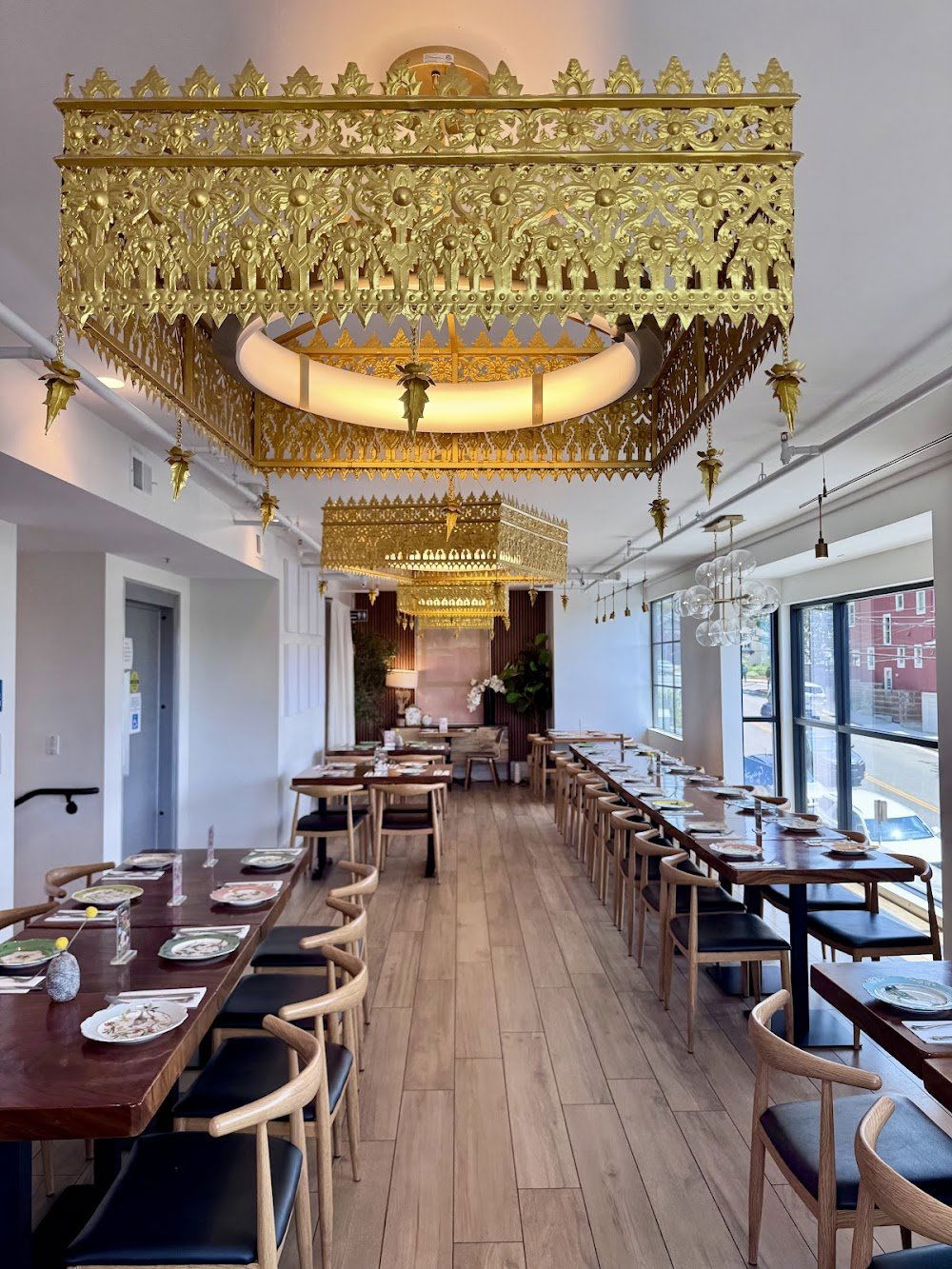
Union Landing is strip-mall California at its most functional: wide parking lots, anchor retailers, and restaurant storefronts designed for throughput rather than lingering. Tomatina at 32155 Union Landing Blvd sits within that format, which shapes the dining experience before a plate arrives. The physical setting signals accessible pricing, family-scale portions, and a pace calibrated to weeknight convenience rather than weekend occasion dining. That is not a criticism — it describes the tier accurately, and the leading casual Italian-American operators in this format understand that their value proposition is reliability and generosity, not theatre.
Italian-American casual dining in the Bay Area has a specific competitive context. At the premium end, operators like Single Thread Farm in Healdsburg and The French Laundry in Napa define what sourcing-obsessed, produce-driven California cooking looks like at tasting-menu scale. Closer to the casual middle, the East Bay has historically supported neighborhood Italian concepts that lean on local produce relationships and in-house pasta programs. Tomatina operates below that artisan-casual tier, in the family-friendly, counter-service-adjacent zone where speed and approachability matter as much as technique. Compared to peers in Union City's own dining mix, including the regional Mexican cooking at Arre Sinaloa and the dumpling-forward menu at Din Ding Dumpling House, Tomatina occupies the Italian-American family casual position in a neighborhood that otherwise skews toward Asian and Latin cuisines.
Ingredient Sourcing at This Price Tier
California's ingredient advantages are real and well-documented. The state's agricultural output means that even mid-market casual concepts have access to product quality that would require significant sourcing effort in other regions. For a tomato-centric concept, this geographic context matters: Central Valley canned tomatoes processed at peak ripeness can anchor a sauce program more effectively than imported alternatives of inconsistent provenance. The Italian-American tradition built in the United States, from the red-sauce institutions of New York's outer boroughs to the neighborhood trattorias of San Francisco's North Beach, has always been pragmatic about this: quality canned product, used correctly, outperforms a fresh tomato out of season.
Where sourcing decisions become visible at this tier is in the details: the quality of the mozzarella, whether dough is made in-house, the provenance of the olive oil used in finishing. These are the markers that separate a concept genuinely organized around its namesake ingredient from one that uses the tomato as branding shorthand. Nationally, the restaurants that have made farm-sourcing central to their identity at the premium end, from Blue Hill at Stone Barns in Tarrytown to Bacchanalia in Atlanta, demonstrate what full sourcing commitment looks like at high price points. Tomatina's version of that commitment, operating at a more accessible price tier for a suburban California audience, is a different kind of argument, but not necessarily a lesser one.
The Broader Union City Dining Picture
Union City's restaurant offering is substantially shaped by its demographics and its position between Fremont and Hayward on the 880 corridor. The city does not have a concentrated dining district in the way that Mission-adjacent San Francisco neighborhoods or downtown Oakland do. Dining here is distributed across commercial strips, with Union Landing serving as the highest-concentration node. That geography rewards concepts that can draw from a wide radius rather than relying on foot traffic, which in turn favors family-scale, value-conscious, recognizable formats.
For visitors coming from San Francisco or Oakland who are accustomed to the tighter editorial curation of those markets, Union City's dining mix requires a different frame. The comparison point is not Lazy Bear in San Francisco or Atomix in New York City; it is the practical, community-anchored casual dining that sustains a working suburban population. Within that frame, the presence of distinct cuisine identities like Tomatina's Italian-American focus, alongside Carro Cafe NJ and the broader options catalogued in our full Union City restaurants guide, reflects a dining corridor that is more varied than its strip-mall presentation suggests.
Planning Your Visit
Tomatina's location at Union Landing means parking is direct and accessible, which matters for the family-meal use case. The address at 32155 Union Landing Blvd places it within the main retail cluster, making it a practical stop either as a standalone dinner destination or as part of a broader errand-and-dining visit to the strip. For current hours, pricing, and booking specifics, checking directly with the venue is advisable, as these details are subject to change and were not available at time of publication. Weeknight visits typically involve shorter waits than weekend evenings at this type of casual family concept in a high-traffic retail corridor.
Frequently Asked Questions
- Does Tomatina work for a family meal?
- Union City's Union Landing strip is calibrated for exactly this use case: accessible parking, a format that accommodates groups, and a price tier that does not require advance planning. Italian-American casual concepts in this format, with their shareable portions and broad menu range, typically work well across generations. If the city's dining context and the casual format align with your group's expectations, this is a reasonable family-dinner option in the southern Alameda County corridor.
- What's the overall feel of Tomatina?
- The setting is strip-mall California — functional, parking-easy, and built for throughput rather than occasion dining. The Italian-American identity, anchored in tomato-forward cooking, places it in a well-established casual comfort tradition rather than a trend-driven one. In a Union City dining mix that leans heavily toward Asian and Latin cuisines, the format offers a familiar counterpoint. There are no awards on record and no premium positioning signals; this is neighborhood-anchor casual dining in a suburban Bay Area context.
- What should I order at Tomatina?
- Specific dish recommendations require verified menu data, which is not available at time of publication. For a tomato-forward Italian-American concept in California, the items most worth evaluating are those where the core ingredient is most exposed: tomato-based sauces on pasta, pizza where the sauce-to-dough ratio is visible, and any preparation where fresh or house-made product would be distinguishable. Those are the ordering decisions that reveal whether the concept's ingredient identity holds up in practice.
- How does Tomatina compare to other Italian-casual options in the East Bay?
- In the southern Alameda County corridor, Italian-American casual dining competes primarily on consistency, portion size, and price accessibility rather than on sourcing credentials or chef pedigree. Tomatina's Union Landing address places it in a high-traffic retail environment that draws from a wide suburban radius, which is a different context from the neighborhood-trattoria model found in parts of Oakland or Berkeley. For diners accustomed to the more curated Italian-casual options in those markets, the comparison point here is practical family dining rather than artisan-casual positioning.
Related editorial
- Best Fine Dining Restaurants in ParisFrom three-Michelin-star icons to the next generation of Parisian chefs pushing boundaries, these are the restaurants that define fine dining in the world's culinary capital.
- Best Luxury Hotels in RomeFrom rooftop terraces overlooking ancient ruins to Michelin-starred hotel dining, these are the luxury hotels that make Rome unforgettable.
- Best Cocktail Bars in KyotoFrom sleek lounges to hidden speakeasies, Kyoto's cocktail scene blends Japanese precision with global influence in ways you won't find anywhere else.
Save or rate Tomatina on Pearl
Keep this venue in your Pearl passport, rate it after you visit, and track it alongside every other place you collect.